





— Blogs —
—Products—
 Consumer hotline +8618073152920
 WhatsApp:+8615367865107
Address:Room 102, District D, Houhu Industrial Park, Yuelu District, Changsha City, Hunan Province, China
Product knowledge
Time:2026-01-14 14:21:20 Popularity:894
A hydrological monitoring station power budget should show how the instruments, logger and communications equipment remain supplied through the required measurement cycle. A solar panel and a large battery do not establish autonomous operation by themselves. For a NiuBoL station, start with the actual sensor configuration, add every continuous and intermittent load, then test the proposed supply against the site's poor-season solar input and acceptable data-loss risk.
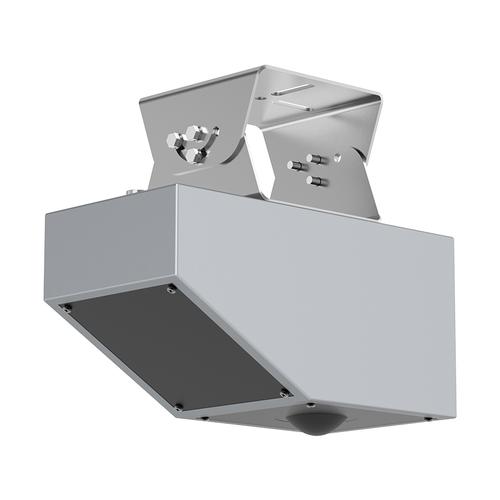
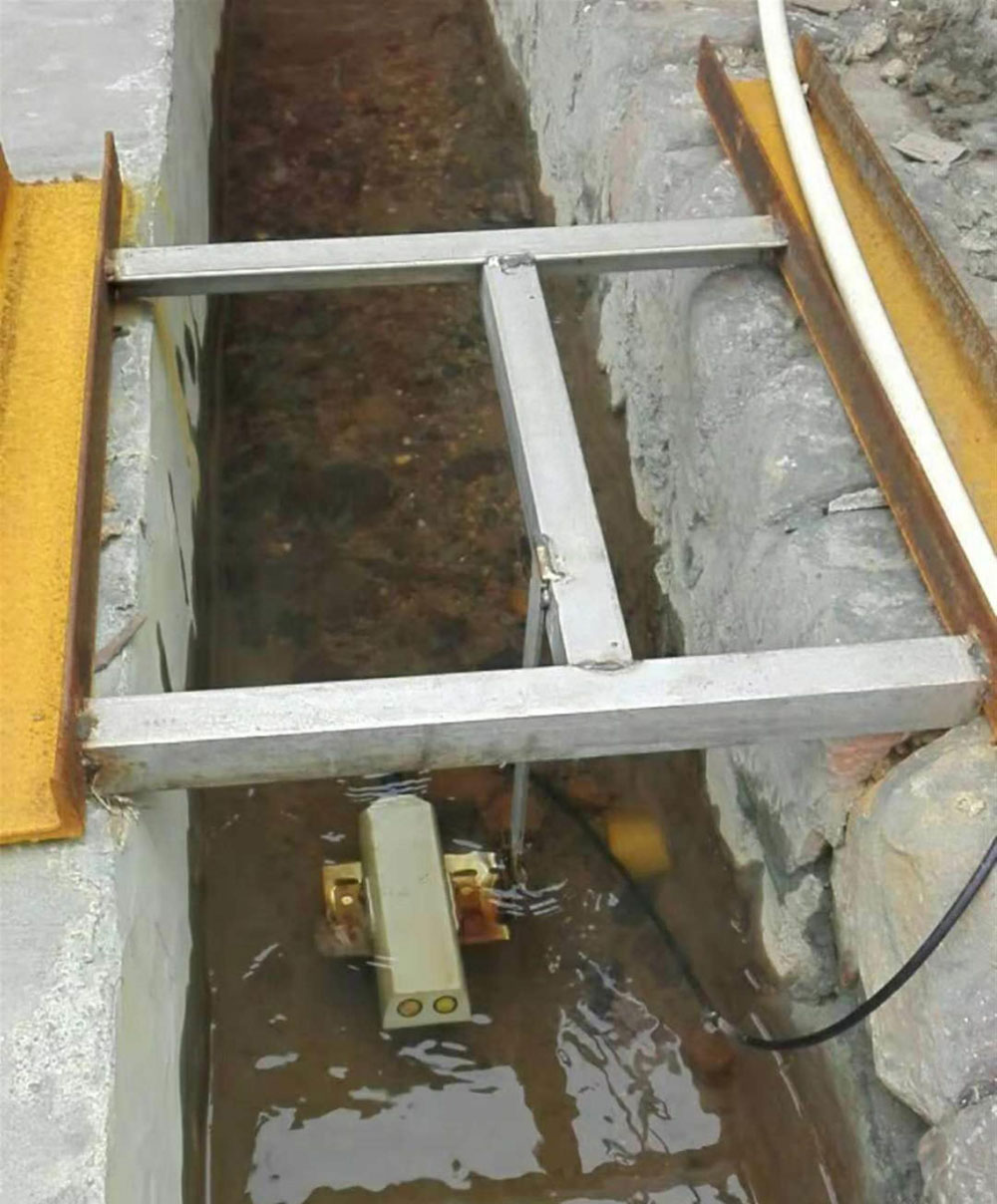
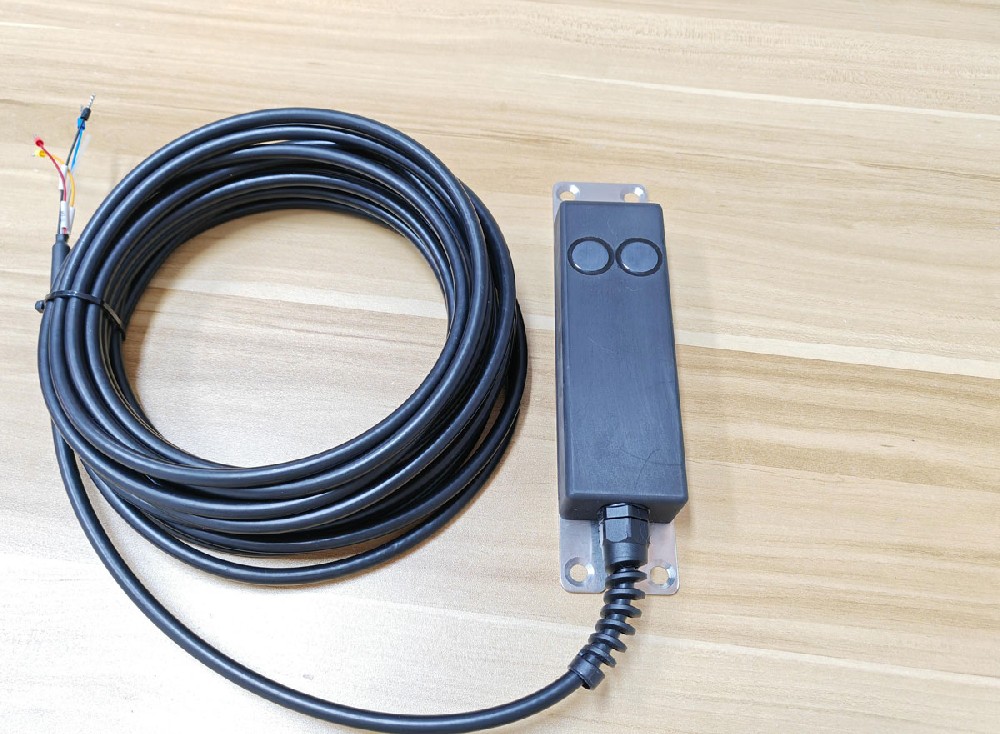
A non-contact radar and a submerged Doppler probe can both contribute to hydrological monitoring, but their operating conditions and electrical requirements are not interchangeable. The NiuBoL radar flowmeter configuration uses a 24 GHz surface-velocity channel with a 0.1-20 m/s range and a separate 76-81 GHz level-ranging channel. Its operating-height envelope is 0-20 m; the 65 m level-only maximum is not a complete velocity installation range.
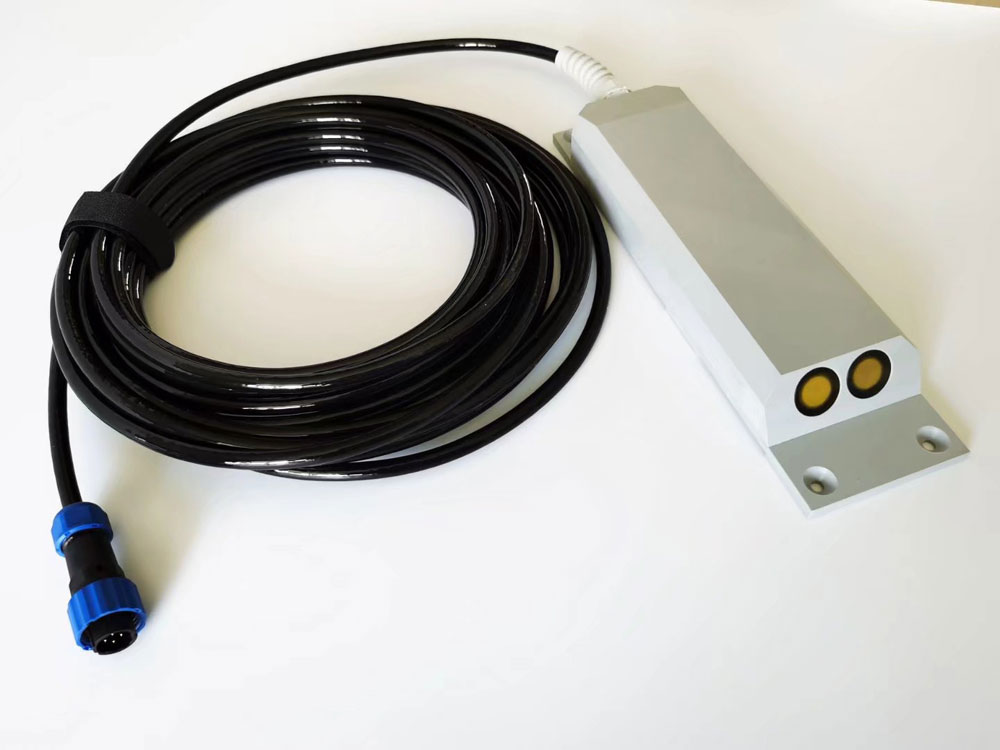
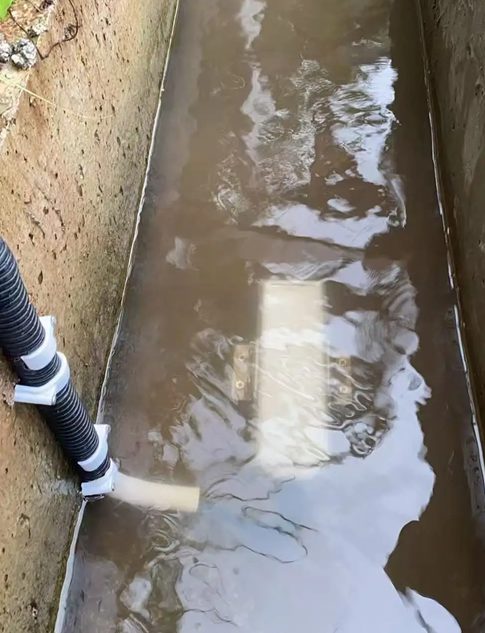
The submerged Doppler velocity meter has a unidirectional 0.03-5 m/s configuration that needs water cover and suitable acoustic conditions. The lower 0.03 m/s figure must not be transferred to the radar. If an alternative sensor is quoted, obtain its ordered supply and current figures before comparing solar or battery requirements.
List the exact radar or Doppler version, logger, modem, converter and auxiliary equipment. Include heaters, cleaning systems, cameras or status lights only where they are actually supplied. A station drawing can look unchanged while a different modem, sampling schedule or cabinet heater materially changes its energy demand.
| Load | Input to obtain | How to include it |
|---|---|---|
| Radar sensor | DC 10-30 V; maximum power 1.3 W for this configuration. | Continuous operation at the maximum corresponds to 31.2 Wh/day. |
| Logger or RTU | Actual measurement, storage and standby consumption. | Multiply each power state by its daily duration. |
| Cellular equipment | Transmit, network-search and idle demand. | Include connection attempts and any continuously powered receiver. |
| DC conversion and protection | Efficiency and idle current at the expected load. | Account for losses without applying the same allowance twice. |
| Accessories | Actual operating power and event frequency. | Include duty cycle, startup demand and low-temperature operation where relevant. |
Daily energy is the sum of power multiplied by operating time for each load state. Do not use a modem's short transmit pulse as its continuous average, or ignore network-search demand because an upload interval is long. Similarly, a sensor's maximum rating is a conservative continuous-load input, not evidence of its measured average consumption under every configuration.
Measure a representative operating cycle where practical. Record supply voltage, sampling interval, reporting interval and radio conditions with the result. A test made beside a strong cellular signal may understate energy at a remote bank where the modem repeatedly searches or retries. Ask the integrator to identify which figures are rated limits, measured values and design assumptions.
For an illustrative continuous-load estimate, combine the radar's 1.3 W maximum with an assumed 1.0 W average for the logger and communications equipment. The resulting 2.3 W total uses 55.2 Wh/day. The 1.0 W allowance is an example, not a NiuBoL logger or modem specification; replace it with the actual selected equipment's demand.
A nominal 12 V, 40 Ah battery stores 480 Wh by nameplate arithmetic. If the design assumes 70% usable capacity and 85% downstream efficiency, the delivered energy is 480 x 0.70 x 0.85 = 285.6 Wh. At 55.2 Wh/day, that is approximately 5.2 days without solar contribution. Those assumed factors are not universal battery performance or a promised autonomy period.
Specify capacity at the relevant temperature and load, allowable discharge, age allowance and battery-management behaviour. A lithium battery needs an appropriate charging and low-temperature strategy for its chemistry and supplied management system. A different nominal voltage also requires a fresh compatibility check: the instruments and modem must remain inside their supply limits throughout charge and discharge.
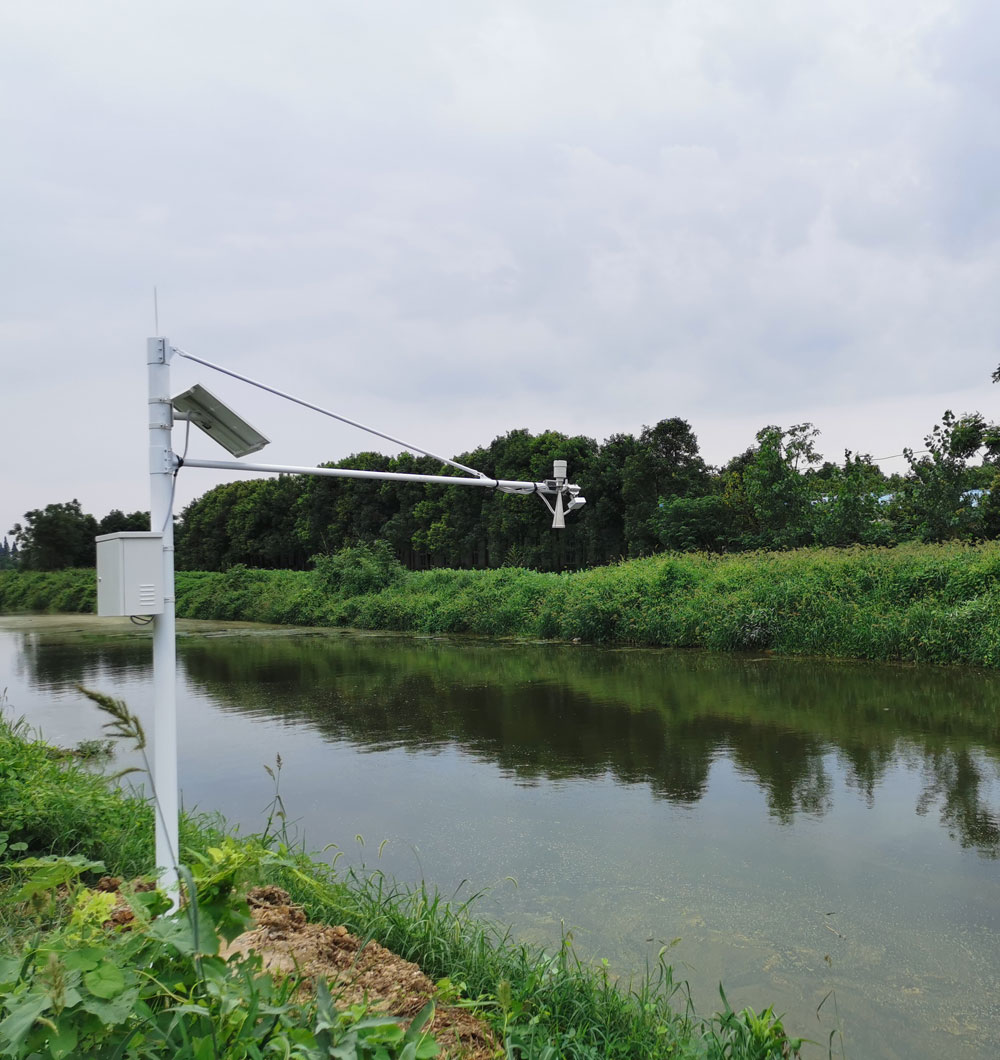
Use site-specific poor-season solar input, panel orientation and shading rather than a generic daily sunshine figure. An energy estimate can be expressed as panel rating x equivalent full-sun hours x the adopted net yield factor. Keep the assumptions visible and distinguish them from sunshine-duration measurements or a guarantee of weather in a particular week.
For illustration, an 80 W panel with an assumed two equivalent full-sun hours and a 70% net yield factor would provide 112 Wh/day. Against the 55.2 Wh/day example load, only about 56.8 Wh/day remains for battery recovery. A panel that just matches average consumption may operate the station on a clear day yet recharge too slowly after an extended deficit.
Check the charging controller's voltage, current and battery compatibility, plus cable loss between panel, battery and cabinet. Also examine summer overheating, debris or bird contamination on the panel, and seasonal vegetation. A mast location selected for an unobstructed radar view may provide poor panel exposure; the layout must satisfy both requirements without placing a panel inside the radar footprint.
A longer upload interval can reduce some communications activity without changing the local sampling interval, if the selected logger supports local records. Power-cycling a sensor is different. Confirm startup, stabilization, retained settings and acquisition timing before assuming an intermittent sensor schedule is equivalent to continuous observation.
Rapidly changing water can require shorter observation intervals than a slowly varying canal. Reducing sampling to extend battery life can miss an event the station was purchased to observe. Define the required event coverage before negotiating a low-power schedule. Where local alarms are included, check whether they remain functional while the radio sleeps or the platform is unreachable.
A submerged instrument may need additional consideration after exposure or seasonal dry periods. Saving power cannot correct inadequate submergence or restore a valid flow model. Treat the energy schedule and the measurement operating envelope as separate acceptance items, then confirm that both are met by the same final configuration.
A battery can have adequate nominal watt-hours while voltage at a distant sensor falls below its operating limit. For a simplified DC calculation, 0.5 A flowing through 2 ohms of total outgoing-and-return resistance produces a 1 V drop. The resistance includes the complete circuit, not one conductor alone; actual demand and cable conditions must be checked on the installation.
Observe voltage during modem transmission, reconnection and accessory startup. Confirm converter regulation and the order in which devices restart after a low-voltage shutdown. RS485 communications faults appearing during transmission can be a supply problem rather than a register-map error. Do not diagnose the bus solely from voltage measured at the cabinet when the remote load is idle.
Surge protection, grounding and cabinet ingress protection require a coordinated site design. The radar transmitter's -40 to 80 degrees C and 0-95% RH non-condensing specification is not an IP rating for the whole station. Do not assume a logger enclosure, exposed connector or battery can tolerate the same environment as the sensing assembly.
Agree what must remain operational during the specified deficit: all channels, local acquisition only, or an intentionally reduced service level. Demonstrate low-battery reporting, orderly shutdown, clock retention and recovery without duplicate or misdated records. A simulation or controlled bench test should not expose the actual site to an unplanned monitoring gap.
For a NiuBoL quotation, provide the location, sensor choice, local sampling and remote upload requirements, communications coverage, cable lengths and the required no-sun service period. Request the load schedule, battery assumptions, panel yield basis and recovery calculation. Compare alternatives on the same observation requirement rather than choosing whichever package advertises the longest unsupported autonomy.

No. It is the maximum sensor power for the stated radar configuration. Add the logger, modem, converters and supplied accessories using their actual operating cycles.
No. Convert to nominal watt-hours using voltage, then evaluate usable capacity, temperature, ageing and conversion losses. Equal amp-hours at different voltages do not represent equal stored energy.
No. Endurance during a solar deficit depends on available battery energy and load. Panel size also affects recovery once useful solar input resumes. Both need site and equipment assumptions.
No. A suitable logger can store frequent local samples and transmit less often. Confirm storage and alarm behaviour before changing either interval.
Check peak supply demand, voltage drop, converter response and battery condition. The symptom can occur even when average daily energy appears adequate.
Only after checking the ordered instrument's voltage, current and duty cycle alongside the existing station. Do not transfer one technology's electrical or measurement specification to the other.
A hydrological monitoring station power budget makes the required observation service measurable in watt-hours, usable storage and recovery time. Select the NiuBoL sensor configuration first, then design and test the complete supply under the actual communications and seasonal conditions. A documented calculation and restart test are more useful than a generic claim of unattended operation through a fixed number of rainy days.
Prev:Water Quality Monitoring Station Commissioning: Sample Flow and Sensor Checks
Next:Types of Water Level Sensors: Choose by Datum and Site Limits
Related recommendations
Sensors & Weather Stations Catalog
 Agriculture Sensors and Weather Stations Catalog-NiuBoL.pdf
Weather Stations Catalog-NiuBoL.pdf
Agriculture Sensors Catalog-NiuBoL.pdf
Water Quality Sensor Catalog-NiuBoL.pdf
Related products
 Combined air temperature and relative humidity sensor
 TDR Soil Moisture & Temperature Sensor for irrigation| RS485 |4-20mA| NBL-S-THR
 Soil pH sensor RS485 soil Testing instrument soil ph meter for agriculture |NBL-S-PH
 Wind Speed sensor Output Modbus/RS485/Analog/0-5V/4-20mA
 Tipping bucket rain gauge for weather monitoring auto rainfall sensor RS485/Outdoor/stainless steel
 Pyranometer Solar Radiation Sensor 4-20mA/RS485

Screenshot, WhatsApp to identify the QR code
WhatsApp number:+8615367865107
(Click on WhatsApp to copy and add friends)

