





— Blogs —
—Products—
 Consumer hotline +8618073152920
 WhatsApp:+8615367865107
Address:Room 102, District D, Houhu Industrial Park, Yuelu District, Changsha City, Hunan Province, China
Product knowledge
Time:2026-01-13 14:14:57 Popularity:823
Before delving into the specific functions of the NiuBoL Doppler flowmeter, it is necessary to first understand its core from a physics perspective—the Doppler Effect.
A Doppler flowmeter is a typical contact (submersible) ultrasonic flow measurement device. Simply put, it acts like a "sonar radar" installed at the bottom of the water. When the sensor emits ultrasonic pulses of a fixed frequency into the water, these sound waves encounter scatterers in the water (such as suspended silt particles, bubbles, or tiny organisms) and are reflected.
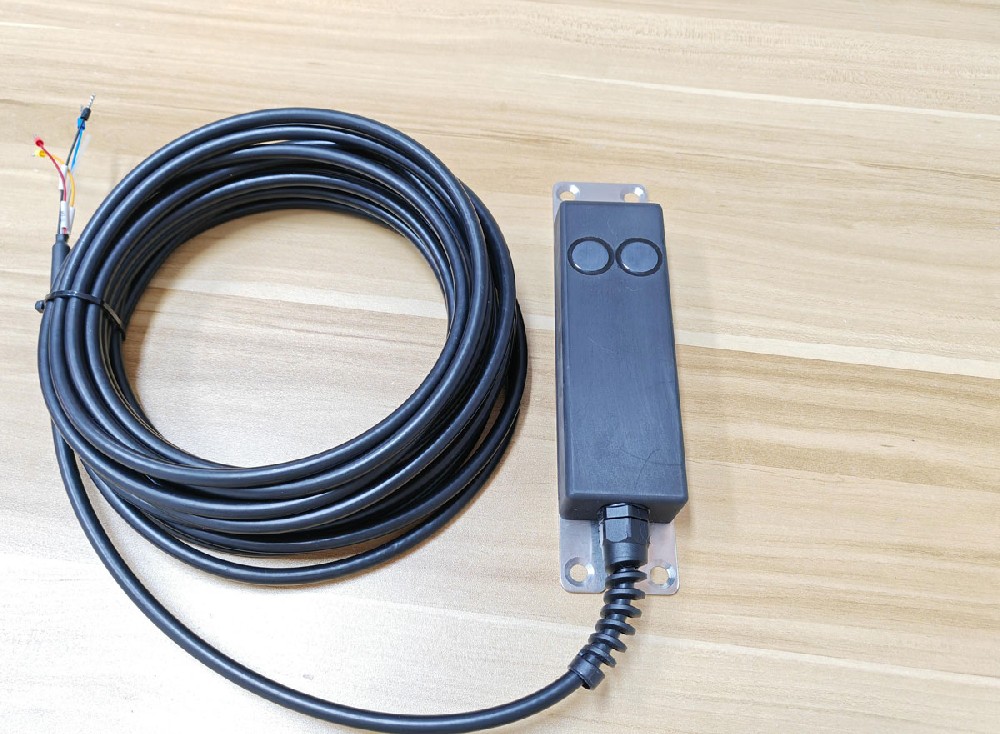
Frequency shift: As particles in the water move with the flow, the frequency of the echo reflected back to the sensor changes. If particles approach the sensor, the echo frequency increases; if particles move away from the sensor, the echo frequency decreases.
Velocity conversion: The amount of this frequency change (Doppler shift) is proportional to the water flow velocity. The NiuBoL sensor precisely measures this shift and converts it into the instantaneous velocity of the particles, thereby representing the true velocity of that water layer.
Multi-point sampling: Unlike traditional single-point velocity meters, Doppler technology can sample multiple flow layers along the acoustic path and convert them into the average velocity across the entire flow cross-section using built-in hydrodynamic models.
Unafraid of turbidity: Unlike radar or ultrasonic time-of-flight flowmeters, Doppler flowmeters require impurities (tracers) in the water to work. Therefore, they perform best in sewage, turbid water, and fluids containing bubbles.
Low-velocity sensitivity: The high-sensitivity acoustic transducer used by NiuBoL can detect weak flows as low as 0.03 m/s, making it ideal for flat irrigation districts and slow-flowing sewage culverts.
Direction sensing: It can directly distinguish whether the water flow is forward or reverse through the positive or negative shift, an advantage difficult to achieve with pressure-based or time-of-flight devices.
In urban infrastructure construction, drainage pipe networks are known as the city's "capillaries." However, how to monitor the operating status of these buried underground pipelines in real time and accurately has always been a major challenge for water management authorities. Traditional manual inspections are inefficient and data-lagged, making it difficult to respond to sudden waterlogging or pipe overflow incidents.
With acoustic Doppler technology, NiuBoL's Doppler velocity flowmeter provides an all-weather, digital solution for refined urban drainage management, open channel and river monitoring, and agricultural irrigation.
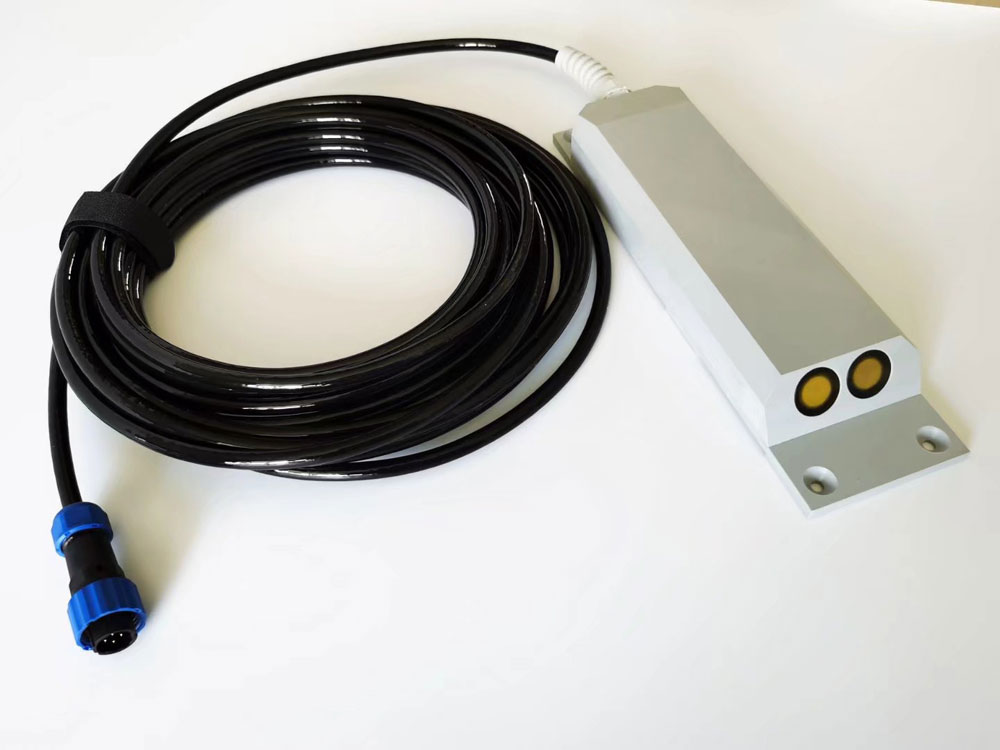
The core of the NiuBoL Doppler velocity flowmeter lies in its precise physical sensing technology.
The device utilizes the acoustic Doppler principle (Doppler Effect): The sensor emits ultrasonic waves of a specific frequency into the water body. When the ultrasonic waves encounter suspended particles or tiny bubbles (tracers) in the water, the reflected signal frequency shifts.
The NiuBoL sensor captures this frequency difference to achieve an ultra-wide velocity measurement range of 0.03 ~ 5 m/s, maintaining extremely high accuracy even in turbid sewage.
This device is not just a velocity meter but an integrated hydrological monitoring terminal:
Velocity monitoring: Real-time capture of flow dynamics;
Water level monitoring: Built-in pressure sensor for real-time conversion of liquid level height;
Temperature monitoring: Synchronous collection of water temperature (-10℃ ~ 60℃), providing a basis for velocity correction and environmental analysis.
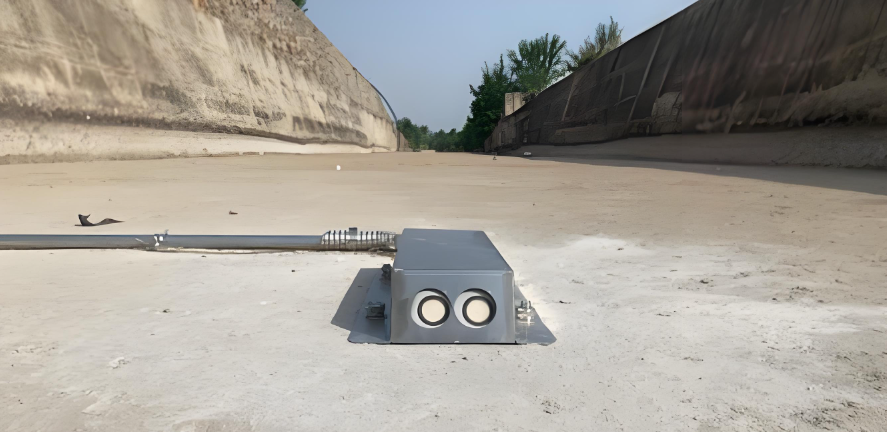
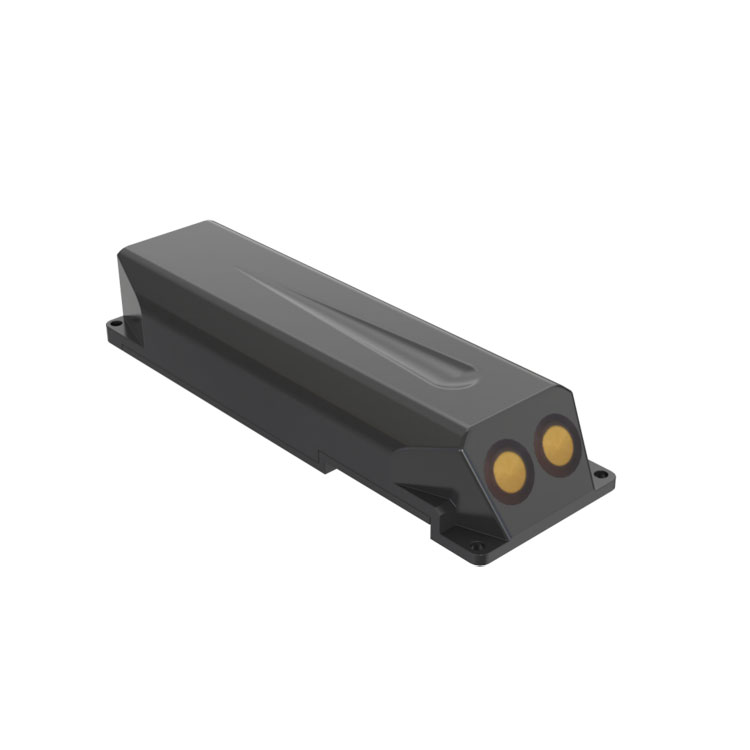
Drainage pipe environments are humid and corrosive. NiuBoL uses an ABS engineering plastic housing with excellent impact resistance and chemical stability. Combined with fully sealed waterproof technology, the protection rating reaches IP68, ensuring structural integrity during long-term submersion.
Traditional mechanical rotor flowmeters are easily entangled by fibers or plastic bags in water, leading to failure. NiuBoL fully adopts an electronic design:
Zero wear: No concern about accuracy degradation due to mechanical aging;
Low power consumption: Standby current only 65mA/12V. Paired with NiuBoL's dedicated battery pack, it can operate continuously for over a year, greatly reducing maintenance frequency in underground chambers.
The device supports RS485 interface and standard ModBus-RTU protocol, with extremely strong anti-interference capabilities.
Wireless integration: Seamlessly connects to 4G or NB-IoT converters for real-time data upload to the cloud;
High-power antenna: Ensures stable signal connectivity in deep underground wells or remote areas.
| Technical Indicator | Performance Specification |
|---|---|
| Brand & Model | NiuBoL Series Doppler Velocity Flowmeter |
| Velocity Range/Accuracy | 0.03 ~ 5m/s; ±1.0% ±1cm/s |
| Water Level Range/Accuracy | 0.03 ~ 5m; 0.3% ±0.5cm |
| Instantaneous Flow Range | 0 ~ 99.99m³ |
| Power Supply Voltage | DC 10 ~ 30V |
| Communication Interface | RS485 (ModBus-RTU protocol) |
| Cable Configuration | High-quality vented cable (corrosion-resistant, high-strength) |
| Operating Ambient Temperature | -10℃ ~ 60℃ |
By deploying NiuBoL Doppler flowmeters at key nodes, managers can obtain real-time sewage pipe velocity and load data. In the event of abnormal fluctuations in water level or flow, the command center can quickly locate the incident site through zonal management, providing scientific support for emergency decisions.
In non-full pipe conditions, traditional flowmeters struggle to operate. NiuBoL combines synchronous monitoring of water level and velocity, using built-in algorithms to precisely calculate cross-sectional area and derive accurate flow values. It is widely used in urban culverts and sewage outlet monitoring.
In natural rivers, the device can withstand silt impact. Its high-quality vented cable ensures water level measurement accuracy in long-term immersion environments, supporting river ecological flow monitoring and flood early warning.

To ensure data continuity and accuracy, the NiuBoL technical team recommends following these installation details:
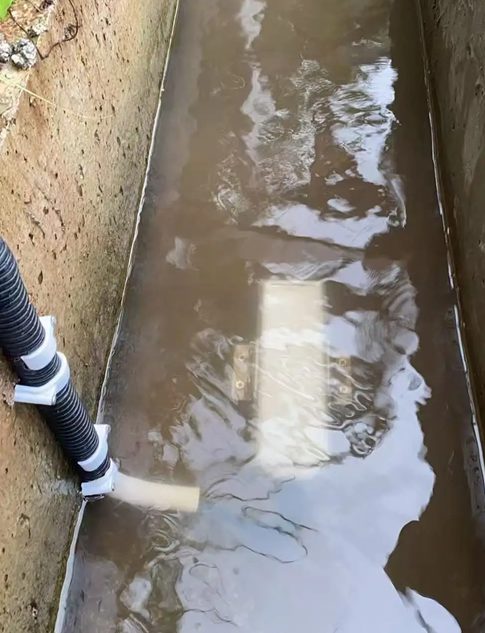
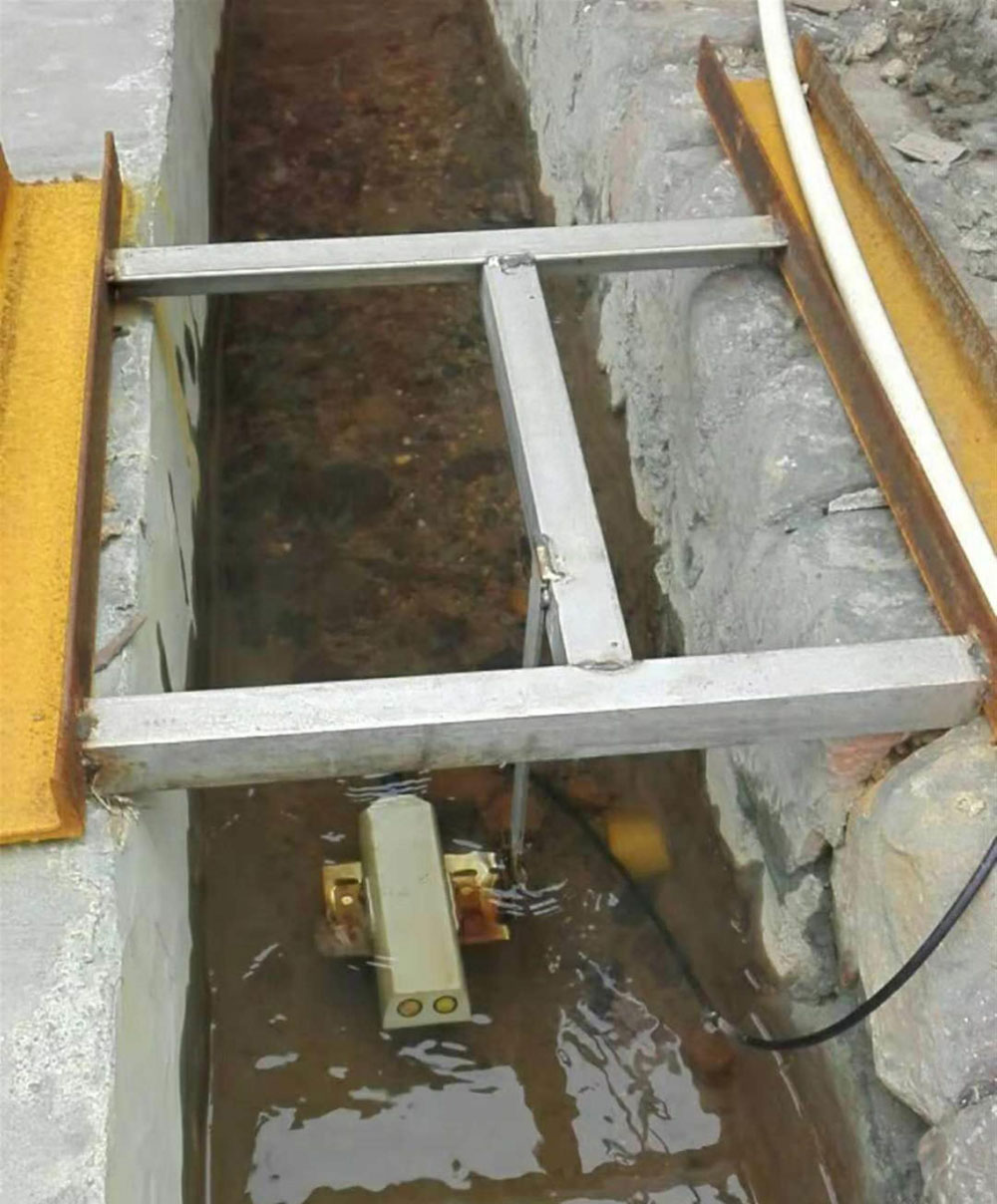
Horizontal position: The sensor should be installed horizontally in a smooth section at the channel bottom, avoiding siltation, aquatic plants, and dead water zones near the banks.
Submersion depth: Must ensure the device is 20cm below the lowest water level. Strictly prohibit exposure to air for velocity measurement; the absolute minimum water level must not be below 5cm.
Flow-facing direction: The sensor's sensing surface should face the incoming water flow direction (flow-facing installation).
Cable protection: The vented cable must not be bent; the end of the vent tube must be placed in a dry and exposed environment to ensure accurate water level compensation.
Debris filtration: If there are many floating objects on site, it is recommended to install an isolation grid in front of the device and regularly clean the probe.
Q1: Can the Doppler flowmeter measure clear water?
Answer: The Doppler principle relies on suspended particles or bubbles in the water to reflect signals. In extremely pure laboratory water with no impurities, measurement performance will be affected. However, the tracer content in natural rivers, urban sewage, and farmland irrigation water fully meets high-precision measurement requirements.
Q2: Will the device fail in environments with extremely high silt concentration (such as Yellow River tributaries or sediment discharge channels)?
Answer: The Doppler principle requires a certain amount of particles in the water as reflective media, making it more suitable for high-silt environments than radar flowmeters. However, if silt concentration is too high (forming sedimentation) and the probe is completely buried, the signal cannot be emitted. NiuBoL's solution is to install the device on the side wall or a slightly elevated bracket using its ABS impact-resistant housing and M5 fixing round holes to avoid the bottom silt layer. Additionally, the fully electronic design has no mechanical wear, so even silt impact will not damage the sensor.
Q3: Will the device be damaged in icing environments?
Answer: The lower operating temperature limit of NiuBoL is -10℃. In cold northern regions, as long as the device is submerged in flowing water below the ice layer, its ABS housing and cold-resistant cable can ensure normal operation. If the water body is completely frozen, it is recommended to remove the device before freezing.
Q4: How does the Doppler flowmeter ensure accuracy when measuring flow in "non-full pipe" pipelines?
Answer: Measuring non-full pipe pipelines (such as stormwater and sewage networks) is a strength of Doppler technology. The NiuBoL sensor obtains real-time liquid level height h through the built-in pressure water level gauge and combines pre-entered pipe diameter parameters to automatically calculate the current flow cross-sectional area A. At the same time, the sensor captures the average velocity v across underwater layers. Finally, flow is calculated using the formula Q = A*V. This "velocity + water level" integrated monitoring approach is far more accurate than relying solely on empirical formulas based on water level conversion.
With its fully electronic design, high integration, strong anti-interference capabilities, and extremely low maintenance costs, the NiuBoL Doppler velocity flowmeter is becoming a digital pioneer in urban drainage and hydrological monitoring. It not only achieves integrated perception of velocity, flow, liquid level, and temperature but also provides a solid data foundation for refined governance in smart cities.
In the future, with the iteration of IoT technology, NiuBoL will continue to empower the water conservancy industry, safeguarding the "transparency" and "safety" of every flow of water.
Prev:NiuBoL Doppler Flow Velocity Meter: Working Principle, Functional Features, and Installation Guide
Next:Smart Aquaculture: How Does NiuBoL Aquaculture Monitoring Station Solve Industry Pain Points?
Related recommendations
Sensors & Weather Stations Catalog
 Agriculture Sensors and Weather Stations Catalog-NiuBoL.pdf
Weather Stations Catalog-NiuBoL.pdf
Agriculture Sensors Catalog-NiuBoL.pdf
Water Quality Sensor Catalog-NiuBoL.pdf
Related products
 Combined air temperature and relative humidity sensor
 TDR Soil Moisture & Temperature Sensor for irrigation| RS485 |4-20mA| NBL-S-THR
 Soil pH sensor RS485 soil Testing instrument soil ph meter for agriculture |NBL-S-PH
 Wind Speed sensor Output Modbus/RS485/Analog/0-5V/4-20mA
 Tipping bucket rain gauge for weather monitoring auto rainfall sensor RS485/Outdoor/stainless steel
 Pyranometer Solar Radiation Sensor 4-20mA/RS485

Screenshot, WhatsApp to identify the QR code
WhatsApp number:+8615367865107
(Click on WhatsApp to copy and add friends)

