





— Blogs —
—Products—
 Consumer hotline +8618073152920
WhatsApp:+8615367865107
Address:Room 102, District D, Houhu Industrial Park, Yuelu District, Changsha City, Hunan Province, China
Product knowledge
Time:2025-12-07 16:27:07 Popularity:730
Weather monitoring system data loss must be investigated at the measurement, local-record and server stages separately. A stopped dashboard does not prove that the logger stopped recording, while local memory does not prove that missing records will automatically reach the server. For a NiuBoL system, specify retention, recovery and record identity, then test the delivered configuration.
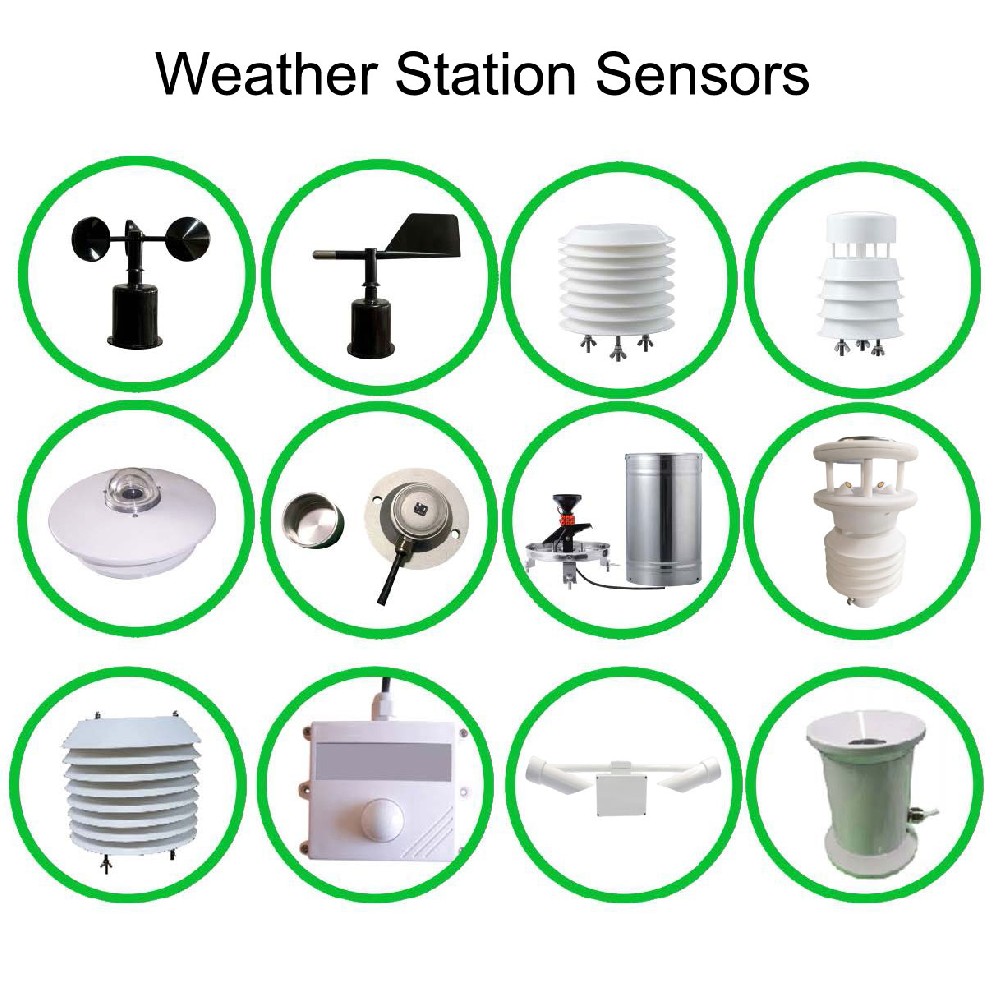
Start with one sensor channel and a defined time window. Check whether the sensor was acquired, whether the logger saved a valid observation and whether the receiving system stored it. These are different checkpoints. A live local display can remain available even when historical saving or onward transmission is not working as intended.
Record the configured acquisition, saving and upload intervals. Do not use an upload timestamp as the observation time. A packet received after reconnection can contain an older observation, and a recently refreshed dashboard can still display the last valid value from before the interruption.
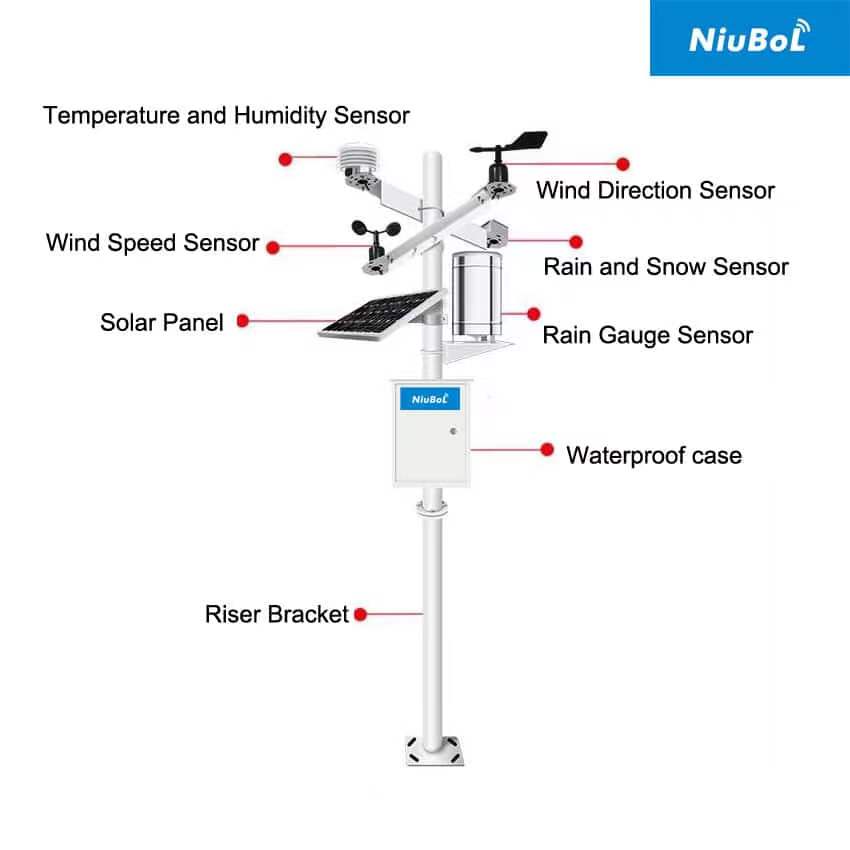
The NBL-PH-1 logger supports local non-volatile FLASH recording, configured inputs and 4G reporting. Its configurable saving interval is 1-240 minutes. Available storage options, interfaces and recovery behavior depend on the ordered configuration.
| Required function | What it establishes | What still needs checking |
|---|---|---|
| NBL-PH-1 local saving | Non-volatile FLASH; configurable saving interval 1-240 minutes | Capacity, overwrite policy and survival of the relevant fault |
| Reconnection | The station can reach the server again | Whether old records are requested or retransmitted |
| Backfill | Historical records can be delivered after a gap | Time coverage, ordering and duplicate handling |
| Server receipt | The receiver accepted a message | Whether the intended values were stored against the correct point and time |
These functions should be tested independently. Do not convert a statement about onboard memory into an unconditional zero-loss guarantee. Storage can fill, power can fail and server-side parsing can reject otherwise transmitted records.
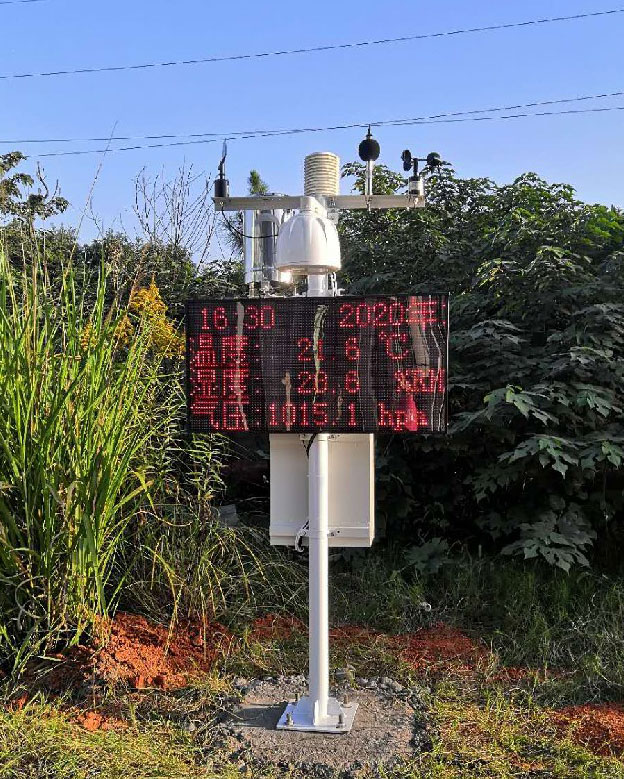
Request the usable storage capacity and the size of the configured records, including timestamps, channel values and status information. Retention depends on that format and the saving interval. Adding sensors or changing the interval can alter the retained time window.
For a simple example, a five-minute sequence from 13:00 through 13:55 contains 12 scheduled records. The defined window includes 13:00 and excludes 14:00. If four scheduled timestamps are absent, the dataset is incomplete even if a chart draws a continuous line between the remaining points. This is an illustrative counting check, not a logger capacity specification.
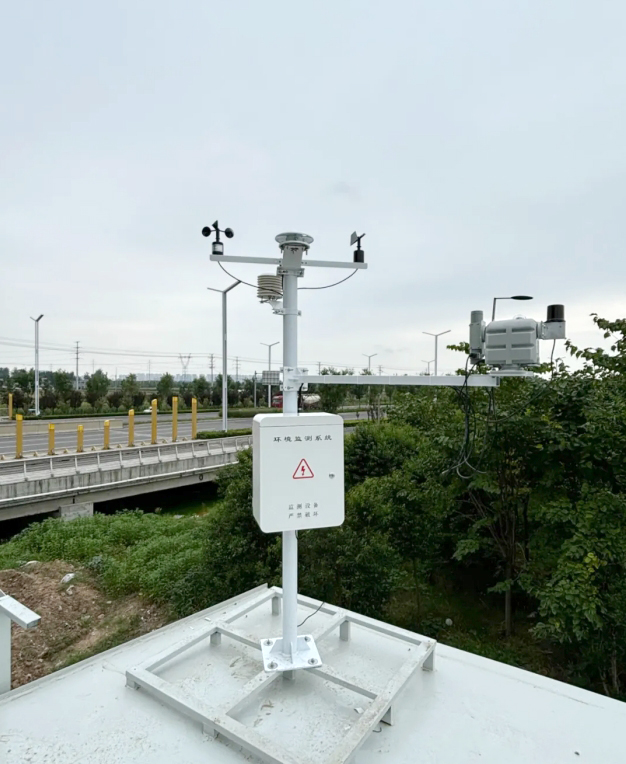
During an agreed commissioning test, maintain station power and interrupt only the onward link using a suitable controlled procedure. Keep a record of the start and end times. Verify local acquisition and saving during the interruption rather than assuming they continued because the station remained powered.
After restoring the link, compare the local and server records by observation time and point identity. Determine whether history arrives automatically, requires a supported request or must be retrieved locally. Do not assume that a current-value upload includes the missing historical interval.
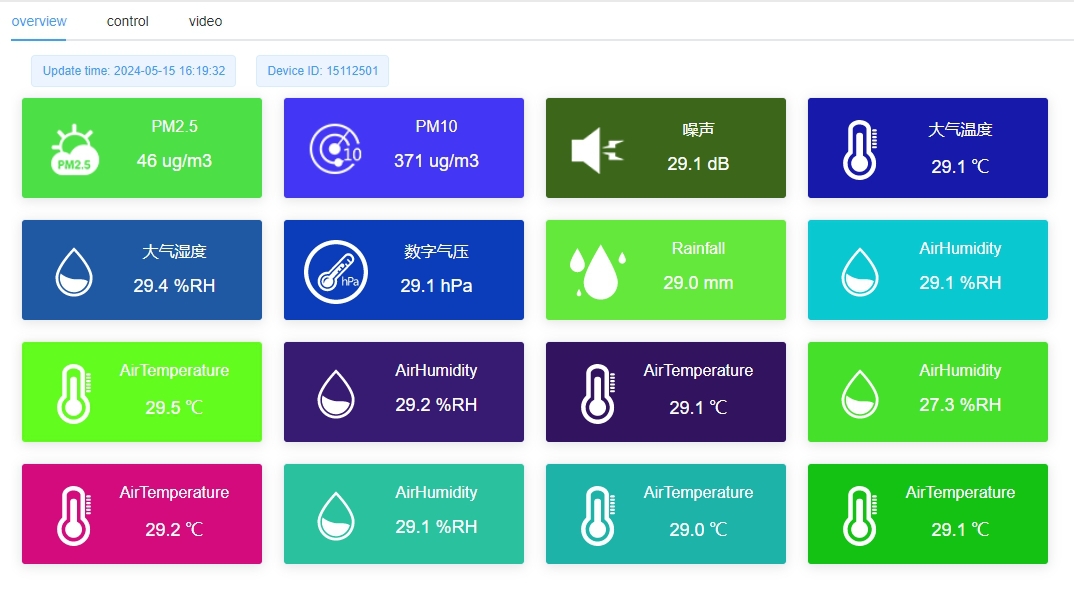
A receiver may obtain the same observation more than once during retries. Define a suitable record identity using the station, point and observation time, with any required sequence information. Arrival order alone should not determine which physical observation a row represents.
Preserve the distinction between original observations, retransmitted records and any calculated replacements. A server can otherwise count duplicate rainfall intervals twice or treat an old temperature as a new reading. The receiving software's handling of these cases is part of integration, not a capability established by RS485 Modbus RTU at the sensor bus.
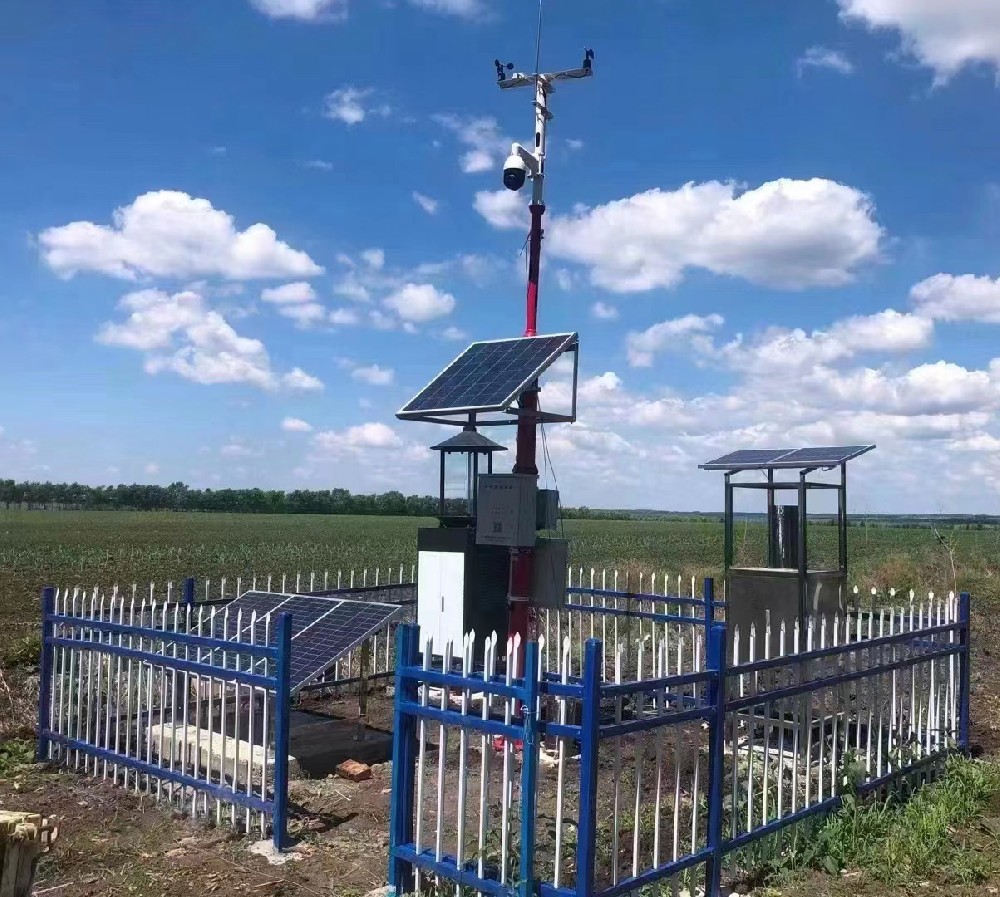
Loss of station power can stop the measurements themselves, not just transmission. Conduct any planned restart test safely within the project's commissioning procedure. Check clock behavior, retained records, counter reset behavior and the first valid observation after startup.
The selected instruments also have individual limits. For example, the 61MUWS head operates from DC 12-24 V and has IP65 protection; it is not a backup recorder or an immersion-rated complete station. A surviving enclosure or modem does not establish that every sensor continued to operate.
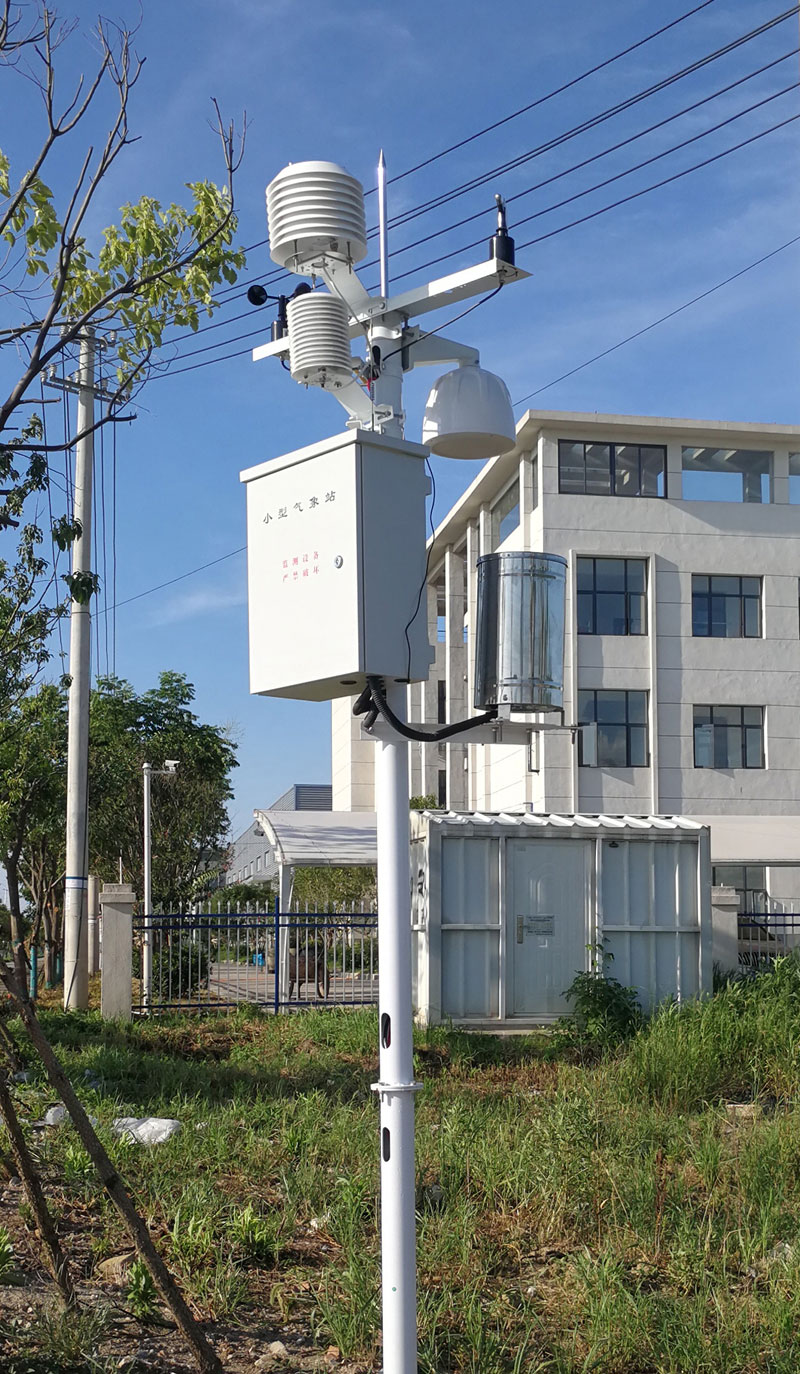
Prepare a comparison showing expected timestamps, locally retained observations, server arrivals, duplicates and unresolved gaps. Agree the allowed loss and recovery period for the required service. Keep failed or unavailable measurements distinct from a measured zero; a missing rainfall interval is not verified dry weather.
For a weather monitoring system data loss inquiry, send NiuBoL the logger configuration, sensor list, intervals, fault timeline and representative local and server records. Include the receiving format and required recovery process. This information helps locate the failed stage without assuming that every outage has the same cause.
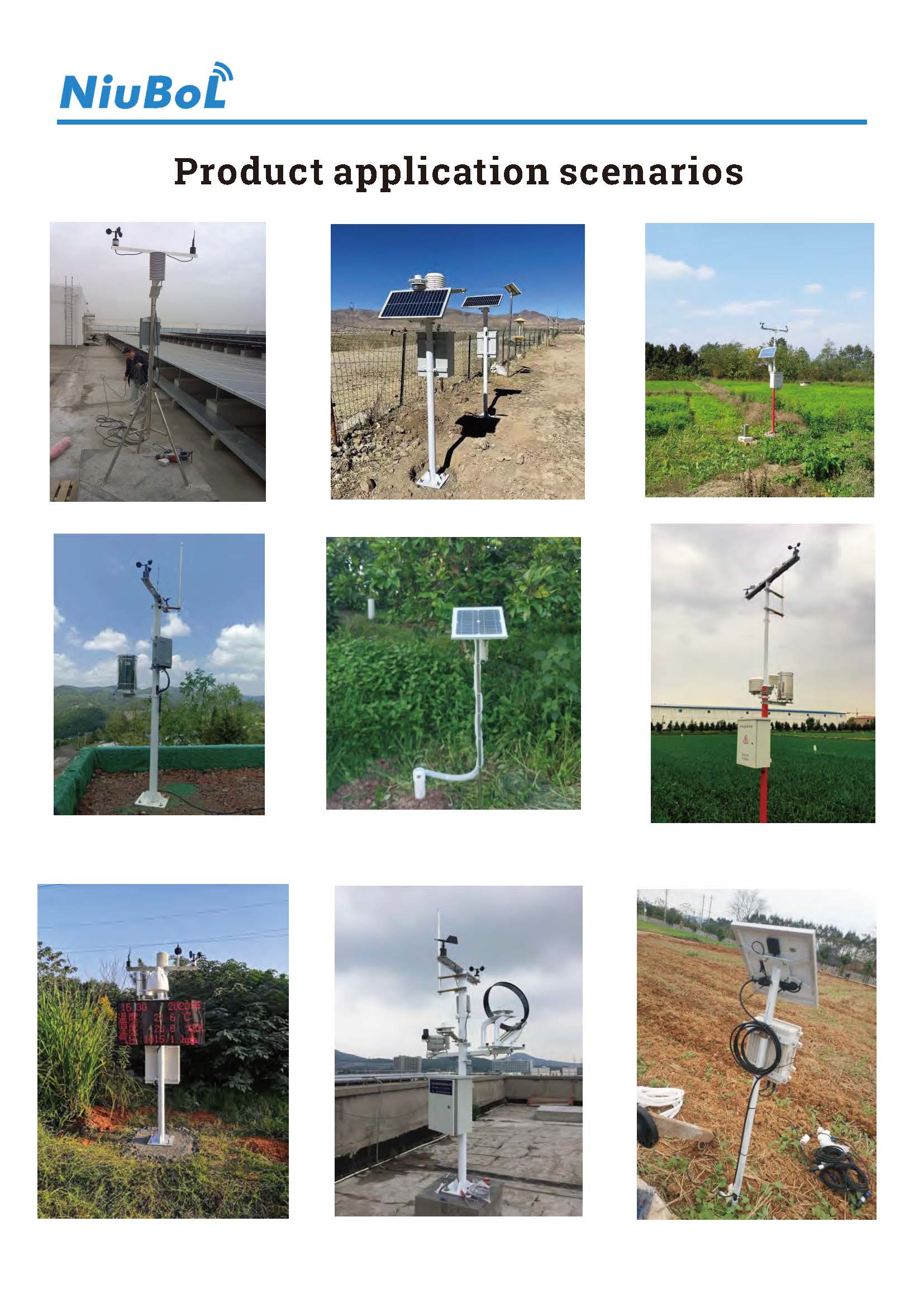
Not necessarily. Check local acquisition, saving and server receipt separately. The fault may be in the link, receiver or display, but local continuation must still be demonstrated.
No. Retention and historical delivery are separate functions. Confirm capacity, retrieval support and receiving-system behavior for the ordered configuration.
No. Lines can bridge missing timestamps or repeat old values. Compare the underlying records with the expected schedule and validity states.
No. Identify whether a record is a duplicate, a new interval or a cumulative counter. Apply the agreed data model rather than summing every arriving number.
Demonstrate the required local retention, link restoration, historical retrieval, correct timestamps and duplicate handling. Record any interval during which the actual measurements were unavailable.
Evaluate weather monitoring system data loss through identifiable observations across the complete path. Test retention and recovery separately, preserve missing-data states and compare local records with server history. A returning connection is useful, but it is not proof that the historical dataset is complete.
Prev:Ecological Weather Station Metadata: Location, Exposure and Site Changes
Next:Agricultural Weather Station Coverage: How Many Acres Can One Point Represent?
Related recommendations
Sensors & Weather Stations Catalog
 Agriculture Sensors and Weather Stations Catalog-NiuBoL.pdf
Weather Stations Catalog-NiuBoL.pdf
Agriculture Sensors Catalog-NiuBoL.pdf
Water Quality Sensor Catalog-NiuBoL.pdf
Related products
 Combined air temperature and relative humidity sensor
 TDR Soil Moisture & Temperature Sensor for irrigation| RS485 |4-20mA| NBL-S-THR
 Soil pH sensor RS485 soil Testing instrument soil ph meter for agriculture |NBL-S-PH
 Wind Speed sensor Output Modbus/RS485/Analog/0-5V/4-20mA
 0.2mm Tipping Bucket Rain Gauge for Weather & Hydrology | NiuBoL
 Pyranometer Solar Radiation Sensor 4-20mA/RS485


Screenshot, WhatsApp to identify the QR code
WhatsApp number:+8615367865107
(Click on WhatsApp to copy and add friends)

