





— Blogs —
—Products—
 Consumer hotline +8618073152920
 WhatsApp:+8615367865107
Address:Room 102, District D, Houhu Industrial Park, Yuelu District, Changsha City, Hunan Province, China
Product knowledge
Time:2025-12-21 11:44:00 Popularity:847
A noise sensor is a professional sensing device used for continuous measurement of environmental sound pressure levels and outputting standard industrial signals. Its core task is not to “listen to sounds,” but to convert sounds into long-term traceable data.
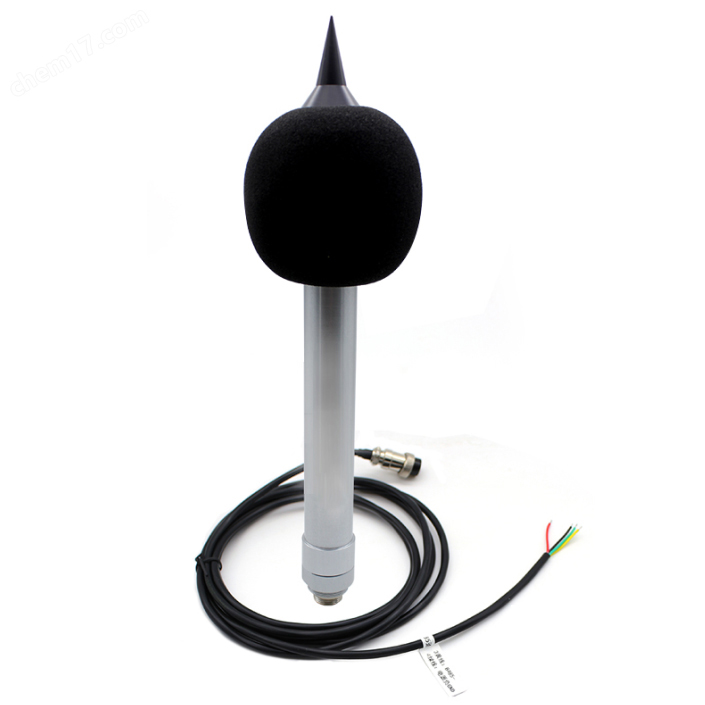
In engineering applications, noise sensors are usually deployed as fixed online monitoring equipment, used in conjunction with data collectors, PLCs, or environmental monitoring platforms to achieve:
Long-term trend analysis of environmental noise
Automatic warning for noise exceeding standards
Regulatory compliance assessment
Industrial safety and labor protection
Compared to handheld sound level meters, noise sensors emphasize stability, consistency, and system compatibility, which is the fundamental reason for their widespread adoption in environmental protection, industrial, and infrastructure fields. For example, in urban environmental monitoring, noise sensors can be integrated into IoT systems to achieve real-time data upload and remote monitoring, avoiding the inefficiency of manual inspections.
From a physical perspective, noise is the phenomenon of irregular sound waves propagating in the air; from an engineering perspective, noise is an environmental variable that needs to be quantified, recorded, and managed.
In noise monitoring projects, common noise types include:
Environmental noise: urban traffic, crowd activities, construction behaviors
Industrial noise: motors, pumps, compressors, production lines
Traffic noise: roads, railways, airports
Building equipment noise: air conditioners, fans, pipeline systems
The significance of classifying noise lies not in theory, but in selecting appropriate sensor frequency response, range, and installation methods to ensure that the monitoring data has practical reference value. For example, industrial noise often involves high-frequency components, so sensors need to support a wide frequency range (such as 31.5 Hz – 8 kHz), while environmental noise focuses more on A-weighting to simulate human ear perception.
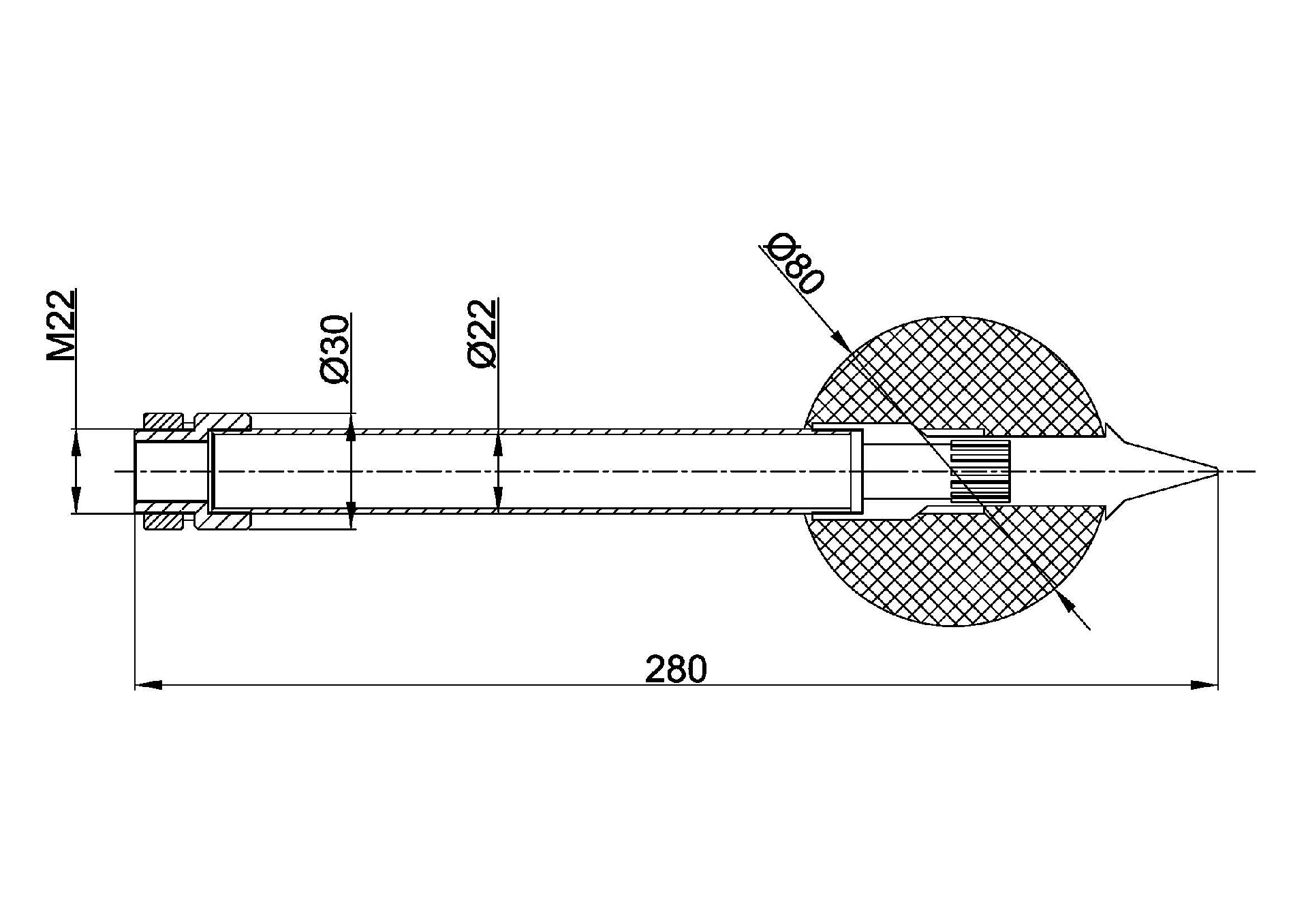
The core working process of noise sensors can be summarized into four stages:
Sound Wave Acquisition
Environmental sound waves enter the sensor interior through the sound inlet hole, and a high-stability capacitive microphone converts air vibrations into weak electrical signals. This step determines:
For example, NiuBoL NBL-W-NS uses a 0.5-inch capacitive microphone, which can effectively capture sound waves in the 30~130 dB range.
Sensitivity lower limit
Frequency response range
Anti-aging capability
Analog Signal Processing
The original signal undergoes amplification, filtering, and weighting processing. The most common in engineering applications is A-weighting (dBA), which simulates the human ear's perception characteristics of sounds at different frequencies and is the mainstream standard in environmental protection and occupational health fields. The preamplifier ensures signal impedance matching, followed by attenuators and amplifiers to adjust gain.
Digitization and Calculation
The signal is sampled, calculated, and corrected through MCU or DSP, ultimately obtaining stable sound pressure level values. This stage directly affects:
NiuBoL products use digital signal processing technology to replace traditional analog circuits, improving reliability and stability, supporting fast response time (T=200 ms).
Measurement stability
Anti-interference capability
Long-term drift control
Industrial Signal Output
Convert the calculation results into RS485 (Modbus RTU) or 4–20 mA signals for easy system integration and long-distance transmission. Digital processing can also reduce the impact of component aging and temperature drift on accuracy.
A noise sensor truly used in engineering projects usually includes the following internal structures:
High-consistency capacitive microphone
Low-noise front-end amplification circuit
Digital signal processing unit
Industrial-grade communication interface
Dust-proof and moisture-proof structural design
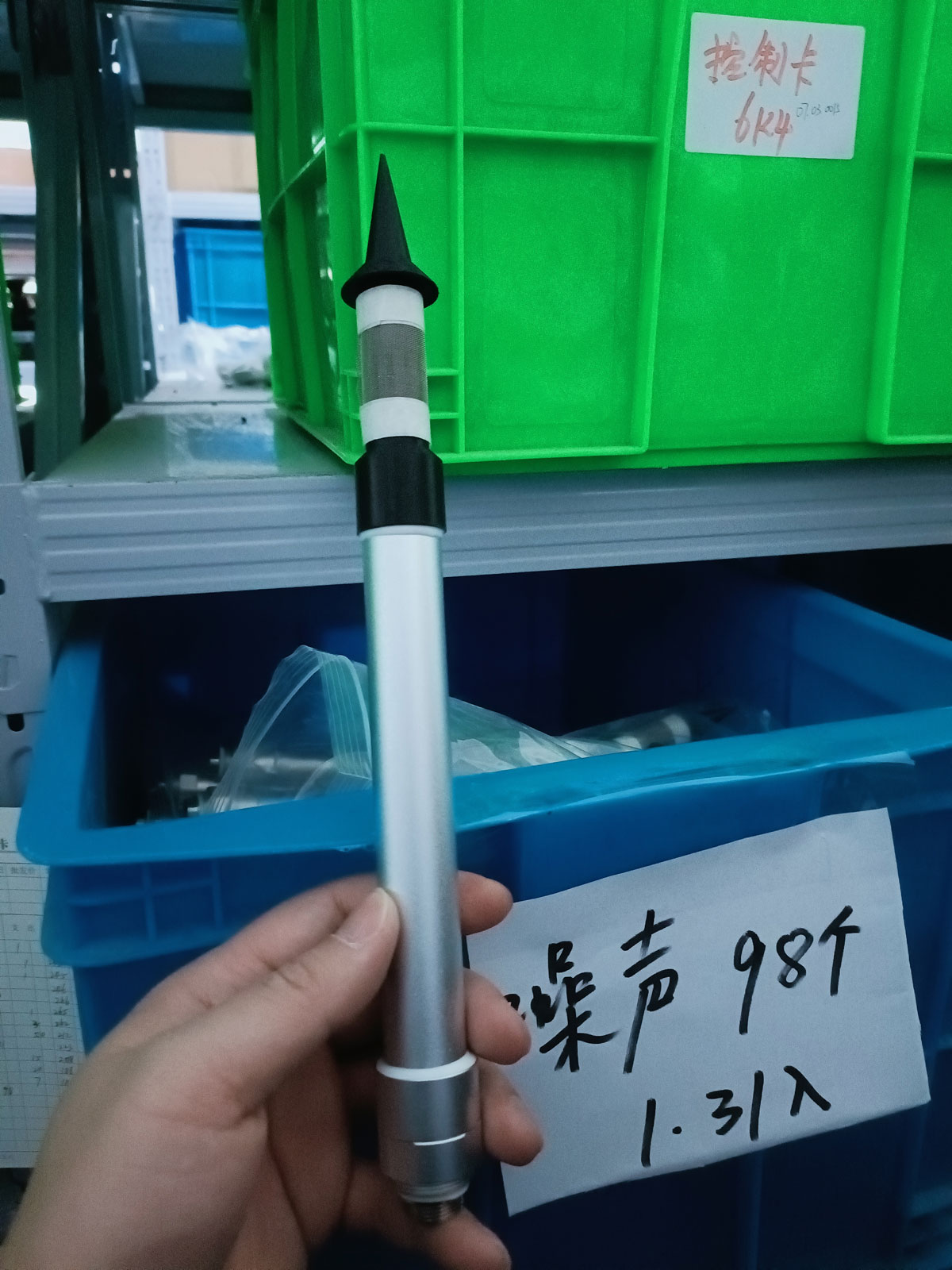
These structures are not “the more complex, the better,” but revolve around one goal: long-term output of credible data in complex environments. NiuBoL NBL-W-NS uses ABS plastic housing, internally integrated RMS detector for measuring signal effective values, ensuring stable operation in the -15~50°C temperature range. The structural design emphasizes durability and low power consumption (about 20 mW).
RS485 Output
Suitable for multi-point networking
Supports long-distance transmission (up to hundreds of meters)
Easy to connect to PLC, RTU, and monitoring hosts, using Modbus-RTU protocol, convenient for reading real-time data (such as noise value at address 03 00 00 00 00 01).
4–20 mA Output
Strong anti-interference capability
Suitable for industrial sites
Plug-and-play, high system compatibility
In engineering projects, many users will use both outputs simultaneously to balance flexibility and reliability. For example, in industrial noise monitoring, 4-20mA can directly connect to analog input devices, while RS485 is suitable for large-scale networked deployment.
Main Advantages
Can operate 7×24 hours
Data continuous and traceable
Easy system integration
Low maintenance frequency
High precision compliant with IEC 61672 Type 2 standard
Objective Limitations
Requires correct installation
Sensitive to wind noise and reflections
Needs periodic calibration
Performance may be affected in extreme humidity (>80% RH)
The reliability of professional noise monitoring systems comes 70% from scheme design and 30% from the product itself. Through digital technology, NiuBoL sensors reduce temperature drift issues and improve long-term stability.
Environmental Noise Monitoring
Focuses on long-term trends and exceeding standard judgments, with extremely high requirements for stability. For example, in urban noise pollution assessment, sensors can be deployed at residential area boundaries to achieve automatic warnings.
Industrial Noise Monitoring
Emphasizes anti-interference capability and equipment reliability. Used for machine noise assessment, helping optimize equipment design and comply with emission standards, such as monitoring pump and compressor noise in chemical plants.
Traffic Noise Monitoring
Needs to handle strong transient noise and complex background sounds. For example, deployed near airports or highways, supporting fast response to capture aircraft takeoff and landing peaks.
Construction Noise Monitoring
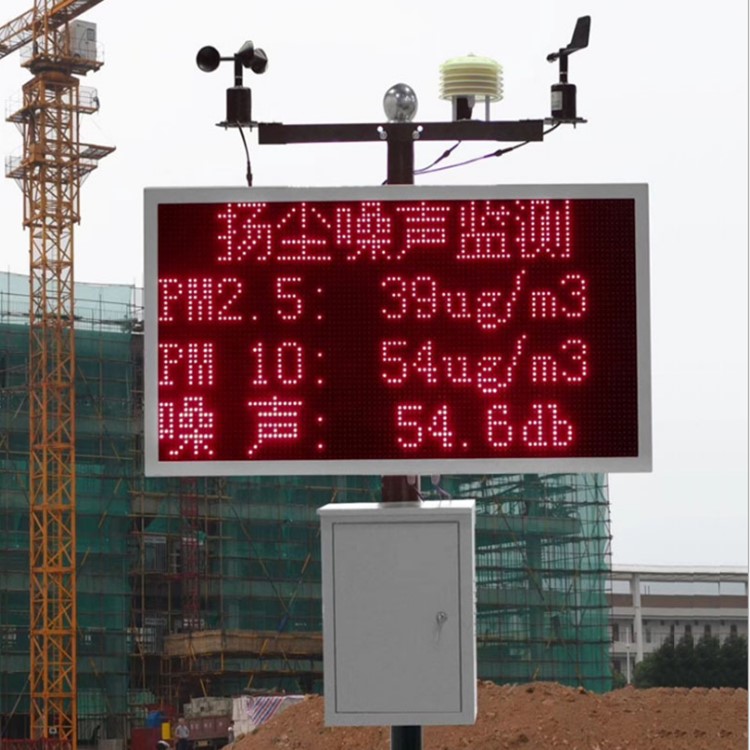
Installed at construction site boundaries for real-time monitoring and compliance assessment. A practical case: In large construction projects, noise sensors are integrated into intelligent safety management systems, combined with IoT, to achieve data analysis and noise mitigation measures.
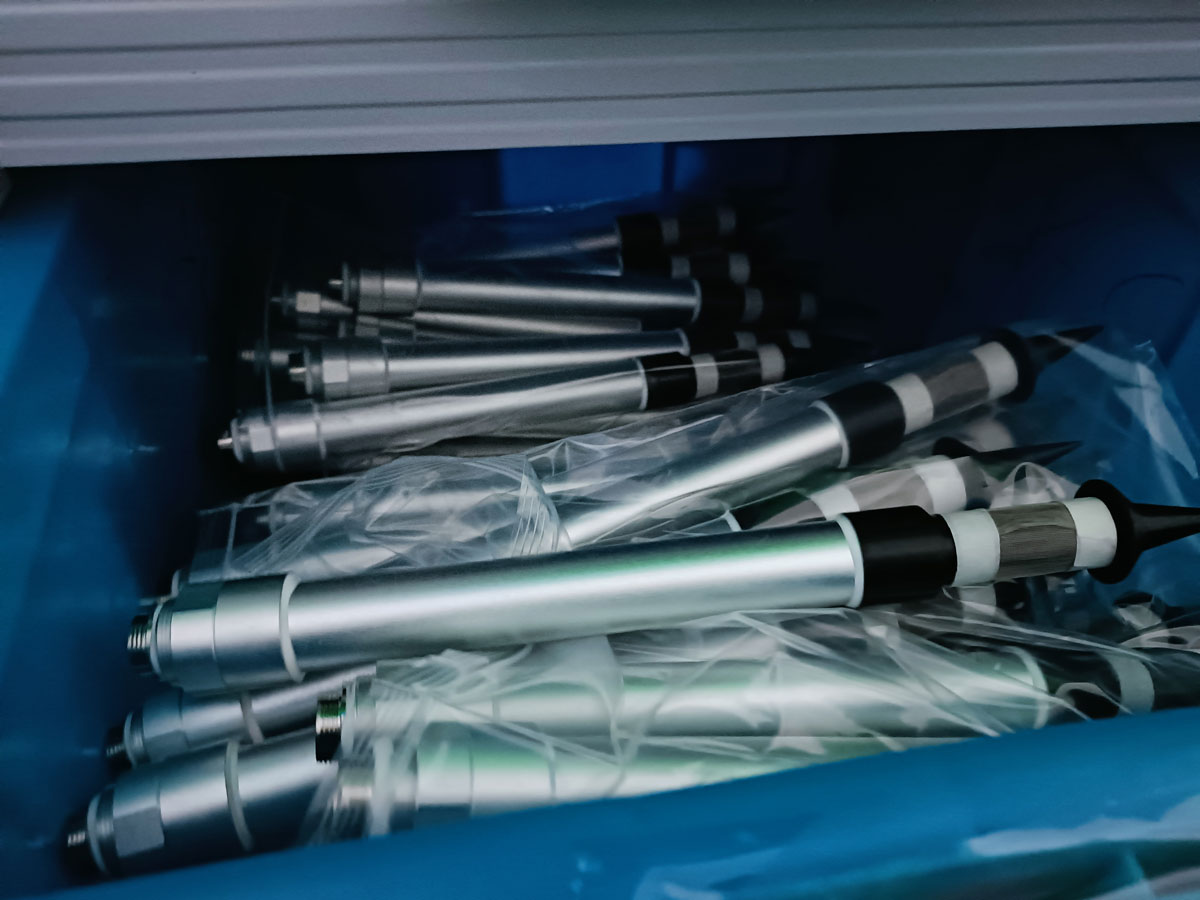
Avoid proximity to reflective surfaces (such as walls) to prevent measurement deviations caused by sound wave reflections
Avoid direct strong airflow, can add windshields
Perform regular acoustic calibration, using B&K multi-function sound calibrators (such as type 4226) for calibration under 94 dB standard source
Check the cleanliness of the sound inlet hole to avoid dust blockage
Installation position suggestion: In construction sites, the sensor should be placed 1 meter outside the site boundary, at a height of 1.2-2 meters, avoiding obstacles. During wiring, ensure correct connection of power (DC 12V): red wire positive, black/green ground, yellow A+/TX, blue B-/RX. Proper maintenance can significantly extend sensor lifespan, such as calibration every 6-12 months. Troubleshooting: If displaying 0 or abnormal values, check wiring firmness and connections.
NiuBoL focuses on industrial and environmental monitoring-grade sensors, with its noise sensors emphasizing:
Data stability
Standardization of industrial interfaces
Suitable for system integration
Long-term operational reliability
As a professional manufacturer, NiuBoL products such as NBL-W-NS are suitable for IoT unattended systems, supporting remote data acquisition, widely used in scientific research, education, and labor protection fields.
| Parameter | Value |
|---|---|
| Measurement Range | 30–130 dB |
| Accuracy | ±1.5 dB (94 dB standard source) |
| Frequency Range | 31.5 Hz – 8 kHz |
| Output Method | RS485 / 4–20 mA (optional) |
| Power Supply | DC 12V (power consumption ≈20 mW) |
| Operating Temperature | -15 ~ +50 ℃ |
| Operating Humidity | <80% RH |
| Microphone | 0.5-inch capacitive |
| Maximum Output Impedance | 200 ohms |
| Housing | ABS plastic |
| Communication Protocol | Modbus-RTU, baud rate 9600 |
Noise sensors are not “accessories for measuring sounds,” but core perception nodes in noise management systems. Only by fully understanding their principles, structures, installation, and system integration methods can truly valuable noise data be obtained. By selecting reliable products such as NiuBoL NBL-W-NS noise sensors and combining engineering practices, users can build efficient noise monitoring systems to achieve environmental compliance and safety protection.
Prev:Smart Agriculture: NiuBoL Greenhouse Sensor System Full Solution Design
Next:NiuBoL PV DustIQ Monitoring Instrument: Boosting New Capacity for Photovoltaic Power Stations
Related recommendations
Sensors & Weather Stations Catalog
 Agriculture Sensors and Weather Stations Catalog-NiuBoL.pdf
Weather Stations Catalog-NiuBoL.pdf
Agriculture Sensors Catalog-NiuBoL.pdf
Water Quality Sensor Catalog-NiuBoL.pdf
Related products
 Combined air temperature and relative humidity sensor
 TDR Soil Moisture & Temperature Sensor for irrigation| RS485 |4-20mA| NBL-S-THR
 Soil pH sensor RS485 soil Testing instrument soil ph meter for agriculture |NBL-S-PH
 Wind Speed sensor Output Modbus/RS485/Analog/0-5V/4-20mA
 Tipping bucket rain gauge for weather monitoring auto rainfall sensor RS485/Outdoor/stainless steel
 Pyranometer Solar Radiation Sensor 4-20mA/RS485

Screenshot, WhatsApp to identify the QR code
WhatsApp number:+8615367865107
(Click on WhatsApp to copy and add friends)

