





— Blogs —
—Products—
 Consumer hotline +8618073152920
 WhatsApp:+8615367865107
Address:Room 102, District D, Houhu Industrial Park, Yuelu District, Changsha City, Hunan Province, China
Product knowledge
Time:2025-12-21 11:36:21 Popularity:881
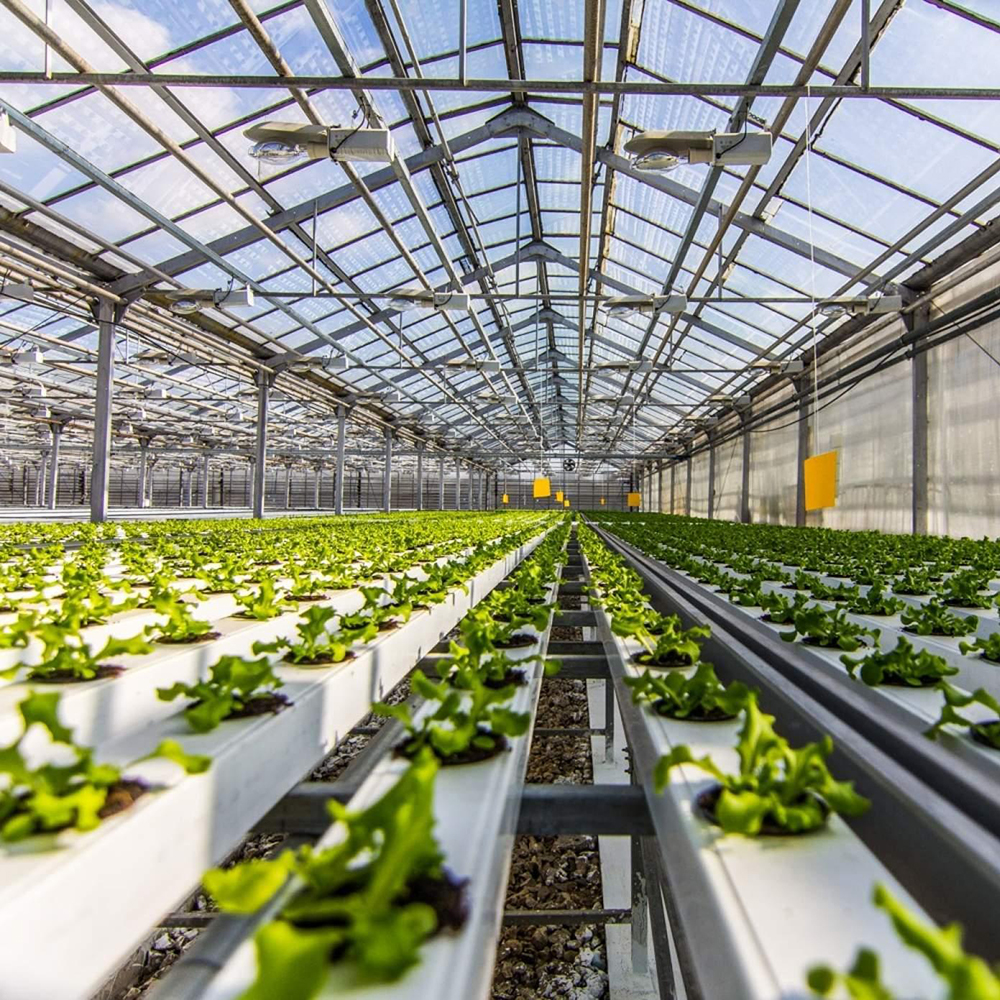
In modern agricultural systems, greenhouse sensors are the “nerve endings” that perceive subtle environmental changes. It is an integrated system of precision monitoring instruments that can convert hard-to-quantify environmental factors inside the greenhouse (such as air temperature and humidity, light radiation amount, soil water content, etc.) into readable and analyzable standard electrical signals (such as 4-20mA or RS485 signals).
The NiuBoL greenhouse sensor solution aims to build a comprehensive “environmental perception network,” transforming crop growth environments from “depending on the weather” to “precise control.” This is not just equipment stacking but a closed-loop management system integrating data acquisition, logic processing, local control, and remote management, suitable for multi-span greenhouses, solar greenhouses, and automated plant factories.
Air Environment Monitoring: Temperature, Humidity, and Carbon Dioxide
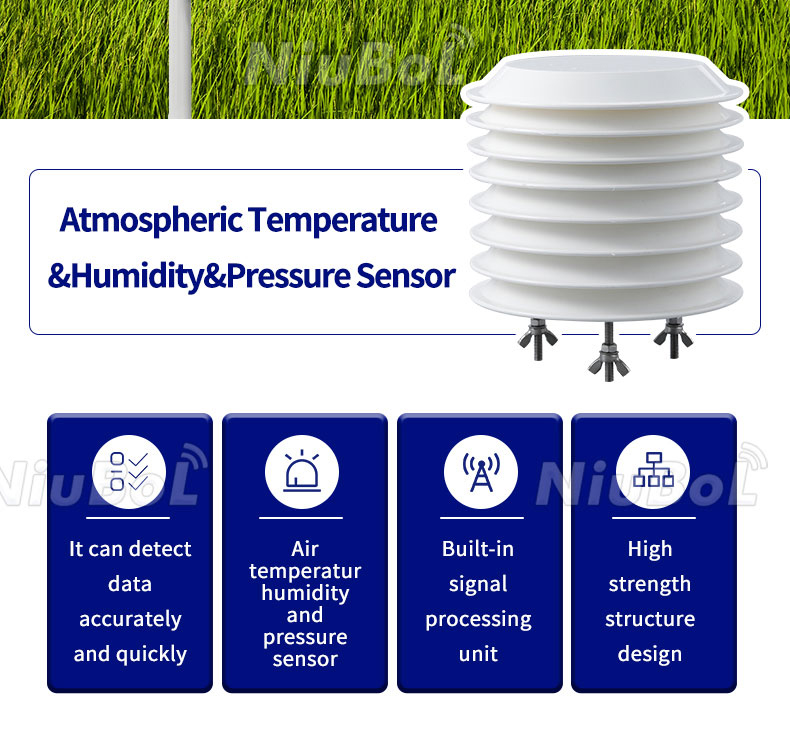
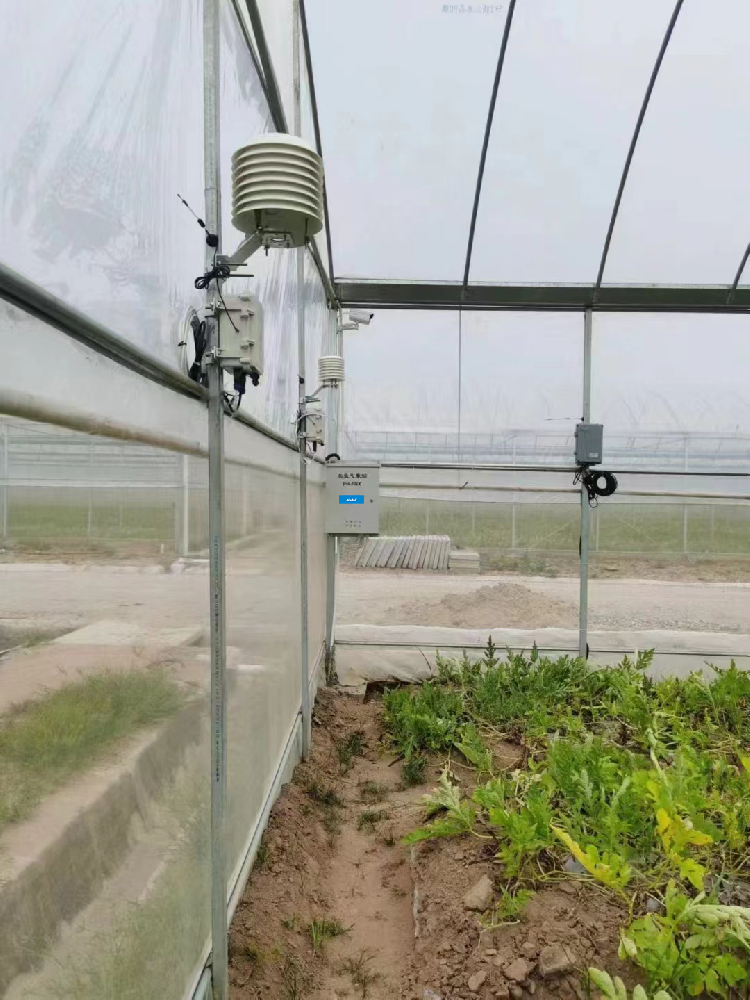
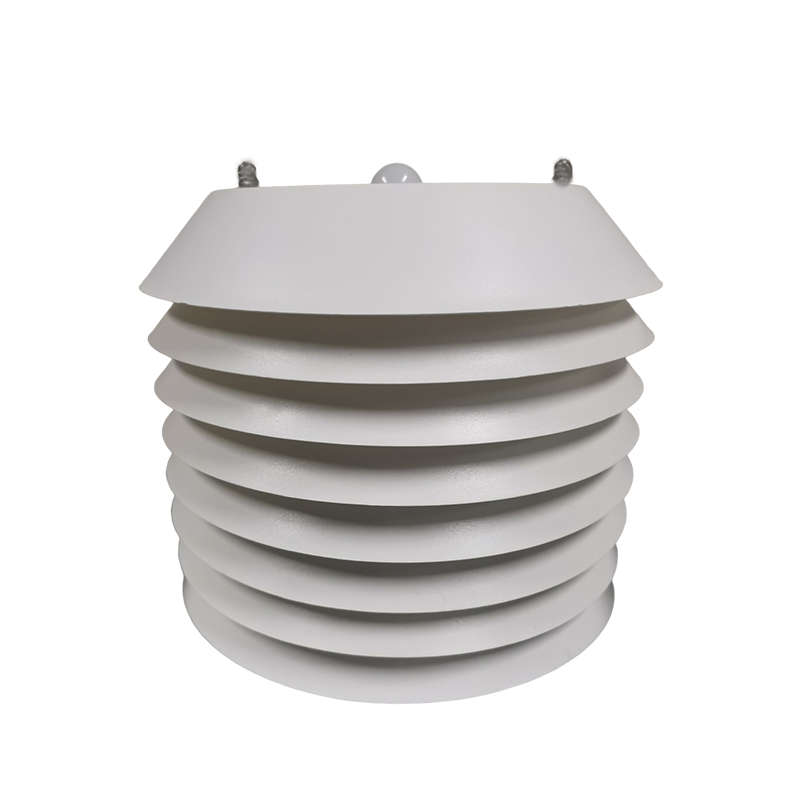
Air Temperature and Humidity Sensor: Uses high-reliability digital sensing elements. Local heat island effects often exist inside greenhouses; by arranging sensors at different heights and positions, full-space balanced temperature and humidity monitoring can be achieved. Its role is to link fans, wet curtains, or heating systems to maintain the environment at the optimal temperature for crop growth (e.g., 20-28°C).
Carbon Dioxide (CO2) Sensor: Adopts Non-Dispersive Infrared (NDIR) principle. In sealed winter greenhouses, insufficient CO2 concentration is the “bucket short board” limiting photosynthetic yield. Through NiuBoL CO2 sensor monitoring, it can automatically link ventilation windows or CO2 generators.
Photosynthetic Power Monitoring: Light Intensity and Photosynthetically Active Radiation (PAR Sensor)
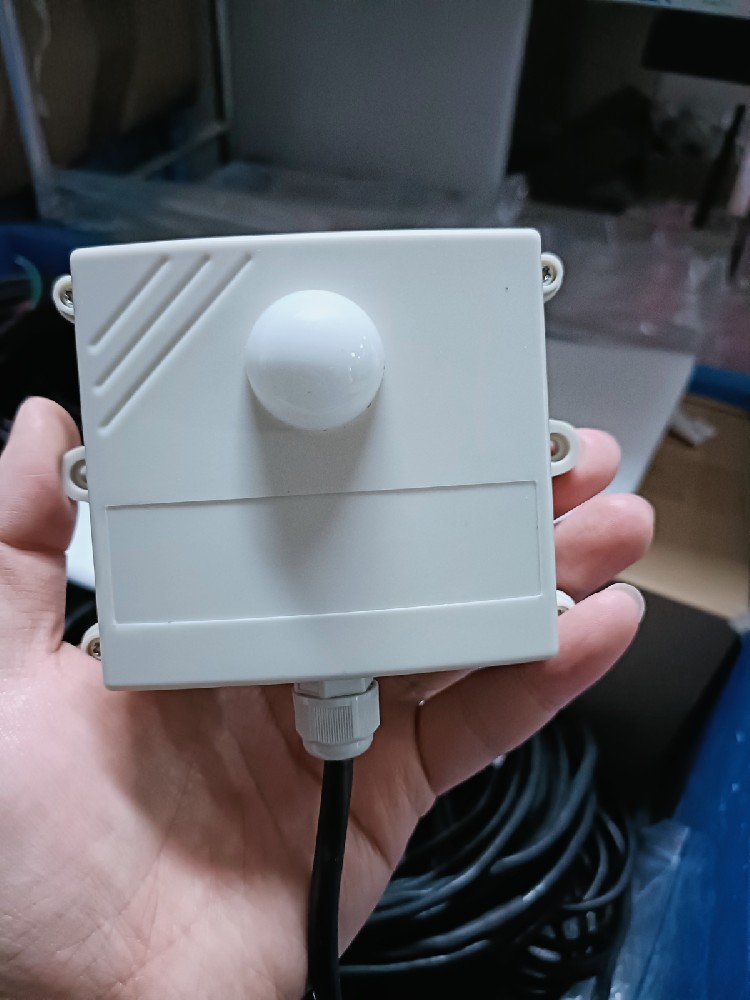
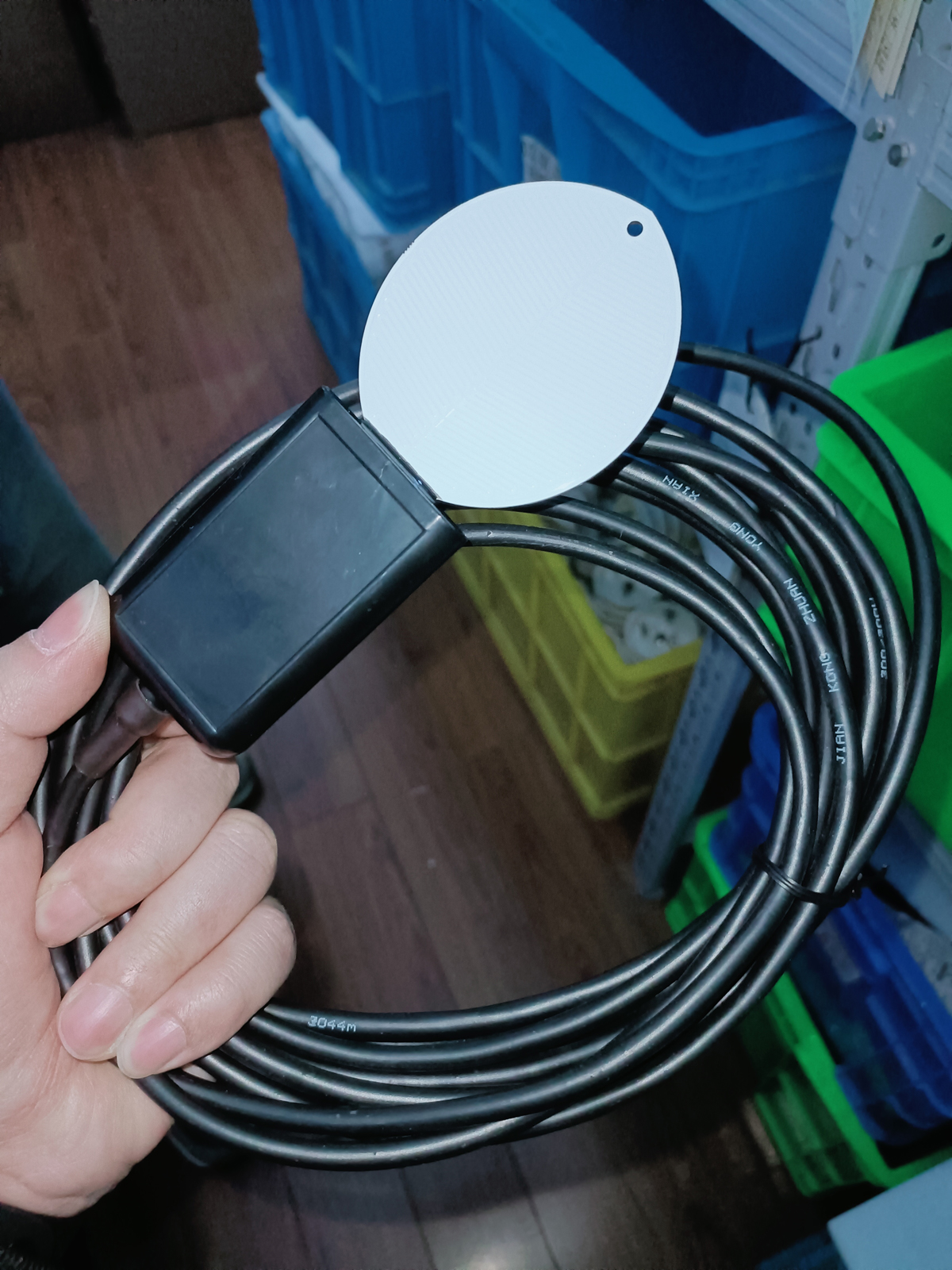
Light Intensity Sensor: Measures total visible light radiation. Mainly used to control the opening and closing of shading nets to prevent strong light from burning crops or trigger supplementary lighting logic on cloudy days.
Photosynthetically Active Radiation (PAR) Sensor: Compared to ordinary illuminometers, it only measures the 400-700nm waveband energy contributing to plant photosynthesis, serving as the scientific basis for precise light allocation in research-oriented greenhouses.
Root Zone Environment Monitoring: Integrated Soil Multi-Parameters
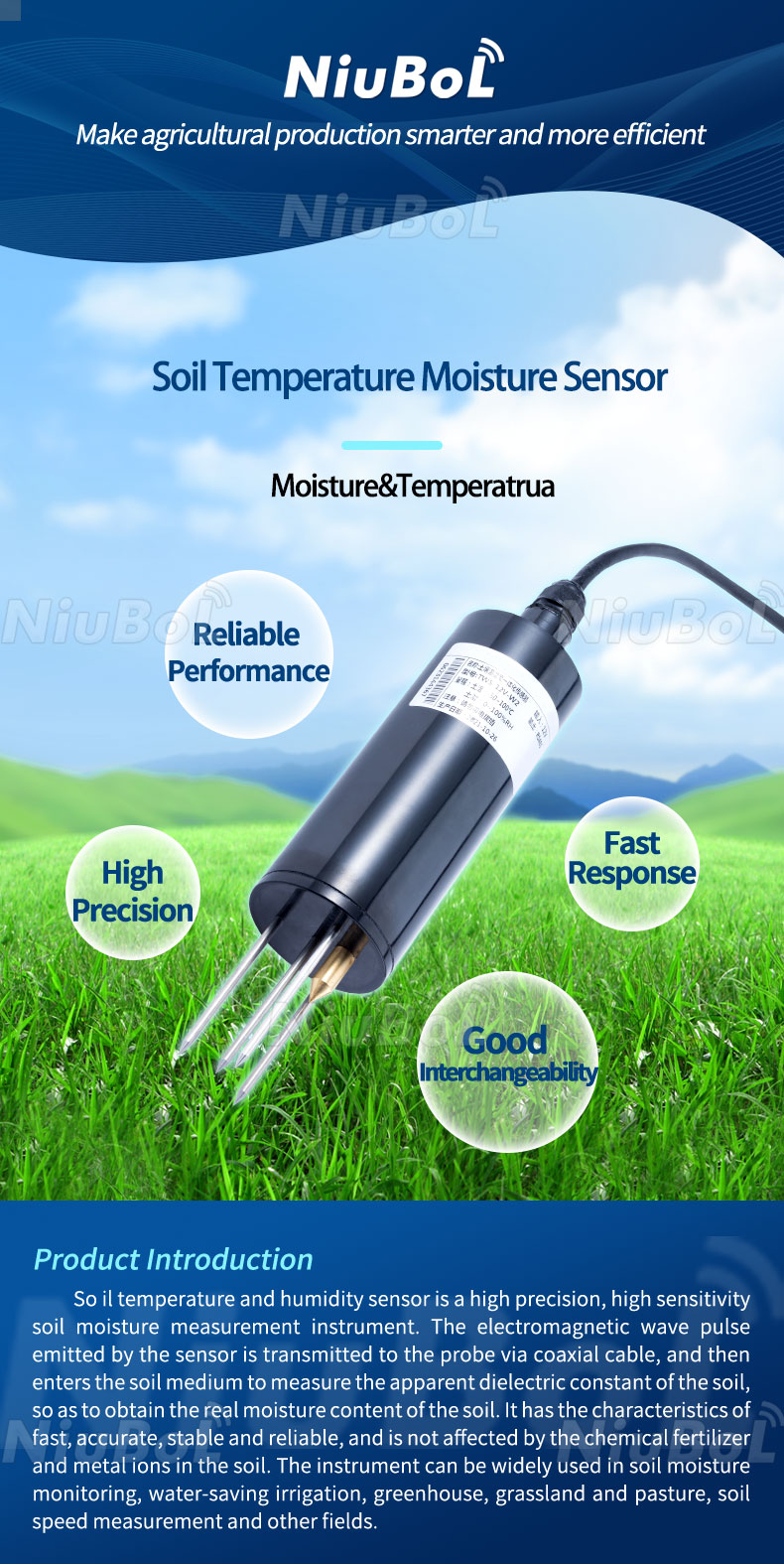
Soil Moisture/Temperature/Conductivity (EC) Sensor: Based on Frequency Domain Reflectometry (FDR) principle. Monitors soil dielectric constant through high-frequency electromagnetic waves.
Moisture Monitoring: Automatically triggers on-site solenoid valves for precise irrigation.
Conductivity (EC) Monitoring: Reflects soil salt content. In water-fertilizer integration systems, EC sensors are the basis for precise fertilization, effectively preventing seedling burn and salinization.
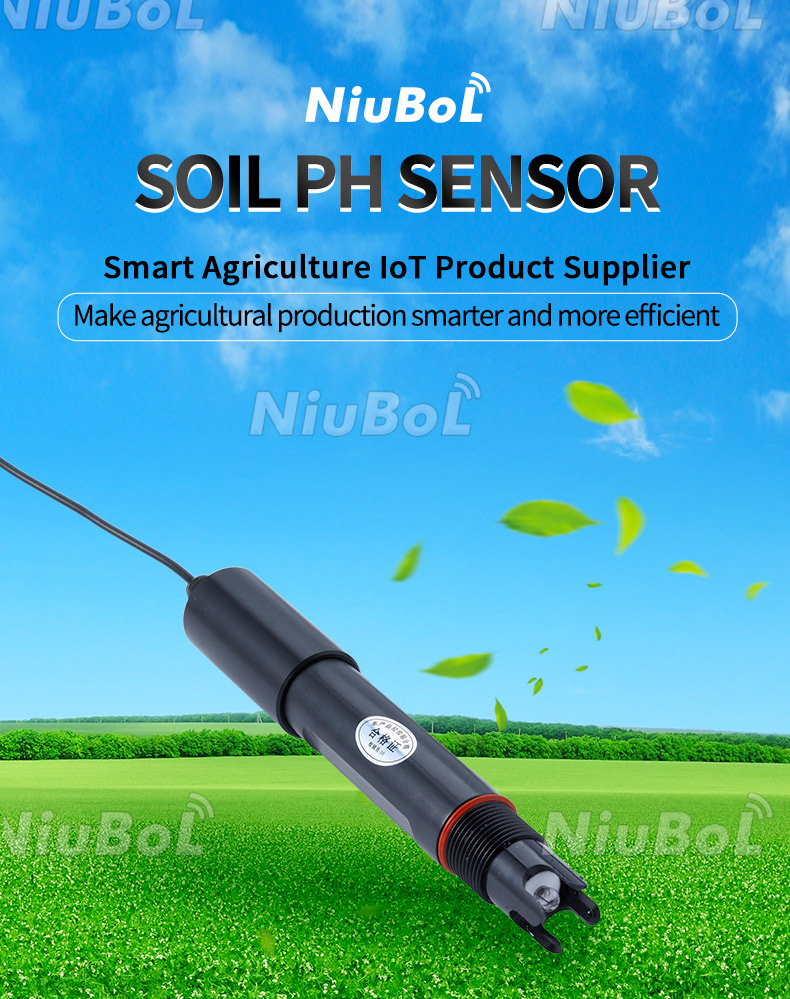
Soil pH Sensor: Real-time monitors root zone acidity and alkalinity. pH fluctuations directly affect fertilizer nutrient availability, particularly important for acidic crops like blueberries and strawberries.
NiuBoL solution emphasizes system anti-interference and real-time performance, adopting standard industrial bus structure.
Perception Layer (Bottom Support)
Composed of various NiuBoL sensors distributed in the greenhouse. Sensors use standard 12-24V DC power supply, with unified output signals as RS485 (Modbus-RTU protocol). This greatly enhances signal anti-interference capability in complex agricultural electromagnetic environments (such as variable frequency fan operation).
Acquisition and Control Layer (Edge Computing)
Intelligent Acquisition Controller: Aggregates all sensor data. It has built-in edge control algorithms that can directly drive relays based on preset logic.
Communication Link: Uses shielded twisted pair in daisy-chain layout. RS485 bus supports transmission distances up to 1200 meters, fully covering large multi-span greenhouse clusters.
Execution Linkage Layer
The acquisition controller directly links through relay output modules:
Fans and wet curtains: Solve high temperature and high humidity.
Internal/external shading: Regulate light.
Drip/micro-spray irrigation: Achieve automatic water and fertilizer supplementation.
Extremely Strong Environmental Durability: Greenhouse environments feature high humidity, high pesticide corrosion, high UV, etc. NiuBoL sensor housings use anti-corrosion ABS material, probes use 316L stainless steel, and circuit boards undergo special coating three-proof treatment, ensuring long-term no drift or damage in harsh environments.
High Precision and Consistency of Data: Each sensor is calibrated before leaving the factory using standard gas chambers (CO2) or standard soil samples (moisture), ensuring high uniformity of data from multiple monitoring points in the same greenhouse, facilitating generation of precise contour distribution maps.
Compatibility and Openness: Adopts standard Modbus communication protocol. This means users can not only use the NiuBoL cloud platform but also easily integrate with existing PLCs (such as Siemens, Mitsubishi) or other industrial configuration software (such as Kingview).
Lightning Protection and Anti-Interference Design: Communication interfaces integrate 15KV electrostatic protection and lightning protection design, effectively coping with threats to electronic equipment from summer thunderstorms.
Scientific Installation Positions
Air Sensors: Recommended to be vertically hung 30cm above the center of the crop canopy. Avoid areas near greenhouse openings with direct cold air or heat sources.
Soil Sensors: Avoid direct exposure to irrigation sprinklers. During burial, ensure probes have seamless contact with soil and distribute according to depth gradients (e.g., 10cm, 20cm, 40cm).
Periodic Maintenance
Lens Cleaning: Every quarter, use clean cotton cloth to clean the protective covers of illuminometers and CO2 probes.
pH Calibration: Soil pH sensors recommended for calibration with standard buffer solutions every six months to compensate for electrode polarization deviation.
| Monitoring Parameter | Measurement Range | Accuracy | Output Signal |
|---|---|---|---|
| Air Temperature | -40-80°C | ±0.3°C | RS485 (Modbus) |
| Air Humidity | 0-100% RH | ±3% RH | RS485 (Modbus) |
| Soil Moisture | 0-100% (VWC) | ±2% | RS485 / 4-20mA |
| Carbon Dioxide | 0-5000 ppm | ±30 ppm | RS485 / NDIR |
| Light Intensity | 0-200,000 Lux | ±5% | RS485 |
| Soil pH | 0-14 pH | ±0.05 pH | RS485 / Analog |
Q1: Is RS485 wiring susceptible to lightning strikes in agricultural fields?
A: NiuBoL sensors have built-in high-level lightning protection circuits. During installation, it is recommended to use shielded twisted pair and reliable grounding, which can greatly reduce lightning-induced voltage damage to the bus.
Q2: If a sensor is damaged, is replacement convenient?
A: Our solution adopts modular design. Each sensor has an independent Modbus address; after replacing with a new sensor, simply set the same address to restore system operation without rewiring.
Q3: Why measure soil EC value (conductivity)?
A: EC value represents the concentration of soluble salts in soil. Excessively high EC can hinder root water absorption. Monitoring EC helps farmers fertilize reasonably, avoiding “root burn” from excessive fertilizer.
Q4: When connecting dozens of sensors on one RS485 bus, how to avoid data conflicts and communication delays?
A: This is a common challenge in large-scale multi-span greenhouses. NiuBoL solution recommends three measures:
1. Unique address allocation: Before construction, use host computer software to assign unique Modbus slave IDs (1-247) to each sensor.
2. Matching resistor application: Connect a 120Ω matching resistor at the end of the bus to absorb signal reflections and ensure long-distance communication stability.
3. Polling optimization: In control algorithms, use grouped polling, prioritizing high real-time parameters (such as temperature), while reducing acquisition frequency for slower-changing parameters (such as pH) to balance bus load.
Q5: Variable frequency fans and high-pressure supplementary lights in greenhouses cause strong interference to RS485 signals; how to wire?
A: Strong power interference is the main cause of data jumps.
1. Physical isolation: Sensor signal lines must maintain at least 20cm parallel distance from power lines (inverter lines, motor lines); if crossing, use 90° perpendicular crossing.
2. Shielding layer grounding: Must use shielded twisted pair, with shielding layer reliably grounded at the controller end (single-end), avoid double-end grounding to form loop current.
3. Add isolators: For super-large greenhouses, recommend adding an RS485 signal isolation amplifier every 15-20 nodes for electrical isolation and signal enhancement.
Q6: Sensor displayed values show large frequent fluctuations (noisy data); is the sensor damaged?
A: Usually not sensor damage but environmental or electrical factors.
1. Unstable power: Check if supply voltage is stable in 12-24V range; long-distance power supply in fields often has voltage drops.
2. Logical smoothing: In data processing layer, NiuBoL recommends “moving average filtering” algorithm. For example, collect 10 data points, remove highest and lowest, then average to filter outliers from electromagnetic transients and obtain smooth real curves.
3. Sensor dust accumulation: Especially light and CO2 sensors; if surface covered with thick dust or water droplets, measurement refraction deviation occurs; usually recovers after cleaning.
Greenhouse sensor design solutions are the core support for agricultural production transitioning from “rough estimation” to “precise measurement.” Through NiuBoL's full-dimensional, professional-grade sensor hardware and stable industrial-grade bus architecture, agricultural enterprises can build a highly reliable production environment closed-loop system.
This not only improves per-unit crop yield and quality consistency but also achieves significant cost reduction and efficiency through precise control of water, electricity, fertilizer, and pesticides. In the future, based on underlying data accumulated by NiuBoL sensors combined with artificial intelligence decision-making, greenhouses will evolve into true “plant factories.”
Are you planning an automated greenhouse system?
We can provide complete selection guidance and topology design from single sensors to multi-point linkage controllers. Welcome to consult NiuBoL senior technical managers.
Prev:Core of Smart Transportation and Meteorological Monitoring: Visibility Sensor
Next:Noise Sensors and Complete Guide to Engineering Applications
Related recommendations
Sensors & Weather Stations Catalog
 Agriculture Sensors and Weather Stations Catalog-NiuBoL.pdf
Weather Stations Catalog-NiuBoL.pdf
Agriculture Sensors Catalog-NiuBoL.pdf
Water Quality Sensor Catalog-NiuBoL.pdf
Related products
 Combined air temperature and relative humidity sensor
 TDR Soil Moisture & Temperature Sensor for irrigation| RS485 |4-20mA| NBL-S-THR
 Soil pH sensor RS485 soil Testing instrument soil ph meter for agriculture |NBL-S-PH
 Wind Speed sensor Output Modbus/RS485/Analog/0-5V/4-20mA
 Tipping bucket rain gauge for weather monitoring auto rainfall sensor RS485/Outdoor/stainless steel
 Pyranometer Solar Radiation Sensor 4-20mA/RS485

Screenshot, WhatsApp to identify the QR code
WhatsApp number:+8615367865107
(Click on WhatsApp to copy and add friends)

