





— Blogs —
—Products—
 Consumer hotline +8618073152920
 WhatsApp:+8615367865107
Address:Room 102, District D, Houhu Industrial Park, Yuelu District, Changsha City, Hunan Province, China
Product knowledge
Time:2026-02-23 09:51:20 Popularity:600
In the development of hydropower resources, ensuring ecological discharge flow is the core requirement for balancing power production and downstream ecological balance. In response to the strict requirements of regulatory authorities on the compliance of discharge flow, hydropower stations need to build a highly reliable, authentic, and real-time verifiable monitoring system.
With its deep accumulation in perception layer hardware and IoT integration, NiuBoL brand provides an integrated ecological flow monitoring system solution that combines radar non-contact flow measurement, video image overlay, 4G/fiber multi-path transmission, and cloud big data processing.
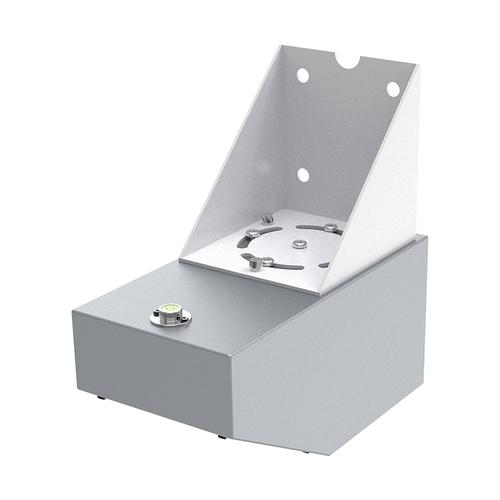
A complete ecological flow monitoring system is not a simple stacking of single sensors, but a closed-loop system consisting of perception layer, transmission layer, processing layer, and application layer.
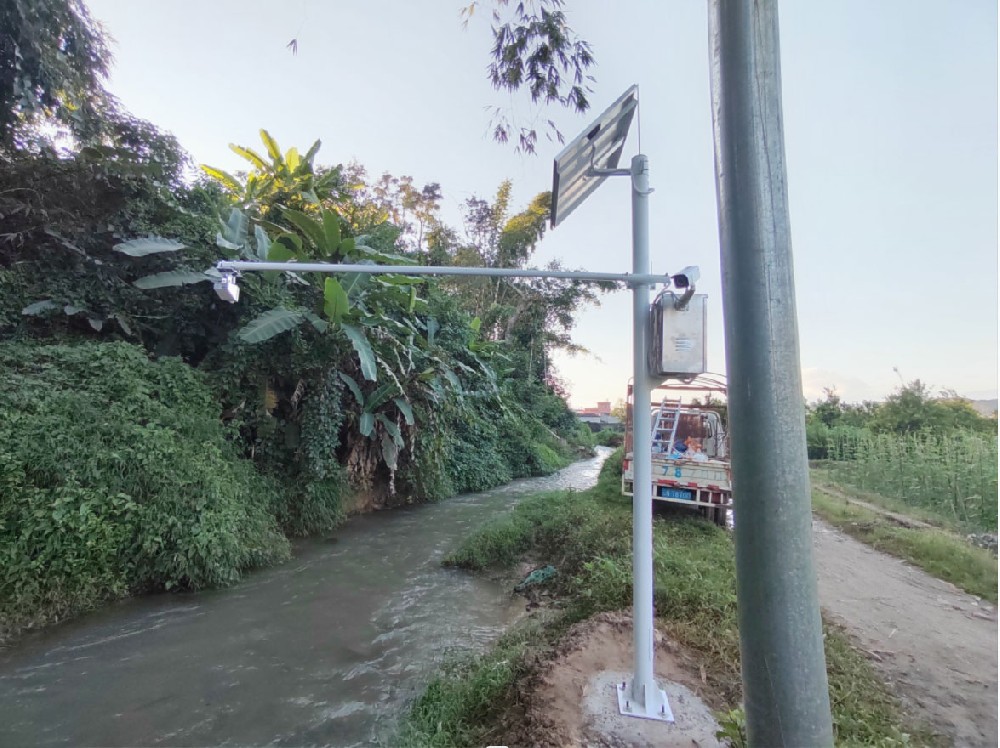
Core equipment: Radar flow meter. NiuBoL adopts 24GHz Doppler radar velocity measurement technology and millimeter-wave ranging technology to acquire real-time surface flow velocity and water level at the discharge outlet.
Video surveillance: Install high-magnification infrared cameras at the discharge outlet to capture real-time flood discharge images for manual verification and evidence retention.
Extended monitoring: Depending on the project environment, rain gauges and water quality five-parameter monitors (pH, conductivity, dissolved oxygen, turbidity, temperature) can be connected to achieve comprehensive ecological monitoring.
The telemetry terminal is the “brain” of the entire system, responsible for parsing sensor signals, storing local data, and encapsulating data packets according to preset protocols. NiuBoL RTU supports the following features:
Data overlay: Automatically overlays key information such as real-time flow velocity, cumulative flow, and sampling time on video images to ensure the authenticity of monitoring data.
Multi-link backup: Supports 4G cellular network, wired broadband/fiber optics, ensuring no data loss in remote mountainous areas or weak signal environments.
The backend platform utilizes spatial geographic information, cloud services, and big data technology to perform statistical analysis on the annual ecological flow and real-time compliance rate of hydropower stations, and automatically generates anomaly alarms and compliance reports.
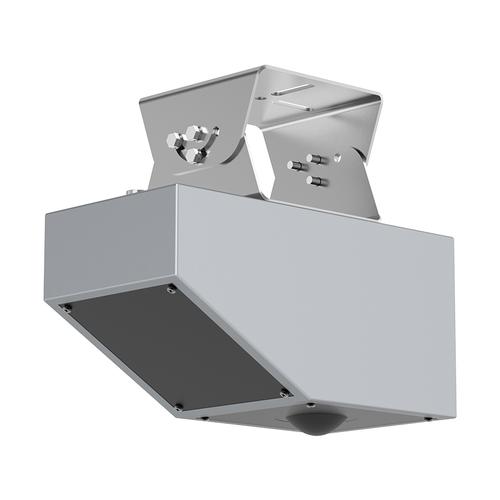
In the complex flow regime of hydropower station discharge outlets, which contain floating objects or sediment, traditional contact flow meters (such as ultrasonic time-difference method) are difficult to maintain. NiuBoL radar flow meter has the following technical barriers:
| Parameter Item | Technical Performance Indicator | Advantage Description |
|---|---|---|
| Velocity Range | 0.10 m/s ~ 20.00 m/s | Covers full range from micro-flow to flood peak discharge |
| Velocity Accuracy | ± 0.02 m/s; ±2.0% | Meets accuracy requirements for water fee settlement and compliance audit |
| Water Level Accuracy | ±1mm | Millimeter-level resolution ensures precise cross-sectional area calculation |
| Microwave Frequency | 24.00 GHz (velocity) / 80.00 GHz (water level) | High-frequency narrow beam, unaffected by wind speed and temperature gradients |
| Communication Protocol | RS485 (ModBus-RTU) / SL651 | Perfectly compatible with provincial regulatory platforms |
| Power Supply Scheme | DC 10-30V / 220V adapter | Supports redundant switching between solar and mains power |
| Protection Level | IP68 | Adapts to humid and extreme outdoor environments |
The geographical conditions of hydropower station discharge outlets vary greatly. NiuBoL provides targeted installation logic:
Rectangular hardened channel cross-section: Use single-point radar installed directly above, and directly calculate instantaneous flow by setting width and slope ratio.
Natural wide river channel cross-section: It is recommended to adopt “multi-point measurement method”. Arrange 2-3 velocity meters horizontally along the cross-section, and correct the cross-section velocity distribution model through weighted average algorithm, greatly improving the flow calculation accuracy for large rivers.
Installation inside flood discharge tunnel: For scenarios with limited ceiling height, provide side-mounted bracket scheme, and utilize the narrow beam characteristics of 80GHz radar to avoid wall reflection interference.
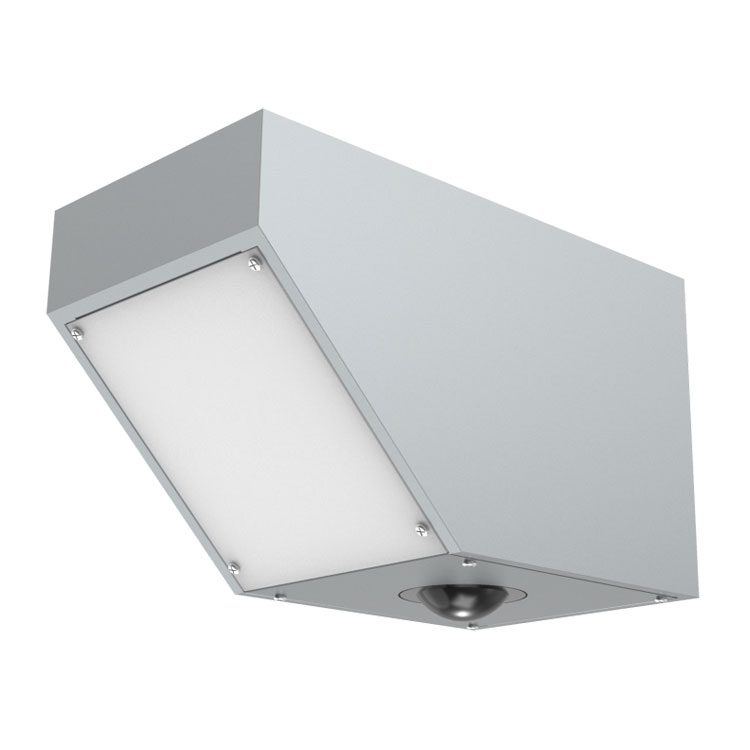
1. Monitoring of flood discharge gates/flood discharge tunnels behind the dam
Install at the flood discharge outlet behind the hydropower station dam, and record every cubic meter of ecological water volume around the clock through the radar wave’s ability to penetrate thin fog and air.
2. Real-time assessment of dewatered river sections
For some downstream dewatered river sections caused by dam blockage, install monitoring stations to ensure continuous compliance with the minimum flow (i.e., approved flow) required for maintaining downstream biological survival and ecological balance.
3. Cross-border river monitoring
Provide authentic and reliable reservoir discharge information to environmental protection departments as the legal basis for cross-administrative region section assessment.
Choose according to cross-section: For wide cross-sections, multi-point flow measurement with averaging is recommended; for small regular channels, a single-point radar flow meter is sufficient.
Communication protocol matching: Confirm the specific communication protocol or MQTT required by the provincial regulatory platform to ensure seamless system integration.
MQTT protocol: For modern smart water conservancy cloud architecture, supports low-bandwidth, high-reliability IoT protocol, suitable for large-scale deployment under 4G/5G networks.
Installation height: It is recommended that the sensor be installed at least 0.5 meters above the highest water level to prevent flooding of the equipment.
Cross-section straightness: Select straight river sections for monitoring to ensure stable flow regime and reduce the difficulty of adjusting the correction coefficient k.
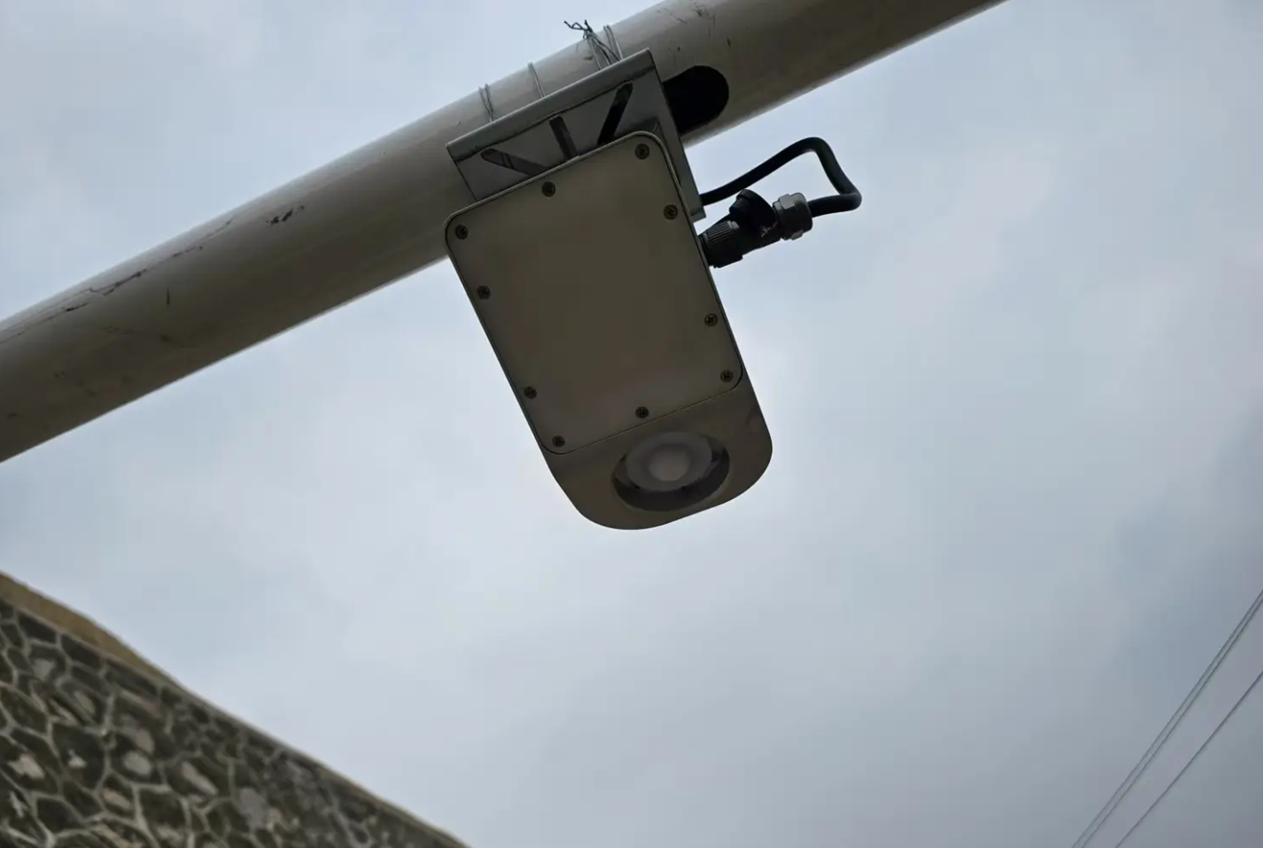
Compared with ultrasonic time-difference method or weir slot method, the economic advantages of NiuBoL radar solution are reflected in:
| Cost Item | Traditional Contact Scheme | NiuBoL Radar Flow Meter Scheme |
|---|---|---|
| Civil Engineering Cost | Requires construction of weir slots or underwater supports, high cost | Only requires simple vertical poles or cross arms, extremely low cost |
| Installation Period | Requires flow interruption or diving operations, period 1-2 weeks | No flow interruption required, deployment completed in 2 hours |
| Daily Operation and Maintenance | Requires regular cleaning of probe silt and attachments | Zero contact with water body, basically maintenance-free |
| Service Life | Probe easily corroded, lifespan 2-3 years | Industrial-grade sealing, designed lifespan 5-8 years |
Q1: Will the radar flow meter have errors in strong wind environments at hydropower stations?
A: NiuBoL adopts high-frequency microwave technology, unaffected by air density, temperature, and wind speed. At the same time, the built-in flow velocity averaging algorithm can filter out instantaneous water surface ripple interference caused by strong winds.
Q2: If sediment accumulates in the downstream river channel, will it affect flow calculation?
A: It will affect the cross-sectional area calculation. It is recommended to regularly check the historical water level curve through the platform. If abnormal water level rise is found under the same flow, timely calibrate cross-section parameters or clean river sediment.
Q3: How does the system ensure the authenticity of data transmission?
A: Local encryption and timestamp marking are performed through RTU. The video overlay function can prevent data falsification, allowing regulators to visually determine whether the data is consistent with the on-site situation through images.
Q4: Does the NiuBoL platform support third-party data forwarding?
A: Yes. The platform is designed based on openness principles and provides API interfaces to synchronously forward collected water level, flow, and equipment status to regulatory systems such as the Ministry of Water Resources and provincial water conservancy departments.
Q5: Can the radar flow meter still sense during extremely low flow in dry seasons?
A: NiuBoL sensor has a starting measurement velocity as low as 0.1m/s. For extreme conditions with extremely low water levels, it is recommended to use in conjunction with measuring weirs and calculate through the water level-flow correspondence table.
Q6: What is the power consumption of the system? Is it suitable for solar power supply?
A: The total static power consumption of the sensor and RTU is extremely low (less than 1.3W). However, power consumption increases when video surveillance is enabled. It is usually recommended to configure 60W-100W solar panels and large-capacity batteries.
Q7: Will multiple radars installed in the same area interfere with each other?
A: No. Radar flow meters support setting different transmission frequency channels, effectively avoiding beam mutual interference in multi-point close-range detection.
Q8: Will the radar flow meter misjudge when the river surface is stationary or has backflow?
A: NiuBoL algorithm has direction recognition capability. Through phase analysis of Doppler signals, the system can distinguish flow direction (forward flow, reverse flow, or stationary). When flow velocity is below the starting measurement point of 0.1m/s, the system automatically records it as zero to prevent accumulation errors.

NiuBoL hydropower station ecological discharge flow monitoring system is not only a set of measurement tools but also a digital shield for hydropower stations to fulfill ecological responsibilities and respond to environmental supervision. Through the integrated solution of “perception + transmission + cloud platform”, hydropower station managers can be freed from tedious on-site meter reading and maintenance, achieving 7*24 hours automated compliance supervision.
If you are responsible for the digital transformation of hydropower stations or facing pressure from ecological flow assessment, please contact the NiuBoL technical team. We will provide you with full-process technical support from site survey, cross-section design to protocol docking.
Prev:Integrated Solution and Integration Guide for Automatic Water and Rainfall Monitoring System
Next:Integration and Application of River Ecological Flow Online Monitoring System
Related recommendations
Sensors & Weather Stations Catalog
 Agriculture Sensors and Weather Stations Catalog-NiuBoL.pdf
Weather Stations Catalog-NiuBoL.pdf
Agriculture Sensors Catalog-NiuBoL.pdf
Water Quality Sensor Catalog-NiuBoL.pdf
Related products
 Combined air temperature and relative humidity sensor
 TDR Soil Moisture & Temperature Sensor for irrigation| RS485 |4-20mA| NBL-S-THR
 Soil pH sensor RS485 soil Testing instrument soil ph meter for agriculture |NBL-S-PH
 Wind Speed sensor Output Modbus/RS485/Analog/0-5V/4-20mA
 Tipping bucket rain gauge for weather monitoring auto rainfall sensor RS485/Outdoor/stainless steel
 Pyranometer Solar Radiation Sensor 4-20mA/RS485

Screenshot, WhatsApp to identify the QR code
WhatsApp number:+8615367865107
(Click on WhatsApp to copy and add friends)

