





— Blogs —
—Products—
 Consumer hotline +8618073152920
 WhatsApp:+8615367865107
Address:Room 102, District D, Houhu Industrial Park, Yuelu District, Changsha City, Hunan Province, China
Product knowledge
Time:2025-12-21 11:27:30 Popularity:792
In modern meteorological observation and transportation systems, visibility is a crucial physical quantity. It not only describes the physical characteristics of atmospheric transparency but also serves as an “alert line” directly related to human life and property safety.
A visibility sensor is a precision instrument used for automated measurement of atmospheric visual range. By real-time capturing changes in water vapor, aerosol particles, and pollutants in the air, the sensor can convert vague “visual observation” into precise digital signals. In fields such as aviation takeoff and landing, highway safety warnings, port navigation control, and urban haze monitoring, visibility sensors play the role of the “eye of environmental perception.”
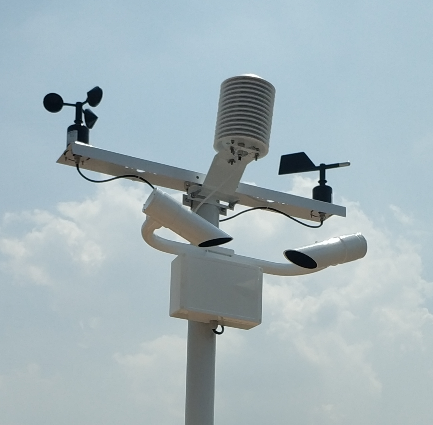
The measurement of visibility sensors is not simple ranging but is based on atmospheric extinction theory. Currently, mainstream commercial sensors, such as the NiuBoL series, primarily adopt the forward scattering principle of light.
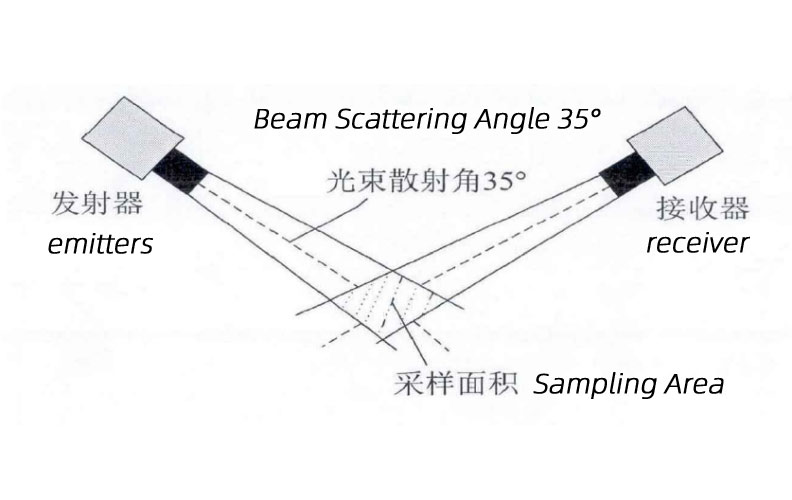
When a beam of specific wavelength infrared light (usually near-infrared spectrum) is emitted into the atmosphere, the light will collide with suspended particles in the air (such as fog droplets, smoke, pollutants, etc.). These particles will scatter the light in all directions.
The transmitter and receiver of the forward scatter meter form a certain angle (usually between 39° and 51°). The receiver does not directly receive the transmitter's beam but receives the pulsed light scattered back by particles in the sampling area.
Linear Relationship: Within a certain range, the intensity of scattered light is proportional to the atmospheric extinction coefficient.
MOR Conversion: The microprocessing controller converts the detected scattered light intensity into Meteorological Optical Range (MOR) through built-in mathematical models. Compared to traditional transmission visibility meters, this method has significant advantages such as small size, easy installation, and low maintenance costs.
High Sensitivity: Uses infrared pulses with a peak wavelength of 875nm to effectively distinguish natural light interference from valid signals.
Anti-Interference Capability: Special optical structure design eliminates the impact of solar stray light on measurement results, ensuring data stability even in strong light environments.
Environmental Adaptability: Can accurately perceive the impact of various weather phenomena such as fog, haze, smoke, dust, rain, and snow on visibility.
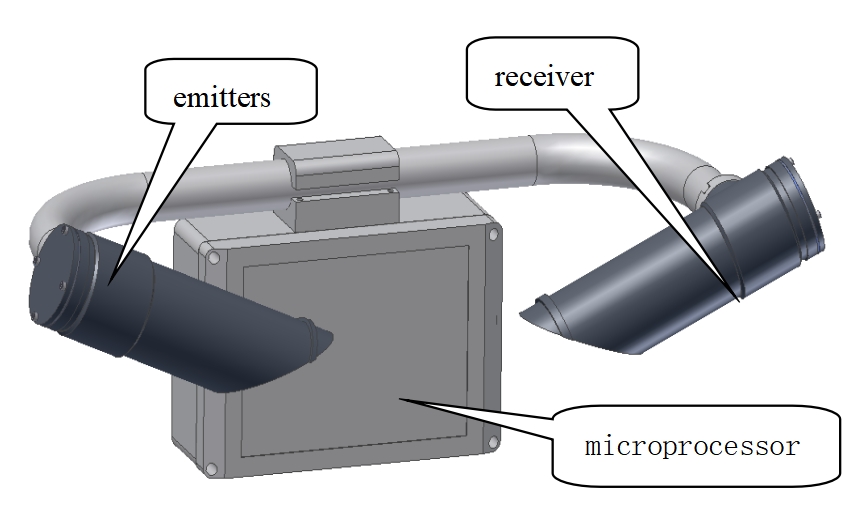
A high-performance visibility sensor is a system integrating optics, electronics, and mechanical engineering. Taking the NiuBoL integrated visibility meter as an example, it mainly consists of the following parts:
Transmitter
Built-in high-stability laser/infrared emission tube, focuses the beam through precision lenses and emits pulse signals to the sampling area at a fixed frequency.
Receiver
Equipped with high-sensitivity photosensitive detection devices, specifically used to capture scattered light signals within a specific angle. The receiving window is usually equipped with a light shield to prevent rain and snow accumulation and side stray light entry.
Microprocessing Control Unit (MCU)
This is the “brain” of the instrument, responsible for:
Controlling the timing of pulse light emission.
Amplifying, filtering, and analog-to-digital converting the received weak electrical signals.
Executing mathematical compensation algorithms (such as temperature compensation, dust correction).
Managing communication protocols (such as standard Modbus RTU).
Protective Housing and Bracket
Made of anodized hard aluminum or 316 stainless steel, with IP65 or higher protection level, ensuring long-term operation without corrosion in harsh environments such as salt fog and high humidity.
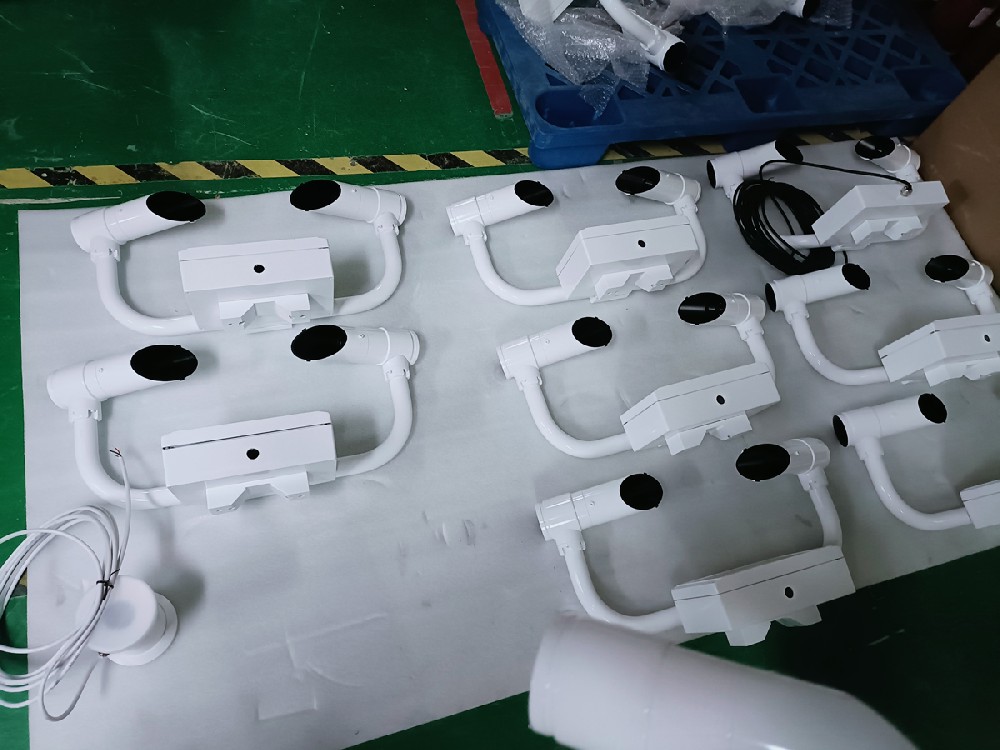
With the development of IoT technology, visibility sensors are no longer limited to traditional weather stations but have penetrated into various industries.
Smart Highways and Autonomous Driving
In highway sections prone to fog (such as bridges, tunnel exits, waterside roads), visibility sensors can link with intelligent transportation systems. When visibility falls below the safety threshold, the system automatically triggers:
Fog light guidance system activation.
Variable message signs displaying speed limit warnings.
Real-time scheduling by traffic management departments.
Aviation and Maritime Monitoring
Airport runways and helicopter landing platforms have extremely high requirements for visibility. The MOR data provided by visibility meters is a key reference for pilots' takeoff and landing decisions. In maritime fields, sensors installed on ships or navigation beacons can effectively prevent collision accidents caused by sea fog.
Meteorological Observation and Scientific Research
As a standard configuration for automatic weather stations (AWS), visibility data is used to study atmospheric composition, aerosol distribution, and climate evolution trends.
Industrial and Environmental Monitoring
In large industrial and mining enterprises, open-pit coal mines, and drilling platforms, used to monitor flue gas emissions and dust concentration, assess impact on the surrounding environment, and guide dust removal operations.
| Parameter Item | Technical Specification |
|---|---|
| Measurement Range | 5 meters - 10 kilometers (10KM) |
| Measurement Accuracy | ≤2km: 2%; 2km-10km: ±10% |
| Technical Principle | Optical Forward Scattering (39°-51° coverage) |
| Power Supply Voltage | DC 12V |
| Average Power Consumption | < 0.8W (suitable for solar power supply) |
| Signal Output | RS485 (standard Modbus protocol) |
| Communication Extension | Supports integration of LoRaWAN module for remote transmission |
| Protection Level | IP65 |
| Operating Environment | Temperature -40℃ to 80℃; Humidity 0-95% RH |
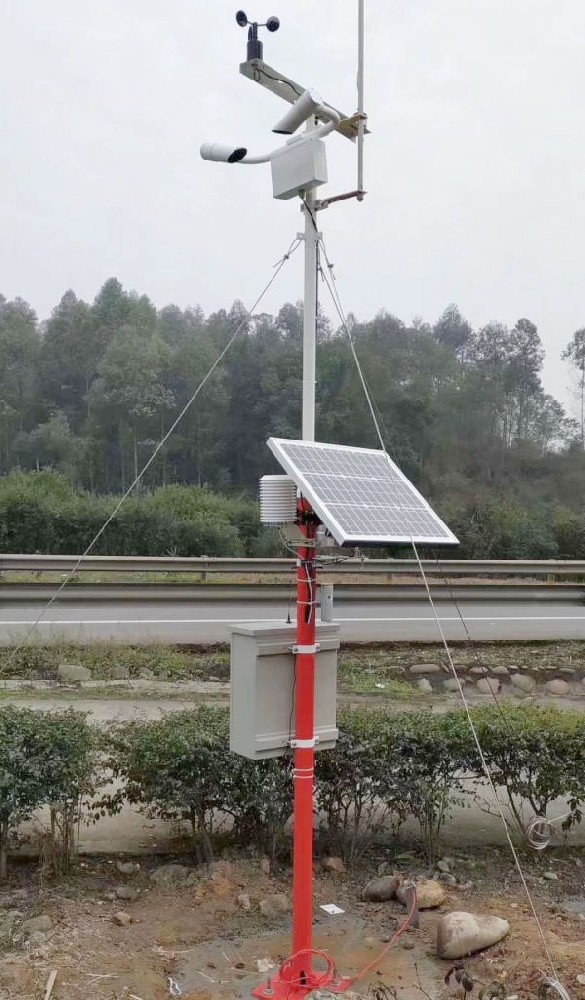
Representativeness: Installation location should avoid local pollution sources (such as exhaust pipes, cooling tower outlets).
Obstacle Avoidance: No obstacles in the transmission and reception optical path to avoid false reflections.
Orientation: Receiving window should avoid direct sunlight direction as much as possible (such as facing due north or due south, depending on geographical location).
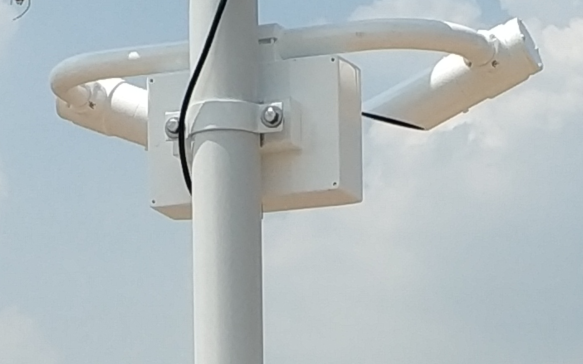
Pole Fixing: Use the device's V-shaped clamp to fix the integrated body on a pole with diameter 50-75mm.
Level Calibration: Ensure the sensor bracket is horizontal, with the opening bevel facing down to prevent water accumulation.
Electrical Connection: Connect power lines and RS485 communication lines according to cable definitions.
Lens Cleaning: Every 3 months (depending on dust environment), use soft cotton cloth dipped in anhydrous alcohol to wipe the optical lens.
Status Check: Regularly query device operation status codes through the host computer to ensure normal emission tube operating current.
Q1: What is the difference between forward scattering visibility meters and transmission visibility meters?
A: Transmission type measures light attenuation over a fixed distance, usually huge in size (requiring two poles dozens of meters apart), expensive; forward scattering type uses a single body to infer based on scattered light at specific angles, small size, flexible installation, and has become the most widely used technology currently.
Q2: Are visibility sensors accurate in rain or snow?
A: Professional visibility sensors (such as NiuBoL series) include corrections for precipitation particles in the algorithm. Although rain and snow reduce visibility, the sensor can accurately reflect this optical change, providing reliable basis for traffic safety.
Q3: How to connect the device to my control system?
A: The device usually outputs standard RS485 signal, following Modbus RTU protocol, and can be easily connected to PLC, collector, or cloud platform. In scenarios requiring wireless transmission, it can be equipped with LoRaWAN module for low-power long-distance transmission over several kilometers.
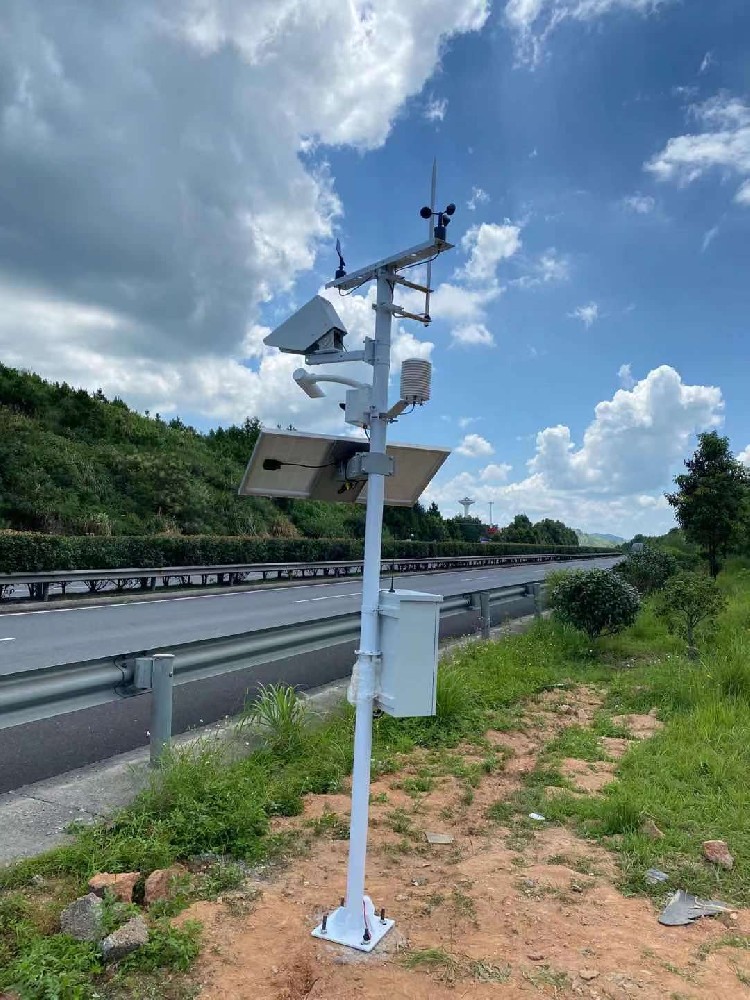
Visibility sensors are not only recorders of meteorological changes but also guardians of transportation safety. With the acceleration of autonomous driving and smart city construction, high-precision, low-power, maintenance-free visibility monitoring equipment has become a standard configuration for infrastructure.
NiuBoL is committed to providing high-performance visibility monitoring solutions, combining forward scattering technology with modern IoT communication means to provide more accurate and timely environmental perception data for various industries.
Are you currently looking for a cost-effective visibility monitoring solution for roads, ports, or weather stations? We can provide you with detailed technical selection manuals or customized system solutions. Please feel free to contact our technical support team.
Related recommendations
Sensors & Weather Stations Catalog
 Agriculture Sensors and Weather Stations Catalog-NiuBoL.pdf
Weather Stations Catalog-NiuBoL.pdf
Agriculture Sensors Catalog-NiuBoL.pdf
Water Quality Sensor Catalog-NiuBoL.pdf
Related products
 Combined air temperature and relative humidity sensor
 TDR Soil Moisture & Temperature Sensor for irrigation| RS485 |4-20mA| NBL-S-THR
 Soil pH sensor RS485 soil Testing instrument soil ph meter for agriculture |NBL-S-PH
 Wind Speed sensor Output Modbus/RS485/Analog/0-5V/4-20mA
 Tipping bucket rain gauge for weather monitoring auto rainfall sensor RS485/Outdoor/stainless steel
 Pyranometer Solar Radiation Sensor 4-20mA/RS485

Screenshot, WhatsApp to identify the QR code
WhatsApp number:+8615367865107
(Click on WhatsApp to copy and add friends)

