





— Blogs —
—Products—
 Consumer hotline +8618073152920
 WhatsApp:+8615367865107
Address:Room 102, District D, Houhu Industrial Park, Yuelu District, Changsha City, Hunan Province, China
Product knowledge
Time:2026-02-01 10:51:41 Popularity:640
With the continuous advancement of the Water Pollution Prevention and Control Action Plan and the full implementation of the pollutant discharge permit system, COD (Chemical Oxygen Demand), as the core control indicator of organic pollution, has become a key parameter for stable compliance in wastewater treatment plants, total quantity control in industrial parks, and basin water environment quality assessment. Traditional potassium dichromate and alkaline potassium permanganate methods, although accurate, suffer from reagent consumption, secondary pollution, and response lag, making them difficult to meet the needs of continuous online monitoring and unattended scenarios.
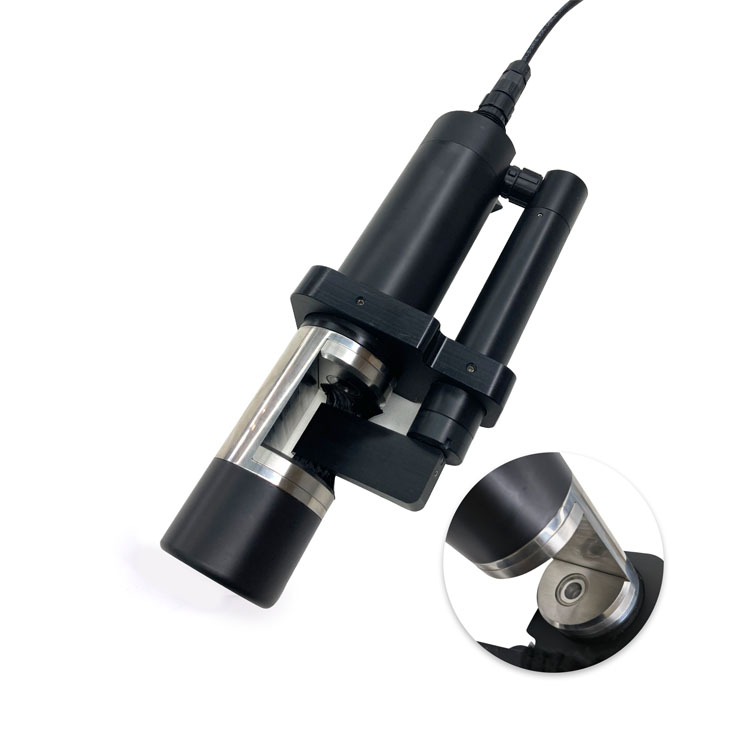
The NiuBoL NBL-COD-408-S dual-wavelength online COD sensor adopts ultraviolet absorption spectroscopy (UV254 + reference light), achieving reagent-free, fast response (T90<30 s) synchronous measurement of COD and turbidity. It features a built-in self-cleaning brush and Pt1000 temperature compensation, with IP68 protection level, particularly suitable for long-term submersible or flow-through deployment.
This sensor is not only an optical sensing element but also a key node in building high-frequency, reliable water quality online monitoring networks. Through dual-wavelength compensation algorithms, it effectively eliminates turbidity and chromaticity interference, supporting RS-485 Modbus RTU and 4-20 mA dual outputs for seamless integration into PLCs, RTUs, edge computing gateways, or cloud platforms, enabling closed-loop linkage with dosing systems, aeration control, and flowmeters.

The NBL-COD-408-S utilizes the characteristic absorption of organic matter in the 254 nm ultraviolet band, while using another wavelength as reference light to subtract the effects of turbidity, suspended solids, and background absorption. The algorithm performs real-time compensation for optical path attenuation, ensuring high measurement linearity even in water samples with varying turbidity.
Compared to traditional chemical methods, this solution demonstrates the following core values in engineering applications:
No chemical reagents required, no waste liquid generated, compliant with green and low-carbon requirements, significantly reducing O&M costs.
Response time<30 s, supports high-frequency sampling, suitable for capturing instantaneous exceedances at industrial outlets or sudden changes in surface water during rainy seasons.
Built-in mechanical cleaning brush automatically removes biofilm and attachments at regular intervals, extending optical window life and reducing manual intervention.
Synchronous turbidity output (0~1000 NTU), facilitating post-data processing and multi-parameter water quality evaluation.
Low power consumption (operating 0.4 W, cleaning 2 W), compatible with solar-powered remote sites.
316L stainless steel housing + IP68 protection, adapting to complex water quality environments with pH 4~10 and temperature 0~45℃.
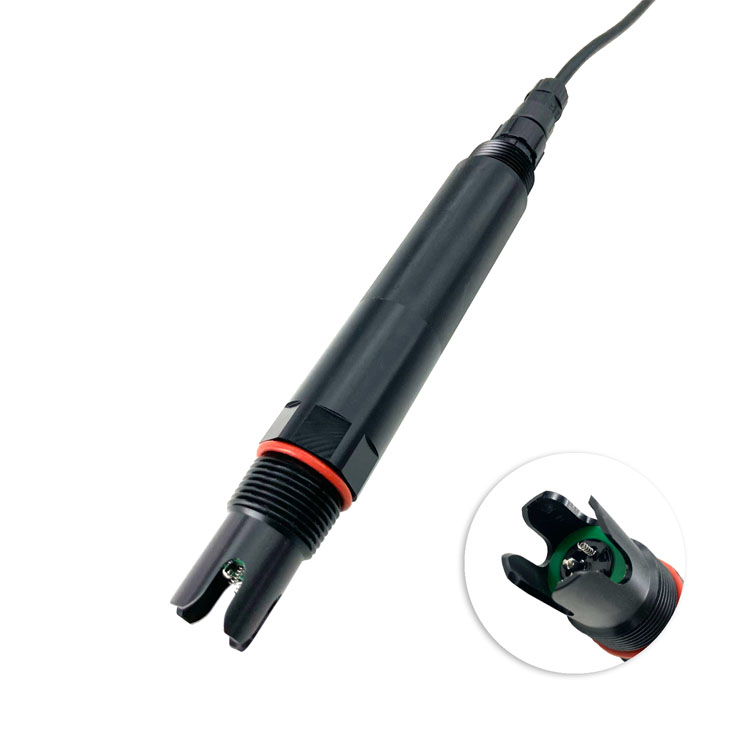
| Parameter Category | Parameter Item | Specification Value |
|---|---|---|
| Measurement Principle | Dual-wavelength ultraviolet absorption method (254 nm + reference light) | |
| Measurement Parameters | COD, turbidity, temperature | |
| Range Options | COD | 0~200 / 0~500 / 0~1500 mg/L |
| Turbidity | 0~200 / 0~400 / 0~1000 NTU | |
| Resolution | 0.1 mg/L / 0.1 NTU | |
| Accuracy | 0~200 mg/L | ±5% of reading; temperature ±0.3℃ |
| 0~500 mg/L | ±5%~±10% of reading | |
| 0~1500 mg/L | Below 1000 ±10%, 1000~1500 ±5% | |
| Response Time | T90 | <30 s |
| Minimum Detection Limit | 0.2 mg/L (0-200 range) | |
| Calibration Method | Two-point calibration (zero + standard solution) | |
| Cleaning Method | Built-in mechanical cleaning brush (automatic/manual trigger) | |
| Temperature Compensation | Automatic (Pt1000) | |
| Output Method | RS-485 (Modbus RTU) / 4-20 mA (optional) | |
| Power Supply Voltage | 12~24 VDC | |
| Power Consumption | Operating / Cleaning | 0.4 W / 2 W @ 12 V |
| Operating Conditions | 0~45℃, pressure ≤0.2 MPa | |
| Protection Level | IP68 | |
| Installation Method | Submersible / flow-through, 3/4" NPT | |
| Housing Material | 316L stainless steel |
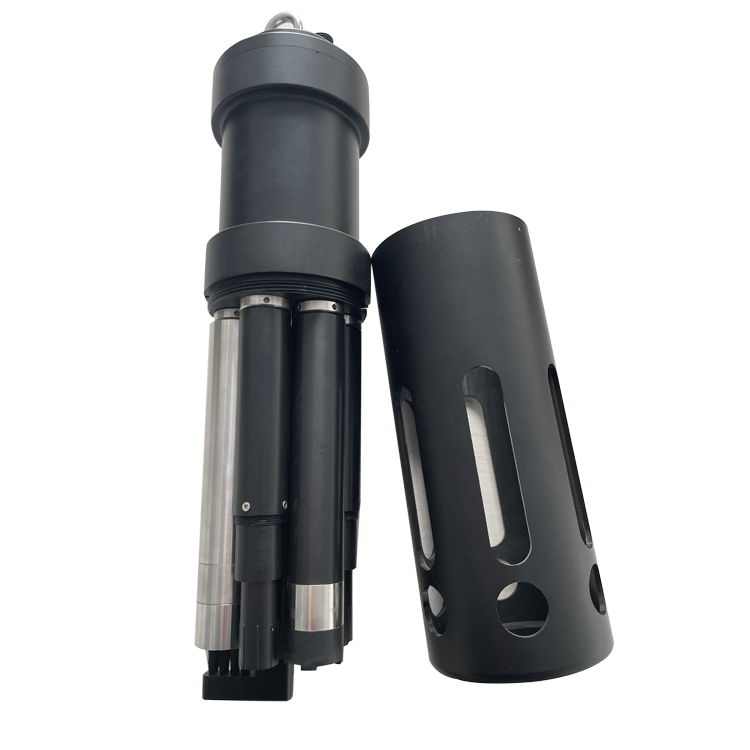
1. Wastewater Treatment Plant Effluent and Upgrading Projects
Deploy NBL-COD-408-S at secondary biochemical effluent, advanced treatment sections, or total outlets. Integrators can build high-frequency COD trend monitoring systems, accessing data to PLC or edge gateways, linking with online flowmeters to calculate daily loads. When COD approaches limits, trigger PAC/PAM dosing or MBR membrane flux adjustment to ensure stable compliant discharge. In multiple municipal wastewater plant upgrading projects, this solution significantly reduced manual sampling frequency and laboratory analysis costs.
2. Industrial Park Wastewater Total Outlet and Pretreatment Monitoring
For high-COD industries such as chemical, printing & dyeing, and food processing, install the sensor at workshop total outlets or pretreatment unit backends. Dual-wavelength compensation effectively handles chromaticity and turbidity fluctuations, with data uploaded to park smart environmental platforms for exceedance tracing and enterprise warnings. Actual cases show integrators optimized front-end physicochemical treatment dosing through real-time COD curve analysis, reducing operating costs by an average of over 15%.
3. Basin and Surface Water Environmental Quality Monitoring
Deploy submersibly at national/provincial control sections, drinking water source buffer zones, or river/lake chief system sites. Integrators can integrate COD and turbidity data into water environment quality models, combining water level and flow for load flux calculation, providing continuous data support for basin assessments and pollution tracing.
4. Black-Odorous Water Body Treatment and Ecological Restoration Projects
Deploy at post-interception and diversion backends or ecological replenishment nodes to monitor COD trends before and after treatment. Data links with aeration equipment and sediment disturbance devices to form a "monitoring-regulation-evaluation" closed-loop management.
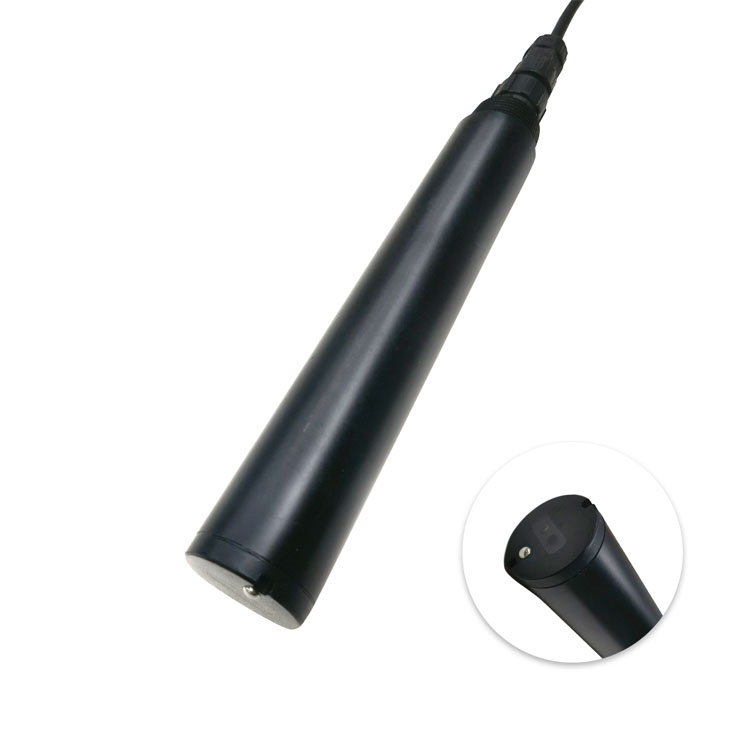
1. Range Matching
• Domestic/municipal wastewater tailwater: 0~500 mg/L
• Industrial wastewater/high-concentration pretreatment: 0~1500 mg/L
• Surface water/low-concentration rivers and lakes: 0~200 mg/L
2. Output Interface
RS-485 Modbus RTU is preferred for IoT platform integration; select 4-20 mA when analog control systems are required.
3. Installation Form
Submersible for open water bodies and large channels; flow-through for pipelines or sampling tanks, flow velocity controlled at 0.1~0.5 m/s.
4. Power Supply and Protection
12-24 VDC wide voltage, compatible with solar power; IP68 supports long-term immersion, recommend adding protective cages against floating debris impact.
5. Calibration and Cleaning Strategy
Two-point calibration every 3-6 months (zero water + standard COD solution); cleaning brush recommended 1-2 automatic triggers daily, increase frequency in high biological load scenarios.
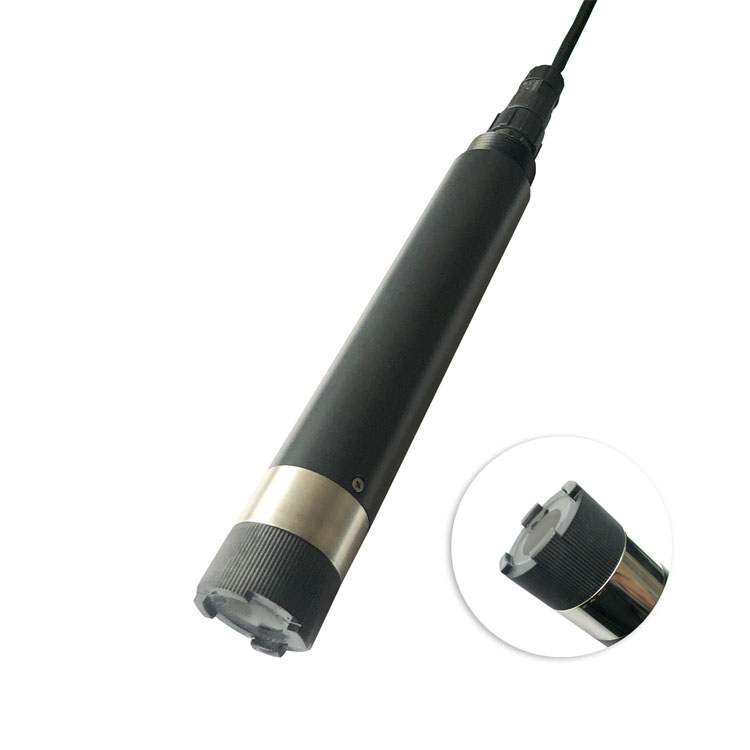
1. Installation Location
Avoid bubble concentration zones, direct strong light areas, and turbulent dead corners; immersion depth 0.3-1.0 m to avoid surface oil film and floating debris interference.
2. Electrical Connection
RS-485 uses shielded twisted pair, add 120 Ω terminating resistor at the end; 4-20 mA loop recommends isolation modules to prevent ground loops.
3. Initial Debugging
Clean optical window with deionized water after deployment; after power-on, observe baseline drift and perform zero calibration if necessary.
4. Cleaning Brush Management
Adjust cleaning cycle based on water quality biological load; replace brush promptly upon wear (recommended every 6-12 months).
5. Data Validation
Monthly comparison with laboratory potassium dichromate method; set platform anomaly thresholds (e.g., reading sudden change >30% or continuous zero value) to trigger alarms.
6. Environmental Adaptation
For water temperatures exceeding 45℃ or pressure >0.2 MPa, add cooling/depressurization measures; for high-chromaticity water samples, verify compensation effect on-site.
Q1. What is the main difference between the NBL-COD-408-S and traditional chemical COD measurement?
Adopts reagent-free ultraviolet absorption method with fast response and no secondary pollution; chemical method has higher accuracy but requires manual sampling and reagent handling.
Q2. How does dual-wavelength compensation eliminate turbidity interference?
Reference light subtracts background absorption caused by non-organic matter, with the algorithm real-time compensating optical path attenuation and suspended particle scattering to ensure COD reading stability.
Q3. What output protocols does the sensor support?
Standard RS-485 Modbus RTU, with optional 4-20 mA current output for easy docking with PLCs, RTUs, and cloud platforms.
Q4. How to set the triggering method for the self-cleaning brush?
Can be remotely set via Modbus registers for automatic cycles (default 1-2 times daily) or manual triggering, suitable for high biological load scenarios.
Q5. What are the accuracy differences across different ranges?
0-200 mg/L ±5%, 0-500 mg/L ±5%~±10%, 0-1500 mg/L segmented accuracy (below 1000 ±10%, above ±5%).
Q6. Is the sensor suitable for high-chromaticity industrial wastewater?
Ultraviolet absorption method is somewhat sensitive to chromaticity; for high-chromaticity water samples, verify compensation effect on-site or combine pretreatment to reduce chromaticity influence.
Q7. Can it be installed submersed long-term under IP68 protection?
Yes, supports long-term underwater immersion; optical window requires regular cleaning, cable connectors recommended for additional waterproof sealing.
Q8. How to perform on-site two-point calibration?
Zero point with deionized water, slope with known concentration COD standard solution; recommend traceable laboratory standard solution, calibrate every 3-6 months.
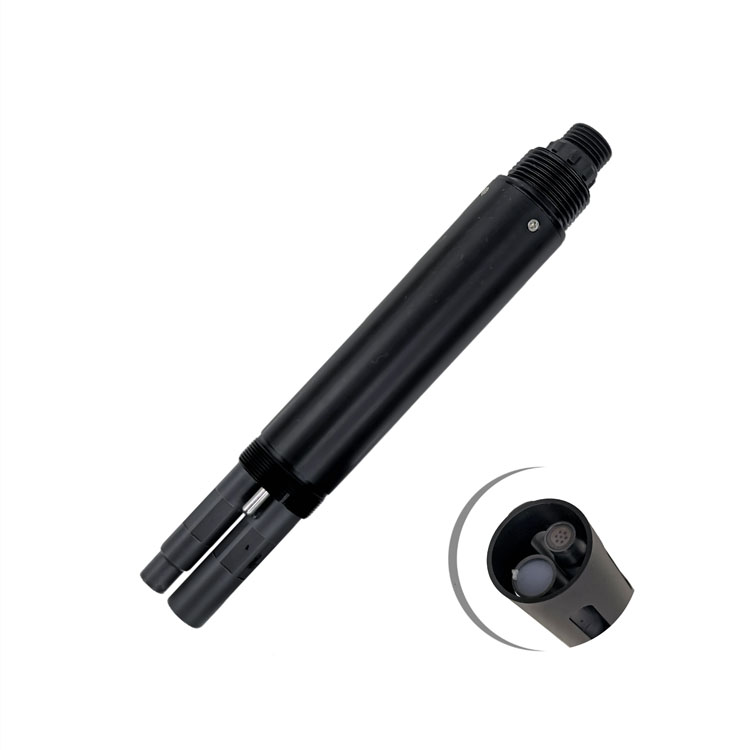
The NiuBoL NBL-COD-408-S dual-wavelength online COD sensor, with ultraviolet absorption spectroscopy as the core, combined with turbidity compensation, self-cleaning brush, and industrial-grade interfaces, provides system integrators with a reagent-free, fast-response, low-maintenance solution for wastewater and surface water monitoring. In scenarios such as wastewater treatment plant effluent, industrial park total outlets, and basin environmental monitoring, it significantly improves monitoring continuity and data reliability, having achieved stable application in multiple provincial and municipal water environment governance projects.
If you are a system integrator, IoT solution provider, or environmental engineering contractor planning or upgrading wastewater online monitoring, basin water quality assessment, or industrial wastewater total quantity control projects, welcome to contact the NiuBoL team for complete technical manuals, Modbus protocol documents, typical installation cases, or prototype testing support. We provide full-process technical assistance from selection consultation to system joint debugging, jointly promoting the digital and intelligent upgrade of water environment quality monitoring.
 NBL-RDO-206 Online Fluorescence Dissolved Oxygen Sensor.pdf
NBL-COD-208 Online COD Water Quality Sensor.pdf
NBL-CL-206 Water Quality Sensor Online Residual Chlorine Sensor.pdf
Prev:Digitalization of Industrial Water Treatment: UV Method Online COD Sensor Integration Solution
Next:Photovoltaic Dust Monitoring Station: The Decision Core for Intelligent Cleaning and O&M
Related recommendations
Sensors & Weather Stations Catalog
Agriculture Sensors and Weather Stations Catalog-NiuBoL.pdf
Weather Stations Catalog-NiuBoL.pdf
Agriculture Sensors Catalog-NiuBoL.pdf
Water Quality Sensor Catalog-NiuBoL.pdf
Related products
 Combined air temperature and relative humidity sensor
 TDR Soil Moisture & Temperature Sensor for irrigation| RS485 |4-20mA| NBL-S-THR
 Soil pH sensor RS485 soil Testing instrument soil ph meter for agriculture |NBL-S-PH
 Wind Speed sensor Output Modbus/RS485/Analog/0-5V/4-20mA
 Tipping bucket rain gauge for weather monitoring auto rainfall sensor RS485/Outdoor/stainless steel
 Pyranometer Solar Radiation Sensor 4-20mA/RS485

Screenshot, WhatsApp to identify the QR code
WhatsApp number:+8615367865107
(Click on WhatsApp to copy and add friends)

