





— Blogs —
—Products—
 Consumer hotline +8618073152920
 WhatsApp:+8615367865107
Address:Room 102, District D, Houhu Industrial Park, Yuelu District, Changsha City, Hunan Province, China
Product knowledge
Time:2026-02-01 10:46:41 Popularity:738
Driven by Industry 4.0 and Smart Water Management, water quality monitoring has shifted from laboratory offline analysis to real-time, continuous online monitoring. Chemical Oxygen Demand (COD), as a core indicator of organic pollution in water bodies, its monitoring accuracy and response speed directly relate to the optimization of production processes and compliance with environmental discharge standards.
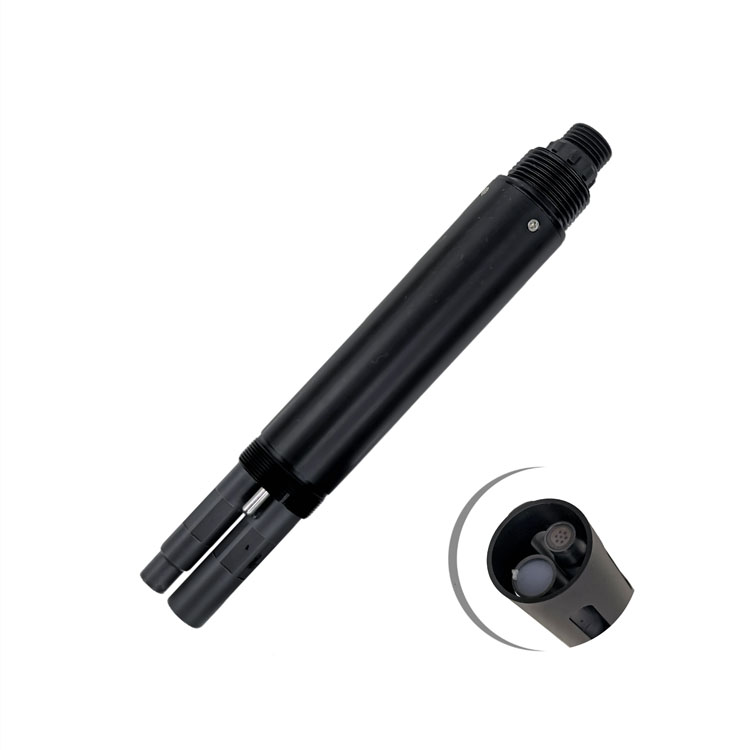
Although the traditional potassium dichromate method (chemical analysis) is authoritative, it has drawbacks in online monitoring scenarios such as response lag, consumption of large amounts of chemical reagents, and generation of secondary pollution. NiuBoL's NBL-COD-408-S online COD sensor, based on dual-wavelength ultraviolet absorption technology, provides system integrators and environmental engineering contractors with a maintenance-free, reagent-free, high-performance alternative solution.

The core logic of the NiuBoL COD sensor is based on the absorption characteristics of organic matter at specific spectra.
1. Ultraviolet Light Absorption Law
Most dissolved organic compounds in water (such as aromatic compounds and substances with conjugated double bonds) exhibit strong absorption in the 254nm ultraviolet band. According to the Beer-Lambert Law, absorbance is proportional to the concentration of organic matter. By measuring the attenuation of light passing through the water sample, COD concentration can be calculated in real time.
2. Dual-Path Light Source Compensation Mechanism
In complex industrial sites, turbidity and suspended solids in water can cause scattering interference in the optical path. NiuBoL adopts a dual-path light source architecture:
• Measurement light (254nm): Used to detect organic matter content.
• Reference light (850nm): Infrared band not absorbed by organic matter, specifically used to measure water turbidity.
The sensor uses a specific algorithm to compensate the ultraviolet optical path in real time using the attenuation data from infrared light, physically eliminating interference from particulate suspended solids and ensuring measurement stability under harsh water quality conditions.
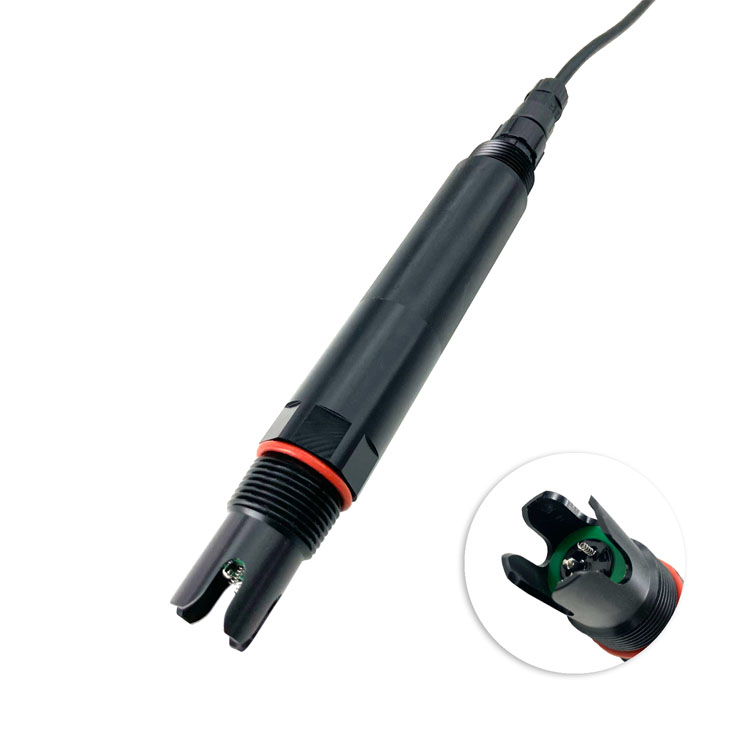
From the integrator's perspective, the COD sensor is the core node of the sensing layer, with value embodied in the following complex applications:
1. Municipal and Industrial Wastewater Treatment Process Control
At the inlet and outlet of wastewater treatment plants, the NiuBoL COD sensor enables second-level response. Integrators can access the data to PLC control systems, adjusting aeration intensity or dosing in aeration tanks in real time based on COD concentration fluctuations to achieve energy efficiency optimization and precise process control.
2. Industrial Wastewater Discharge Compliance Monitoring (Papermaking, Printing & Dyeing, Chemical)
For high-concentration organic wastewater in papermaking and printing & dyeing industries, the sensor supports multiple range options (up to 1500mg/L). Its 316L stainless steel housing design resists corrosion from industrial wastewater, providing continuous monitoring data for power plants or factories to meet environmental compliance standards.
3. Smart Water Management and Drinking Water Source Early Warning
In drinking water sources, trace organic pollution may indicate sudden water quality changes. The NBL-COD-408-S has an extremely low detection limit (down to 0.2mg/L), capable of sensitively capturing subtle fluctuations in organic matter content and linking with RTU to issue warning information.
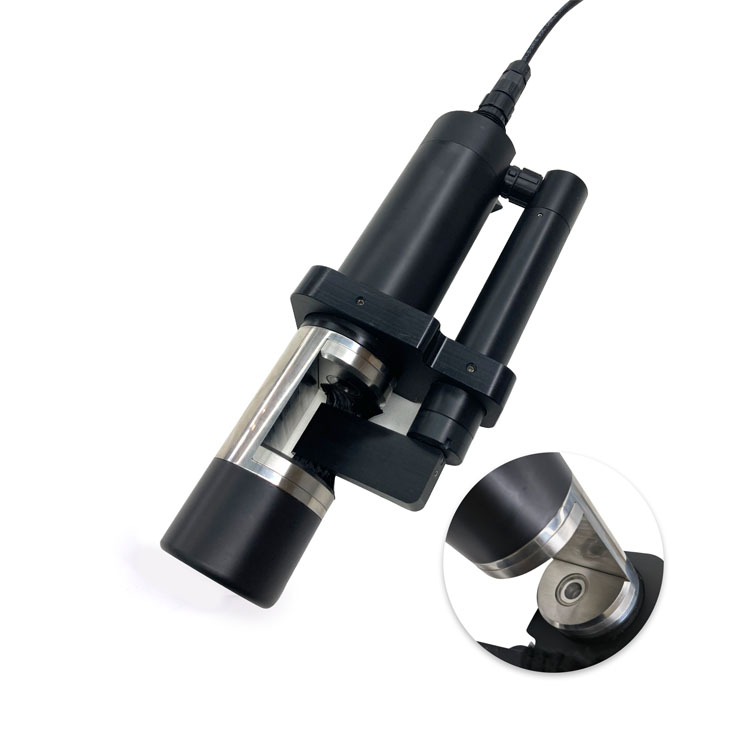
As B2B project contractors, when performing system integration, focus on the following dimensions:
1. Range Matching and Accuracy Calibration
Select the range based on the expected COD range at the monitoring point. For example, surface water monitoring recommends 0~200mg/L, while industrial outlets recommend 0~1500mg/L. Although the UV method has extremely high repeatability, due to differences in organic composition across industries, initial installation requires "two-point calibration" combined with laboratory chemical methods to establish correlation coefficients for specific water samples.
2. Automated Cleaning and Anti-Biofouling
In long-term submersible installations, the sensor window is prone to microbial or viscous substance attachment, affecting optical transmittance. The NiuBoL sensor comes with a self-cleaning brush system (cleaning power only 2W), which can automatically clean the window at set frequencies, significantly reducing manual maintenance costs.
3. Communication and Compatibility
The NBL-COD-408-S supports standard RS-485 (Modbus RTU) protocol, directly connecting to DTU or IoT gateways. It also offers optional 4-20mA current output, compatible with traditional analog acquisition cards. Its low-power design (operating power 0.4W) supports remote deployment in solar-powered systems.
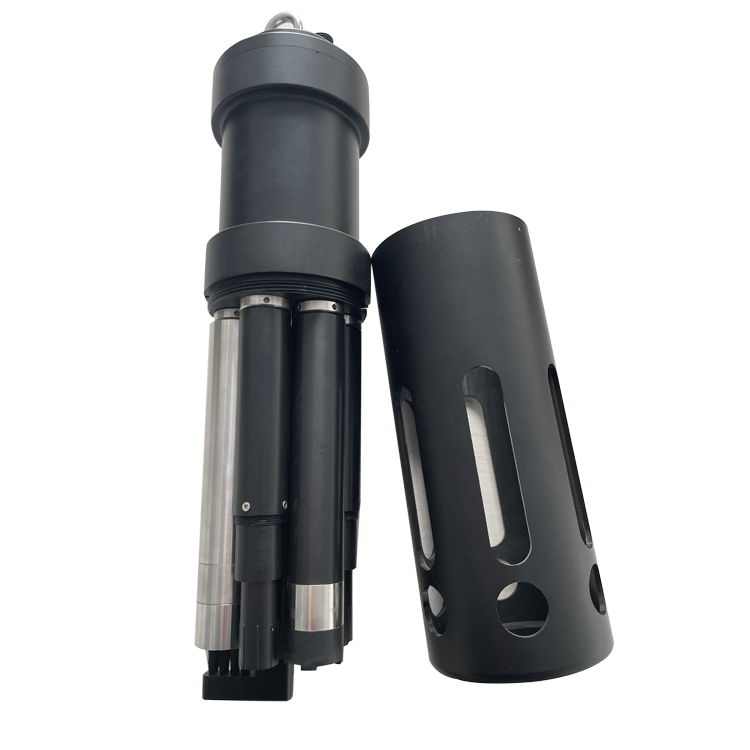
| Parameter | Technical Specification |
|---|---|
| Measurement Principle | Dual-wavelength ultraviolet absorption method (reagent-free) |
| Range Options | 0~200.0 / 500.0 / 1500.0 mg/L (optional) |
| Response Time (T90) | <30s (ultra-fast response) |
| Output Method | RS-485 (Modbus RTU) / 4-20mA (optional) |
| Self-Cleaning | Built-in cleaning brush (industrial-grade) |
| Operating Conditions | 0~45℃, withstand pressure ≤0.2MPa |
| Protection Level | IP68 (supports long-term underwater immersion) |
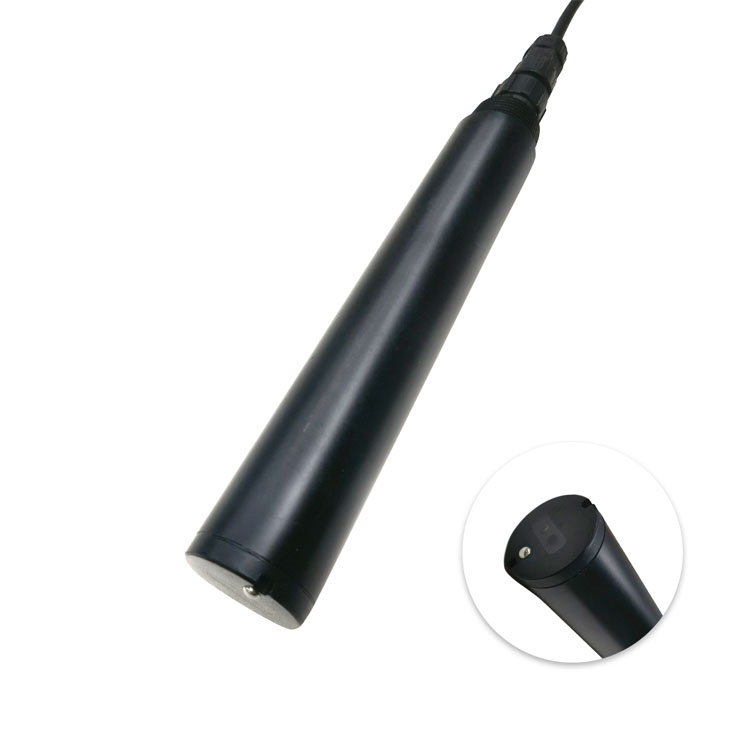
Q1. How consistent are UV method COD sensor readings with potassium dichromate chemical analyzers?
The UV method is physical measurement, while the chemical method is strong oxidation reaction. For industrial water samples with relatively stable composition, the two have extremely strong correlation. After calibrating the sensor's correlation coefficient (K value), UV method readings can highly fit the values measured by the chemical method.
Q2. Will high turbidity in water affect measurement accuracy?
NiuBoL uses 850nm infrared light for reference. The system automatically calculates scattering attenuation caused by turbidity and subtracts it from the total 254nm signal, effectively eliminating turbidity-induced errors.
Q3. Does the sensor require regular replacement of consumables or reagents?
No. This is the greatest advantage of the UV method. It uses no chemical reagents, producing no secondary pollution and greatly reducing long-term O&M costs for integrators.
Q4. Is the 316L stainless steel housing resistant to strong acids and alkalis?
316L stainless steel performs excellently in most neutral and mildly corrosive environments. For strong acids, strong alkalis, or high-salinity seawater, contact our technical consultant for higher-grade material customization recommendations.
Q5. What is the lifespan of the self-cleaning brush? How to maintain it?
The self-cleaning brush uses high-strength industrial bristles with a design life of tens of thousands of reciprocations. It is recommended to inspect the bristle condition quarterly and replace quickly based on wear.
Q6. How fast can the data acquisition interval be set?
The sensor's T90 response time is less than 30 seconds. In actual integration, we recommend setting the data acquisition interval to 1 minute or 5 minutes to balance real-time performance and storage space.
Q7. Are there flow velocity requirements during installation?
The sensor supports submersible installation. It is recommended to install in stable flow areas without dead water. If flow velocity is too high, take fixation measures to prevent sensor shaking from affecting the optical path.
Q8. How to perform calibration?
Supports standard two-point calibration method. Typically use zero point (pure water) and span standard solution (such as potassium hydrogen phthalate) for calibration, writing via RS-485 commands.
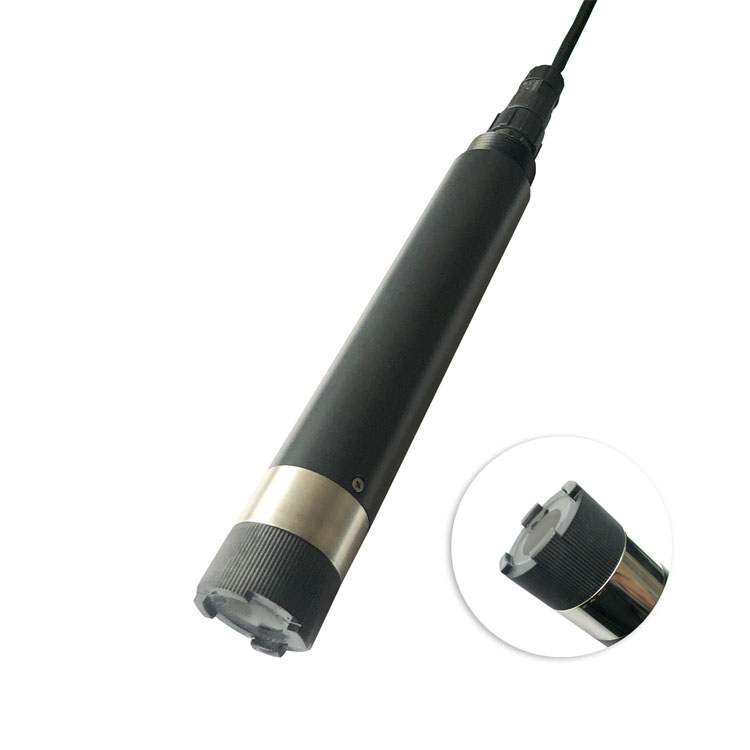
The NiuBoL NBL-COD-408-S ultraviolet absorption online sensor solves the pain points of traditional water quality analyzers—complex maintenance and slow response—through reagent-free physical monitoring. For system integrators, its standardized digital output, self-cleaning capability, and high environmental adaptability make it an ideal choice for building the sensing layer of smart water management and green factories.
Are you looking for stable and reliable water quality sensing terminals? NiuBoL provides partners with detailed communication protocol manuals, installation drawings, and multi-parameter integration selection recommendations. Contact NiuBoL senior engineers to obtain exclusive B2B customized quotes and system integration solutions!
 NBL-RDO-206 Online Fluorescence Dissolved Oxygen Sensor.pdf
NBL-COD-208 Online COD Water Quality Sensor.pdf
NBL-CL-206 Water Quality Sensor Online Residual Chlorine Sensor.pdf
Related recommendations
Sensors & Weather Stations Catalog
Agriculture Sensors and Weather Stations Catalog-NiuBoL.pdf
Weather Stations Catalog-NiuBoL.pdf
Agriculture Sensors Catalog-NiuBoL.pdf
Water Quality Sensor Catalog-NiuBoL.pdf
Related products
 Combined air temperature and relative humidity sensor
 TDR Soil Moisture & Temperature Sensor for irrigation| RS485 |4-20mA| NBL-S-THR
 Soil pH sensor RS485 soil Testing instrument soil ph meter for agriculture |NBL-S-PH
 Wind Speed sensor Output Modbus/RS485/Analog/0-5V/4-20mA
 Tipping bucket rain gauge for weather monitoring auto rainfall sensor RS485/Outdoor/stainless steel
 Pyranometer Solar Radiation Sensor 4-20mA/RS485

Screenshot, WhatsApp to identify the QR code
WhatsApp number:+8615367865107
(Click on WhatsApp to copy and add friends)

