





— Blogs —
—Products—
 Consumer hotline +8618073152920
 WhatsApp:+8615367865107
Address:Room 102, District D, Houhu Industrial Park, Yuelu District, Changsha City, Hunan Province, China
Product knowledge
Time:2026-02-21 10:51:33 Popularity:593
Under the guidance of the "Outline of Ecological Environment Monitoring Planning (2020-2035)", China's water ecological environment monitoring is transitioning from conventional water quality monitoring to water ecological monitoring, emphasizing the construction of automated, intelligent, and networked systems. The NiuBoL online water quality monitoring system adopts a modular design, supporting conventional five parameters (water temperature, pH, dissolved oxygen, conductivity, turbidity) and extended parameters (COD, ammonia nitrogen, residual chlorine, ORP, total phosphorus, etc.), achieving 24-hour continuous online monitoring, automatic sampling, real-time data transmission, and anomaly warnings.
The system is compatible with RS485 Modbus-RTU protocol and 4G/wired networks, supporting access to provincial ecological environment monitoring platforms or enterprise SCADA systems. It is suitable for national control sections of surface water, drinking water sources, sewage treatment plants, secondary water supply facilities, pharmaceutical enterprises, and hospital water supply monitoring. For system integrators, environmental engineering contractors, IoT platform providers, and environmental monitoring stations, NiuBoL provides a complete solution from sensor selection to cloud platform integration, ensuring accurate data, reliable transmission, and efficient operation and maintenance.
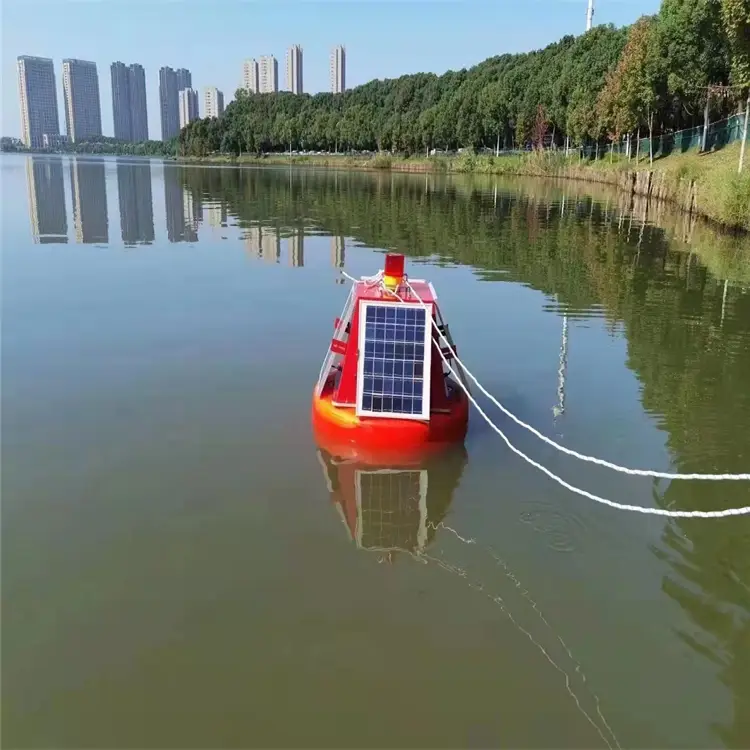
The NiuBoL online water quality monitoring system adopts a layered architecture, covering field sensing, data acquisition and transmission, central analysis, and application layers.
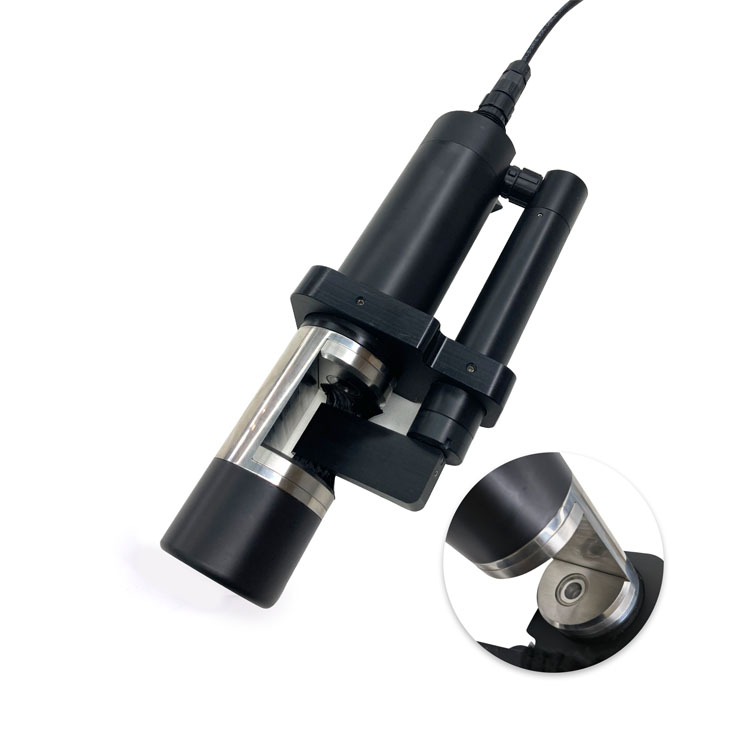
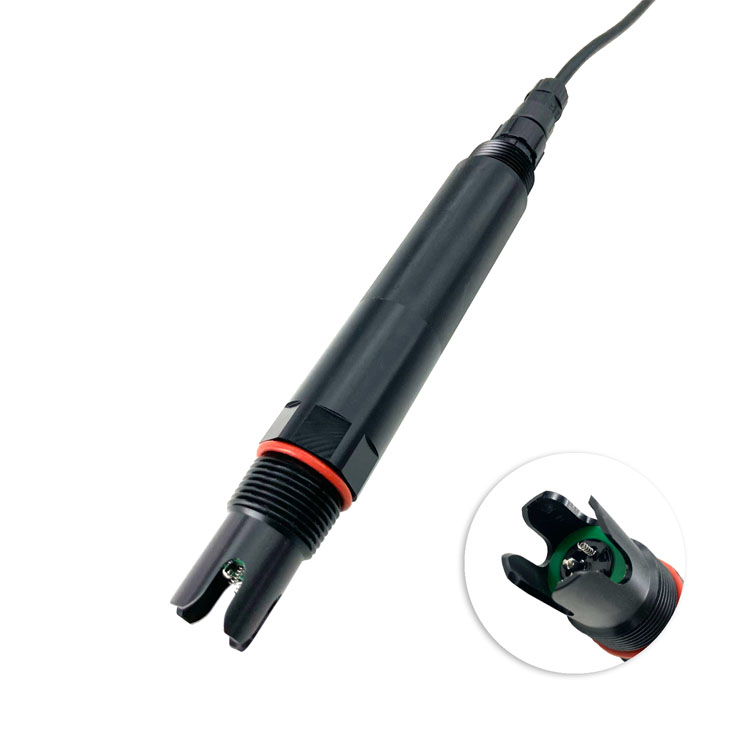
Field Sensing Layer: Integrates multi-parameter sensor probes (titanium alloy or corrosion-resistant materials), supporting conventional five parameters and extended parameters. Sensors use electrochemical, optical, ion-selective electrode, and other principles to ensure long-term stability. Automatic cleaning/calibration functions reduce maintenance frequency.
Data Acquisition and Transmission Layer: Industrial-grade data acquisition terminal (RTU) supports multiple analog/digital inputs, with built-in data storage (≥30 days), transmitting via GPRS/4G or fiber optics.
Power Supply and Protection: Optional mains/solar low-voltage power supply, equipped with UPS or battery packs, IP65+ protective cabinets, adapting to field environments from -20℃ to +60℃. Built-in lightning protection and surge protection.
Central Platform: Deploys high-availability servers integrated with time-series databases and water quality analysis software. Achieves real-time curves, historical queries, multi-level alarms (SMS/email/voice), automatic report generation, and standard docking with the Ministry of Ecology and Environment data platform.
Expansion Capability: Reserved interfaces support automatic water sampler, video surveillance, flowmeter linkage, enabling full-element monitoring.
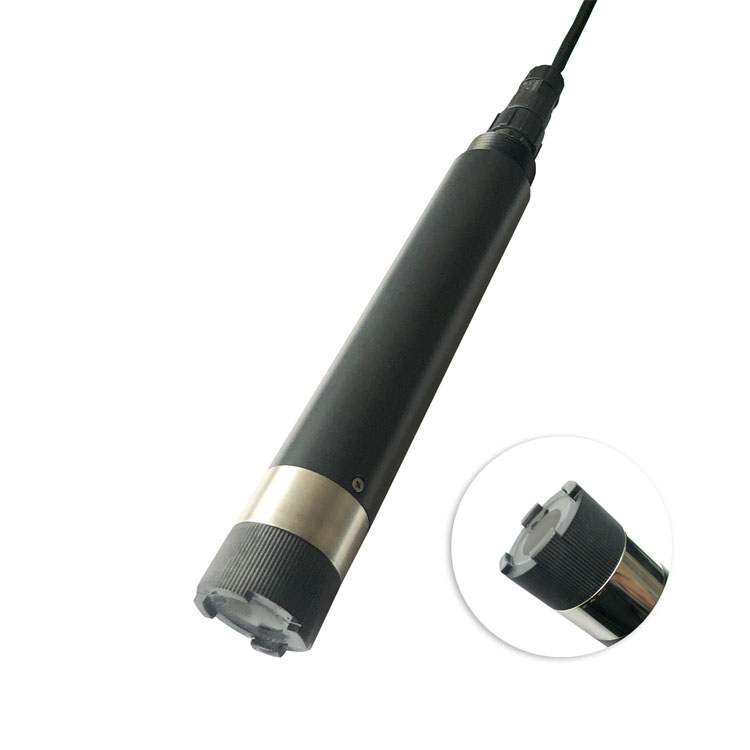
Features: Modular plug-and-play design for easy expansion; sensors support RS485 Modbus-RTU protocol, with communication distance up to 1200m.
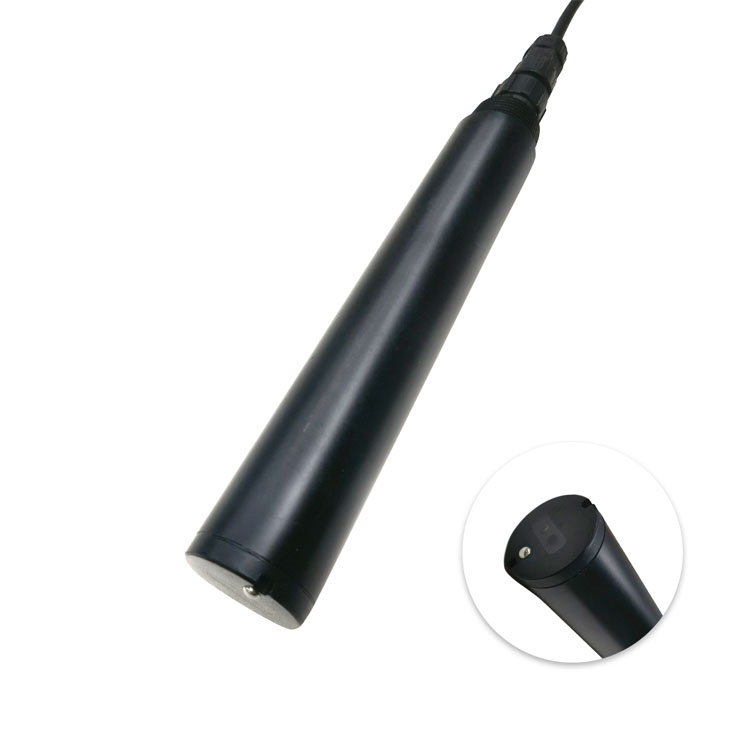
1. Surface Water Section Monitoring
Deploy conventional five parameters + CODMn + NH3-N + TP/TN to meet surface water environmental quality and water ecological evaluation requirements, supporting river basin pollution traceability.
2. Drinking Water Source and Secondary Water Supply Monitoring
Focus on residual chlorine, turbidity, pH, conductivity, bacterial indicators (optional), access to water supply enterprise platforms to ensure factory water/pipe network terminal water quality safety.
3. Sewage Treatment Plant Influent and Effluent Monitoring
Configure COD, ammonia nitrogen, BOD, total phosphorus, total nitrogen, pH, etc., to achieve online monitoring of compliant discharge and anomaly warnings.
4. Pharmaceutical/Hospital/Industrial Park Water Quality Monitoring
Select sensors for characteristic pollutants such as heavy metals, cyanide, volatile phenols, supporting internal enterprise SCADA integration and remote viewing by environmental protection departments.
5.Environmental Monitoring Station Mobile/Small Stations
Box-type or micro-station solutions for rapid deployment in river tributaries and township water bodies, achieving high-density supplementary monitoring.
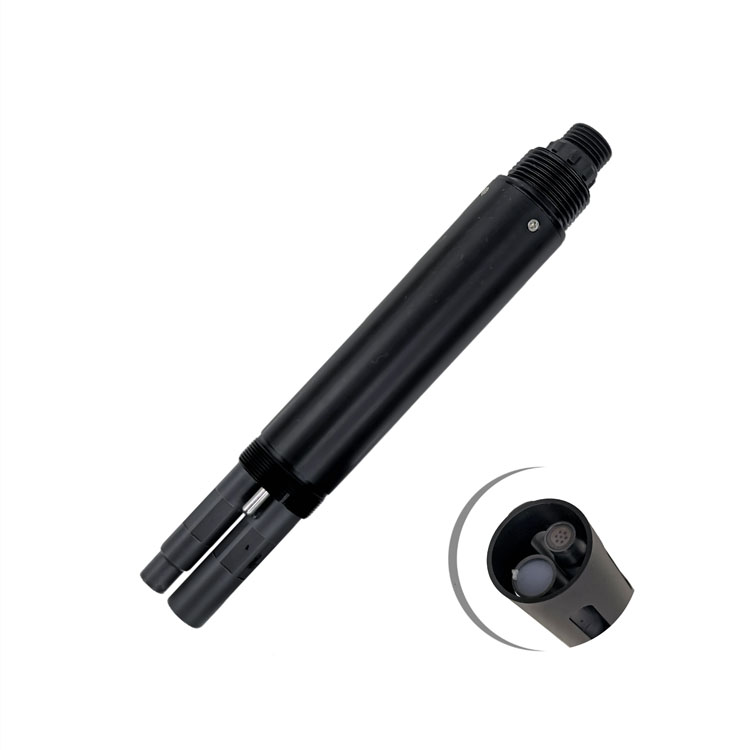
Selection Reference
Monitoring Objectives: Surface water routine monitoring selects five parameters + CODMn/NH3-N; drinking water focuses on residual chlorine/turbidity; sewage extends COD/ammonia nitrogen/total phosphorus.
Installation Environment: Field river channels select solar + anti-theft cabinets; factory areas can choose mains fixed stations.
Parameter Quantity: ≤5 parameters select integrated probe; >5 parameters select multi-channel collector.
Transmission Requirements: Remote points prioritize 4G/NB-IoT; wired conditions select fiber optics.
Budget and Maintenance: Prioritize fluorescence DO/UV COD reagent-free types to reduce long-term operation and maintenance costs.
Integration Notes
1. Sensor Installation: Probe immersion depth 0.3-1m, avoid bubble/sediment interference; equip with automatic cleaning device.
2. Calibration Maintenance: Monthly on-site calibration for pH/DO; ammonia nitrogen/COD recommended quarterly standard solution verification; enable automatic calibration function.
3. Protocol Docking: Unified Modbus address table; support HJ 212-2025 protocol to ensure seamless upload to ecological environment platforms.
4. Lightning Protection Grounding: Cabinet, solar panel, probe require independent grounding with resistance<4 Ω.
5. Power Reliability: Solar configuration calculated for ≥7 days of continuous rainy weather; add UPS to prevent momentary interruptions.
1. How to ensure continuous power supply for field stations?
A: Solar + battery solution, optimized to support 7-10 days of continuous rainy weather, equipped with low-power mode.
2. What is the long-term stability of extended parameters such as ammonia nitrogen and COD?
A: Using ion electrode/UV reagent-free method combined with automatic cleaning, maintenance cycle up to 3-6 months, accuracy meets national standard requirements.
3. Is the residual chlorine sensor susceptible to interference in drinking water monitoring?
A: Membrane electrode or ampere method design with built-in temperature/pH compensation, suitable for secondary supply and pipe network terminals, with strong anti-interference capability.
4. What after-sales support does NiuBoL provide?
A: 1-3 year warranty, remote diagnosis, on-site commissioning, quick spare parts response, and annual maintenance contract.
5. Can multi-parameter integrated probes work normally in high-turbidity water bodies?
A: Turbidity sensor comes with self-cleaning; DO/conductivity adopts anti-fouling design, proven stable in sediment-containing rivers.
6. Does the system support docking with third-party platforms?
A: Yes. Supports Modbus, MQTT, HTTP and other interfaces for easy integration with environmental monitoring platforms.
The NiuBoL online water quality monitoring system takes high-precision multi-parameter sensors, stable transmission links, and intelligent platforms as its core, assisting environmental monitoring units, water supply enterprises, and sewage treatment facilities in achieving real-time water quality control, rapid anomaly response, and compliant data reporting. The system fully aligns with the latest ecological environment standards and supports a smooth transition from conventional monitoring to water ecological monitoring.
For system integrators and engineering companies seeking reliable and easy-to-integrate online water quality monitoring solutions, NiuBoL can provide customized parameter selection, on-site survey guidance, and long-term technical support. Welcome to contact us for detailed solutions, standard compliance reports, or reference project materials to jointly advance the modernization of water ecological environment governance.
Prev:Reservoir Water and Rainfall Automatic Reporting System Architecture and Core Technical Advantages
Related recommendations
Sensors & Weather Stations Catalog
 Agriculture Sensors and Weather Stations Catalog-NiuBoL.pdf
Weather Stations Catalog-NiuBoL.pdf
Agriculture Sensors Catalog-NiuBoL.pdf
Water Quality Sensor Catalog-NiuBoL.pdf
Related products
 Combined air temperature and relative humidity sensor
 TDR Soil Moisture & Temperature Sensor for irrigation| RS485 |4-20mA| NBL-S-THR
 Soil pH sensor RS485 soil Testing instrument soil ph meter for agriculture |NBL-S-PH
 Wind Speed sensor Output Modbus/RS485/Analog/0-5V/4-20mA
 Tipping bucket rain gauge for weather monitoring auto rainfall sensor RS485/Outdoor/stainless steel
 Pyranometer Solar Radiation Sensor 4-20mA/RS485

Screenshot, WhatsApp to identify the QR code
WhatsApp number:+8615367865107
(Click on WhatsApp to copy and add friends)

