





— Blogs —
—Products—
 Consumer hotline +8618073152920
 WhatsApp:+8615367865107
Address:Room 102, District D, Houhu Industrial Park, Yuelu District, Changsha City, Hunan Province, China
Product knowledge
Time:2025-12-21 11:21:25 Popularity:785
In the fields of meteorological monitoring and traffic safety, visibility is an important parameter that directly affects operational decisions. Whether airports allow takeoffs and landings, highways need speed limits or closures, or ports have safe navigation conditions often depends on real-time and reliable visibility data.
Visibility sensors are core equipment that provide continuous and objective meteorological data for these critical scenarios. Compared to manual visual estimation or video judgment, visibility meters have all-weather, quantifiable, and remotely integrable engineering advantages, and have become standard configurations in modern meteorological and traffic systems.
This article will systematically introduce the working mechanism, structural design, manufacturing process, installation and maintenance points of visibility sensors from the perspective of engineering principles and practical applications, and explain with reference to the technical characteristics of the NiuBoL visibility meter (NBL-W-VS).
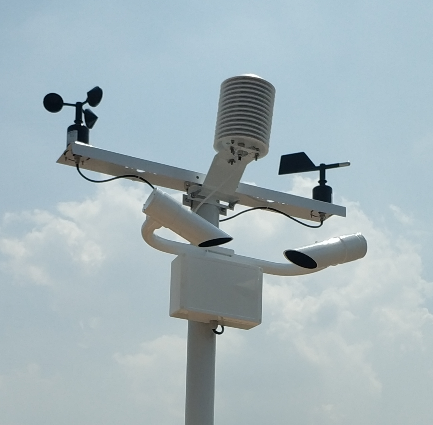
A visibility sensor is a professional meteorological instrument used to measure atmospheric transparency, and its measurement result is usually expressed in Meteorological Optical Range (MOR).
The definition of MOR is: under current atmospheric conditions, the distance corresponding to when light propagating in the atmosphere is attenuated to 5% of its original intensity.
The unit is usually meters (m) or kilometers (km).
When fog, haze, smoke, dust, sand, or precipitation exist in the air, light scattering and absorption increase, the MOR value decreases, and visibility deteriorates accordingly.
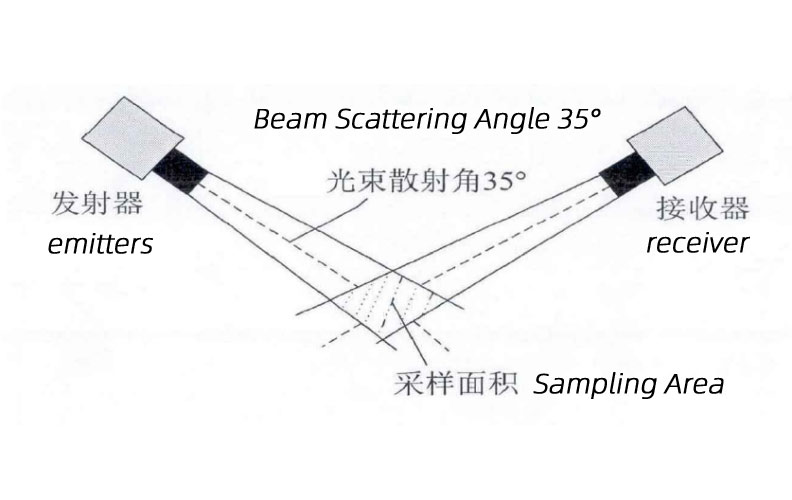
Currently, the vast majority of visibility meters in engineering applications use the light scattering measurement principle, with forward scattering being the most mature and reliable.
Its basic working process is as follows:
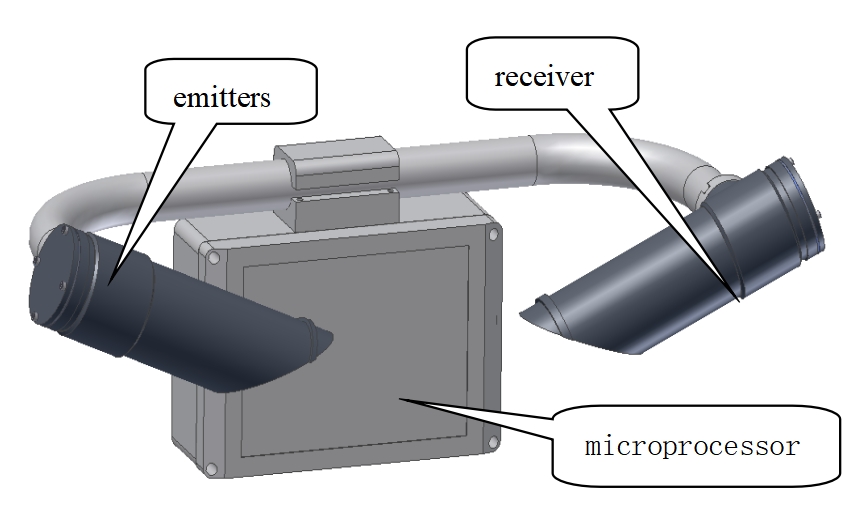
The transmitter emits stable infrared pulsed light to the sampling area
Light encounters aerosol particles (fog droplets, dust, water droplets) in the air
Part of the light undergoes forward scattering within a specific angle range
The receiver only receives scattered light within this angle
The microprocessor samples and calculates the scattered light intensity
Converted to MOR visibility value through mathematical models
The stronger the scattered light, the more suspended particles in the air, and the lower the visibility.
Transmission visibility meters measure the total extinction coefficient through long-distance optical paths, with complex structures and high installation space requirements;
Forward scattering visibility meters only need to complete measurements in a limited sampling area, with more compact structures, more suitable for long-term unattended outdoor environments.
Under common meteorological conditions with visibility less than 100 km, there is a stable proportional relationship between the forward scattering coefficient and the total extinction coefficient, so the forward scattering method is widely recognized and applied.
NiuBoL Visibility Meter Technical Route Explanation:
The NiuBoL visibility meter adopts the aerosol forward scattering principle, measuring the scattering characteristics of suspended particles in the atmosphere through infrared pulsed light, and converting them into standard meteorological visibility data.
This solution performs stably in the following complex environments:
Fog, haze, smoke, dust and other low visibility weather
Light to moderate intensity precipitation
Coastal high salt fog areas
Extreme cold or high temperature climate environments
A complete light scattering visibility sensor usually consists of the following core modules:
Transmitter
Built-in infrared laser emission tube, emits stable light signals to the sampling area according to fixed optical axis and angle, serving as the system's signal source.
Receiver
Built-in high-sensitivity photosensitive device, only receives scattered light within a specific forward scattering angle range, effectively suppressing interference from direct light, sunlight, and stray light.
Microprocessing Control Unit
Responsible for signal acquisition, filtering, algorithm calculation, and outputting the final MOR visibility data.
Optical Windows and Housing Structure
Window lenses treated with anti-dust, anti-mold, anti-salt fog coating;
Housing made of anodized hard aluminum and stainless steel structure, with IP65 protection level, suitable for long-term outdoor operation.
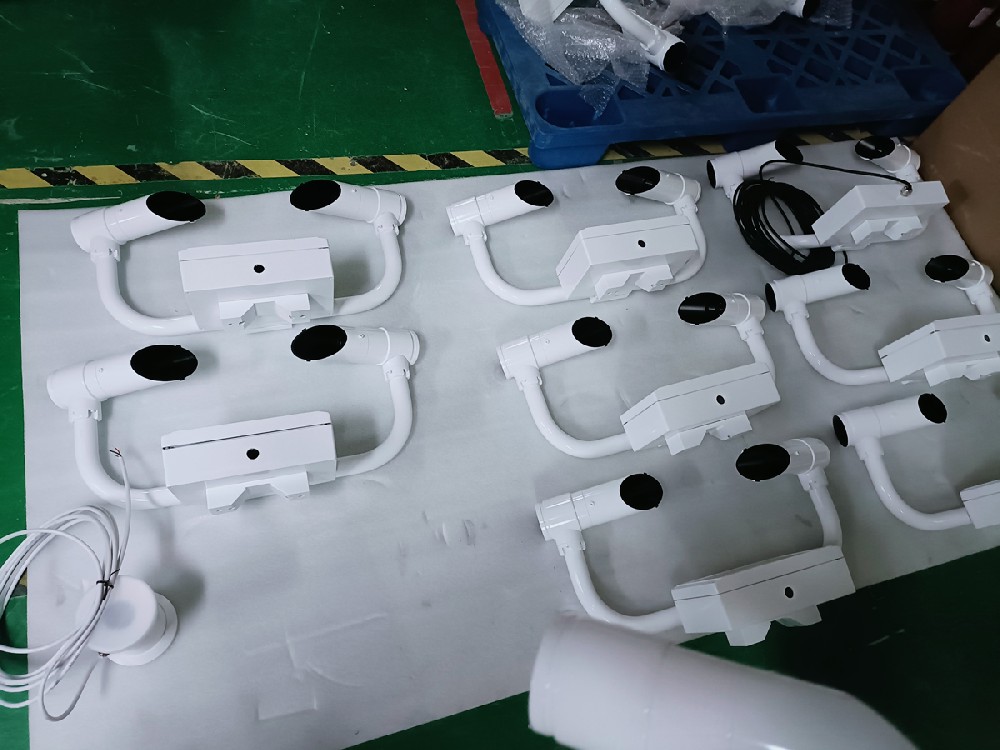
From an engineering manufacturing perspective, the development and production of visibility sensors usually include the following links:
Clarify measurement range, accuracy, and environmental adaptability
Determine optical structure and scattering angle design
Design transmission and reception optical path systems
Develop signal acquisition and processing circuits
Establish meteorological models and algorithm parameters
Complete machine assembly and functional debugging
Calibration, environmental testing, and aging verification
This process involves multiple professional fields such as optical engineering, electronic engineering, embedded systems, and meteorological models.
The NiuBoL visibility meter uses RS485 communication interface, supports standard MODBUS protocol, easy to integrate into various systems, including:
Airport meteorological monitoring systems
Highway monitoring platforms
Industrial SCADA systems
The sensor can output data at fixed cycles (such as 60 seconds) or support passive polling.
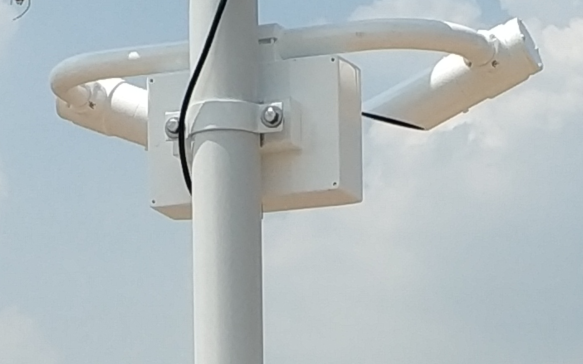
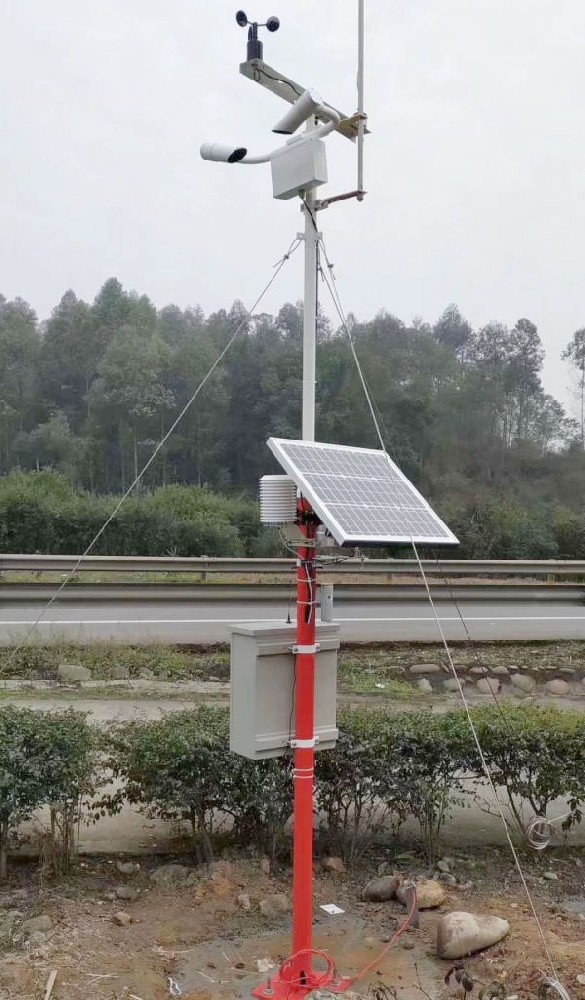
Usually installed at 2–4 meters height
Installation point should represent the real weather conditions of the surrounding area
No obstacles in the line of sight between transmitter and receiver
Avoid buildings, metal reflective surfaces
Avoid direct sunlight on the receiving window
Avoid local pollution sources or heat source interference
Improper installation location selection will directly lead to distorted visibility data.
In normal environments, the maintenance workload of visibility meters is low:
Optical window cleaning: approximately every 3 months
Extreme pollution environments: shorten cycle as appropriate
Mean Time Between Failures (MTBF): > 18000 hours
Low power consumption design (<1 W) makes it very suitable for solar or battery-powered systems.
The price of visibility sensors is influenced by the following factors:
Measurement range and accuracy level
Optical structure and protection design
Communication method and system compatibility
Brand and long-term stability
Currently, mainstream light scattering visibility meters on the market are usually priced in the range of several thousand to twenty thousand RMB.
In engineering applications, long-term stability and maintenance costs are often more important than initial purchase price.
| Parameter | Value |
|---|---|
| Measurement Range | 5 m – 10 km |
| Measurement Accuracy | ≤2 km: ±2% 2–10 km: ±10% |
| Technical Principle | Forward Scattering |
| Peak Wavelength | 875 nm |
| Power Supply | DC 12 V |
| Output Interface | RS485 (MODBUS) |
| Protection Level | IP65 |
| Operating Temperature | -40 ℃ ~ +80 ℃ |
Automatic weather stations and regional meteorological monitoring
Airport runways and flight safety systems
Highways and tunnel visibility monitoring
Ports, waterways, and large ships
Offshore platforms and energy facilities
Q1: Does the visibility sensor support all-weather operation?
It supports 24-hour continuous monitoring.
Q2: Is it suitable for coastal or high-cold regions?
Suitable, with anti-salt fog, anti-low temperature, and self-heating design.
Q3: Is it convenient for system integration?
Supports RS485 + MODBUS, compatible with mainstream acquisition systems.
Q4: Is there a difference in data logic between forward scattering visibility meters measuring “rain” and “fog”?
Yes, there is a difference. Although the principle is scattering, the particle sizes of raindrops and fog droplets are vastly different. The NiuBoL visibility meter has built-in particle size compensation algorithms that can identify the fluctuation characteristics of scattering signals, distinguish water vapor condensation (fog) from discrete precipitation (rain), thereby automatically correcting the extinction coefficient and ensuring the accuracy of MOR values in mixed weather.
Q5: Why is the installation direction of visibility meters usually recommended to “face north”?
In the Northern Hemisphere, orienting the receiver opening toward the north (or away from the sun's path) is to minimize direct sunlight or stray light entering the optical window. Although the device has optical filtering design, avoiding strong direct light can significantly reduce background noise, extend the life of photoelectric sensors, and improve signal-to-noise ratio in low visibility conditions.
Q6: What to do if visibility data jumps during long-distance RS485 bus transmission?
Visibility meters are usually installed on outdoor high poles, susceptible to lightning induction or industrial electromagnetic interference. Recommendations:
Use shielded twisted pair, with shielding layer single-point grounded at the collector end.
Add matching resistor: connect 120Ω resistor at the end of the 485 bus to eliminate signal reflection.
Isolate power supply: ensure sensor power is physically isolated from high-power equipment (such as highway gantry motors) to prevent data sampling abnormalities caused by voltage drops.
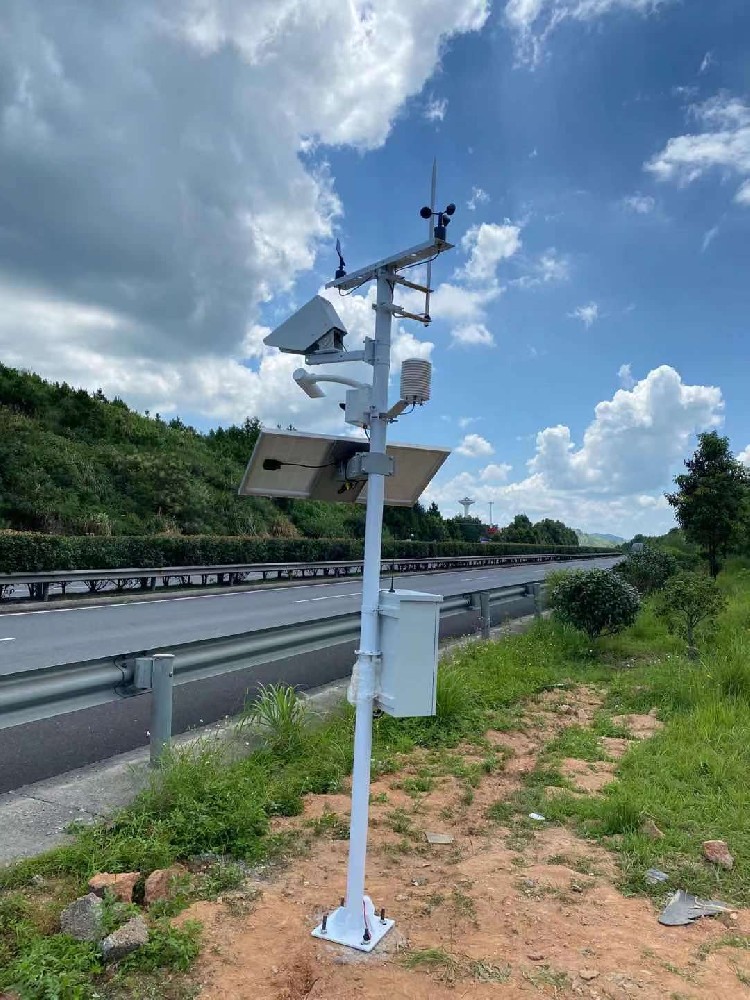
Visibility sensors are not simple “ranging devices,” but professional instruments integrating optical measurement, meteorological models, and engineering reliability. In high-reliability scenarios such as airports, traffic, and meteorology, stability, maintainability, and long-term consistency are more critical than single parameters.
The NiuBoL visibility meter is based on a mature forward scattering technical route, with targeted optimizations in power consumption, structure, protection, and system integration, suitable for long-term unattended meteorological monitoring applications.
Prev:Measurement Principle and Application Guide of Tipping Bucket Rain Gauge Sensor
Next:Core of Smart Transportation and Meteorological Monitoring: Visibility Sensor
Related recommendations
Sensors & Weather Stations Catalog
 Agriculture Sensors and Weather Stations Catalog-NiuBoL.pdf
Weather Stations Catalog-NiuBoL.pdf
Agriculture Sensors Catalog-NiuBoL.pdf
Water Quality Sensor Catalog-NiuBoL.pdf
Related products
 Combined air temperature and relative humidity sensor
 TDR Soil Moisture & Temperature Sensor for irrigation| RS485 |4-20mA| NBL-S-THR
 Soil pH sensor RS485 soil Testing instrument soil ph meter for agriculture |NBL-S-PH
 Wind Speed sensor Output Modbus/RS485/Analog/0-5V/4-20mA
 Tipping bucket rain gauge for weather monitoring auto rainfall sensor RS485/Outdoor/stainless steel
 Pyranometer Solar Radiation Sensor 4-20mA/RS485

Screenshot, WhatsApp to identify the QR code
WhatsApp number:+8615367865107
(Click on WhatsApp to copy and add friends)

