





— Blogs —
—Products—
 Consumer hotline +8618073152920
 WhatsApp:+8615367865107
Address:Room 102, District D, Houhu Industrial Park, Yuelu District, Changsha City, Hunan Province, China
Product knowledge
Time:2025-12-21 11:49:20 Popularity:771

In the actual operation of photovoltaic power stations, arrays are exposed outdoors for long periods, and particulate matter, sand dust, bird droppings, and industrial dust in the atmosphere inevitably deposit on the surface of photovoltaic modules. These seemingly minor dust particles are actually core negative factors affecting the station's performance ratio (PR) and power generation revenue.
Shading Effect and Light Intensity Attenuation
Dust adhering to the panel surface directly blocks the transmission of solar radiation. Dust particles cause shading, absorption, and reflection of light, significantly reducing the number of photons reaching the silicon wafer surface, thereby directly lowering current output.
Temperature Effect and Increased Thermal Resistance
Silicon-based solar cells are extremely sensitive to temperature. The dust layer not only absorbs radiation and converts it into heat but also forms an “insulating film,” increasing the heat transfer resistance of the module and hindering heat dissipation from the cover glass. For every 1°C increase in module temperature, output power typically decreases by about 0.4% to 0.5%.
Chemical Corrosion and Diffuse Reflection Damage
When moist acidic or alkaline dust adheres long-term, the glass cover may undergo slight chemical reactions, forming pits. This not only damages the flatness of the glass but also causes diffuse reflection of light, leading to irreversible permanent decline in light transmittance.

To scientifically assess dust losses, NiuBoL has launched a dust monitoring system based on blue light pollutant optical closed-loop measurement technology (OMBP). It provides O&M personnel with a scientific decision-making basis beyond “visual observation,” enabling real-time quantification of pollution ratio (SR) and helping stations achieve cost reduction and efficiency improvement.
NiuBoL dust monitoring instrument adopts advanced blue light pollutant optical closed-loop measurement (OMBP) technology. The system emits specific wavelength blue light pulses internally and measures transmission losses caused by pollutants on the glass surface.
Closed-Loop Measurement: The system compensates for ambient light interference through internal feedback mechanisms, ensuring measurement purity.
Cleanliness Algorithm: The device continuously monitors light intensity attenuation on the glass surface to calculate surface cleanliness (from 100% down to 50%).
No Reliance on Sunlight: Unlike traditional schemes relying on comparative panels, this device works with its own light source, accurately assessing surface pollution even at night or on cloudy days.
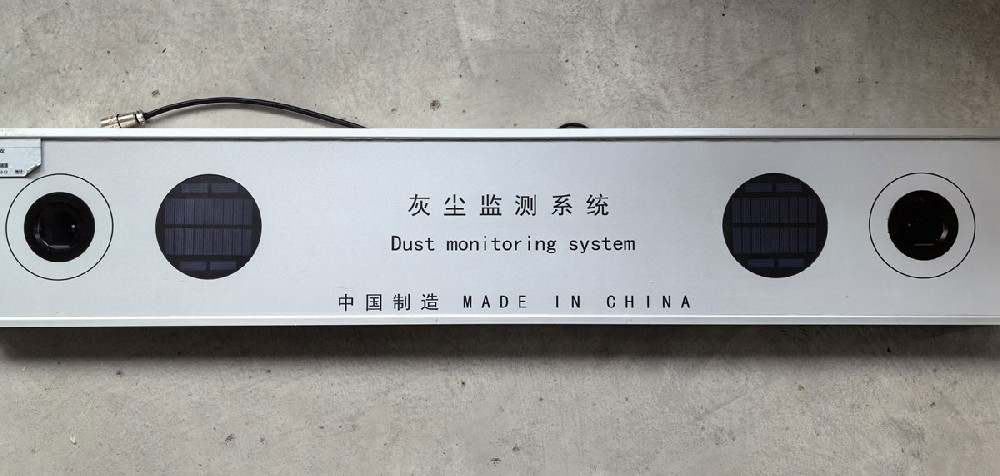
NiuBoL dust monitoring instrument (NBL-W-PSS) fully considers adaptability to harsh outdoor environments from the initial design.
Hardware Composition Structure
Optical Sensing Probe: Adopts dual-sensor redundant design to improve fault tolerance and accuracy of measurement results.
Dedicated Fixture System: Uses corrosion-resistant metal materials, supporting non-invasive installation.
Microprocessing Center: Built-in high-speed computing unit, real-time converting optical signals into digital pollution ratios.
Protective Housing: Industrial-grade high protection level, resisting sandstorms, acid rain, and high-low temperature cycles.
Flexible Installation Layout (Advanced Suggestions)
The device can be easily installed in new or existing photovoltaic arrays. Usually fixed to the panel frame side or top via dedicated fixtures.
Representativeness Principle: Should be installed in the middle of the array, avoiding edge areas susceptible to manual shading or local airflow interference.
Plane Consistency: Key requirement is to keep the sensor mirror surface of the monitoring instrument at the same level and inclination as the photovoltaic panel.
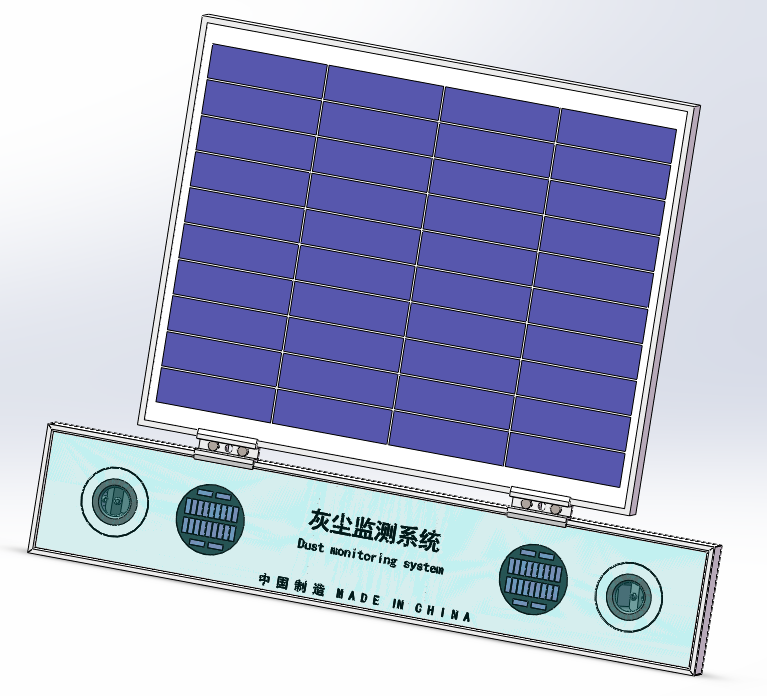
Precise Data Decision-Making: Measurement accuracy up to ±1%, sensitively detecting subtle dust accumulation and providing early warning of power generation revenue losses.
Dynamic Cleaning Cost Model: O&M personnel can calculate the optimal cleaning time based on monitored pollution ratio (SR), combined with local electricity prices and cleaning labor costs. For example, when losses from SR decline exceed cleaning costs, the system automatically issues work orders.
System Integration and Digital Twin: Adopts standard RS485 bus and Modbus RTU protocol, perfectly integrating into the station's SCADA system. Through long-term data accumulation, it can establish a “dust deposition rate model” for the station to predict future power generation.
Reliability in Harsh Environments: Anodized aluminum housing and 316 stainless steel fasteners ensure 5-10 years of working life in desert or coastal high salt fog environments.
| Parameter Item | Specification Description |
|---|---|
| Power Supply Voltage | DC 12V |
| Signal Output | RS485 |
| Communication Protocol | Standard MODBUS-RTU |
| Baud Rate | 9600 bps |
| Average Power Consumption | 1W |
| Pollution Ratio Range | 50% ~ 100% |
| Pollution Measurement Accuracy | ±1% (90-100%); ±3% (80-90%); ±5% (50-80%) |
| Temperature Measurement (Optional) | -50℃ ~ +100℃ (accuracy ±0.5℃) |
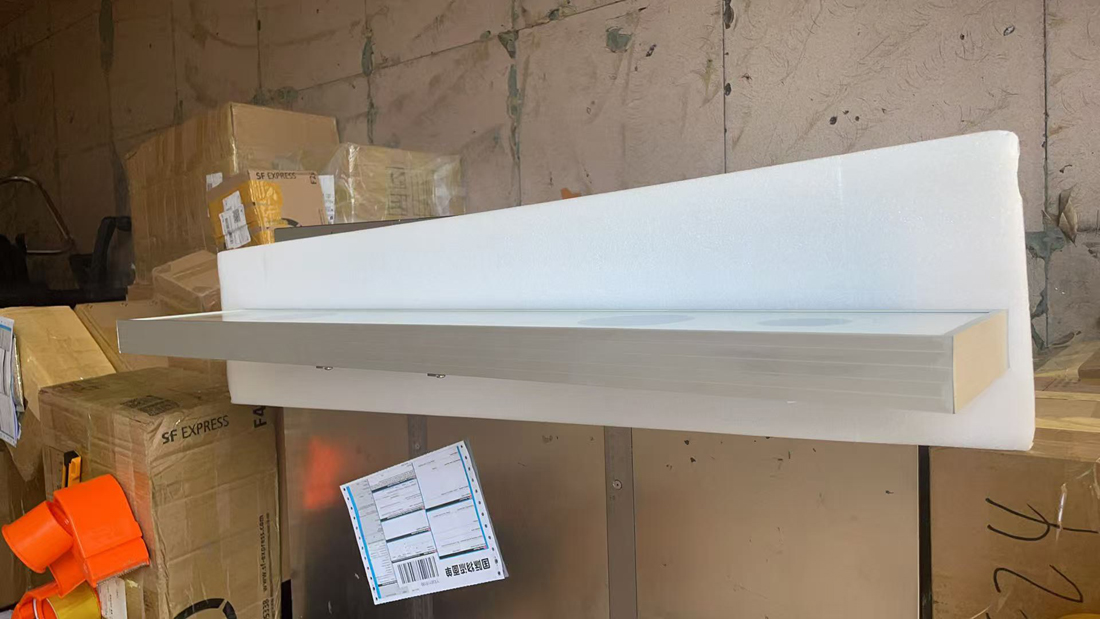
Automatic Cleaning Robot Linkage
The dust monitoring instrument can serve as the “start switch” for cleaning robots. When cleanliness falls below the preset threshold, it triggers the robot to automatically perform cleaning tasks via backend protocol, achieving all-weather unattended operation.
Distributed and Centralized Full Coverage
Distributed Stations: Solves the problem of difficult manual visual inspection in rooftop stations by aggregating pollution status of each rooftop via the cloud.
Centralized Ground Stations: For vast field areas, deploy monitoring points on different slopes and windward sides to achieve refined zoned cleaning.
Core Calibration Process
To ensure baseline accuracy, “zero calibration” must be performed after installation:
Choose clear weather (between 12:00–14:00 noon).
Important: First thoroughly wipe the sensor mirror with clean microfiber cloth, ensuring no fingerprints or fiber residues.
Hold the calibration button for 10 seconds; the system automatically records current light intensity as 100% original reference value.
Daily Maintenance Principles
Synchronization: The monitoring instrument's mirror must maintain the same cleaning rhythm as photovoltaic modules. If only modules are cleaned without the probe, data will be low; vice versa, data will be high.
Obstacle Avoidance: Installation position should ensure no artificial or structural shading on the sensing window.
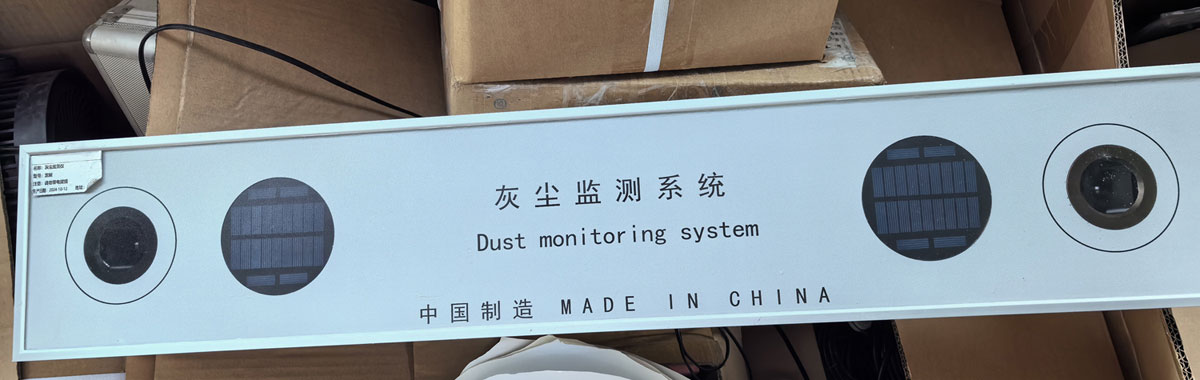
Q1: What is the difference between this device and dust monitors using short-circuit current deviation method?
A: The short-circuit current method is greatly affected by irradiance fluctuations, and the reference panel itself ages. NiuBoL adopts OMBP optical measurement technology with independent light source, unaffected by external irradiance or panel degradation, providing more independent and objective data.
Q2: Can this device monitor snow accumulation and bird droppings?
A: Yes. Any pollutant causing reduced cover transmittance will reflect in the SR (pollution ratio) value. For local bird droppings coverage, the dual-sensor design effectively identifies such sudden abnormal fluctuations and triggers alarms.
Q3: How to determine how many modules one monitoring instrument can cover?
A: In flat terrain with uniform dust, recommend one monitoring point per 2-5 MW. In complex mountainous terrain stations, recommend one set per major slope orientation.
Communication Interface: RS485
Transmission Protocol: Modbus-RTU
Measurement Units: Pollution Ratio (SR), Celsius (°C)
Core Technology: OMBP (Blue Light Pollutant Closed-Loop Measurement)
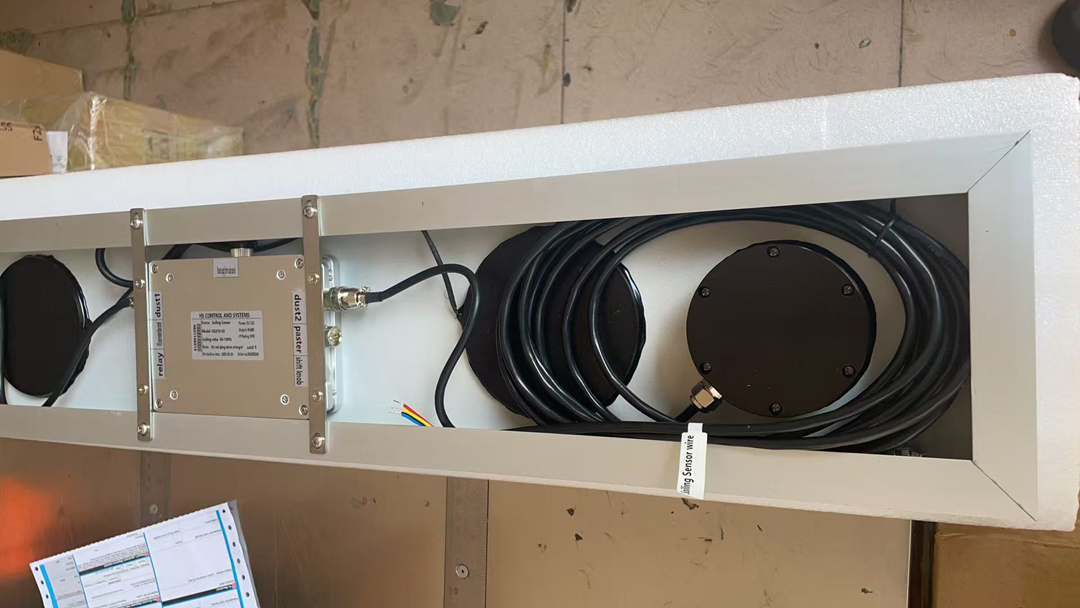
In the photovoltaic industry's pursuit of low levelized cost of electricity (LCOE), dust monitoring is no longer optional but a necessary choice for smart O&M. NiuBoL photovoltaic dust monitoring instrument quantifies “invisible losses,” ensuring every cleaning expense is spent effectively.
Through scientific monitoring and timely cleaning, a 100MW photovoltaic station can reduce 3%-5% annual power generation losses, meaning millions in additional electricity revenue and significantly extended photovoltaic module lifespan.
 NBL-W-PSS Soiling Sensor Photovoltaic Dust Monitoring Instrument Data Sheet.pdf
Related recommendations
Sensors & Weather Stations Catalog
Agriculture Sensors and Weather Stations Catalog-NiuBoL.pdf
Weather Stations Catalog-NiuBoL.pdf
Agriculture Sensors Catalog-NiuBoL.pdf
Water Quality Sensor Catalog-NiuBoL.pdf
Related products
 Combined air temperature and relative humidity sensor
 TDR Soil Moisture & Temperature Sensor for irrigation| RS485 |4-20mA| NBL-S-THR
 Soil pH sensor RS485 soil Testing instrument soil ph meter for agriculture |NBL-S-PH
 Wind Speed sensor Output Modbus/RS485/Analog/0-5V/4-20mA
 Tipping bucket rain gauge for weather monitoring auto rainfall sensor RS485/Outdoor/stainless steel
 Pyranometer Solar Radiation Sensor 4-20mA/RS485

Screenshot, WhatsApp to identify the QR code
WhatsApp number:+8615367865107
(Click on WhatsApp to copy and add friends)

