





— Blogs —
—Products—
 Consumer hotline +8618073152920
 WhatsApp:+8615367865107
Address:Room 102, District D, Houhu Industrial Park, Yuelu District, Changsha City, Hunan Province, China
Product knowledge
Time:2025-12-21 11:55:29 Popularity:850
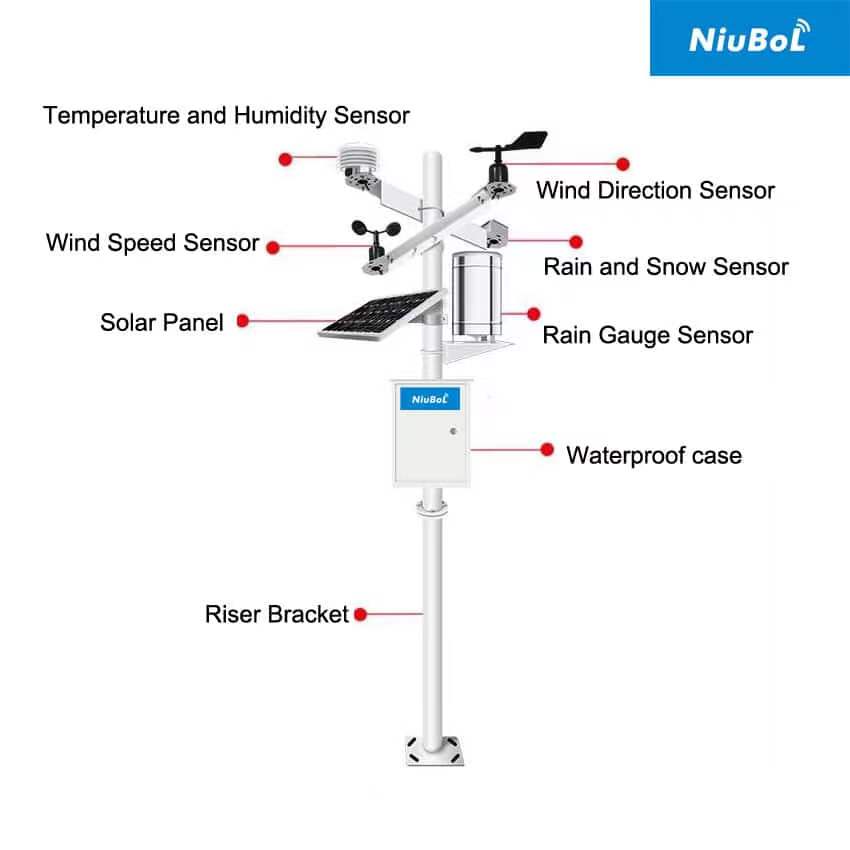
An automatic weather station (Automatic Weather Station, AWS) is not a simple stack of sensors, but a highly integrated environmental intelligence system. It achieves all-weather, high-frequency precise capture of the atmospheric environment through high-precision perception units, edge computing modules, and reliable communication links.
In today's increasingly complex climate risks, the NiuBoL automatic weather station is not only the “sentinel” for weather forecasting but also an indispensable data decision-making foundation in agricultural production, traffic safety, and new energy development fields. Our design philosophy lies in providing the most robust data under extreme environments.
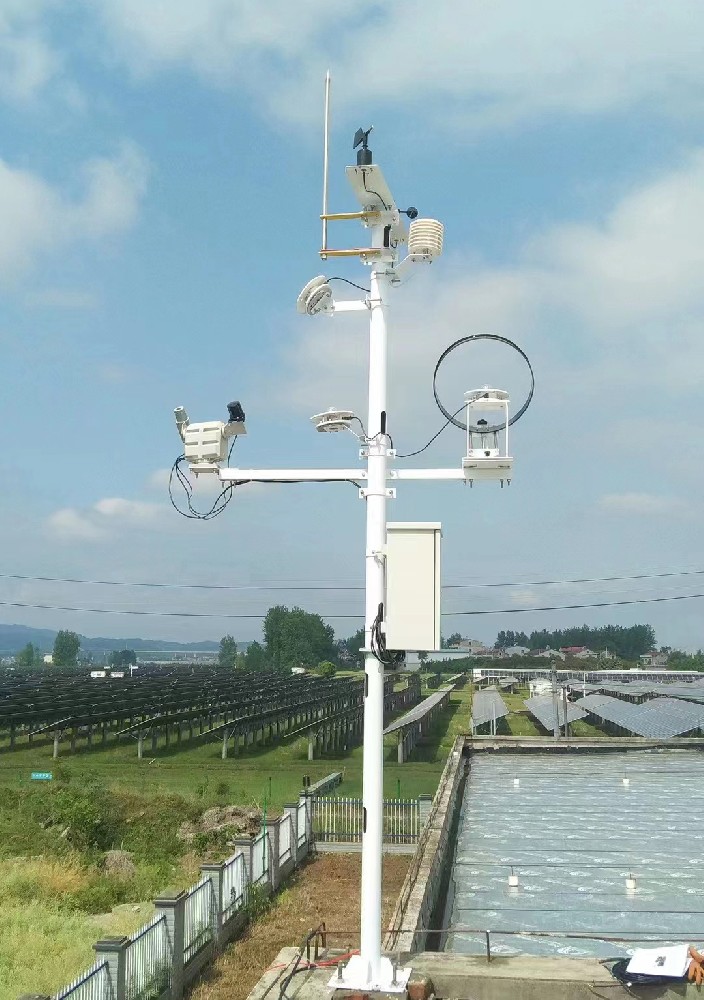
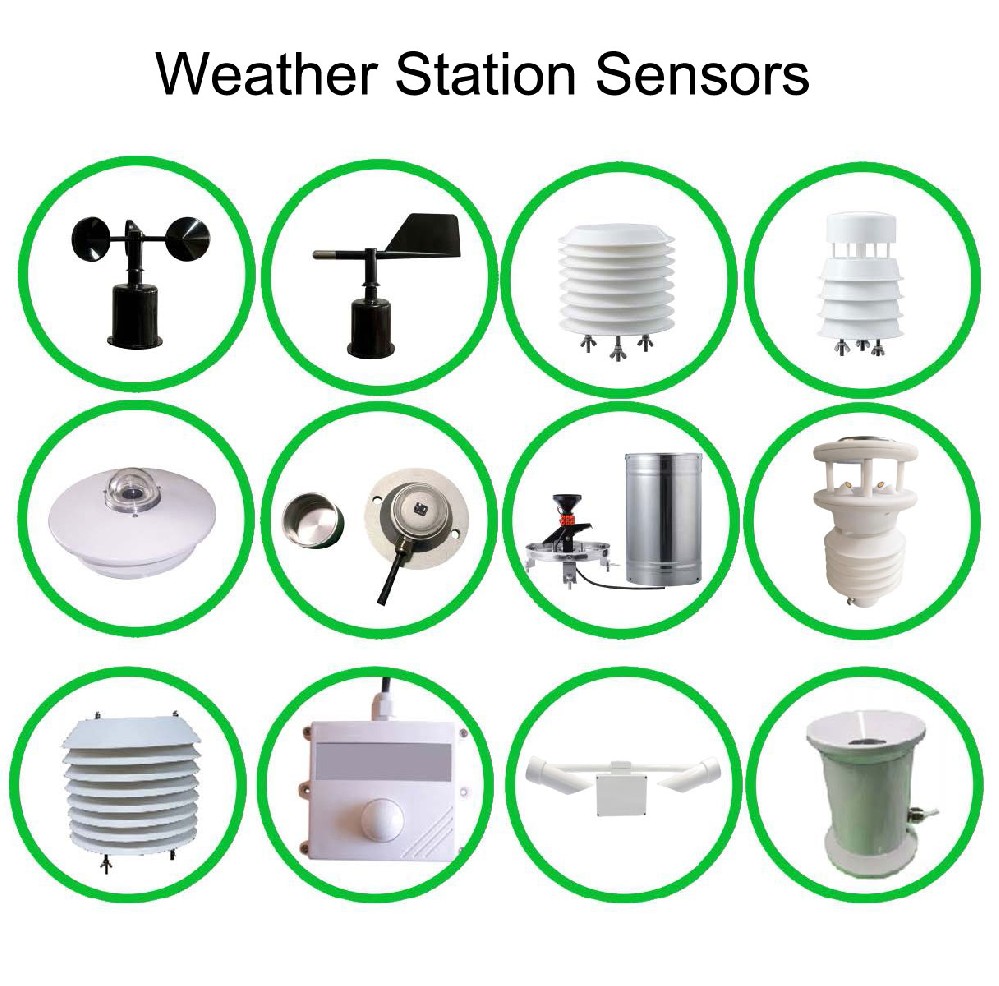
Sensors are the core assets of AWS, and their physical principles determine the authenticity of data. The NiuBoL sensor matrix covers full-dimensional monitoring of atmospheric physical quantities.
Air Temperature and Humidity Monitoring: Precise Perception with Radiation Shielding
Sensor Principle: Temperature uses high-purity platinum resistance (Pt100/Pt1000), utilizing the characteristic that its resistance value changes linearly with temperature; humidity uses polymer thin-film capacitive sensing elements, with extremely high response speed to water molecule changes.
Structure Analysis: Must be equipped with a lightweight radiation shield (lightweight louver box).
Role: The unique shading and ventilation structure can block direct sunlight and ground reflected thermal radiation. Without a professional radiation shield, daytime temperature measurements may be 3-5°C higher than the real environment.
Wind Speed and Direction Monitoring: Evolution from Mechanical to Ultrasonic
Mechanical Type (Wind Cup/Wind Vane): Adopts ultra-low starting wind speed design, with sensor shaft converting signals through photoelectric pulses or Gray code encoding. Its advantages lie in mature technology and controlled costs, suitable for conventional meteorological observations.
Ultrasonic Type (High-Tier Solution): Based on ultrasonic time-of-flight method. By measuring the time difference of ultrasonic propagation in four directions, the microprocessor calculates horizontal wind speed and direction.
Advantages: No mechanical wear, calibration-free, and performance far superior to traditional mechanical types in severe cold or high salt fog environments.
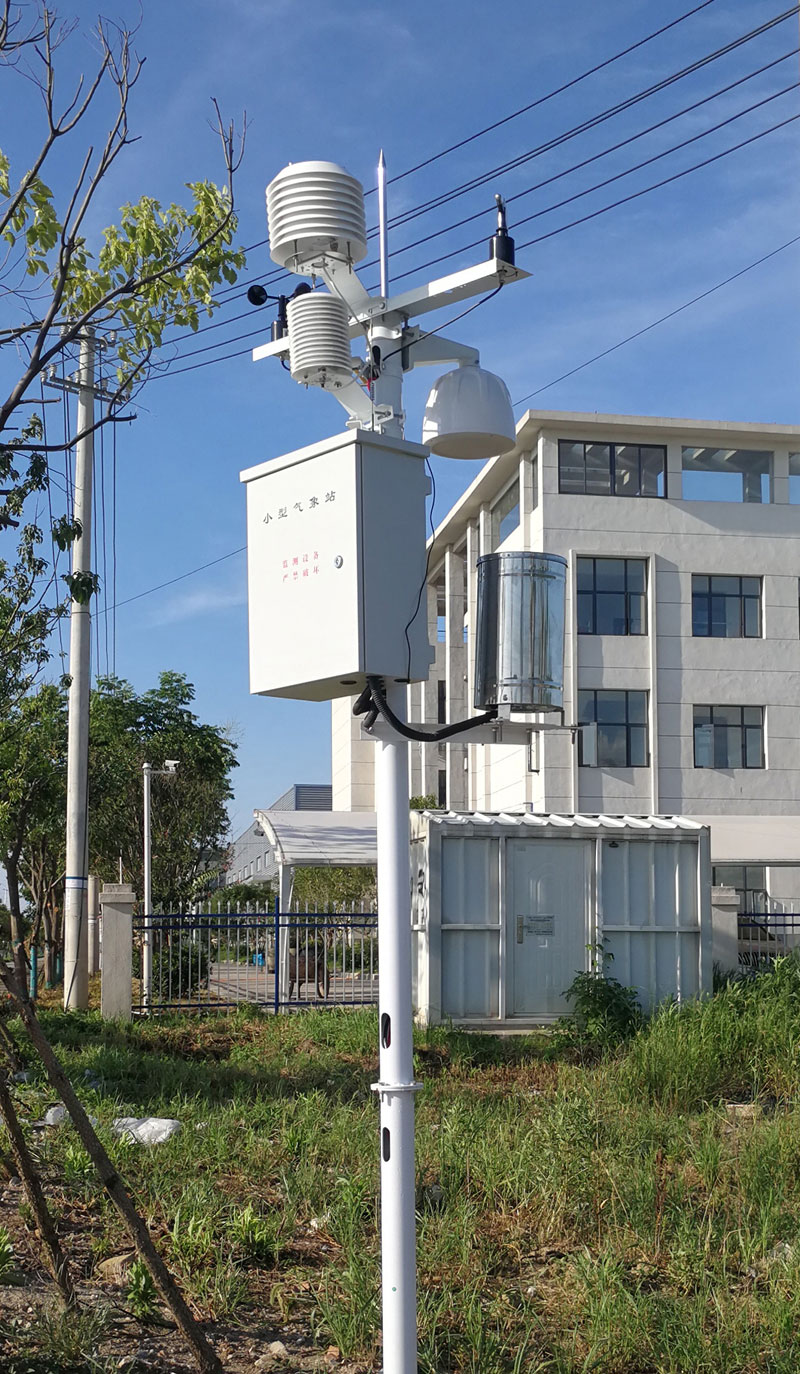
Precipitation Monitoring: Physical Quantification with Tipping Bucket
Sensor Principle: Adopts tipping bucket rain gauge. Precipitation enters the filter through the rain-bearing mouth and injects into the measuring tipping bucket. When the injection amount reaches the set value (such as 0.2mm/0.1mm), the tipping bucket loses balance and flips, driving the magnet to sweep over the reed switch to output a pulse signal.
Advantages: NiuBoL rain gauge adopts streamlined design, not only reducing overflow errors caused by wind but also ensuring long-term monitoring consistency with precisely calibrated tipping bucket volume.
Air Pressure, Illumination, and Solar Radiation Sensors
Air Pressure Sensor: Adopts silicon piezoresistive elements with built-in temperature compensation, sensitively perceiving 0.1hPa pressure fluctuations.
Total Radiation Sensor: Adopts photoelectric sensing principle, monitoring radiation intensity in the 300~1100nm band, key for calculating PR (performance ratio) in photovoltaic stations.
NiuBoL automatic weather station adopts modular architecture, ensuring system flexibility and scalability.
Data Processing Layer: Intelligent Collector (Brain)
This is the “central nervous system” of the system. NiuBoL collector has powerful edge computing capabilities:
Data Correction: Automatically performs zero drift correction and nonlinear compensation.
Quality Control: Built-in logic algorithms automatically filter noisy data caused by electromagnetic interference.
Breakpoint Resume: When the network (such as 4G or Ethernet) fluctuates, data is automatically temporarily stored in local Flash above 16MB, and automatically retransmitted after signal recovery.
Energy Supply Layer: Sustained and Stable Power Assurance
For field unattended environments, NiuBoL provides “solar + lithium battery” combination.
Efficient Conversion: Monocrystalline silicon solar panels with intelligent charging controllers ensure the system can operate normally under continuous 15 days of rainy weather.
Communication and Application Layer
Supports standard Modbus-RTU protocol. Data can be uploaded to NiuBoL cloud platform via 4G, 5G, Ethernet, LoraWAN, or satellite links. Users can monitor global observation station dynamics in real-time through App or web interface.
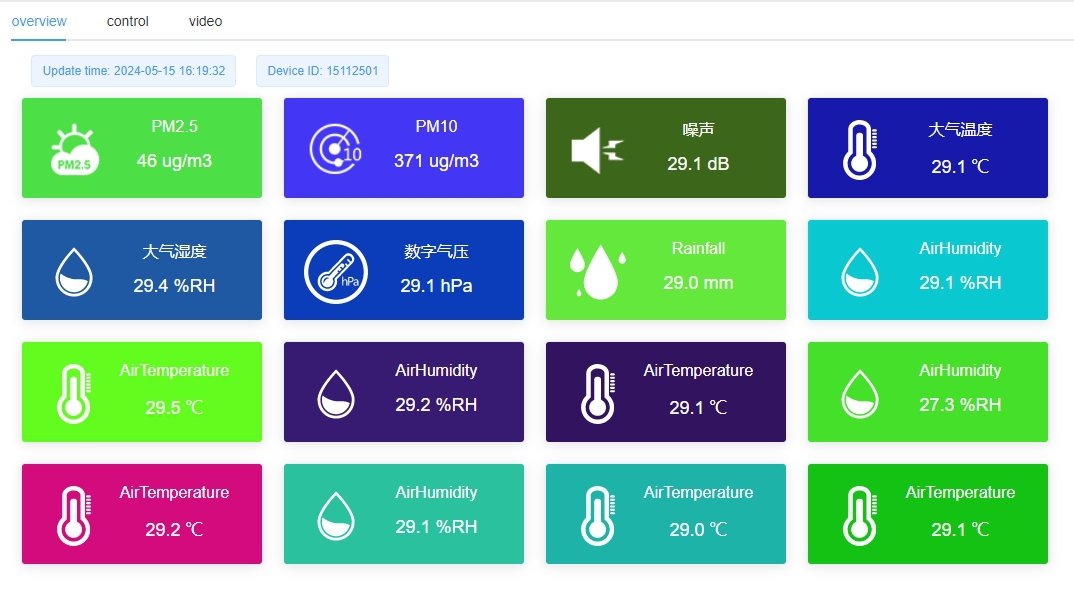
Industrial-Grade Protection: Sensor housings use anti-UV, corrosion-resistant materials, brackets use anodized aluminum alloy or 304 stainless steel.
High Spatiotemporal Resolution: Supports second-level sampling, capable of capturing instantaneous meteorological phenomena such as short-term heavy precipitation and thunderstorm gales.
Minimalist Installation Design: Adopts “aviation plug” plug-and-play design, no need for professional electricians to complete on-site deployment, shortening 70% of station building time.
Data Security Closed Loop: System built-in encryption algorithms ensure every link from collection to upload is secure and reliable.
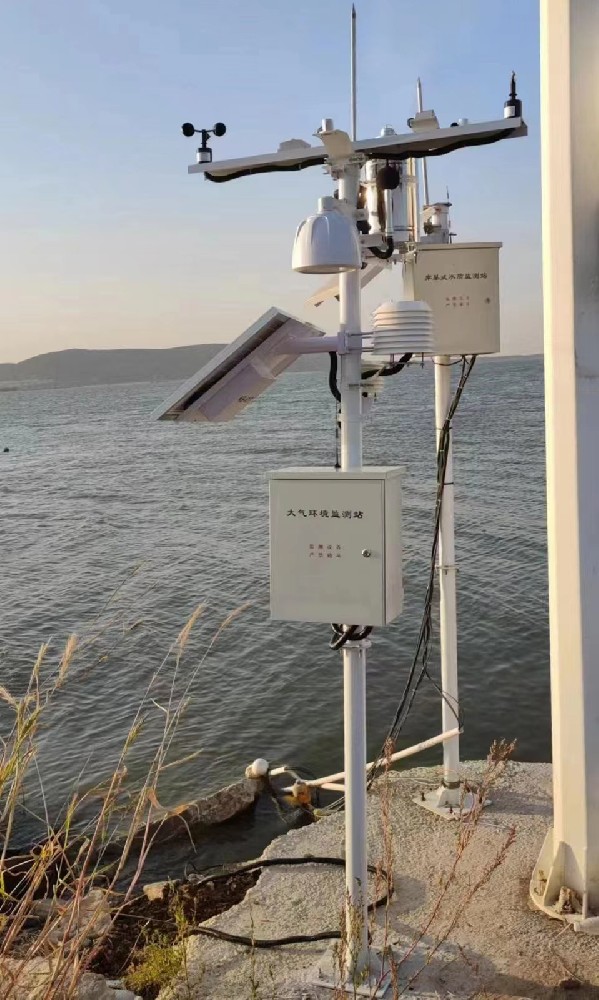
Smart Agriculture Management: Monitors accumulated temperature, frost, and soil moisture, providing basis for precise irrigation and pest control.
Renewable Energy Utilization: Assesses wind and solar resource potential, optimizing grid connection plans for photovoltaic and wind farms.
Environmental Monitoring and Urban Planning: Monitors urban heat island effects and air pollution diffusion, aiding environmental decision-making.
Aviation and Traffic Safety: Real-time monitors crosswinds, visibility, and precipitation at airports, ports, and highways, safeguarding travel safety.
Sensor Cleaning: Wipe the glass cover of the total radiation sensor and the radiation shield of the temperature and humidity meter every quarter.
Rain Gauge Inspection: Check for dead leaves or insect eggs in the funnel.
System Calibration: Recommend annual comparison with standard instruments for temperature, air pressure, and rainfall to calibrate deviations.
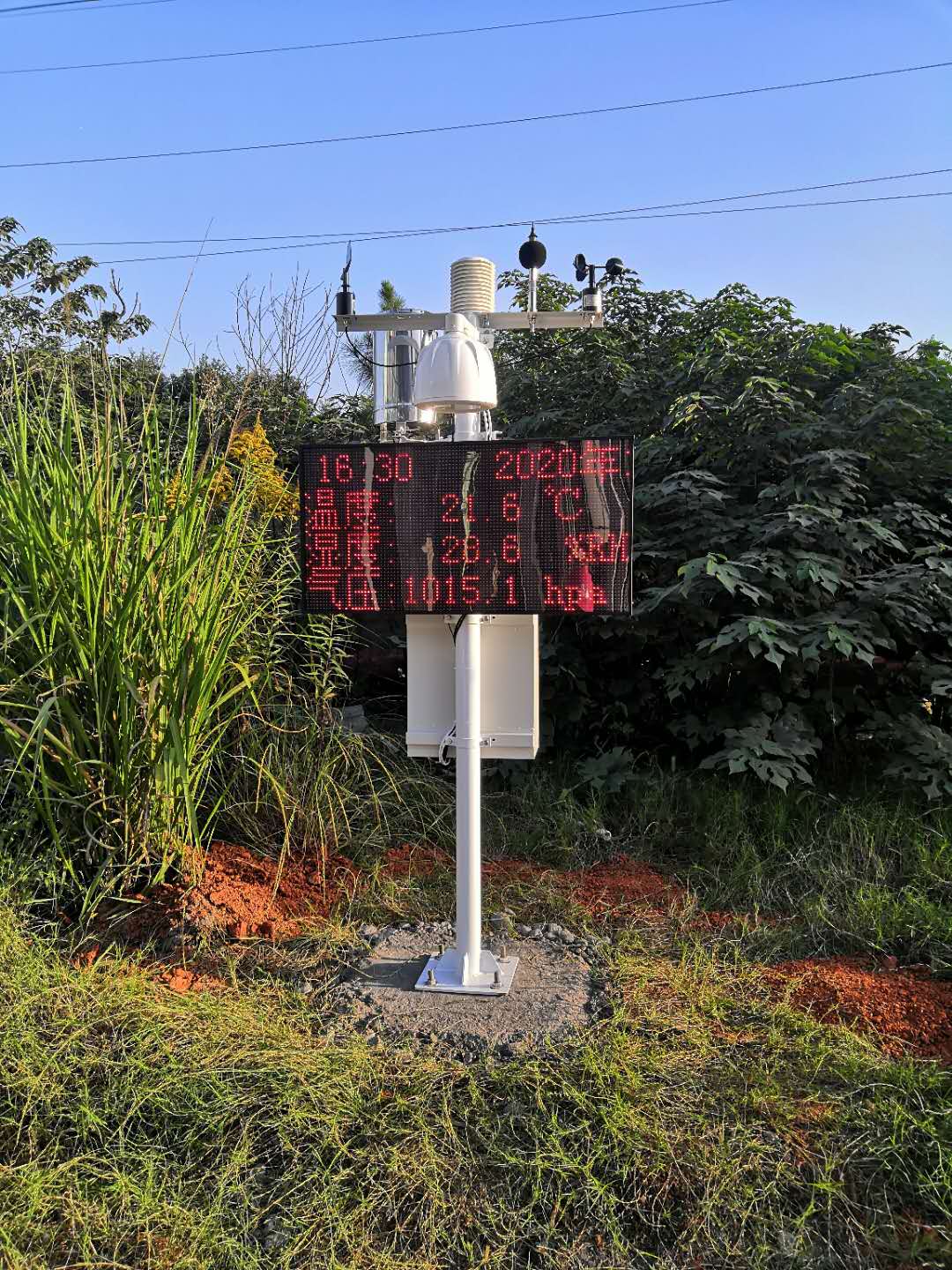
Q1: How to configure an automatic weather station suitable for me?
A: Agricultural users recommend temperature, humidity, pressure, wind speed, direction, rainfall, illumination; new energy users focus on total radiation, backplane temperature, wind speed. NiuBoL supports free sensor combinations.
Q2: How long can the system save data in offline state?
A: Depends on collection frequency. At conventional 10-minute collection frequency, local cache can save over 1 year of data.
Q3: How is lightning protection designed?
A: AWS bracket top equipped with dedicated lightning rod, bottom requires reliable grounding to ensure lightning current quickly discharges into the ground.
Q4: Will ultrasonic wind speed meters be affected by rainfall or heavy fog leading to inaccurate data?
A: NiuBoL's ultrasonic wind speed sensor has built-in advanced digital filtering and rain/snow compensation algorithms. It can effectively identify phase changes of sound waves passing through raindrops and fog droplets, and perform real-time compensation, thus avoiding false readings of wind speed being too high or too low in adverse weather, ensuring all-weather monitoring consistency.
Q5: Do sensors output digital or analog signals? How to connect to existing PLC systems?
A: Our sensors mainly output standard RS-485 digital signals, using Modbus-RTU communication protocol. This method has extremely strong anti-interference capability and supports “daisy-chain” wiring. You can directly connect multiple sensors in parallel to the PLC's 485 interface via two communication lines, and with the register address table we provide, achieve second-level data reading.
Q6: How does the corrosion-resistant design work in extreme environments like coastal or desert?
A: NiuBoL is designed specifically for extreme environments. Sensor housings use special engineering plastics with excellent anti-UV and salt fog corrosion resistance. Observation brackets use anodized aluminum alloy or 316 stainless steel material, with thickened oxide layer treatment. This configuration effectively prevents sea wind erosion or sand dust wear, ensuring 5-10 years of structural safety in the field.
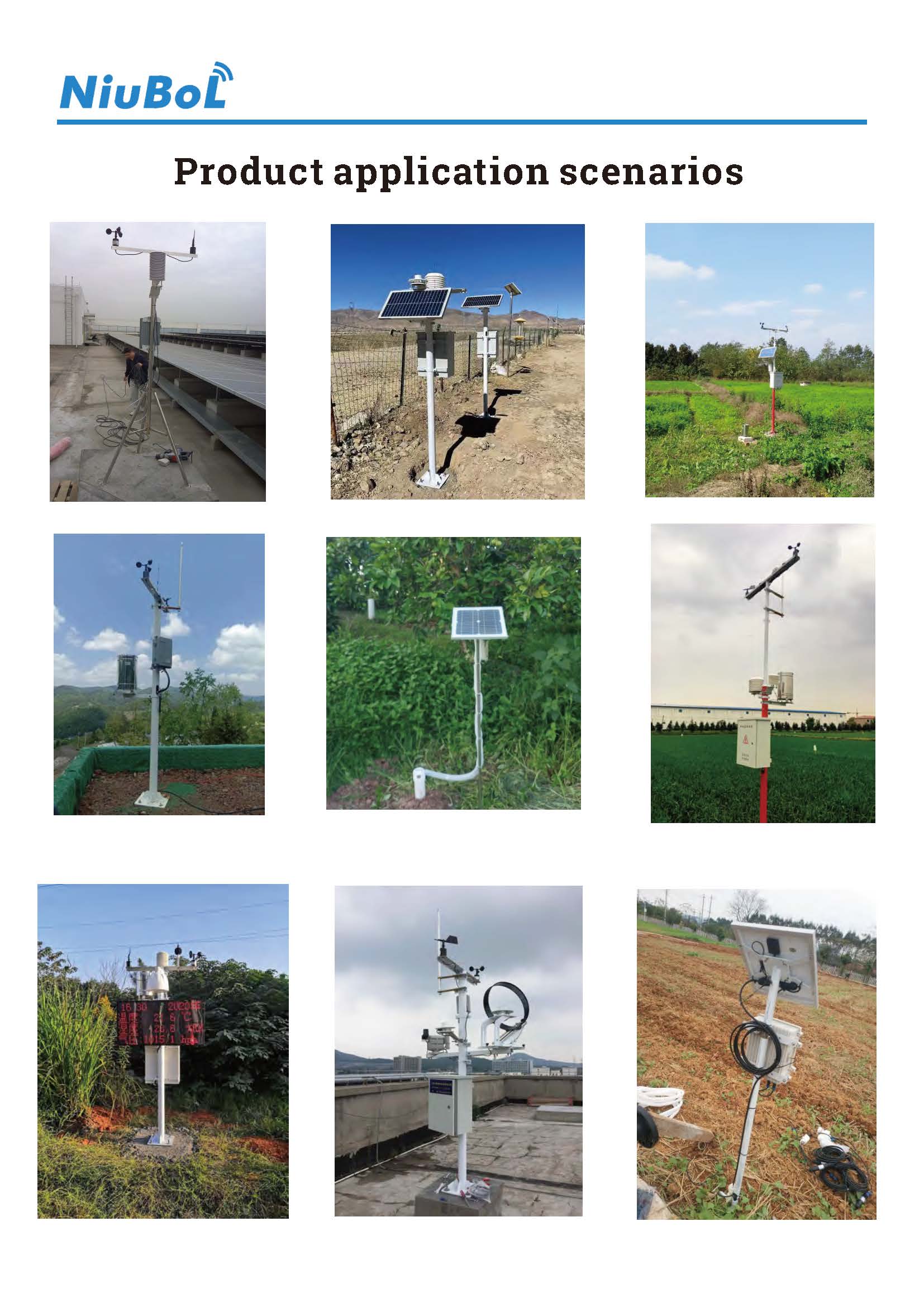
Automatic weather stations are physical extensions for humans to perceive and utilize nature. NiuBoL is always committed to combining high-precision perception technology with intelligent data links. From the physical accuracy of sensors to the logical prediction of cloud data, we provide the most robust meteorological decision support for industries such as agriculture, energy, and environment.
Related recommendations
Sensors & Weather Stations Catalog
 Agriculture Sensors and Weather Stations Catalog-NiuBoL.pdf
Weather Stations Catalog-NiuBoL.pdf
Agriculture Sensors Catalog-NiuBoL.pdf
Water Quality Sensor Catalog-NiuBoL.pdf
Related products
 Combined air temperature and relative humidity sensor
 TDR Soil Moisture & Temperature Sensor for irrigation| RS485 |4-20mA| NBL-S-THR
 Soil pH sensor RS485 soil Testing instrument soil ph meter for agriculture |NBL-S-PH
 Wind Speed sensor Output Modbus/RS485/Analog/0-5V/4-20mA
 Tipping bucket rain gauge for weather monitoring auto rainfall sensor RS485/Outdoor/stainless steel
 Pyranometer Solar Radiation Sensor 4-20mA/RS485

Screenshot, WhatsApp to identify the QR code
WhatsApp number:+8615367865107
(Click on WhatsApp to copy and add friends)

