





— Blogs —
—Products—
 Consumer hotline +8618073152920
 WhatsApp:+8615367865107
Address:Room 102, District D, Houhu Industrial Park, Yuelu District, Changsha City, Hunan Province, China
Product knowledge
Time:2025-12-22 14:02:07 Popularity:773
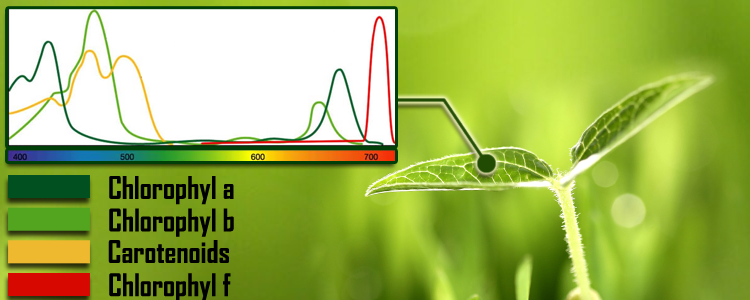
In nature, light is not only the energy source of life but also a key signal regulating plant growth, development, and morphogenesis. However, not all sunlight can be effectively utilized by plants. Research shows that only radiation energy with wavelengths between 400nm and 700nm can be absorbed by plant chlorophyll and converted into organic matter. This specific band is called “Photosynthetically Active Radiation” (PAR).
For agricultural researchers, greenhouse growers, and ecological monitoring experts, accurately capturing and measuring the intensity of this band is the core link to optimizing crop yield and improving quality. With deep experience in sensor development, NiuBoL Technology has launched the NBL-W-PARS photosynthetically active radiation sensor, a precision instrument specifically designed to accurately perceive plants' “light hunger.”
Photosynthetically active radiation refers to the portion of the solar radiation spectrum that enables green plants to perform photosynthesis. Although white light visible to the naked eye contains multiple wavelengths, plants' sensitivity to the spectrum shows nonlinear characteristics. The role of a quantum sensor is to simulate the absorption curve of leaves and measure the number of photons falling on the plant surface per unit time and per unit area.
Accurately obtaining PAR data can help analyze plants' light utilization efficiency. Especially in complex and variable climate backgrounds, real-time data obtained through NiuBoL sensors allows farmers to scientifically decide whether artificial supplementary lighting, shading, or adjustment of planting density is needed.
A high-precision sensor relies on rigorous hardware design. The internal structure of NiuBoL NBL-W-PARS is extremely precise, with its core components jointly ensuring the objectivity and accuracy of measurement data:
Sensing Device (Silicon Photodetector): Uses high-performance silicon photodiode as the sensing core, capable of rapidly responding to changes in incident light intensity and generating weak voltage signals.
Optical Filter: This is the sensor's “gatekeeper.” Through precise coating processes, it filters out invalid bands below 400nm (ultraviolet) and above 700nm (infrared), allowing only the photosynthetically active band to pass.
Cosine Corrector: In field environments, the solar elevation angle constantly changes. The cosine corrector uses special diffusing material to ensure that even when sunlight enters obliquely (up to 80° incidence angle), it strictly follows the cosine law for weighted calculation, reducing measurement errors.
Signal Processing and Output Terminal: Amplifies and linearizes the raw signal from the sensor, converting it into standard industrial electrical signals (such as RS485, 0-5V, etc.).
Protective Structural Components: Uses corrosion-resistant, anti-aging metal housing and sealed encapsulation to ensure long-term operation in humid greenhouses or fields under intense sunlight.
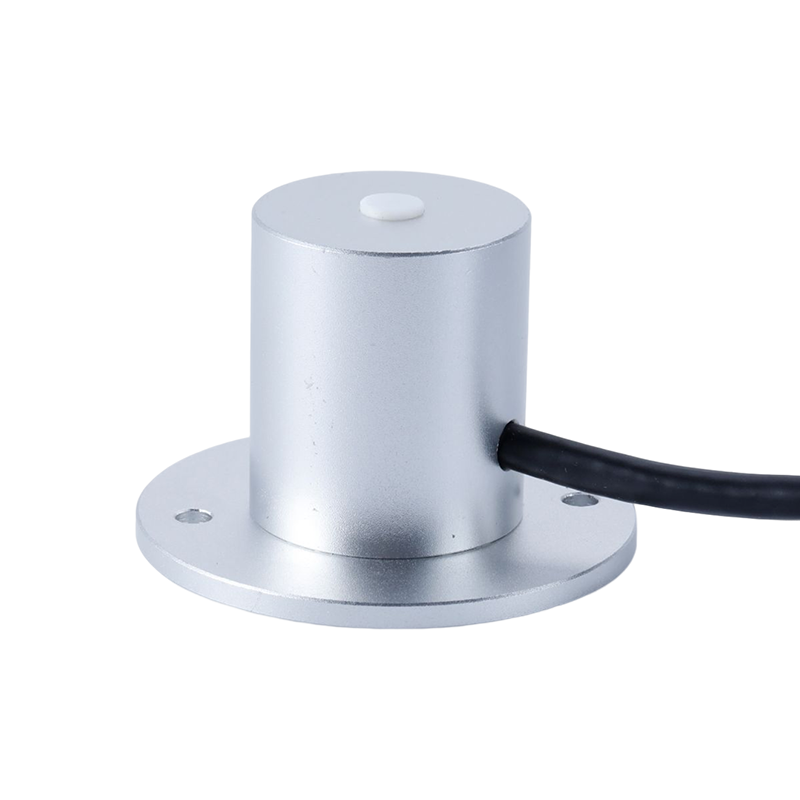
The working logic of the NBL-W-PARS sensor is based on the photovoltaic effect. When light in the 400nm-700nm band irradiates the filtered silicon photodetector, photon energy excites electrons in the semiconductor, producing a voltage signal proportional to the incident radiation intensity.
To ensure data professionalism, NiuBoL emphasizes cosine characteristics in design. Since surface light intensity on Earth is affected by solar elevation angle, the ideal sensor sensitivity should be proportional to the cosine of the incident light angle. Through complex internal structural optimization, NBL-W-PARS can accurately capture light fluctuations from morning to evening and across seasons, providing closed-loop data support for plant growth.
High Precision and High Stability
Sensors are strictly calibrated before leaving the factory, with a measurement range up to 0-2000 W/m². Thanks to high-quality filtering technology, it maintains extremely low time drift and temperature-related drift (maximum 0.05%/℃), providing high-quality, reliable data even in continuous long-term monitoring tasks.
Strong Environmental Adaptability
Whether in northern severe cold winters (-40℃) or southern hot and humid greenhouses (100%RH), NBL-W-PARS operates stably. Its fixed structure and good sealing effectively block water vapor and dust erosion, reducing frequent maintenance needs.
Lightweight and Easy Installation Design
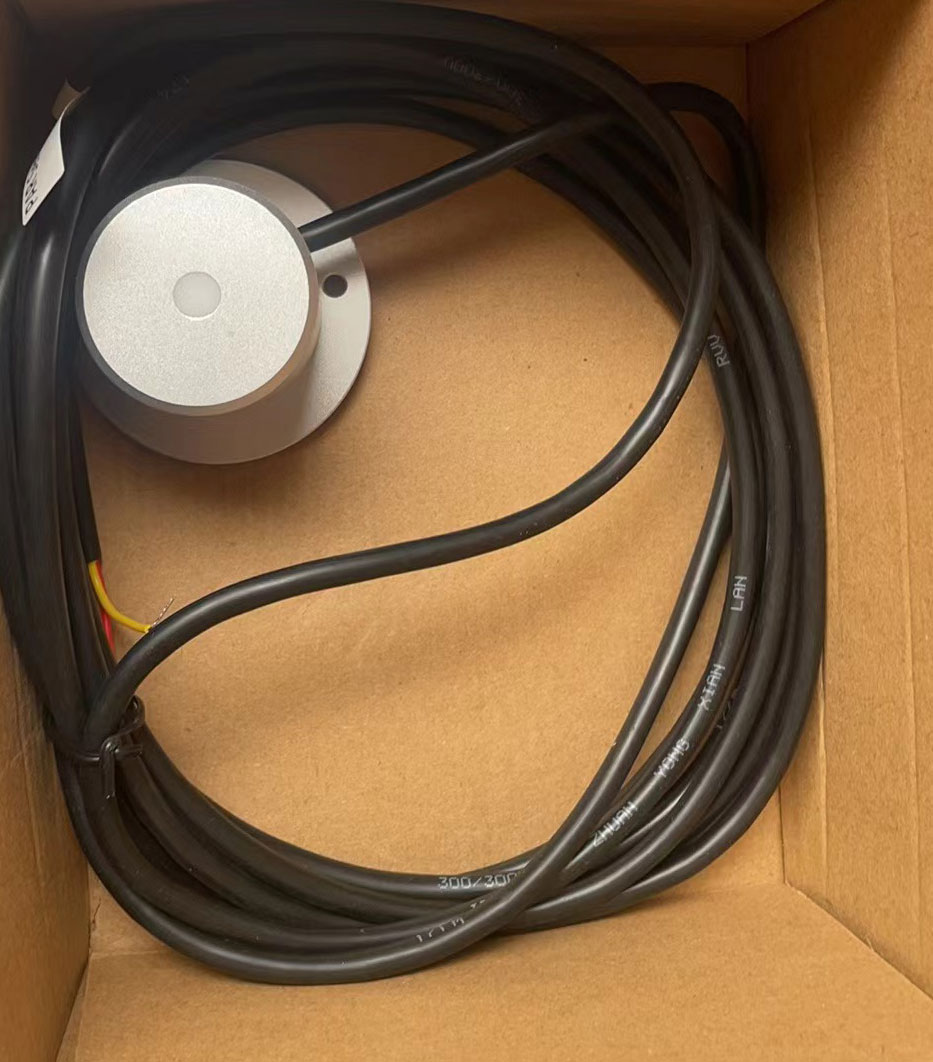
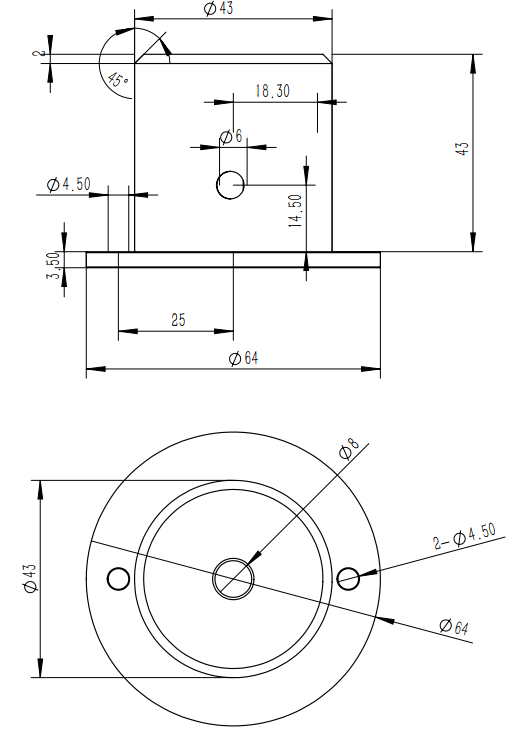
The overall product design is compact, equipped with two standard mounting screw holes. This lightweight solution not only reduces transportation costs but also facilitates flexible deployment on various complex experimental brackets or automated equipment.
Excellent Anti-Interference and Long-Distance Transmission Capability
In modern agricultural parks, electromagnetic interference between devices is common. NiuBoL sensors feature signal enhancement processing for extremely strong anti-electromagnetic interference capability. They also support mainstream communication protocols like RS485, ensuring data integrity and no packet loss during long-distance transmission (such as large bases or cross-regional monitoring).
| Parameter Name | Technical Specification |
|---|---|
| Spectral Range | 400 ~ 700nm |
| Measurement Range | 0 - 2000 W/m² |
| Power Supply | DC 12V - 24V |
| Output Form | Voltage: 0-2.5V / 0-5V; Digital: RS485 |
| Response Time | About 1s (99%) |
| Sensitivity | 5 ~ 50 µv / µmol·s⁻¹ |
| Cosine Correction | Up to 80° incidence angle |
| Temperature Dependence | Maximum 0.05% / ℃ |
| Operating Environment | Temperature: -40 - 65℃; Humidity: 0 ~ 100%RH |
| Internal Resistance | < 2KΩ |
| Standard Cable Length | 2.5 meters |
The applications of NiuBoL photosynthetically active radiation sensor have long transcended pure laboratory research, penetrating into various corners of modern production:
Agricultural Meteorology and Crop Research
In experimental fields of agricultural academies, researchers use this sensor to monitor light absorption efficiency of different crop varieties under natural light, screening high-yield, shade-tolerant, or strong-light-adaptable superior varieties.
Greenhouse and Intelligent Supplementary Lighting
In smart greenhouses, PAR sensors serve as the “eyes” of supplementary lighting systems. When the sensor detects natural light radiation below the set threshold, it automatically triggers supplementary lights; when reaching the light saturation point, it turns them off, maximizing energy savings while ensuring yield.
Ecological Forestry Monitoring
Used for forest canopy density research and vertical distribution light measurement. By installing sensors at different heights in forests, scientists can analyze light interception by forest canopies, studying forest carbon sinks and ecological balance.
Aquaculture and Marine Research
In algae cultivation or shallow sea ecological research, photosynthetically active radiation directly determines primary productivity of aquatic plants. The stable performance of NBL-W-PARS provides important basis for underwater light environment simulation.
Scientific Site Selection
The installation location directly affects data authenticity. The ideal site should have no obstacles above the sensing surface (hemispherical cosine correction sheet). Ensure no buildings, trees, or power poles with elevation angles exceeding 5° in the azimuth from sunrise to sunset. Strictly prohibit shadows on the sensing surface.
Standardized Installation Steps
Inspection: After unpacking, check sensor housing and cables for integrity.
Fixing: Use included stainless steel screws to fix the sensor on a horizontal bracket.
Leveling: This is a critical step; observe the level bubble on the sensor to ensure the sensing surface is completely horizontal.
Wiring: Connect output cables to data collector or PLC according to manual color definitions.
Data Conversion Method
If using a digital voltmeter to measure analog output:
Radiation Amount = Measured Voltage Value / Sensor Sensitivity Coefficient
Through this simple linear conversion, real-time radiation intensity can be quickly obtained.
Daily Maintenance Suggestions
Regular Cleaning: To ensure light transmittance, check the sensing surface at least weekly. If dust, leaves, bird droppings, ice, or snow are found, gently wipe with soft cloth dipped in water.
Waterproof Check: Regularly inspect joint sealing to prevent long-term outdoor exposure causing cable aging or moisture.
Q1: What is the difference between the unit W/m² and µmol/m²·s for photosynthetically active radiation?
A: W/m² is the energy unit, representing radiation power per unit area; while µmol/m²·s is the quantum unit (photosynthetic photon flux density), representing the number of photons falling on the surface per unit area. Plant physiology research usually prefers quantum units. NiuBoL sensors support data output in different units through sensitivity coefficient conversion.
Q2: Can this sensor measure artificial light sources (such as LED supplementary lights)?
A: Yes. The spectral response of NBL-W-PARS covers 400nm-700nm. As long as the artificial light source (such as red-blue LED or full-spectrum growth lamps) falls within this range, the sensor can accurately capture its radiation intensity, very suitable for greenhouse supplementary lighting evaluation.
Q3: If the sensor cable length is insufficient, can it be extended manually?
A: The standard configuration is 2.5 meters. If extension is needed, use shielded cables to reduce noise interference. For long-distance transmission, we recommend choosing RS485 digital output version or integrating LoRaWAN wireless module to effectively avoid voltage attenuation in analog signals over long distances.
Q4: How significant is cosine correction for measurement?
A: Very significant. Since the sun's position in the sky changes, without cosine correction, the sensor would produce large measurement errors in morning/evening or winter (low solar elevation angle). NiuBoL's cosine corrector ensures that even with large-angle oblique incidence, captured energy complies with physical laws, guaranteeing all-weather data continuity and accuracy.
In today's pursuit of agricultural modernization and precision, data-driven planting has become an inevitable trend. The NiuBoL NBL-W-PARS photosynthetically active radiation sensor, with its precise optical filtering technology, rigorous cosine correction design, and robust industrial-grade quality, provides users with comprehensive monitoring solutions from centimeter-level laboratories to hectare-level demonstration areas.
Whether to increase greenhouse vegetable yield or deeply explore plant photosynthesis mechanisms, choosing a high-performance PAR sensor is the cornerstone of success. NiuBoL Technology will continue to deepen the field of environmental perception, providing smarter and more reliable “eyes of perception” for global modern agriculture.
If you have more technical needs for photosynthetically active radiation measurement or require customized solutions for your project, feel free to contact the NiuBoL professional technical team.
Related recommendations
Sensors & Weather Stations Catalog
 Agriculture Sensors and Weather Stations Catalog-NiuBoL.pdf
Weather Stations Catalog-NiuBoL.pdf
Agriculture Sensors Catalog-NiuBoL.pdf
Water Quality Sensor Catalog-NiuBoL.pdf
Related products
 Combined air temperature and relative humidity sensor
 TDR Soil Moisture & Temperature Sensor for irrigation| RS485 |4-20mA| NBL-S-THR
 Soil pH sensor RS485 soil Testing instrument soil ph meter for agriculture |NBL-S-PH
 Wind Speed sensor Output Modbus/RS485/Analog/0-5V/4-20mA
 Tipping bucket rain gauge for weather monitoring auto rainfall sensor RS485/Outdoor/stainless steel
 Pyranometer Solar Radiation Sensor 4-20mA/RS485

Screenshot, WhatsApp to identify the QR code
WhatsApp number:+8615367865107
(Click on WhatsApp to copy and add friends)

