





— Blogs —
—Products—
 Consumer hotline +8618073152920
 WhatsApp:+8615367865107
Address:Room 102, District D, Houhu Industrial Park, Yuelu District, Changsha City, Hunan Province, China
Product knowledge
Time:2026-01-10 16:13:07 Popularity:895
An automatic soil moisture monitoring system (Automatic Soil Moisture Monitoring System) is an intelligent platform integrating environmental perception, data processing, wireless communication, and cloud management. It can monitor core parameters such as soil moisture content, temperature, and conductivity at different depths around the clock without human intervention.
Compared with traditional manual soil sampling and drying methods, the NiuBoL system achieves a leap from "spot checks" to "dynamic panorama". It not only tells managers whether the soil is "thirsty" but also predicts moisture movement patterns through historical data models, providing a digital foundation for scientific decision-making.
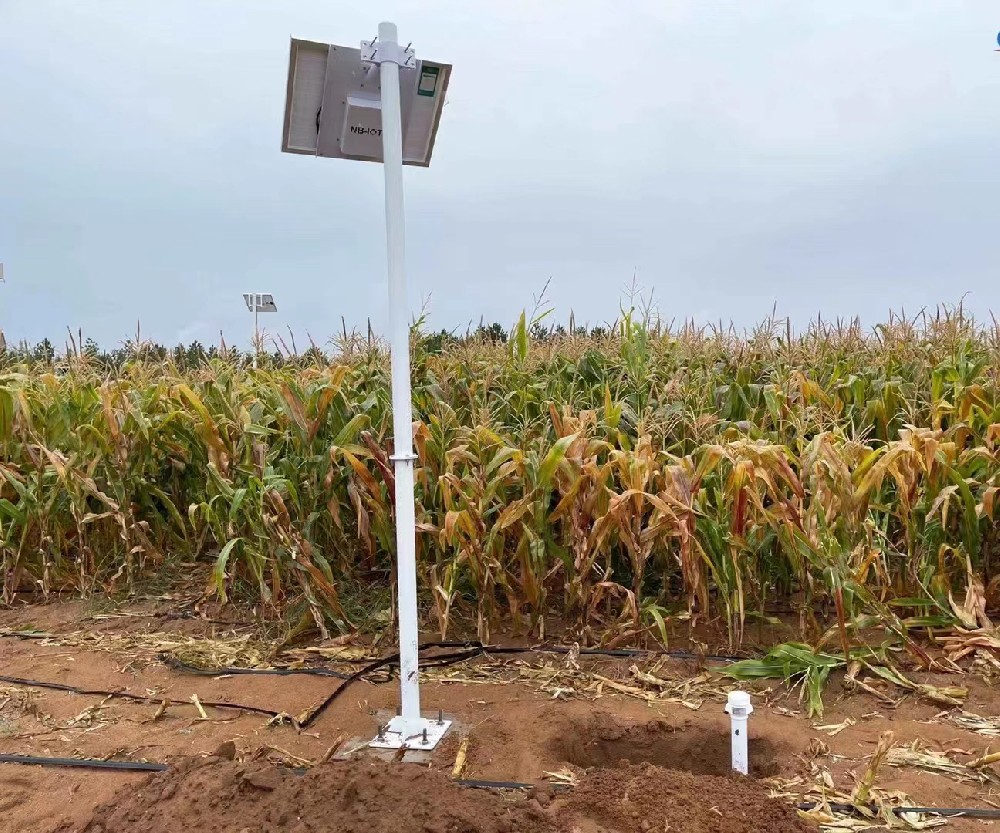
A standard NiuBoL automatic soil moisture monitoring system typically consists of the following four parts:
Sensing Unit (Sensors): Uses tubular or probe-type soil moisture sensors based on dielectric constant principle to acquire soil information in real time.
Data Acquisition and Transmission Unit: Digitizes sensor signals and uploads them in real time via 4G/5G and other wireless networks.
Power Supply Unit: Relies on solar panels and high-performance lithium battery packs to ensure long-term stable operation in the field.
Cloud Management Platform: Provides map positioning, real-time curves, data reports, threshold alarms, etc., supporting simultaneous access on PC and mobile devices.
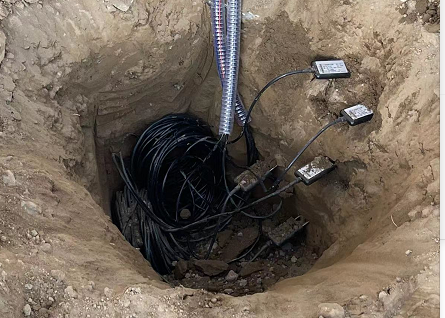
In agriculture, water management is the top priority for increasing yield and efficiency. The NiuBoL system excels in various farming modes.
Scale Efficiency in Large Field Planting
For large-area crops such as wheat, corn, and rice, the system helps farm owners real-time grasp the moisture distribution across entire fields. Based on crop water demand patterns at different growth stages, differentiated irrigation plans can be formulated to avoid water resource waste and nutrient loss from over-irrigation, effectively increasing yield per unit area.
Micro-Environment Regulation in Greenhouses
Greenhouse environments are relatively closed and highly sensitive to soil moisture content. The monitoring system provides data support for precision irrigation, automatic ventilation, and integrated water-fertilizer management, creating the most suitable microclimate, improving crop quality, and reducing pest and disease occurrence.
Precision Maintenance in Orchards and Horticulture
Fruit trees have long growth cycles, and moisture surplus or deficit directly affects fruit sugar content and taste. Horticultural flowers have extremely high requirements for moisture precision. Through layered monitoring, managers can ensure moisture accurately reaches the active root layer, promoting robust plant development.
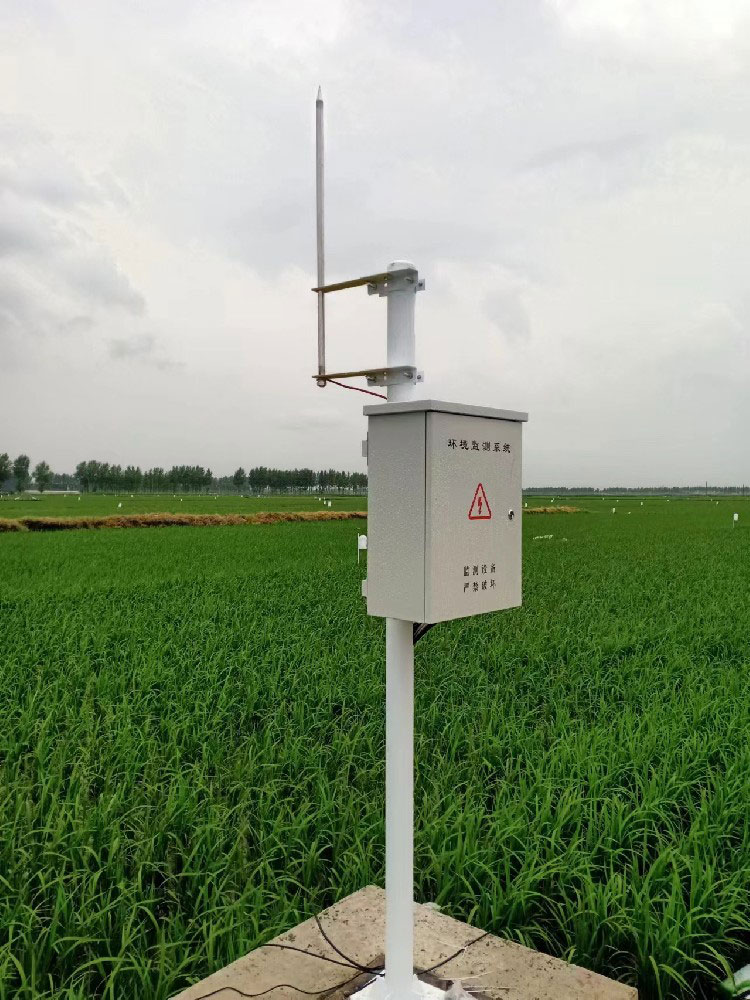
Forestry production and ecological balance highly depend on the dynamic cycle of soil moisture.
Improving Afforestation Survival Rate
In afforestation processes, soil moisture is the key factor determining planting time and tree species selection. The NiuBoL monitoring system can real-time feedback moisture conditions in afforestation sites, guiding forestry departments in scientific maintenance and significantly improving seedling survival rate and growth speed.
Long-Term Monitoring of Forest Ecosystems
In complex forest ecosystems, soil moisture affects vegetation succession and ecological balance. Through long-term, continuous monitoring, researchers can analyze the deep relationship between moisture changes and forest carbon cycles, ecosystem functions, providing scientific basis for forest protection.
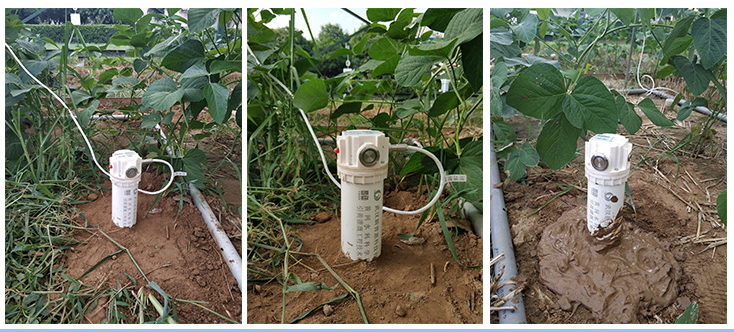
Sharp fluctuations in soil moisture content are often the trigger for slope instability.
Landslide Early Warning
The stability of landslide bodies is closely related to soil saturation. When the monitoring system detects that deep soil moisture reaches the warning threshold, it can automatically trigger an alarm. Combined with displacement monitoring, it strives for valuable buffer time for personnel evacuation and emergency disposal.
Debris Flow Disaster Prediction
In debris flow-prone areas, the soil moisture monitoring system linked with meteorological data can assess the risk of slope runoff generation. This multi-parameter fusion early warning mode greatly enhances the scientific nature of natural disaster governance.
Irrigation Management and Resource Optimization
Water conservancy departments use the system for grid monitoring of irrigation districts, reasonably allocating water rights based on actual soil moisture and crop water demand, optimizing water resource allocation, and improving irrigation efficiency.
Hydrological Research and Model Building
Soil moisture is the link between surface water and groundwater. Through monitoring soil moisture in different soil types and regions, researchers can study moisture movement patterns, providing massive raw data for establishing precise hydrological models and long-term water resource planning.
Park and Road Greening Management
Urban greening plants face pressures such as high temperatures and traffic dust. The NiuBoL system can real-time monitor soil moisture in parks and roadside green belts, implementing precise watering operations based on monitoring results to ensure vegetation landscape effects while saving municipal water.
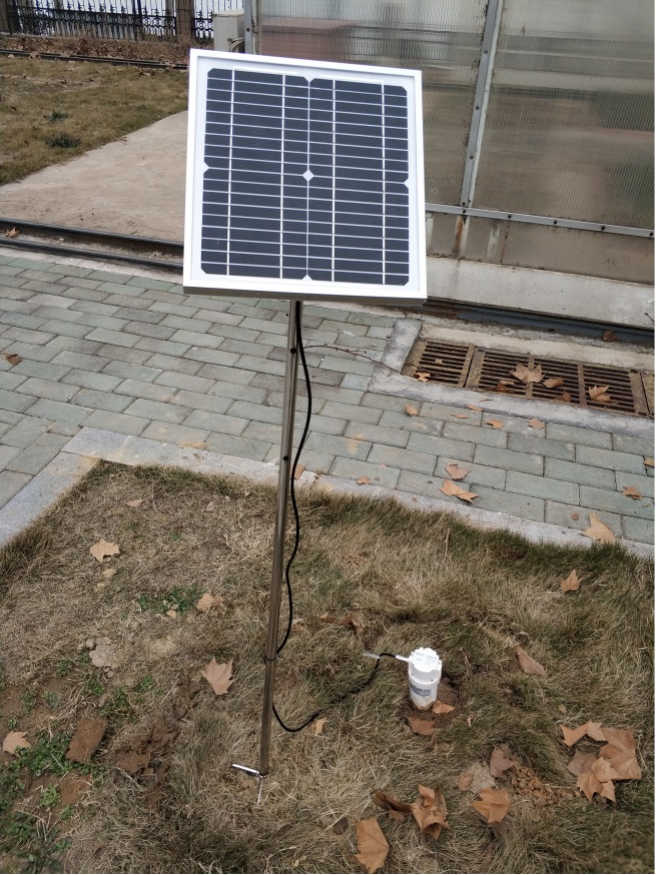
Q1: What is the core advantage of automatic monitoring systems compared to manual monitoring?
A: The core advantages are continuity and real-time performance. Manual monitoring only captures data at sampling moments, while automatic systems can capture dynamic processes of moisture infiltration after rainfall. Additionally, unmanned operation greatly reduces operation and maintenance costs in remote areas.
Q2: How to ensure measurement accuracy of buried underground sensors?
A: NiuBoL sensors undergo multi-level calibration before leaving the factory. During installation, ensure the sensor is in close contact with the soil to avoid air gaps. The system supports coefficient calibration for different soil textures (such as sandy soil, clay), ensuring accurate readings.
Q3: Does the system support linkage with other automated equipment (such as solenoid valves)?
A: Yes. The NiuBoL system has good scalability and can set linkage logic through the cloud platform. When soil humidity falls below the set value, it automatically instructs the solenoid valve to irrigate, achieving true closed-loop intelligent management.
Q4: In different application scenarios (such as large field crops and forest monitoring), how to scientifically determine the layered depth of soil sensors?
A: Monitoring depth selection should follow two major principles: "root distribution" and "moisture migration":
Large field crops (such as wheat, corn): Recommend standard three-layer monitoring at 20cm (surface evaporation zone), 40cm (root active absorption zone), and 60cm (deep water storage zone). This effectively reflects crop water use efficiency during key growth periods.
Forests and orchards: Due to deep tree root systems, usually need to increase monitoring depth, such as setting points at 40cm, 80cm, or even above 100cm to observe dynamic changes in deep soil water and groundwater recharge.
Geological disaster early warning: Focus on monitoring the interface depth where soil structure is prone to sliding, predicting landslide risk through sudden changes in moisture content.
Q5: Compared with traditional probe-type sensors, what are the differences in installation and maintenance for the tubular soil moisture monitoring instrument provided by NiuBoL?
A: This depends on your monitoring needs and land tillage frequency:
Tubular monitoring instrument (non-contact): Encapsulated in PVC protective tubes, installed using special soil augers to open holes. Advantages include not destroying soil profile structure and convenient mechanized tillage (easily removable before farm machinery operations). Very suitable for long-term, layered observation in large fields and smart irrigation projects.
Probe-type sensor (insertion type): Suitable for fixed-point precision research. Installation requires ensuring tight contact between metal probes and soil for extremely high measurement accuracy, but the installation process is relatively cumbersome and not recommended for long-term deployment in frequently tilled land.
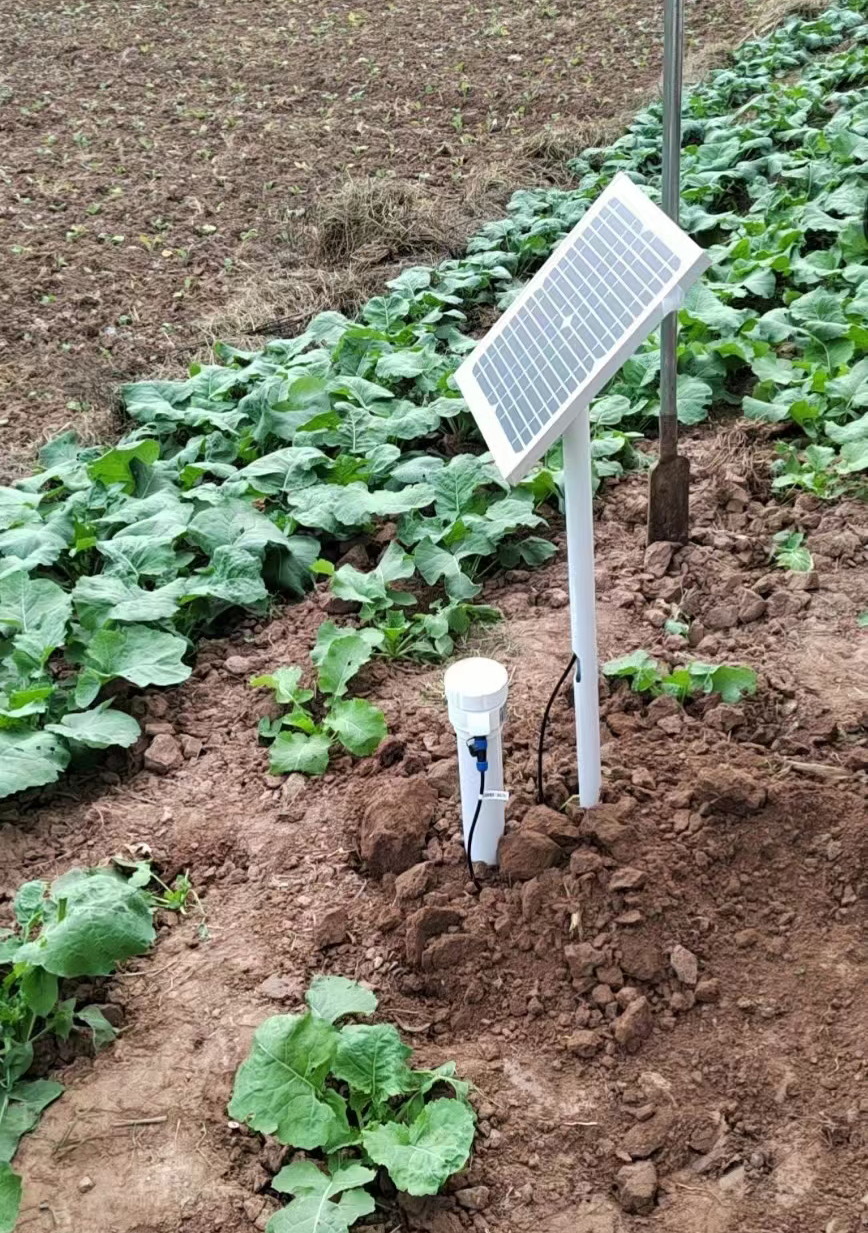
The automatic soil moisture monitoring system is not just a hardware product but a digital bridge connecting land and decision-makers. From spring plowing and sowing in vast fields, to risk prevention of deep mountain landslides, to every inch of green in urban streets, NiuBoL uses stable and precise monitoring technology to help humanity understand land more scientifically and utilize resources more wisely.
Monitoring Parameters: Soil volumetric moisture content, soil temperature, soil electrical conductivity (EC), nitrogen, phosphorus, potassium (optional).
Measurement Range: Moisture content 0–100%; Temperature -40–80℃.
Measurement Accuracy: Moisture content ±3%; Temperature ±0.5℃.
Communication Protocol: Modbus-RTU / MQTT.
Communication Interface: RS485 / Wireless 4G (LTE).
Power Supply System: 60W solar panel + 30AH high-performance lithium battery pack.
Protection Level: Collector IP65; Sensor IP68.
Layered Monitoring: Standard layers 20cm, 40cm, 60cm (customizable according to application scenarios).
Are you facing insufficient experience in farmland irrigation or blind spots in forest fire monitoring? Welcome to contact the NiuBoL technical team—we will provide you with a one-stop smart soil monitoring solution from multi-depth sensor selection to cloud platform early warning configuration.
Prev:Dissolved Oxygen: The "Lifeline" of Aquaculture – In-Depth Analysis and Modern Monitoring Solutions
Next:Six Major Components of Soil Moisture Monitors and Installation and Deployment
Related recommendations
Sensors & Weather Stations Catalog
 Agriculture Sensors and Weather Stations Catalog-NiuBoL.pdf
Weather Stations Catalog-NiuBoL.pdf
Agriculture Sensors Catalog-NiuBoL.pdf
Water Quality Sensor Catalog-NiuBoL.pdf
Related products
 Combined air temperature and relative humidity sensor
 TDR Soil Moisture & Temperature Sensor for irrigation| RS485 |4-20mA| NBL-S-THR
 Soil pH sensor RS485 soil Testing instrument soil ph meter for agriculture |NBL-S-PH
 Wind Speed sensor Output Modbus/RS485/Analog/0-5V/4-20mA
 Tipping bucket rain gauge for weather monitoring auto rainfall sensor RS485/Outdoor/stainless steel
 Pyranometer Solar Radiation Sensor 4-20mA/RS485

Screenshot, WhatsApp to identify the QR code
WhatsApp number:+8615367865107
(Click on WhatsApp to copy and add friends)

