





— Blogs —
—Products—
 Consumer hotline +8618073152920
 WhatsApp:+8615367865107
Address:Room 102, District D, Houhu Industrial Park, Yuelu District, Changsha City, Hunan Province, China
Product knowledge
Time:2026-01-10 15:28:23 Popularity:831
A meteorological monitoring system (Meteorological Monitoring System) is an integrated, automated environmental perception platform. It collects various atmospheric meteorological elements in real time through high-precision sensors, including temperature, humidity, air pressure, wind speed, wind direction, rainfall, illuminance, radiation, etc.
NiuBoL meteorological monitoring system is not just hardware stacking; it is a complete solution integrating precision sensing technology, Internet of Things (IoT) communication, and big data processing capabilities. Whether fixed regional monitoring stations on mountain tops or portable meteorological monitoring systems carried on the back, they all serve as digital "weather outposts", providing precise data foundation for various industries.
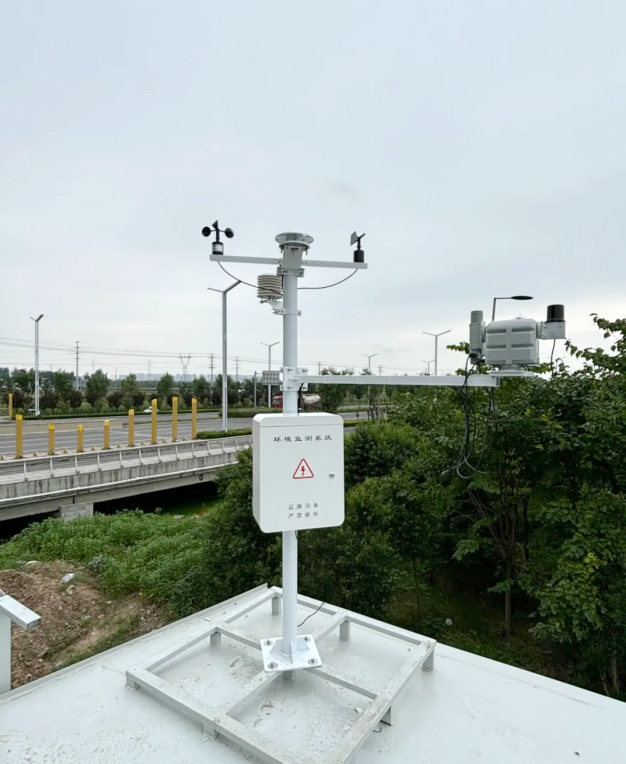
The use of meteorological monitoring systems has brought great convenience to our lives. Its core uses can be summarized into the following four dimensions:
1. Provide Precise Weather Forecast Data Source
Traditional meteorological stations are sparsely distributed and difficult to cover all microclimate areas. NiuBoL system can serve as an important component of "mesoscale dense network" to provide grid forecasting services. Through real-time uploaded data, meteorological departments can achieve refined weather forecasting accurate to every square kilometer of micro-environment changes.
2. Disaster Warning and Life Safety Assurance
In key areas such as mountain flood warning and debris flow monitoring, meteorological monitoring system is the guardian of lifeline. By real-time monitoring of instantaneous heavy rainfall and wind changes, the system can issue alerts before disasters occur, striving for precious "golden time" for personnel evacuation.
3. Decision Support for Industry Services
From safe takeoff and landing at general aviation airports to precise irrigation in smart agriculture, meteorological data is the core of industry services. For example, in agriculture, accumulated temperature, light, and precipitation data provided by meteorological systems can guide farmers to avoid frost periods and improve crop yield.
4. Environmental Protection and Teaching Research
In environmental meteorological monitoring, the system can assist in analyzing pollutant diffusion paths; in campus meteorological systems, it serves as a vivid classroom for geography education and scientific research practice, cultivating students' scientific attitude towards exploring nature.
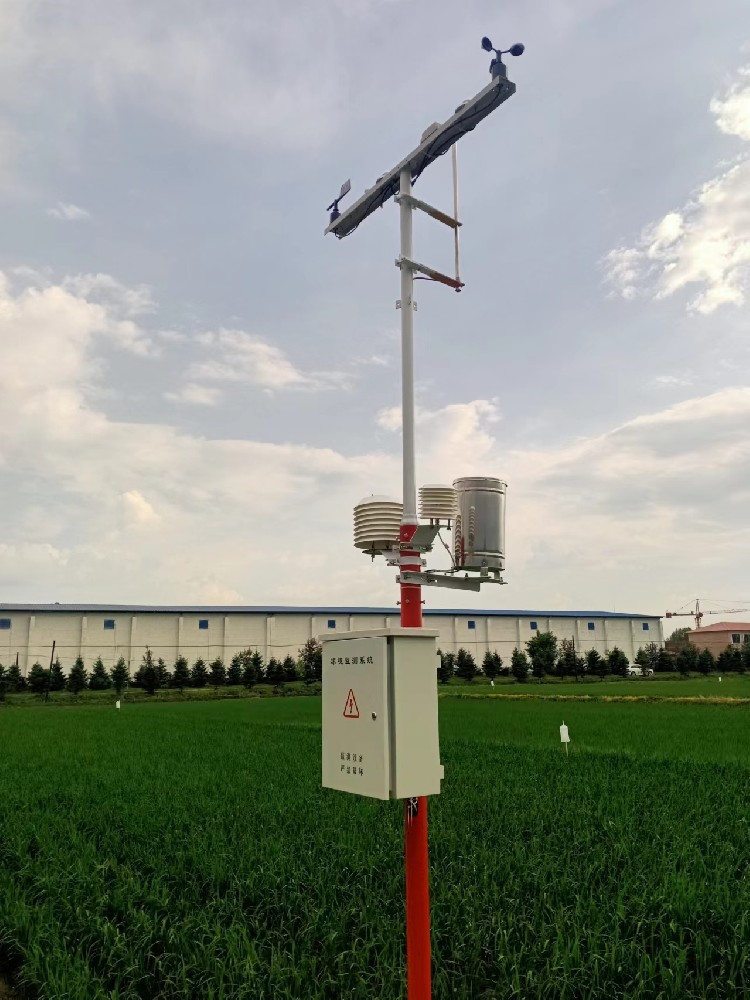
To adapt to complex and changeable field environments, NiuBoL meteorological monitoring system achieves high flexibility in hardware architecture:
Diverse Power Supply Methods
AC220V: Suitable for urban buildings, campuses, or airports with mains access.
Solar Power Supply System: Uses high-power solar panels combined with batteries to achieve 365-day uninterrupted power supply in unmanned field areas.
Battery: Ensures stable system operation even during continuous rainy days.
Unobstructed Communication Links
Wired Communication: Supports industrial-grade RS485 (Modbus-RTU protocol) or USB interface, suitable for short-distance, high-stability data transmission.
Wireless Communication: Covers GPRS, 4G, 5G cellular networks, and long-distance wireless frequency hopping technology (such as 433MHz), ensuring real-time data return to cloud platform even in remote mountainous areas.
Solid Field Kit Structure
The system is equipped with professional protective boxes to prevent collector moisture damage. Bracket selection is extremely rich, optional heights covering 1.2m, 2m, 3m, 4m, 5m, 6m, and even 10m. Brackets adopt anti-corrosion treatment to ensure no rust or tilt in strong wind or salt spray environments.
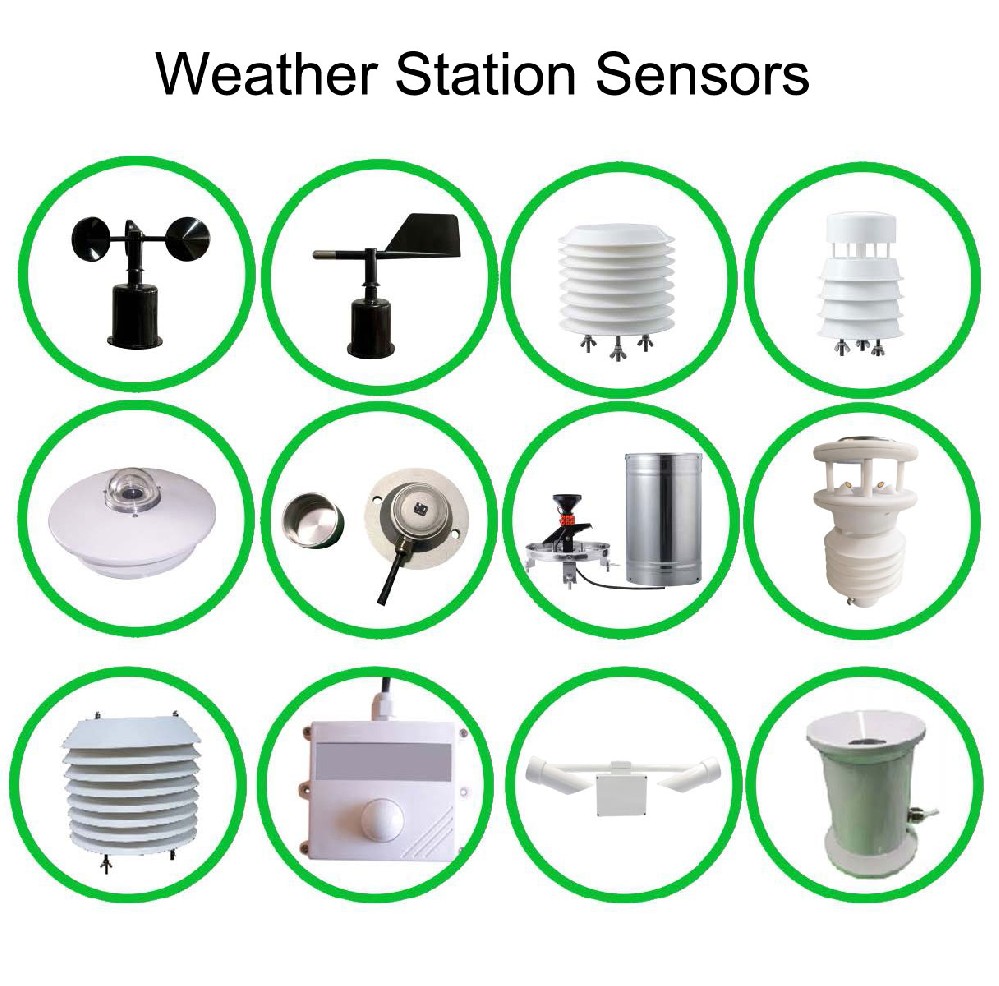
Correct installation is the premise for ensuring scientific meteorological data. NiuBoL recommends following the following principles during installation:
Environmental Site Selection: Observation field should be chosen in open surroundings, free from obstruction by tall buildings or trees. Wind speed and direction sensors are usually installed at the top of the bracket to avoid ground airflow interference.
Bracket Erection: Choose appropriate bracket height according to needs. When installing 5m or 10m high towers, must properly tension wind-resistant guy wires and ensure base level to prevent rainfall gauge measurement error due to bracket tilt.
Sensor Layout: Temperature and humidity sensors should be installed in radiation shields to avoid direct sunlight. Rainfall gauge installation must remain level, with no obstructions at the opening.
Wiring Protection: Sensor cables should follow the bracket wall-mounted installation and be fixed with weather-resistant cable ties. All plugs must be fully inserted and waterproof nuts tightened to prevent system shutdown due to short circuit.
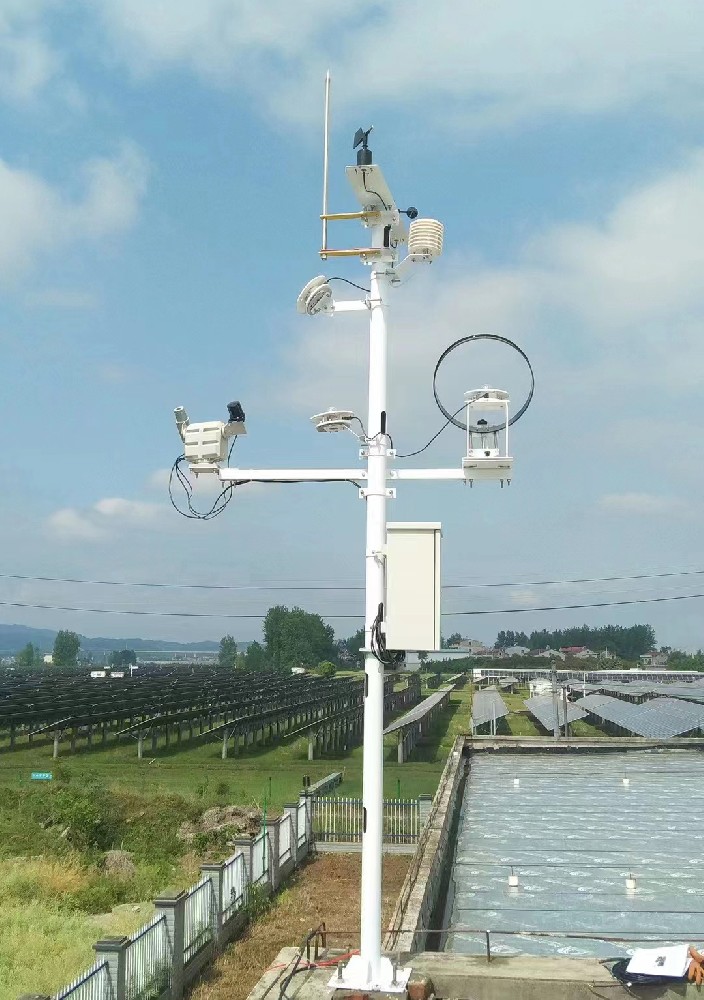
Portability and Easy Deployment: Especially portable kits, protective boxes integrate collectors and batteries, supporting quick deployment and storage, very suitable for temporary scientific expeditions or mobile monitoring.
Low-Power Electronic Design: Adopts embedded chips with extremely low standby power consumption, maximizing extension of solar power supply system endurance.
High Protection Level: Key sensors and collector boxes all have IP65 and above protection levels, fearless of extreme rain and snow weather.
Modular Expansion: System supports free combination, users can add visibility, ultraviolet, soil temperature and humidity, and other sensors according to needs to meet functional upgrade requirements.
NiuBoL meteorological monitoring system is active in every corner of social production:
Regional Meteorological Environment Observation: Establishing meteorological network points in townships or forest areas to improve grassroots meteorological perception models.
Environmental Protection and Grid Management: Monitoring urban heat island effect or air diffusion conditions in industrial parks.
Mountain Flood Disaster Key Monitoring: Real-time return of rain conditions, providing first-hand decision basis for flood control headquarters.
Campus Weather Station: Combined with LED large screens to display meteorological parameters in real time, creating a smart campus science popularization position.
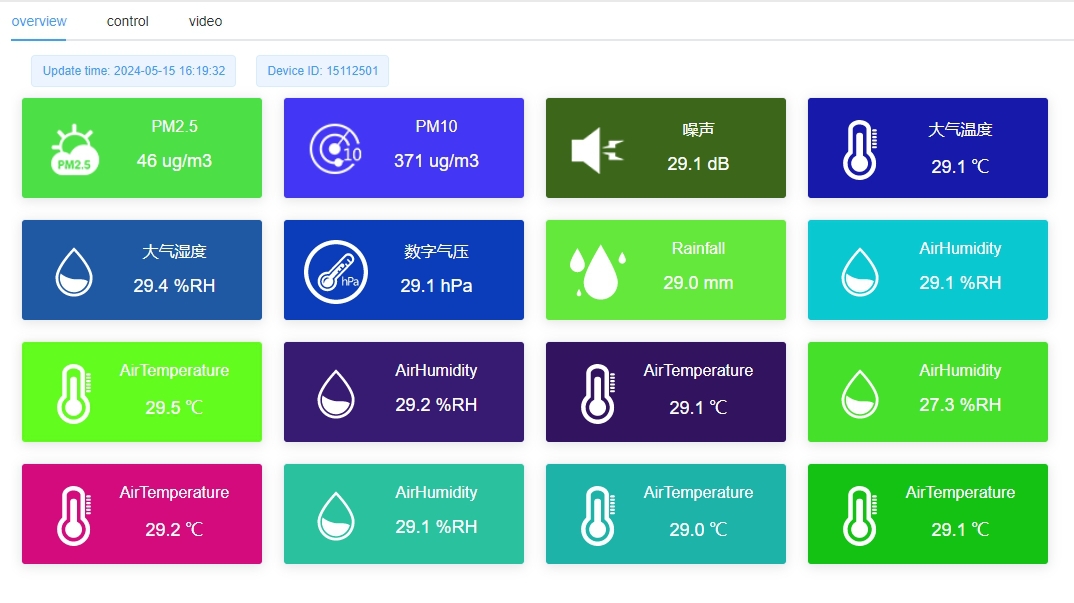
Q1: What is the difference between portable meteorological monitoring system and fixed type?
A: Portable focuses more on "quick deployment and withdrawal" and lightweight, usually equipped with portable protective boxes and telescopic brackets; fixed type emphasizes long-term operation stability, usually equipped with more sturdy flange base brackets and high-power power supply.
Q2: How to ensure data transmission in mountainous areas with extremely poor signals?
A: NiuBoL supports multi-level communication backup. In areas with no mobile phone signal at all, data can be transmitted to a collector with signal several kilometers away through 433MHz RF or LoRa technology, then uniformly uploaded to the cloud.
Q3: How often does the system need calibration?
A: To ensure data professionalism, it is recommended to calibrate key sensors such as wind speed and rainfall once a year.
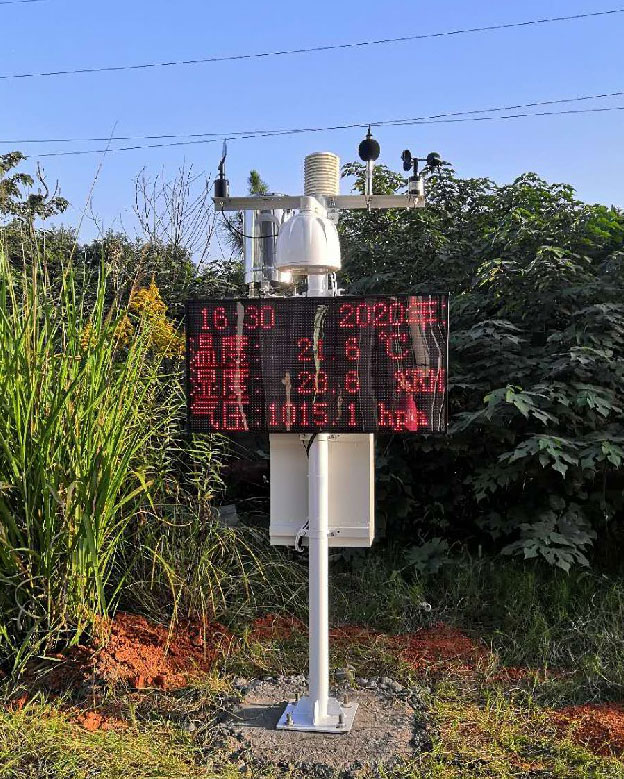
Meteorological monitoring system is not only a tool for measuring wind and rain, but also a smart window for humans to perceive nature, utilize nature, and avoid risks. NiuBoL provides global users with a highly reliable weather data foundation through advanced sensor technology, flexible power supply and communication solutions, and solid field structures.
Whether to ensure flight safety of general aviation or achieve refined forecasting of agricultural production, choosing NiuBoL means choosing precision and stability. Let us use smart meteorology to jointly build a safer and more efficient digital world.
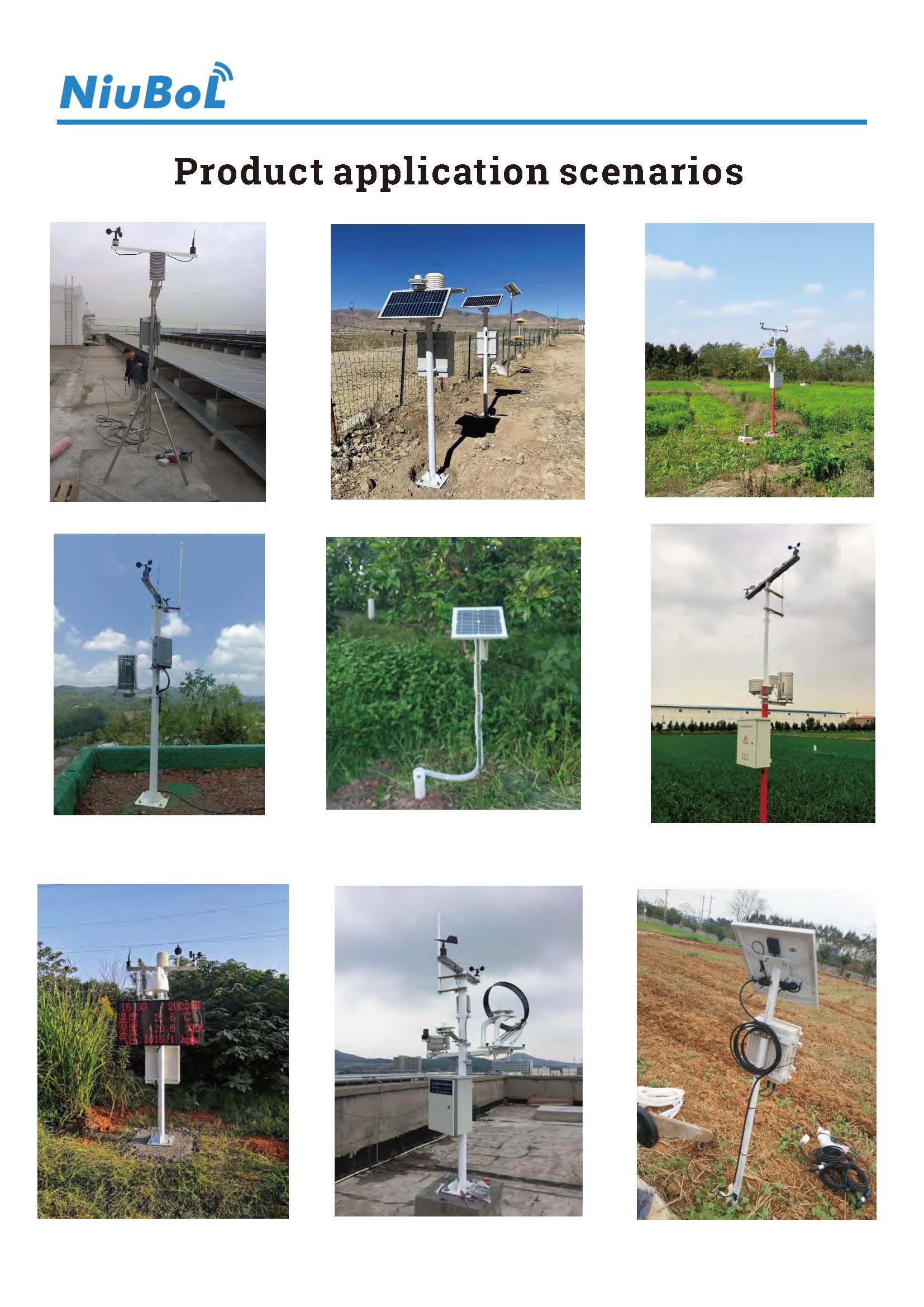
Power Supply Voltage: AC 220V / DC 12V-24V (solar/battery optional)
Collection Frequency: 1s ~ 60min configurable
Bracket Height: 1.2m to 10.0m (multiple specifications optional)
Communication Protocol: Modbus-RTU / Modbus-TCP
Communication Interface: RS485, USB
Wireless Link: GPRS, 4G, 5G, 433MHz
Protection Level: Collector IP65, Sensors IP65-IP68
Operating Environment: Temperature -40℃ ~ 80℃, Humidity 0~100%RH
Prev:Core Advantages and Core Sensors of the NiuBoL Multi-Parameter Integrated Weather Station
Next:Dissolved Oxygen: The "Lifeline" of Aquaculture – In-Depth Analysis and Modern Monitoring Solutions
Related recommendations
Sensors & Weather Stations Catalog
 Agriculture Sensors and Weather Stations Catalog-NiuBoL.pdf
Weather Stations Catalog-NiuBoL.pdf
Agriculture Sensors Catalog-NiuBoL.pdf
Water Quality Sensor Catalog-NiuBoL.pdf
Related products
 Combined air temperature and relative humidity sensor
 TDR Soil Moisture & Temperature Sensor for irrigation| RS485 |4-20mA| NBL-S-THR
 Soil pH sensor RS485 soil Testing instrument soil ph meter for agriculture |NBL-S-PH
 Wind Speed sensor Output Modbus/RS485/Analog/0-5V/4-20mA
 Tipping bucket rain gauge for weather monitoring auto rainfall sensor RS485/Outdoor/stainless steel
 Pyranometer Solar Radiation Sensor 4-20mA/RS485

Screenshot, WhatsApp to identify the QR code
WhatsApp number:+8615367865107
(Click on WhatsApp to copy and add friends)

