





— Blogs —
—Products—
 Consumer hotline +8618073152920
 WhatsApp:+8615367865107
Address:Room 102, District D, Houhu Industrial Park, Yuelu District, Changsha City, Hunan Province, China
Product knowledge
Time:2026-01-09 17:35:32 Popularity:728
In today's highly developed facility agriculture, environmental regulation in greenhouses no longer relies solely on farmers' "experience." Since meteorological conditions remain the core variable affecting crop yields, frequent disastrous weather often leads to reduced or even zero harvests.
The NiuBoL agricultural greenhouse weather station (also known as agricultural microclimate observation station) is developed precisely to solve this pain point. It can monitor micro-environmental changes inside the greenhouse in real time, converting key elements such as temperature, humidity, light, and rainfall into quantifiable data through digital means, not only improving the accuracy of weather forecasting but also providing scientific and efficient production guidance for farmers.
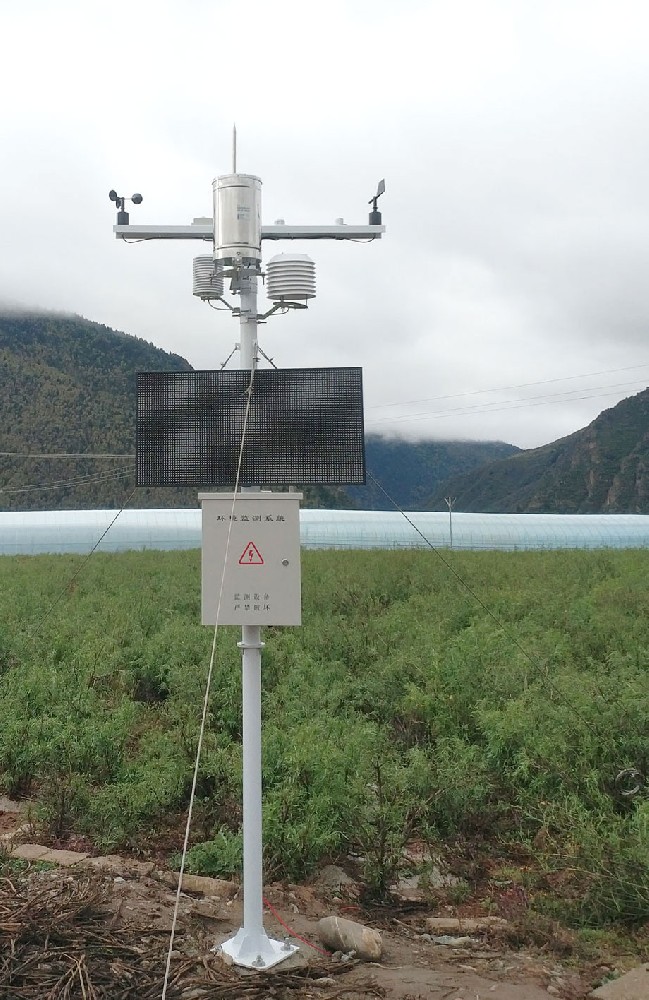
1. Real-Time Monitoring and Remote Control: Control Everything Without Leaving Home
Traditional greenhouse management requires frequent manual inspections, which is time-consuming and labor-intensive, and difficult to capture instantaneous changes.
Instant Data Return: The weather station has automatic recording and data communication functions, synchronizing data to the cloud via wireless transmission.
Mobile Office: Farmers can monitor temperature changes inside the greenhouse in real time via mobile phones or computers.
Over-Limit Alarm: Once temperature or humidity exceeds preset thresholds, the system automatically sends warnings, reminding farmers to take timely measures such as shading, ventilation, or irrigation.
2. Multi-Element Linked Monitoring: Comprehensive Assessment of Microclimate Environment
Crop growth in greenhouses is a complex process affected by multiple factors.
Full Element Coverage: In addition to conventional wind direction, wind speed, and air pressure, the NiuBoL system focuses more on monitoring agriculture-sensitive elements such as light, precipitation, and soil temperature and humidity.
Customized Expansion: For special needs of different crops, the system supports flexible expansion of elements, such as carbon dioxide concentration and effective radiation.
Tailored to Local Conditions: Relevant departments can use these data to help township areas optimize agricultural production structures, achieving truly scientific production scheduling.
3. Disaster Warning and Defense: Turning Passive into Active
In recent years, extreme weather such as cold waves, droughts, and floods has occurred frequently.
Advance Prevention: Through forecast data from small weather stations, growers can reinforce greenhouse structures and take insulation measures before cold waves arrive.
Information Reach: Combined with specialized forecasts released through multiple channels such as WeChat, short videos, and SMS, disaster warnings are accurately delivered to farmers in a short time.
Phased Guidance: Release soil moisture during sowing periods and precipitation warnings during harvest periods, greatly reducing the impact of meteorological disasters on income.
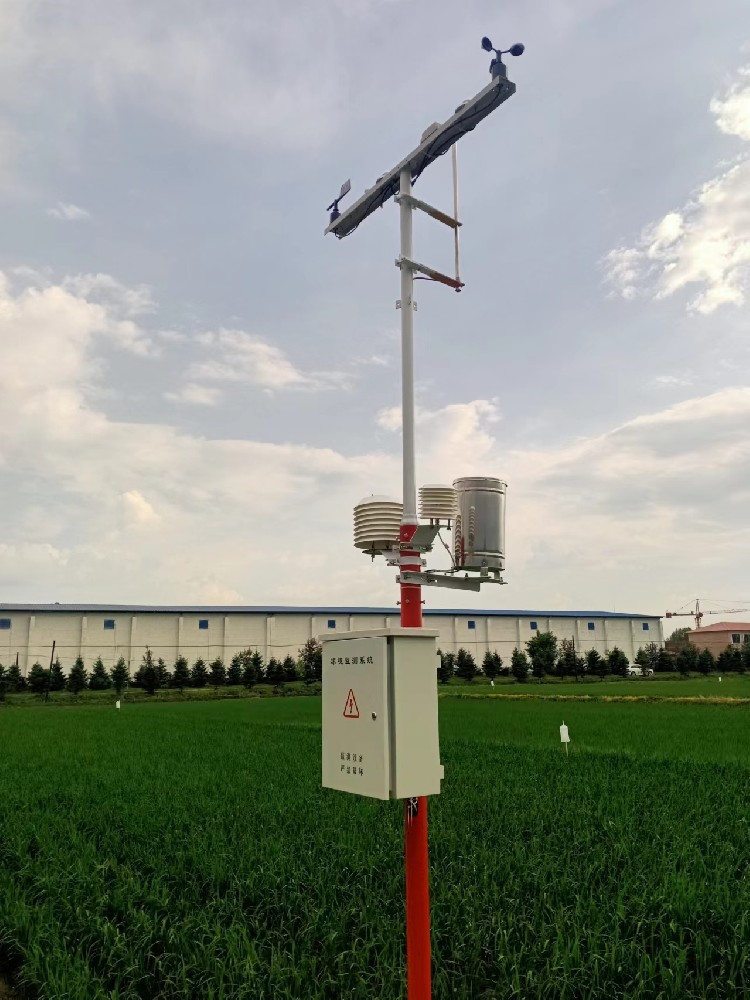
The accuracy of every NiuBoL automatic weather station comes from its high-performance sensor cluster. Understanding the roles of these sensors helps manage greenhouses more scientifically.
1. Temperature and Humidity Sensor: Foundation of Growth
Role: Monitor the cold/hot degree and moisture content of air inside the greenhouse.
Function: Temperature affects plant respiration and photosynthesis rates, while humidity relates to the outbreak probability of pests and diseases. Precise regulation of temperature and humidity is the first line of defense against facility vegetable diseases.
2. Light Intensity Sensor: Power of Photosynthesis
Role: Real-time sense light intensity inside the greenhouse.
Function: Help farmers decide when to open shading nets or turn on supplementary lights. Insufficient light leads to leggy plants, excessive light burns leaves.
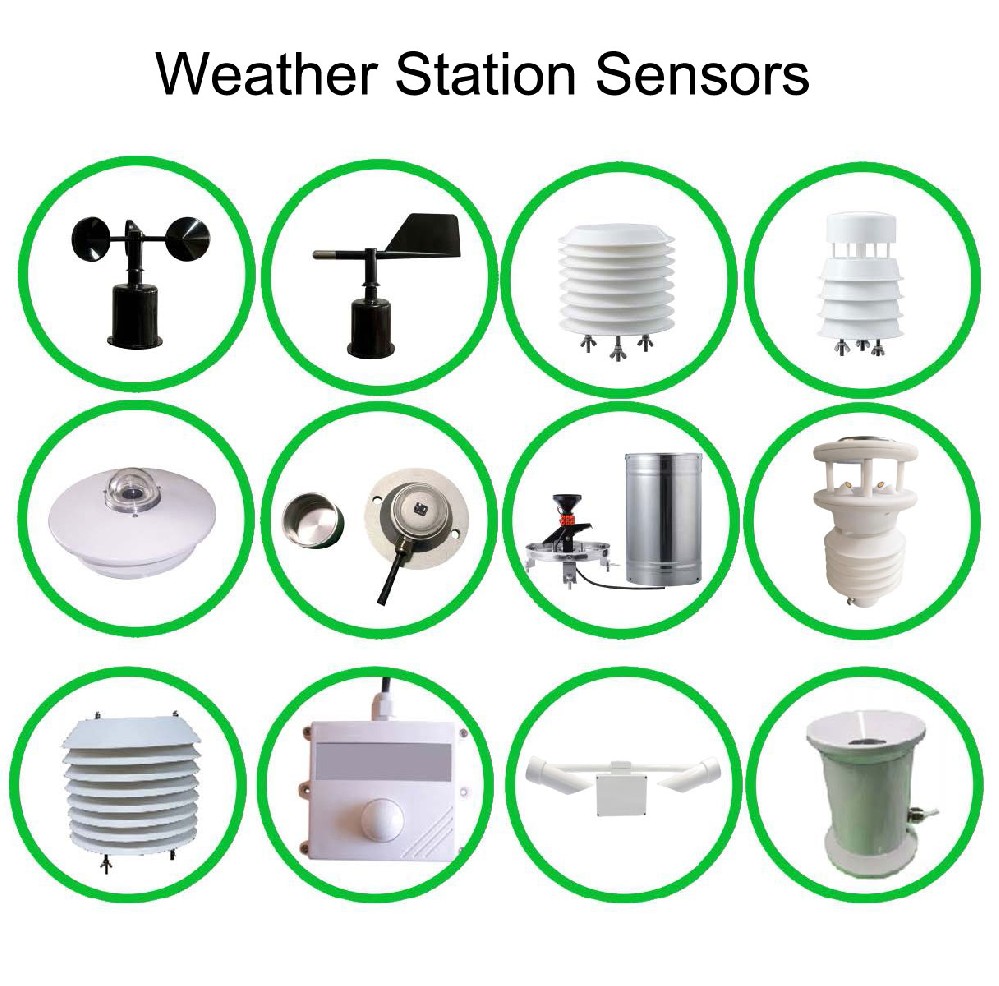
3. Wind Speed and Direction Sensor: Guarantee of Ventilation and Safety
Role: Monitor wind force changes in the external environment of the greenhouse.
Function: In strong wind weather, guide farmers to close vents or curtains to prevent wind from overturning greenhouse frames.
4. Rainfall Sensor: Reference for Irrigation and Drainage
Role: Measure natural precipitation.
Function: Provide data support for farmland moisture supplementation, and remind timely clearing of drainage ditches around the greenhouse during heavy rain.
5. Soil Temperature and Humidity Sensor: Bed for Roots
Role: Directly measure the condition of the soil layer where crop roots are located.
Function: Soil humidity is the only basis for precise irrigation, ensuring moisture reaches roots without waste; soil temperature determines the best timing for sowing.
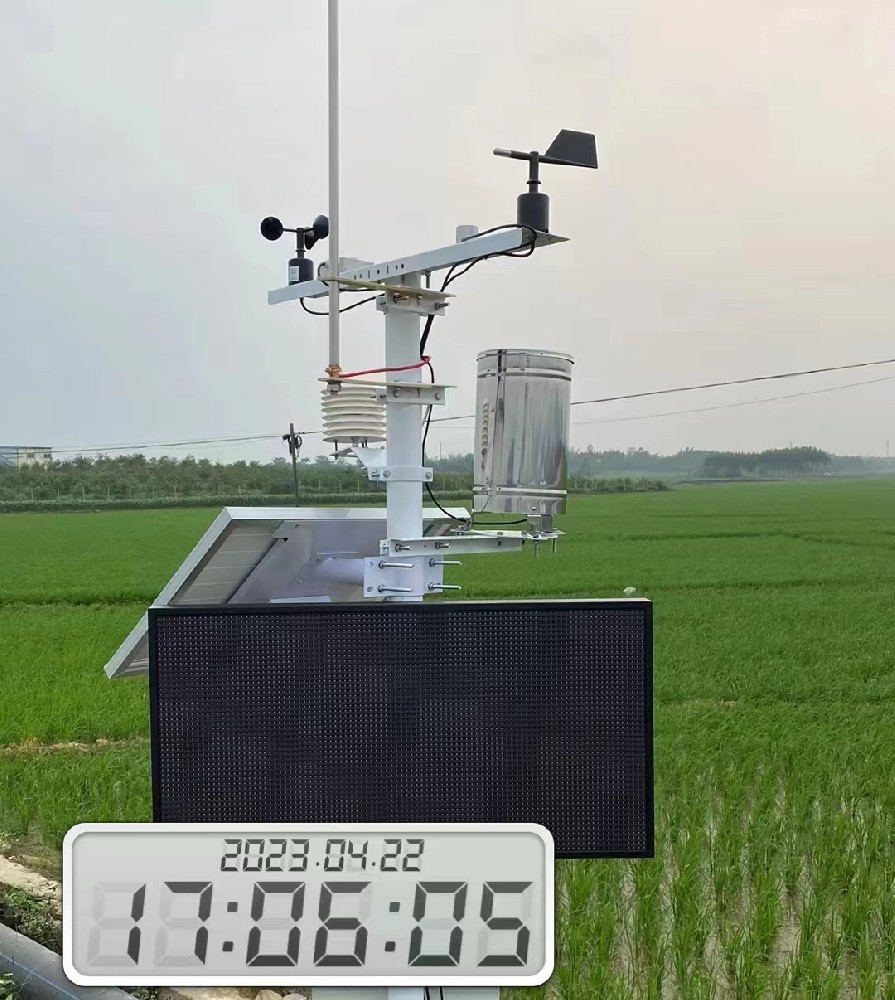
Building a weather station is a long-term investment. NiuBoL experts suggest users focus on the following points when purchasing:
Manufacturer Strength: Choose manufacturers with independent R&D capabilities and efficient after-sales service to ensure timely response when maintenance or data monitoring issues arise later.
Data Stability: Whether sensors have anti-corrosion, lightning protection, and anti-interference capabilities, and whether wireless transmission signals are stable.
Platform Compatibility: Whether data can seamlessly connect to government plant protection platforms or farmers' personal management software.
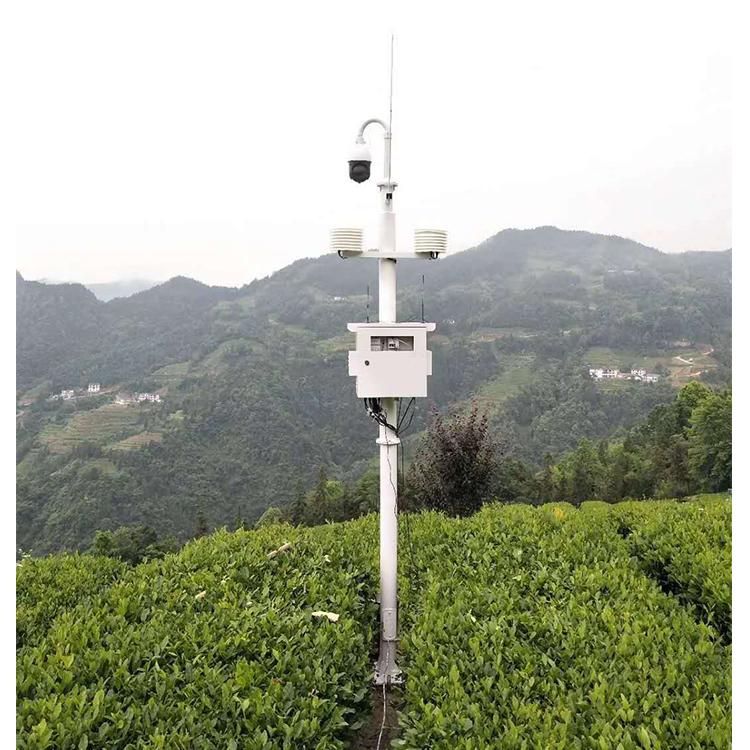
Q1: Air circulation in greenhouses is poor, where should sensors be installed?
A: Should be installed in the center of the greenhouse, in a position representative of the main crop growth environment. Temperature and humidity sensors are usually recommended at a height of 20-50cm from the crop top, avoiding direct blowing from vents or heater outlets.
Q2: Is maintenance of small agricultural weather stations complicated?
A: Not complicated. NiuBoL equipment adopts modular design; users only need to regularly wipe the transparent cover of light sensors, clean debris from rainfall funnel, and check if sensor connection lines are bitten by insects.
Q3: If there is no mains power, how does the greenhouse weather station get power?
A: Most systems support solar + battery power solutions. Since greenhouse environments usually have sufficient light, solar systems can ensure all-weather, uninterrupted operation of equipment.
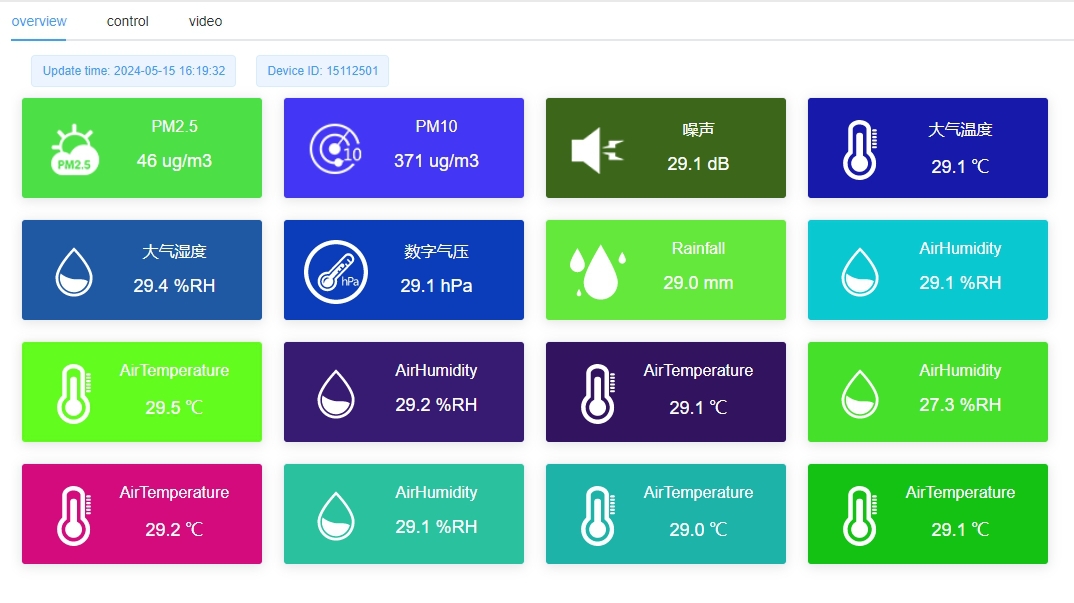
Q4: In a large connected greenhouse, is one weather station enough? How to reasonably deploy points?
A: Depends on the greenhouse area and internal microclimate differences. For connected greenhouses with single area exceeding 2000 square meters, recommend "main station + sub-nodes" mode. Main station (with wind speed/direction, rainfall, etc.) installed in open area outside the greenhouse to obtain external macro environment data; inside the greenhouse, deploy multiple temperature/humidity and light collection nodes according to partitions (such as seedling area, growth area). Because temperature and humidity near vents and greenhouse center often have 2-5°C gradient deviations, multi-point wiring can provide more accurate averages for automated regulation.
Q5: What long-term value do historical data accumulated by the weather station have for farmers besides real-time viewing?
A: Historical data is an extremely valuable "digital asset." By comparing data from the same period in previous years, farmers can summarize the optimal temperature and humidity intervals for specific crops in specific growth stages. In addition, when pest outbreaks occur, tracing previous humidity and temperature curves often reveals critical points for disease breeding (such as long-term high humidity), allowing preventive medication or dehumidification in the next season. This is also the foundation for establishing "crop growth models" and achieving standardized agricultural production.
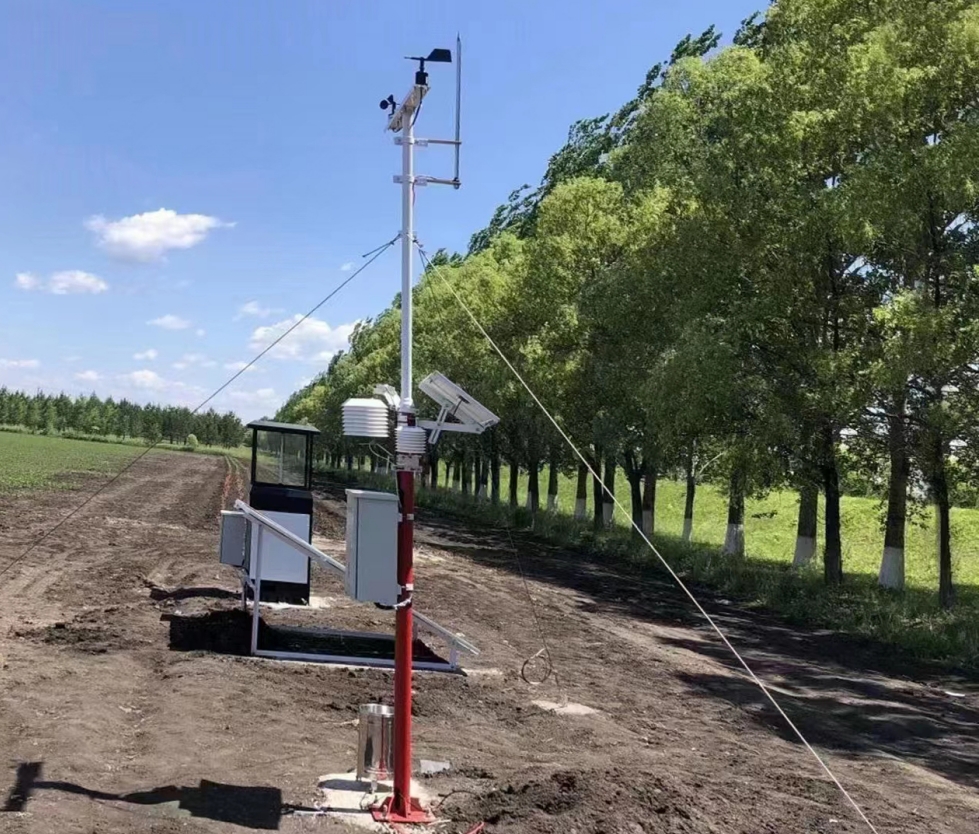
The application of agricultural greenhouse weather stations marks the transformation of agricultural production from "depending on the weather" to "acting according to the weather." Through comprehensive monitoring by NiuBoL smart meteorological systems, farmers can not only effectively resist meteorological disasters such as cold waves and floods but also precisely control crop growth pulses.
In today's context of continuously improving plant protection informatization and modern agriculture's risk resistance, building small weather stations has become an inevitable choice for avoiding risks, ensuring safe production, and improving economic benefits. Use data to measure soil fertility, use wisdom to guard harvests.
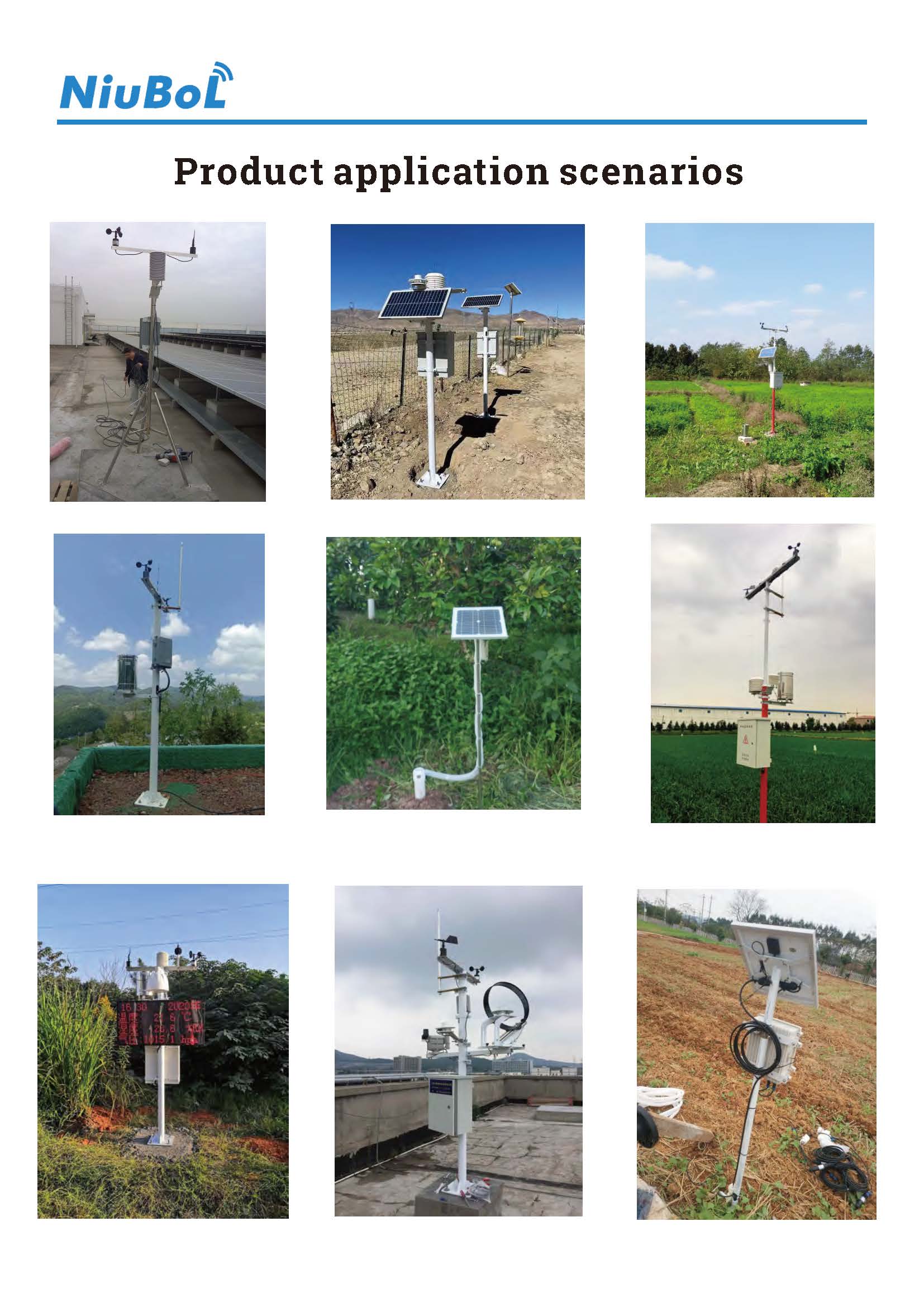
Monitoring Parameters: Air temperature, air humidity, light, rainfall, wind speed, wind direction, soil temperature and humidity.
Working Principle: Sensor sensing -> Collector reading -> Wireless module transmission -> Cloud platform display.
Transmission Protocol: Modbus-RTU / MQTT.
Wireless Standard: GPRS / 4G / 5G/WiFi.
Power Supply Voltage: DC 12V / Solar power.
Protection Level: Collector box IP65; Sensor IP66.
Related recommendations
Sensors & Weather Stations Catalog
 Agriculture Sensors and Weather Stations Catalog-NiuBoL.pdf
Weather Stations Catalog-NiuBoL.pdf
Agriculture Sensors Catalog-NiuBoL.pdf
Water Quality Sensor Catalog-NiuBoL.pdf
Related products
 Combined air temperature and relative humidity sensor
 TDR Soil Moisture & Temperature Sensor for irrigation| RS485 |4-20mA| NBL-S-THR
 Soil pH sensor RS485 soil Testing instrument soil ph meter for agriculture |NBL-S-PH
 Wind Speed sensor Output Modbus/RS485/Analog/0-5V/4-20mA
 Tipping bucket rain gauge for weather monitoring auto rainfall sensor RS485/Outdoor/stainless steel
 Pyranometer Solar Radiation Sensor 4-20mA/RS485

Screenshot, WhatsApp to identify the QR code
WhatsApp number:+8615367865107
(Click on WhatsApp to copy and add friends)

