





— Blogs —
—Products—
 Consumer hotline +8618073152920
 WhatsApp:+8615367865107
Address:Room 102, District D, Houhu Industrial Park, Yuelu District, Changsha City, Hunan Province, China
Product knowledge
Time:2026-01-09 17:23:40 Popularity:862
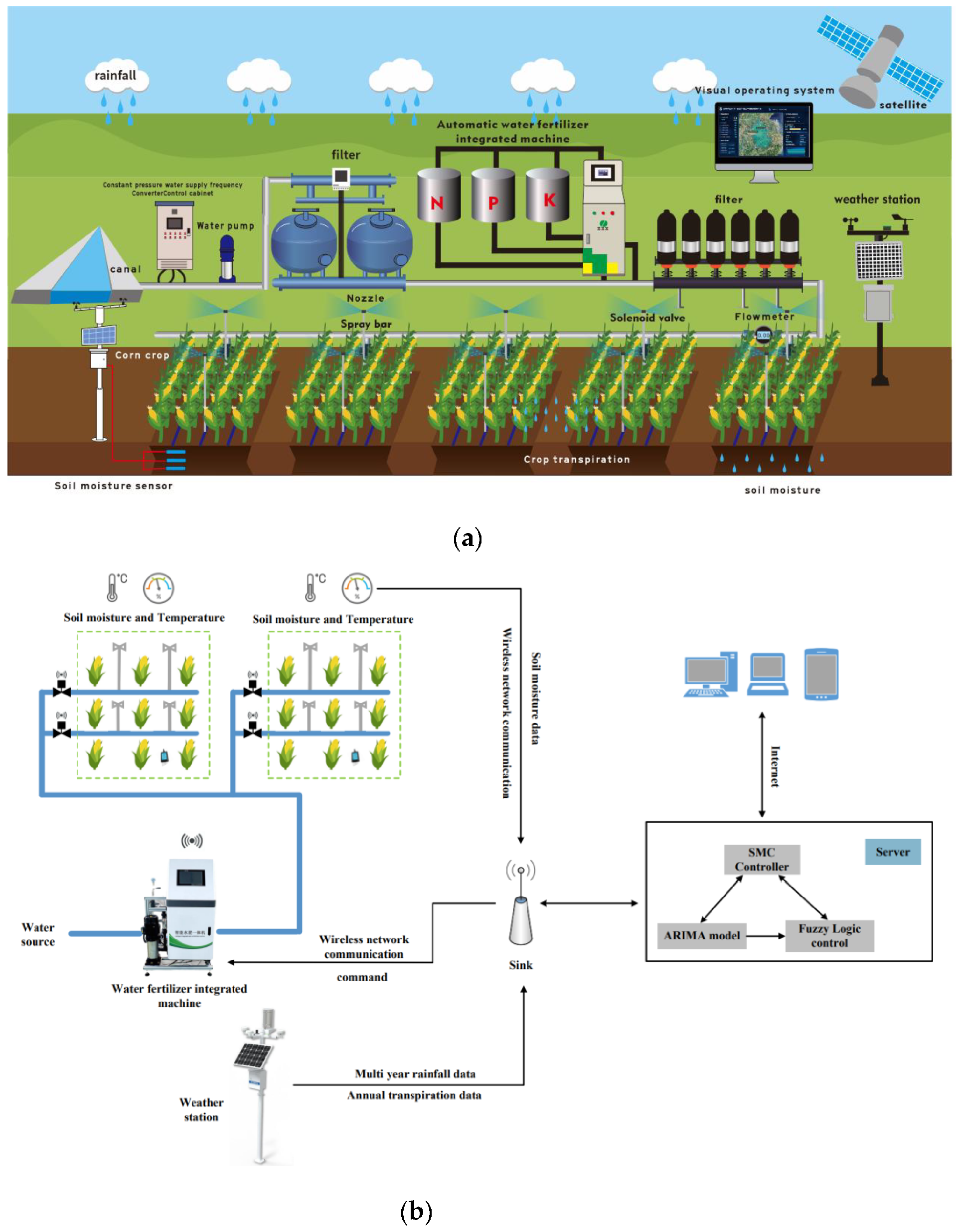
In the context of smart agriculture, soil is no longer a black box. The NiuBoL tubular multi-layer soil moisture monitoring system is an unattended monitoring solution integrating soil data collection, wireless transmission, and intelligent management. It can penetrate soil layers, real-time sense moisture, temperature, conductivity, and nitrogen-phosphorus-potassium content at different depths, providing core data support for water-saving irrigation and scientific fertilization.
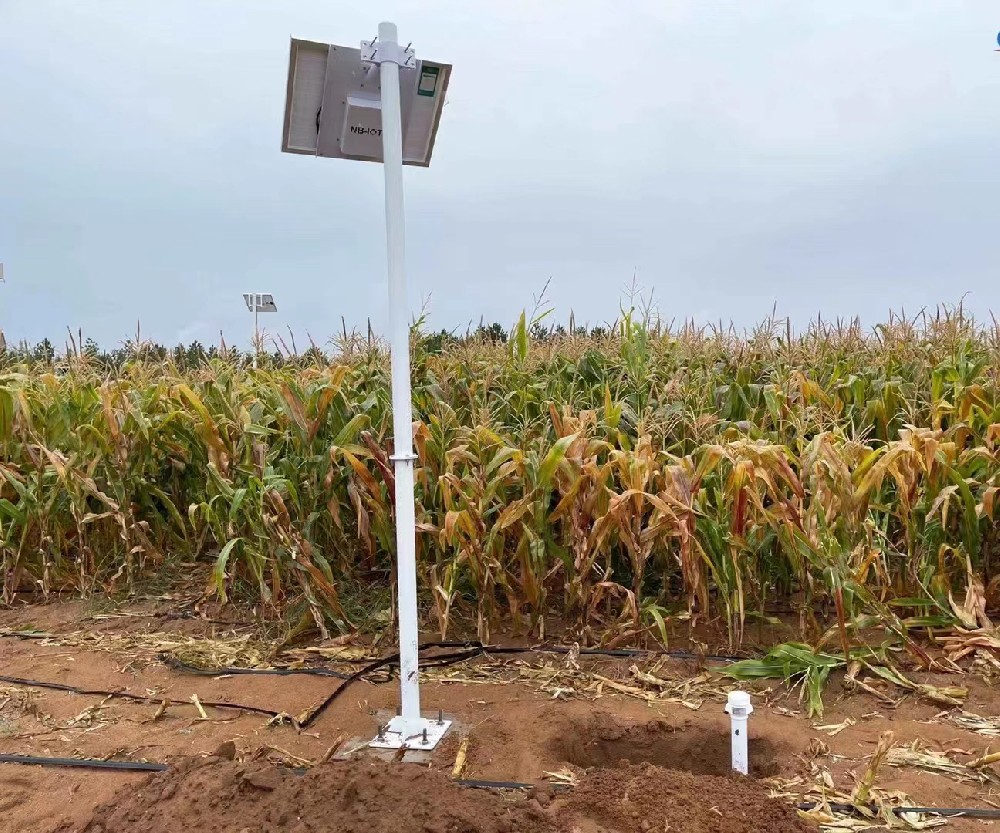
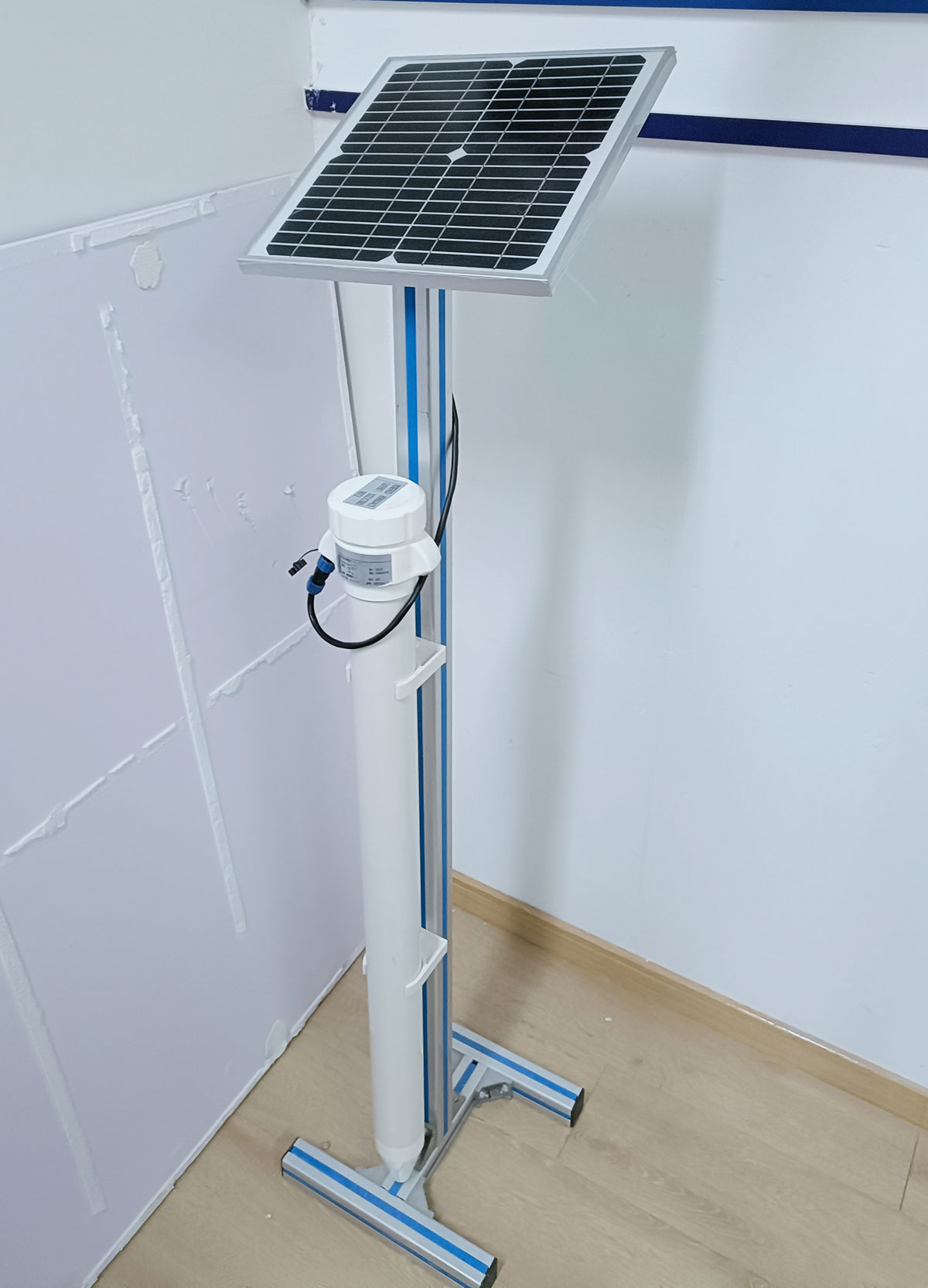
Multi-layer sensor probe: Encapsulated in high-strength premium plastic tube, resistant to acid and alkali corrosion.
Data collector: Responsible for logical processing and local buffering.
Communication system: Built-in 4G/5G module, achieving second-level data upload to the cloud.
Power supply system: Efficient solar panel paired with high-performance lithium battery.
Overall bracket: Stable support, adapting to harsh field environments.
Cloud IoT platform: Real-time data dashboard and alerts on computer/mobile ends.
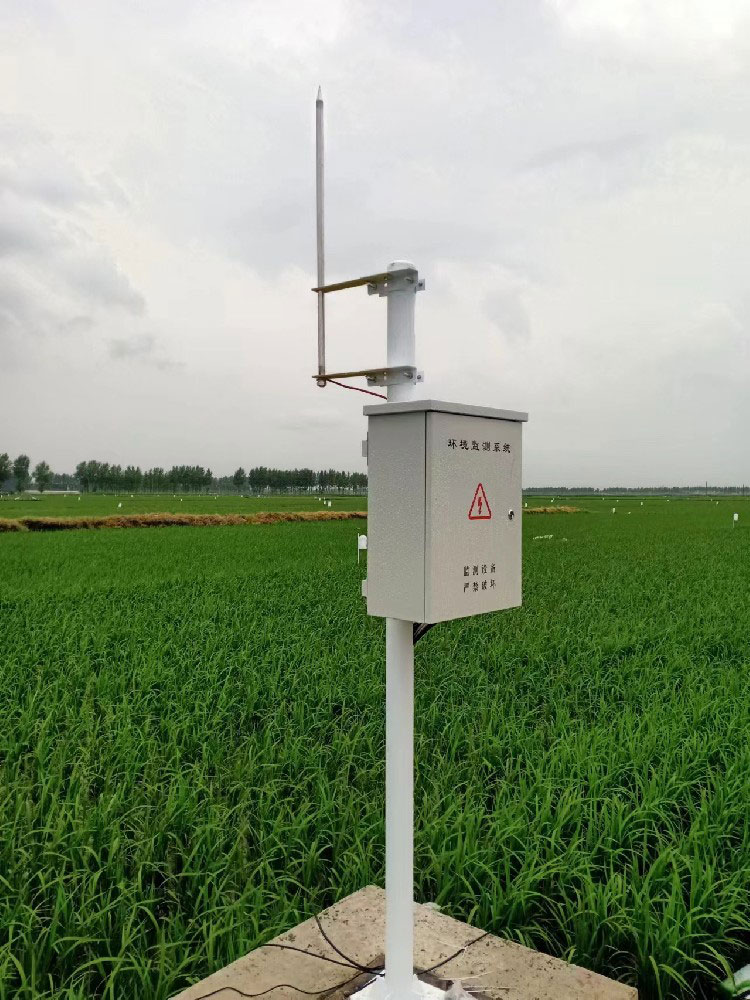
The installation quality of sensors directly determines the representativeness of data. For tubular sensors, the most recommended method is the drilling grouting method, with the core being to ensure "seamless coupling" between the probe outer wall and the soil.
1. Precise Drilling: Building Physical Channels
The first step in installation is to use a dedicated soil auger for vertical drilling.
Operation Essentials: Grip the handle with both hands and press down clockwise, rotate slowly. Avoid excessive force, otherwise the drill bit is prone to deviation leading to tilted holes.
Depth Control: The hole depth should be about 5cm extra on the basis of the preset installation depth. This extra space is to accommodate compressed air during installation, ensuring the device settles smoothly to the bottom.
Soil Sample Collection: The drilled soil should be collected in a basin (remove the top layer with excessive impurities), these soils will serve as raw materials for subsequent "mud mixing."
2. Mud Preparation: Medium for Data Conduction
To eliminate air gaps between the sensor outer wall and the soil, grouting must be performed.
Remove Impurities: Pick out stones, grass roots, and undissolved hard soil clumps from the soil.
Consistency Control: Pour in an appropriate amount of water and stir thoroughly. The ideal mud state should be viscous, similar to "sesame paste." Too thin will lead to water loss shrinkage producing gaps, too thick will not evenly wrap the sensor.
3. Device Placement and Grouting Completion
Grouting Proportion: First pour mud into the hole, depth about 1/2 of the hole.
Slow Pressing: Slowly place the NiuBoL sensor into the hole, rotate clockwise and press down. Rotation helps mud distribute evenly and discharge bubbles.
Zero Scale Alignment: Continue pressing until the sensor's zero scale line (marker) is flush with the ground level. At this time, a small amount of mud should overflow from the hole mouth, proving the grouting is fully filled.
Surface Cleaning: Remove excess mud beyond 3cm around the sensor to prevent it from drying and cracking, affecting natural water infiltration.
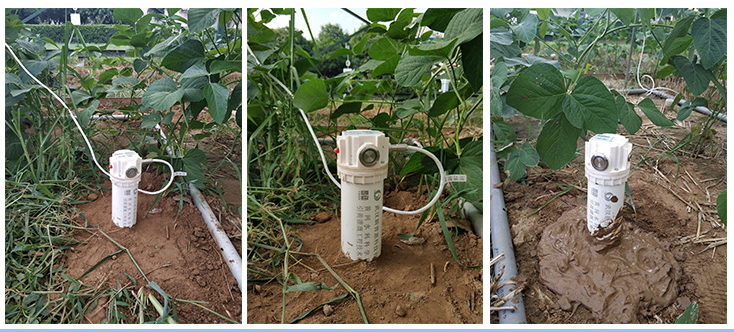
Besides the conventional drilling method, in scenarios with extremely hard soil or needing deep burial, the burial method can also be used. That is, use a pickaxe to dig a deep pit, place the sensor vertically, and similarly use mud wrapping method for backfilling and compaction.
It is worth noting that NiuBoL also provides a "geological disaster warning version" for specific needs. This version, on the basis of measuring soil moisture and temperature, has built-in high-precision tilt sensor (3D-MEMS technology) and vibration alarm function. It can capture subtle displacements and tilt changes of slopes, combined with soil saturation data, playing a warning role in landslide and debris flow monitoring fields.
NiuBoL tubular sensors work based on FDR (Frequency Domain Reflectometry) frequency domain reflectometry principle.
Measurement Logic: The sensor emits electromagnetic waves of specific frequencies, using the linear relationship between soil dielectric constant and water content, sensing frequency changes to calculate humidity.
Layered Monitoring: Standard models support 10cm, 20cm, 30cm, 40cm layered monitoring, up to customizable 10 nodes, achieving three-dimensional capture of root zone moisture dynamics.
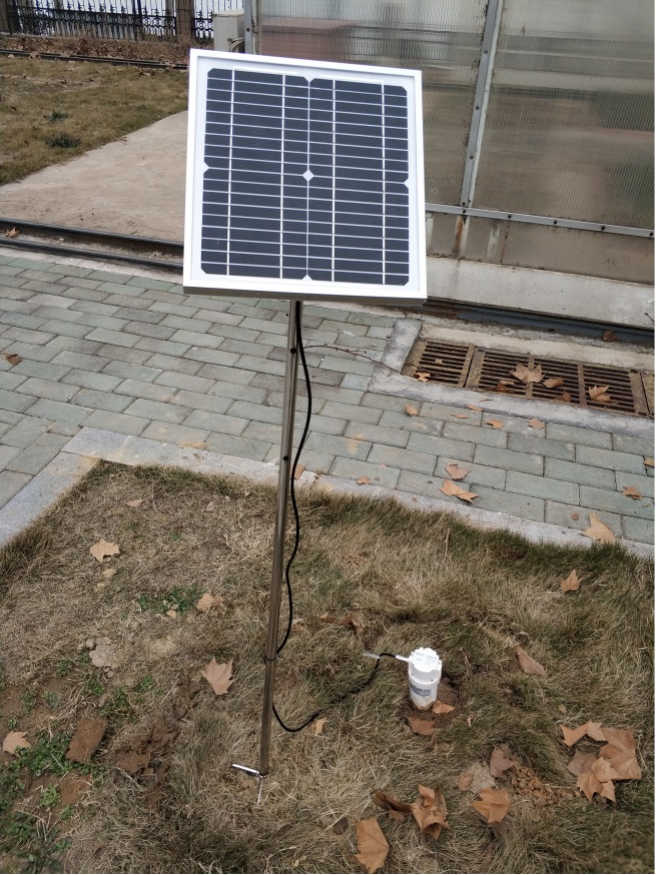
Unlike single-point sensors, the advantage of tubular multi-layer monitoring lies in building a vertical profile model of soil moisture.
Root Absorption Layer (10-30cm): This is the most active area for most crop roots. Monitoring this layer can directly guide daily irrigation, avoiding "wet surface dry roots" phenomenon.
Water Infiltration Layer (40-60cm): Monitoring this layer can judge if water has penetrated too deep. If moisture in this layer continues to rise, it indicates excessive irrigation, causing deep leakage waste of water resources and fertilizers.
Geological Disaster Warning Version: NiuBoL optional geological disaster version has built-in high-precision tilt sensor (3D-MEMS technology). While monitoring moisture saturation, it real-time detects subtle slope displacements, providing data overlay for landslide warning, achieving multi-purpose use.
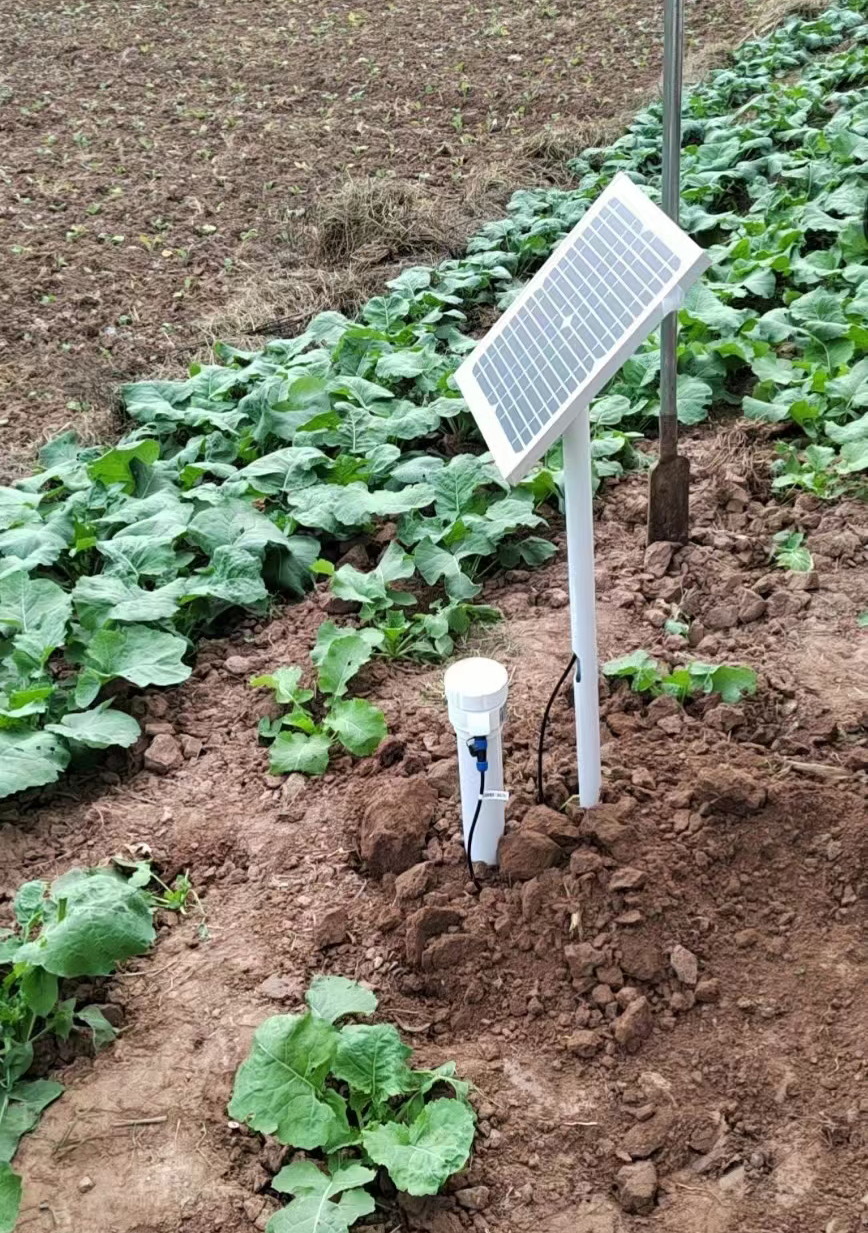
Q1: Why is it strictly forbidden to hit the top of the moisture meter with heavy objects during installation?
A: The tubular sensor integrates high-precision electronic circuits and ceramic sensitive components inside. Hitting will produce violent vibrations, possibly causing circuit solder joints to fall off or structural deformation, thereby damaging the equipment.
Q2: What is the consideration for the installation angle of solar panels?
A: In China, it is recommended that solar panels tilt about 45° facing due south. This can maximize absorption of direct sunlight, ensuring continuous recharging for batteries even on rainy days.
Q3: Can mud for grouting be replaced with other soils?
A: In principle, original soil must be used. Using non-original soil (such as sand instead of clay) will change the water conductivity around the sensor, causing measured data unable to truly reflect the original moisture status of the plot.
Q4: How long does it take for data to stabilize after equipment installation?
A: After grouting completion, due to mud containing moisture and structure not yet fully stable, initial data will be high. Usually needs 3-7 days (depending on soil texture and climate), after mud and surrounding soil moisture exchange reaches balance, data will enter true reflection state.
Q5: How to choose the number of monitoring nodes according to crops?
A: Standard version is 4 layers (10-40cm). For shallow root crops (such as strawberries, vegetables), 4 layers suffice; for deep root fruit trees (such as citrus, apples), recommend customizing 6-10 layer monitoring nodes, depth covering up to 1 meter, to monitor deep water storage.
Q6: How long can solar power last in continuous rainy days?
A: NiuBoL system adopts low-power design, in full battery charge state, even without light, the equipment can usually maintain 15-20 days of normal data collection and upload.
Q7: Will the equipment be damaged in winter frozen soil layers?
A: No. The sensor adopts low-temperature resistant materials and vacuum encapsulation, able to withstand extreme low temperatures of -50℃. But note that moisture under frozen soil layers is in crystalline state, measured dielectric constant will change, at this time readings are for reference only.
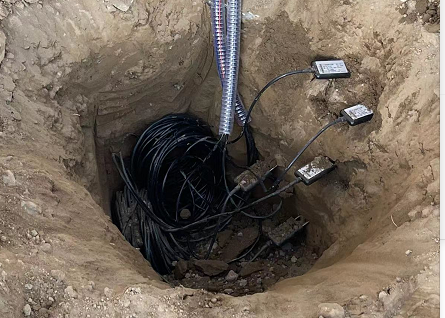
The tubular multi-layer soil moisture monitoring system is not just a piece of hardware; it is a "perspective eye" for the digital transformation of agricultural production. Through NiuBoL's stable FDR measurement technology and scientific drilling installation method, managers can convert invisible underground moisture movement into visual digital curves.
Whether in greenhouse fine planting, field crop water-saving irrigation, or forestry scientific research ecological monitoring, standardized installation is the premise for obtaining precise data. Only with a solid foundation can the data edifice be truly reliable.
| Parameter | Specification |
|---|---|
| Sensor Model | NBL-S-TMSMS Tubular Multi-Layer Sensor. |
| Measurement Principle | FDR Frequency Domain Reflectometry Principle. |
| Monitoring Layers | 10-40cm (Standard); Up to Customizable 10 Layers. |
| Measurement Indicators | Soil Moisture: Range 0-100%; Accuracy ±3%. Soil Temperature: Range -50 -80℃; Accuracy ± 0.3℃. |
| Optional Parameters | Conductivity, Salinity, Nitrogen-Phosphorus-Potassium, Tilt, Vibration. |
| Communication Interface | RS485 (Modbus-RTU Protocol) / 4G Wireless. |
| Sealing Level | IP68 (Epoxy Resin Vacuum Encapsulation). |
| Bracket Material | Aluminum-Magnesium Alloy or Carbon Steel Plastic-Sprayed. |
| Power Supply Voltage | DC 12V-24V. |
| Installation Accessories | Dedicated Soil Auger, 45° Solar Bracket. |
Next:Core Advantages and Yield Increase Value of NiuBoL Agricultural Greenhouse Meteorological System
Related recommendations
Sensors & Weather Stations Catalog
 Agriculture Sensors and Weather Stations Catalog-NiuBoL.pdf
Weather Stations Catalog-NiuBoL.pdf
Agriculture Sensors Catalog-NiuBoL.pdf
Water Quality Sensor Catalog-NiuBoL.pdf
Related products
 Combined air temperature and relative humidity sensor
 TDR Soil Moisture & Temperature Sensor for irrigation| RS485 |4-20mA| NBL-S-THR
 Soil pH sensor RS485 soil Testing instrument soil ph meter for agriculture |NBL-S-PH
 Wind Speed sensor Output Modbus/RS485/Analog/0-5V/4-20mA
 Tipping bucket rain gauge for weather monitoring auto rainfall sensor RS485/Outdoor/stainless steel
 Pyranometer Solar Radiation Sensor 4-20mA/RS485

Screenshot, WhatsApp to identify the QR code
WhatsApp number:+8615367865107
(Click on WhatsApp to copy and add friends)

