





— Blogs —
—Products—
 Consumer hotline +8618073152920
 WhatsApp:+8615367865107
Address:Room 102, District D, Houhu Industrial Park, Yuelu District, Changsha City, Hunan Province, China
Product knowledge
Time:2026-01-09 17:18:06 Popularity:808
Automatic weather stations (AWS) differ essentially from standardized electronic products like mobile phones and televisions. It is not a single finalized product but a highly integrated system engineering. NiuBoL automatic weather stations—from sensors to communication methods—every part can be personalized and combined according to application scenarios.
The original intention of this modular design is to ensure a balance between scientific accuracy and economic efficiency. Whether conducting ecological research in forests, monitoring microclimates in farmland, or evaluating power generation efficiency in photovoltaic power stations, selecting the right configuration not only obtains the most accurate data but also effectively controls construction costs.
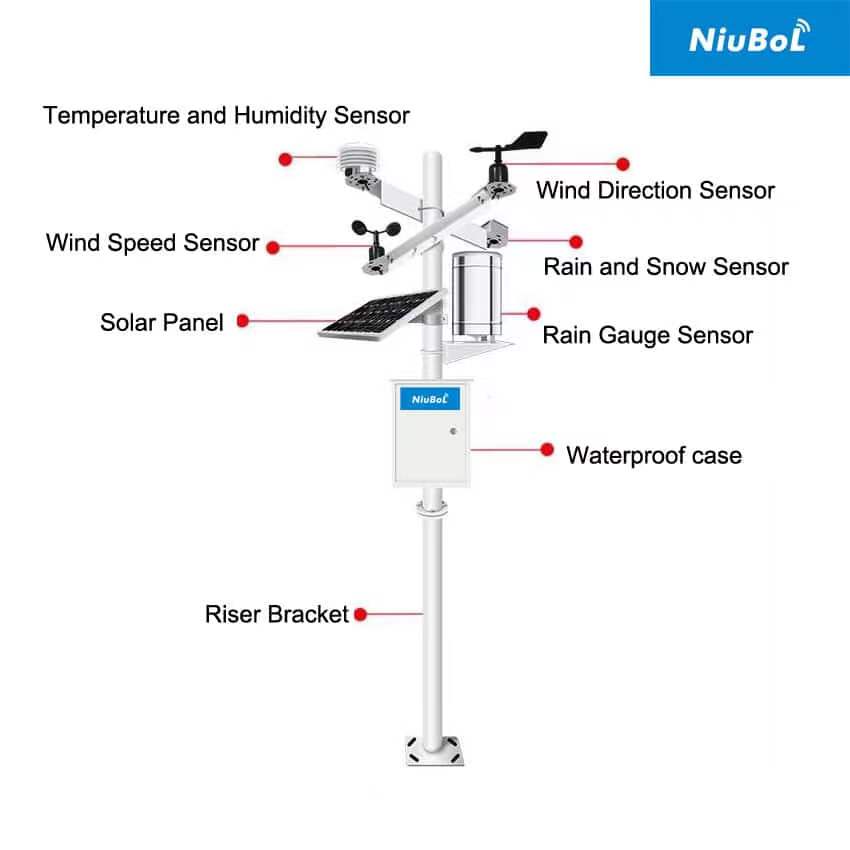
There are up to hundreds of sensor types, and the first principle of selection is "suitability to local conditions."
1. Forestry Research Automatic Weather Station
Forestry research focuses on the evolution of forest ecology.
Basic Configuration: Wind speed, wind direction, atmospheric temperature, atmospheric humidity, atmospheric pressure, rainfall.
Advanced Configuration: To study the impact of environment on tree photosynthesis, usually add illuminance, total radiation, and other radiation sensors.
2. Farmland Microclimate Observation Station
Agricultural monitoring looks not only at the "sky" but also at the "ground."
Basic Configuration: Wind speed, wind direction, temperature and humidity, rainfall.
Professional Configuration: Must include soil temperature and soil humidity sensors. In addition, rain and snow sensors can more sensitively capture precipitation start and stop, providing basis for precise irrigation.
3. Photovoltaic Weather Station
The photovoltaic field is most concerned with the conversion efficiency of solar resources.
Core Configuration: Wind speed, wind direction, temperature and humidity, atmospheric pressure.
Featured Configuration: Component temperature (measuring the back temperature of the panel) and total radiation sensor. Radiation data is key to calculating photovoltaic PR value (performance ratio).
Technical Reminder: According to meteorological observation standards, whenever atmospheric temperature and humidity monitoring is involved, a louver box must be configured. It effectively shields direct sunlight and ground radiation from affecting precision components, ensuring data objectivity. At the same time, the data collector as the "brain" is the soul of the system and is a mandatory component.
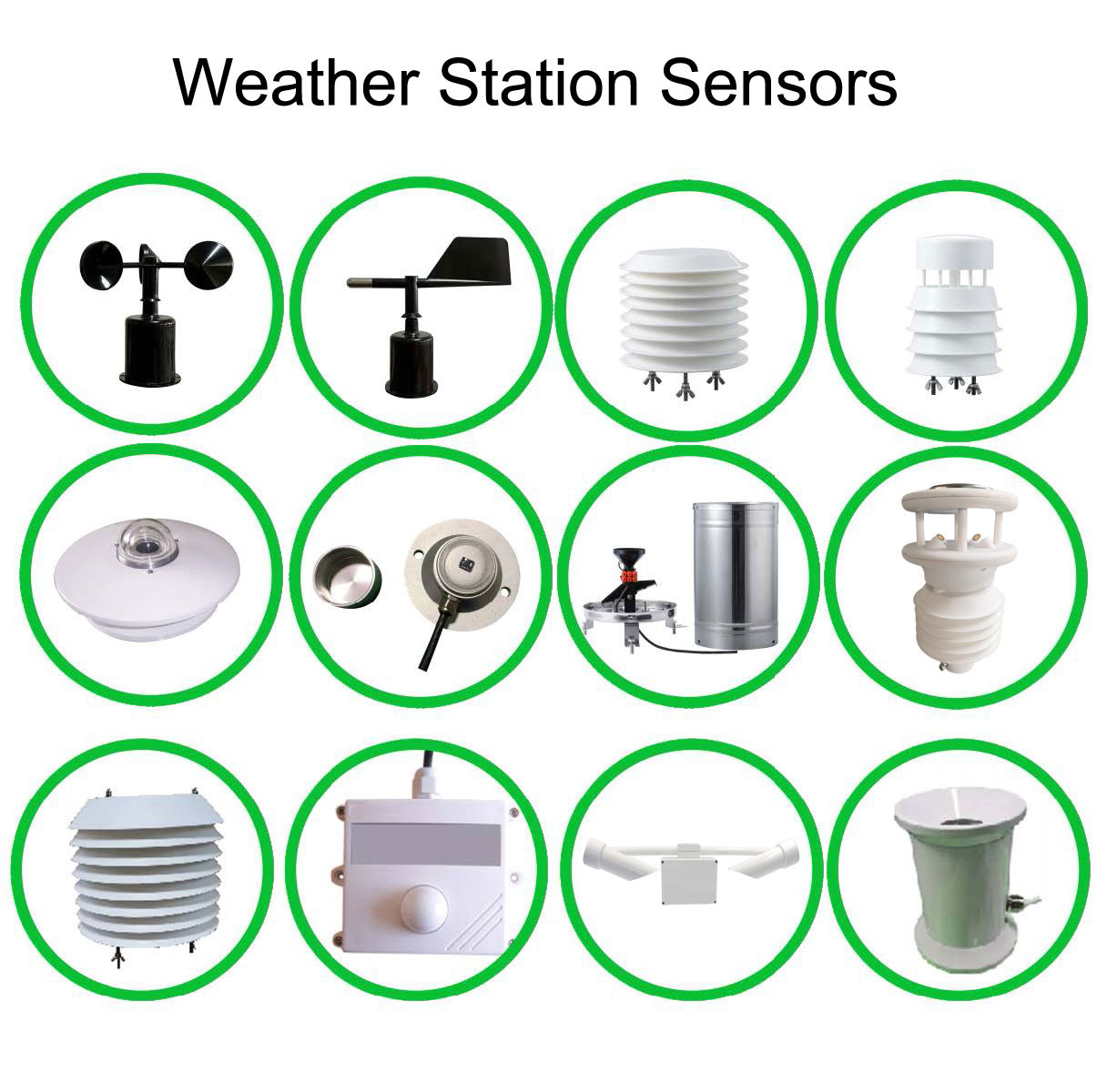
The bracket determines the observation plane of the sensors.
3-Meter Bracket: Commonly used for farmland microclimate observation, close to the crop canopy.
5-Meter Bracket: Suitable for orchards, landscaping, or general scientific research monitoring.
10-Meter Bracket: Strictly follows national meteorological station standards, mainly used for standardized measurement of wind speed and direction, especially in wind energy assessment fields.
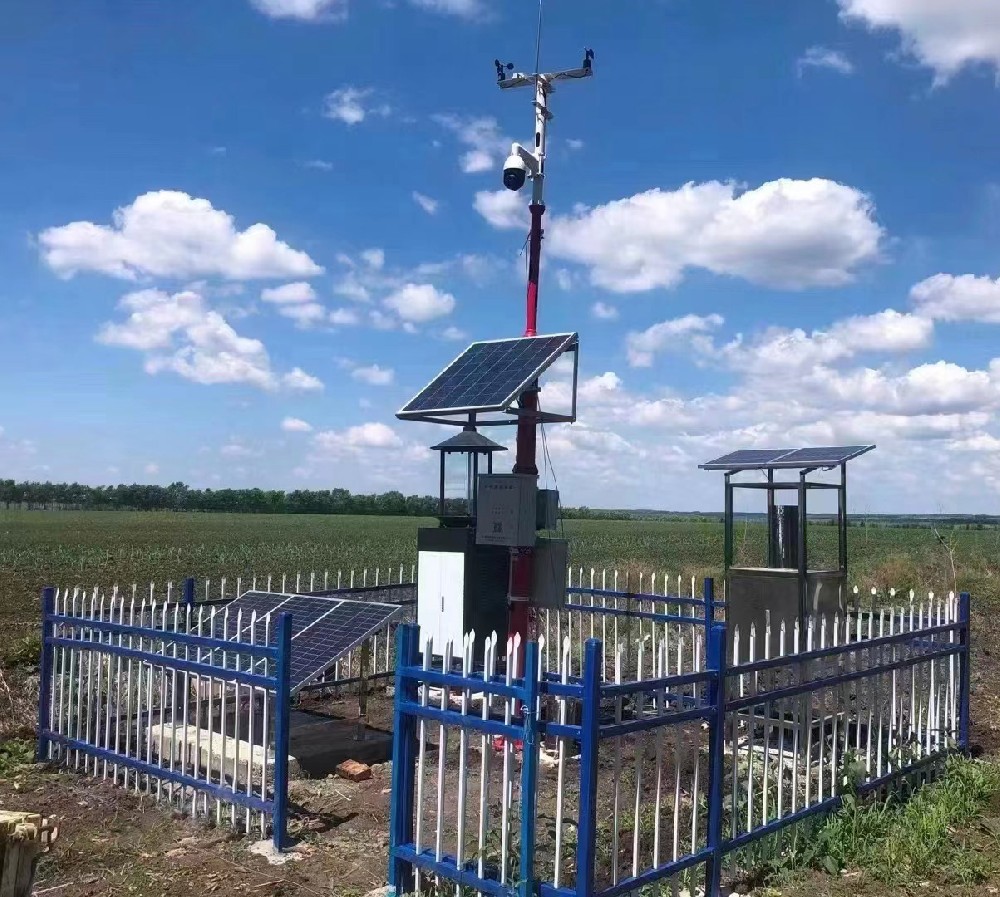
Without stable power, even the most advanced sensors cannot function.
1. 220V Mains Power Supply
If the installation point is near factories, offices, or base stations with power lines, mains power is preferred. Its advantages are extreme stability and low cost, without worrying about equipment offline due to continuous rainy days.
2. Solar Power Supply System
This is the most common solution for field monitoring, consisting of solar silicon panels, batteries, and charge-discharge controllers.
NiuBoL Recommendation: Batteries should be locked in professional metal protection boxes. Compared to plastic boxes or burial, metal boxes have better waterproof, anti-theft, and physical protection performance, significantly extending battery life and reducing safety risks.
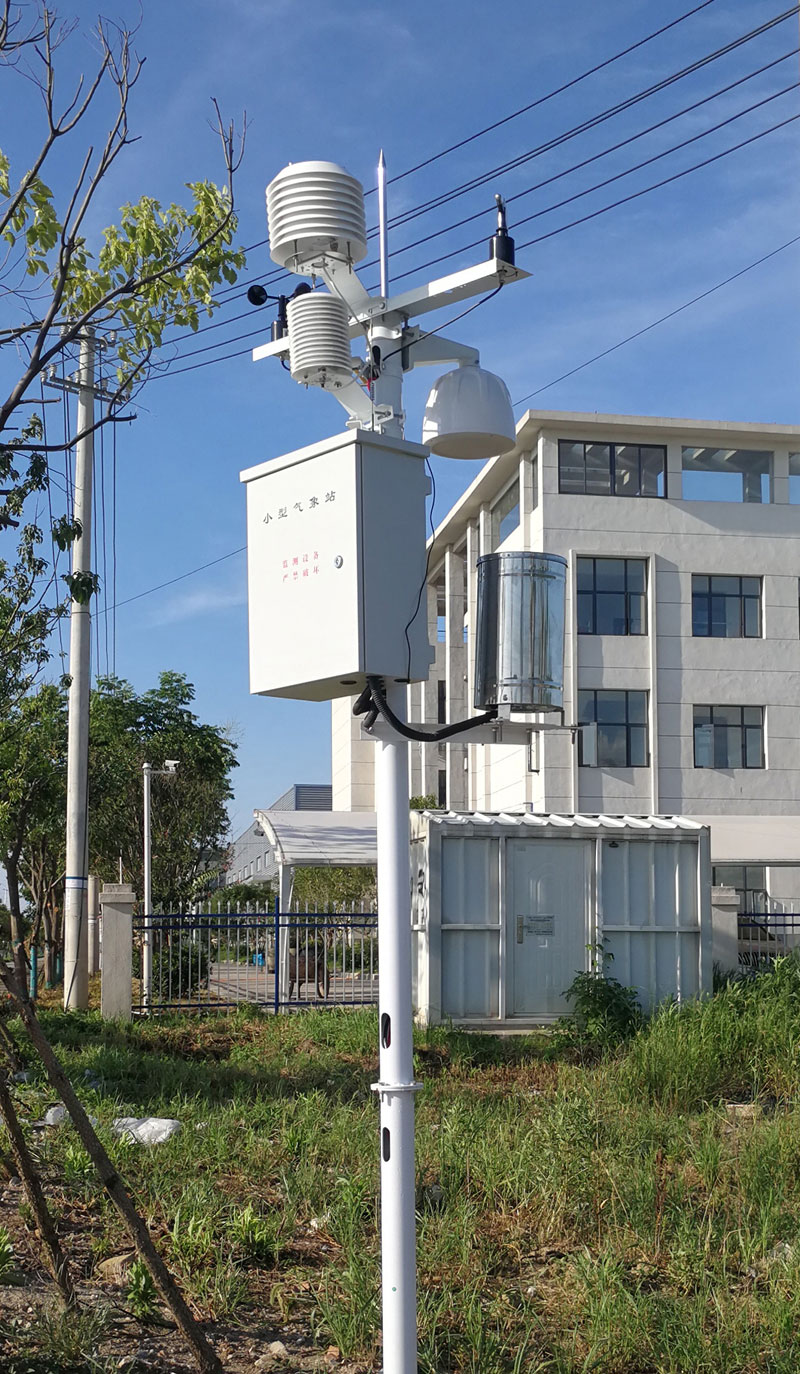
The choice of communication method directly relates to the real-time and convenience of data acquisition.
1. Wired Communication (Local Area)
RS485: Transmission distance up to 800 meters. If the monitoring station is not far from the computer room, this is the most cost-effective solution, with stable signals and no subsequent traffic costs.
USB/RS232: Transmission distance only 10-20 meters, usually only used for equipment installation and debugging stages, not recommended as long-term online monitoring solutions.
RJ45 Network Cable: Suitable for accessing existing local area networks.
2. Wireless Communication (Remote Transmission)
GPRS/4G/5G: As long as there is base station signal, monitoring distance is unrestricted. It can transmit data across provinces to the cloud.
Advantages and Costs: Extremely convenient, supports mobile App and web real-time viewing; the cost is needing a traffic card and monthly communication fees.
3. Local Storage
U Disk/SD Card: In remote deep mountains with no network coverage, SD card can be used for local data backup, manually copied periodically.
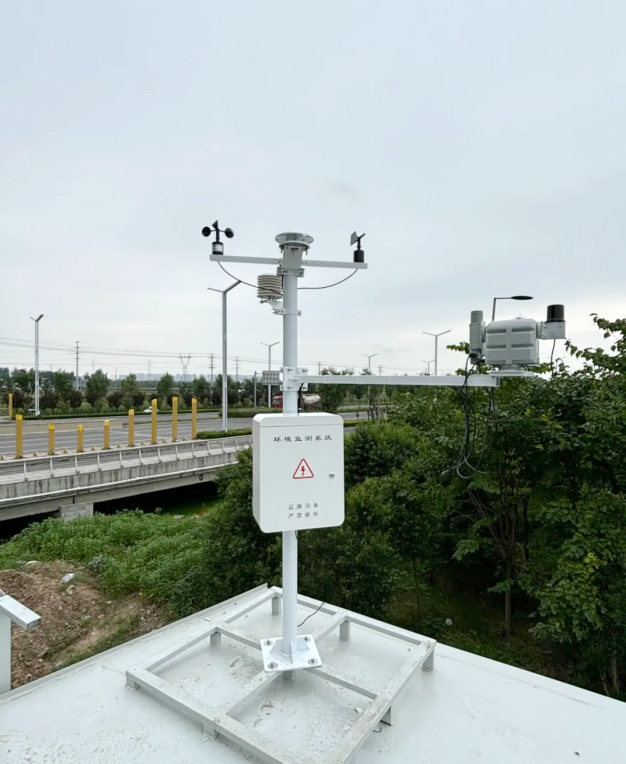
After configuration selection, how to ensure the system outputs "true data"? Arvin points out that the following four dimensions determine the success or failure of monitoring quality:
1. Skills and Planning Level
The planning, design, and production standards of automatic weather stations are the foundation of quality. Professional integration technology can effectively reduce internal electromagnetic interference and structural redundancy.
2. Instrument Precision and Correction Constants
Improper instrument selection (such as too small range or insufficient resolution) will make data unable to meet monitoring purposes. All instruments have systematic errors, and using scientific algorithms for correction is the core means to ensure NiuBoL equipment accuracy.
3. Regular Testing and Calibration
Sensor hardware ages or drifts over time. Regular checks and calibration not only detect hardware faults but also dynamically adjust characteristic constants. For severely aged hardware, timely replacement should be made to maintain long-term monitoring continuity.
4. Scientific Site Selection
Site selection is key to avoiding environmental errors. Try to avoid areas with severe smoke, dust pollution, and blocked airflow. For example, avoiding local small environment smoke interference can make air quality and temperature-humidity data more representative.
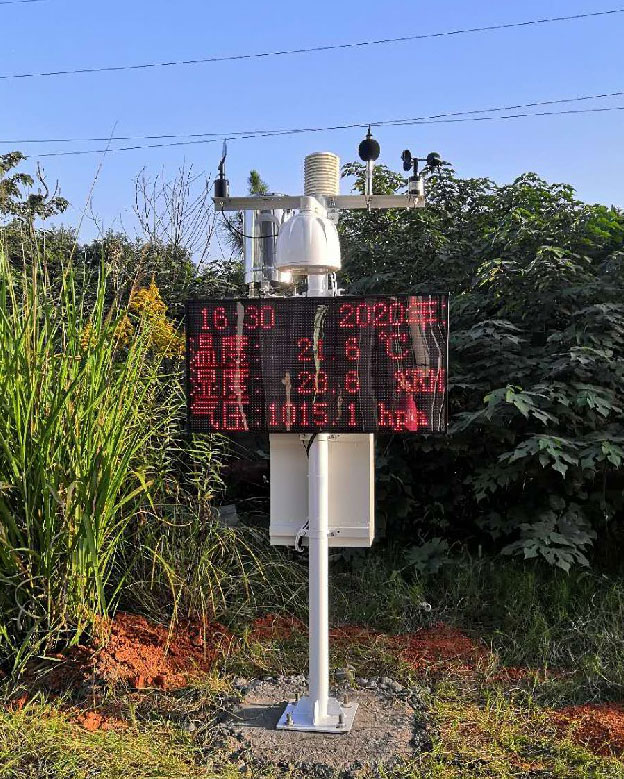
Q1: Can sensors be added later according to needs for automatic weather stations?
A: Yes. NiuBoL collectors reserve rich RS485 and analog signal interfaces. As long as channel redundancy is considered in the initial selection, new sensors can be mounted at any time later.
Q2: If the equipment is installed by the sea, is special configuration needed?
A: Yes. Seaside environments have high salt fog corrosion, brackets should be equipped with strengthened galvanized or stainless steel plastic-sprayed models, and sensor connections need further waterproof sealing reinforcement.
Q3: How to solve wireless communication in mountains without mobile signal?
A: In this case, it is recommended to use RS485 wired extension to areas with signal, or Beidou satellite communication (higher cost) or local SD card timed reading solutions.
Q4: How to choose the installation location of automatic weather stations to ensure data "representativeness"?
A: Site selection must avoid local environmental interference. Ideal monitoring points should be set in open flat areas, with distance to surrounding isolated obstacles (such as single trees, single buildings) at least 3-5 times the obstacle height; away from railways, high-voltage lines, and areas with strong electromagnetic interference. If monitoring farmland microclimate, it should be installed in the center of evenly distributed crop fields, avoiding proximity to roads or irrigation ditches to prevent local heat island effects or moisture evaporation interfering with temperature and humidity data objectivity.
Q5: If budget is limited, what "priority" order should be followed when purchasing?
A: NiuBoL recommends following the principle of "brain > core sensors > power supply > expansion." First ensure the data collector has stable performance and redundant channels for future upgrades; secondly prioritize guaranteeing the accuracy of the four basic meteorological elements: wind speed, wind direction, temperature and humidity, rainfall. If the environment allows, initially use mains power or small-power solar systems. As for advanced sensors like soil nutrients, radiation quantity, visibility, they can be added in batches through RS485 bus modularly according to later research or production needs.
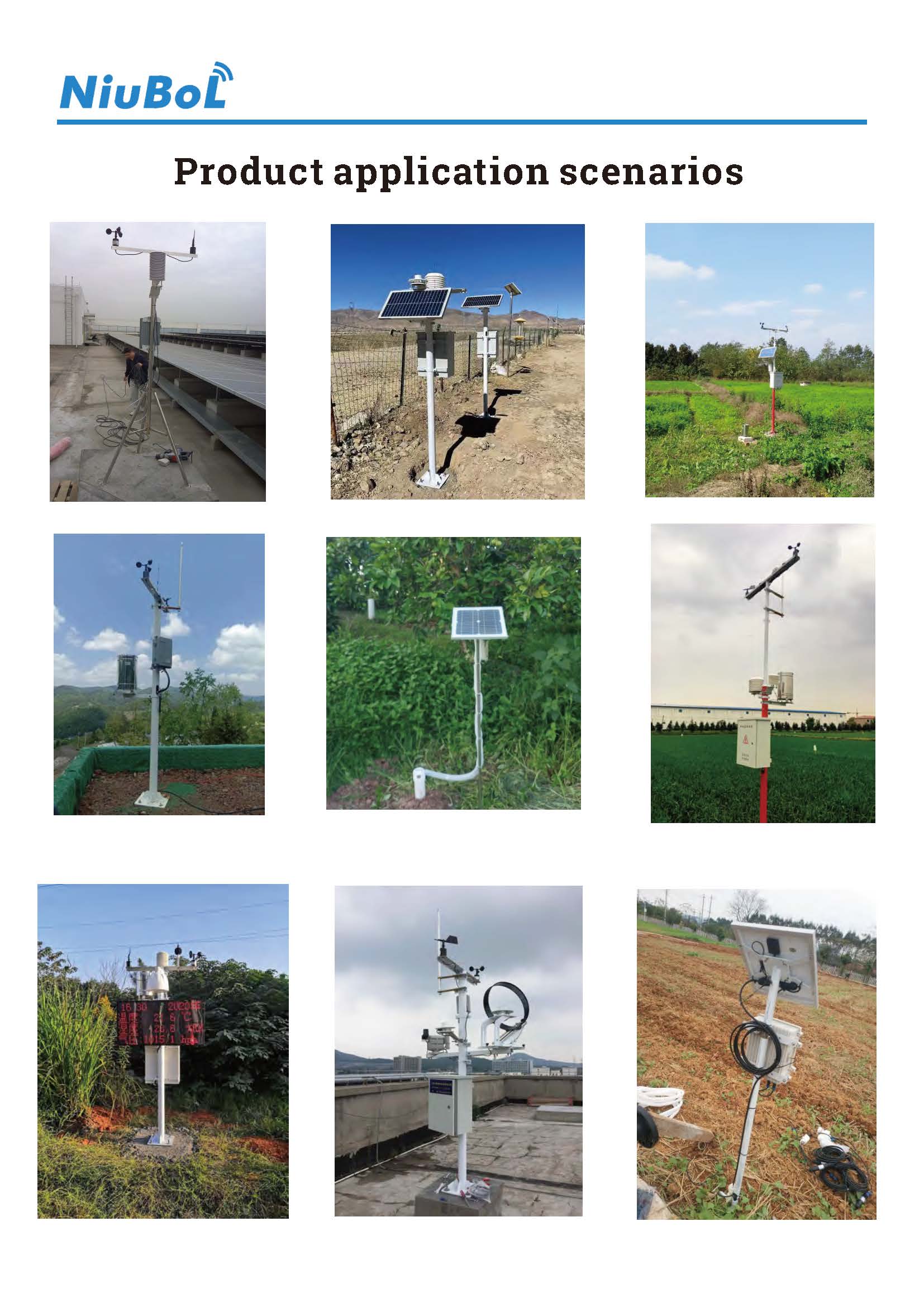
Selecting the basic configuration of an automatic weather station is essentially finding the optimal solution among monitoring objectives, cost budget, and installation environment. From precise sensor deployment to robust power supply protection, and efficient communication protocol docking, every link concerns the vitality of data.
Precise selection is the beginning of success, regular inspections are the guarantee of data. Following the principles of "on-demand customization, scientific site selection, regular maintenance," NiuBoL automatic weather stations will become your most reliable digital partner in natural environment monitoring.
Sensor Interfaces: RS485 (Modbus-RTU) / 0-5V / 4-20mA / Pulse.
Power Supply Voltage: AC 220V / DC 12V-24V.
Solar Configuration: Typical values 20W-50W (silicon panel) + 24AH-100AH (battery).
Bracket Material: Carbon Steel Plastic-Sprayed / Aluminum-Magnesium Alloy / Stainless Steel.
Data Storage Cycle: 1 minute - 60 minutes (adjustable).
Related recommendations
Sensors & Weather Stations Catalog
 Agriculture Sensors and Weather Stations Catalog-NiuBoL.pdf
Weather Stations Catalog-NiuBoL.pdf
Agriculture Sensors Catalog-NiuBoL.pdf
Water Quality Sensor Catalog-NiuBoL.pdf
Related products
 Combined air temperature and relative humidity sensor
 TDR Soil Moisture & Temperature Sensor for irrigation| RS485 |4-20mA| NBL-S-THR
 Soil pH sensor RS485 soil Testing instrument soil ph meter for agriculture |NBL-S-PH
 Wind Speed sensor Output Modbus/RS485/Analog/0-5V/4-20mA
 Tipping bucket rain gauge for weather monitoring auto rainfall sensor RS485/Outdoor/stainless steel
 Pyranometer Solar Radiation Sensor 4-20mA/RS485

Screenshot, WhatsApp to identify the QR code
WhatsApp number:+8615367865107
(Click on WhatsApp to copy and add friends)

