





— Blogs —
—Products—
 Consumer hotline +8618073152920
 WhatsApp:+8615367865107
Address:Room 102, District D, Houhu Industrial Park, Yuelu District, Changsha City, Hunan Province, China
Product knowledge
Time:2026-03-14 11:23:12 Popularity:655
In modern global food security and high-value crop cultivation systems, real-time collection of environmental data has become the foundation of engineered construction. For system integrators and IoT solution providers, supplying stable and highly robust perception-layer hardware to end projects is key to success.
This article uses winter wheat (field crop) and shiitake mushrooms (facility agriculture) as examples to analyze how the NiuBoL brand provides underlying data support for agricultural informatization projects through soil moisture monitors and integrated weather stations.
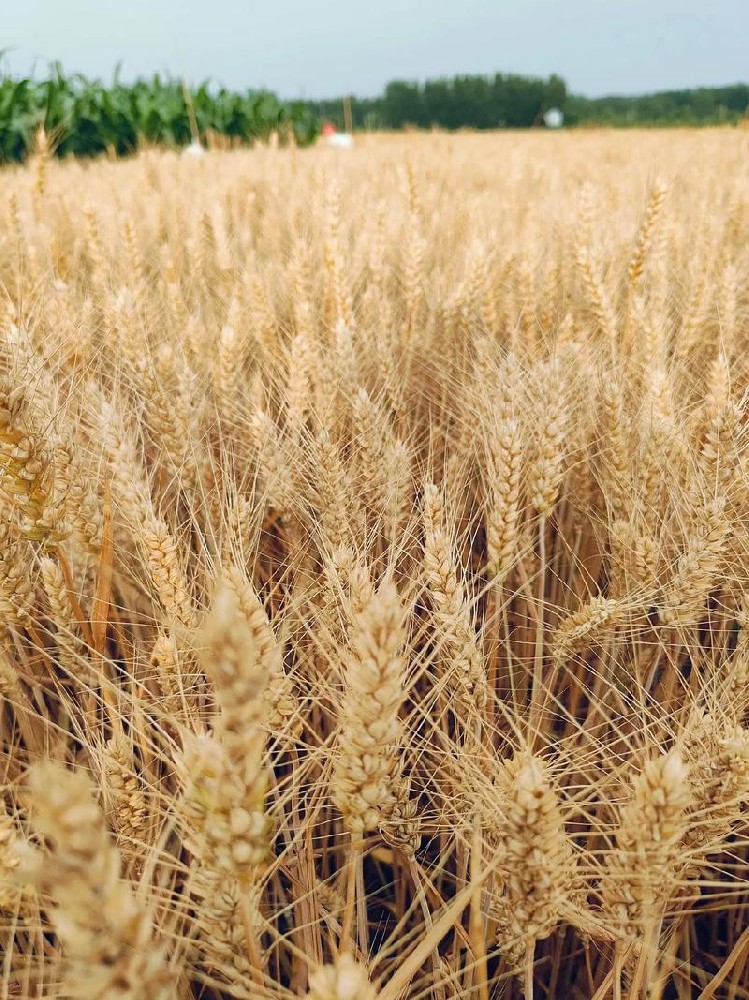
Winter wheat, as an important food crop, has nearly strict requirements for relative soil moisture (Relative Soil Moisture) at each growth stage. By deploying NiuBoL soil moisture sensors (based on volumetric water content VWC principle), integrators can assist clients in achieving precision irrigation.
1. Sowing and Seedling Stage:
Ideal range: Relative soil moisture 60% ~ 90%.
Engineering value: Moisture during this period directly determines root vigor. If relative moisture falls below 50%, the system should automatically trigger water replenishment warnings; otherwise, it leads to uneven emergence and affects pre-winter tillering.
2. Emergence and Tillering Overwintering Stage:
Environmental balance: Optimal relative moisture for wheat emergence is 60% ~ 85%.
Thermodynamic regulation: Suitable moisture not only meets water demand but also stabilizes soil temperature through soil specific heat capacity regulation, helping seedlings resist cold wave freezing damage.
3. Heading, Flowering, and Grain-Filling Stage: Yield-Determining Period
Critical point: During heading, if relative moisture falls below 45%, it directly reduces effective spike number. Grain-filling requires maintaining 60% ~ 80% moisture to enhance filling intensity. Moisture below 50% leads to grain degeneration, directly causing economic losses.
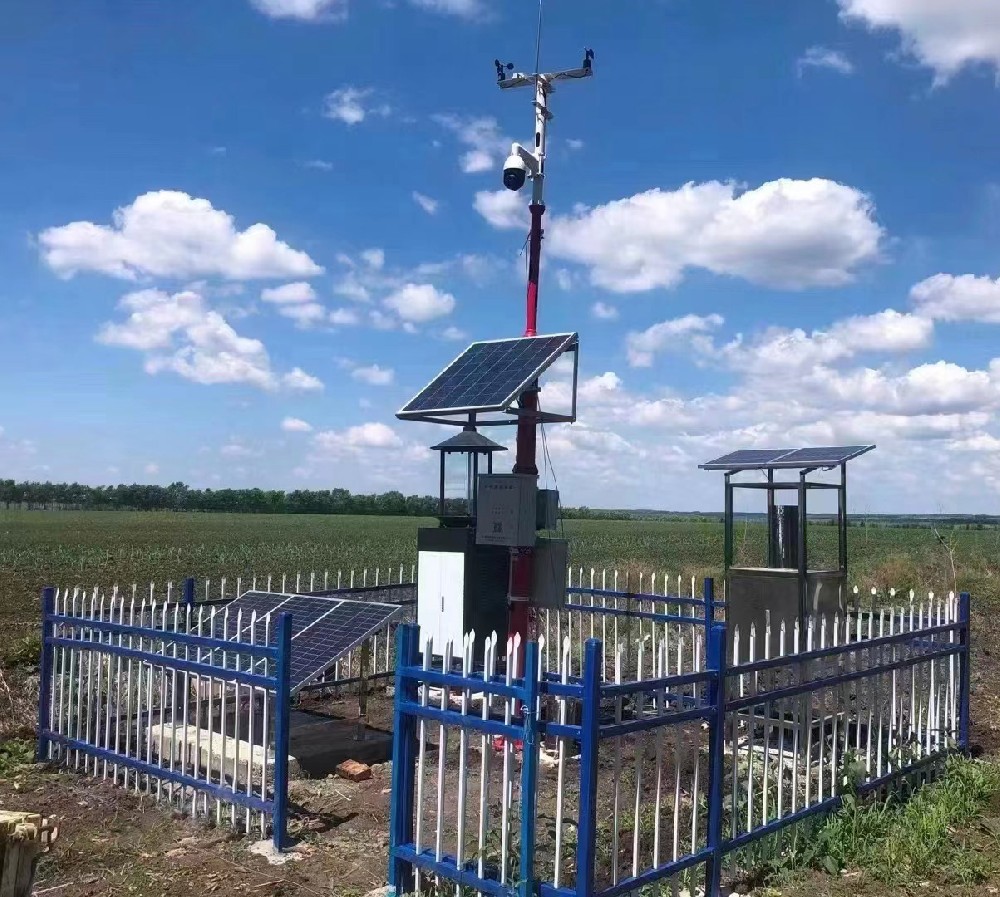
For factory-based fungal cultivation, the meteorological monitoring station provided by NiuBoL integrates multiple dimensions including air temperature/humidity, light, pH value, etc., which is crucial for shiitake mushrooms, a crop highly sensitive to the environment.
1. Temperature and Humidity Control Standards
Optimal temperature for shiitake mycelium growth is 10℃ ~ 28℃, while fruiting body development has strict limits depending on variety.
Moisture requirement: Culture medium moisture content should be maintained at 55% ~ 60%.
Air humidity: Fruiting body stage requires dynamic adjustment range of 45% ~ 93%.
2. Acidity-Alkalinity (pH Value) and Light
Chemical monitoring: Shiitake prefers slightly acidic environment, with pH 5 being optimal.
Physiological demand: Fruiting body development requires suitable diffuse light.
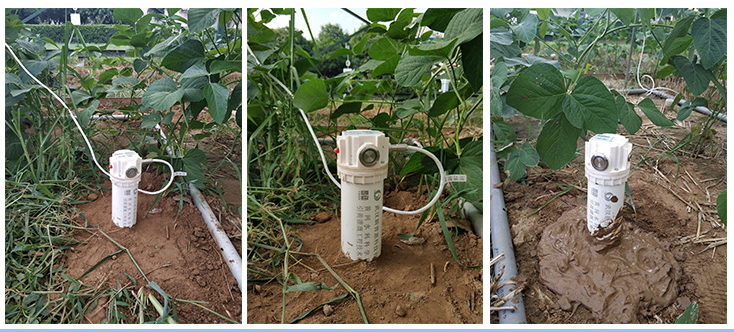
To facilitate engineering design and selection, the following table lists the core technical indicators of NiuBoL soil moisture monitors and weather sensors.
| Measurement Item | Measurement Range | Accuracy | Resolution |
|---|---|---|---|
| Soil Moisture (VWC) | 0 ~ 100% | ±3% (within 0~50% range) | 0.1% |
| Soil Temperature | -40℃ ~ +80℃ | ±0.5℃ | 0.1℃ |
| Air Temperature | -40℃ ~ +100℃ | ±0.3℃ | 0.1℃ |
| Air Humidity | 0 ~ 100% RH | ±3% RH | 0.1% RH |
| Wind Speed | 0 ~ 60 m/s | ±(0.3±0.03V)m/s | 0.01 m/s |
| Wind Direction | 0 ~ 360° | ±3° | 0.1° |
| Solar Radiation | 0 ~ 2000 W/m² | ±5% | 1 W/m² |
| Rainfall | 0 ~ 4 mm/min | ±4% | 0.1 mm |
Output signal: Standard RS485 bus.
Communication protocol: Modbus-RTU protocol (supports standard function code 03).
Baud rate: 9600 bps (default, customizable).
Power supply range: DC 12V - 24V.
Protection rating: Sensor probe IP68, transmitter enclosure IP65.
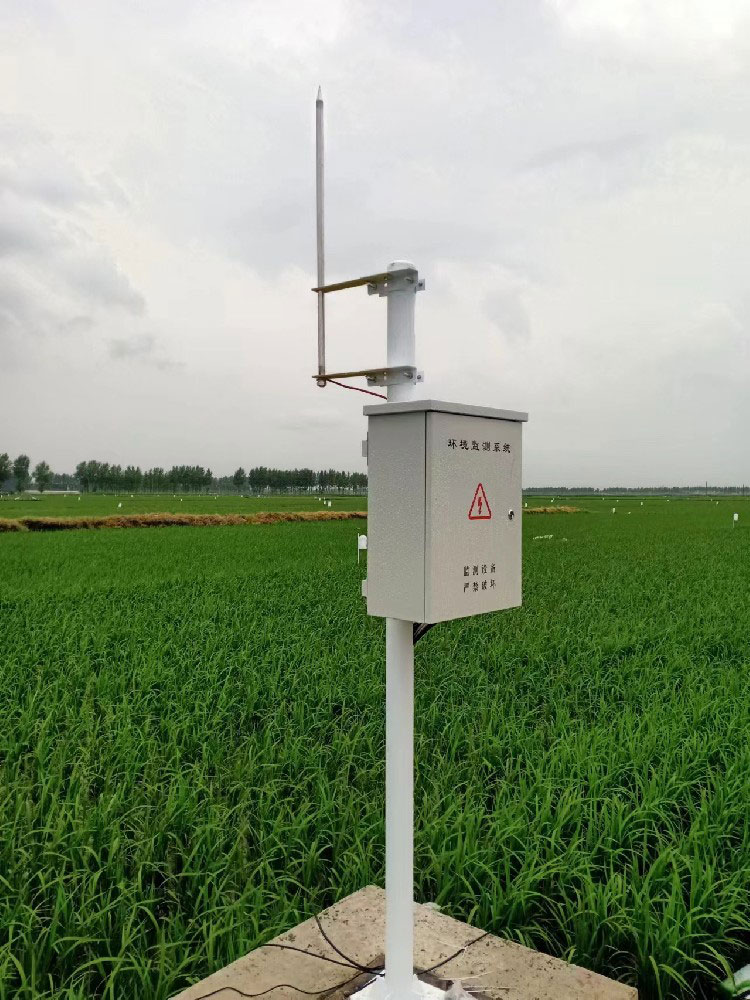
Our meteorological monitoring system adopts modular design, mainly consisting of the following three parts, optimized for secondary development and system integration:
Perception Layer (Sensors): Uses high-stability electrochemical, capacitive, or ultrasonic principles to ensure long drift cycles in outdoor high-humidity and salt-fog environments.
Recording and Transmission Layer (Data Logger): Logger features automatic breakpoint resume and offline storage. Supports 4G, LoRa, or port communication, compatible with various mainstream industrial gateways.
Software Access Support: Open underlying communication protocols to enable integrators to seamlessly embed them into their own smart agriculture cloud platforms or SCADA systems.
How the product accesses existing IoT architectures:
Node layer: NiuBoL soil moisture sensors, temperature/humidity sensors, rain gauges, etc.
Transmission layer: Accesses 4G/gateway or PLC controllers via RS485 signals.
Application layer: Data uploaded to integrator's cloud platform, combined with wheat growth models or shiitake environmental standards to issue commands to relay-controlled solenoid valves.
Industrial-grade durability:
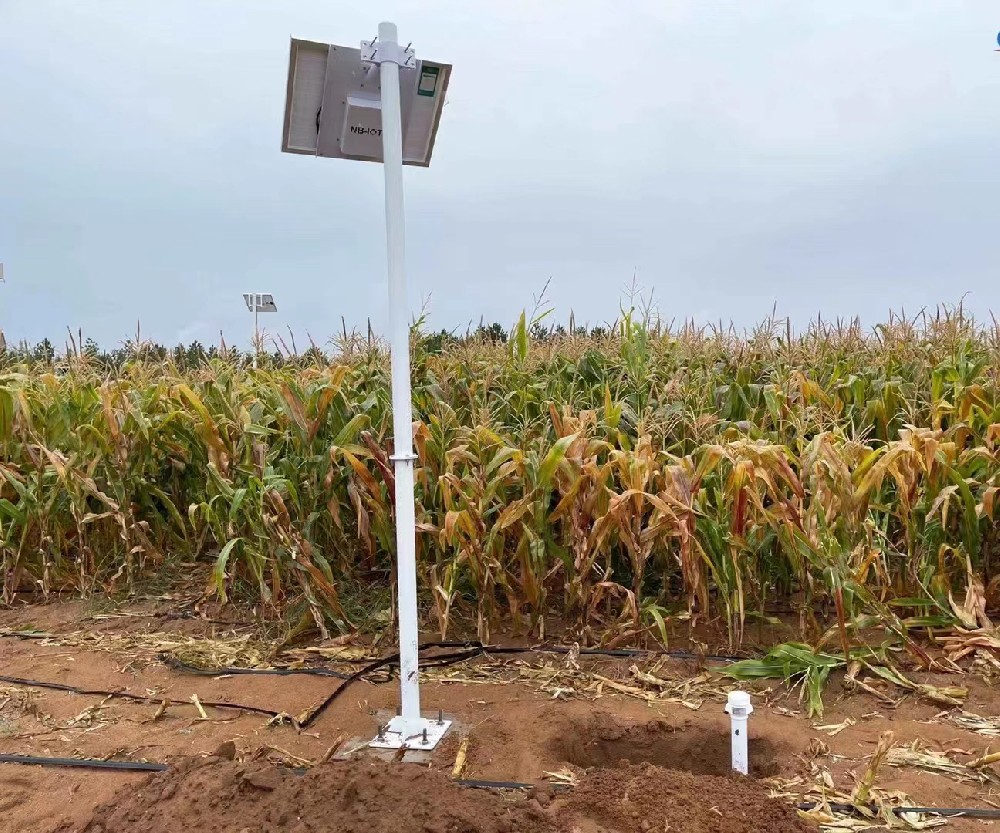
Protection process: NiuBoL soil probes use black diamond/epoxy resin vacuum encapsulation with excellent weather resistance.
Q1: What measurement principle does the NiuBoL soil moisture sensor use?
A1: We use VWC measurement technology based on frequency domain reflectometry (FDR) principle. Compared to TDR solutions, it offers better cost-performance and faster response speed, with less influence from soil salinity.
Q2: How to ensure sensor accuracy in different soil textures (e.g., sandy soil, clay)?
A2: NiuBoL sensors are factory-calibrated to standard. For engineering-grade applications, integrators can perform linear coefficient compensation in the acquisition terminal software based on dielectric constant differences in various soil types.
Q3: What is the wireless transmission distance of the weather station?
A3: Depends on the selected communication module. RS485 wired transmission is recommended within 1000 meters; for wireless solutions, it can achieve several kilometers in line-of-sight environments (LoRa solution requires prior consultation).
Q4: Will the equipment be damaged in low-temperature frozen soil environments?
A4: The probe part uses high-performance epoxy resin vacuum encapsulation with excellent weather resistance. In -40℃ extreme cold environments, the sensor's physical structure will not be damaged, but note that changes in dielectric constant after soil freezing will affect water content readings.
Q5: Does it support linkage with other brands (e.g., Siemens PLC)?
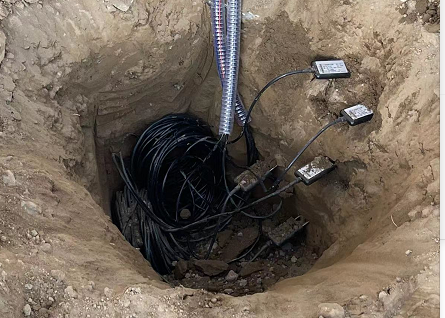
A5: Fully supported. Based on standard Modbus-RTU protocol, NiuBoL sensors can directly access PLC RS485 modules, enabling linkage control (e.g., opening sprinkler valves) through simple read instructions.
Q6: Do pH value sensors in shiitake cultivation require frequent calibration?
A6: All industrial-grade pH sensors require periodic calibration to prevent drift. We recommend calibrating with standard buffer solutions once every 3 months in continuous monitoring environments to maintain highest accuracy.
Q7: What are the installation and maintenance costs of agricultural weather stations?
A7: The system uses integrated bracket design, deployable by non-professional technicians in 4 hours. Due to no easily worn moving parts, except for regular rain gauge funnel cleaning, maintenance costs are extremely low.
Q8: Do you provide OEM or white-label services?
A8: As a manufacturer, we provide OEM customization services for large-volume project suppliers, including brand LOGO, communication protocol customization, and specific enclosure color options.
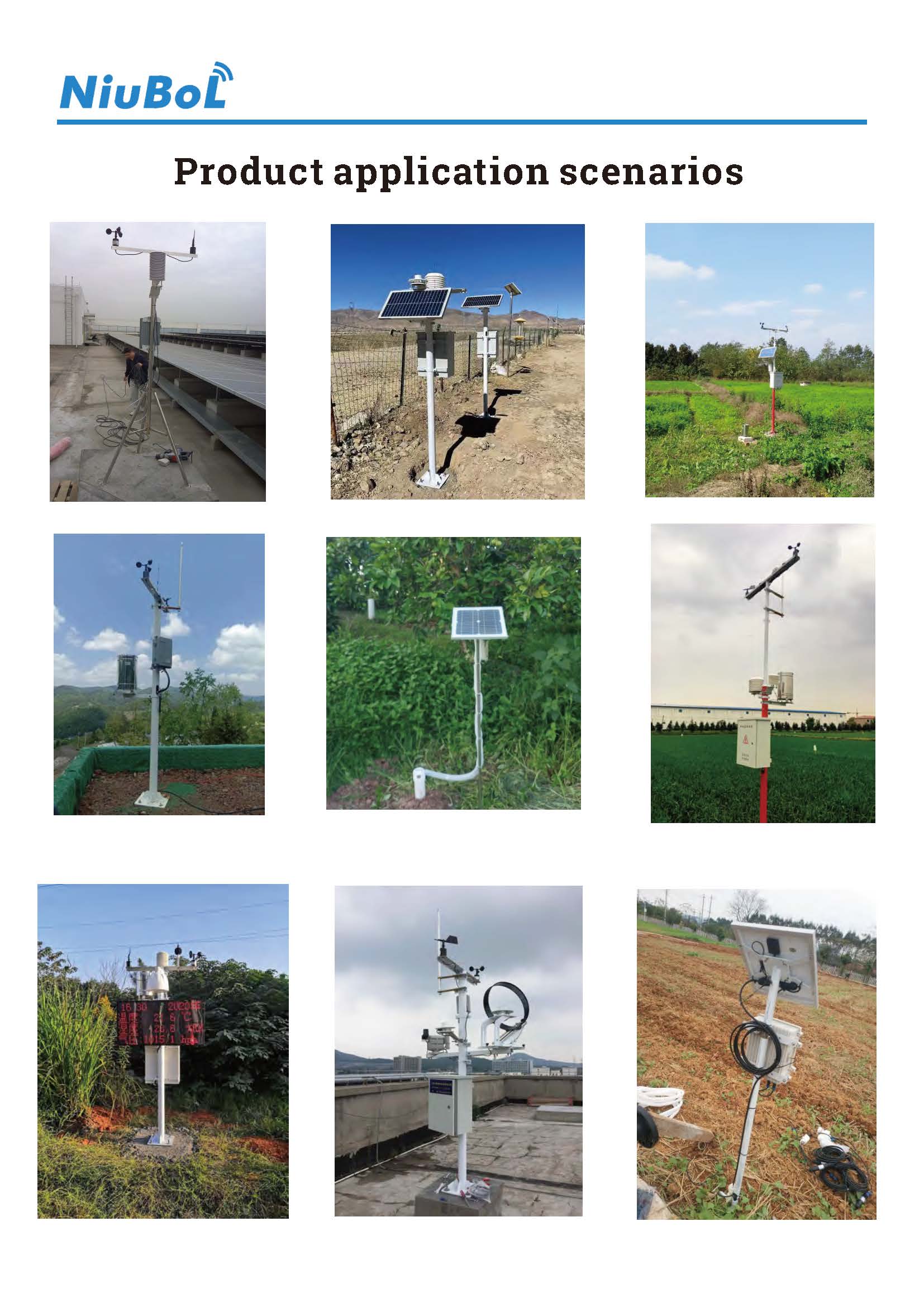
In today's rapid development of global smart agriculture, precise environmental perception is the “cornerstone” of all IoT solutions. NiuBoL, with deep technical accumulation in soil moisture monitoring and meteorological element collection, provides industrial-grade, standardized hardware solutions for system integrators.
Whether for precision irrigation in winter wheat field cultivation or temperature-humidity closed-loop control in shiitake factory production, our equipment wins global customers' trust with high reliability, high integration, and easy access. Choosing NiuBoL means choosing a perception expert capable of accompanying projects for long-term operation.
If you are conducting smart agriculture project bidding or system solution design, welcome to contact the NiuBoL sales engineering team to request detailed product selection manuals and technical protocols.
 NBL-S-TMSMS-Tubular-Multi-depth-Soil-Moisture-Sensor-Instruction-Manual.pdf
NBL-S-TM-Soil-temperature-and-moisture-sensor-Instruction-Manual-4.0.pdf
NBL-S-THR-Soil-temperature-and-moisture-sensors-Instruction-Manual-V4.0.pdf
Prev:Conduit-Type Soil Moisture Sensor Measurement Principle, Advantages, and Integration Deployment
Related recommendations
Sensors & Weather Stations Catalog
Agriculture Sensors and Weather Stations Catalog-NiuBoL.pdf
Weather Stations Catalog-NiuBoL.pdf
Agriculture Sensors Catalog-NiuBoL.pdf
Water Quality Sensor Catalog-NiuBoL.pdf
Related products
 Combined air temperature and relative humidity sensor
 TDR Soil Moisture & Temperature Sensor for irrigation| RS485 |4-20mA| NBL-S-THR
 Soil pH sensor RS485 soil Testing instrument soil ph meter for agriculture |NBL-S-PH
 Wind Speed sensor Output Modbus/RS485/Analog/0-5V/4-20mA
 Tipping bucket rain gauge for weather monitoring auto rainfall sensor RS485/Outdoor/stainless steel
 Pyranometer Solar Radiation Sensor 4-20mA/RS485

Screenshot, WhatsApp to identify the QR code
WhatsApp number:+8615367865107
(Click on WhatsApp to copy and add friends)

