






— Blogs —
—Products—
 Consumer hotline +8618073152920
 WhatsApp:+8615367865107
Address:Room 102, District D, Houhu Industrial Park, Yuelu District, Changsha City, Hunan Province, China
Product knowledge
Time:2026-03-14 11:15:31 Popularity:160
In the implementation process of smart agriculture and modern water conservancy monitoring projects, the accuracy of data acquisition and long-term system stability are core indicators of project success. NiuBoL, as a manufacturer of industrial-grade environmental sensors, launches a soil moisture online monitoring system specifically designed to meet the high-frequency, multi-dimensional monitoring needs in complex field environments.
This article will provide an in-depth analysis from the core measurement technology principle, multi-layer monitoring architecture advantages, and engineering deployment logic for integrator clients.
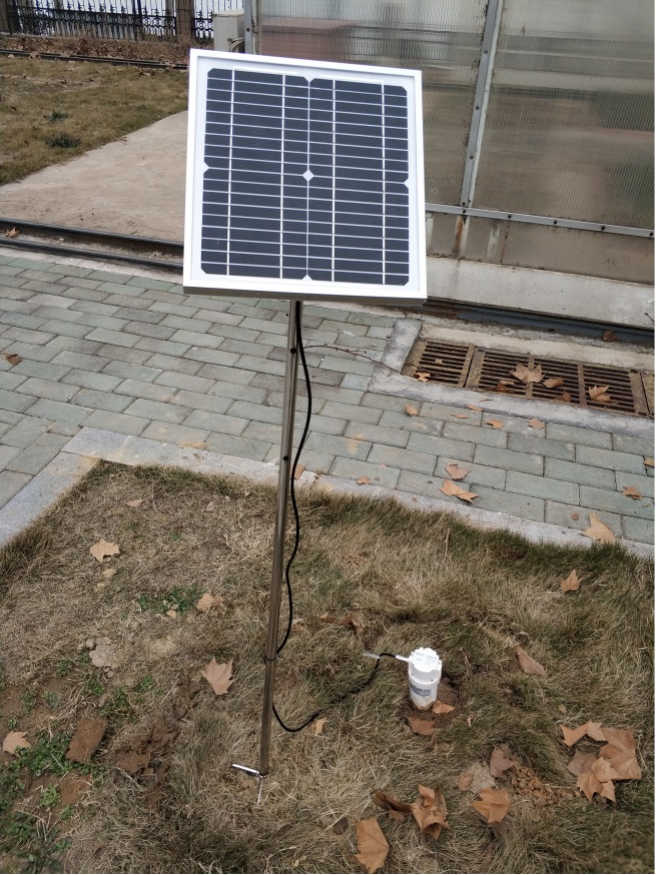
In the field of soil moisture measurement, common technical approaches include resistance method, TDR (Time Domain Reflectometry), and FDR (Frequency Domain Reflectometry). NiuBoL soil moisture monitoring system adopts FDR (Frequency Domain Reflectometry) technology, which currently offers the best cost-performance ratio and performance stability in industrial applications.
FDR sensors perform measurements by emitting high-frequency electromagnetic waves and utilizing the principle that differences in the dielectric constant of the surrounding medium (soil, water, air) cause changes in oscillation frequency.
Dielectric constant comparison: Under standard conditions, air has a dielectric constant of 1, dry soil approximately 3~5, while water reaches up to 80.
Algorithm conversion: After capturing frequency shifts, the sensor performs digital processing through an internal high-speed processor and converts it to volumetric water content (VWC) according to the built-in calibration curve.
Response speed: Measurement process completes in milliseconds, supporting high-frequency real-time sampling.
Anti-interference: Compared to TDR, FDR has more controllable hardware costs and higher circuit integration; compared to resistance method, it is almost unaffected by soil salinity conductivity (EC) fluctuations, greatly improving monitoring accuracy in saline-alkali lands or after fertilization.
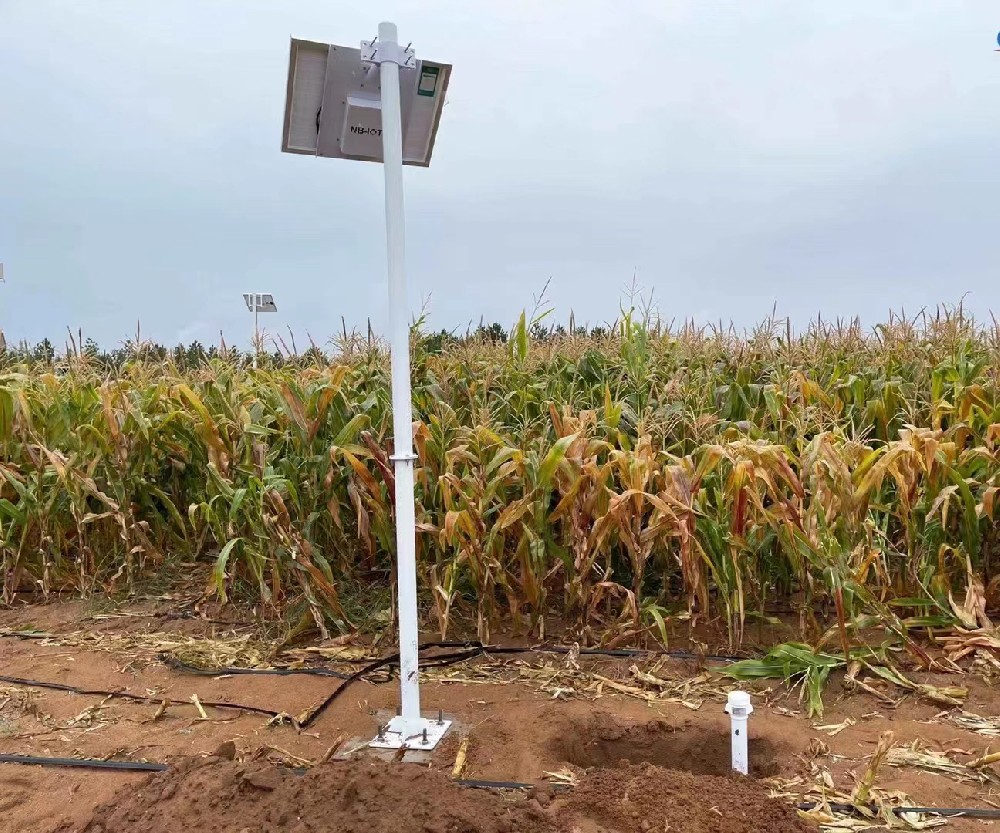
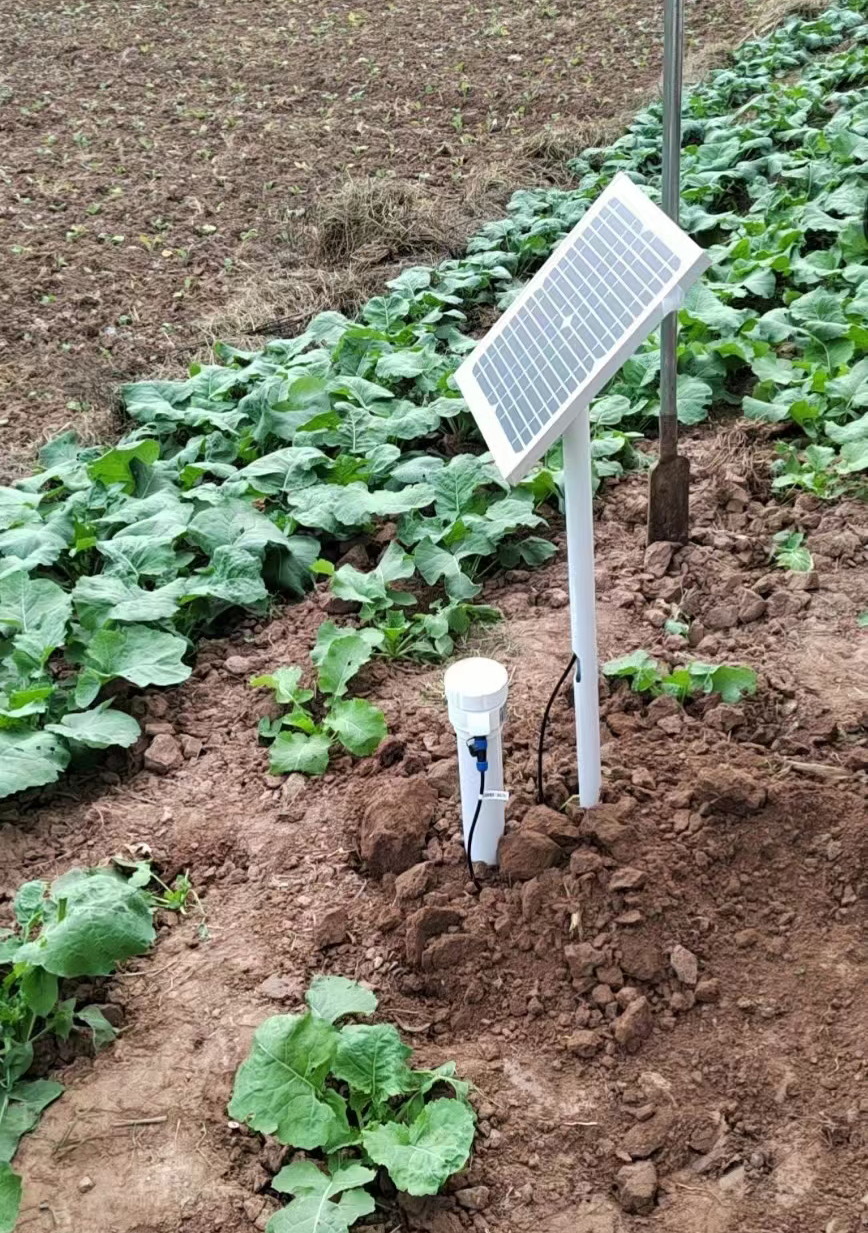
NiuBoL NBL-S-TMSMS series soil moisture sensor adopts conduit-type multi-layer integrated structure, completely solving the problems of low efficiency and one-sided data in traditional single-point sensor engineering deployment.
| Indicator Parameter | Technical Specification / Performance Standard | Industrial Application Value |
|---|---|---|
| Monitoring Dimensions | Soil volumetric water content (VWC), temperature, (optional) salinity, tilt | Enables multi-factor environmental coupling analysis |
| Monitoring Depth | Standard 10/20/30/40cm, up to 10 customizable nodes | Provides complete vertical profile moisture infiltration model |
| Measurement Resolution | Moisture: 0.1%, Temperature: 0.1℃ | Captures subtle environmental fluctuations |
| Communication Protocol | Standard Modbus-RTU (RS485) / 4G / 5G | Perfectly compatible with various industrial PLCs, DTUs, and cloud platforms |
| Protection Rating | Underground part IP68, surface part IP67 | Ensures no failure in long-term immersion and heavy rain environments |
| Sealing Material | Industrial-grade epoxy resin vacuum encapsulation + high-quality anti-corrosion plastic tube | Acid-alkali resistant, salt-fog corrosion resistant, service life >5 years |
| Energy Efficiency | MPPT automatic power point tracking, sleep power consumption<1mA | Significantly reduces solar panel supporting costs for field stations |
For project contractors' needs in mountainous areas or high-standard farmland slopes, NiuBoL can integrate a 3D-MEMS tilt sensor inside the sensor. This enables the system not only to monitor moisture but also surface tilt and vibration. When abnormal displacement occurs, the system immediately reports alarm signals through 4G/5G links, achieving one device with multiple uses.
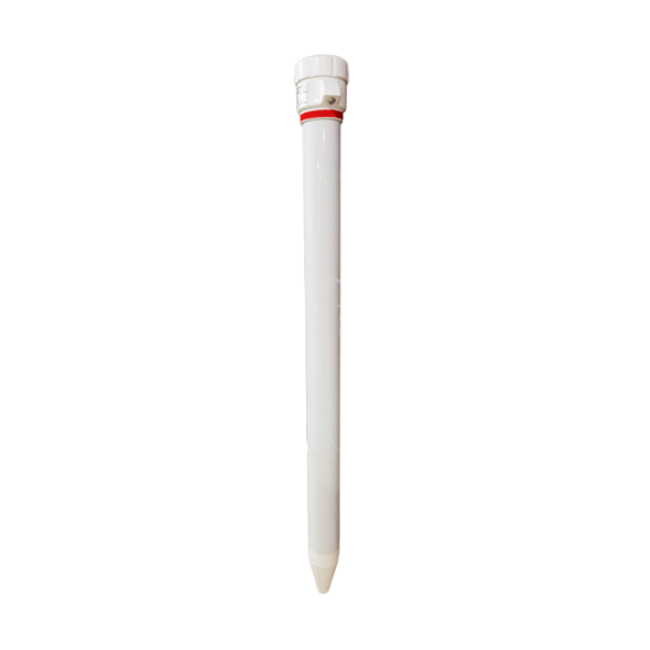
For system integrators, correct installation is the premise to ensure data value. NiuBoL recommends following these professional standards during deployment:
Spatial representativeness: Monitoring points must be located in the core area of crop growth, avoiding frequent human disturbance areas such as field edges and roadsides.
Terrain avoidance: Strictly prohibit placement in low-lying areas prone to water accumulation or within 50 meters of ditches unless the project objective is to monitor phreatic layers.
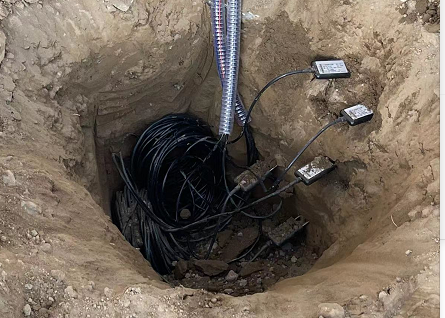
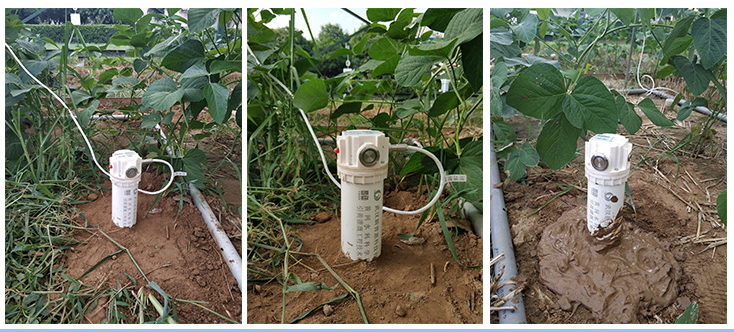
Soil layer integrity: During installation, it is recommended to use the “mud slurry coupling filling method” to ensure no air layer exists between the sensor tube outer wall and the original soil layer. Otherwise, due to air's dielectric constant (approximately 1), measurement results will be significantly lower.
Based on crop root distribution, the following standard configurations are recommended:
Shallow layer (10-20cm): Monitor moisture evaporation and surface infiltration after rainfall/irrigation.
Middle layer (30-50cm): Monitor moisture content in active crop absorption zone.
Deep layer (60cm+): Monitor groundwater recharge or deep leaching conditions.
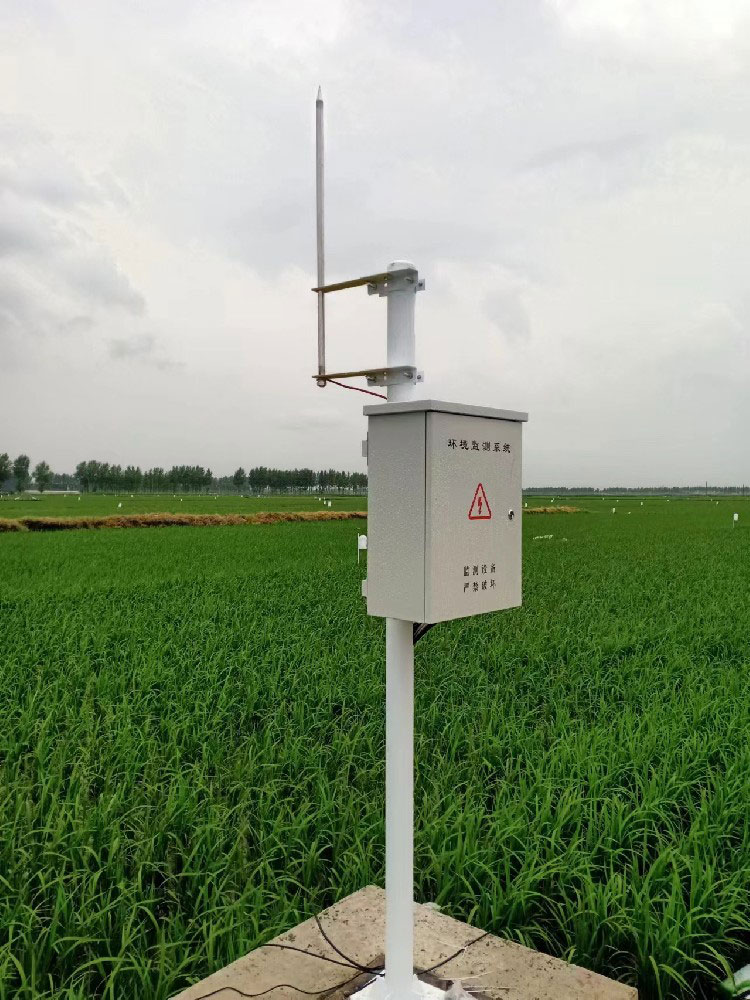
Through the NiuBoL soil moisture online monitoring system, integrators can build automatic irrigation closed loops.
Logic: Set VWC lower limit to trigger irrigation pump, upper limit to stop irrigation.
Value: Compared to timed irrigation, it can save 30%~50% water resources while avoiding yield losses caused by root hypoxia.
In river embankment seepage prevention monitoring or landslide early warning projects, the system accesses on-site data loggers via RS485 bus. Its stainless steel probes and corrosion-resistant tubes ensure long-term reliability in water conservancy projects.
In smart city projects, the system can be installed concealed under lawns, feeding back real-time data via wireless networks to reduce manual inspection costs.
Q1: Is the Modbus register protocol for NiuBoL sensors publicly available?
A: Yes. We provide detailed hexadecimal protocol manuals for integrators, supporting reading real-time data, modifying device addresses, and baud rates, greatly simplifying secondary development processes.
Q2: Why does your system emphasize using MPPT charge controllers?
A: Field light intensity fluctuates greatly; MPPT can track the maximum power point of solar panels in real time. Especially in winter or cloudy weather, it outputs more than 20% additional power compared to ordinary PWM controllers, ensuring 24-hour system online status.
Q3: If the conduit-type sensor needs replacement, is re-excavation required?
A: One major advantage of conduit-type design is “maintenance without excavation.” Once the casing is fixed, the sensor core component can be pulled out from the tube for inspection or upgrade without destroying the original soil structure.
Q4: What data return methods does the system support?
A: NiuBoL provides flexible configuration: local RS485 output (access to PLC/HMI), wireless 4G/5G direct transmission to cloud platforms, and MQTT networking based on IoT gateways.
Q5: How is the system's tolerance to extreme temperatures?
A: NiuBoL sensors use industrial-grade electronic components with an operating temperature range covering -40℃ to 80℃, sufficient for applications from high-latitude cold regions to tropical deserts.
Q6: What tools are needed to install conduit-type sensors?
A: Requires a special soil auger matching the sensor outer diameter (approximately 63-65mm). It is recommended to use a customized soil sampler to ensure precise aperture and verticality.
The soil moisture online monitoring system is not only the “eyes” of agricultural production but also a key data source for industrial-grade IoT projects. NiuBoL, with profound sensor manufacturing experience, provides a low-maintenance-cost, high-data-reliability solution for system integrators and project parties through highly integrated hardware solutions and standardized industrial protocols.
In the global trend of agricultural water conservation and smart water conservancy, choosing NiuBoL means choosing a professional, stable, and long-term technical partner.
If you are planning smart agriculture, water conservancy monitoring, or scientific research experimental projects, please contact our engineering team. We will provide you with complete API documentation, product selection lists, and targeted system integration recommendations.
 NBL-S-TMSMS-Tubular-Multi-depth-Soil-Moisture-Sensor-Instruction-Manual.pdf
NBL-S-TM-Soil-temperature-and-moisture-sensor-Instruction-Manual-4.0.pdf
NBL-S-THR-Soil-temperature-and-moisture-sensors-Instruction-Manual-V4.0.pdf
Prev:NiuBoL Online Soil Moisture Monitoring System: Precision Agriculture IoT Solution
Next:Precision Agriculture Sensing: Soil Moisture Monitoring and Weather Station Integration Solution
Related recommendations
Sensors & Weather Stations Catalog
 Agriculture Sensors and Weather Stations Catalog-NiuBoL.pdf
Weather Stations Catalog-NiuBoL.pdf
Agriculture Sensors Catalog-NiuBoL.pdf
Related products
 Combined air temperature and relative humidity sensor
 Soil Moisture Temperature sensor for irrigation
 Soil pH sensor RS485 soil Testing instrument soil ph meter for agriculture
 Wind Speed sensor Output Modbus/RS485/Analog/0-5V/4-20mA
 Tipping bucket rain gauge for weather monitoring auto rainfall sensor RS485/Outdoor/stainless steel
 Pyranometer Solar Radiation Sensor 4-20mA/RS485

Screenshot, WhatsApp to identify the QR code
WhatsApp number:+8615367865107
(Click on WhatsApp to copy and add friends)

