





— Blogs —
—Products—
 Consumer hotline +8618073152920
 WhatsApp:+8615367865107
Address:Room 102, District D, Houhu Industrial Park, Yuelu District, Changsha City, Hunan Province, China
Product knowledge
Time:2026-04-02 13:25:46 Popularity:681
With the increasing global emphasis on water resource protection, traditional manual sampling and fixed station monitoring have been unable to meet the stringent requirements of modern environmental management for "real-time, representativeness, and low cost". Fixed monitoring stations are often limited by difficulties in land acquisition, long construction periods and high capital investment. As an innovative in-situ monitoring method, the NiuBoL buoy water quality monitoring station provides flexible and accurate digital monitoring solutions for lakes, reservoirs and coastal watersheds through integrated IoT sensing technology, high-reliability buoy platforms and multi-link wireless communication.
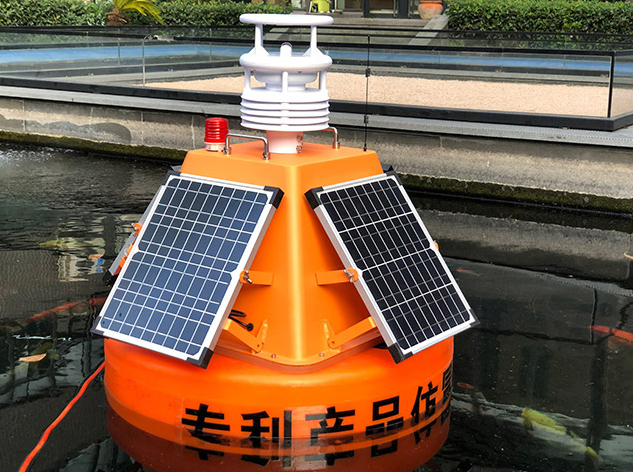
A complete buoy water quality monitoring system is a deep integration of mechanical engineering, sensing technology and wireless communication. NiuBoL focuses on optimizing the system's survivability in unattended environments during design.
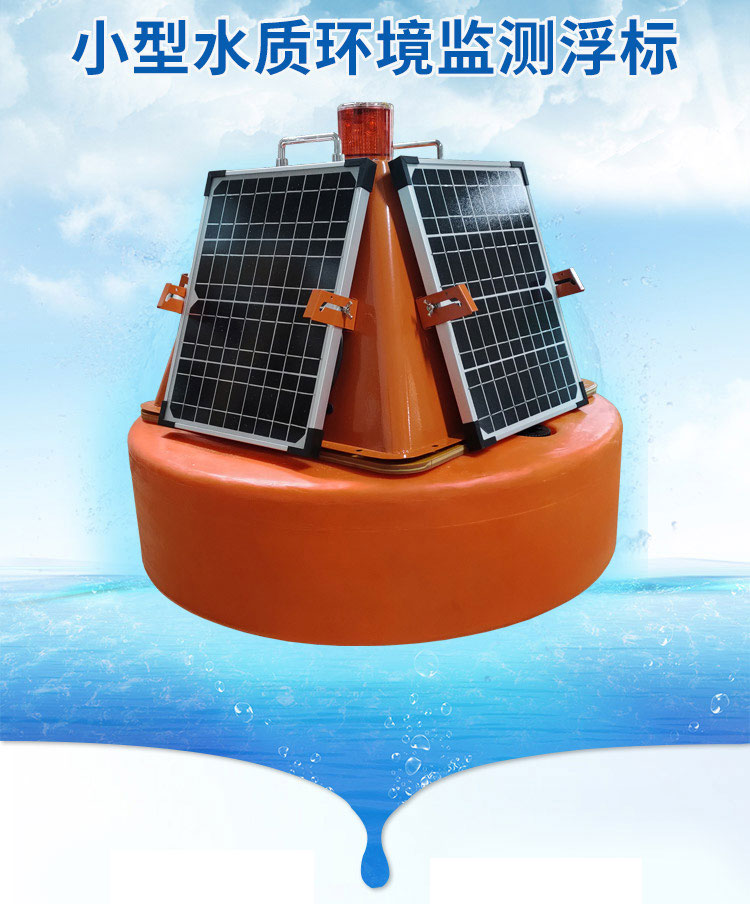
The buoy body is the core load-bearing part of the system. NiuBoL uses ultra-high molecular weight polyethylene (UHMWPE) material to make the buoy body. Compared with traditional metal buoys, this material has the following physical characteristics:
Strong corrosion resistance and anti-biological attachment: Long-term immersion in fresh water or seawater does not produce oxidation and rust, and the surface is not easy to grow shellfish and other organisms, maintaining stable buoyancy.
Anti-collision and self-recovery: The material has excellent toughness and can absorb energy and return to its original shape when impacted by ships or squeezed by ice.
Non-magnetic and lightning protection: The insulating material reduces the risk of the system being damaged by lightning-induced surges and does not interfere with the precise operation of electronic sensors.
The system supports the integration of various electrochemical and optical sensors, and can monitor water chemical indicators (pH, dissolved oxygen, conductivity, turbidity, ammonia nitrogen, COD/BOD, etc.) and physical indicators (water temperature, water level, flow velocity, flow direction) according to project requirements.
Since the buoy is deployed in the center of the water area, data transmission must rely on wireless networks. The system integrates GPRS/4G/5G communication modules:
Remote configuration: With only one M2M data card, the management center can remotely adjust sampling frequency and alarm thresholds.
B/S architecture platform: Users can access historical curves and real-time data in real time through browsers or mobile terminals, realizing closed-loop management of "end to cloud".
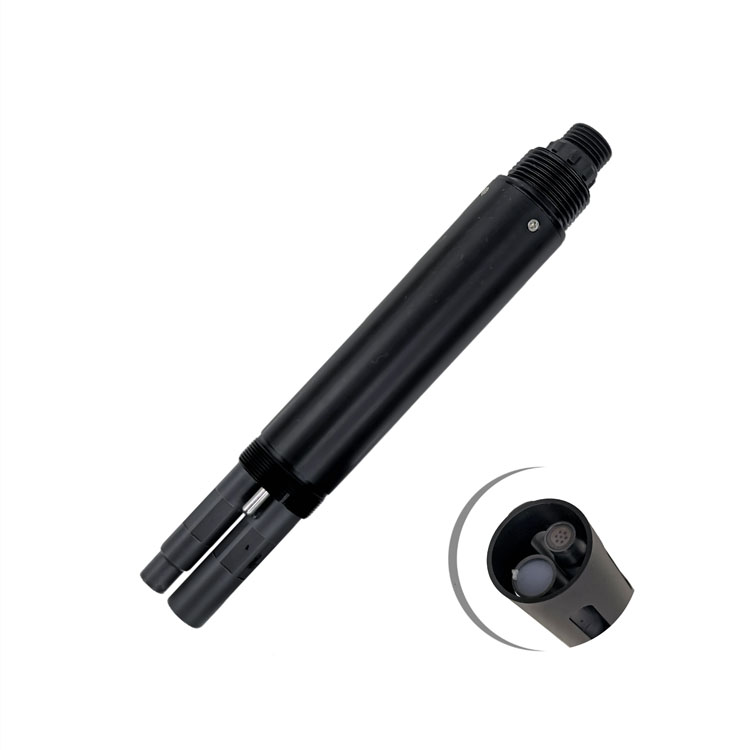
To ensure data consistency and scientificity, NiuBoL strictly implements industrial-grade standards. The following are the technical indicators of the system and core sensors:
| Monitoring Category | Sensor Item | Measurement Range | Resolution |
|---|---|---|---|
| Water Chemical Indicators | Dissolved Oxygen (DO) | 0 - 20.00 mg/L | 0.01 mg/L |
| pH Value | 0 - 14.00 pH | 0.01 pH | |
| Turbidity | 0 - 1000 NTU | 0.1 NTU | |
| Conductivity (EC) | 0 - 20 mS/cm | 1 μS/cm | |
| Ammonia Nitrogen (NH3-N) | 0.1 - 1000 mg/L | 0.1 mg/L | |
| Physical/Meteorological | Water Temperature | -5 - 60°C | 0.1°C |
| Solar Radiation | 0 - 2000 W/m² | 1 W/m² | |
| Wind Direction / Wind Speed | 0-360° / 0-60m/s | 1° / 0.1m/s | |
| System Specifications | Power Supply Method | Solar + Large Capacity Battery | Automatic charge and discharge management |
| Communication Protocol | Modbus-RTU / MQTT | Supports breakpoint retransmission |
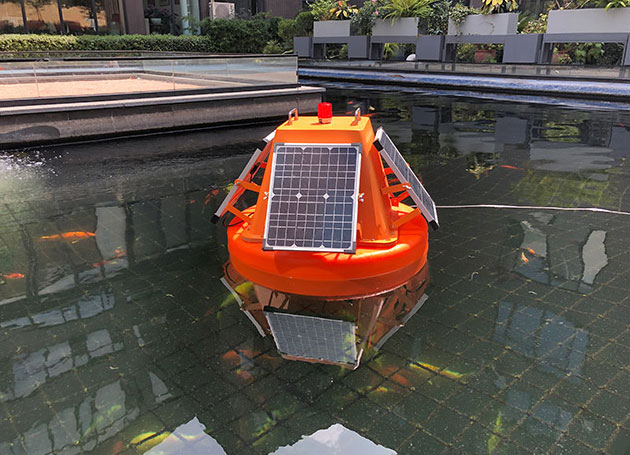
Deploying buoy stations at key water intakes of reservoirs can monitor water quality dynamics 24 hours a day. Once the risk of blue-green algae outbreak (through correlation analysis of chlorophyll a and turbidity) or sudden chemical pollution occurs, the system will immediately trigger SMS alarms, buying valuable emergency response time for management departments.
Compared with manual sampling, buoy stations provide continuous time series data, effectively compensating for deviations caused by insufficient sampling frequency. Its in-situ monitoring characteristics avoid secondary pollution of water samples during transportation, making assessment data more convincing.
Utilizing the salt spray resistance of ultra-high molecular weight polyethylene buoy bodies, NiuBoL buoys can be deployed in coastal waterways or aquaculture areas to monitor seawater salinity, dissolved oxygen and oil pollution. Its automatic light sensing function can control navigation lights, ensuring monitoring while taking into account navigation safety.
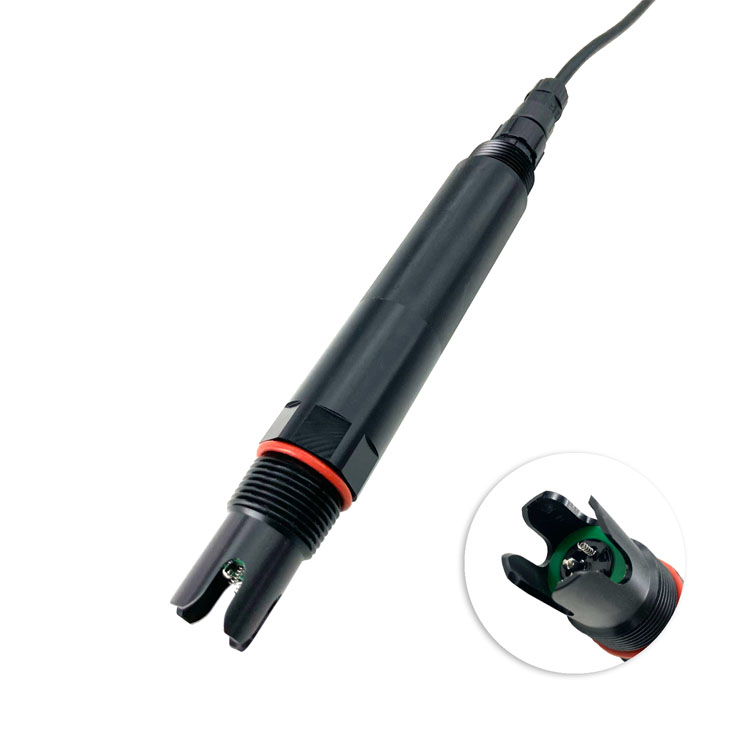
| Characteristic | Buoy Water Quality Monitoring Station (NiuBoL) | Traditional Fixed Station House |
|---|---|---|
| Construction Period | Deployment and debugging can be completed in 1-2 days | Requires 3-6 months, involving civil engineering |
| Land Requirement | Zero land occupation, no land acquisition approval required | Requires permanent land occupation, complicated procedures |
| Cost Investment | Extremely low initial investment, high cost performance | High construction cost and maintenance cost |
| Representativeness | In-situ monitoring, covering the core area of the water body | Shore sampling, greatly affected by shore interference |
| Flexibility | Can move the point at any time according to water quality changes | Fixed location, cannot be moved |
| Dimension | NiuBoL Buoy Monitoring Station | Micro/Small Shore-based Station |
|---|---|---|
| Installation Site Selection | Any water center, strong representativeness | Must be close to the shore, greatly affected by shore pollution discharge |
| Water Intake Method | In-situ measurement, no pump and no pipeline | Requires pump house for water intake, pipelines are prone to blockage and freezing |
| Land Acquisition Compensation | No land acquisition required | Need to coordinate land use rights, involving civil engineering approval |
| Deployment Speed | Quick deployment, operational in 1 hour | Requires power laying, fence construction, long cycle |
| Maintenance Focus | Regularly clean sensors and check anchor chains | Need to maintain water pumps, pipeline flushing, and station house temperature control |
Q1. How stable is the buoy under extreme weather (such as typhoons or big waves)?
A: The NiuBoL buoy adopts a low center of gravity balance design, combined with the high buoyancy-to-gravity ratio of ultra-high molecular weight materials, ensuring it does not overturn under complex dynamic conditions. In addition, the mooring system can be customized and reinforced according to water depth and flow velocity.
Q2. Are sensors easily interfered by scale or biological attachment underwater?
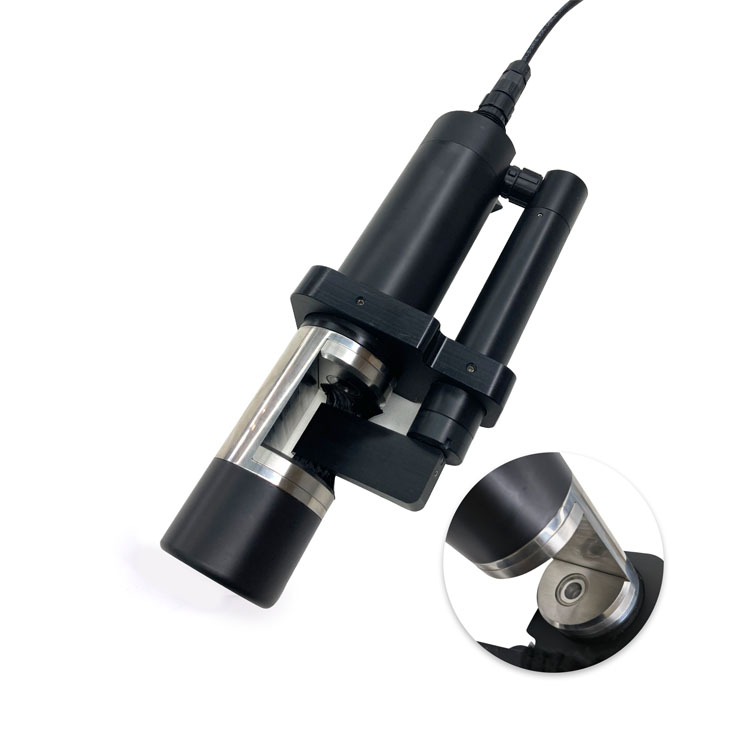
A: Our core sensors are equipped with automatic cleaning wiper functions that can regularly clean biological attachments and dirt on the probe surface, ensuring long-term accurate data without human intervention.
Q3. How does the system achieve remote data transmission?
A: The collector supports the standard Modbus-RTU protocol and connects to the cloud platform through the built-in 4G/5G module. Users can use B/S architecture management software to view data on any networked terminal.
Q4. Can the solar power supply system cope with long-term rainy weather?
A: The system adopts a low-power management strategy. In a fully charged state, even with 7-15 consecutive days without sunlight, the system can still maintain high-frequency data collection and transmission.
Q5. What is the approximate service life of the buoy body?
A: The ultra-high molecular weight polyethylene buoy body has extremely strong UV aging resistance. Under normal water temperature conditions, the physical life can usually reach more than 10 years.
Q6. What will the system do when monitoring parameters exceed the limit?
A: Users can preset multi-level alarm thresholds. Once data exceeds the limit, the collector will immediately send an alarm SMS to the designated person in charge via GPRS/5G link, and highlight the prompt synchronously on the cloud platform.
Q7. What are the requirements for the installation environment of the system?
A: As long as there is operator network coverage and a certain water depth (generally >1 meter), it can be deployed. For areas with extremely fast flow velocity, additional anchor chain counterweights are required.
Q8. Does it support third-party system integration?
A: Yes. We provide complete HTTP/MQTT interfaces or transparent transmission modes to facilitate environmental protection bureaus or large enterprises to directly push data to their own monitoring large screens or management platforms.
The rapid popularization of automatic water quality monitoring technology marks that water environment governance has entered the era of "refined monitoring". The NiuBoL buoy water quality monitoring station successfully solves the contradiction between cost and efficiency in traditional monitoring methods with its excellent weather resistance, representativeness of in-situ monitoring and flexible integration solutions. Whether it is for strategic protection of reservoir water sources or real-time monitoring of watershed ecology, NiuBoL can provide a set of cost-effective, industrial-grade "sentinel" system to provide solid data support for the scientific management of water resources.
 NBL-RDO-206 Online Fluorescence Dissolved Oxygen Sensor.pdf
NBL-COD-208 Online COD Water Quality Sensor.pdf
NBL-CL-206 Water Quality Sensor Online Residual Chlorine Sensor.pdf
Related recommendations
Sensors & Weather Stations Catalog
Agriculture Sensors and Weather Stations Catalog-NiuBoL.pdf
Weather Stations Catalog-NiuBoL.pdf
Agriculture Sensors Catalog-NiuBoL.pdf
Water Quality Sensor Catalog-NiuBoL.pdf
Related products
 Combined air temperature and relative humidity sensor
 TDR Soil Moisture & Temperature Sensor for irrigation| RS485 |4-20mA| NBL-S-THR
 Soil pH sensor RS485 soil Testing instrument soil ph meter for agriculture |NBL-S-PH
 Wind Speed sensor Output Modbus/RS485/Analog/0-5V/4-20mA
 Tipping bucket rain gauge for weather monitoring auto rainfall sensor RS485/Outdoor/stainless steel
 Pyranometer Solar Radiation Sensor 4-20mA/RS485

Screenshot, WhatsApp to identify the QR code
WhatsApp number:+8615367865107
(Click on WhatsApp to copy and add friends)

