





— Blogs —
—Products—
 Consumer hotline +8618073152920
 WhatsApp:+8615367865107
Address:Room 102, District D, Houhu Industrial Park, Yuelu District, Changsha City, Hunan Province, China
Product knowledge
Time:2026-04-03 15:12:43 Popularity:555
Agricultural weather stations provide precise meteorological monitoring services for grain production and are an important technical means to ensure grain production safety and improve meteorological services for agriculture. For system integrators, IoT solution providers, project contractors, and engineering companies, selecting high-reliability automatic weather stations that comply with international standards is the key to building agricultural environmental monitoring systems, supporting precision agriculture decision-making, and reducing meteorological disaster risks. This article systematically explains the engineering applications of agricultural weather stations in grain production, disaster prevention and mitigation, and off-season fruit and vegetable planting, with a focus on the technical characteristics and integration value of NiuBoL multi-element automatic observation stations, providing professional procurement and solution references for agricultural monitoring projects.
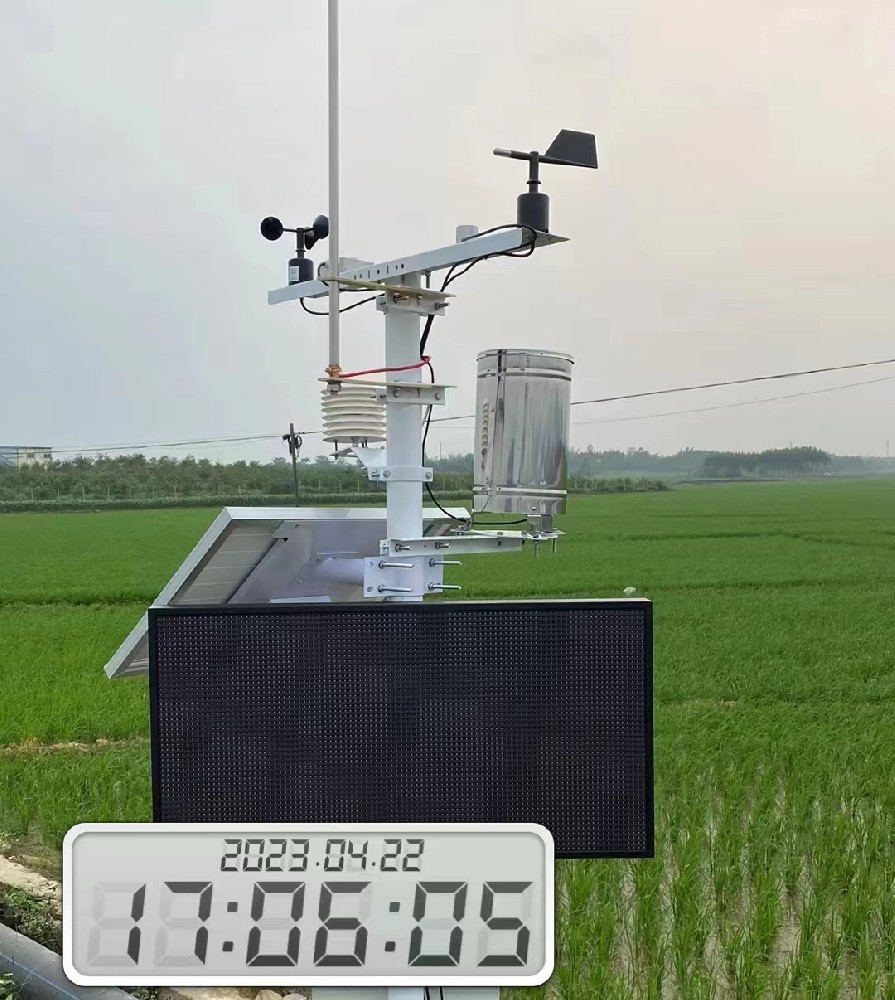
The grain production process is significantly affected by meteorological conditions. Suitable temperature, humidity, precipitation, and light conditions can promote crop growth and development, while meteorological disasters such as drought, flooding, and low-temperature frost damage can directly lead to yield reduction or even total crop failure. Agricultural weather stations provide scientific decision-making basis for production bases and planting areas by collecting multi-element meteorological data in real time, helping agricultural workers master meteorological change patterns and reasonably arrange farming activities such as sowing, irrigation, fertilization, and harvesting.
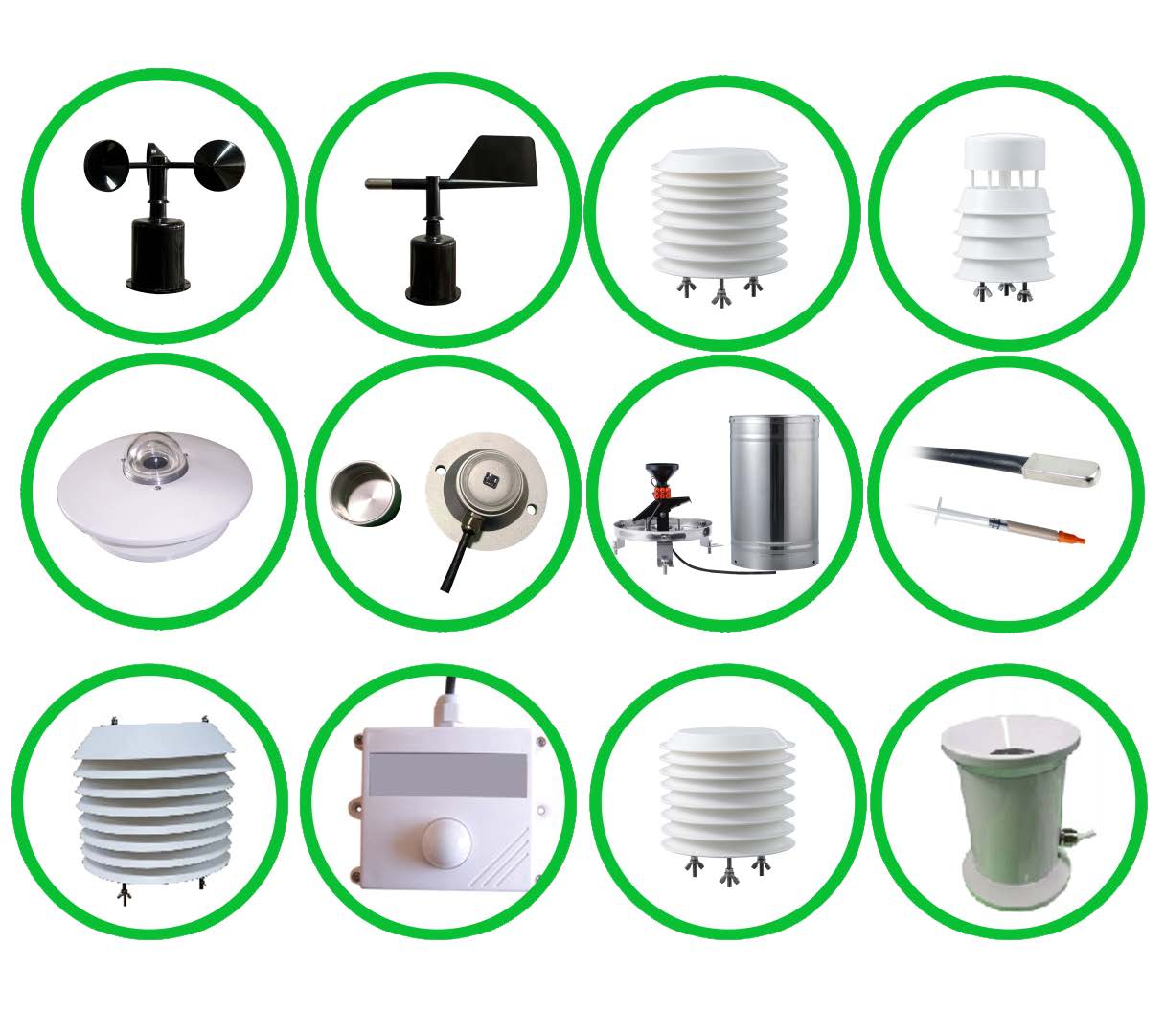
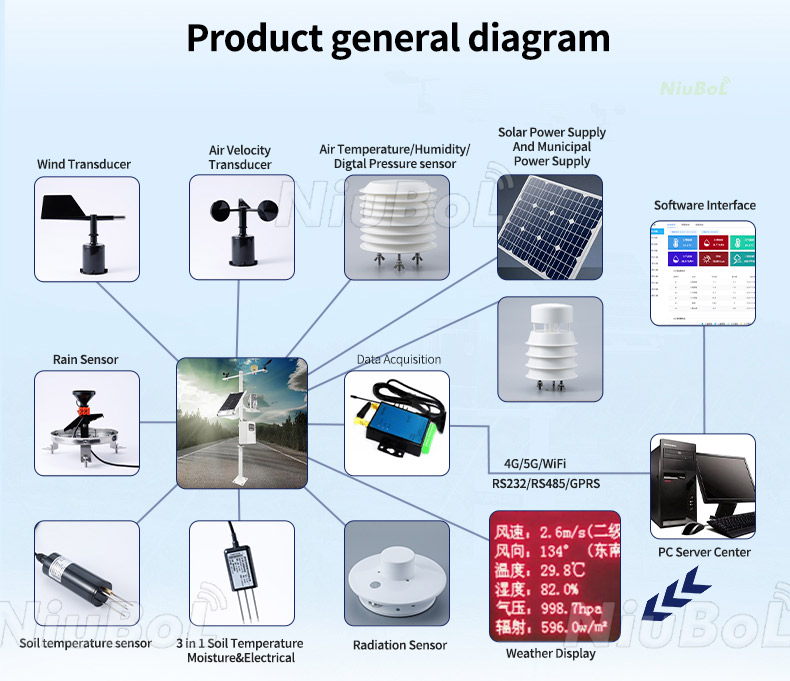
The NiuBoL agricultural weather station is developed in accordance with the international meteorological WMO organization observation standards and can monitor conventional meteorological elements such as wind direction, wind speed, air temperature, air humidity, air pressure, rainfall, and soil temperature and humidity. The system consists of meteorological sensors, a meteorological data recorder, and meteorological environment monitoring software. It supports automatic recording, over-limit alarms, and data communication functions, and is widely used in industrial and agricultural production, scientific research, and urban environmental monitoring fields.
By deploying agricultural weather stations, production bases can achieve continuous collection and analysis of meteorological data, improve the scientific nature and predictability of agricultural production management, enhance disaster prevention and mitigation capabilities, and provide reliable guarantees for stable and high-quality grain production.
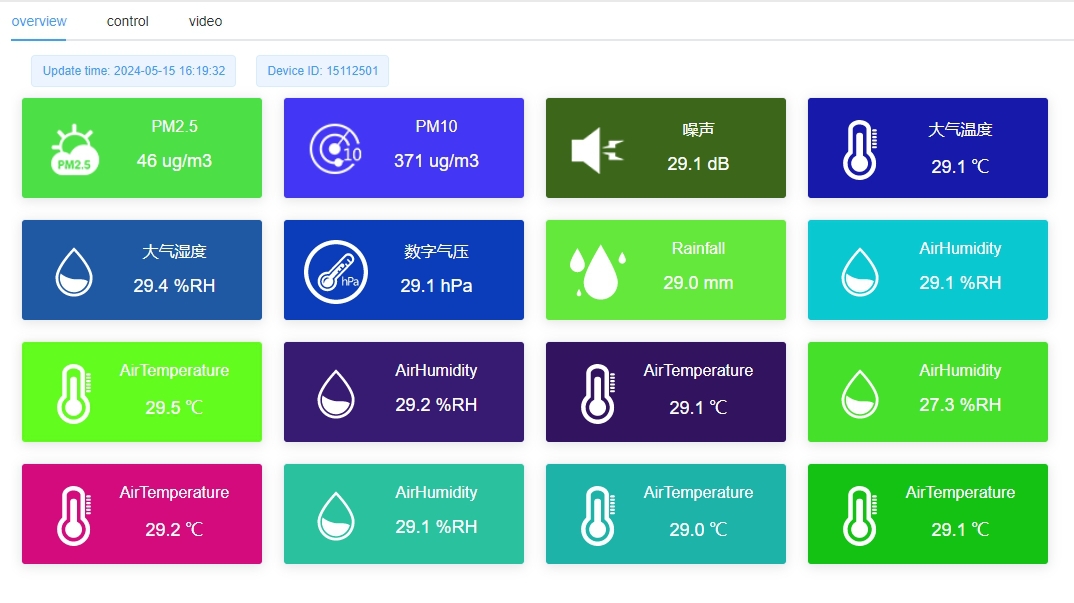
The NiuBoL automatic weather station adopts a modular design and supports unattended all-weather operation. The sensor layer covers parameters such as air temperature and humidity, wind direction and speed, air pressure, rainfall, and soil temperature and humidity. The data recorder has functions such as real-time clock, timed storage, and parameter power-down protection. Communication interfaces support GPRS/4G/5G wireless transmission or wired connection and are compatible with protocols such as Modbus, facilitating access to agricultural IoT platforms.
The system’s solar power supply solution combined with low-power design adapts to complex field environments. The software platform provides data visualization, historical trend analysis, and alarm push functions, making it convenient for engineering companies to quickly integrate into regional agricultural management platforms.
Real-time monitoring of rainfall is one of the important functions of agricultural weather stations. Precipitation is the main source of soil moisture and directly affects crop root absorption and nutrient transport. The NiuBoL agricultural weather station can continuously record rainfall and precipitation hours, analyze precipitation intensity and processes, and provide data support for irrigation plan formulation and drought/flood disaster early warning. The tipping bucket rainfall sensor design ensures accurate and reliable measurement and realizes unattended automatic recording of the full-day rainfall process.
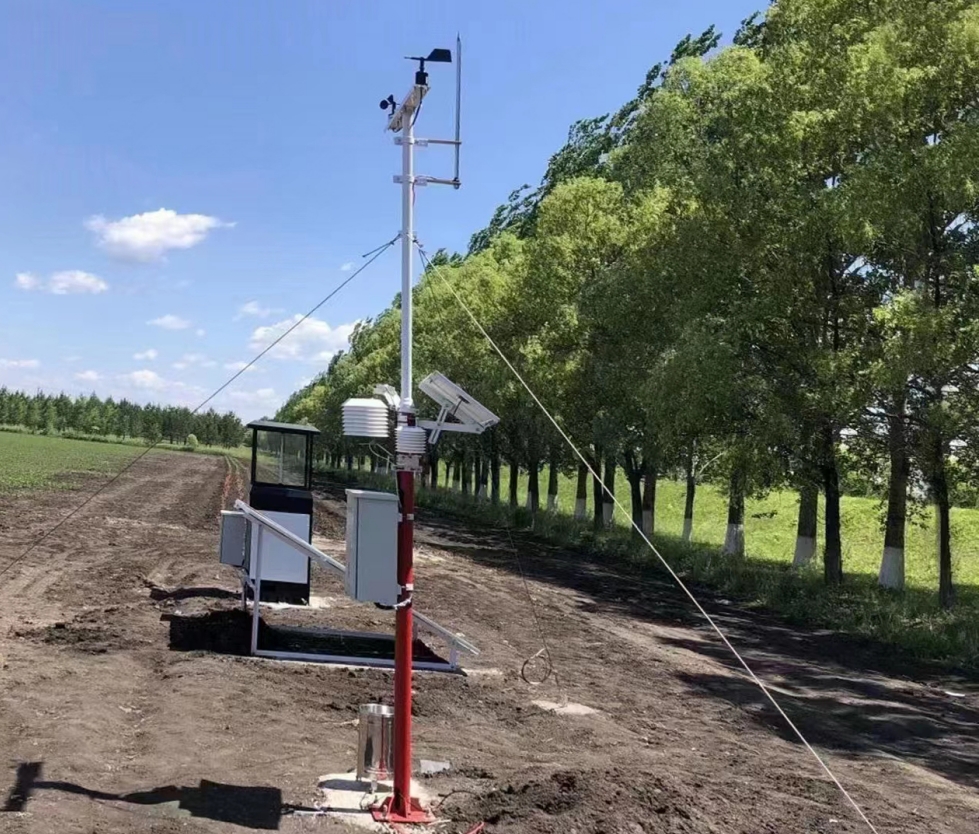
Modern agriculture faces uncertainties brought by climate change, with frequent extreme weather events. Automatic weather stations help agricultural producers take preventive measures in advance through real-time and accurate meteorological data collection, improve drought resistance, flood resistance, and frost protection capabilities, and reduce economic losses caused by meteorological disasters.
The system can monitor multiple elements such as air temperature and humidity, wind direction and speed, rainfall, and soil temperature and humidity. Users can independently expand sensor configurations according to specific crop needs. Data is pushed to the management platform via wireless transmission and supports remote viewing on mobile phones or computers, providing a basis for formulating scientific planting plans and optimizing resource allocation.
In the context of global climate warming, the NiuBoL automatic weather station assists in agricultural informatization construction and accelerates the transformation of traditional agriculture to precision agriculture. Through monitoring, forecasting, and early warning services for disastrous weather, it improves the level of agricultural disaster prevention and mitigation and provides technical support for increasing efficiency and income in modern agriculture.
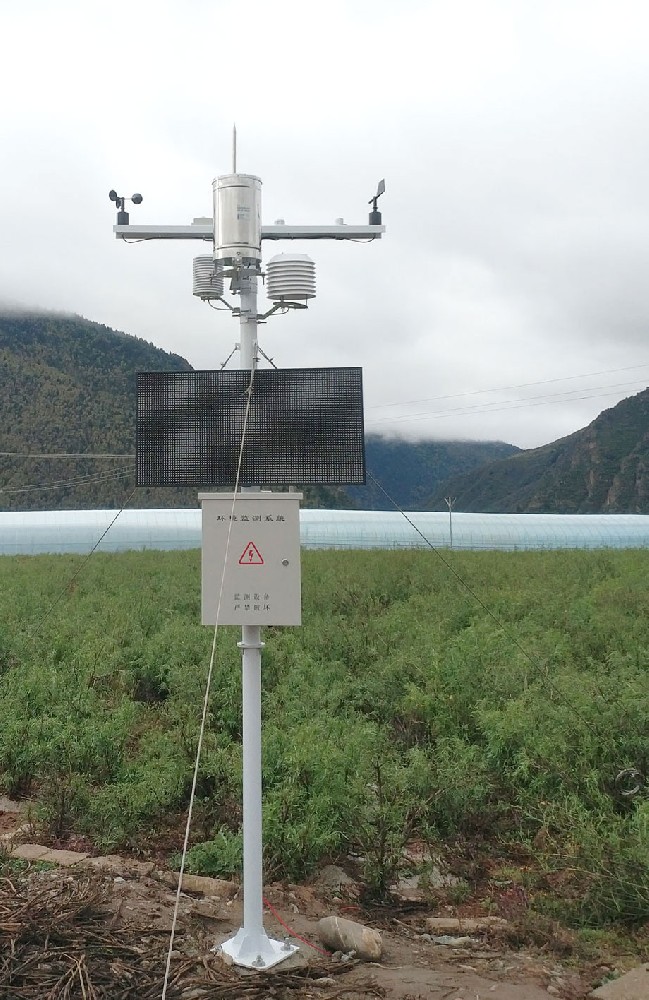
Off-season fruit and vegetable planting has high requirements for climatic conditions and requires precise regulation of temperature, humidity, light, and water environments. Small or fixed automatic weather stations can monitor parameters such as air temperature and humidity, soil temperature and humidity, wind speed and direction, and rainfall all-weather, providing real-time environmental data for planting personnel and ensuring normal growth of vegetables in non-natural seasons.
The NiuBoL weather station supports flexible sensor expansion and can add light intensity, total radiation, or carbon dioxide concentration monitoring modules according to the specific needs of off-season vegetables. The system has a high degree of automation, reducing manual inspection costs while improving meteorological monitoring, forecasting, and early warning capabilities. Through data analysis, growers can timely adjust insulation, ventilation, irrigation, or shading measures, optimize the growth environment, and ensure stable yield and quality of off-season vegetables.
Deploying the system in planting areas with warm climate and sufficient water sources can effectively cope with meteorological risks such as drought, achieve refined management, and promote efficient and stable development of off-season fruits and vegetables.
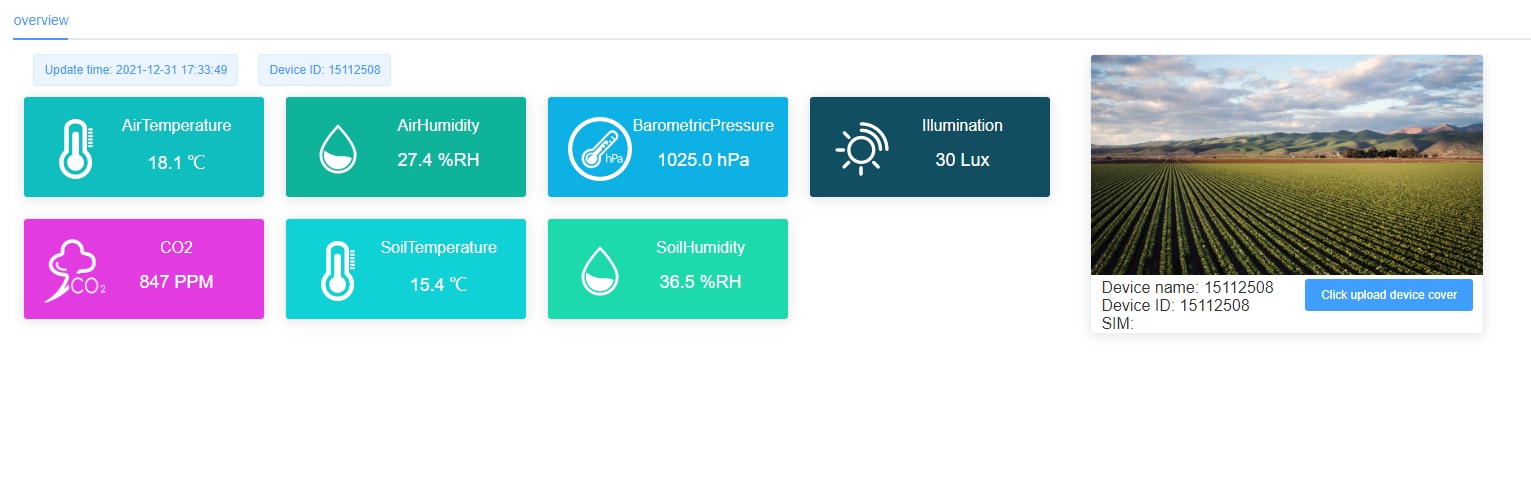
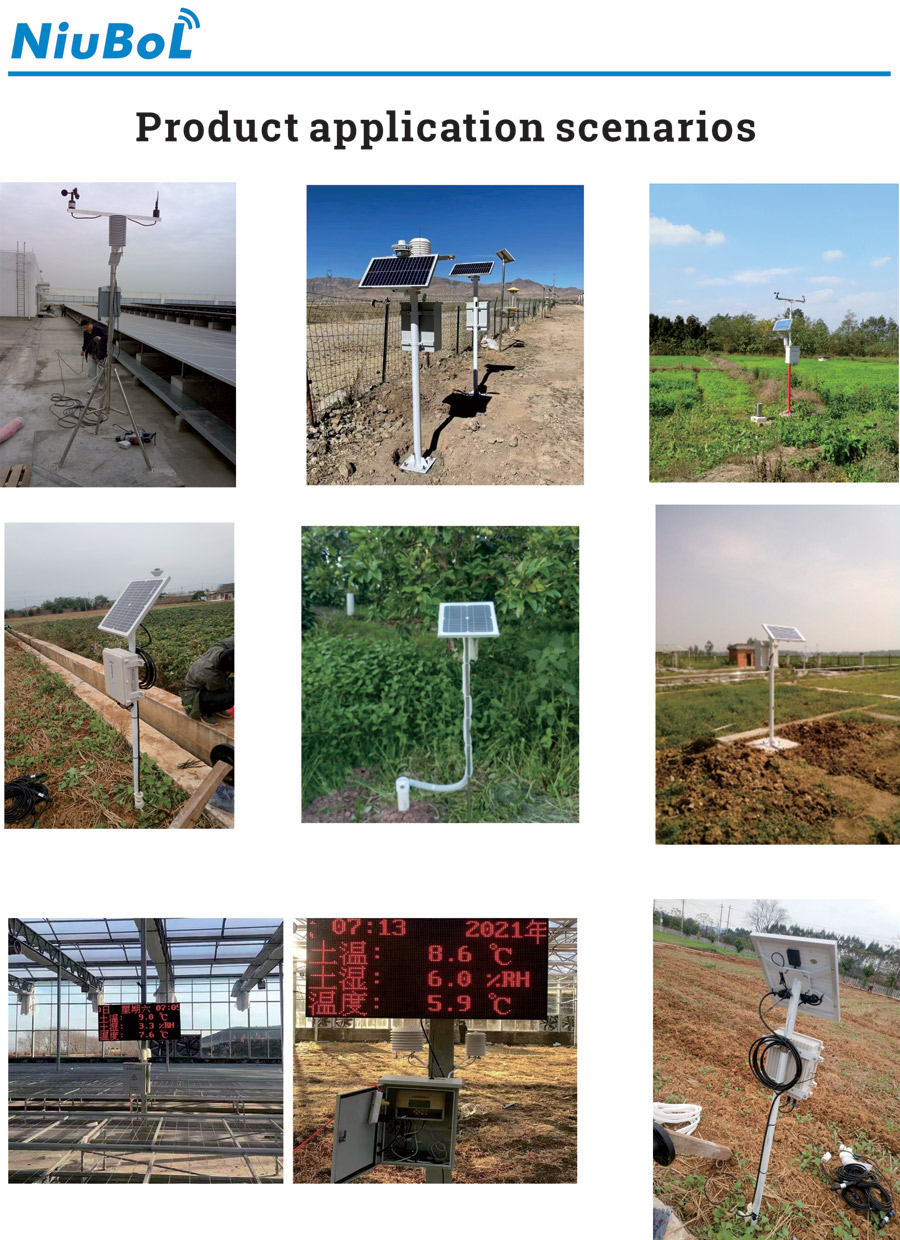
The NiuBoL agricultural weather station is widely applicable to the following typical scenarios:
Grain Crop Production Bases: Monitor meteorological conditions during key growth periods, guide sowing and harvesting timing, and support disaster prevention decisions.
Plantations, Orchards, and Tea Gardens: Real-time grasp of micro-meteorological environments, optimize farming activity arrangements, and improve product quality.
Off-Season Vegetable Facility Cultivation: Provide temperature and humidity and light data to support greenhouse environmental regulation.
Regional Agricultural IoT Projects: Unified collection and analysis of multi-site data to provide data support for government or enterprise-level platforms.
Agricultural Disaster Prevention and Mitigation Systems: Combined with over-limit alarm functions to provide early warning of drought, heavy rain, or low-temperature frost damage.
Engineering value is mainly reflected in:
Improved data continuity and accuracy enhance decision-making scientificity.
Unattended operation reduces operation and maintenance labor costs.
Modular design facilitates phased project implementation and later expansion.
Open communication interfaces support linkage control with existing agricultural machinery (such as sprinkler/drip irrigation and temperature control equipment).
Through soil moisture and rainfall monitoring, efficient utilization of water resources and drought/flood protection for harvest are achieved.
| Monitoring Element | Sensor Type | Typical Range | Accuracy Index | Main Application Scenarios |
|---|---|---|---|---|
| Air Temperature | Platinum resistance sensor | -40~80℃ | ±0.2℃ | Crop growth suitability judgment, frost damage early warning |
| Air Humidity | Capacitive humidity sensor | 0-100%RH | ±3%RH | Pest and disease risk assessment, ventilation decision-making |
| Wind Speed | Three-cup or ultrasonic | 0-70m/s | ±(0.3+0.03V)m/s | Wind disaster risk assessment, facility ventilation control |
| Wind Direction | Wind vane | 0-360° | ±3° | Wind field analysis, pesticide spraying timing |
| Rainfall | Tipping bucket rain gauge | 0-4mm/min | ±4% | Precipitation intensity analysis, irrigation plan formulation |
| Soil Temperature | Soil temperature probe | -40~80℃ | ±0.5℃ | Root activity monitoring, sowing timing guidance |
| Soil Humidity | FDR soil moisture sensor | 0-100% | ±3% | Soil moisture monitoring, precision irrigation |
| Air Pressure | Silicon piezoresistive | 500-1100hPa | ±0.3hPa | Weather trend auxiliary judgment |
Note: Specific parameters are subject to the latest NiuBoL product specification sheet. Customized expansion is supported according to project requirements.
Q1. What is the main role of agricultural weather stations in grain production?
By providing real-time monitoring of multi-element meteorological data, they offer scientific basis for sowing, irrigation, and disaster prevention decisions, reducing the impact of meteorological disasters on yield.
Q2. What key agricultural meteorological parameters can NiuBoL weather stations monitor?
They can monitor wind direction, wind speed, temperature, humidity, air pressure, rainfall, and soil temperature and humidity, and support expansion of other sensors according to needs.
Q3. How do agricultural weather stations help monitor rainfall in real time?
The system uses tipping bucket rainfall sensors to continuously record rainfall and precipitation hours, analyze precipitation intensity and processes, and provide data support for irrigation and waterlogging prevention.
Q4. What is the application value of automatic weather stations in off-season fruit and vegetable planting?
They can monitor parameters such as air and soil temperature and humidity all-weather, helping regulate facility environments and ensuring normal growth of vegetables in non-natural seasons.
Q5. Does the system support unattended operation?
Yes. It adopts solar power supply and low-power design, combined with automatic recording and remote communication functions, making it suitable for long-term field deployment.
Q6. What data communication methods does the NiuBoL weather station support?
It supports GPRS/4G/5G wireless transmission and wired interfaces, compatible with Modbus protocol, facilitating access to IoT management platforms.
Q7. How to improve agricultural disaster prevention and mitigation capabilities through weather stations?
The system’s over-limit alarm function can issue warnings before extreme weather arrives, guiding the adoption of preventive measures in advance to reduce disaster losses.
Q8. How to choose the appropriate weather station configuration during project integration?
According to crop type, monitoring element requirements, and site environment, select basic multi-element or expanded solutions, giving priority to equipment that complies with WMO standards.
Agricultural weather stations are indispensable technical support for modern grain production and off-season fruit and vegetable planting. Through precise meteorological data collection and analysis, they can significantly improve the scientific nature, stability, and risk resistance of agricultural production. The NiuBoL multi-element automatic observation station is based on WMO observation standards and provides an integrated solution of sensors, data recorders, and software, offering reliable hardware foundation and flexible integration interfaces for system integrators, IoT suppliers, and engineering companies to build agricultural environmental monitoring systems.
In actual projects, the scientific deployment of NiuBoL weather stations can effectively support meteorological services for agriculture and assist in agricultural disaster prevention, mitigation, and high-quality development. If you need specific technical solutions, parameter configurations, or integration guidance for grain bases, fruit and vegetable plantations, or regional agricultural projects, please contact the NiuBoL professional team to jointly promote the stable implementation of agricultural meteorological monitoring projects.
Related recommendations
Sensors & Weather Stations Catalog
 Agriculture Sensors and Weather Stations Catalog-NiuBoL.pdf
Weather Stations Catalog-NiuBoL.pdf
Agriculture Sensors Catalog-NiuBoL.pdf
Water Quality Sensor Catalog-NiuBoL.pdf
Related products
 Combined air temperature and relative humidity sensor
 TDR Soil Moisture & Temperature Sensor for irrigation| RS485 |4-20mA| NBL-S-THR
 Soil pH sensor RS485 soil Testing instrument soil ph meter for agriculture |NBL-S-PH
 Wind Speed sensor Output Modbus/RS485/Analog/0-5V/4-20mA
 Tipping bucket rain gauge for weather monitoring auto rainfall sensor RS485/Outdoor/stainless steel
 Pyranometer Solar Radiation Sensor 4-20mA/RS485

Screenshot, WhatsApp to identify the QR code
WhatsApp number:+8615367865107
(Click on WhatsApp to copy and add friends)

