





— Blogs —
—Products—
 Consumer hotline +8618073152920
 WhatsApp:+8615367865107
Address:Room 102, District D, Houhu Industrial Park, Yuelu District, Changsha City, Hunan Province, China
Product knowledge
Time:2026-08-19 09:04:00 Popularity:170
A measurement point for Digital Indoor Temperature and Humidity Monitor should represent the monitored area, withstand local exposure and deliver correctly scaled data to the project platform. The engineering test for Digital Indoor Temperature and Humidity Monitor is its ability to withstand the installation environment, exchange data with the controller and maintain readings that remain credible after handover.
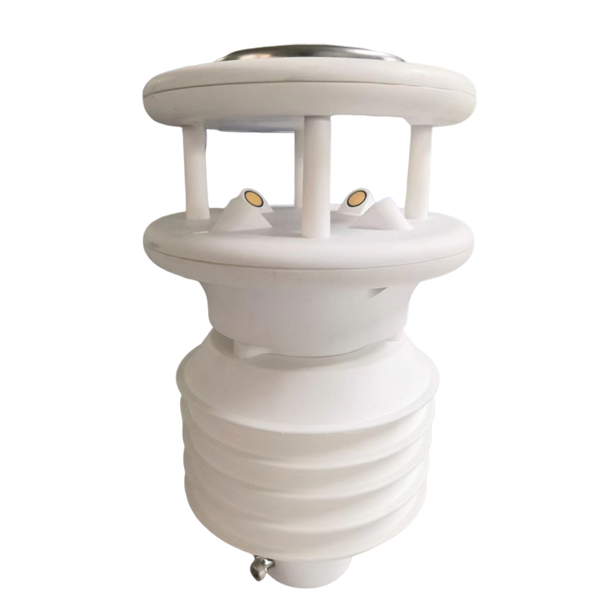
The term digital indoor temperature and humidity monitor often hides several different needs: spot checking, continuous monitoring, automation control, remote data upload or quotation comparison.
For digital indoor temperature and humidity monitor, the buyer should write the use case in one sentence before comparing suppliers. For Digital Indoor Temperature and Humidity Monitor, the use case should identify whether the measurement supports process control, an alarm, an operating schedule, a reference record or an environmental warning. Defining that duty for Digital Indoor Temperature and Humidity Monitor determines the range, interface, accessories and evidence required at handover.
For Digital Indoor Temperature and Humidity Monitor, the field device supplies the measurement layer. The logger, PLC, RTU or gateway should map Digital Indoor Temperature and Humidity Monitor readings to the required alarms, records or control logic with documented units and timestamps.
For digital indoor temperature and humidity monitor, communication should be matched to station architecture: Modbus for loggers and gateways, pulse for rain or wind in legacy systems, and analog only where the controller input is already fixed.
For Digital Indoor Temperature and Humidity Monitor, outdoor wiring should include grounding, waterproof junctions and cable strain relief in the quotation. For Digital Indoor Temperature and Humidity Monitor, these installation details directly affect data continuity during rain, wind, condensation and electrical disturbances.
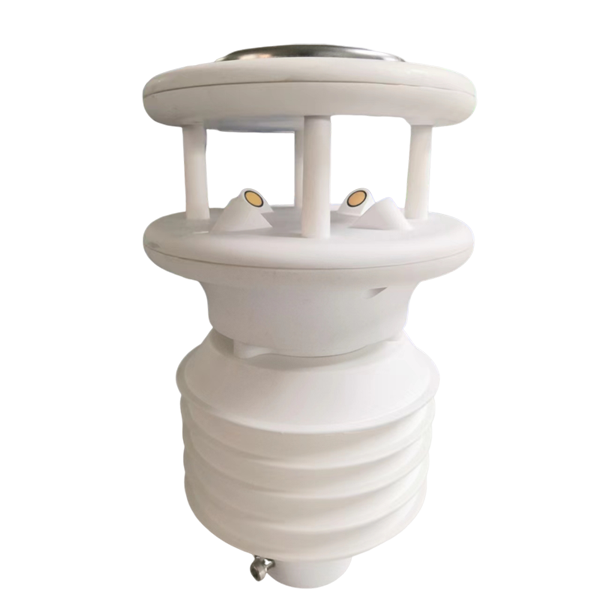
| Parameter | Typical project value | Procurement meaning |
|---|---|---|
| Measured parameters for digital indoor temperature humidity monitor | Wind, temperature, humidity, pressure, rain, solar radiation, CO2 or PM by model | Select only parameters that affect the project decision and maintenance scope |
| Power supply for digital indoor temperature humidity monitor | DC 12-24 V or solar station package | Matches outdoor cabinets, gateways and remote stations |
| Output for digital indoor temperature humidity monitor | RS485 Modbus RTU, analog or pulse by sensor type | Defines PLC, RTU and data logger compatibility |
| Protection for digital indoor temperature humidity monitor | Outdoor enclosure, shield or IP-rated sensor body | Controls stability in rain, dust and sunlight |
| Working temperature for digital indoor temperature humidity monitor | Commonly -40 to +80 deg C depending on model | Must match regional climate and cabinet design |
| Cable for digital indoor temperature humidity monitor | Shielded cable, customized length | Affects signal stability and installation cost |
Field challenge: An outdoor Digital Indoor Temperature and Humidity Monitor installation must account for precipitation, dust, lightning exposure, mast effects and the voltage drop or interference associated with long cable routes.
Integration plan: Integrate Digital Indoor Temperature and Humidity Monitor through the specified RS485 or logger channel, document mast position and sensor height, and coordinate surge protection with the site grounding design. Selection of Digital Indoor Temperature and Humidity Monitor should begin with the measurement duty, site condition and receiving-system interface.
Integration plan for Digital Indoor Temperature and Humidity Monitor: Connect sensors to PLC, RTU or SCADA through Modbus or analog interfaces.
User value: With Digital Indoor Temperature and Humidity Monitor integrated into the control or monitoring platform, operators can use defined thresholds and trends instead of relying only on manual observations.
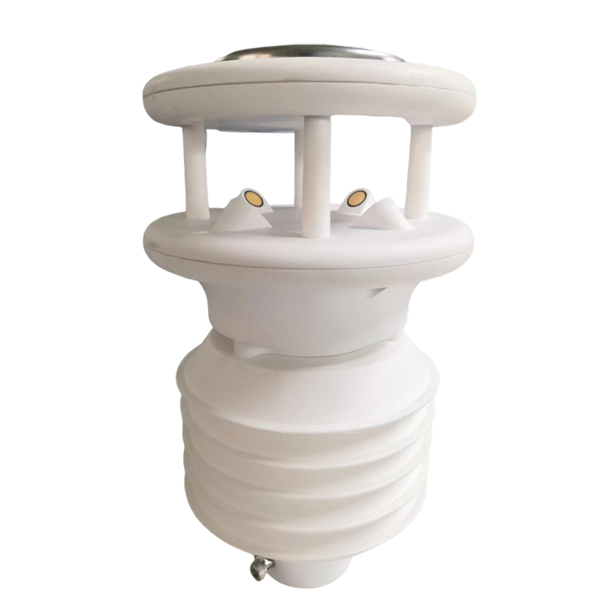
Field challenge: At remote Digital Indoor Temperature and Humidity Monitor sites, limited power availability and intermittent data links must be addressed in the station architecture.
Integration plan: For remote Digital Indoor Temperature and Humidity Monitor stations, size the solar supply from the measured load and autonomy requirement, retain local logging and verify communication coverage at the installed antenna height.
User value: A correctly sized Digital Indoor Temperature and Humidity Monitor station can operate unattended while planned inspections remain based on battery status, sensor condition and communication records.
For digital indoor temperature and humidity monitor, sensor shelter and radiation errors should be written into the purchase file. For Digital Indoor Temperature and Humidity Monitor, the quotation should itemize the sensing assembly, signal interface, cable, mounting hardware and commissioning services required by the stated site conditions.
A supplier comparison for digital indoor temperature and humidity monitor should separate the sensor, accessories, controller interface, mounting hardware, documentation and after-sales support. Separating these scope items allows Digital Indoor Temperature and Humidity Monitor offers to be compared on equivalent hardware, integration and service responsibilities.
For digital indoor temperature and humidity monitor, maintenance during storm season should be written into the purchase file. The offer for Digital Indoor Temperature and Humidity Monitor should distinguish the field device from controller integration, installation accessories and site commissioning responsibilities.
If the project includes several monitoring points, create a small point list for digital indoor temperature and humidity monitor: ID, location, cable length, Modbus address, parameter unit and maintenance note. The Digital Indoor Temperature and Humidity Monitor point schedule becomes the common reference for address assignment, commissioning records, maintenance history and later system expansion.
For digital indoor temperature and humidity monitor, the specification should name the operating decision first. Where Digital Indoor Temperature and Humidity Monitor data initiates an alarm, the specification should identify the threshold, delay logic, responsible operator and required response rather than relying on a feature list. Where Digital Indoor Temperature and Humidity Monitor supports reporting rather than control, stable sampling intervals, timestamps, engineering units and export format become the principal data requirements.
Before requesting a quotation for digital indoor temperature and humidity monitor, provide the application site, expected measuring range, installation method, power supply, required output, cable length, quantity, destination country, accessories and whether local display or remote platform upload is required.
The practical acceptance test for digital indoor temperature and humidity monitor is not only powering on the device. Handover for Digital Indoor Temperature and Humidity Monitor should demonstrate a valid live reading, successful controller communication, the intended alarm path and one routine service procedure performed by site staff.
For long-term operation, digital indoor temperature and humidity monitor should be purchased with a spare-parts view. For Digital Indoor Temperature and Humidity Monitor, cable assemblies, mounting parts and service consumables should be reviewed as availability-critical items because a missing minor component can stop a monitoring point.
The engineering review considers digital indoor temperature and humidity monitor mainly from the angle of solar power and remote telemetry. For Digital Indoor Temperature and Humidity Monitor, that operating focus changes the required evidence for solar power and remote telemetry and should be visible in the supplier comparison.
For Digital Indoor Temperature and Humidity Monitor, the RFQ should make maintenance during storm season visible before supplier comparison. If this Digital Indoor Temperature and Humidity Monitor requirement is omitted, a low initial quotation can later be offset by additional hardware, rewiring or repeat commissioning work.
For the selected Digital Indoor Temperature and Humidity Monitor, display readability is secondary to sensor placement, update interval, output interface and record continuity. Specify whether the display is local only or whether values must enter a PLC, data logger or building platform. In storage rooms, laboratories and equipment spaces, define alarm delay, hysteresis and recovery logging so brief door-opening events do not create nuisance alarms while sustained excursions remain visible to operators.

A1: The required class of Digital Indoor Temperature and Humidity Monitor depends on whether the project needs continuous data, remote alarms or documented handover records. For Digital Indoor Temperature and Humidity Monitor, confirm the measured variable, installation height and exposure, power, output protocol, cable distance, local climate and destination logger, PLC or platform.
A2: Installation quality is part of measurement quality for Digital Indoor Temperature and Humidity Monitor, so exposure and service access must be checked together. A basic display unit is unsuitable for Digital Indoor Temperature and Humidity Monitor when the project requires documented interfaces, replaceable field components, outdoor maintenance access, stable power and traceable acceptance records.
A3: For Digital Indoor Temperature and Humidity Monitor, The quotation for Digital Indoor Temperature and Humidity Monitor should distinguish the field device, accessories, controller interface and site-service scope. Locate Digital Indoor Temperature and Humidity Monitor outside the influence of walls, exhaust outlets, roof turbulence and local heat sources so the measurement represents the intended area. For Digital Indoor Temperature and Humidity Monitor, sensor exposure and mounting height must represent the monitored area; wind, precipitation, radiation and temperature channels cannot all be positioned by convenience alone.
A4: For Digital Indoor Temperature and Humidity Monitor, Acceptance documents for Digital Indoor Temperature and Humidity Monitor should follow the delivered hardware and configured data path. The Digital Indoor Temperature and Humidity Monitor quotation is affected by the parameter set, mast and enclosure, power package, gateway, cable lengths, mounting hardware and required project documents.
A5: For Digital Indoor Temperature and Humidity Monitor, A complete Digital Indoor Temperature and Humidity Monitor package is appropriate when power, logging, communication and mounting responsibilities must remain coordinated. The Digital Indoor Temperature and Humidity Monitor handover file should contain the wiring definition, signal or register map, installation record, reference-check evidence, alarm settings and maintenance procedure applicable to the delivered configuration.
A6: The maintenance plan for Digital Indoor Temperature and Humidity Monitor should follow the exposure, fouling or drift observed at the site. Specify Digital Indoor Temperature and Humidity Monitor as a complete package when the project also requires a controller, enclosure, gateway, power system, mounting assembly or several coordinated measurements at one point.
A7: An actionable Digital Indoor Temperature and Humidity Monitor RFQ gives the supplier enough site and interface detail to price the complete configuration. Requesting the selected Digital Indoor Temperature and Humidity Monitor price before defining the site and integration scope produces quotations that are difficult to compare and often incomplete. The practical selection criteria for Digital Indoor Temperature and Humidity Monitor include the required measuring range, representative installation point and usable signal at the receiving controller.
A8: Selection of Digital Indoor Temperature and Humidity Monitor should begin with the measurement duty, site condition and receiving-system interface. An RFQ for Digital Indoor Temperature and Humidity Monitor should include the application, expected range, measured medium, mounting condition, output, cable length, quantity, destination and delivery schedule.
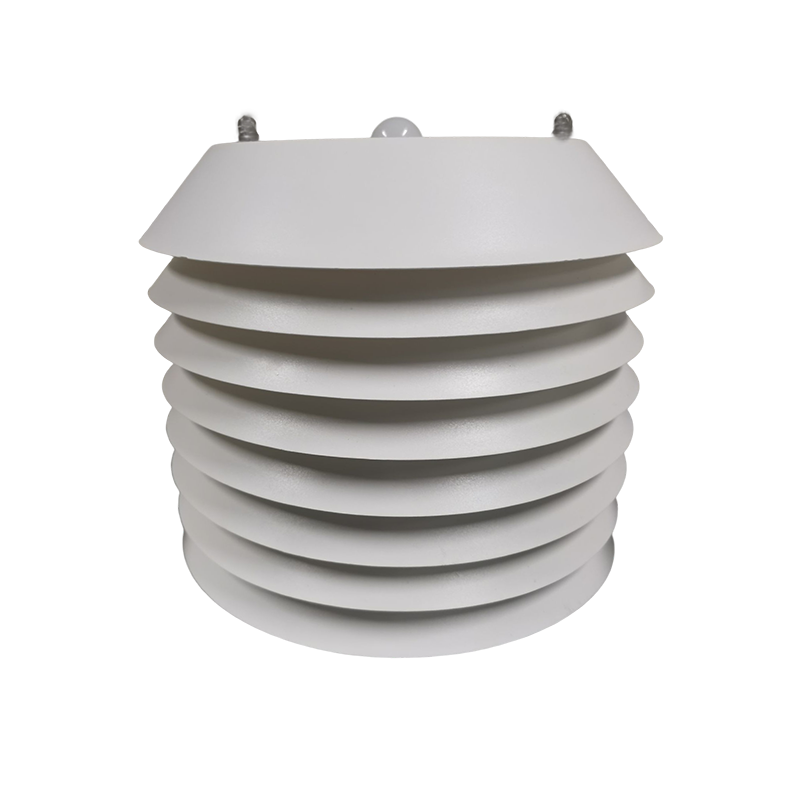
Digital indoor temperature humidity monitor should help buyers turn a initial request into a project-ready specification. A complete Digital Indoor Temperature and Humidity Monitor review covers measurement range, output protocol, mounting, power, data handling, service access and acceptance evidence. With the installation environment and interface defined, NiuBoL can configure Digital Indoor Temperature and Humidity Monitor as a field device or as part of the required monitoring package.
For digital indoor temperature and humidity monitor, solar power and remote telemetry should be written into the purchase file. A comparable Digital Indoor Temperature and Humidity Monitor proposal identifies the output configuration, cable length, mounting parts, service items and documentation included in supply.
Prev:Smart Irrigation System Using Arduino Uno: Soil Sensor Selection for Irrigation Projects
Next:Turbidity Sensor for Water Quality: Industrial Selection Guide for Online Monitoring Projects
Related recommendations
Sensors & Weather Stations Catalog
 Agriculture Sensors and Weather Stations Catalog-NiuBoL.pdf
Weather Stations Catalog-NiuBoL.pdf
Agriculture Sensors Catalog-NiuBoL.pdf
Water Quality Sensor Catalog-NiuBoL.pdf
Related products
 Combined air temperature and relative humidity sensor
 TDR Soil Moisture & Temperature Sensor for irrigation| RS485 |4-20mA| NBL-S-THR
 Soil pH sensor RS485 soil Testing instrument soil ph meter for agriculture |NBL-S-PH Wind Speed sensor Output Modbus/RS485/Analog/0-5V/4-20mA
 Tipping bucket rain gauge for weather monitoring auto rainfall sensor RS485/Outdoor/stainless steel
 Pyranometer Solar Radiation Sensor 4-20mA/RS485

Screenshot, WhatsApp to identify the QR code
WhatsApp number:+8615367865107
(Click on WhatsApp to copy and add friends)

