





— Blogs —
—Products—
 Consumer hotline +8618073152920
 WhatsApp:+8615367865107
Address:Room 102, District D, Houhu Industrial Park, Yuelu District, Changsha City, Hunan Province, China
Product knowledge
Time:2026-04-03 15:17:08 Popularity:584
Agricultural environmental monitoring is the foundational work for conducting agricultural environmental quality assessment and serves as important scientific basis for agricultural scientific research, management decision-making, planning formulation, legislation, and law enforcement. For system integrators, IoT solution providers, project contractors, and engineering companies, building scientifically reasonable monitoring schemes and selecting reliable multi-element automatic observation equipment is the key to improving project delivery quality, reducing later operation and maintenance costs, and ensuring stable agricultural production. This article systematically introduces the core elements of agricultural environmental monitoring schemes, with a focus on the engineering applications of NiuBoL weather stations and green agriculture observation stations in atmospheric, water, soil, and crop growth environment monitoring, providing professional references for selection and integration of agricultural environmental monitoring projects.
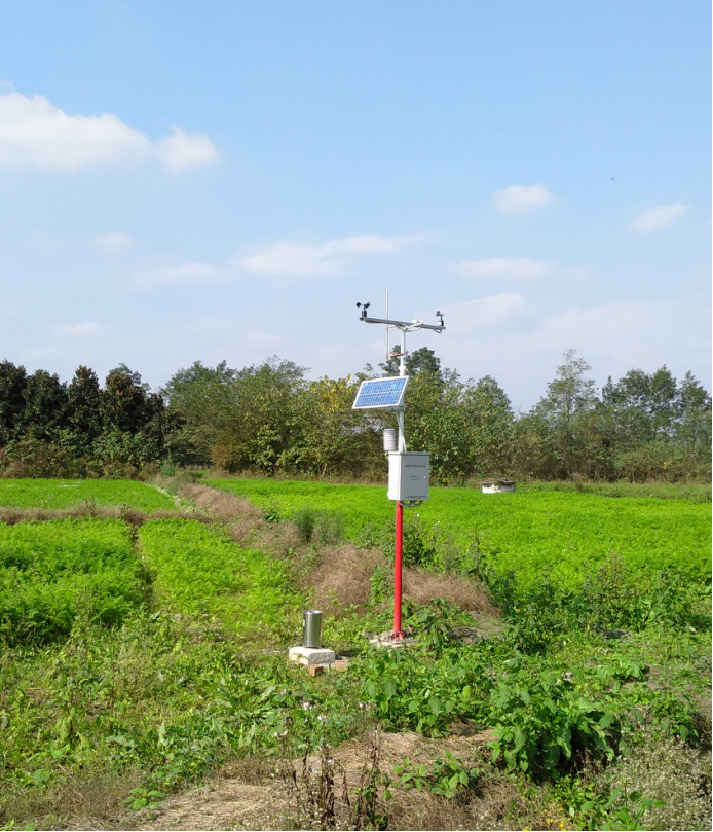
Meteorological environmental monitoring schemes are the premise for obtaining accurate environmental quality information. A complete monitoring scheme directly affects data reliability and decision-making support capability. Its main components include four key links: monitoring items, monitoring scope, monitoring period, and monitoring points.
Monitoring items need to be determined according to actual needs. Atmospheric environmental quality monitoring usually covers total suspended particulates (TSP), drifting dust (PM10), sulfur dioxide (SO₂), nitrogen oxides (NOₓ), carbon monoxide (CO), and photochemical oxidants. Water environmental monitoring focuses on indicators such as pH, dissolved oxygen (DO), chemical oxygen demand (COD), and ammonia nitrogen (NH₃-N). Soil environmental monitoring focuses on organic matter content, heavy metals (such as cadmium, lead, mercury), soil pH, and nutrient elements. Agricultural environmental monitoring also needs to combine crop growth requirements and add meteorological and micro-environmental parameters such as light intensity, total radiation, soil temperature and humidity, and air temperature and humidity.
The delineation of monitoring scope should combine pollution source types and diffusion characteristics. For construction projects dominated by elevated sources, the monitoring radius can be determined as 1~2 times the maximum ground concentration distance estimated by atmospheric diffusion models. Soil and water environmental monitoring scopes need to cover farmland, irrigation water sources, and surrounding potential pollution areas.
Monitoring period and sampling frequency directly affect data accuracy. Continuous monitoring is suitable for key growth seasons or disaster-prone periods, while periodic sampling is used for routine evaluation. Sampling point layout methods include fan-shaped, grid, functional, and radial layouts, which need to be scientifically arranged according to terrain, wind direction, and crop distribution.
The NiuBoL meteorological environmental monitoring scheme covers atmospheric environmental quality monitoring, water environmental quality monitoring, soil environmental monitoring, and agricultural special monitoring methods, providing engineering companies with full-element and integrated solutions. Through modular sensor configuration, it can flexibly adapt to different crop types and regional environmental characteristics.
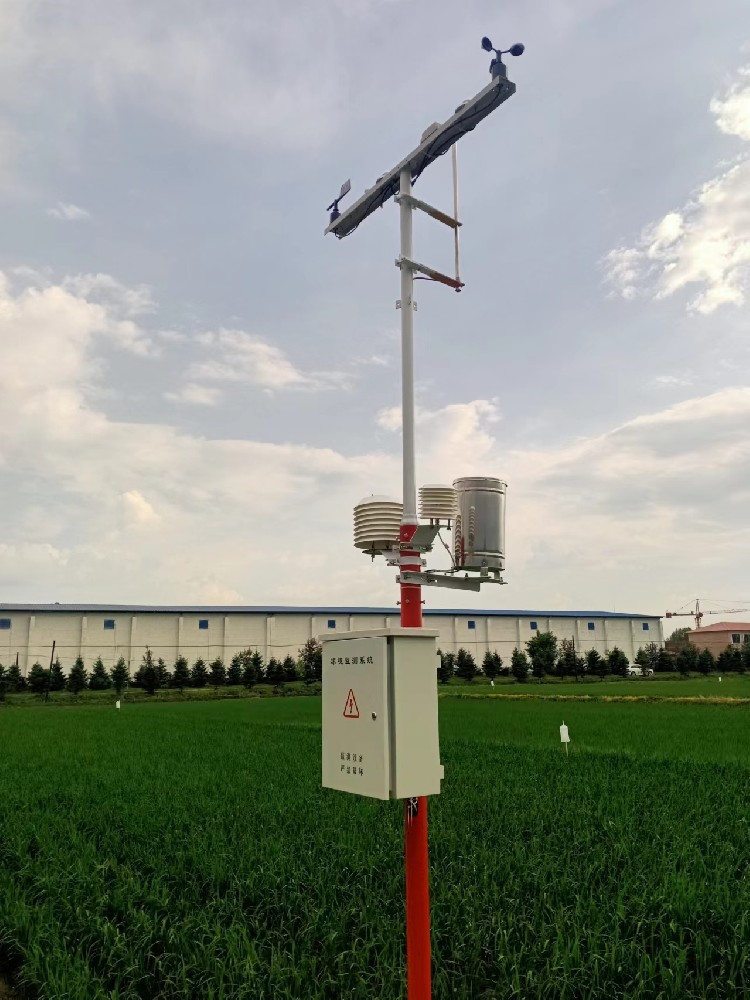
The NiuBoL automatic weather station is developed in accordance with the international meteorological WMO organization observation standards and is a multi-element automatic observation station. It can monitor conventional meteorological elements such as air temperature, air humidity, wind direction, wind speed, air pressure, rainfall, light intensity, total radiation, and soil temperature and humidity in real time. The system supports unattended all-weather operation and consists of meteorological sensors, a meteorological data recorder, and meteorological environment monitoring software.
The data recorder has functions such as automatic recording, over-limit alarms, and multiple data communication functions. It supports GPRS/4G/5G wireless transmission and wired interfaces and is compatible with protocols such as Modbus, facilitating access to IoT platforms. The solar power supply combined with battery design ensures long-term stable power supply in the field. Sensors adopt high-protection-level structures to adapt to harsh agricultural environments and reduce the impact of dust, rain, and ultraviolet rays on the equipment.
For system integrators, the modular design of the NiuBoL weather station facilitates flexible expansion and can add soil moisture sensors, evaporation sensors, or carbon dioxide sensors according to specific agricultural project needs, achieving an upgrade from single meteorological monitoring to comprehensive agricultural environmental observation. The low-power design and open interfaces further reduce integration difficulty and long-term operation and maintenance pressure.
Strawberries, as high-value-added economic crops, have strict requirements for light, temperature, water, and humidity conditions. The fruit development period requires sufficient light and suitable temperature (15-25°C). The flowering period is sensitive to low temperature and high humidity. The maturity period requires water control to improve sugar content and color. Portable or fixed automatic weather stations can collect parameters such as temperature, light intensity, precipitation, and air humidity in real time, helping agricultural technicians accurately grasp micro-environment changes and timely adjust irrigation, shading, ventilation, or insulation measures.
Deploying the NiuBoL weather station in strawberry planting bases can effectively reduce the impact of meteorological disasters. By monitoring cumulative light hours and total radiation, it optimizes supplemental lighting or shading decisions; combined with soil temperature and humidity data, it implements precision drip irrigation to avoid root diseases caused by excessive humidity or the impact of drought on fruit expansion. The system’s over-limit alarm function can issue warnings before low-temperature frost damage or high-temperature stress arrives, reducing yield loss and quality decline.
In engineering practice, such applications have helped multiple planting parks achieve scientific management of farming activities and improve strawberry yield stability and commercial fruit rate. The modular sensor configuration also supports dynamically adjusting monitoring focus according to different growth stages to meet refined management needs.
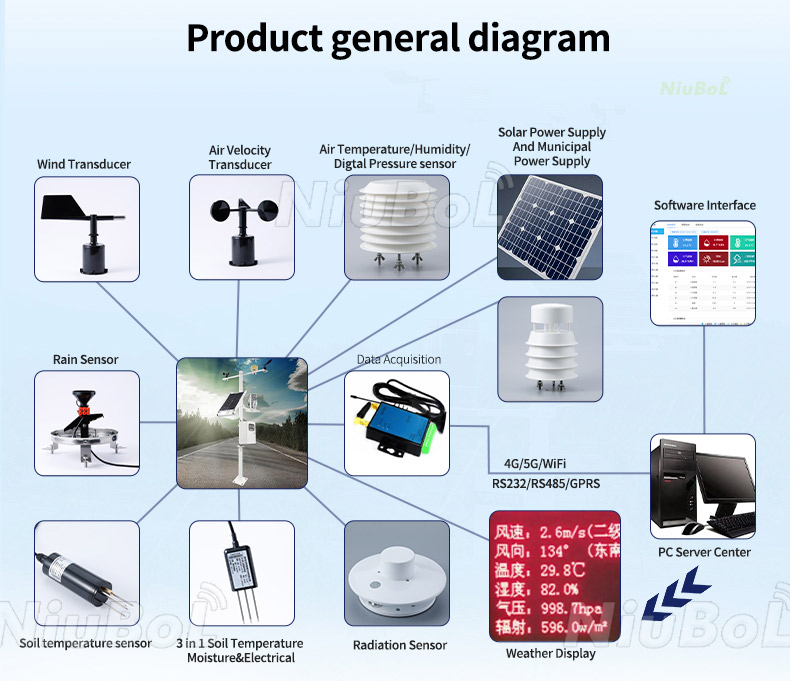
Drought is one of the main meteorological disasters affecting the stability of agricultural production. The NiuBoL intelligent meteorological monitoring station can independently monitor key parameters such as rainfall, evaporation, light intensity, soil moisture content, and soil temperature. If expansion is needed, only corresponding sensors need to be added to meet personalized needs.
Soil moisture monitoring is the core of drought prevention work. By burying soil moisture sensors, real-time acquisition of water content in different soil layers (unit: m³/m³ or %) is obtained. Combined with evaporation and crop water requirement patterns, irrigation decision references are generated. The system can be linked with sprinkler and drip irrigation equipment. When soil moisture is below the set threshold, it triggers alarms or automatically starts irrigation to maximize drought and flood protection for harvest.
Compared with traditional manual observation, the NiuBoL weather station has the advantages of strong data continuity, wide coverage, and low operation and maintenance costs. Project contractors can integrate it into regional agricultural IoT platforms to achieve unified monitoring of multiple plots and big data analysis, providing scientific basis for drought resistance scheduling. In drought-prone areas, such systems have become important technical means to ensure food security and stable production of economic crops. Combined with historical data trend analysis, they can also assist in optimizing crop layout and variety selection.
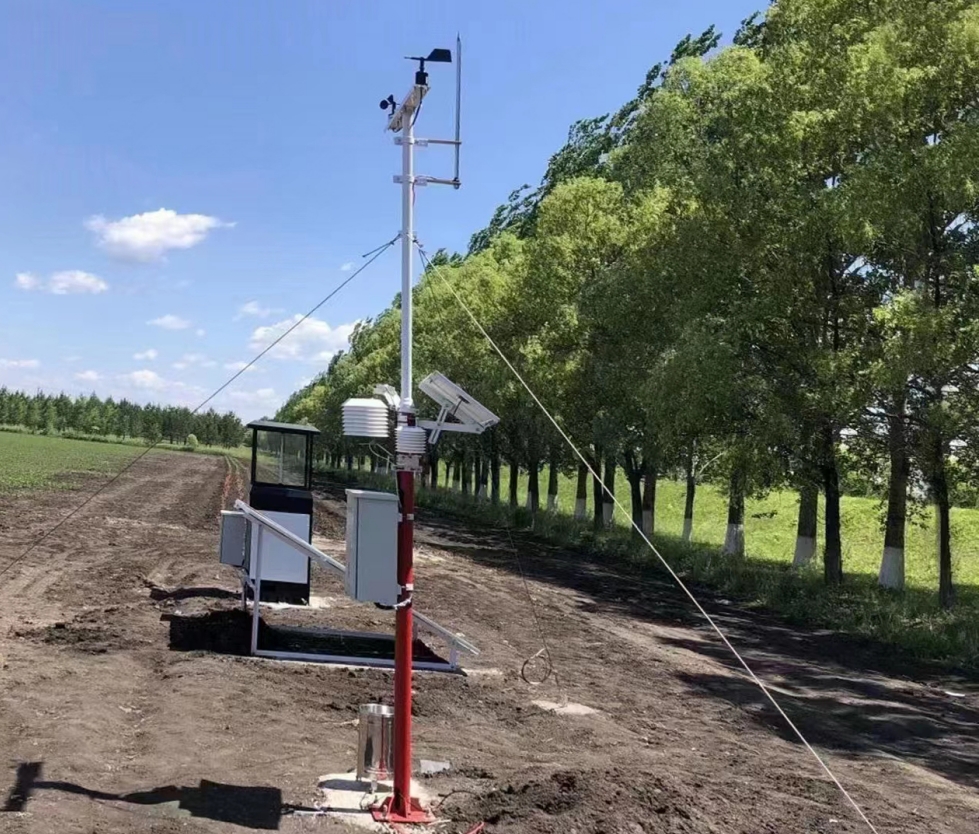
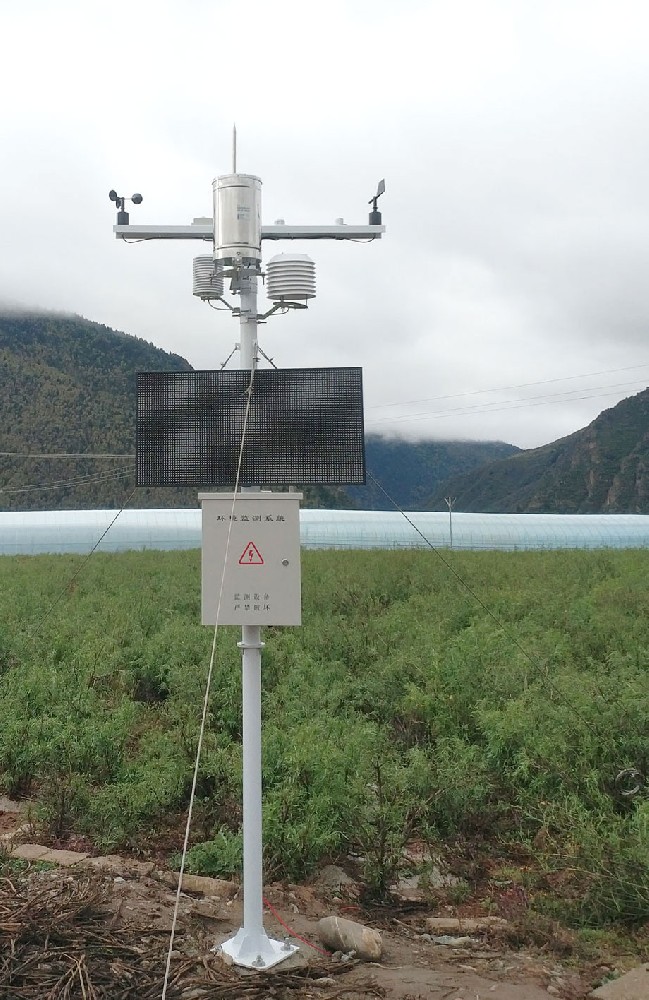
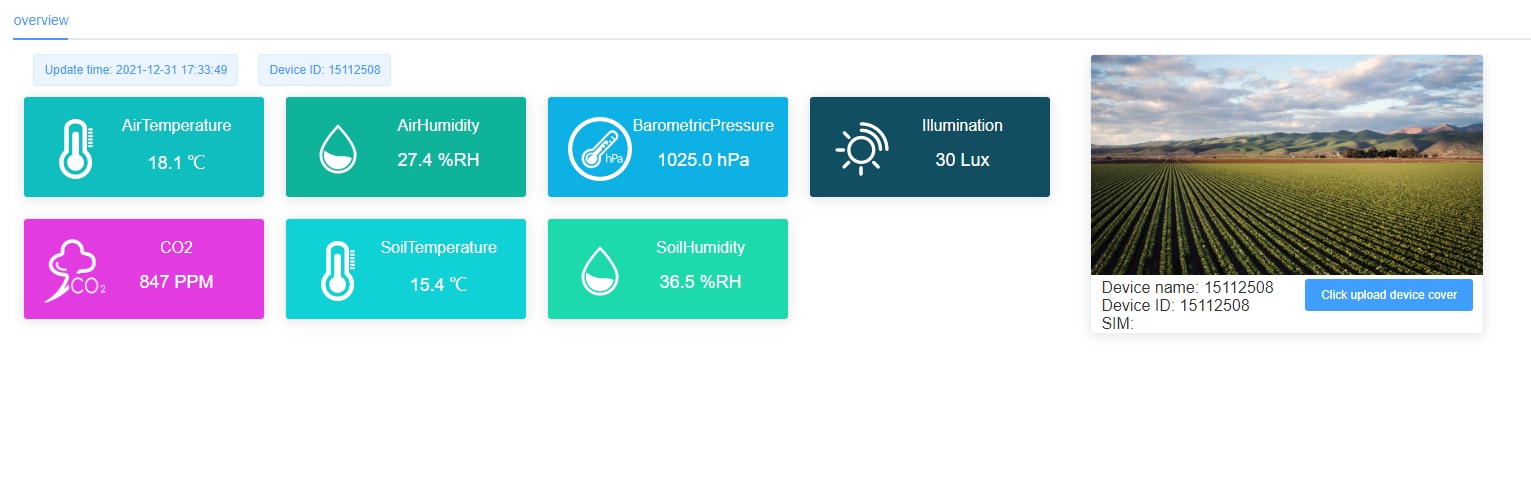
Green agriculture observation stations rely on IoT technology to provide precise environmental regulation basis for crop growth by collecting ecological environment factors such as light, water, temperature, humidity, soil pH, and carbon dioxide concentration in real time. Different crops have significant differences in their requirements for environmental factors. The relatively closed nature of greenhouses in facility agriculture further amplifies the importance of environmental control.
In facility cultivation of vegetables, fruit trees, etc., the NiuBoL observation station can be combined with pest and disease early warning systems. When temperature and humidity conditions meet the pathogen reproduction threshold, the system issues early warnings in advance to guide ventilation, humidity control, or pesticide application operations, reducing chemical pesticide usage. At the same time, monitoring data can be linked with temperature and humidity control equipment, carbon dioxide generators, and sprinkler and drip irrigation systems to achieve automated refined management, reducing production material input and labor costs.
For aquaculture and livestock and poultry breeding scenarios, the observation station extends monitoring of water quality dissolved oxygen, nitrogen content, and climate parameters, cooperating with oxygenation equipment and feeding systems to improve breeding safety and efficiency.
From an industrial perspective, green agriculture observation stations help solve problems such as lagging agricultural product market information and blind production. Through long-term data accumulation and model analysis, planting plan systems based on plant biological characteristics and soil and water quality conditions can be built, improving the degree of agricultural industrialization organization and market docking, and ultimately improving overall economic benefits.
The NiuBoL green agriculture observation station provides system integrators with expandable hardware foundations and software interfaces, supporting seamless docking with existing agricultural machinery and management platforms to assist in the implementation of smart agriculture projects. The open protocol design facilitates secondary development and multi-system integration.
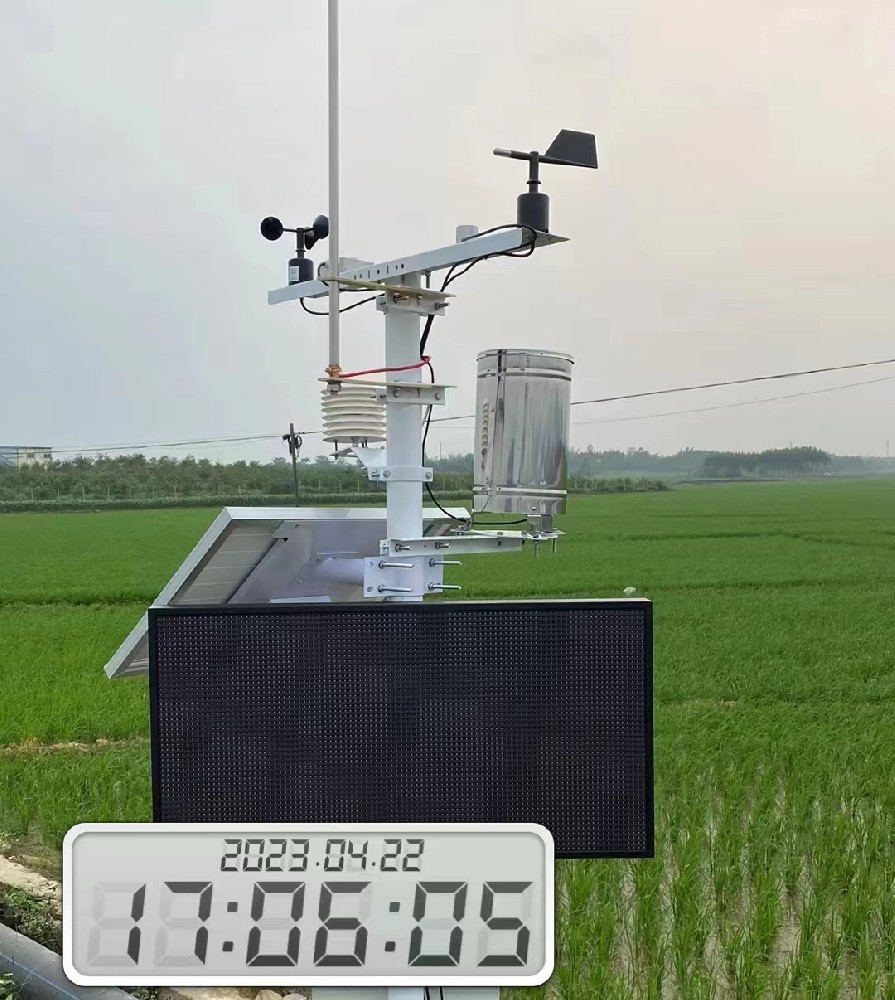
The NiuBoL meteorological and environmental monitoring system is widely applicable to the following typical scenarios:
Economic Crop Planting Bases: Such as strawberries, facility vegetables, and orchards, providing precise micro-environment monitoring.
Field Crop Disaster Prevention and Loss Reduction: Real-time soil moisture and meteorological data support drought and flood resistance decisions.
Facility Agriculture Parks: Greenhouse environmental regulation and pest and disease early warning linkage.
Regional Agricultural IoT Projects: Unified collection and analysis of multi-site data to support government or enterprise-level platform construction.
Scientific Research and Demonstration Projects: Long-term data accumulation for agricultural meteorological research and variety adaptability evaluation.
Engineering value is reflected in four aspects: first, real-time and accurate data improve decision-making scientificity; second, automated monitoring reduces manual inspection costs; third, over-limit alarms and linkage control reduce disaster losses; fourth, modular design facilitates phased project implementation and later expansion. Combined with WMO standard observation specifications, system data can directly serve agricultural environmental quality evaluation and policy formulation.
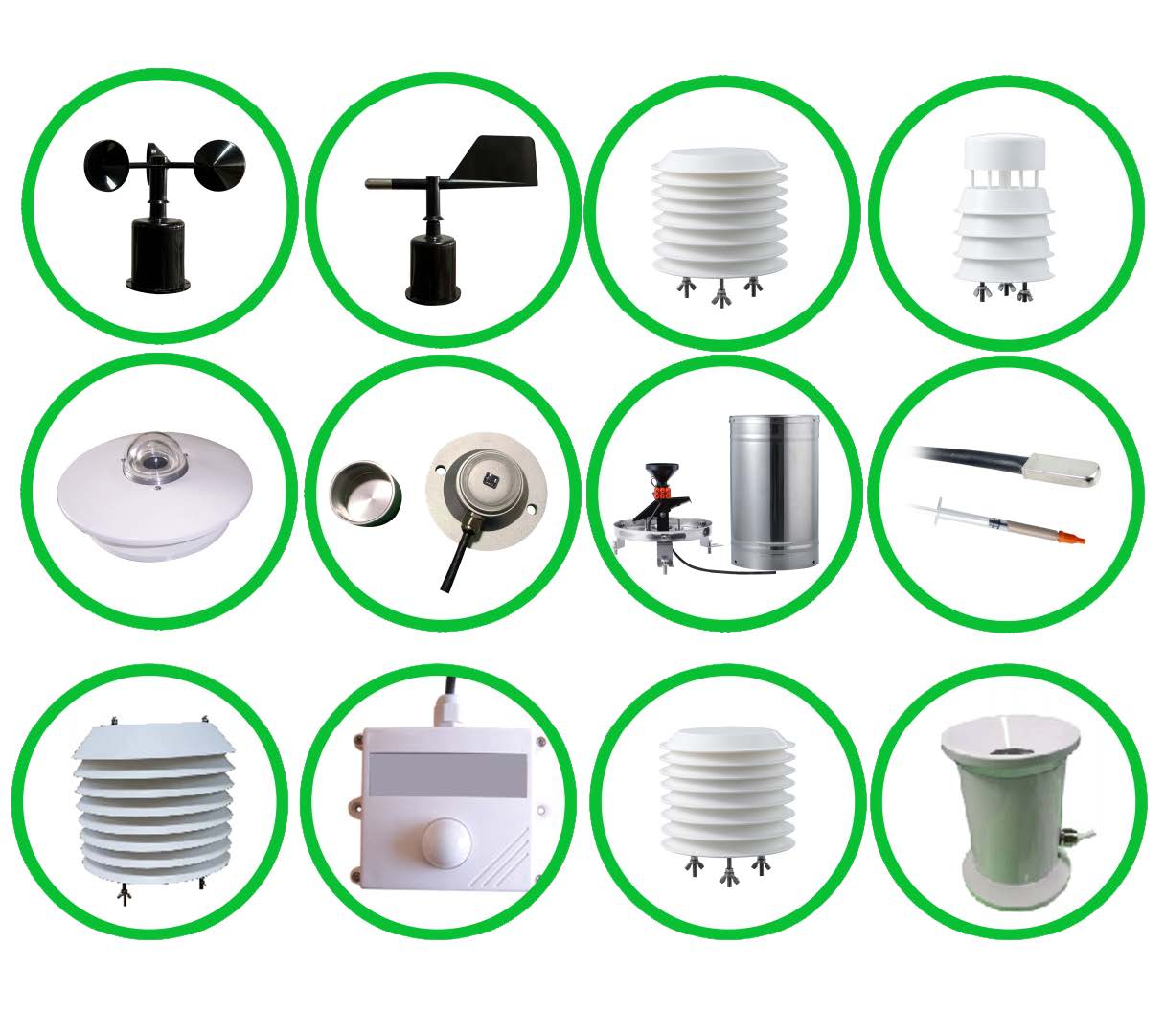
| Monitoring Element | Sensor Type | Typical Range | Accuracy Index | Main Application Value |
|---|---|---|---|---|
| Air Temperature | Platinum resistance / thermistor | -40~80℃ | ±0.2℃ | Crop growth suitability judgment, frost damage early warning |
| Air Humidity | Capacitive | 0-100%RH | ±3%RH | Pest and disease occurrence condition analysis |
| Light Intensity | Light quantum / total radiation sensor | 0-200000 lux / 0-2000 W/m² | ±5% | Photosynthesis efficiency assessment, supplemental lighting decision-making |
| Rainfall | Tipping bucket rain gauge | 0-4 mm/min | ±4% | Precipitation distribution and irrigation plan formulation |
| Soil Temperature | Soil temperature probe | -40~80℃ | ±0.5℃ | Root activity and nutrient absorption monitoring |
| Soil Moisture | FDR/TDR soil moisture sensor | 0-100% | ±3% | Soil moisture and precision irrigation guidance |
| Wind Speed / Wind Direction | Mechanical or ultrasonic wind sensor | 0-70 m/s / 0-360° | ±(0.3+0.03V) m/s / ±3° | Facility ventilation and wind disaster risk assessment |
| Air Pressure | Silicon piezoresistive air pressure sensor | 500-1100 hPa | ±0.3 hPa | Weather trend auxiliary judgment |
Note: Specific parameters are subject to the latest NiuBoL product specifications. Customized expansion is supported according to project requirements.
Q1. What is the most important link to pay attention to when formulating agricultural environmental monitoring schemes?
The scientific nature of monitoring items, scope, period, and points directly affects data usability and project compliance.
Q2. What key agricultural parameters can NiuBoL weather stations monitor?
They can monitor air temperature and humidity, wind direction and speed, air pressure, rainfall, light intensity, total radiation, and soil temperature and humidity, and support expansion of parameters such as soil moisture.
Q3. What problems does the weather station mainly solve in strawberry planting?
Real-time grasp of changes in temperature, light, precipitation, and humidity to guide irrigation, shading, and frost prevention measures, reducing the impact of meteorological disasters on yield and quality.
Q4. How to use weather stations to carry out drought prevention work?
Through real-time monitoring of soil moisture and evaporation, combined with crop water requirement patterns, irrigation decisions are generated to achieve precise drought resistance and efficient utilization of water resources.
Q5. How do green agriculture observation stations combine with facility agriculture?
They can be linked with temperature and humidity control equipment, sprinkler and drip irrigation systems, and pest and disease early warning systems to achieve automatic environmental regulation and production refined management.
Q6. What data communication methods does the NiuBoL system support?
It supports GPRS/4G/5G wireless transmission and wired interfaces, compatible with protocols such as Modbus, facilitating access to IoT platforms.
Q7. What advantages does the agricultural weather station have compared with traditional observation methods?
It has unattended, all-weather operation, strong data continuity, and remote transmission capabilities, significantly reducing operation and maintenance costs.
Q8. How to choose the appropriate weather station configuration during project integration?
According to crop type, monitoring element requirements, and site environmental conditions, select basic or expanded schemes, giving priority to products that comply with WMO standards.
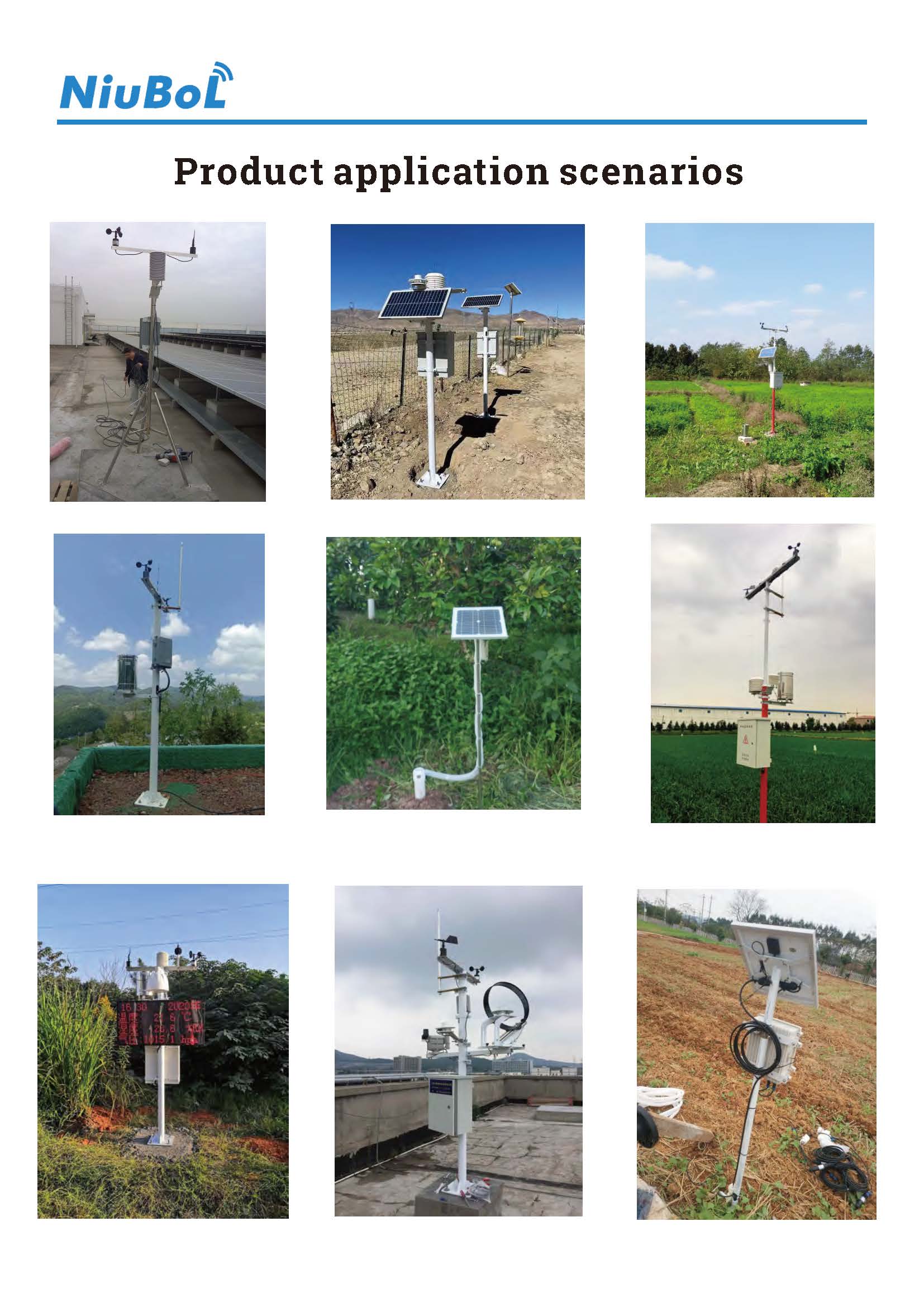
Agricultural environmental monitoring provides important data support for precision agricultural production, disaster prevention and loss reduction, and sustainable development. The NiuBoL weather station and green agriculture observation station are based on WMO observation standards, integrating multi-element sensors and intelligent data platforms, providing reliable hardware foundations and integration interfaces for system integrators, IoT solution providers, and engineering companies.
Through scientific deployment and system integration, the accuracy and timeliness of agricultural environmental monitoring can be effectively improved, assisting facility agriculture, facility breeding, and field crops to achieve refined management. If you need technical solutions, parameter configurations, or integration guidance for specific agricultural project scenarios, please contact the NiuBoL professional team to jointly promote the high-quality application of agricultural environmental monitoring projects.
Related recommendations
Sensors & Weather Stations Catalog
 Agriculture Sensors and Weather Stations Catalog-NiuBoL.pdf
Weather Stations Catalog-NiuBoL.pdf
Agriculture Sensors Catalog-NiuBoL.pdf
Water Quality Sensor Catalog-NiuBoL.pdf
Related products
 Combined air temperature and relative humidity sensor
 TDR Soil Moisture & Temperature Sensor for irrigation| RS485 |4-20mA| NBL-S-THR
 Soil pH sensor RS485 soil Testing instrument soil ph meter for agriculture |NBL-S-PH
 Wind Speed sensor Output Modbus/RS485/Analog/0-5V/4-20mA
 Tipping bucket rain gauge for weather monitoring auto rainfall sensor RS485/Outdoor/stainless steel
 Pyranometer Solar Radiation Sensor 4-20mA/RS485

Screenshot, WhatsApp to identify the QR code
WhatsApp number:+8615367865107
(Click on WhatsApp to copy and add friends)

