





— Blogs —
—Products—
 Consumer hotline +8618073152920
 WhatsApp:+8615367865107
Address:Room 102, District D, Houhu Industrial Park, Yuelu District, Changsha City, Hunan Province, China
Product knowledge
Time:2026-05-19 15:27:40 Popularity:368
In conventional wastewater treatment projects, influent and effluent water quality monitoring is the core link for process control, discharge compliance, and operational optimization. Key parameters include BOD5 (Biochemical Oxygen Demand), COD (Chemical Oxygen Demand), SS (Suspended Solids), TS (Total Solids), Total Nitrogen/Ammonia Nitrogen, Total Phosphorus, pH value, and alkalinity. These parameters directly reflect the degree of organic pollution, biological treatment effect, sludge characteristics, and process stability.
When building SCADA, DCS, or IoT monitoring platforms, system integrators require online sensors with high protection ratings and protocol compatibility to achieve continuous data acquisition, alarm on exceeding limits, and linked control (such as aeration adjustment, chemical dosing). The NiuBoL series of water quality sensors adopts industrial-grade design, supports RS-485 Modbus RTU communication, and is suitable for long-term stable operation under complex wastewater conditions.
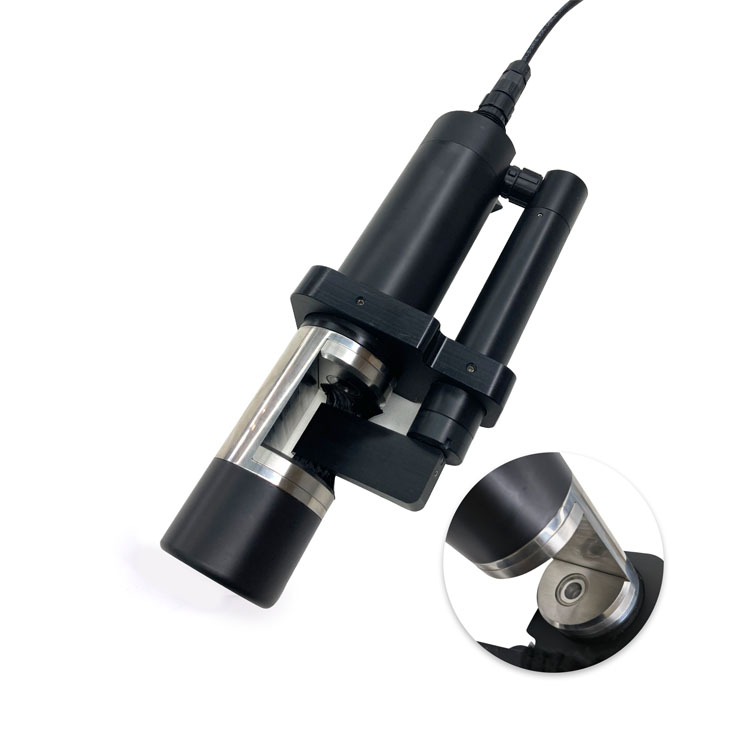
BOD5: The amount of dissolved oxygen consumed by microbial oxidation and decomposition of organic matter over 5 days at 20°C, reflecting the biodegradable organic content and the operational efficiency of the wastewater treatment plant.
CODCr/CODMn: The amount of oxygen consumed by the chemical oxidant (potassium dichromate or potassium permanganate) to oxidize reducing substances, serving as a rapid surrogate for BOD. The BOD/COD ratio is used to determine wastewater biodegradability (biological treatment is suitable when ≥0.3).
SS (Suspended Solids): Particulate matter retained by a 1μm filter paper, directly affecting effluent turbidity and subsequent treatment load.
TS (Total Solids): Residue after drying at 105-110°C, including dissolved and suspended solids.
Nitrogen Series (Total Nitrogen, Ammonia Nitrogen, etc.): Organic nitrogen is converted through ammonification, nitrification, and denitrification. Ammonia nitrogen is highly toxic and is a main control indicator for eutrophication.
Phosphorus Series: A key element causing eutrophication in water bodies, and an essential nutrient for biological treatment.
pH value: Affects microbial activity, chemical reactions, and equipment corrosion. Domestic sewage is usually near neutral.
Alkalinity: Expressed as CaCO3, reflects buffering capacity and is crucial for the nitrification process and sludge digestion stability.
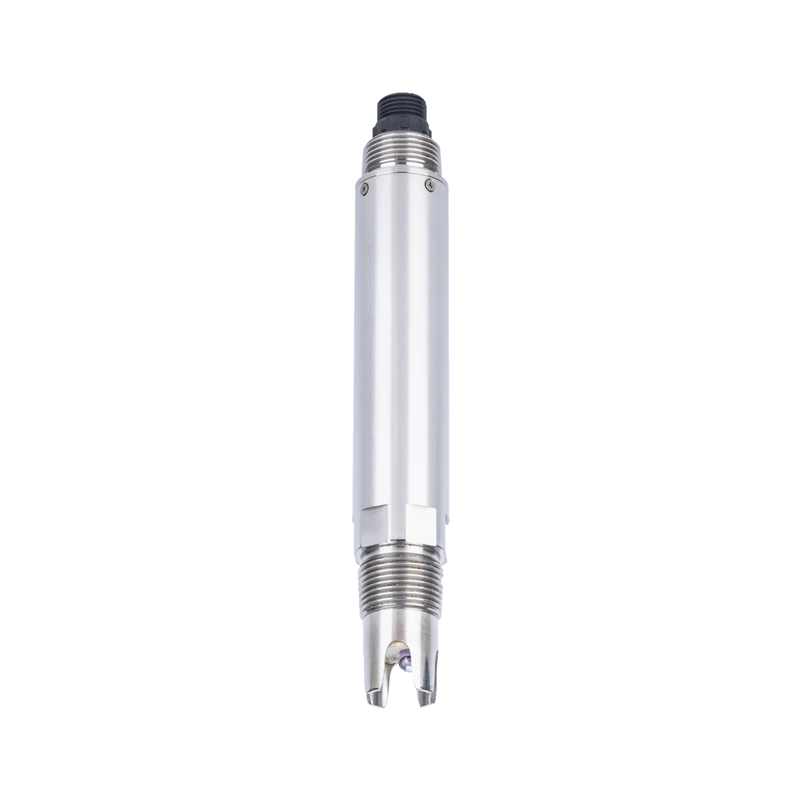
As front-end acquisition units, NiuBoL water quality sensors are installed after the bar screen, in aeration tanks, sedimentation tanks, and at discharge outlets. They connect to PLCs, DCS, or edge computing gateways via standard industrial signals, enabling multi-parameter network monitoring and process closed-loop control. They can be combined with flow meters and level sensors to form a complete online monitoring system for wastewater treatment.
NiuBoL sensors uniformly support RS-485 (Modbus/RTU protocol) and 4-20mA output. The Modbus RTU protocol supports multi-node networking on a bus, with configurable addresses, and is compatible with mainstream PLCs (e.g., Siemens, Schneider), DCS, and IoT platforms. The 4-20mA analog output facilitates direct connection to traditional control modules. All signals are shielded to meet industrial field EMC requirements, ensuring data transmission reliability.
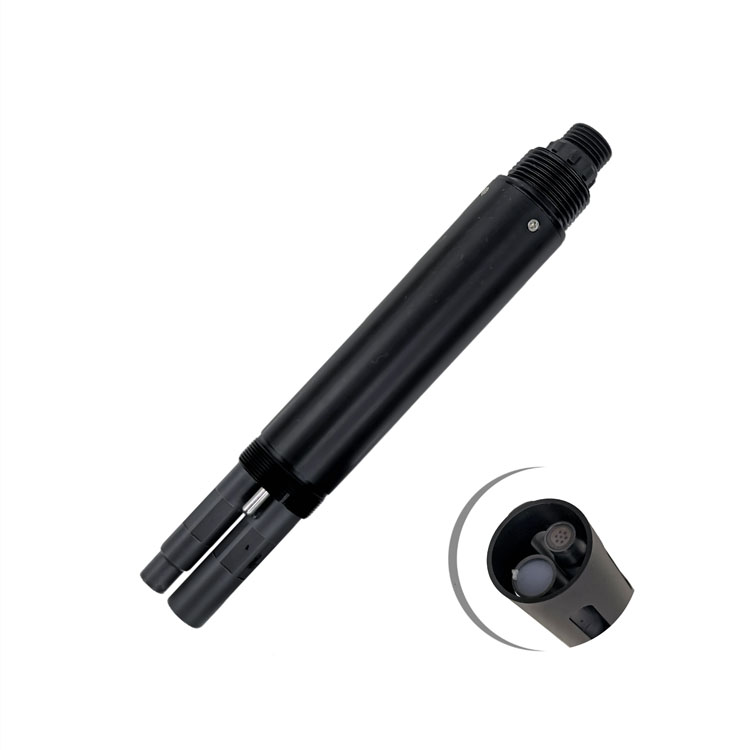
The following are typical online sensor parameters of NiuBoL (taking common models as examples):
| Parameter | pH Sensor (NBL-WQ-PH-4) | Ammonia Nitrogen Sensor (NBL-WQ-NHN) | Suspended Solids Sensor (NBL-WQ-TSS) |
|---|---|---|---|
| Measuring Principle | Glass electrode method | Ion selective electrode method | Optical or nephelometric method |
| Range | 0 – 14.00 | 0 – 10 / 100 / 1000 mg/L | 0 – 5000 mg/L (customizable) |
| Resolution | 0.01 | 0.01 mg/L (low range) | 1 mg/L |
| Accuracy | ±0.1 pH | ±10% or ±1 mg/L | ±5% FS |
| Response Time (T90) | < 30 s | < 60 s | < 60 s |
| Temperature Compensation | Pt1000 automatic | Pt1000 automatic | Automatic |
| Output Signal | RS-485 Modbus RTU, 4-20mA | RS-485 Modbus RTU, 4-20mA | RS-485 Modbus RTU, 4-20mA |
| Operating Temperature | 0 – 50°C | 0 – 40°C | 0 – 50°C |
| Protection Class | IP68 | IP68 | IP68 |
| Installation Method | 3/4 NPT submersible | 3/4 NPT submersible | Submersible / flow cell |
| Power Supply | 12 – 24 VDC | 12 – 24 VDC | 12 – 24 VDC |
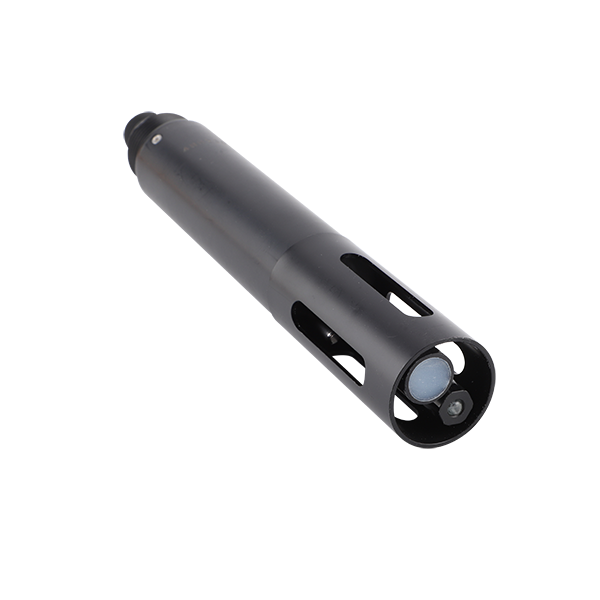
Municipal wastewater treatment plants: Combined aeration tank DO and pH control, ammonia nitrogen nitrification process monitoring, SS and ammonia nitrogen compliance monitoring at discharge outlets.
Industrial wastewater treatment stations: Multi-parameter online monitoring for pretreatment and biological stages of high-COD, high-ammonia nitrogen wastewater from chemical, pharmaceutical, printing and dyeing industries, supporting biodegradability assessment and process adjustment.
Sewage discharge outlet supervision: Continuous monitoring of total nitrogen, total phosphorus, SS, and pH to meet data upload requirements of environmental online monitoring platforms.
Sludge treatment system: Monitor digester alkalinity and pH to ensure stable operation of anaerobic digestion.
Centralized industrial park wastewater treatment: Multi-parameter networking to compare influent and effluent quality and evaluate operational efficiency.
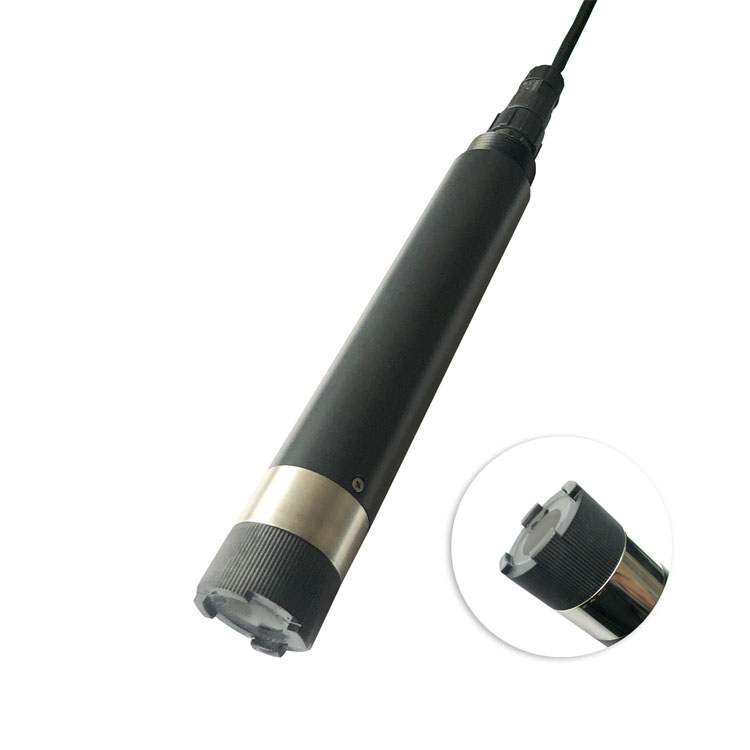
Accuracy selection: For conventional secondary treatment effluent monitoring, choose standard accuracy models (pH ±0.1, ammonia nitrogen ±10%); for critical process sections requiring high-precision control, higher resolution configurations are available.
Communication method selection: RS-485 Modbus RTU is recommended for large-scale distributed monitoring, supporting bus expansion; choose 4-20mA output when directly connecting to analog input modules of legacy systems.
Installation environment selection: The 3/4 NPT submersible interface is suitable for tank installation; for high SS or oily conditions, an automatic cleaning device or flow cell installation is recommended; ensure operating pressure and temperature are within the sensor's rated range.
Power supply selection: 12-24 VDC wide voltage adapts to on-site power conditions, and low power consumption is suitable for solar-powered remote monitoring points.
- Activate electrodes before installation (pH and ammonia nitrogen sensors require soaking in clean water) and remove air bubbles.
- Use daisy-chain wiring for the RS-485 bus, add terminating resistors at the ends, and ground the shield at a single point.
- Perform regular two-point calibration using standard buffer or calibration solutions; adjust calibration intervals according to operating conditions.
- Add pretreatment or automatic cleaning functions in highly polluted environments to extend maintenance intervals.
- Route signal cables separately from power cables to avoid electromagnetic interference.
- Establish a sensor health diagnosis mechanism to monitor response time and drift trends.
Q1: What is the engineering difference between BOD5 and COD?
A1: BOD5 reflects biodegradable organic matter and requires a 5-day incubation period; COD is a rapid chemical oxidation indicator and can be used as a surrogate for BOD in daily process control.
Q2: How does the ammonia nitrogen sensor distinguish the effect of molecular ammonia versus ionic ammonia?
A2: The ion selective electrode method primarily responds to ammonium ions. Combined with simultaneous pH measurement, the molecular ammonia proportion can be calculated to assess actual toxicity.
Q3: How does the SS sensor maintain measurement stability in high-turbidity wastewater?
A3: Optical design combined with automatic temperature compensation and regular cleaning reduces the effect of fouling on scattered light.
Q4: How are pH and ammonia nitrogen sensors used together in wastewater treatment?
A4: pH directly affects ammonia nitrogen toxicity (molecular ammonia proportion) and nitrification efficiency. Joint deployment is recommended for precise aeration and alkalinity supplementation control.
Q5: How to achieve multi-sensor networking using the Modbus RTU protocol?
A5: Address configuration allows bus mounting, supports broadcast and single-point read/write, and facilitates expansion to other parameter sensors such as temperature, dissolved oxygen, and turbidity.
Q6: What installation method is recommended for high SS conditions?
A6: Prefer flow cell installation or submersible installation with automatic cleaning to reduce sensor surface contamination.
Q7: How can long-term operation and maintenance costs of sensors be controlled?
A7: Adopt a patented stable reference system to extend service life, combined with a standardized calibration schedule and on-site self-cleaning measures, significantly reducing maintenance frequency and spare parts consumption.
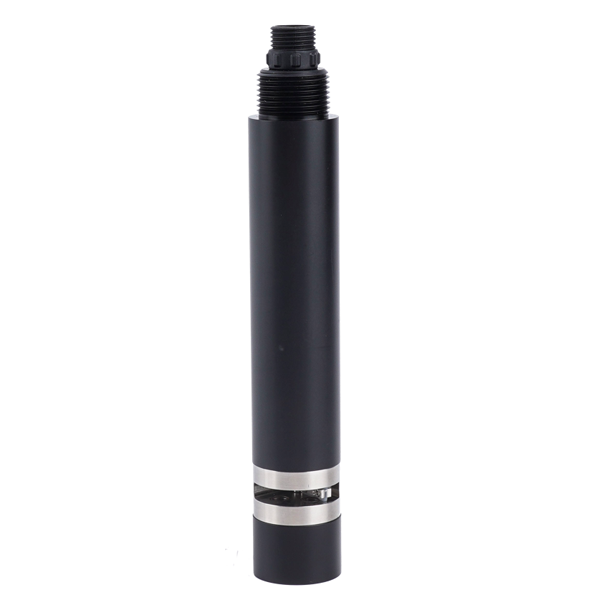
Routine wastewater treatment online monitoring relies on coordinated monitoring of parameters such as BOD, COD, SS, ammonia nitrogen, and pH. Based on mature principles including glass electrode method and ion selective electrode method, combined with IP68 protection and standard Modbus RTU interface, the NiuBoL series industrial sensors provide a reliable engineering solution for system integrators.
In project decision-making, comprehensive selection is recommended based on treatment process type, influent water quality fluctuation range, and control system architecture. On-site verification and a reasonable maintenance plan ensure long-term stable operation and compliance with discharge regulatory requirements. For specific parameter sensor technical specifications, system solution design, or integration testing support, project operating condition details are welcome for targeted collaboration.
 NBL-WQ-CL Water Quality Sensor Online Residual Chlorine Sensor.pdf
NBL-WQ-DO Online Fluorescence Dissolved Oxygen Sensor.pdf
NBL-WQ-NHN Ammonia Nitrogen Water Quality Sensor.pdf
NBL-WQ-COD Online Water Quality COD Sensor.pdf
NBL-WQ-PH Online pH Water Quality Sensor.pdf
NBL-WQ-EC water quality conductivity sensor.pdf
Related recommendations
Sensors & Weather Stations Catalog
Agriculture Sensors and Weather Stations Catalog-NiuBoL.pdf
Weather Stations Catalog-NiuBoL.pdf
Agriculture Sensors Catalog-NiuBoL.pdf
Water Quality Sensor Catalog-NiuBoL.pdf
Related products
 Combined air temperature and relative humidity sensor
 TDR Soil Moisture & Temperature Sensor for irrigation| RS485 |4-20mA| NBL-S-THR
 Soil pH sensor RS485 soil Testing instrument soil ph meter for agriculture |NBL-S-PH
 Wind Speed sensor Output Modbus/RS485/Analog/0-5V/4-20mA
 Tipping bucket rain gauge for weather monitoring auto rainfall sensor RS485/Outdoor/stainless steel
 Pyranometer Solar Radiation Sensor 4-20mA/RS485

Screenshot, WhatsApp to identify the QR code
WhatsApp number:+8615367865107
(Click on WhatsApp to copy and add friends)

