





— Blogs —
—Products—
 Consumer hotline +8618073152920
 WhatsApp:+8615367865107
Address:Room 102, District D, Houhu Industrial Park, Yuelu District, Changsha City, Hunan Province, China
Product knowledge
Time:2026-05-19 15:37:58 Popularity:392
In water environment monitoring and sewage treatment process control, nitrogen-containing compounds are key indicators for measuring water eutrophication and pollution levels. Ammonia nitrogen (NH3-N) and total nitrogen (TN), as the two most commonly measured parameters, although having an inclusion relationship in definition, have significant differences in chemical composition, detection logic, and engineering applications.
From the perspective of material composition, total nitrogen is a macro indicator that covers all forms of nitrogen elements in water bodies, while ammonia nitrogen is an important component of total nitrogen.
Ammonia Nitrogen (Ammonia Nitrogen): Refers to the nitrogen existing in water in the form of free ammonia (NH3) and ammonium ions (NH4+). In chemical classification, it belongs to inorganic nitrogen. Ammonia nitrogen is a direct manifestation of water bodies being polluted by domestic sewage or certain industrial wastewater. Excessive content will increase the oxygen consumption of water bodies and produce toxicity to aquatic organisms.
Total Nitrogen (Total Nitrogen): Refers to the total amount of various forms of inorganic nitrogen and organic nitrogen in water. Its components include:
Inorganic nitrogen: Nitrate nitrogen (NO3-), nitrite nitrogen (NO2-), ammonia nitrogen (NH4+/NH3).
Organic nitrogen: Proteins, amino acids, urea and other nitrogen-containing organic compounds.
Logical relationship: Theoretically, the total nitrogen value of the same water sample should always be greater than or equal to the ammonia nitrogen value (TN ≥ NH3-N).
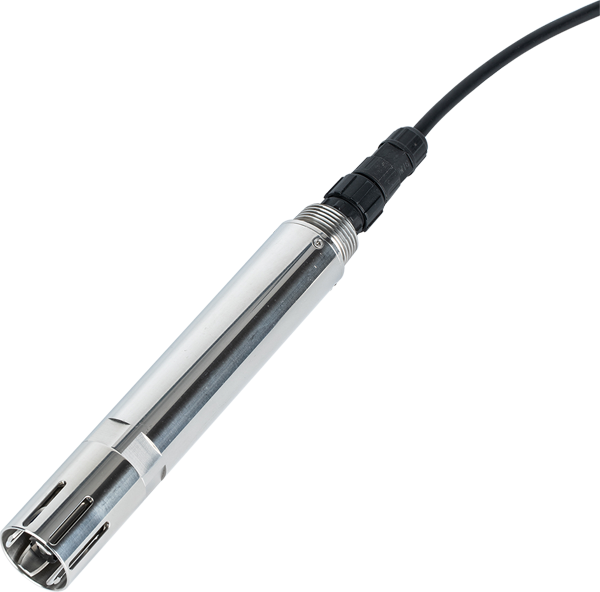
The detection processes of the two parameters reflect different logics from "component extraction" to "comprehensive conversion".
The detection of ammonia nitrogen usually adopts the Nessler's reagent colorimetric method. Its core chemical process is: under alkaline conditions, free ammonia or ammonium ions in water react with Nessler's reagent (HgI2·KI) to generate a yellow-brown complex. This complex has light absorption at a specific wavelength, and the absorbance is linearly related to the ammonia nitrogen concentration. Through the microcomputer chip processing the light signal, the ammonia nitrogen content (mg/L) can be directly displayed.
The determination of total nitrogen requires first converting all nitrogen-containing compounds into a single form. In a closed digestion environment at 125°C, using potassium persulfate as an oxidant, all organic nitrogen and inorganic nitrogen in the sample are converted into nitrate. Subsequently, under acidic conditions, the absorption characteristics of nitrate ions in the ultraviolet band are used to measure absorbance. This method involves measurements at two wavelengths: 220nm (nitrate absorption) and 275nm (interference correction).
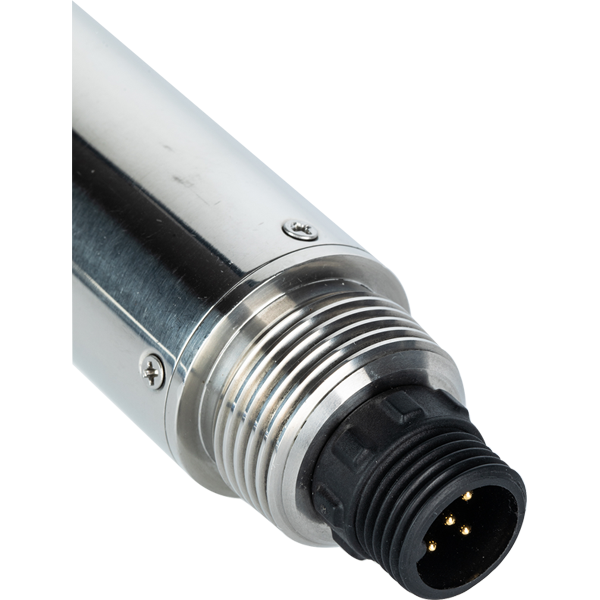
In actual engineering monitoring, the determination of total nitrogen has extremely high requirements for operational specifications. Any deviation in any link will lead to distortion of results.
The blank experiment value is the key to judging the accuracy of the detection system. If the reagent blank absorbance is higher than 0.030, it is usually caused by insufficient purity of potassium persulfate. In laboratory practice, the secondary crystallization method is used to purify potassium persulfate to ensure that the background noise does not interfere with the determination of trace samples.
According to the alkaline potassium persulfate digestion ultraviolet spectrophotometry, the standard sampling volume is 10mL, and the corresponding linear measurement range is 0.20 mg/L to 7.00 mg/L.
When the expected total nitrogen is higher than 7 mg/L, the sampling volume must be reduced and diluted with ammonia-free water.
If 2mL sample is diluted to 10mL, the detection upper limit can be extended to 35 mg/L.
For high-concentration industrial wastewater, the dilution factor should be accurately calculated according to the estimated concentration. When sampling, the supernatant after standing should be aspirated to avoid data fluctuations caused by suspended solids.
In water quality analysis, the purity of the solvent is crucial. The entire experimental process—from initial dilution, constant volume after digestion to blank reference—must use the same bottle of freshly prepared ammonia-free water. Different batches of ammonia-free water may have slight differences in ammonia content, which will produce systematic errors in total nitrogen calculation.
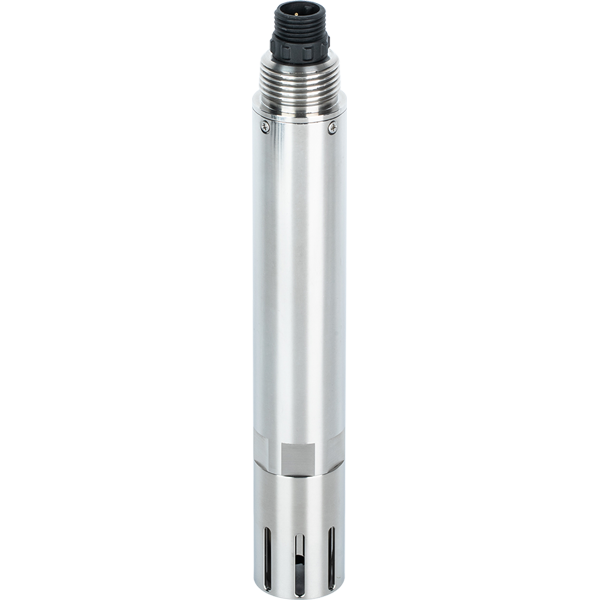
The cooling and mixing operations after digestion directly affect the stability of color development.
Pressure relief and opening: After the pressure of the sterilizer drops to 0, immediately open the exhaust valve and open the cover.
Mix while hot: Immediately take out the colorimetric tube and shake it multiple times while hot under the pressure state of the tube head. This step helps to discharge gas in the digestion solution and evenly distribute the components.
Natural cooling: After mixing, put it back on the rack and cool naturally to room temperature.
Preheating requirements: The instrument must be preheated for more than 30 minutes to ensure stable light source energy output.
Double wavelength determination sequence: All samples must be measured for absorbance at 220nm wavelength first, then uniformly switched to 275nm wavelength for secondary measurement. It is strictly forbidden to frequently switch wavelengths on a single sample to reduce mechanical errors.
In total nitrogen determination, common interferents include halogen ions (such as Cl-). When the chloride ion concentration in water is high, the oxidation efficiency of potassium persulfate may be inhibited. At this time, it is necessary to eliminate interference by diluting the sample or adding masking agents.
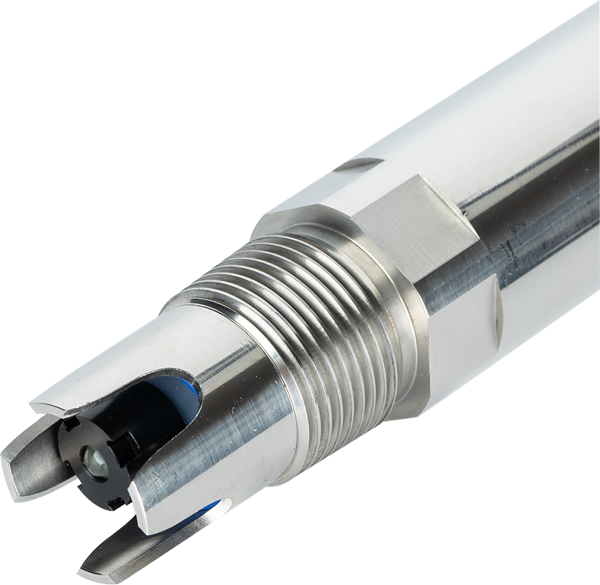
| Parameter Dimension | Ammonia Nitrogen (NH3-N) | Total Nitrogen (TN) |
|---|---|---|
| Coverage | Only inorganic ammonia/ammonium | All organic nitrogen + all inorganic nitrogen |
| Standard Method | Nessler reagent colorimetric method | Alkaline potassium persulfate digestion method |
| Digestion Requirements | No digestion required (direct color development) | 125℃ closed digestion 30min |
| Measurement Wavelength | Visible light region (about 420nm) | Ultraviolet region (220nm, 275nm) |
| Main Interferences | Calcium and magnesium ions, turbidity | Chloride ions, potassium persulfate purity |
| Engineering Significance | Indicates real-time organic pollution | Assesses water eutrophication potential |
Q1: Why sometimes the measured ammonia nitrogen value is higher than the total nitrogen?
A: Theoretically, this is impossible. If this result occurs, it is usually caused by the following reasons: incomplete total nitrogen digestion; abnormal blank value due to poor quality of potassium persulfate; or positive interference caused by turbid water sample during ammonia nitrogen detection.
Q2: Why measure the absorbance at 275nm in total nitrogen detection?
A: 275nm is used to correct the interference of organic matter on ultraviolet light absorption. The final absorbance calculation formula is usually A=A220−2A275 to deduct background influence.
Q3: Can ordinary distilled water be used instead of ammonia-free water for total nitrogen experiments?
A: No. Ordinary distilled water often contains trace amounts of ammonia, which will significantly increase the blank experiment value, resulting in seriously high measurement results for low-concentration samples.
Q4: What is the specific temperature control for secondary crystallization of potassium persulfate?
A: Usually dissolve potassium persulfate in ammonia-free water at about 60℃ (not exceeding 60℃ to prevent decomposition), then place it in a 4℃ refrigerator overnight for crystallization.
Q5: Does silt suspended matter in water samples affect total nitrogen measurement?
A: Yes, it has a significant impact. Total nitrogen includes nitrogen in particulate matter, but to ensure the repeatability of detection, it is usually recommended to take the supernatant after standing, or perform homogenization treatment according to monitoring requirements.
Q6: What is the impact on results if the digestion tube cap is not tight?
A: Poor sealing of the digestion tube will lead to insufficient pressure, preventing nitrogen-containing compounds from being completely converted into nitrate, and will also cause water evaporation, making the measured concentration falsely high.
The monitoring of ammonia nitrogen and total nitrogen has complementarity in water treatment engineering. Ammonia nitrogen focuses on reflecting the current pollution status of water bodies and the nitrification efficiency of biochemical treatment systems, while total nitrogen provides an overview of the total amount of nitrogen elements and is the core indicator for meeting discharge standards and ecological red lines. In laboratory operations, strictly controlling the purity of potassium persulfate, standardizing the dilution process, and using unified ammonia-free water are the three cornerstones for ensuring data accuracy. For high-standard water quality analysis tasks, always adhere to an engineering rigorous attitude to reduce random errors caused by manual operations.
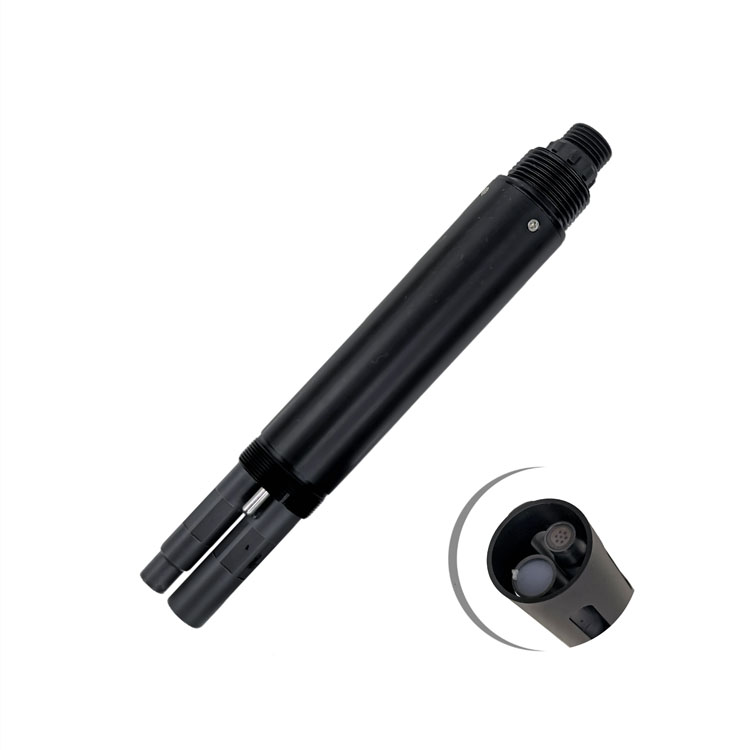
 NBL-WQ-NHN-4S Online Ammonia Nitrogen Sensor.pdf
Prev:NiuBoL Routine Wastewater Treatment Online Monitoring Parameters & Sensor System Integration Guide
Related recommendations
Sensors & Weather Stations Catalog
Agriculture Sensors and Weather Stations Catalog-NiuBoL.pdf
Weather Stations Catalog-NiuBoL.pdf
Agriculture Sensors Catalog-NiuBoL.pdf
Water Quality Sensor Catalog-NiuBoL.pdf
Related products
 Combined air temperature and relative humidity sensor
 TDR Soil Moisture & Temperature Sensor for irrigation| RS485 |4-20mA| NBL-S-THR
 Soil pH sensor RS485 soil Testing instrument soil ph meter for agriculture |NBL-S-PH
 Wind Speed sensor Output Modbus/RS485/Analog/0-5V/4-20mA
 Tipping bucket rain gauge for weather monitoring auto rainfall sensor RS485/Outdoor/stainless steel
 Pyranometer Solar Radiation Sensor 4-20mA/RS485

Screenshot, WhatsApp to identify the QR code
WhatsApp number:+8615367865107
(Click on WhatsApp to copy and add friends)

