





— Blogs —
—Products—
 Consumer hotline +8618073152920
 WhatsApp:+8615367865107
Address:Room 102, District D, Houhu Industrial Park, Yuelu District, Changsha City, Hunan Province, China
Product knowledge
Time:2026-04-03 15:20:53 Popularity:616
In the modern national economic system, the efficient operation of highway traffic is the cornerstone of social development. However, with the frequent occurrence of global extreme weather events, meteorological disasters such as fog, heavy precipitation, and road icing have become the main causes threatening highway transportation safety and restricting traffic efficiency.
For system integrators, IoT solution providers, and traffic engineering contractors, deploying high-reliability traffic meteorological automatic stations is the mechanical foundation for reducing traffic accident rates and optimizing road operation and maintenance decisions. NiuBoL is committed to providing a full set of hardware solutions from perception sensors to comprehensive collectors, providing scientific decision-making basis for management departments through real-time and accurate digital indicators.
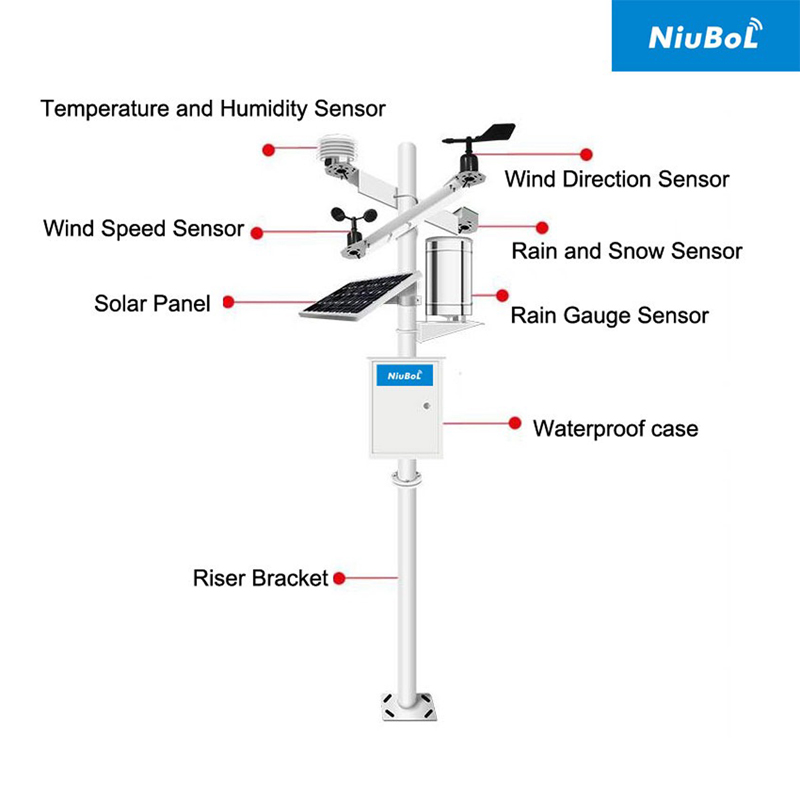
A complete highway traffic meteorological solution needs to have comprehensive perception capabilities for atmospheric environment, road surface conditions, and weather phenomena. The NiuBoL system adopts a modular design to ensure high adaptability in various complex geographical environments.
1. NBL-W-VS Forward Scatter Visibility Meter (Core Component)
Visibility is a key indicator for measuring highway safety levels, especially in road sections prone to dense fog and sandstorms. The NBL-W-VS sensor developed by NiuBoL is based on the aerosol forward scatter principle and is an advanced alternative to transmissive visibility meters.
The visibility meter emits infrared pulse light through a light transmitter. When the light beam passes through the sampling area, suspended particles in the atmosphere (such as fog, smoke, and haze) will produce scattering. The receiver detects the pulse light intensity at a specific angle (39°—51° forward scatter).
The microprocessor controller collects this measurement information and converts it into Meteorological Optical Range (MOR) through a specialized mathematical model algorithm. Within the range of visibility less than 100km, the algorithm can accurately simulate the total extinction coefficient, achieving all-weather monitoring of visibility during day and night.
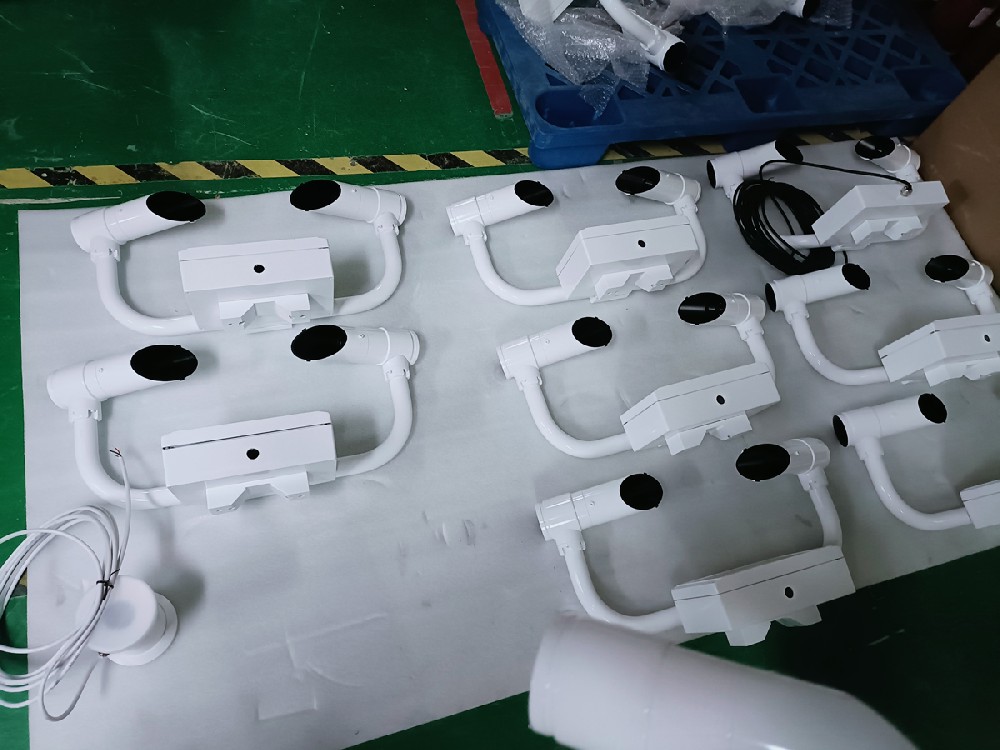
Unlike traditional embedded sensors, the remote sensing monitor uses laser spectroscopy technology to detect road surface conditions such as dry, wet, water accumulation, icing, or snow thickness in real time without contact.
Road surface temperature monitoring: Assess icing risk.
Slipperiness analysis: Provide direct data support for speed limit warnings.
Integrates monitoring of wind speed, wind direction, ambient temperature and humidity, atmospheric pressure, and rainfall. It adopts an integrated design, reducing on-site wiring and mechanical wear, and improving the robustness of the system in long-term outdoor operation.
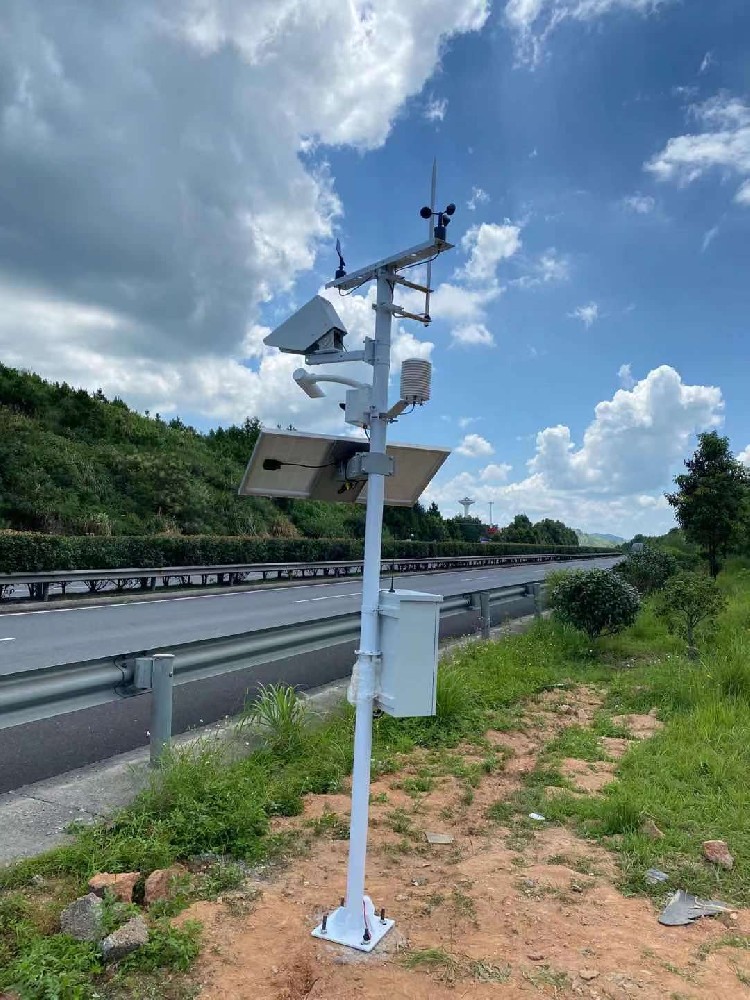
As the core perception unit of the traffic meteorological station, the technical specifications of the NBL-W-VS directly determine the timeliness of the early warning system:
| Parameter Item | Technical Specification | Description |
|---|---|---|
| Power Supply Voltage | DC 12V | Wide voltage input |
| Signal Output | RS485 | Standard Modbus RTU protocol |
| Measurement Principle | Forward scatter type | Forward Scatter |
| Peak Wavelength | 875nm (infrared pulse light) | Infrared pulse light |
| Scatter Angle Coverage | 39°—51° forward scatter | Forward scatter |
| Measurement Range | 5 meters — 10 km | Wide range applicable |
| Measurement Accuracy | ≤2km: 2%; 2km-10km: ±10% | High precision |
| Average Power Consumption | 0.8 W (ultra-low power consumption design) | Ultra-low power consumption |
| Structural Material | Anodized hard aluminum, outer surface with paint protection | Corrosion-resistant |
| Protection Level | IP65 | Waterproof and dustproof |
| Operating Environment | Temperature: -40-80℃; Humidity: 0-95% RH | Adapt to harsh environments |
| Overall Dimensions | 610mm x 230mm x 300mm | Compact size |
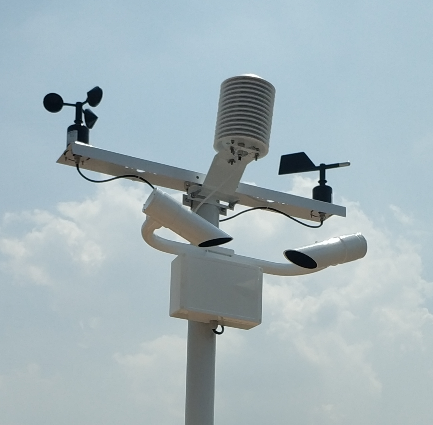
In smart traffic projects, traditional embedded (contact) road surface sensors are gradually being replaced by laser remote sensing road condition detectors due to road surface damage during construction, susceptibility to pressure damage, and difficult maintenance. The solution provided by NiuBoL has the following core technical features:
1. Multi-Index Synchronous Monitoring
The sensor uses infrared laser spectroscopy reflection principle to accurately distinguish road surface conditions at long distances (typical installation height 6-15 meters):
Water/snow thickness: Real-time measurement of the impact of precipitation on road friction.
Icing percentage: Predict the formation of black ice when the temperature is close to 0°C, which is the main cause of highway chain-reaction accidents.
2. Construction and Cost Advantages
Zero road-breaking construction: No need to close lanes and cut the road surface; only need to install on roadside poles.
Ultra-long service life: Avoids physical damage from vehicle heavy pressure and snow removal shovels. The system’s full lifecycle cost (TCO) is far lower than embedded equipment.
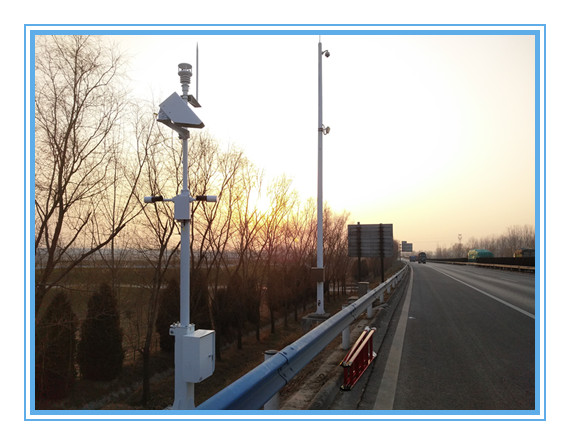
The NiuBoL traffic meteorological monitoring solution is designed to serve professional engineering projects in the traffic field. Its application depth covers all aspects of modern traffic management:
1. Highway Sudden Dense Fog Monitoring
In fog-prone areas, bridges, and waterside sections, the NBL-W-VS visibility meter can provide real-time feedback on visibility values. When the value is below the safety threshold (e.g.,<200 meters), the system automatically links roadside LED displays to issue speed limit information or triggers intelligent fog light guidance systems.
2. Winter Road Snow Removal and Anti-Icing Decision-Making
Laser road surface sensors can monitor road surface icing trends. Integrators can use this data to develop automatic snow-melting agent spraying systems for preventive operations before snow accumulation forms, significantly reducing maintenance costs and ensuring traffic safety.
3. Smart Service Areas and Large Bridge-Tunnel Monitoring
Deploying automatic weather stations at tunnel entrances and service areas can monitor short-term heavy precipitation and wind speed. For ultra-high vehicles or trucks easily affected by crosswinds, it provides precise dispatching suggestions.
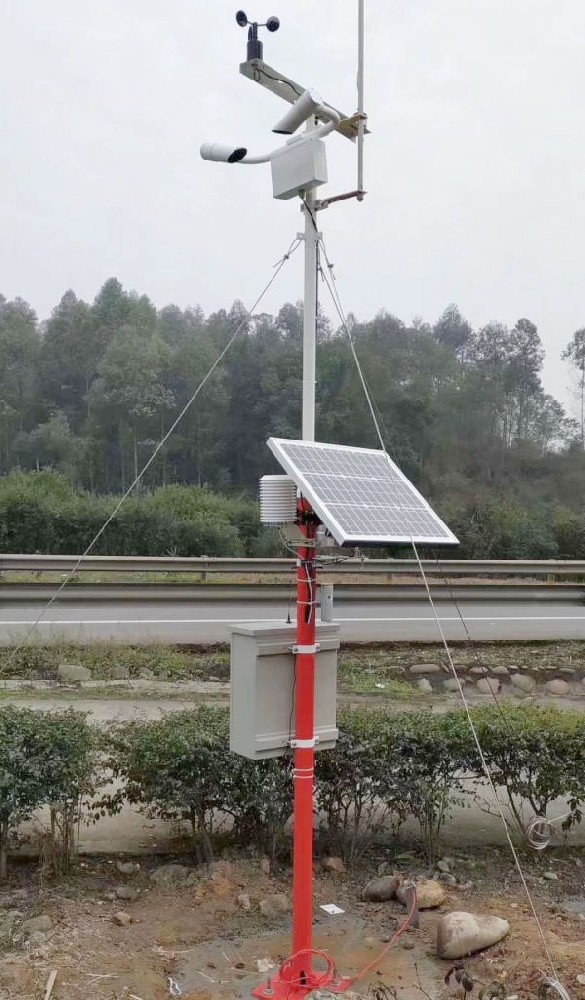
System integrators can easily build the following three-level early warning model through the RS485 standard data stream provided by NiuBoL:
| Warning Level | Core Monitoring Indicators (Linkage Conditions) | Suggested System Response (Action) |
|---|---|---|
| Level 3 Warning (Reminder) | Visibility < 500m or road surface wet | Activate roadside information boards and scroll “Rain and fog weather, drive carefully” |
| Level 2 Warning (Speed Limit) | Visibility < 200m or road surface icing | Automatically link speed limit signs and force reduction of passing speed to 60km/h |
| Level 1 Warning (Control) | Visibility < 50m or severe snow accumulation | Trigger ramp closure instructions, link warning light groups, and guide vehicles to leave the highway |
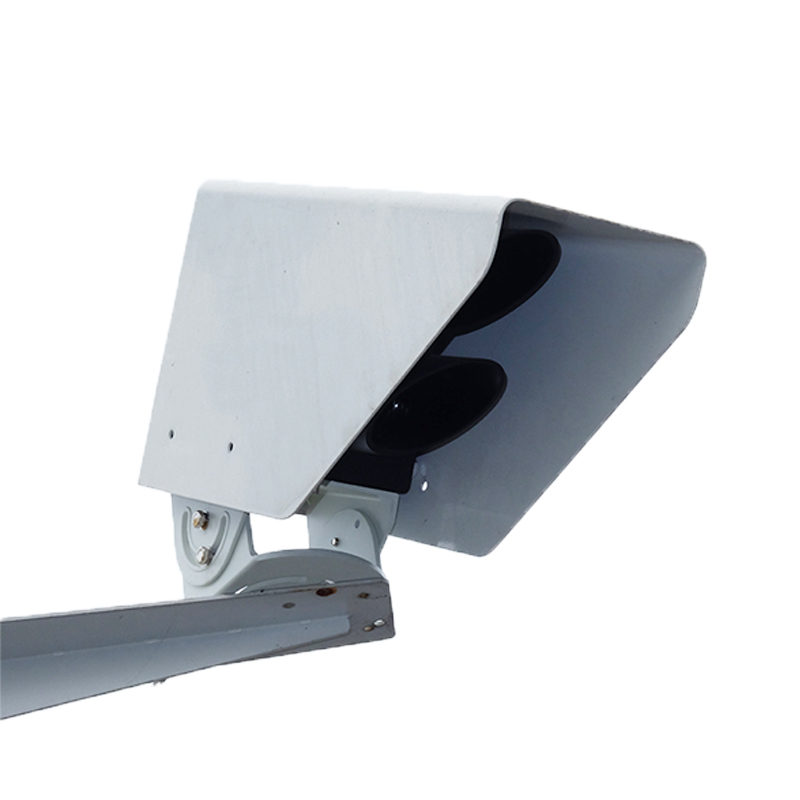
Q1. What are the advantages of the NBL-W-VS compared to transmissive visibility meters?
Forward scatter visibility meters (such as NBL-W-VS) are smaller in size, easier to install, and have faster response to local fog due to measuring the scattering coefficient of local sampling areas. In addition, their optical windows are smaller and less affected by pollution, significantly reducing maintenance costs.
Q2. How to ensure the measurement accuracy of the visibility meter in polluted environments?
The equipment housing uses anodized hard aluminum and special protective paint, with extremely strong salt spray corrosion resistance. During assembly and regular maintenance, system parameters can be checked through built-in commands. It is recommended to regularly check the optical window and clean attached sand, dust, or oil stains.
Q3. How does the system connect to the existing highway monitoring backend?
All NiuBoL sensors support the standard Modbus RTU protocol and RS485 physical interface. Integrators can easily integrate sensor data into PLC, industrial computers (IPC), or remote RTU devices and backhaul it to the central control room via 4G/fiber.
Q4. Does the road condition detector require closing traffic for installation?
No. The laser remote sensing road condition detector adopts non-contact installation and is usually installed on roadside poles or gantries. It does not require damaging the road surface or affecting normal vehicle traffic, greatly reducing construction risks and costs.
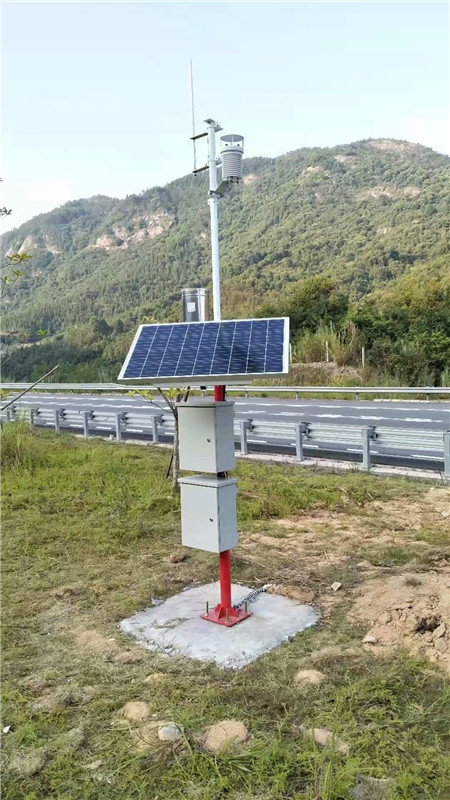
Q5. What is the average power consumption of the system? Does it support full solar power supply?
Taking the NBL-W-VS as an example, the average power consumption is only 0.8W. The power consumption of the entire meteorological station (including collector and multiple sensors) is usually between 5-10W, fully supporting all-weather independent operation through the NiuBoL solar power supply system.
Q6. Can the sensor start normally in extreme low temperature (-40℃) environments?
Yes. Our equipment has undergone strict industrial-grade high and low temperature tests, with operating temperature covering -40℃ to +80℃. The internal circuit design considers drift compensation in low-temperature environments to ensure monitoring accuracy in severe winter cold areas.
Q7. Does NiuBoL provide data collectors (Data Logger)?
Yes. We provide dedicated traffic meteorological data collectors with multi-channel RS485 access capability, local data storage, and disconnection resume functions, which are the core brain for building a complete station.
Q8. For large projects, does NiuBoL support brand customization (OEM)?
As a manufacturer, we provide flexible ODM/OEM collaboration modes for system integrators, including but not limited to specific communication interface customization, housing LOGO identification, and parameter fine-tuning that meets project bidding requirements.
Q9. Can this weather station integrate video surveillance?
Yes. The support components reserve installation interfaces for dome or bullet cameras. Through the NiuBoL comprehensive acquisition box, meteorological data and video images can be synchronously backhauled, providing dual verification of “data + image” for the management platform.
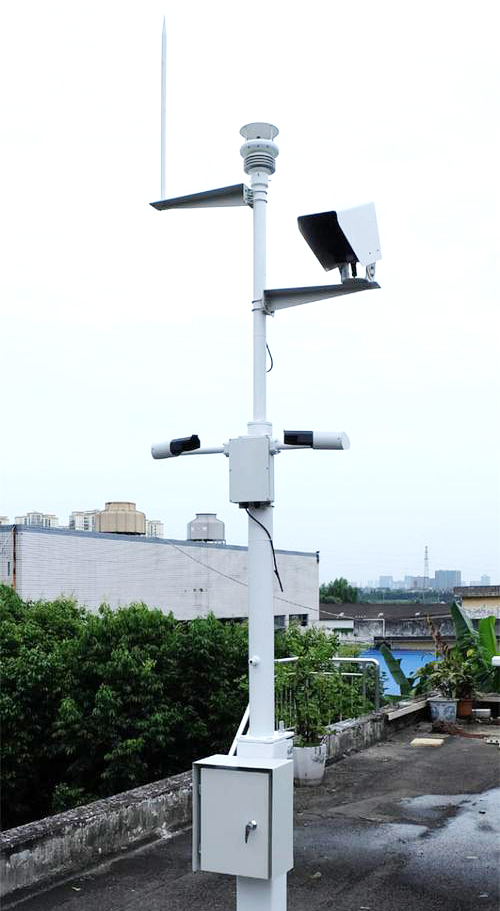
In the development trend of smart traffic, meteorological monitoring has changed from “auxiliary information” to “core decision factor.” NiuBoL helps integrators build highway networks with predictive capabilities through high-precision NBL-W-VS visibility meters and comprehensive sensing systems.
We deeply understand the stringent requirements of the traffic field for equipment stability and protocol standardization. Choosing NiuBoL means choosing a strategic partner with a profound manufacturing background that can support the long-term stable operation of complex traffic engineering projects.
Related recommendations
Sensors & Weather Stations Catalog
 Agriculture Sensors and Weather Stations Catalog-NiuBoL.pdf
Weather Stations Catalog-NiuBoL.pdf
Agriculture Sensors Catalog-NiuBoL.pdf
Water Quality Sensor Catalog-NiuBoL.pdf
Related products
 Combined air temperature and relative humidity sensor
 TDR Soil Moisture & Temperature Sensor for irrigation| RS485 |4-20mA| NBL-S-THR
 Soil pH sensor RS485 soil Testing instrument soil ph meter for agriculture |NBL-S-PH
 Wind Speed sensor Output Modbus/RS485/Analog/0-5V/4-20mA
 Tipping bucket rain gauge for weather monitoring auto rainfall sensor RS485/Outdoor/stainless steel
 Pyranometer Solar Radiation Sensor 4-20mA/RS485

Screenshot, WhatsApp to identify the QR code
WhatsApp number:+8615367865107
(Click on WhatsApp to copy and add friends)

