





— Blogs —
—Products—
 Consumer hotline +8618073152920
 WhatsApp:+8615367865107
Address:Room 102, District D, Houhu Industrial Park, Yuelu District, Changsha City, Hunan Province, China
Product knowledge
Time:2026-04-05 11:23:07 Popularity:545
In the construction and operation and maintenance of photovoltaic power stations, automatic weather station photovoltaic sensors have become key equipment to ensure power generation efficiency and system stability. As a standard environmental monitoring station designed and produced in accordance with the international meteorological WMO organization observation standards and IEC specifications, the NiuBoL photovoltaic environmental monitoring instrument meets national standards and photovoltaic power station provincial dispatch data reporting requirements, providing reliable environmental data support for system integrators, IoT solution providers, project contractors, and engineering companies.
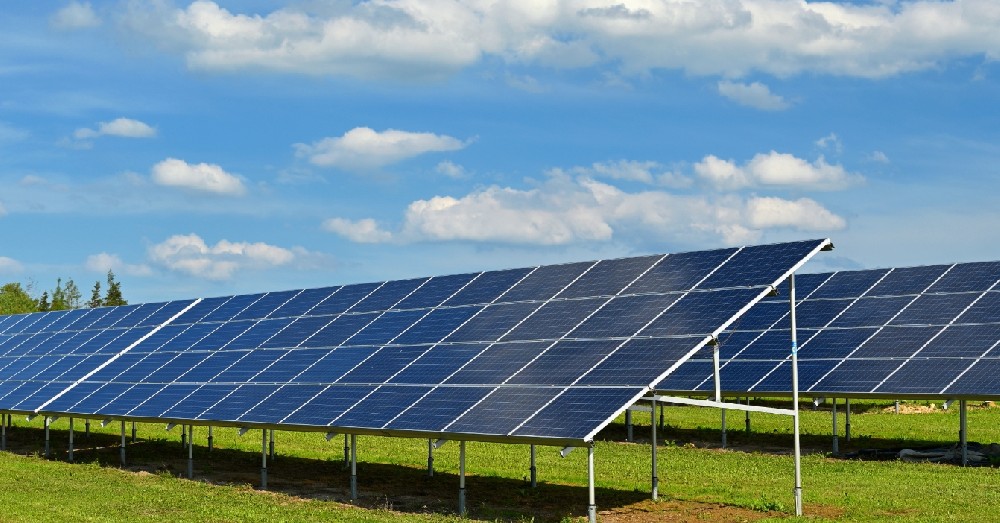
The actual power generation of photovoltaic modules is affected by multiple factors such as solar irradiance intensity, spectral distribution, module temperature, and wind speed. The NiuBoL automatic weather station photovoltaic sensor helps users accurately evaluate power station performance, optimize maximum power tracking strategies, and provide data support for power station preliminary design by collecting high-precision meteorological environmental data in real time. This article systematically explains the technical characteristics, application value, and procurement points of the NiuBoL photovoltaic environmental monitoring instrument, providing professional references for business partners.
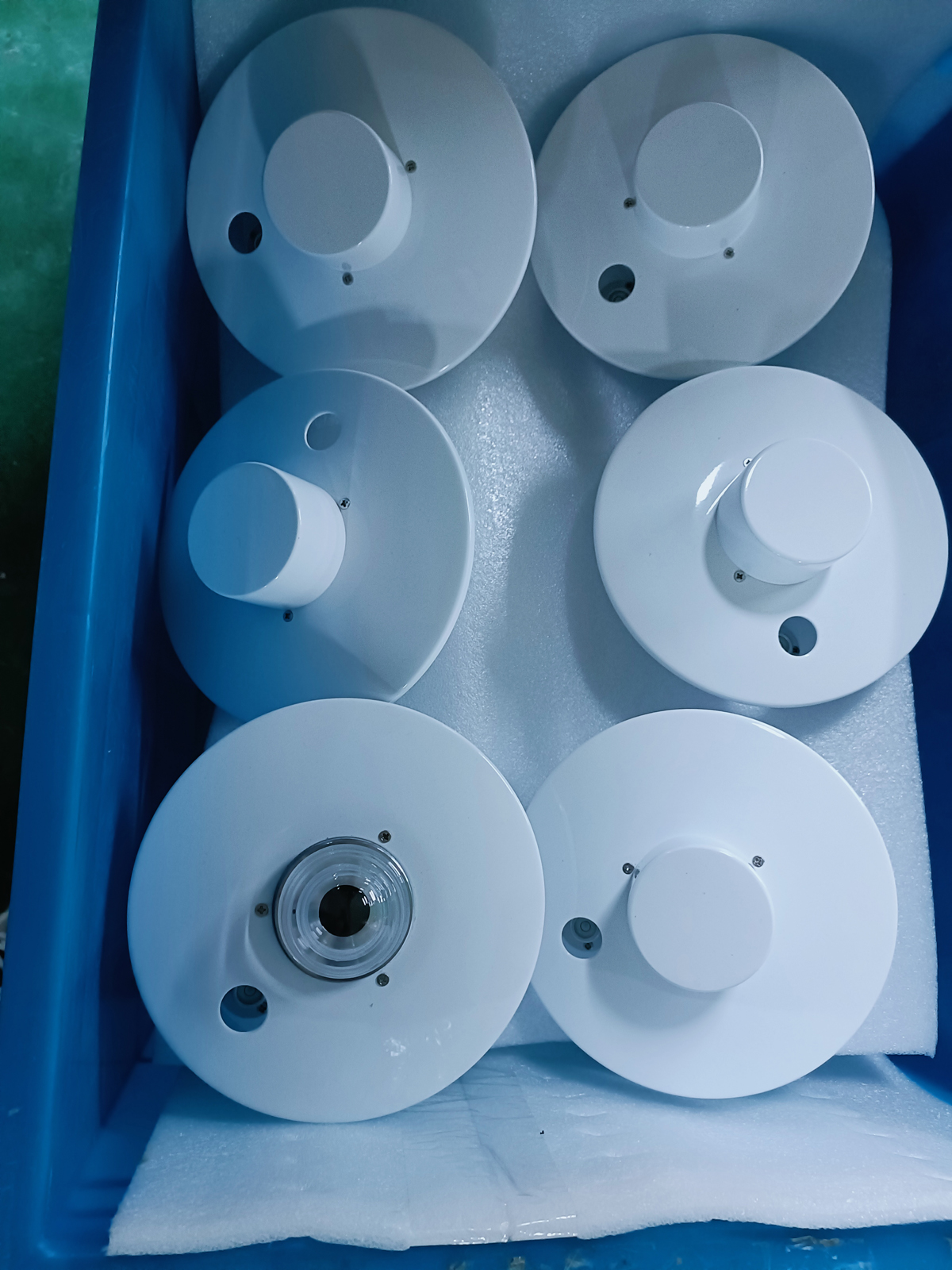
Automatic weather stations are mostly deployed in field areas without stable mains power. Their power supply stability directly affects data continuity and equipment life. Solar energy, as a clean and renewable energy source, has become the preferred solution for independent power supply systems. However, the conversion efficiency and service life of photovoltaic power generation systems highly depend on the performance of the solar controller, which is based on accurate meteorological environmental data.
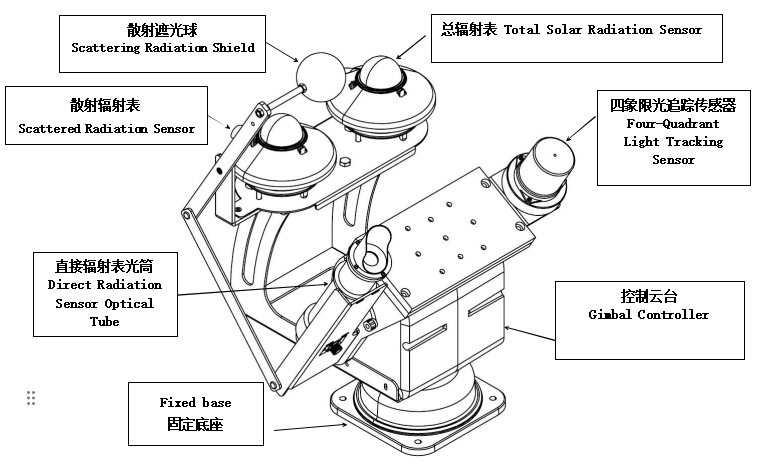
The NiuBoL photovoltaic environmental monitoring instrument is born for this purpose. It not only collects core parameters such as total solar radiation, reflected radiation, and scattered radiation but also synchronously monitors key elements affecting photovoltaic efficiency such as ambient temperature, module temperature, and wind speed. These data together constitute the “environmental portrait” of photovoltaic power station operation, providing scientific basis for power generation prediction, fault diagnosis, and efficiency optimization.
In actual engineering, the lack of precise environmental monitoring often leads to deviations in power generation assessment and lagging operation and maintenance decisions. The NiuBoL automatic weather station photovoltaic sensor effectively solves this pain point through high-stability thermoelectric induction principle and strict environmental adaptation design, ensuring continuous and reliable data output in a wide temperature range from -40℃ to +50℃.
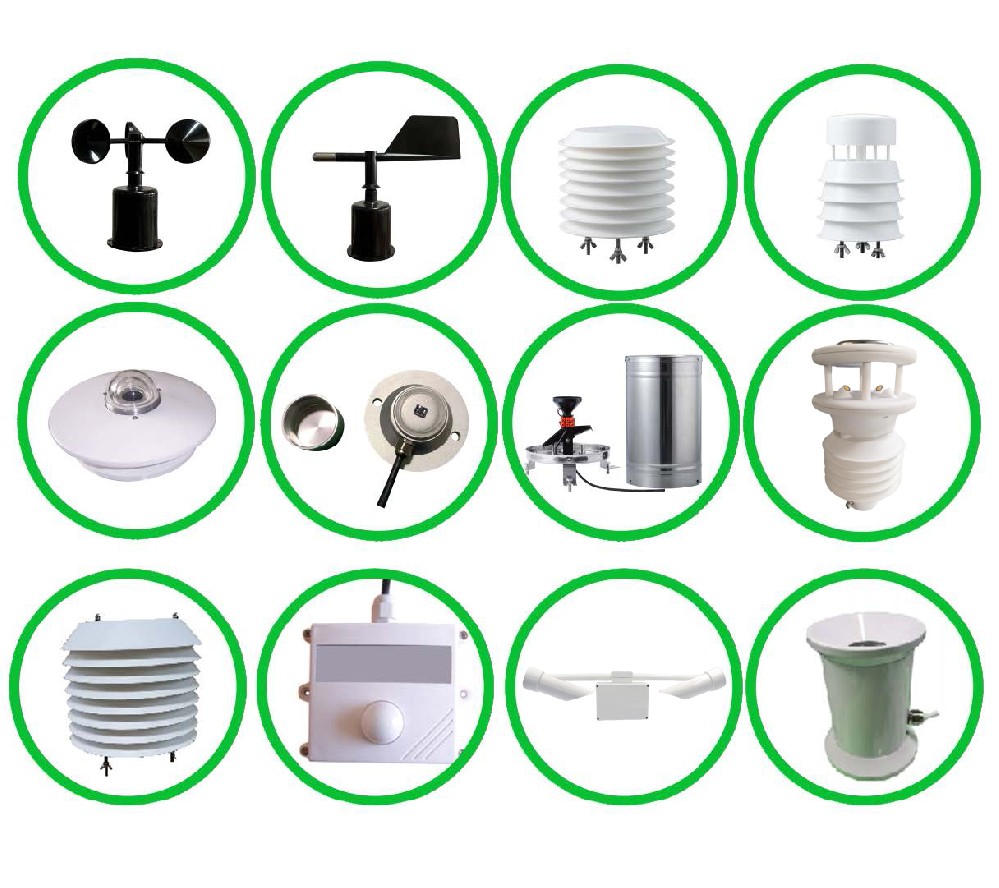
The NiuBoL photovoltaic environmental monitoring instrument strictly follows WMO and IEC standards, with stable performance and high detection accuracy. It supports unattended operation and fully meets the business needs of professional photovoltaic environmental observation. Its core advantages are reflected in the following aspects:
Data Compliance: The logical relationship of various parameters complies with the latest provincial dispatch reporting requirements of photovoltaic power stations and can be directly connected to the power grid dispatching system.
Integration Convenience: Supports multiple output forms such as RS485, 4~20mA current, and 0~5V voltage, facilitating seamless docking with existing SCADA, IoT platforms, or PLC systems.
Environmental Adaptability: All-metal body combined with double-layer glass cover design effectively reduces air convection and infrared radiation interference, ensuring stability of long-term field deployment.
Maintenance Economy: Standard 2.5-meter instrument cable length and annual stability ≤±2% significantly reduce later operation and maintenance costs.
These characteristics make the NiuBoL photovoltaic environmental monitoring instrument a reliable choice for system integrators and engineering companies in photovoltaic project bidding.
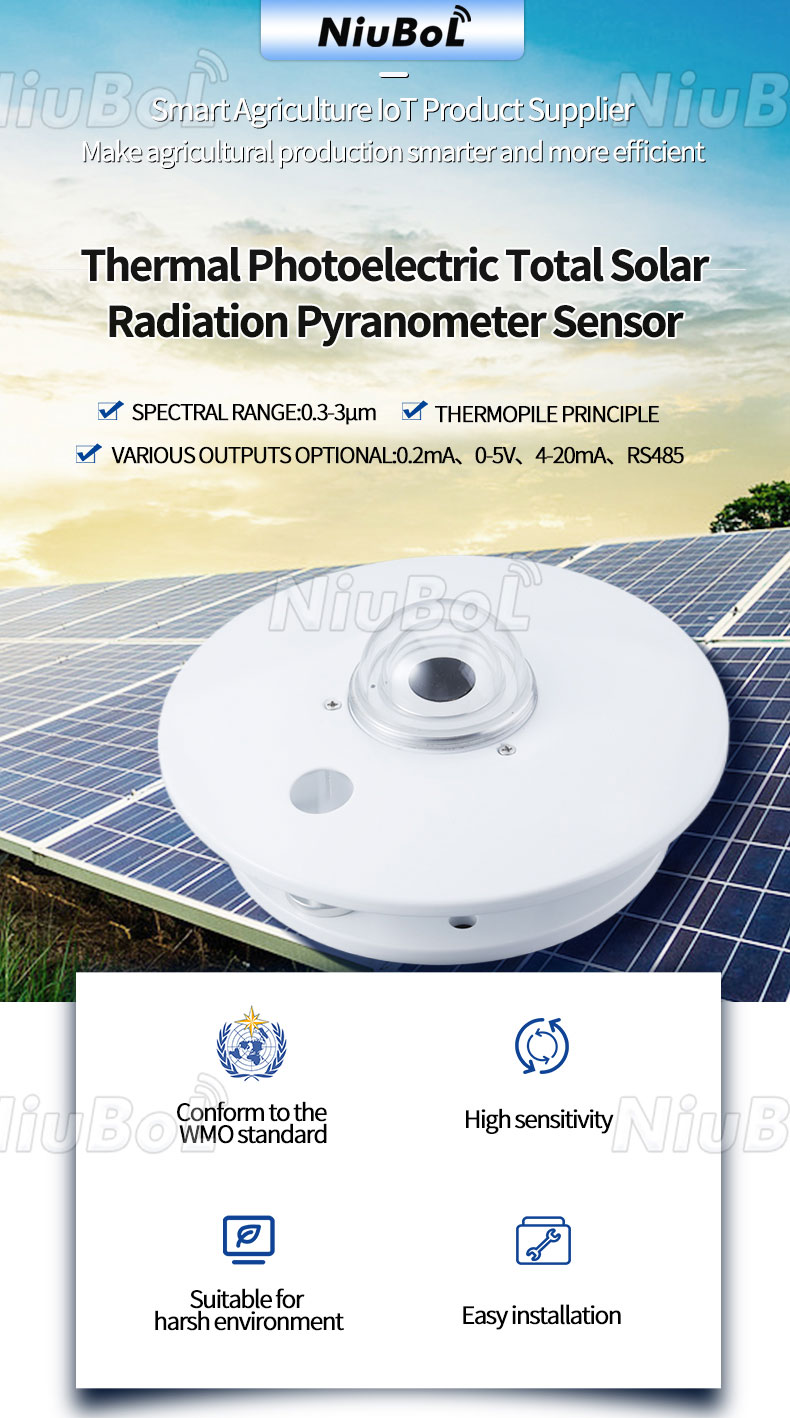
The NBL-W-HPRS solar radiation sensor is the core component of the NiuBoL photovoltaic environmental monitoring instrument. It adopts the thermoelectric induction principle and achieves high-precision measurement through a wound electroplated multi-junction thermopile. Its sensing surface is coated with a high-absorptivity black coating, the hot junction is located on the sensing surface, and the cold junction is placed inside the body. The thermoelectric potential generated by the cold and hot junctions is linearly proportional to solar irradiance.
The double-layer glass cover design further improves measurement accuracy: the outer cover reduces the influence of air convection, and the inner cover cuts off the infrared radiation of the outer cover itself. The sensor can measure total solar radiation in the spectral range of 0.3-3μm and can also achieve reflected radiation and scattered radiation measurement through different installation methods.
| Parameter | Specification |
|---|---|
| Sensitivity | 7~14μV/W·m⁻² |
| Spectral Range | 0.3-3μm |
| Measurement Range | 0~2000W/m² |
| Power Supply Method | DC 12V / DC 24V |
| Output Form | 4~20mA current / 0~5V voltage / RS485 |
| Instrument Cable Length | Standard 2.5 meters |
| Response Time | ≤35 seconds (99%) |
| Internal Resistance | About 350Ω |
| Annual Stability | ≤±2% |
| Cosine Response | ≤7% (when solar altitude angle is 10°) |
| Azimuth Response Error | ≤5% (when solar altitude angle is 10°) |
| Temperature Characteristics | ±2% (-10℃~+40℃) |
| Operating Ambient Temperature | -40℃~+50℃ |
| Non-linearity | ≤2% |
The sensor is widely used in solar energy utilization, meteorological observation, agricultural monitoring, and building material aging research fields, and is particularly critical in photovoltaic power station scenarios.
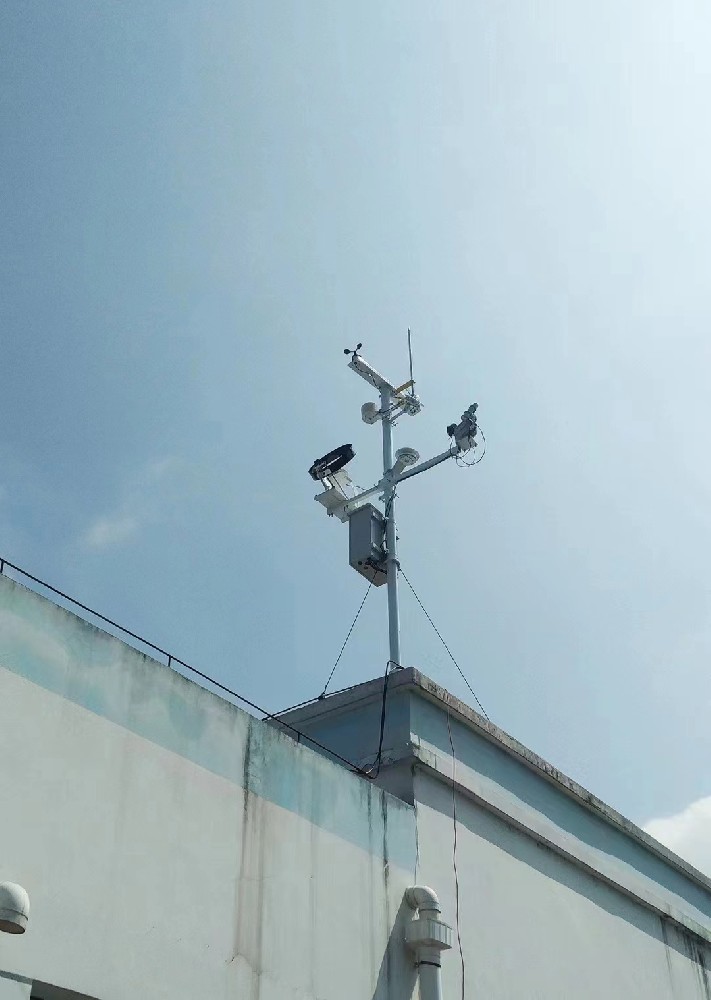
Solar irradiation, battery module conversion rate, and maximum power tracking accuracy directly determine photovoltaic power generation efficiency. The total solar radiation data provided by the NiuBoL photovoltaic environmental monitoring instrument can accurately reflect real-time irradiance intensity and provide input basis for MPPT algorithms. The correlation data of module temperature with ambient temperature, irradiance intensity, and wind speed helps operation and maintenance teams timely adjust heat dissipation strategies or warn of high-temperature efficiency reduction risks.
In the power station design stage, continuous meteorological environmental data sets can be used to calculate annual power generation predictions, inclined surface radiation optimization, and capacity allocation, providing reliable data support for investment decisions. In the operation and maintenance stage, data can be used to generate performance ratio (PR) reports, identify abnormal component attenuation, and meet the mandatory reporting requirements of the grid side for environmental parameters.
Through the NiuBoL automatic weather station photovoltaic sensor, users can transform “passive operation and maintenance” into “data-driven operation and maintenance,” significantly improving the overall power generation efficiency of the system and extending the equipment lifecycle.
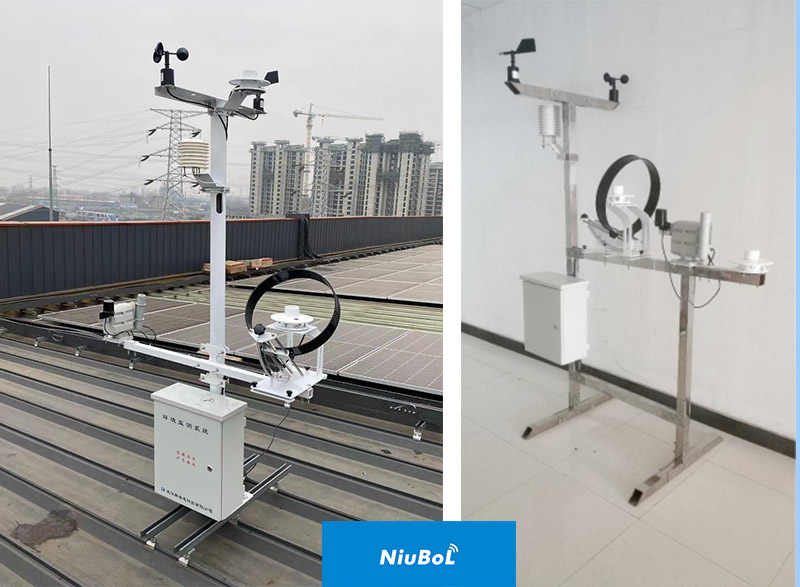
1. Large Ground Photovoltaic Power Stations
The NiuBoL photovoltaic environmental monitoring instrument can be integrated into the power station monitoring system to achieve centralized collection of environmental parameters across the entire site, providing a data foundation for inverter cluster control and intelligent operation and maintenance platforms.
2. Distributed Rooftop Photovoltaic Projects
Limited by installation space and budget, integrators can select modular NiuBoL solutions and only deploy core radiation sensors and necessary meteorological elements to quickly meet grid-connection acceptance requirements.
3. Photovoltaic Energy Storage Combined Systems
Environmental data is linked with energy storage strategies: prioritize charging during high-irradiance and low-wind-speed periods, and optimize discharge plans during irradiance decay periods to improve overall energy utilization.
4. Cross-Regional Multi-Point Monitoring Projects
Engineering companies can achieve unified upload of multi-site data through RS485 bus or IoT gateways, providing support for regional-level photovoltaic resource assessment and carbon trading data reporting.
In these scenarios, the NiuBoL photovoltaic environmental monitoring instrument helps partners reduce project risks, shorten delivery cycles, and enhance bidding competitiveness with its high precision, no need for frequent calibration, and standardized interface characteristics.
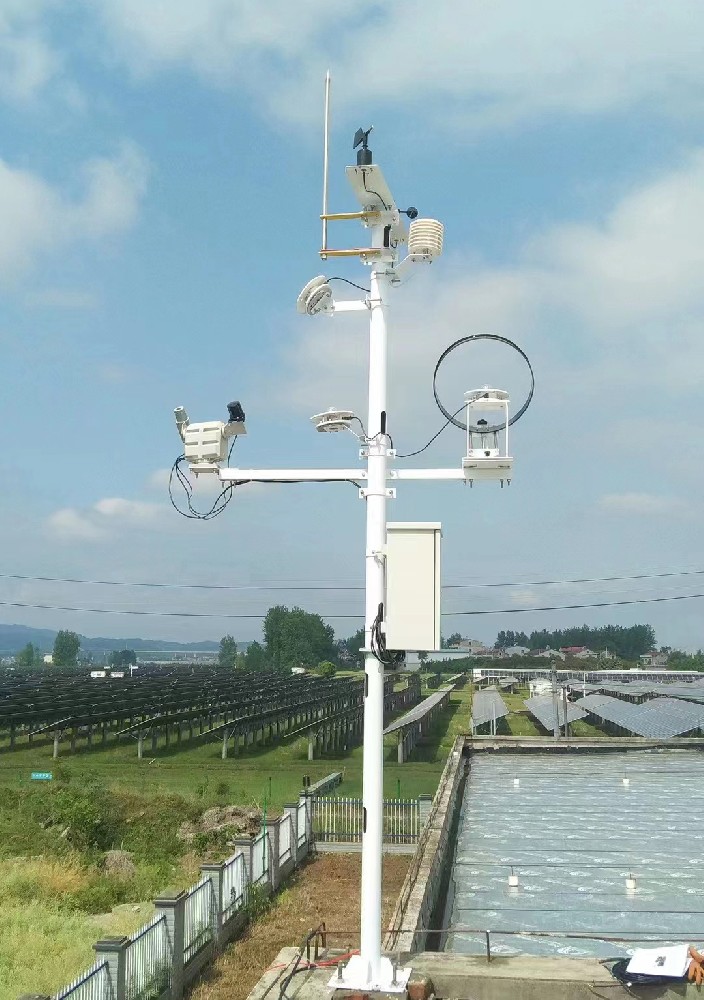
For system integrators and project contractors, NiuBoL provides flexible configuration solutions: single-point or multi-point monitoring modes can be selected according to power station scale, supporting secondary development protocol docking. All equipment undergoes strict environmental simulation tests before leaving the factory to ensure delivery-ready use. Partners can choose different output forms according to actual needs to achieve zero-code or low-code integration with existing monitoring systems.
Q1. Does the equipment support independent solar power supply?
Yes. It supports low-power DC12V/DC24V power supply and can be combined with photovoltaic controllers to achieve completely off-grid operation, suitable for areas without mains power.
Q2. What output signals does the NBL-W-HPRS solar radiation sensor support?
It supports 4~20mA current, 0~5V voltage, and RS485 digital output, compatible with mainstream PLC, RTU, and IoT gateways.
Q3. How is the stability of the sensor in high-altitude or strong wind environments?
The equipment operating temperature range is -40℃~+50℃. The double-layer glass cover and sturdy body design can effectively resist harsh field meteorological conditions, with annual stability ≤±2%.
Q4. Does the automatic weather station photovoltaic sensor require frequent maintenance?
It adopts the thermopile induction principle and high-absorptivity coating, with high annual stability. Usually, only annual cleaning of the glass cover is needed to maintain high precision.
Q5. How to achieve integration with existing SCADA systems?
Through RS485 or analog output, it can be directly connected to most mainstream SCADA platforms and supports Modbus protocol communication.
Q6. What is the coverage range of a single set of NiuBoL photovoltaic environmental monitoring instrument for a power station?
Single-point monitoring is suitable for typical power stations within 10MW. Large power stations can achieve full-site coverage through multi-point distributed deployment. Specific solutions can be customized according to terrain and requirements.
Q7. As a system integrator, how to obtain technical support and bulk quotation?
Please contact the NiuBoL technical team through official channels. We provide selection guidance, integration protocol documents, and project-level bulk support.
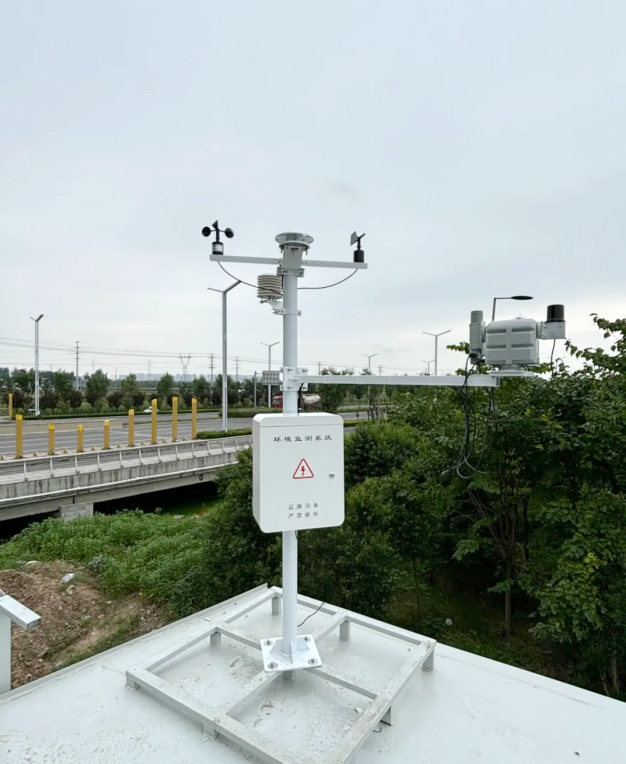
The NiuBoL automatic weather station photovoltaic sensor and photovoltaic environmental monitoring instrument provide a complete meteorological environmental data solution for the photovoltaic industry with professional, reliable, and efficient characteristics. Through core components such as the NBL-W-HPRS total solar radiation sensor and photovoltaic module temperature sensor, users can accurately grasp the key parameters affecting power generation efficiency and achieve full-lifecycle optimization from design, construction to operation and maintenance.
For system integrators, IoT solution providers, and engineering companies seeking stable partners, choosing NiuBoL means obtaining environmental monitoring capabilities that comply with international standards, are easy to integrate, and are long-term stable. We are committed to helping the photovoltaic industry reduce costs and increase efficiency through technological innovation and promote the high-quality development of clean energy. If you need product selection, scheme design, or technical exchange, please feel free to communicate with us to jointly build an efficient and reliable photovoltaic environmental monitoring system.
 NBL-W-HPRS-Solar-Radiation-Sensor-Instruction-Manual-V3.0.pdf
NBL-W-SRS-Solar-radiation-sensor-instruction-manual-V4.0.pdf
NBL-W-PPT-SMD-Solar-Panel-Temperature-Sensors.pdf
NBL-W-PSS Soiling Sensor Photovoltaic Dust Monitoring Instrument Data Sheet.pdf
Related recommendations
Sensors & Weather Stations Catalog
Agriculture Sensors and Weather Stations Catalog-NiuBoL.pdf
Weather Stations Catalog-NiuBoL.pdf
Agriculture Sensors Catalog-NiuBoL.pdf
Water Quality Sensor Catalog-NiuBoL.pdf
Related products
 Combined air temperature and relative humidity sensor
 TDR Soil Moisture & Temperature Sensor for irrigation| RS485 |4-20mA| NBL-S-THR
 Soil pH sensor RS485 soil Testing instrument soil ph meter for agriculture |NBL-S-PH
 Wind Speed sensor Output Modbus/RS485/Analog/0-5V/4-20mA
 Tipping bucket rain gauge for weather monitoring auto rainfall sensor RS485/Outdoor/stainless steel
 Pyranometer Solar Radiation Sensor 4-20mA/RS485

Screenshot, WhatsApp to identify the QR code
WhatsApp number:+8615367865107
(Click on WhatsApp to copy and add friends)

