





— Blogs —
—Products—
 Consumer hotline +8618073152920
 WhatsApp:+8615367865107
Address:Room 102, District D, Houhu Industrial Park, Yuelu District, Changsha City, Hunan Province, China
Product knowledge
Time:2026-04-05 11:53:28 Popularity:485
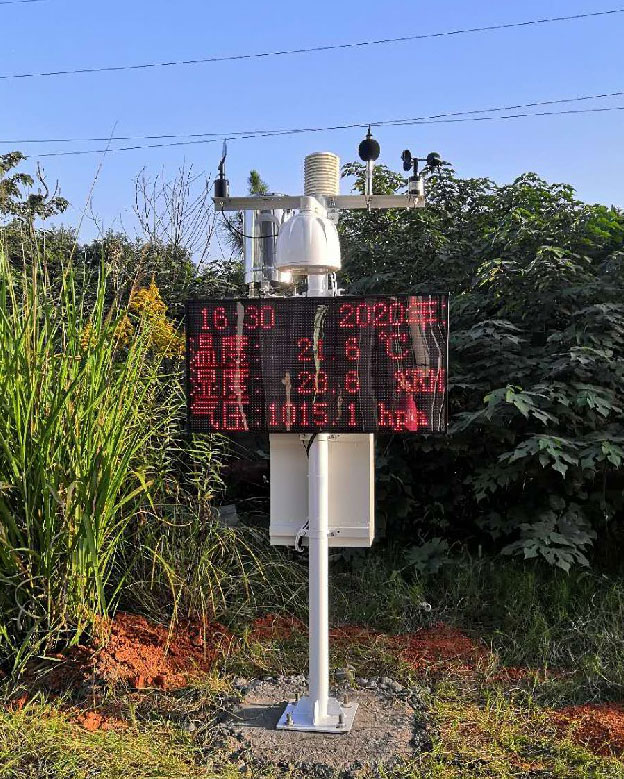
As an industrial-grade core environmental monitoring device, the compact automatic weather station undertakes real-time meteorological data collection tasks in smart cities, smart agriculture, wind farms, and scientific research projects. The NiuBoL compact automatic weather station and ultrasonic micro weather station are designed according to the international meteorological WMO organization observation standards. They consist of meteorological sensors, data collection recorder, transmission module, bracket system, solar power supply unit, and backend monitoring software. They can realize continuous online monitoring of multiple meteorological elements such as wind speed, wind direction, temperature, humidity, atmospheric pressure, rainfall, total radiation, PM2.5, and PM10.
For system integrators, IoT solution providers, and engineering companies, NiuBoL provides a modular configuration automatic weather station product line, including five-element micro meteorological instruments, six-element, and multi-element expanded equipment. This series of products adopts ultrasonic non-mechanical structure design, featuring high integration, maintenance-free characteristics, and wide temperature working range, meeting the long-term stable operation requirements of complex outdoor scenarios. This article systematically sorts out the components, technical advantages, and engineering applications of the compact automatic weather station, providing selection and integration references for business partners.
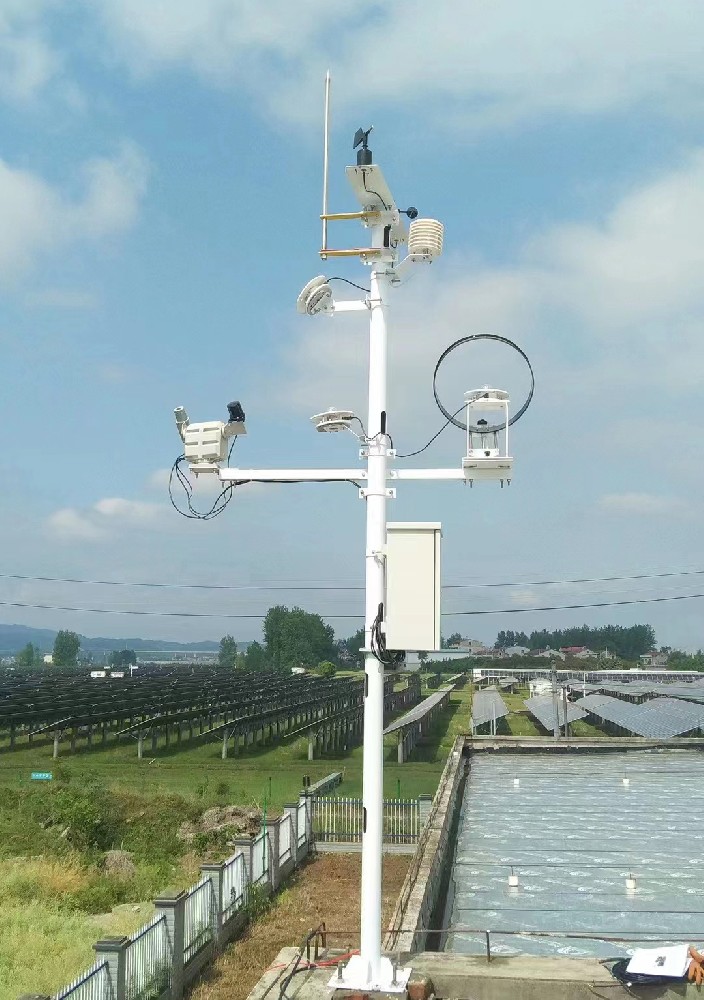
The NiuBoL compact automatic weather station adopts a modular architecture design and mainly consists of the following core parts. Each module can be flexibly configured according to project requirements:
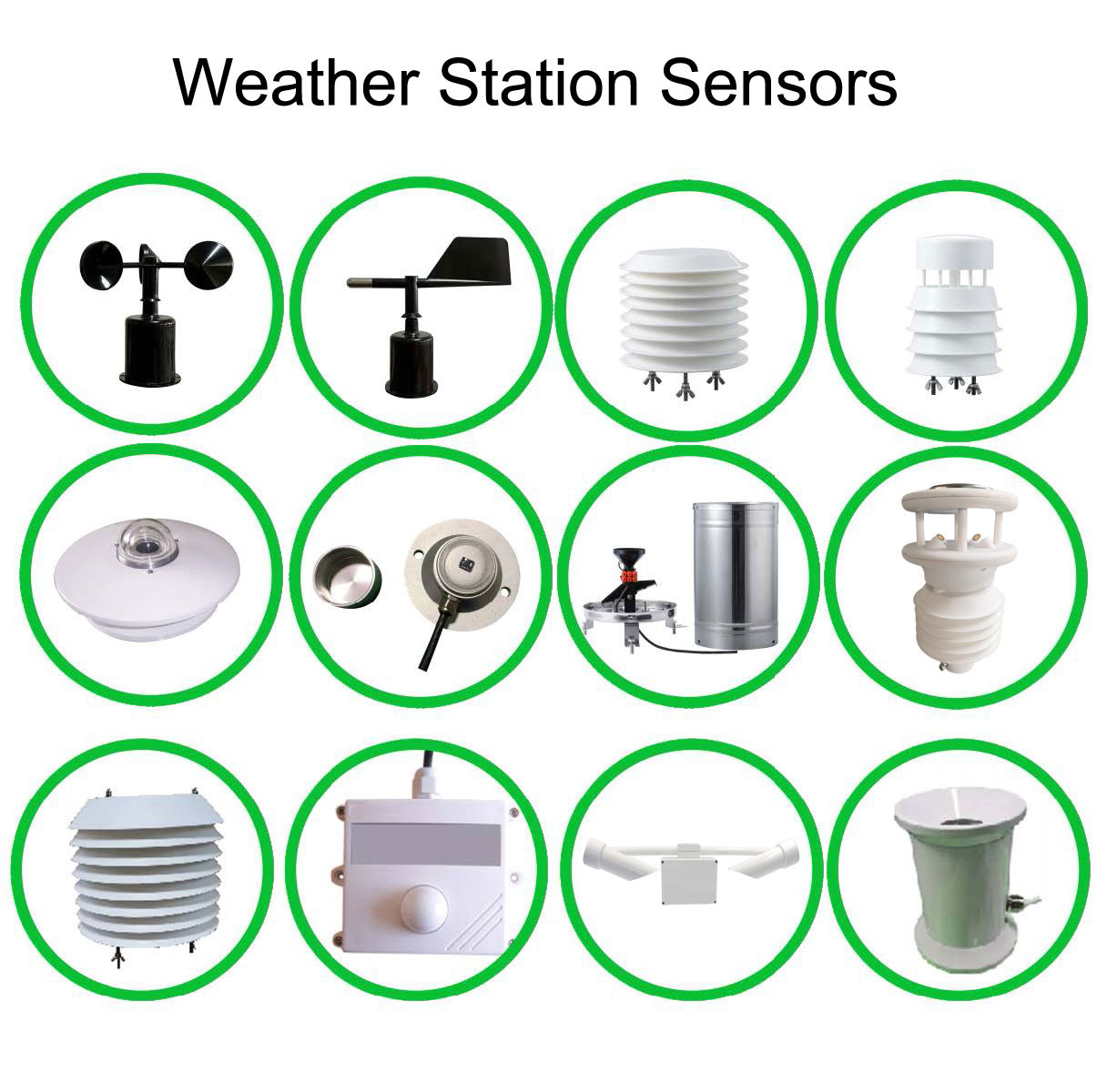
The sensor is the data source of the automatic weather station and is responsible for collecting various meteorological elements. NiuBoL products support on-demand selection of conventional meteorological parameters and extended environmental protection parameters, including:
Wind speed and wind direction sensors (mainly ultrasonic principle)
Rainfall sensor (optical, piezoelectric, or tipping bucket optional)
Total radiation and illuminance sensors
PM2.5 and PM10 particulate matter sensors (extended)
Ultrasonic weather station sensors adopt an integrated high-integration structure, replacing traditional mechanical components and avoiding maintenance problems caused by easily worn components such as wind cups and wind vanes.
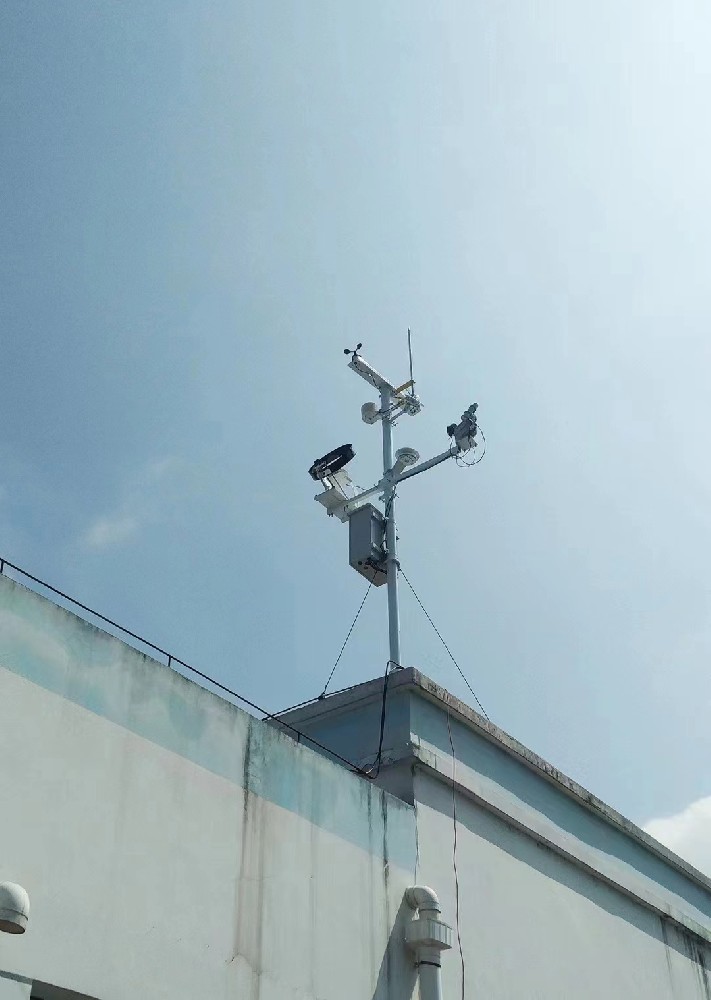
The data collector is responsible for synchronous collection, A/D conversion, preprocessing, and storage of multi-channel sensor signals. The NiuBoL meteorological data recorder supports high-frequency sampling and local caching to ensure data integrity.
The transmission module provides multiple communication interfaces, including RS485, Modbus RTU, 4G, MQTT, etc., to realize remote upload of data to cloud platforms or local monitoring centers. The module supports ultra-low power consumption design and is suitable for off-grid power supply scenarios.
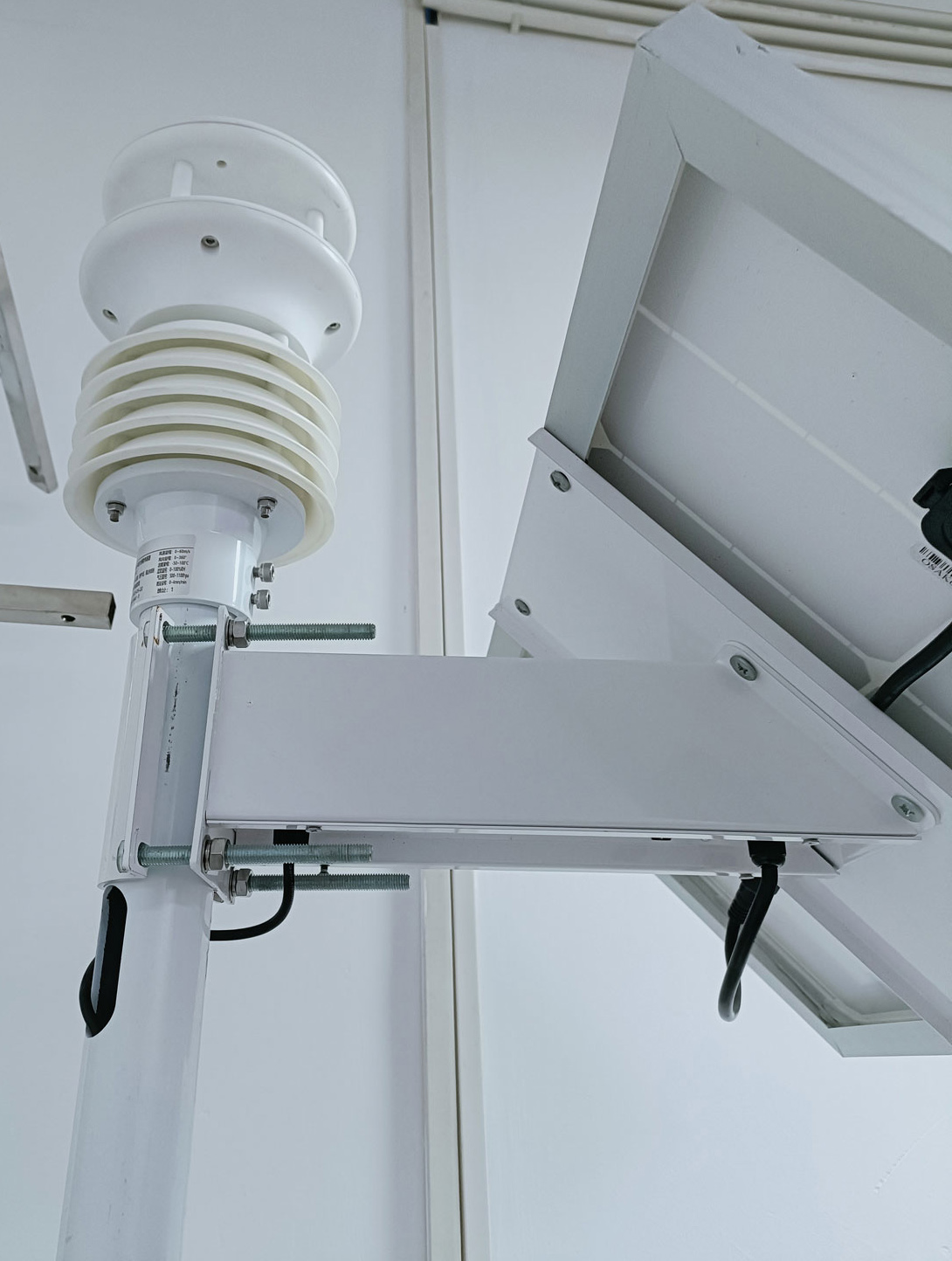
The weather station bracket uses anti-corrosion aluminum alloy or stainless steel material. The design height and structural strength meet sensor installation requirements while taking into account wind resistance and seismic requirements. The bracket system integrates solar panel installation interfaces and equipment protection boxes to ensure long-term stable deployment in the field.
It consists of solar panels, MPPT controller, and high-capacity battery to provide 24-hour uninterrupted power support. The system adopts intelligent charging management to adapt to light conditions at different latitudes and seasons, ensuring continuous operation of the equipment in rainy weather.
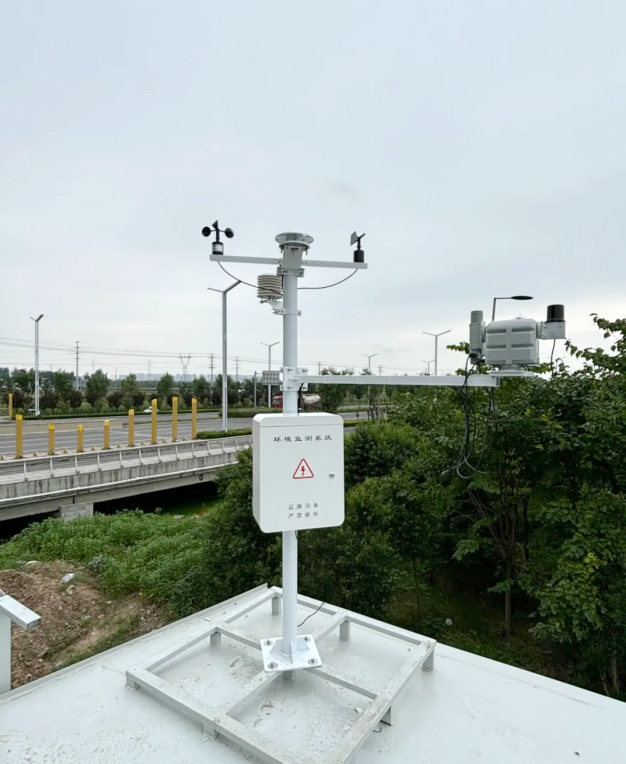
The meteorological environment monitoring software is developed based on the Internet architecture and supports real-time data display, historical curve query, over-limit alarms, report output, and multi-site centralized management. The software provides open API interfaces to facilitate system integrators to access existing IoT or SCADA platforms.
The NiuBoL automatic observation station consists of three major parts: meteorological sensors, meteorological data recorder, and meteorological environment monitoring software, forming a complete data collection-transmission-application closed loop.
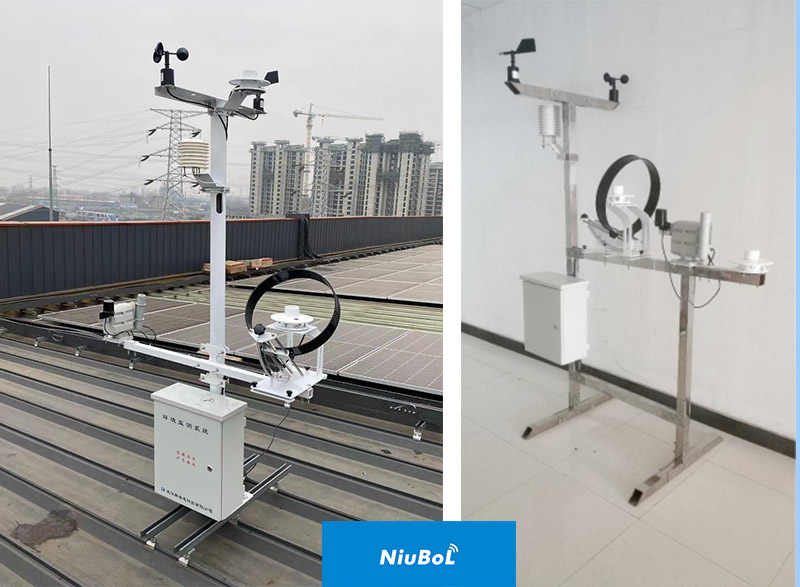
The ultrasonic micro weather station is a high-integration representative product in the NiuBoL compact automatic weather station series. Its core advantage lies in the use of ultrasonic wind speed and direction measurement technology, which realizes non-contact high-precision detection by emitting frequency-modulated ultrasonic signals and measuring phase differences.
Compared with traditional mechanical weather stations, the ultrasonic version has the following engineering advantages:
No mechanical rotating parts, maintenance-free, resistant to ice, snow, frost, and strong wind interference
Faster response time, suitable for capturing turbulent wind field changes
Compact structure and light overall weight, easy to install on lamp poles, towers, or mobile platforms
ASA engineering plastic shell, does not change color after long-term outdoor use, with strong weather resistance
The ultrasonic micro weather station also includes components such as sensors, collectors, transmission modules, brackets, solar power supply, and backend software, but the sensor part is highly integrated. It can encapsulate five elements (temperature, humidity, wind speed, wind direction, atmospheric pressure) in a single probe, greatly reducing installation complexity.
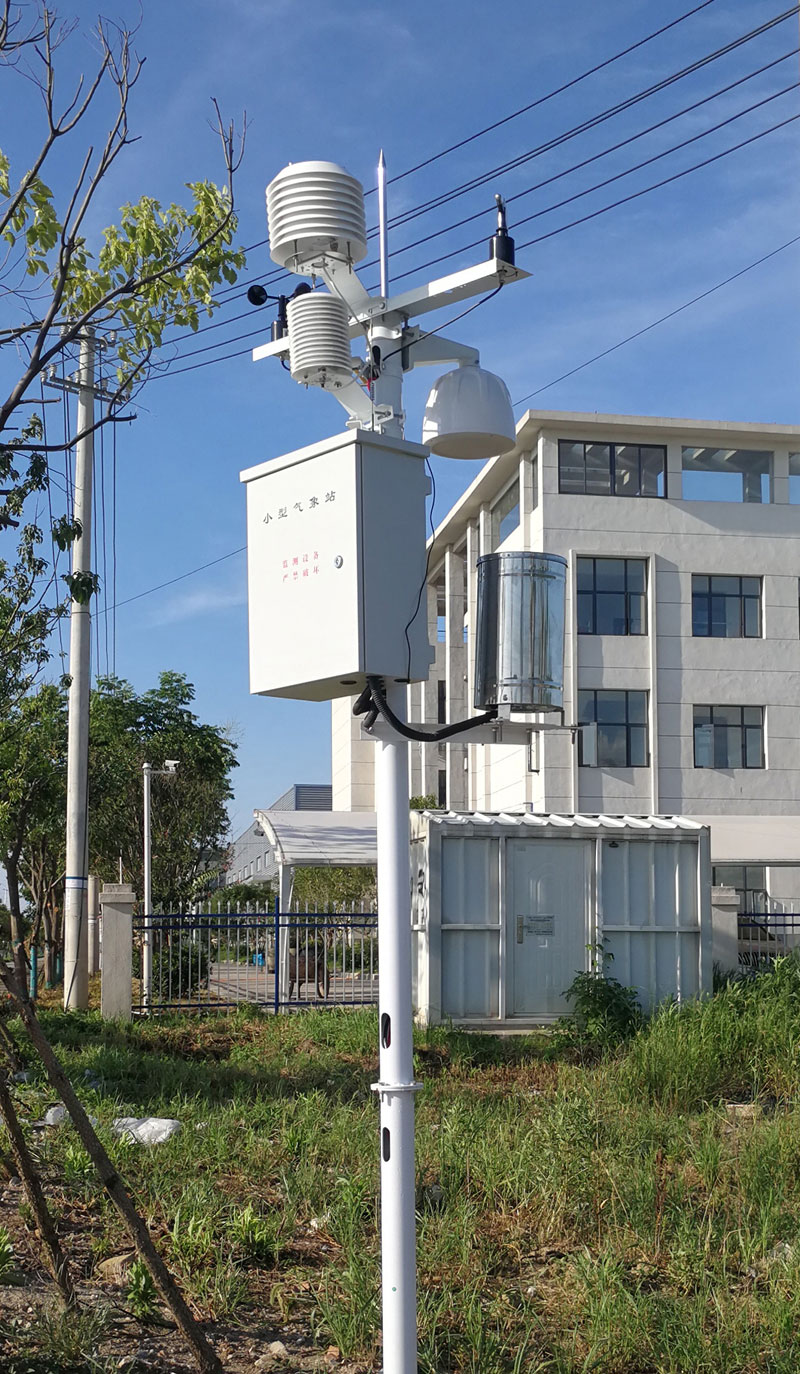
The NiuBoL five-element micro meteorological instrument innovatively integrates five standard meteorological parameters — ambient temperature, relative humidity, wind speed, wind direction, and atmospheric pressure — into a highly compact structure and outputs all parameters at once through a digital communication interface. This product can expand rainfall, total solar radiation, and AQI-related gas and particulate matter parameters to meet customized needs of different industries.
Main engineering advantages include:
All-weather continuous online monitoring, not affected by heavy rain, ice, snow, or frost
High measurement accuracy and stable long-term performance, no need for on-site regular calibration
High-integration design, easy installation and disassembly, reducing construction costs
Low-power operation, combined with solar systems to achieve completely off-grid deployment
Wide temperature working range, adapting to -40℃ to +60℃ industrial-grade environments
These characteristics make the five-element micro meteorological instrument the preferred solution for smart lamp poles, micro-environment monitoring nodes, and portable weather stations.
| Parameter | Measurement Range | Accuracy | Remarks |
|---|---|---|---|
| Ambient Temperature | -40℃~+60℃ | ±0.3℃ | High-precision digital |
| Relative Humidity | 0~100% RH | ±3% RH | Capacitive |
| Wind Speed | 0~60 m/s | ±0.3 m/s (≤10 m/s) | Ultrasonic |
| Wind Direction | 0~360° | ±3° | Ultrasonic |
| Atmospheric Pressure | 500~1100 hPa | ±0.5 hPa | MEMS air pressure module |
| Output Interface | RS485 / Modbus RTU | - | Supports extended analog output |
| Protection Level | IP65 and above | - | ASA engineering plastic shell |
| Operating Temperature | -40℃~+60℃ | - | All-weather industrial grade |
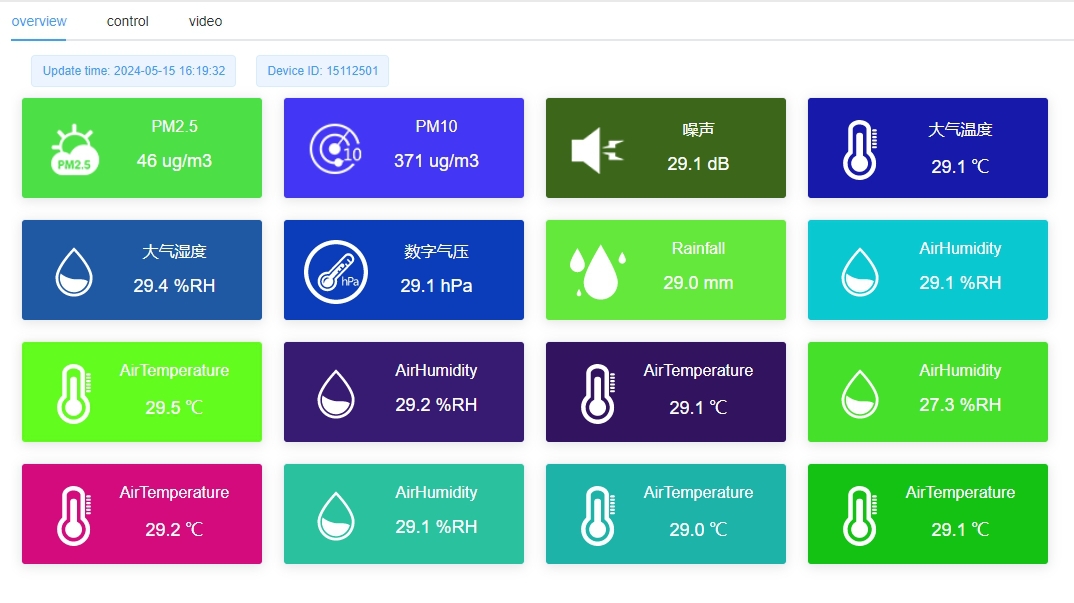
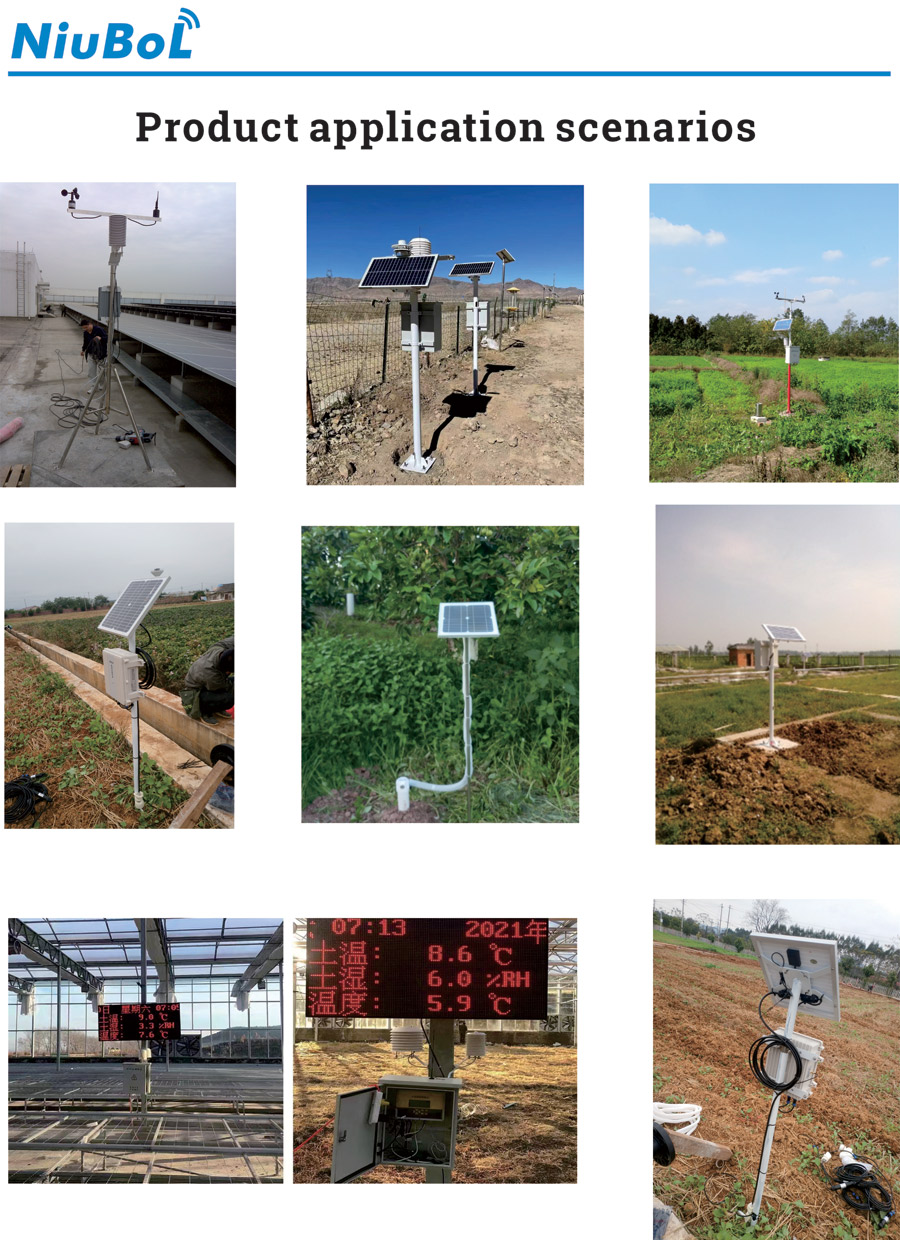
The NiuBoL compact automatic weather station is widely used in the following typical scenarios:
1. Smart Agriculture and Precision Planting
Deployed in farmland, greenhouses, or orchards to provide soil temperature and humidity, air temperature and humidity, and wind speed and direction data, supporting the construction of irrigation, fertilization, and pest and disease early warning models.
2. Wind Power Generation Farms
Installed on wind turbine towers or wind measurement towers to monitor wind resource distribution in real time and provide data support for power generation prediction, fan control, and safe operation.
3. Scenic Areas and Tourism Environmental Monitoring
Integrated into smart lamp poles or landscape poles to monitor parameters such as negative oxygen ions, total radiation, temperature and humidity, assisting in tourist comfort assessment and ecological protection.
4. Construction Sites and Smart Construction Sites
Combined with dust monitoring modules to achieve correlation analysis between meteorological background data and PM2.5/PM10 concentrations, supporting dust diffusion prediction and dust suppression measure linkage.
5. Urban Environment and Scientific Research Observation
As urban micro-meteorological monitoring nodes or scientific research test stations, they provide high spatiotemporal resolution data to support research such as heat island effect and air quality model verification.
6. Navigation, Aviation, and Bridge-Tunnel Safety Monitoring
Provide real-time wind field and visibility-related meteorological data for ships, airports, and large infrastructure to improve operation safety assurance capabilities.
In the above scenarios, NiuBoL products help system integrators reduce deployment complexity, shorten project cycles, and achieve fast docking with existing IoT platforms through standardized interfaces, improving the competitiveness of overall solutions.
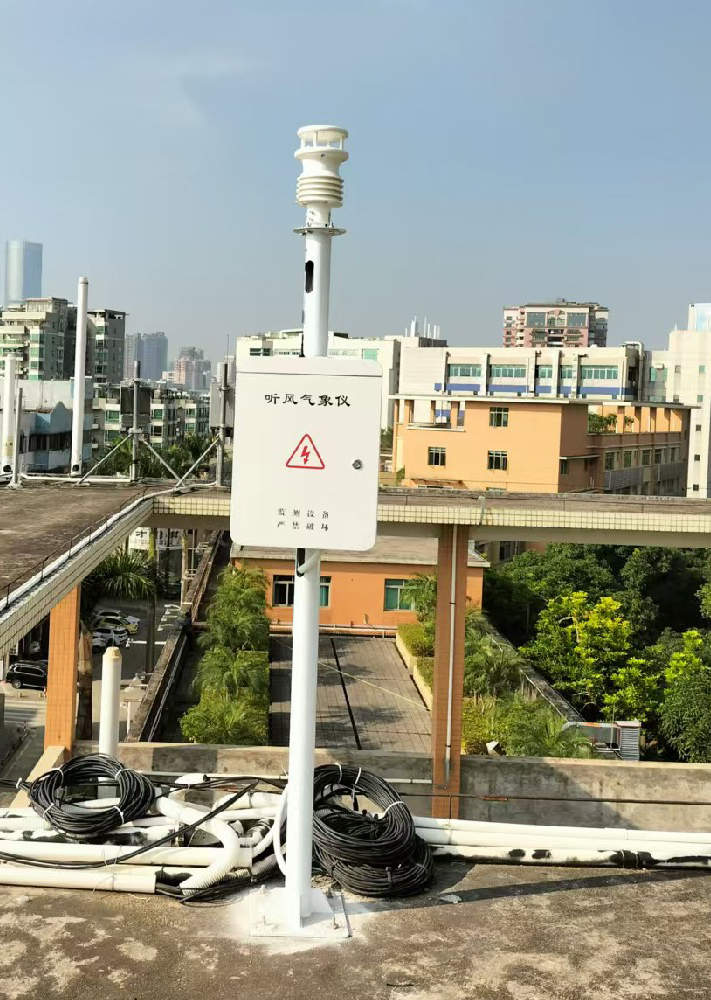
For engineering companies and IoT solution providers, the NiuBoL compact automatic weather station supports flexible configuration: basic five-element type or multi-element expanded type can be selected, and communication protocols can be adapted to mainstream standards such as Modbus and MQTT. The equipment undergoes strict environmental reliability tests before leaving the factory to ensure delivery-ready use. It is recommended to carry out point layout and power supply scheme design in combination with site meteorological conditions and data requirements during the project planning stage.
Q1. What are the main components of the NiuBoL compact automatic weather station?
It mainly includes meteorological sensor module, data collection recorder, transmission module, bracket system, solar power supply unit, and backend monitoring software.
Q2. What are the advantages of ultrasonic micro weather stations compared with traditional mechanical weather stations?
The ultrasonic version has no mechanical wear parts, is maintenance-free, has faster response, stronger resistance to harsh weather, and more compact structure.
Q3. What parameter expansions does the five-element micro meteorological instrument support?
It can expand rainfall, total radiation, noise, PM2.5, PM10, and various gas parameters to meet customized needs of different industries.
Q4. Does the equipment support completely off-grid operation?
Yes. It achieves 24-hour continuous power supply through solar panels and battery systems, suitable for deployment in areas without mains power.
Q5. What communication protocols does data transmission support?
It supports RS485, Modbus RTU, 4G, MQTT, HTTP, and other methods, facilitating access to existing IoT platforms.
Q6. What key points need attention during installation?
Bracket height, sensor orientation, avoiding obstructions, and power supply system matching are key. It is recommended to arrange according to WMO observation specifications.
Q7. Does the equipment require regular on-site calibration?
The ultrasonic and high-stability sensor design makes annual maintenance requirements extremely low. Usually, only regular cleaning of the sensor surface is needed.
Q8. How do system integrators obtain technical support and bulk solutions?
The NiuBoL technical team provides complete protocol documents, integration guidance, selection suggestions, and project-level support. Welcome to discuss cooperation.
The NiuBoL compact automatic weather station and ultrasonic micro weather station provide reliable solutions for industrial-grade meteorological monitoring with modular, high-integration, and maintenance-free characteristics. Its complete component design, observation capabilities that comply with WMO standards, and flexible expansion interfaces meet the deployment needs of system integrators, IoT solution providers, and engineering companies in multi-field projects.
Through products such as the NiuBoL multi-element micro meteorological instrument, users can achieve efficient and stable outdoor meteorological data collection, supporting the digital transformation of application scenarios such as smart agriculture, wind power, urban environment, and scientific research. We focus on providing professional and stable meteorological monitoring equipment and technical support for partners. If you need product configuration details, scheme design, or technical exchange, please feel free to contact the NiuBoL team to jointly promote the successful implementation of environmental monitoring projects.
Related recommendations
Sensors & Weather Stations Catalog
 Agriculture Sensors and Weather Stations Catalog-NiuBoL.pdf
Weather Stations Catalog-NiuBoL.pdf
Agriculture Sensors Catalog-NiuBoL.pdf
Water Quality Sensor Catalog-NiuBoL.pdf
Related products
 Combined air temperature and relative humidity sensor
 TDR Soil Moisture & Temperature Sensor for irrigation| RS485 |4-20mA| NBL-S-THR
 Soil pH sensor RS485 soil Testing instrument soil ph meter for agriculture |NBL-S-PH
 Wind Speed sensor Output Modbus/RS485/Analog/0-5V/4-20mA
 Tipping bucket rain gauge for weather monitoring auto rainfall sensor RS485/Outdoor/stainless steel
 Pyranometer Solar Radiation Sensor 4-20mA/RS485

Screenshot, WhatsApp to identify the QR code
WhatsApp number:+8615367865107
(Click on WhatsApp to copy and add friends)

