





— Blogs —
—Products—
 Consumer hotline +8618073152920
 WhatsApp:+8615367865107
Address:Room 102, District D, Houhu Industrial Park, Yuelu District, Changsha City, Hunan Province, China
Product knowledge
Time:2026-04-05 12:08:07 Popularity:486
In today’s context of global climate fluctuations and frequent extreme weather events, high-precision ground meteorological observation has become the first line of defense for energy management, smart cities, modern agriculture, and disaster prevention and mitigation. Traditional ground observation relies on manual reading and recording, with limitations such as poor timeliness and insufficient data continuity.
The popularization of modern automatic weather stations (Automatic Weather Station, AWS) has completely changed the rules of the game for environmental monitoring. By integrating precision physical sensors, embedded data processing units, and diversified communication interfaces, AWS can provide meteorological element data with strong representativeness, high accuracy, and excellent real-time performance. For system integrators, IoT solution providers, and project contractors around the world, selecting meteorological monitoring hardware that complies with the World Meteorological Organization (WMO) standards is the core foundation for building stable and reliable industrial monitoring systems.
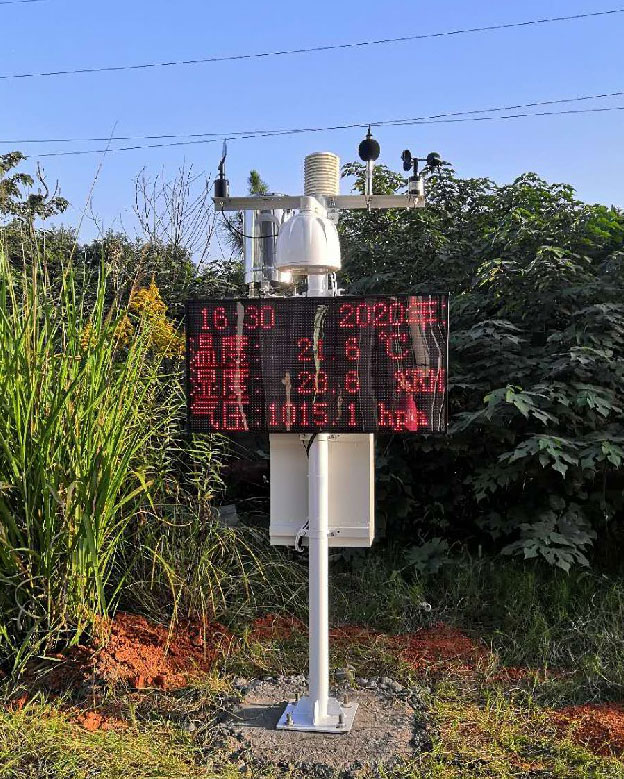
A complete automatic weather station is not a single instrument but a complex embedded system. NiuBoL meteorological monitoring stations follow a modular design concept to ensure long-term stable operation in unattended environments.
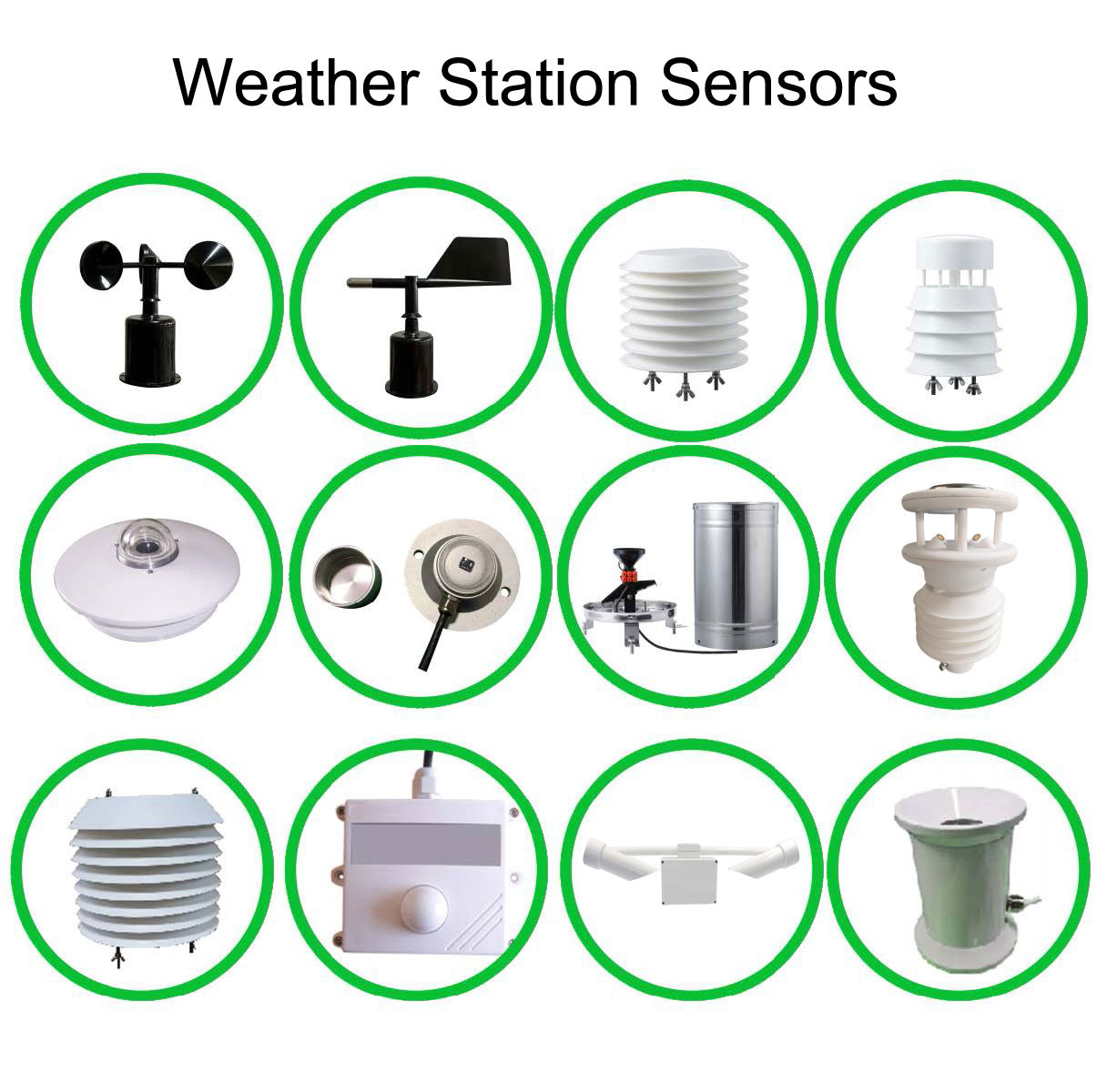
1. High-Precision Meteorological Sensors (Perception Layer)
Sensors are the “five senses” of AWS and are responsible for converting physical parameters in the atmosphere into electrical signals.
Air temperature and humidity sensors: Usually use capacitive polymer principles, combined with multi-layer radiation-proof ventilation covers to ensure accurate capture of air conditions even under strong light.
Wind direction and wind speed sensors: Divided into traditional mechanical (cup/wing) and modern ultrasonic types. Ultrasonic wind speed and direction instruments use the acoustic time-difference method for measurement, with no mechanical wear, making them more suitable for harsh environments such as extreme cold or sandstorms.
Rain gauges: Use tipping bucket structures or radar wave detection technology. Tipping bucket rain gauges have become the preferred choice for industrial applications due to their simple structure and stable performance.
Atmospheric pressure sensors: Use high-precision piezoresistive sensing elements to analyze air pressure change trends and are key parameters for weather prediction.
Solar radiation sensors: Monitor total radiation or light intensity and are widely used in photovoltaic power station efficiency evaluation and plant photosynthesis research.
2. Data Collector and Recorder (Control Layer)
The collector is the brain of the automatic weather station. It is responsible for filtering, amplifying, A/D conversion, and logical operations on analog or digital signals from various sensors. The NiuBoL collector has powerful storage capabilities and anti-interference characteristics and supports the standard RS485 (Modbus-RTU) protocol for seamless access to various PLC, SCADA systems, or edge computing gateways.
3. Communication Module and Power Supply System (Transmission and Support Layer)
The system supports multiple transmission methods such as GPRS, 4G, 5G, and Ethernet. The power supply system usually adopts a “solar power supply + large-capacity lead-acid battery/lithium battery” combination to ensure continuous power supply in rainy days or remote areas without electricity.
For industrial-grade application requirements, the following table shows the commonly used monitoring parameters and technical indicators of NiuBoL multi-element automatic weather stations:
| Monitoring Element | Measurement Range | Measurement Accuracy | Communication Protocol/Output Signal |
|---|---|---|---|
| Air Temperature | -40°C ~ +85°C | ±0.3°C | RS485 / 4-20mA |
| Air Humidity | 0 ~ 100% RH | ±3% RH | RS485 / 4-20mA |
| Wind Speed | 0 ~ 60 m/s | ±(0.3+0.03V) m/s | RS485 / Pulse |
| Wind Direction | 0 ~ 360° | ±3° | RS485 / 0-5V |
| Atmospheric Pressure | 300 ~ 1100 hPa | ±0.5 hPa | RS485 (Modbus) |
| Rainfall | 0 ~ 4 mm/min | ±4% | Switching / RS485 |
| Light Intensity | 0 ~ 200,000 Lux | ±5% | RS485 / 0-10V |
| Total Solar Radiation | 0 ~ 2000 W/m² | < 5% | RS485 (Modbus) |
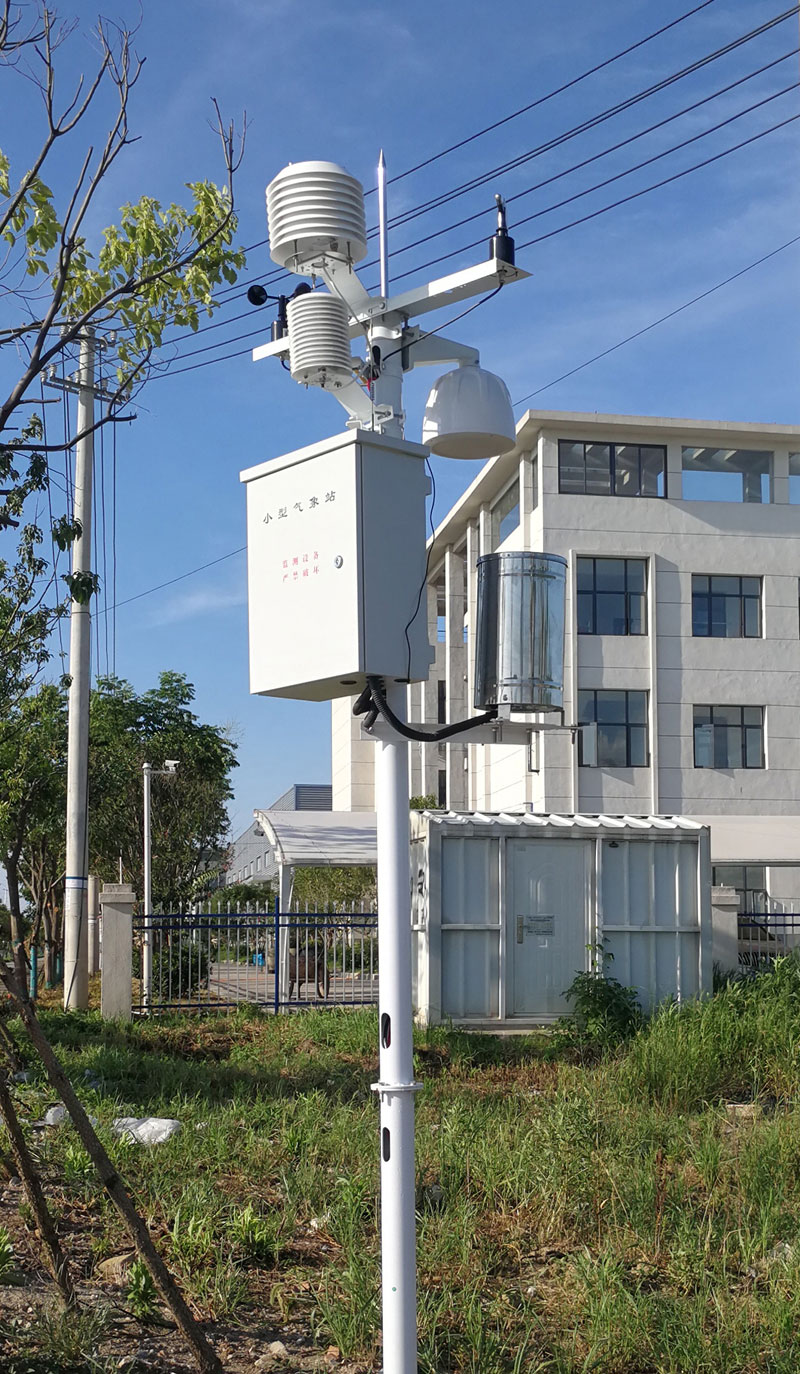
When deploying NiuBoL automatic weather stations, system integrators usually follow the following standardized data flow:
Signal Conversion: Sensors monitor environmental changes in real time. For example, soil moisture sensors use the frequency domain reflection principle (FDR) to obtain the dielectric constant of soil and convert it into standard Modbus signals.
Data Aggregation: The collector reads the values of all connected sensors according to the preset sampling frequency (e.g., every 1 minute or every 10 minutes).
Local Storage: Data is synchronously saved in the collector’s non-volatile memory to prevent data loss caused by network interruption.
Remote Transmission: Through the communication module, data is encapsulated and uploaded to the cloud server or local monitoring center.
Visualization Analysis: End users perform curve analysis, report export, and abnormal threshold alarm triggering through cloud platforms or professional meteorological software.
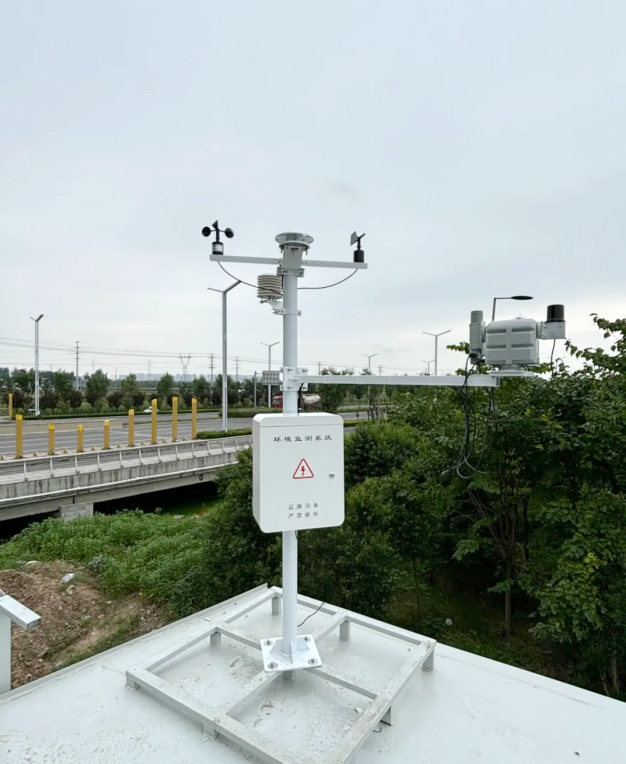
For IoT solution providers, the “integrability” of hardware is the primary standard. NiuBoL automatic weather stations natively support the industrial standard RS485 Modbus-RTU protocol, allowing devices to be easily mounted on existing buses like sensor nodes.
Physical Layer Stability: Uses shielded twisted-pair transmission to effectively suppress electromagnetic interference in industrial sites, with transmission distances up to 1200 meters.
Register Mapping: Provides detailed Modbus register address tables. Developers can directly read hexadecimal raw data through PLC (such as Siemens S7 series, Schneider, etc.) or edge computing gateways.
JSON Data Encapsulation: For 4G/5G cloud integration, the system supports encapsulating meteorological elements into JSON format and reporting via MQTT protocol, greatly simplifying parsing pressure on backend servers.
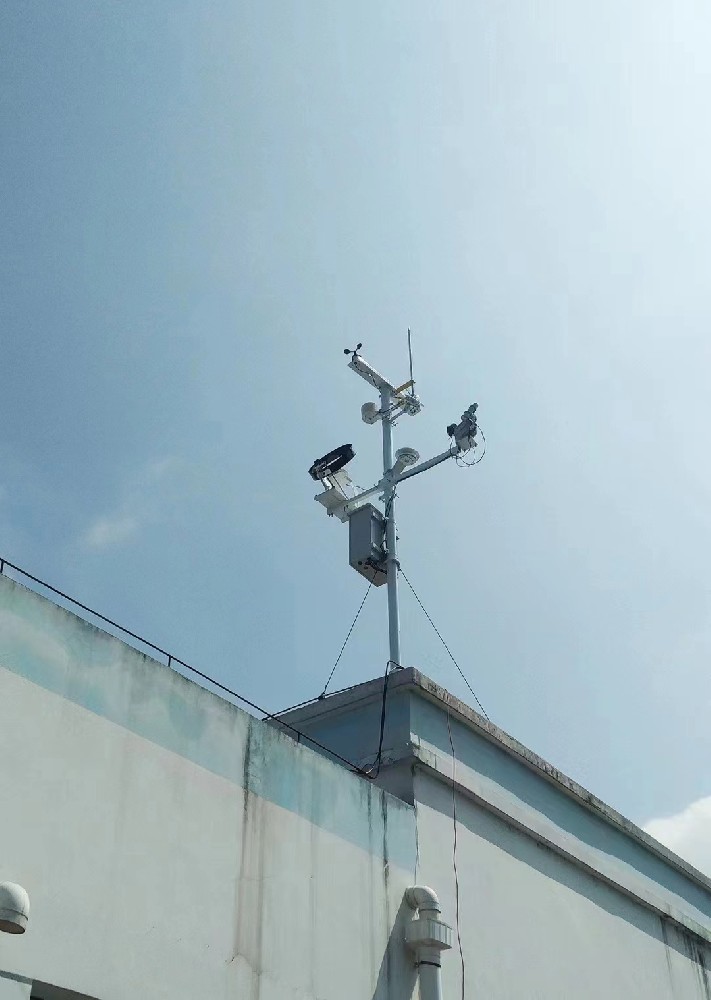
As a manufacturer, we deeply understand that “three parts instrument, seven parts installation.” To ensure the representativeness of meteorological data, engineering companies should follow the following specifications during implementation:
Site Selection (Siting): Weather stations should be installed in open areas around with no tall buildings or trees obstructing. The installation height of wind speed sensors is usually recommended to be 10 meters above ground (industrial monitoring can be adjusted according to actual structures).
Levelness Verification: Tipping bucket rain gauges and solar radiation sensors are extremely sensitive to levelness. The NiuBoL bracket system comes with a high-precision level bubble to ensure installation error is controlled within ±1°.
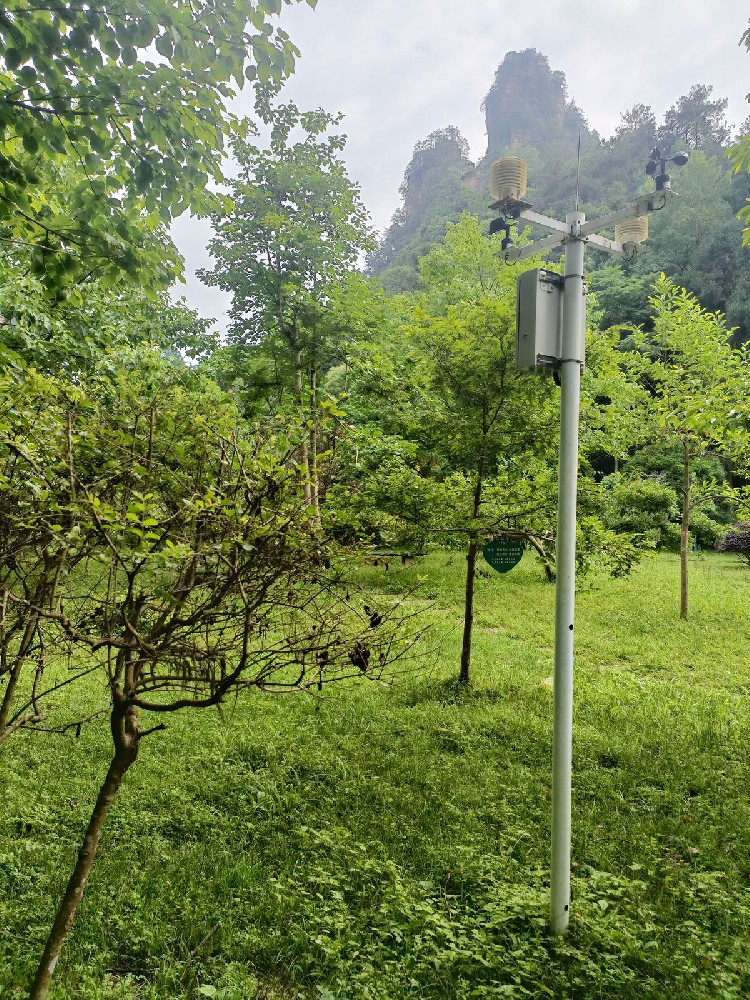
To facilitate integrators to select according to project budget and precision requirements, the following is a differentiated comparison:
| Sensor Type | Technical Principle | Advantages | Limitations |
|---|---|---|---|
| Mechanical Wind Speed Instrument | Physical rotation/cup type | Low cost, simple logic, mature technology | Has starting wind speed threshold, easily affected by freezing Recommended Scenarios: General meteorology, agricultural monitoring |
| Ultrasonic Wind Speed Instrument | Acoustic time-difference method | No moving parts, maintenance-free, extremely fast response | Higher procurement cost Recommended Scenarios: Coastal, high-cold, chemical parks |
| Tipping Bucket Rain Gauge | Gravity balance mechanical | Intuitive measurement, convenient maintenance | Overflow error during heavy rainfall; Irrigation control, mountain flood warning |
| Radar Rain Gauge | Doppler effect | Non-contact, no mechanical wear | Greatly affected by wind force; Urban waterlogging, automatic traffic management |
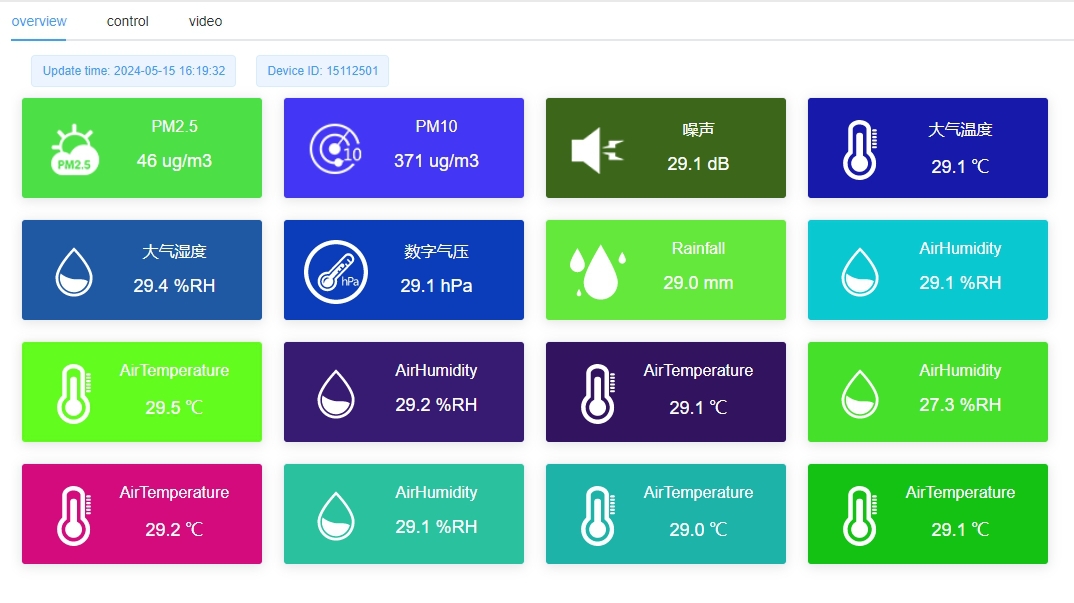
NiuBoL is committed to providing partners with implementable technical support. The following are typical application areas of ground monitoring systems:
1. Smart Agriculture and Irrigation Management
In large farms or modern greenhouse projects, integrators use AWS to monitor soil temperature and humidity, evapotranspiration (ET), and pest and disease early warning meteorological indicators. Linking with irrigation control systems through RS485 signals can achieve “on-demand water supply,” significantly reducing water and fertilizer costs and improving yield.
2. Smart Cities and Photovoltaic Energy
Urban meteorological monitoring networks can capture urban heat island effects and local strong convective weather in real time. In the photovoltaic power generation field, total radiation and ambient temperature data are core parameters for calculating inverter efficiency and system performance ratio (PR).
3. Ports, Tunnels, and Traffic Engineering
Wind speed and direction monitoring is crucial for port gantry crane operation safety and the safe operation of large bridges and tunnels. The high protection level (IP65 and above) of NiuBoL equipment ensures its corrosion resistance in salt spray and high-humidity environments.
4. Scientific Research, Teaching, and Environmental Assessment
In ecological monitoring stations, forestry fire prevention monitoring, and other projects, AWS provides irrefutable original meteorological evidence for environmental impact assessment.
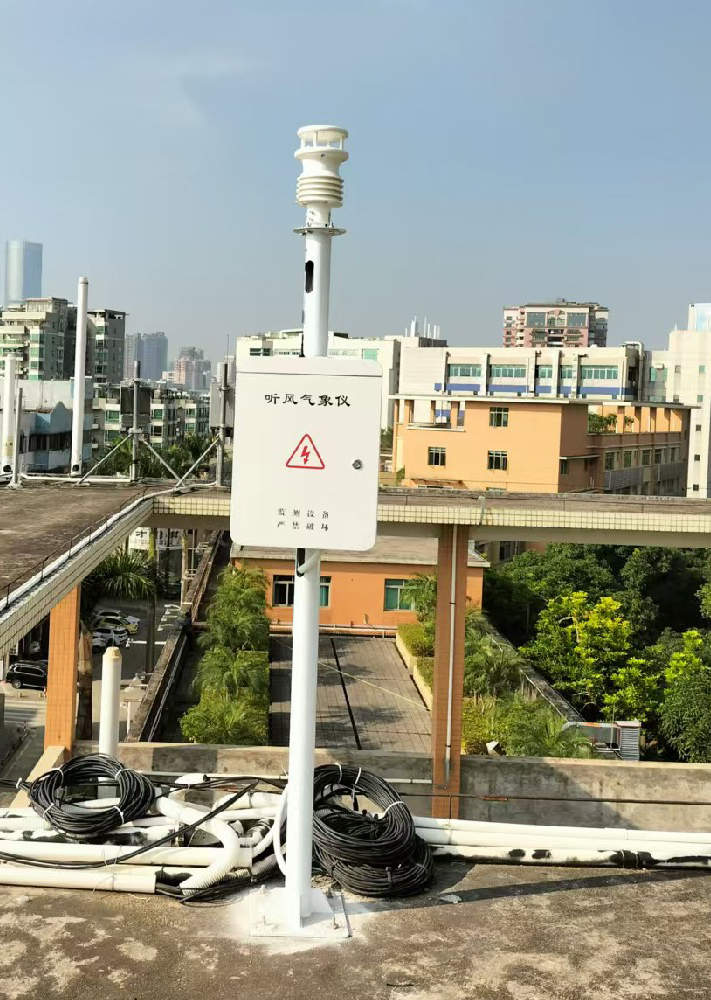
Q1: Does the NiuBoL weather station comply with WMO (World Meteorological Organization) standards?
Yes. Our product design and sensor measurement accuracy strictly follow WMO meteorological observation specifications to ensure the international universality and scientific nature of monitoring data.
Q2: What communication interfaces does the equipment support?
The standard configuration is the RS485 interface, supporting the standard Modbus-RTU protocol. At the same time, we provide multiple expansion modules such as 4G, Ethernet, WiFi, and LoRa to meet different project needs.
Q3: Can the weather station operate in extremely cold or high-altitude environments?
Yes. NiuBoL industrial-grade weather stations use low-temperature-resistant components and all-weather protective boxes, with an operating temperature range covering -40°C to +85°C.
Q4: As a system integrator, can we customize the monitoring elements?
Yes. The system adopts a modular design. You can freely combine monitoring elements such as wind speed, wind direction, rainfall, air pressure, light, soil parameters, and air quality (PM2.5/PM10) according to specific project needs.
Q5: What is the calibration cycle of the sensors?
To ensure data accuracy, we recommend that core sensors (such as temperature and humidity, radiation, pressure) in industrial applications be calibrated once every 12-24 months.
Q6: How long can the power supply system last during continuous rainy days?
Under standard configuration (60W solar panel + 30Ah battery), the system can usually support 7-10 days of continuous data collection and upload without sunlight.
Q7: How to handle lightning protection?
Our automatic weather stations are equipped with lightning rods as standard and recommend reliable grounding of the meteorological bracket during installation. At the same time, the internal circuit integrates transient voltage suppression (TVS) protection.
Q8: Do you provide cloud platform support?
We provide a supporting cloud platform for customers to view data and manage equipment. At the same time, for IoT suppliers with independent development capabilities, we provide complete communication protocol manuals to support direct access of data to customers’ own servers.
Q9: Does NiuBoL support OEM/ODM customization?
As an original manufacturer, we provide flexible customization services for system integrators, including but not limited to sensor combination, brand LOGO silk screen, communication protocol customization, and specific shell color development to help partners enhance brand competitiveness.
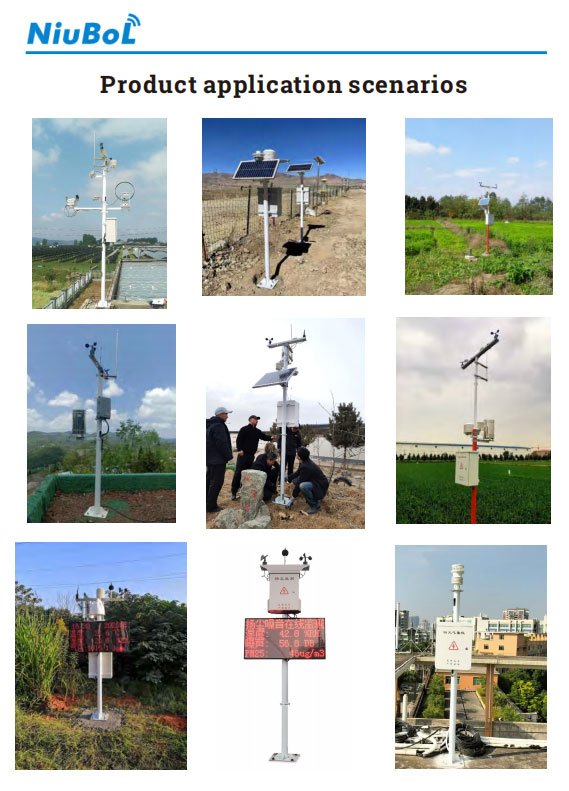
Automatic weather stations are not only tools for obtaining atmospheric data but also indispensable infrastructure in industrial digital transformation. As a manufacturer deeply engaged in the field of environmental monitoring, NiuBoL always adheres to technological innovation to drive product upgrades and provides system integrators worldwide with cost-effective, easy-to-integrate sensor hardware and system solutions.
Through standardized ground meteorological observation, we can not only more accurately predict weather changes but also drive decision-making through data to improve the ability of various industries to respond to extreme weather. Choosing NiuBoL means choosing a professional, reliable, and long-term cooperation-oriented technical partner.
Related recommendations
Sensors & Weather Stations Catalog
 Agriculture Sensors and Weather Stations Catalog-NiuBoL.pdf
Weather Stations Catalog-NiuBoL.pdf
Agriculture Sensors Catalog-NiuBoL.pdf
Water Quality Sensor Catalog-NiuBoL.pdf
Related products
 Combined air temperature and relative humidity sensor
 TDR Soil Moisture & Temperature Sensor for irrigation| RS485 |4-20mA| NBL-S-THR
 Soil pH sensor RS485 soil Testing instrument soil ph meter for agriculture |NBL-S-PH
 Wind Speed sensor Output Modbus/RS485/Analog/0-5V/4-20mA
 Tipping bucket rain gauge for weather monitoring auto rainfall sensor RS485/Outdoor/stainless steel
 Pyranometer Solar Radiation Sensor 4-20mA/RS485

Screenshot, WhatsApp to identify the QR code
WhatsApp number:+8615367865107
(Click on WhatsApp to copy and add friends)

