





— Blogs —
—Products—
 Consumer hotline +8618073152920
 WhatsApp:+8615367865107
Address:Room 102, District D, Houhu Industrial Park, Yuelu District, Changsha City, Hunan Province, China
Product knowledge
Time:2026-04-05 12:16:09 Popularity:544
During the construction process, activities such as ground excavation, material stacking, and vehicle transportation inevitably generate dust pollution. The NiuBoL dust monitoring system achieves 24-hour continuous online collection of elements such as PM2.5, PM10, TSP, noise, ambient temperature and humidity, wind speed and direction through the integration of laser dust sensors and multi-parameter meteorological monitoring modules. It also supports linkage control with dust suppression devices such as sprinklers and mobile fog cannons. The system provides standardized data interfaces and reliable environmental monitoring capabilities for system integrators, IoT solution providers, project contractors, and engineering companies, meeting the real-time data needs of environmental protection departments for construction site dust supervision.
With the strict implementation of dust prevention and control measures in many places across the country, traditional manual sampling methods can no longer meet high-frequency supervision requirements. The NiuBoL outdoor dust monitor adopts wireless transmission technology and laser detection principles to help users improve dust prevention and control levels from the source and reduce the risk of being notified, fined, or shut down due to exceeding standards. This article details the system composition, technical characteristics, sensor functions, and commercial application value, providing selection and integration references for partners.
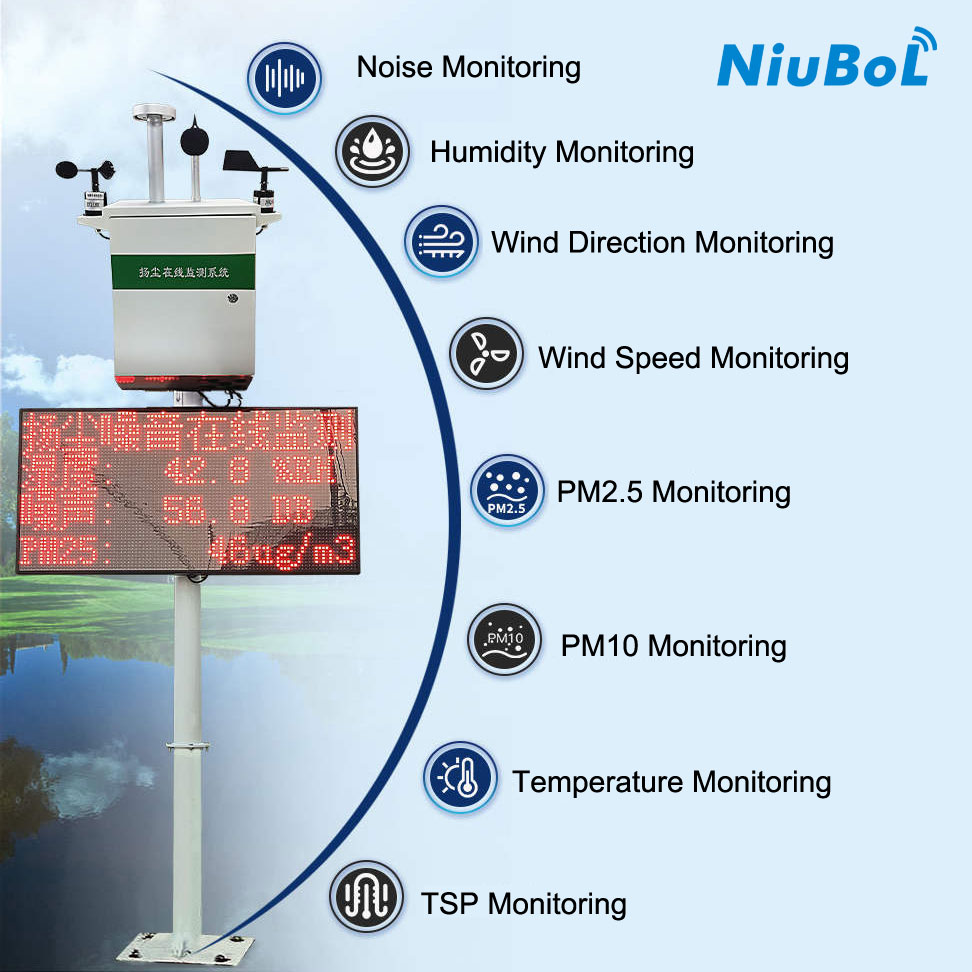
Dust is an open pollution source, mainly caused by wind, human disturbance, or vehicle driving that lifts ground dust into the atmosphere. It is an important component of total suspended particulates (TSP) in ambient air. Earthwork operations, exposed ground, material stockpiles, and mud brought by entering and exiting vehicle tires at construction sites are the main sources of dust generation.
Traditional dust prevention and control relies on passive measures such as ground hardening, green net coverage, water sprinkling for dust reduction, and mobile fog cannons. Although they have certain effects, they are difficult to achieve precise and real-time control. The NiuBoL dust monitoring system provides data support for “precise dust suppression” by continuously collecting particulate matter concentrations and meteorological parameters. When PM10 or TSP concentrations approach warning thresholds, the system can automatically trigger sprinkler or fog cannon linkage, significantly improving prevention and control efficiency and reducing water resource waste.
At the same time, system data can be directly connected to environmental protection supervision platforms to achieve interconnection, reduce manual inspection costs, and improve the scientific nature and timeliness of supervision.
The NiuBoL dust monitoring system adopts a modular design and mainly consists of the following parts:
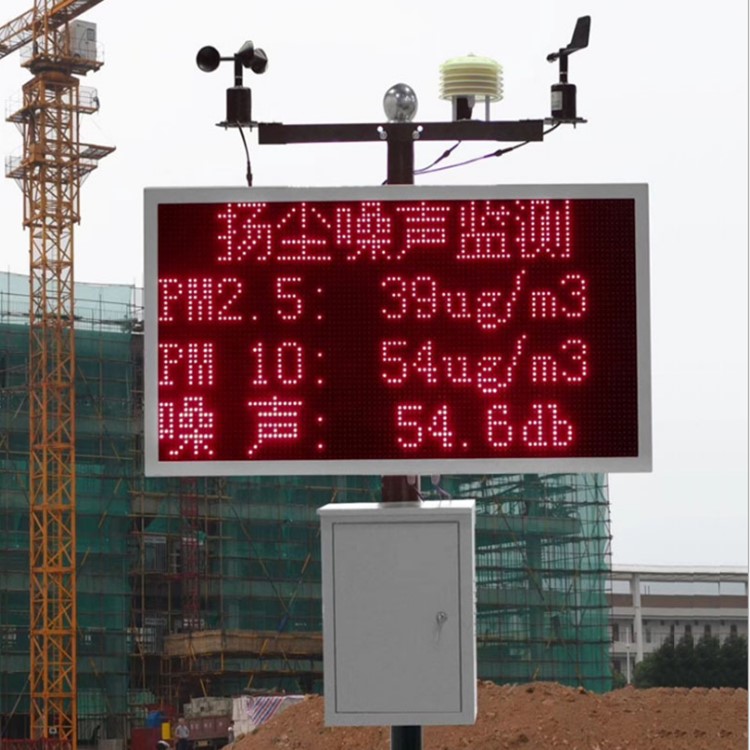
Monitoring Sub-station: Integrates data collector, multiple sensors, video surveillance system, and protective enclosure.
Wireless Transmission System: Supports communication methods such as 4G, 5G, or LoRa to realize remote data upload.
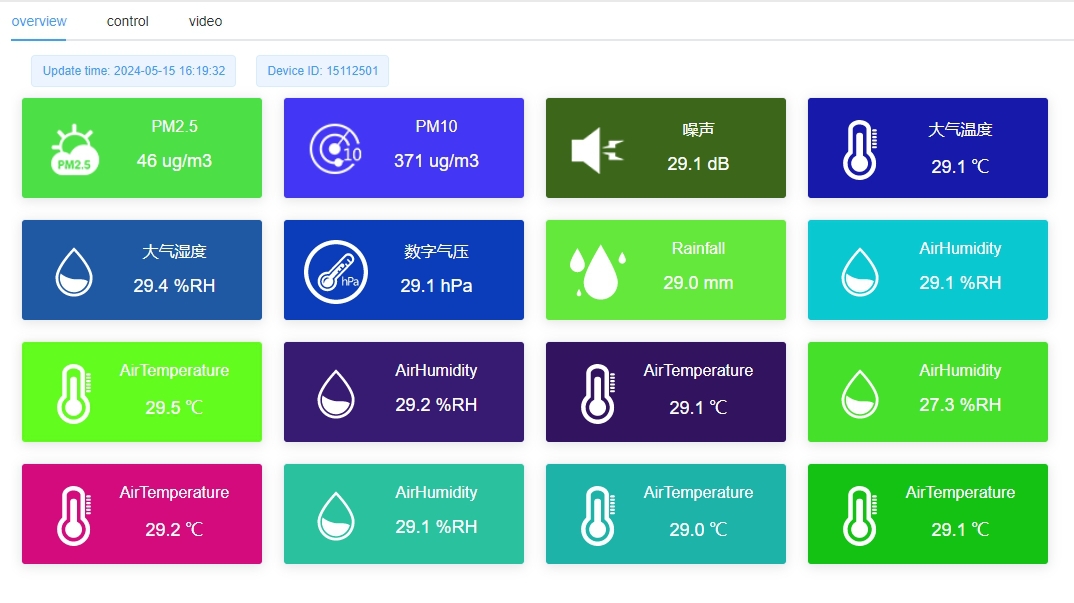
Backend Data Processing Platform: Based on Internet architecture, it provides functions such as data monitoring, alarm processing, record query, statistical analysis, and report output.
Linkage Control Module: Optional automatic control interface with dust suppression equipment (such as sprinkler systems and fog cannons).
The monitoring sub-station integrates functions such as atmospheric particulate matter monitoring, meteorological parameter monitoring, noise monitoring, and video capture, and supports optional monitoring of toxic and harmful gases. The entire system has all-weather outdoor operation capability and is suitable for complex construction environments.
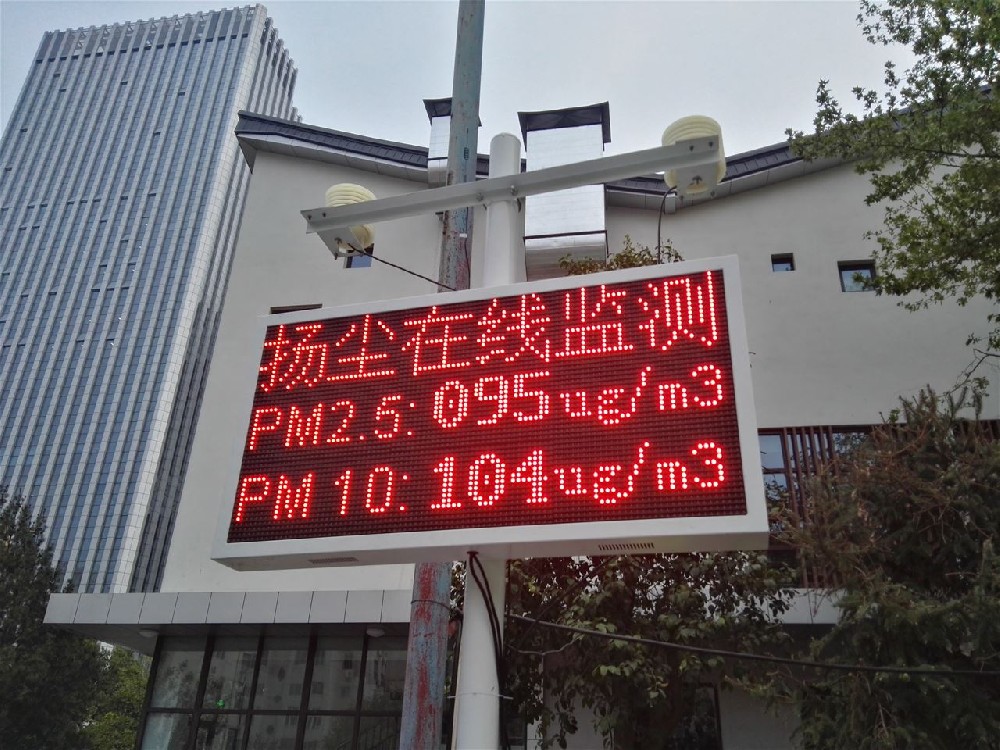
The sensor modules in the NiuBoL dust monitoring system all adopt industrial-grade designs and are optimized for outdoor dust scenarios. The following are introductions to the main sensors:
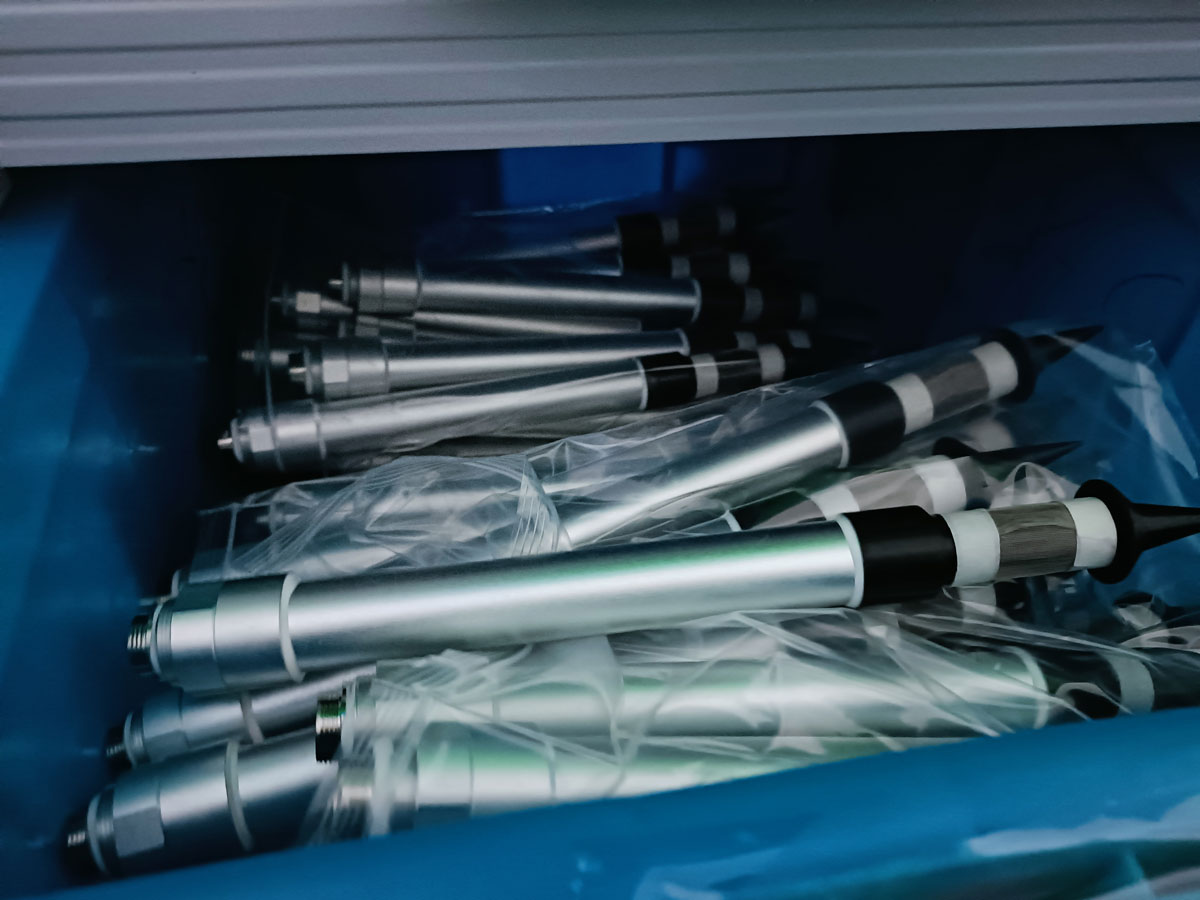
It adopts the laser scattering principle. By illuminating particulate matter in the air with a laser beam, it detects the intensity of scattered light and combines it with particle size distribution algorithms to output PM2.5 (≤2.5μm), PM10 (≤10μm), and TSP (total suspended particulates) concentrations in real time. Compared with traditional manual sampling, this sensor has fast response speed (second level) and strong continuity, enabling unattended online monitoring.
Role: Directly reflects the level of dust pollution and provides core data basis for over-limit early warning and linkage control.
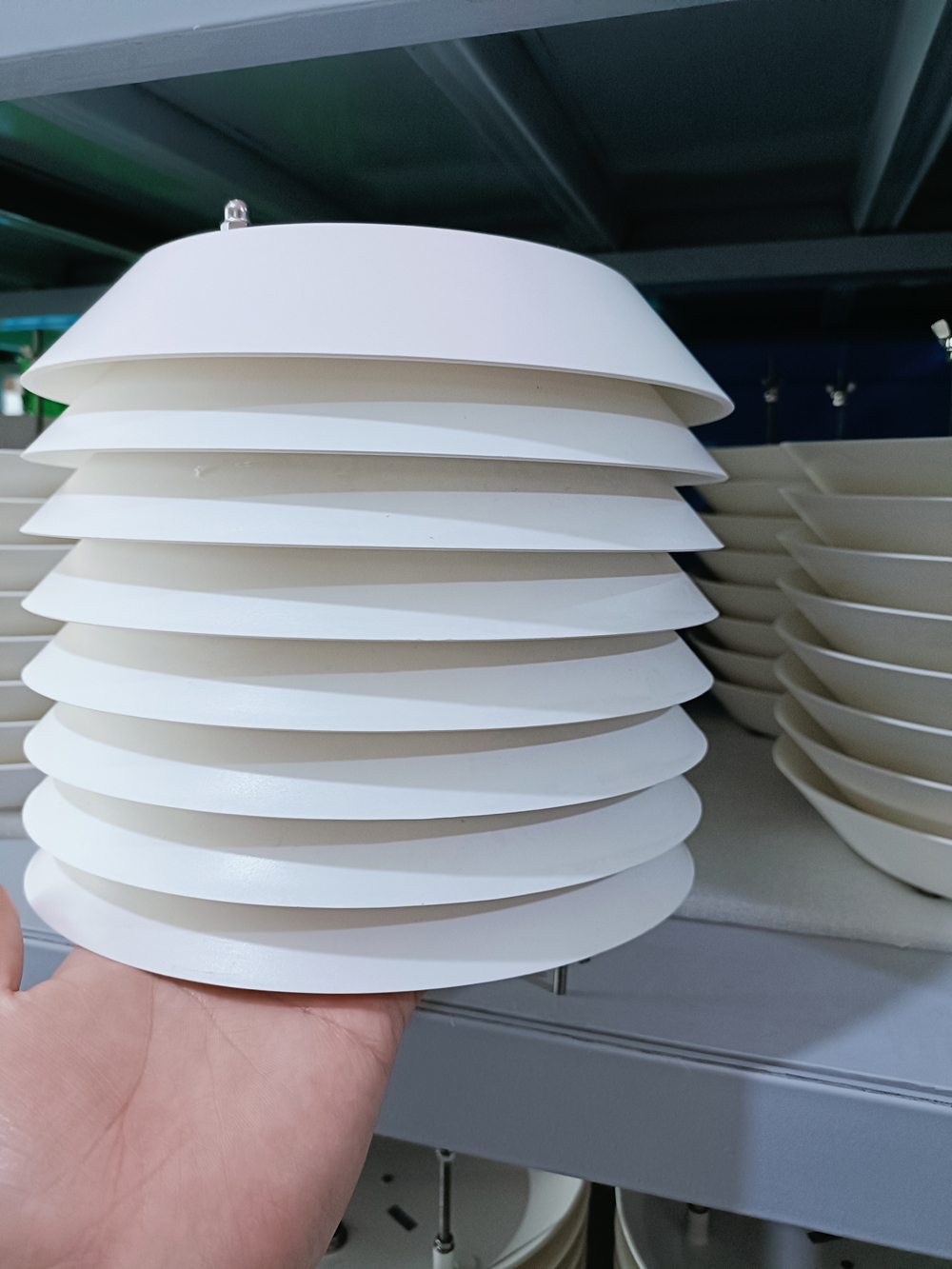
Integrates high-precision temperature and humidity modules with ultrasonic or mechanical wind speed and direction sensors. Ambient temperature and humidity affect the diffusion and sedimentation of particulate matter, while wind speed and direction directly determine the direction and intensity of dust diffusion.
Role: Assist in judging dust occurrence conditions (e.g., high wind speed and dry weather are prone to dust generation), provide decision support for dust suppression measures, and meet the collection requirements of meteorological background data in environmental protection reports.
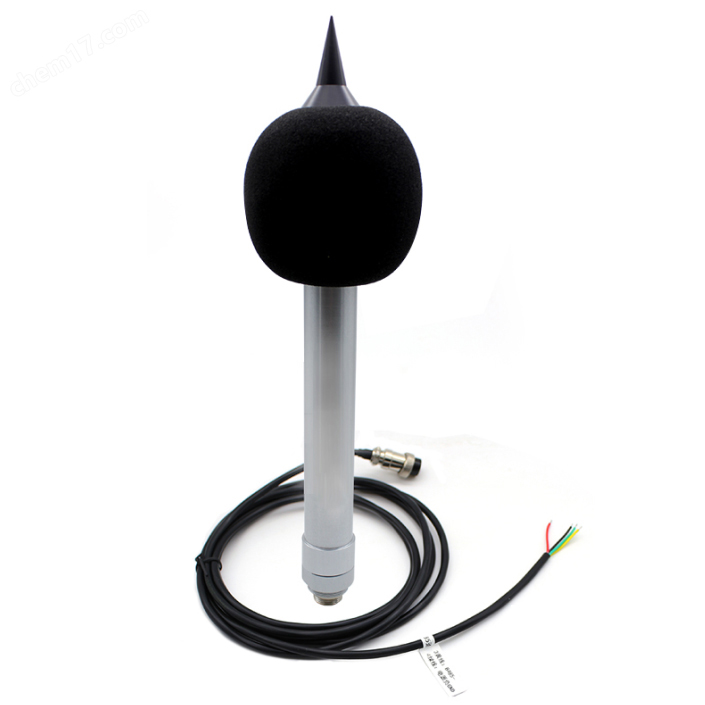
Adopts capacitive or MEMS microphone modules to measure the equivalent continuous A-weighted sound level (Leq) at construction sites.
Role: Simultaneously monitor noise pollution and form a comprehensive assessment of construction site environmental quality together with dust data, providing a basis for civilized construction management.
Integrates high-definition cameras and supports automatic capture or video recording when pollutants exceed standards.
Role: Achieve dual evidence retention of “data + image” for post-event traceability and regulatory evidence collection.
Optional gas sensor modules such as CO, SO₂, and NO₂.
Role: Expand environmental risk monitoring capabilities in specific construction site scenarios (such as those involving chemicals or demolition of old buildings).
All sensor data is aggregated by the data collector and output through standardized protocols to ensure time synchronization and logical consistency.
| Parameter | Measurement Range | Accuracy/Resolution | Remarks |
|---|---|---|---|
| PM2.5 | 0~1000 μg/m³ | ±10% or ±10 μg/m³ | Laser scattering |
| PM10 | 0~2000 μg/m³ | ±10% or ±10 μg/m³ | Laser scattering |
| TSP | 0~30000 μg/m³ | ±15% | Laser scattering |
| Ambient Temperature | -40℃~+60℃ | ±0.5℃ | High-precision NTC or Pt100 |
| Relative Humidity | 0~100% RH | ±3% RH | Capacitive |
| Wind Speed | 0~60 m/s | ±0.3 m/s (≤10 m/s) | Ultrasonic (recommended) or mechanical |
| Wind Direction | 0~360° | ±3° | Ultrasonic or wind vane |
| Noise | 30~130 dB(A) | ±1.5 dB | A-weighted sound level, Leq optional |
| Output Interface | RS485 / Modbus RTU / 4G | - | Supports multiple wireless transmission methods |
| Protection Level | IP65 or higher | - | All-weather outdoor type |
| Power Supply Method | AC 220V or solar (optional) | - | Low power consumption design |
1. Construction Sites and Demolition Sites
The NiuBoL dust monitoring system can be deployed on construction fences, tower cranes, or fixed poles to achieve full-site coverage monitoring. When PM10 concentrations exceed standards, it automatically links with on-site sprinkler systems or mobile fog cannons for precise dust reduction, reducing the risk of shutdown due to dust problems.
2. Coal Mines and Industrial Parks
Conduct long-term monitoring for material stockpiles and loading/unloading operation areas, supporting multi-point networking to achieve unified park-level dust management and data reporting.
3. Urban Roads and Residential Area Renovation Projects
In road construction, greening construction, or old community renovation, simultaneously monitor dust and noise to provide quantitative basis for civilized construction.
4. Environmental Protection Supervision Platform Docking Projects
The system data platform supports standard protocol docking and can be directly connected to municipal or district-level environmental protection monitoring centers, reducing repeated construction and lowering integration difficulty for integrators.
5. Smart Construction Site Comprehensive Solutions
Linkage with video surveillance, personnel positioning, tower crane anti-collision, and other systems to form a complete smart construction site environmental management platform and improve the overall digital level of the project.
Through the above applications, engineering companies and system integrators can significantly reduce manual inspection costs, improve environmental compliance, and demonstrate stronger technical solution competitiveness in the bidding process.
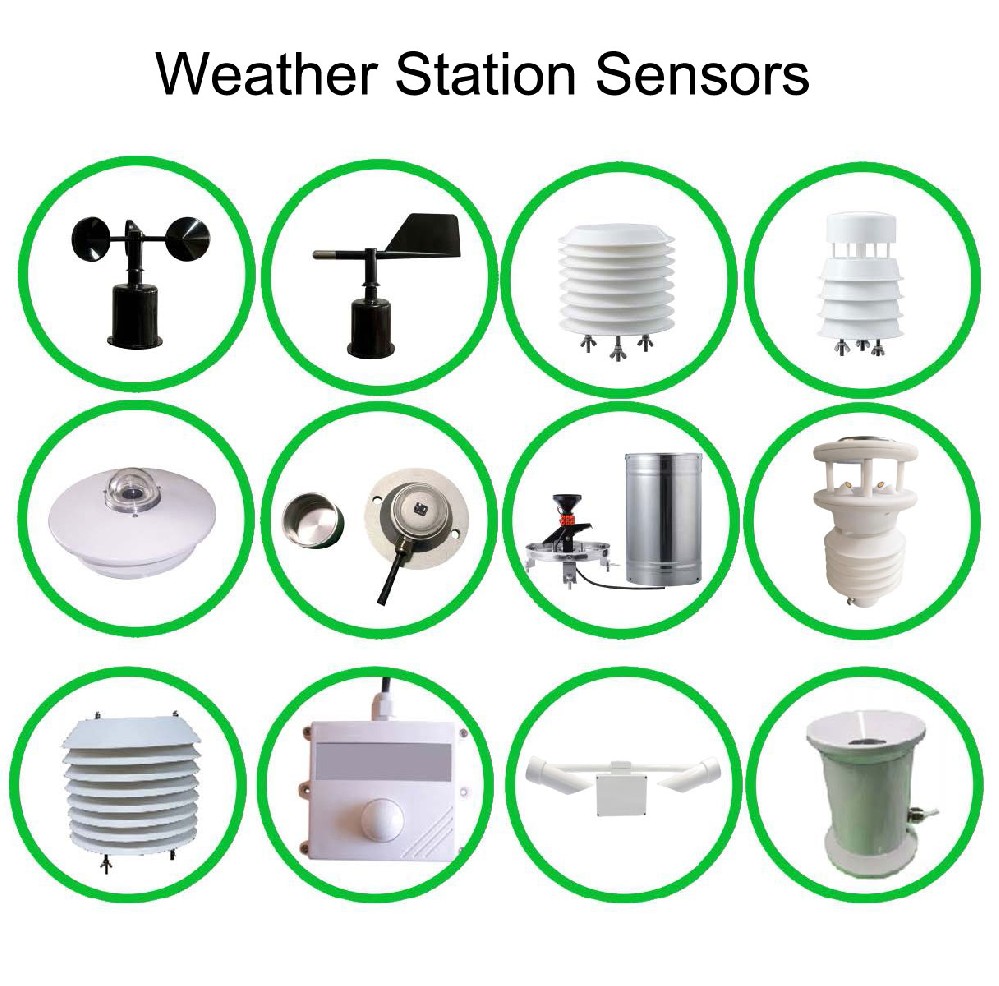
The NiuBoL dust monitoring system adopts a modular structure and supports flexible configuration of sensor quantity and type according to construction site scale. Wireless transmission methods can adapt to on-site network conditions. The data platform provides open APIs for secondary development and third-party platform docking. It is recommended to plan monitoring point layout in combination with the construction site plan in the early stage of the project to ensure effective coverage of key dust sources.
For IoT solution providers, the system can be used as part of a smart construction site or smart environmental protection subsystem to provide overall delivery services.
Q1. What parameters does the NiuBoL dust monitoring system mainly monitor?
Core parameters include PM2.5, PM10, TSP, ambient temperature and humidity, wind speed and direction, noise, etc. Video capture and toxic and harmful gas monitoring are optional.
Q2. What is the working principle of the laser dust sensor?
It adopts the laser scattering principle. By detecting the intensity of scattered light from particulate matter on the laser, it calculates concentrations of different particle sizes. It has fast response speed and is suitable for continuous online monitoring.
Q3. Does the system support automatic linkage with dust suppression equipment?
Yes. Through the data platform or collector output switching signals, it can be linked with pollution control devices such as sprinkler systems and fog cannons to achieve automatic control when exceeding standards.
Q4. How stable is the equipment in harsh outdoor weather?
It adopts protection level of IP65 and above, wide temperature working range, and sensor modules are designed with dust and rain protection, suitable for all-weather operation.
Q5. How is data uploaded to the environmental protection supervision platform?
It supports multiple wireless transmission methods such as 4G and NB-IoT. The data platform provides standard protocol interfaces and can be directly connected to environmental protection monitoring systems at all levels.
Q6. What size of construction area can a single system cover?
It depends on the scale of the construction site. Usually, single-point monitoring covers a radius of 50-200 meters. Large construction sites can use multi-point networking to achieve full-site coverage.
Q7. As a system integrator, how to achieve docking with existing platforms?
The equipment supports Modbus RTU protocol and open APIs. The technical team can provide protocol documents and integration guidance.
Q8. What is the equipment maintenance frequency and cost?
Regular cleaning of the laser sensor air inlet is sufficient. Annual maintenance cost is low. Specific maintenance plans can be customized according to the site environment.
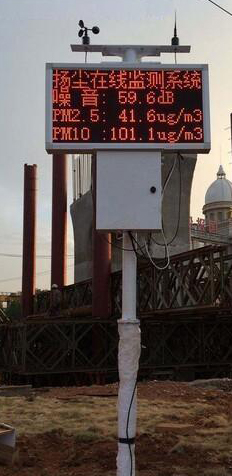
The NiuBoL dust monitoring system takes laser dust monitoring as the core, integrating multi-parameter sensors and an intelligent platform to provide professional and reliable online dust monitoring solutions for construction sites, industrial parks, and urban construction projects. Through real-time data collection, over-limit early warning, and automatic linkage control, users can effectively reduce dust pollution levels, improve environmental compliance capabilities, and enhance construction management efficiency.
For system integrators, IoT solution providers, and engineering companies, the NiuBoL dust monitoring system is an important component for building smart construction sites and environmental monitoring platforms. We are committed to providing stable and easy-to-integrate products and technical support to help partners achieve efficient project implementation in a strict environmental supervision environment. If you need detailed technical parameters, scheme design, or project cooperation, please feel free to contact the NiuBoL team to jointly promote the green and sustainable development of the construction industry.
Related recommendations
Sensors & Weather Stations Catalog
 Agriculture Sensors and Weather Stations Catalog-NiuBoL.pdf
Weather Stations Catalog-NiuBoL.pdf
Agriculture Sensors Catalog-NiuBoL.pdf
Water Quality Sensor Catalog-NiuBoL.pdf
Related products
 Combined air temperature and relative humidity sensor
 TDR Soil Moisture & Temperature Sensor for irrigation| RS485 |4-20mA| NBL-S-THR
 Soil pH sensor RS485 soil Testing instrument soil ph meter for agriculture |NBL-S-PH
 Wind Speed sensor Output Modbus/RS485/Analog/0-5V/4-20mA
 Tipping bucket rain gauge for weather monitoring auto rainfall sensor RS485/Outdoor/stainless steel
 Pyranometer Solar Radiation Sensor 4-20mA/RS485

Screenshot, WhatsApp to identify the QR code
WhatsApp number:+8615367865107
(Click on WhatsApp to copy and add friends)

