





— Blogs —
—Products—
 Consumer hotline +8618073152920
 WhatsApp:+8615367865107
Address:Room 102, District D, Houhu Industrial Park, Yuelu District, Changsha City, Hunan Province, China
Product knowledge
Time:2026-04-05 12:34:12 Popularity:585
With the acceleration of global urbanization, traditional fixed large-scale air quality monitoring stations, due to their large size, high construction cost and sparse deployment, are difficult to capture pollution gradient changes in micro-environments such as urban streets and industrial parks. To achieve precise control of air pollution, micro air quality monitoring stations based on “grid layout” have become the standard configuration for municipal environmental management and smart city construction.
By scientifically deploying points, lines and surfaces in various functional areas of the city, micro monitoring stations connect isolated data points into an overall monitoring network. This low-power, high-density monitoring terminal can provide environmental management departments with high spatiotemporal resolution underlying data, helping users grasp regional pollution characteristics in real time and provide scientific and technical policy support for air pollution prevention and control.
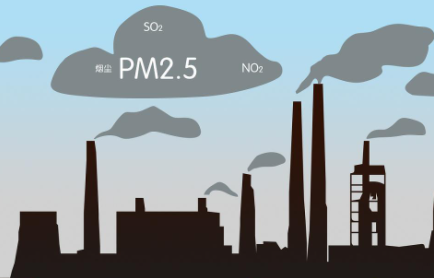
NiuBoL micro monitoring station adopts a modular design, integrating sensor technology, embedded processing and wireless communication technology, aiming to provide industrial-grade stable output in harsh environments.
1. High-precision Sensor Integration (Monitoring Layer)
The system strictly follows monitoring specifications to perform all-weather monitoring of key parameters in the atmospheric environment:
Four gases (gaseous pollutants): Carbon Monoxide (CO), Sulfur Dioxide (SO2), Nitrogen Dioxide (NO2), Ozone (O3). Using electrochemical sensor principles combined with temperature compensation algorithms to ensure monitoring accuracy under complex temperature differences.
Two dusts (particulate matter): PM2.5 and PM10. Using laser scattering principle to distinguish particulate matter concentrations of different particle sizes in real time.
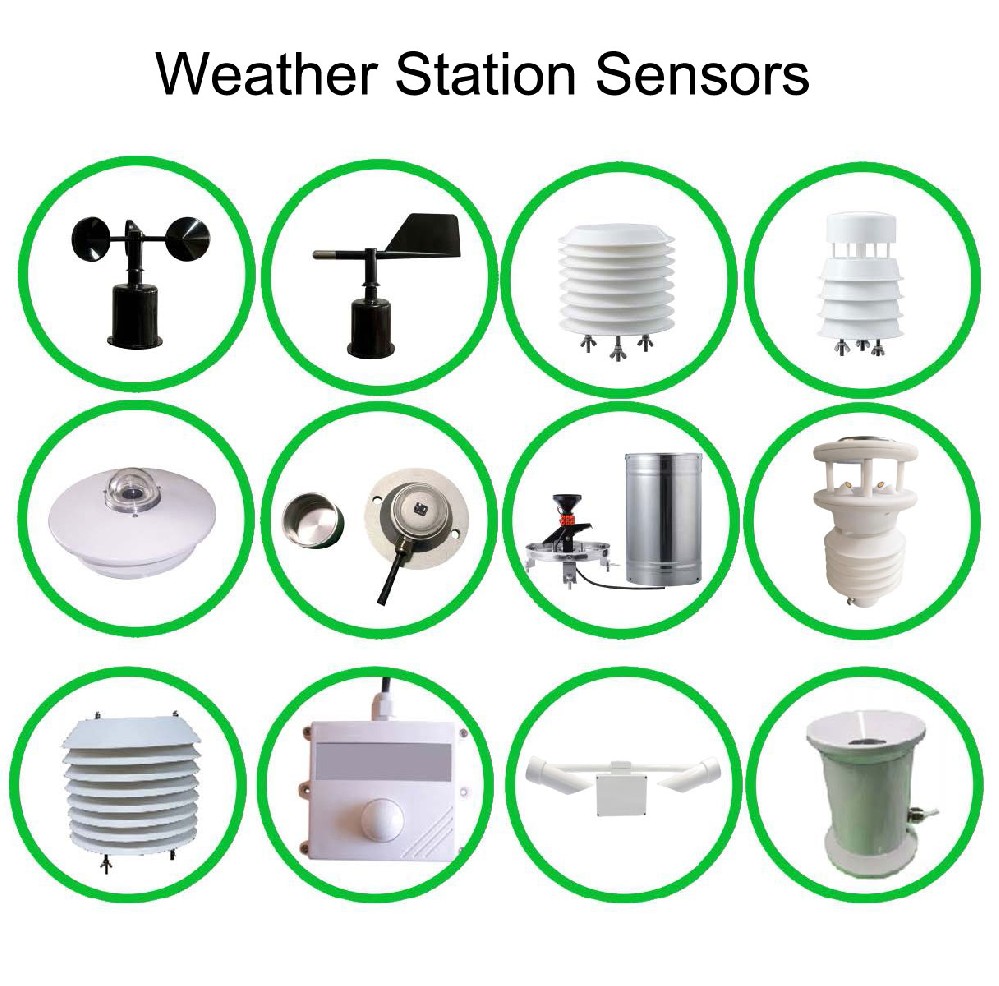
Five meteorological parameters: Temperature, Humidity, Wind Speed, Wind Direction, Atmospheric Pressure. Meteorological parameters are the basis for analyzing pollutant diffusion patterns (such as the influence of wind direction on pollution source tracing).
2. System Support Architecture
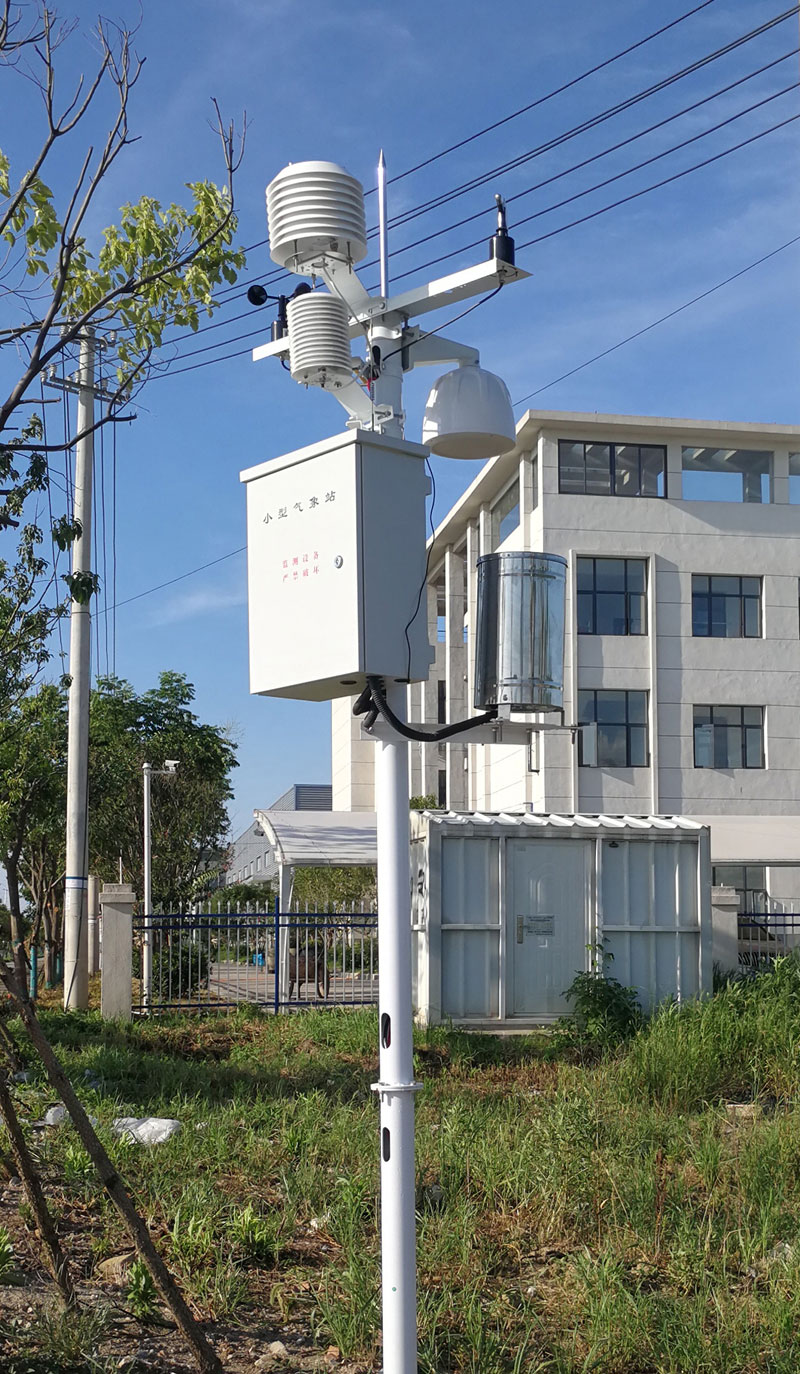
Power supply system: flexibly supports mains power access or “solar + lithium battery” combination. In rainy environments, high-energy lithium battery packs can ensure the equipment continues to operate for more than 7-10 days, solving power supply problems in remote or difficult-to-wire areas.
Electric control box and transmitter module: built-in high-precision transmitter module.
Physical supporting: adopts corrosion-resistant shell and standardized pole, optional LED display screen to realize real-time on-site release of monitoring data.
Big data platform: cloud data platform supports remote monitoring, historical trend analysis and automatic over-limit warning functions, providing system integrators with complete API interfaces.
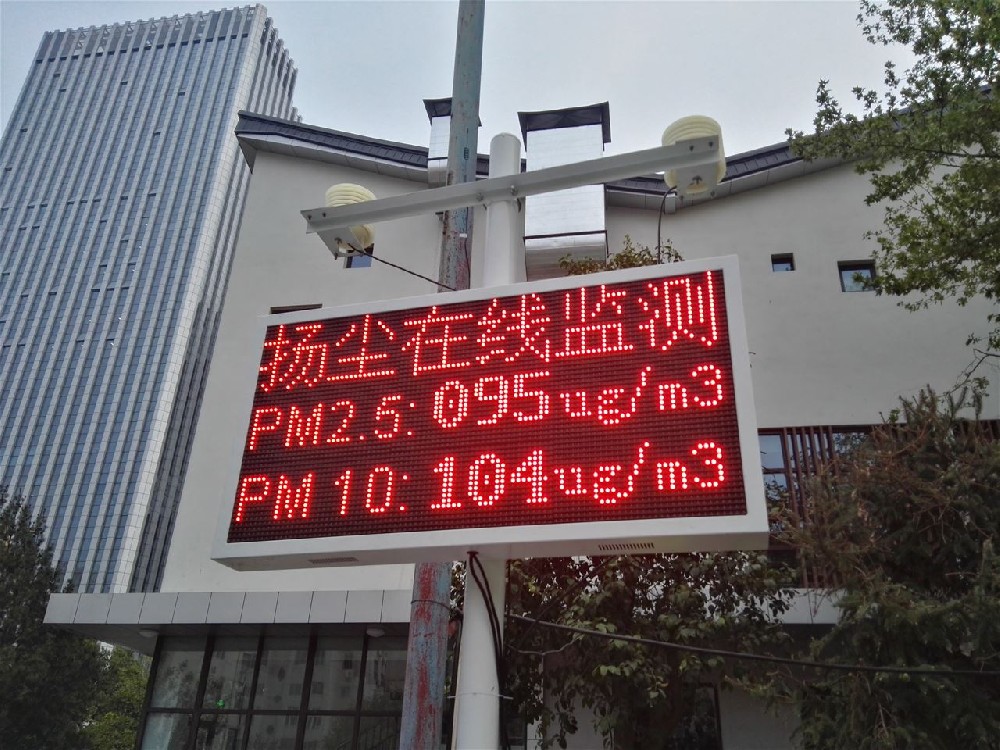
The following table summarizes the core technical indicators that integrators focus on during project selection:
| Monitoring Category | Monitoring Parameter | Measurement Range | Resolution |
|---|---|---|---|
| Gaseous Pollutants | Sulfur Dioxide (SO2) | 0 - 500 ppb | 1 ppb |
| Gaseous Pollutants | Nitrogen Dioxide (NO2) | 0 - 500 ppb | 1 ppb |
| Gaseous Pollutants | Carbon Monoxide (CO) | 0 - 50 ppm | 0.01 ppm |
| Gaseous Pollutants | Ozone (O3) | 0 - 500 ppb | 1 ppb |
| Particulate Matter | PM2.5 / PM10 | 0 - 1000 μg/m³ | 1 μg/m³ |
| Organic Volatile Compounds | TVOC | 0 - 5 mg/m³ | 0.01 mg/m³ |
| Meteorological Parameters | Wind Speed | 0 - 60 m/s | 0.1 m/s |
| Meteorological Parameters | Wind Direction | 0 - 360° | 1° |
| Meteorological Parameters | Ambient Temperature and Humidity | -40-85°C / 0-100%RH | 0.1%RH |
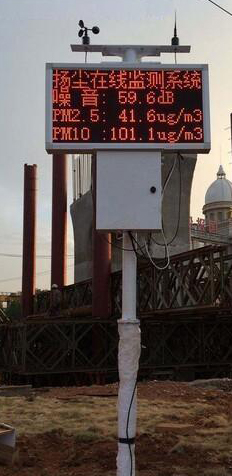
In micro air quality stations, the synergistic effect of each sensor is the key to achieving precise governance:
Linkage Tracing Value: When PM2.5 concentration suddenly increases, the system can automatically calculate the source direction of the pollution plume through synchronized wind direction and speed data, helping law enforcement departments quickly locate illegal emission enterprises or construction sites.
Meteorological Compensation Value: Environmental humidity has a significant impact on particulate matter monitoring. NiuBoL system effectively prevents water vapor from interfering with laser sensor readings in high-humidity environments such as haze days through built-in humidity compensation algorithms.
Early Warning and Defense Value: Through real-time monitoring of O3 and NO2, urban management departments can implement traffic restriction measures before photochemical smog outbreaks, playing the role of the “first line of defense” for disaster prevention and mitigation.
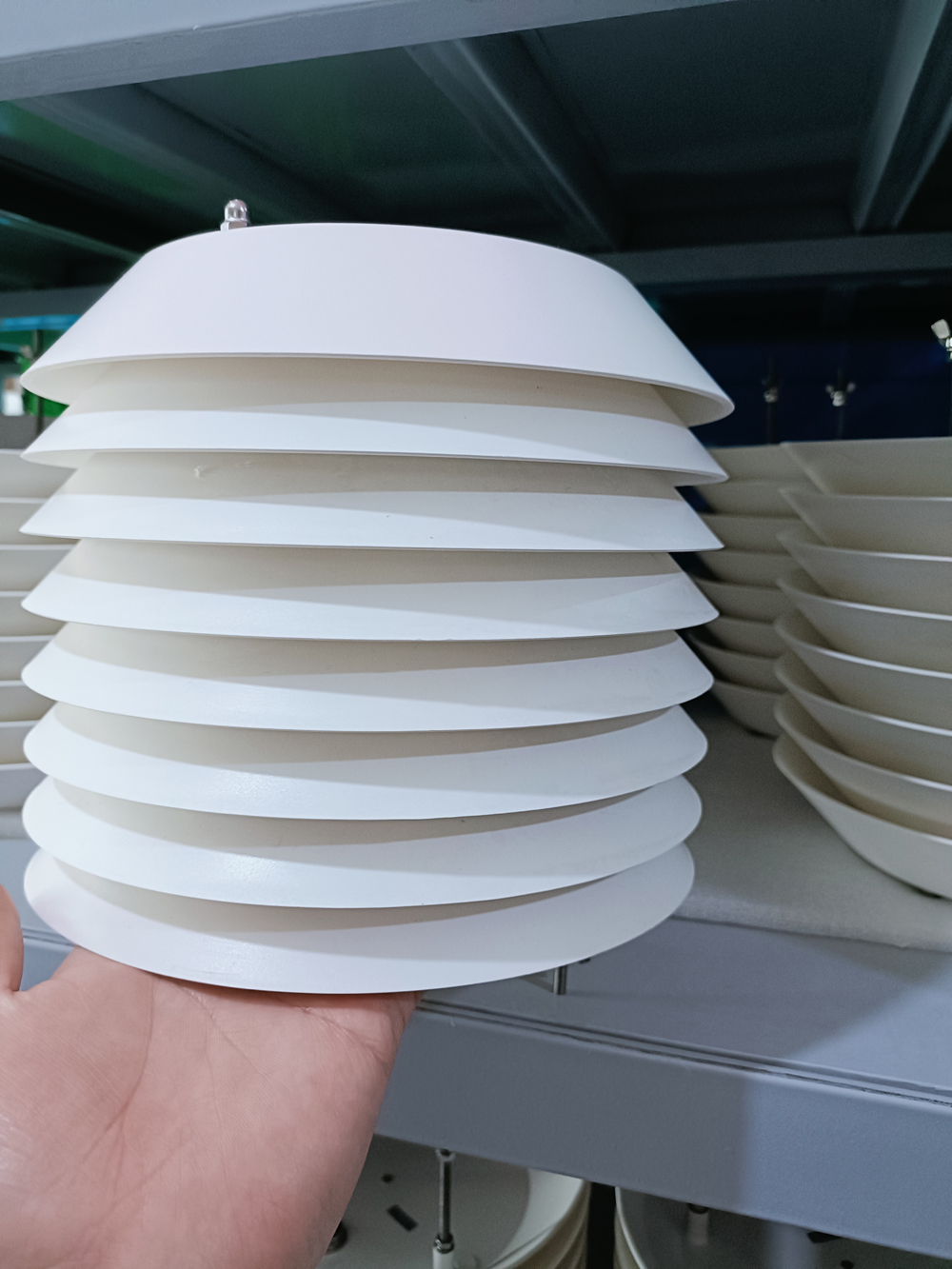
For project contractors, reasonable point layout design is the key to project acceptance. We recommend including the following engineering standards in the implementation plan:
Point Layout Density Suggestion: In urban built-up areas, it is recommended to deploy in a 500m × 500m or 1km × 1km grid. Around industrial parks, monitoring density should be increased on the downwind side of the dominant wind direction.
Sampling Height Requirement: The sampling port height for urban environmental monitoring is generally recommended to be between 2.5 meters and 4 meters above the ground to realistically simulate the air quality of the human breathing zone while avoiding direct impact of road dust.
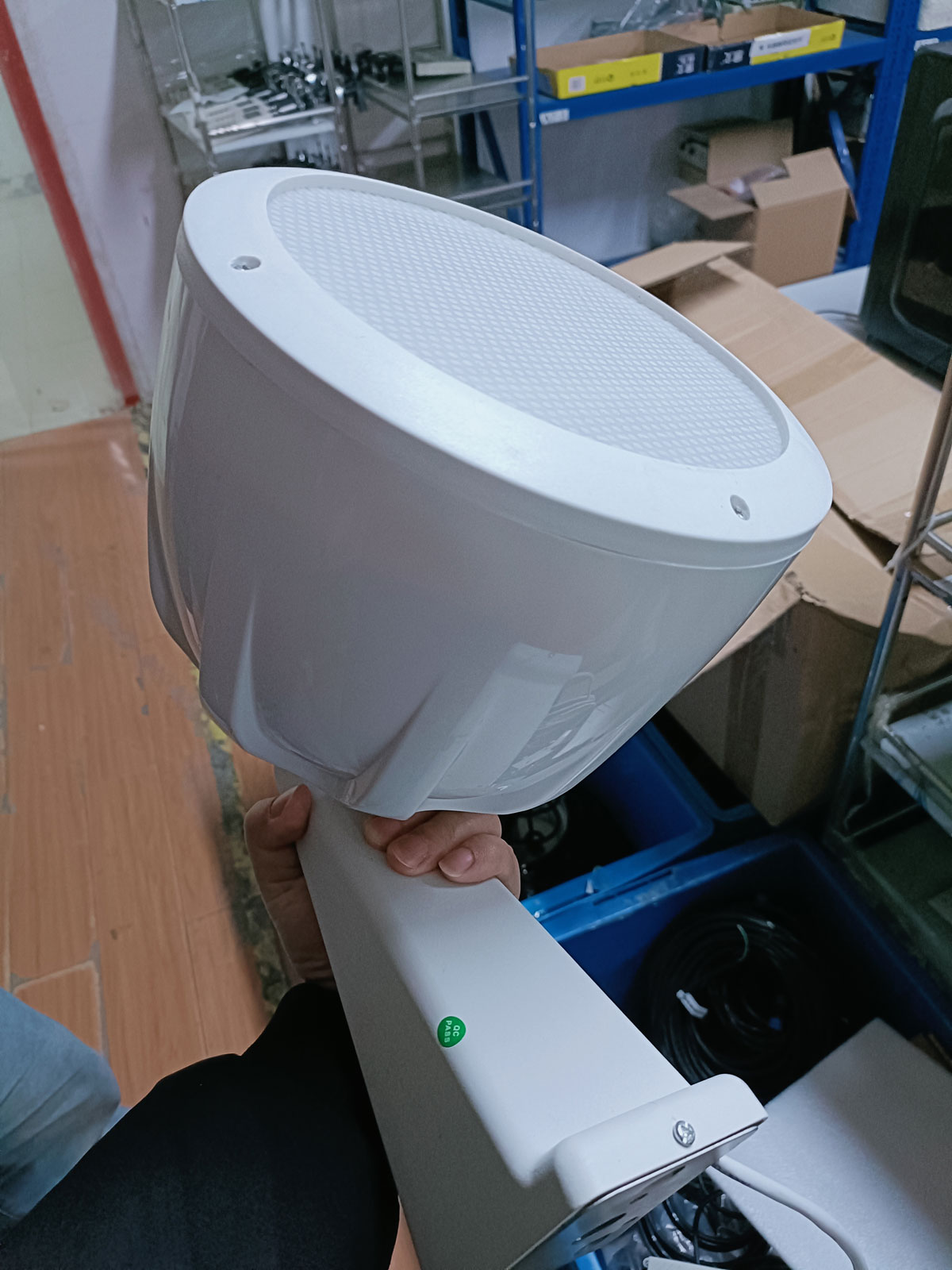
Installation Bracket Stability: Micro stations are usually installed on street lamp poles or monitoring poles. NiuBoL provides special hoop-type installation accessories that support poles of different diameters Φ60-110mm to ensure the equipment does not shift or shake under level 12 gale conditions.
In smart city projects, data security and privacy protection are compliance requirements that system integrators must consider.
Transmission encryption: supports TLS/SSL-based encrypted transmission protocols to ensure meteorological and pollution data are not intercepted or tampered with during transmission from terminal to cloud.
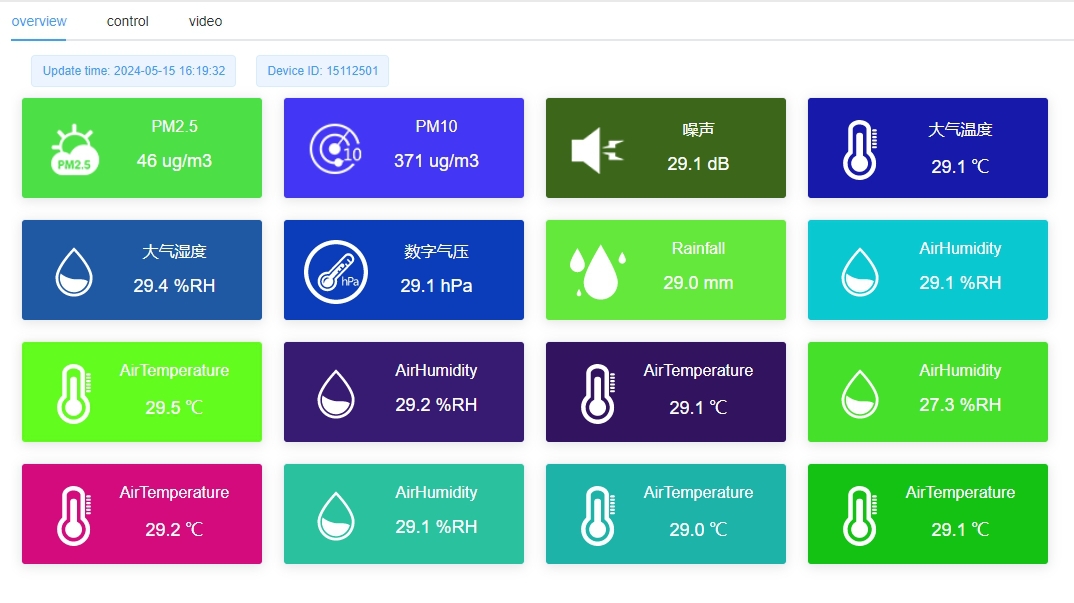
Multi-protocol interoperability: Northbound interface supports MQTT and HTTP protocols for easy access to environmental protection bureaus or smart city brains. Southbound interface supports 4-20mA or RS485 and can be extended to connect soil sensors or noise monitoring modules.
Local data breakpoint resume: when the network signal (such as 4G/5G) is unstable, data will be automatically temporarily stored in the onboard large-capacity flash memory and automatically retransmitted after network recovery to ensure the continuity of monitoring curves.
The design intent of NiuBoL micro monitoring stations is to meet the stringent requirements of multiple scenarios:
Municipal and urban management: deploy at main roads and transportation hubs to assess the impact of vehicle exhaust on residential areas.
Enterprise chemical parks: 24-hour monitoring of toxic and harmful gases and TVOC leaks to ensure industrial production meets environmental protection emission standards.
Sensitive area protection: provide high-frequency air quality evaluation around hospitals, schools and nursing homes to protect the health of vulnerable populations.
Ecological tourism and forests: monitor negative oxygen ions (optional) and conventional meteorological elements to enhance the transparency of scenic area environments.
Agricultural meteorological services: monitor temperature and humidity and disaster weather in crop growth environments, prevent low-temperature cold damage and floods/droughts, and achieve unattended smart agricultural production.
Q1: How is the data consistency between micro stations and national standard stations (large stations)?
A: NiuBoL micro stations use high-precision electrochemical and laser sensors. After complex algorithm calibration, their correlation coefficient R² with national standard stations can usually reach above 0.9, making them very suitable for grid-based encrypted monitoring.
Q2: Does the system support third-party platform access?
A: Yes. We provide standard RS485 Modbus-RTU protocol and HTTP/MQTT API interfaces. System integrators can easily connect data to smart city centers or customized IoT platforms.
Q3: What is the service life of the sensors?
A: Gas sensors (such as SO2, NO2) have a service life of about 2 years in normal atmospheric environments; PM2.5 laser modules have a service life of about 3 years. The system supports modular hot-swapping with low replacement costs.
Q4: Can the solar power supply system support continuous rainy days in winter?
A: Yes. NiuBoL’s standard large-capacity lithium battery pack combined with high-efficiency monocrystalline silicon solar panels can maintain normal monitoring for about 7-10 days without light. For extremely cold northern regions, we provide optional heating modules.
Q5: How does the equipment cope with cross-interference of environmental temperature and humidity?
A: We have integrated temperature and humidity compensation algorithms inside the collector. Since gas sensors are sensitive to temperature, the system will automatically correct zero point and range deviations according to real-time ambient temperature.
Q6: What specific requirements does the installation of micro stations have for the site?
A: Installation is very simple. Only a 2-3 meter pole space is needed, avoiding obvious local pollution sources (such as air conditioning exhaust outlets or chimney direct discharge outlets). No special pump house construction is required.
Q7: Does the micro monitoring station support remote parameter configuration?
A: Yes. Through the NiuBoL big data platform, integrators can remotely modify sampling frequency, alarm thresholds and upload cycles without frequent manual on-site visits.
Q8: Does NiuBoL provide OEM customization services?
A: Yes. We provide OEM services for global engineering companies and project contractors, including sensor parameter selection, brand logo customization and specific communication protocol development.
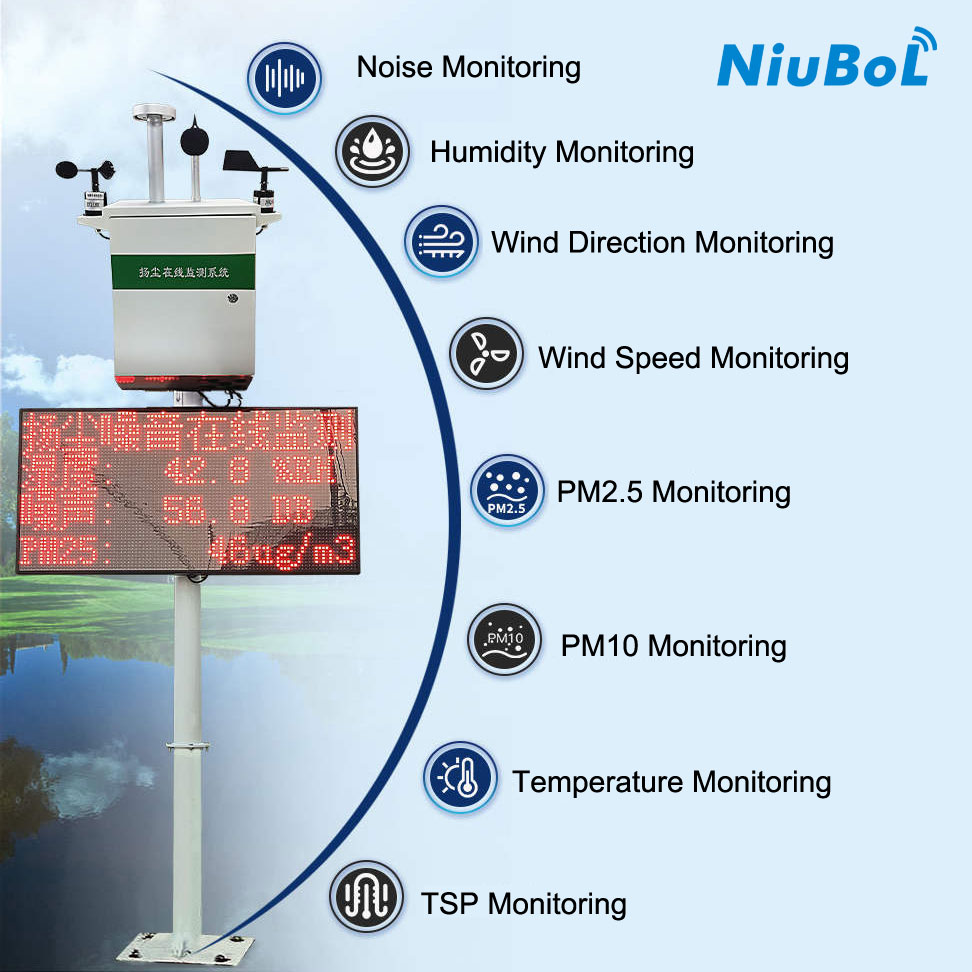
In today’s increasingly refined environmental supervision, micro air quality monitoring stations are no longer just measurement tools; they are the product of deep integration of IoT technology and environmental protection engineering. NiuBoL always adheres to the concept of “precise perception and stable transmission” to provide reliable underlying hardware guarantee for global integrators.
By deploying NiuBoL grid-based atmospheric monitoring systems, partners can achieve large-area air quality coverage with extremely low operation and maintenance costs. Whether responding to extreme weather challenges brought by global warming or improving the quality of life of urban residents, high-precision, unattended automated monitoring is the only way to move toward a smart ecological city.
NiuBoL is a leading manufacturer specializing in the research and development of industrial environmental monitoring, water quality sensors, smart agricultural sensors and automatic weather stations. We are committed to serving system integrators and project contractors by providing high-quality monitoring equipment that complies with WMO standards to help the implementation of global industrial IoT solutions.
 NBL-W-6GAS-intelligent-four-gas-two-dust-sensor.pdf
Related recommendations
Sensors & Weather Stations Catalog
Agriculture Sensors and Weather Stations Catalog-NiuBoL.pdf
Weather Stations Catalog-NiuBoL.pdf
Agriculture Sensors Catalog-NiuBoL.pdf
Water Quality Sensor Catalog-NiuBoL.pdf
Related products
 Combined air temperature and relative humidity sensor
 TDR Soil Moisture & Temperature Sensor for irrigation| RS485 |4-20mA| NBL-S-THR
 Soil pH sensor RS485 soil Testing instrument soil ph meter for agriculture |NBL-S-PH
 Wind Speed sensor Output Modbus/RS485/Analog/0-5V/4-20mA
 Tipping bucket rain gauge for weather monitoring auto rainfall sensor RS485/Outdoor/stainless steel
 Pyranometer Solar Radiation Sensor 4-20mA/RS485

Screenshot, WhatsApp to identify the QR code
WhatsApp number:+8615367865107
(Click on WhatsApp to copy and add friends)

