





— Blogs —
—Products—
 Consumer hotline +8618073152920
WhatsApp:+8615367865107
Address:Room 102, District D, Houhu Industrial Park, Yuelu District, Changsha City, Hunan Province, China
Product knowledge
Time:2026-04-05 12:34:36 Popularity:873
Smart pole light monitoring should specify whether the project needs illuminance in lux or solar irradiance in W/m2. These are different quantities, even when either option fits the same weather-sensor housing. Choose the measurement from the intended lighting or energy task, then check that the pole position and receiving controller preserve its meaning.

Illuminance describes incident light weighted for human visual response. Solar irradiance describes radiant power arriving per unit area over the instrument's spectral response. The NIST review of radiometry and photometry distinguishes lux from W/m2. A common word such as brightness is too vague for an equipment schedule.
A lighting controller may need an ambient-light input, while a solar-energy observation needs irradiance at a defined exposure. Neither becomes the other by changing the dashboard unit. Do not apply a universal lux-to-W/m2 multiplier across daylight, different lamps and changing spectral conditions.
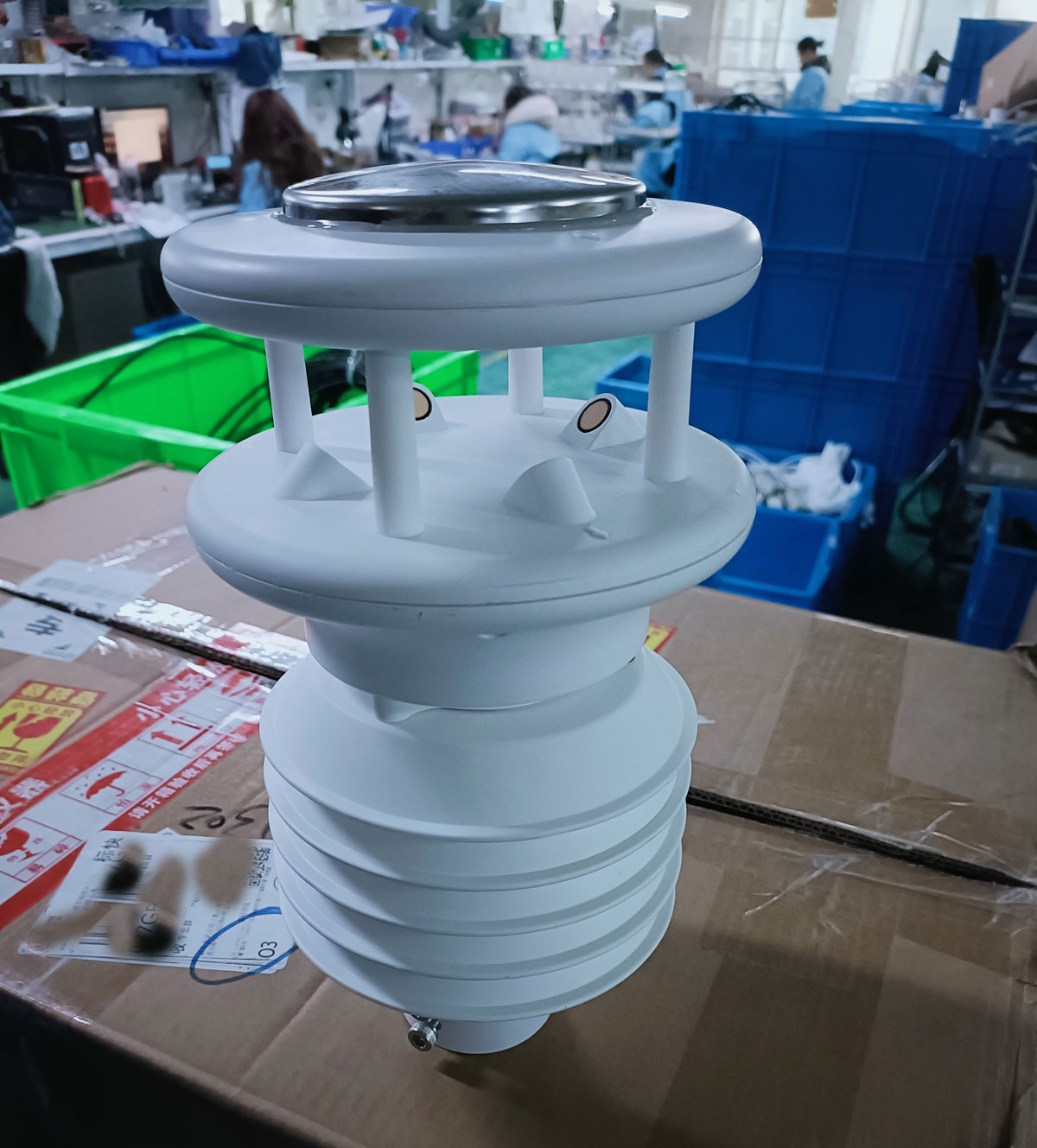
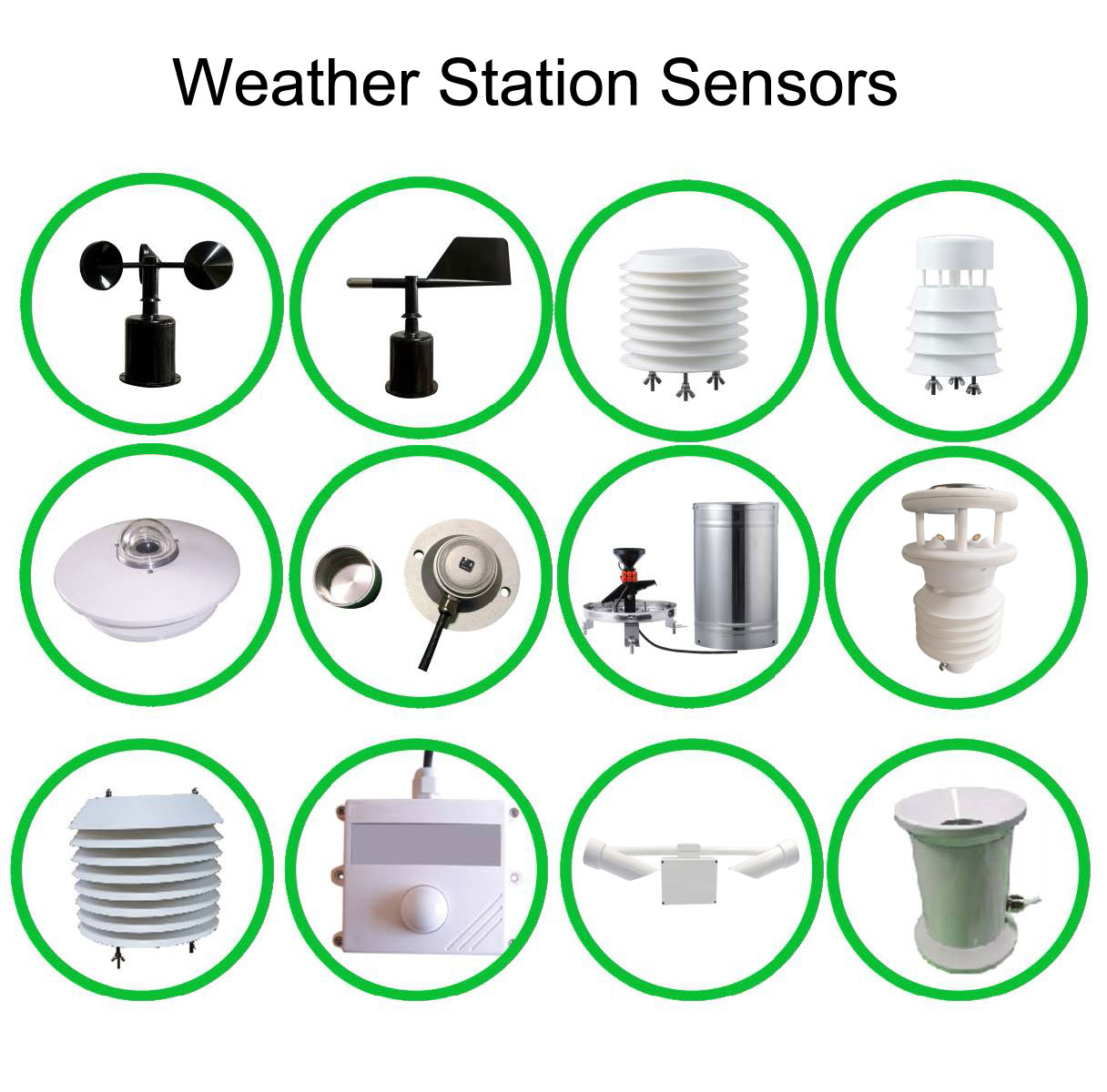
The NiuBoL NBL-W-71GUWS combines six weather measurements with one selected light channel. Solar radiation and illuminance are alternatives in the standard seven-parameter configuration, not two simultaneous outputs. The quoted channel list must identify the option; a product photograph alone cannot do so.
| NBL-W-71GUWS item | Specification | Selection consequence |
|---|---|---|
| Illuminance option | 0-200,000 lux; +/-7%; 10 lux resolution | Check suitability at the low-light level relevant to the controller |
| Solar radiation option | 0-1500 W/m2; +/-10%; 1 W/m2 resolution | For irradiance, not a relabelled lux input |
| Digital interface | RS485 Modbus RTU; 9600 bps | Confirm which optional register is active |
| Supply and average load | 9-24 VDC or 12-24 VDC by version; 0.4 W | Excludes the pole controller and communications equipment |
| Protection | IP65 | Does not establish exposed connector or pole-cabinet protection |
An illuminance span extending into bright daylight does not prove the sensor is suitable for every dusk-switching threshold. Compare the required decision band with the resolution, error definition and repeatability at that level. Obtain the relevant performance details before committing a controller to a narrow switching band.
For illustration, a proposed 5 lux decision band is smaller than a channel's 10 lux reporting increment. That observation does not define a replacement threshold; it identifies a mismatch to resolve through the controller design or a more suitable light input. Test the intended transitions under controlled conditions rather than relying on the largest number in the range specification.
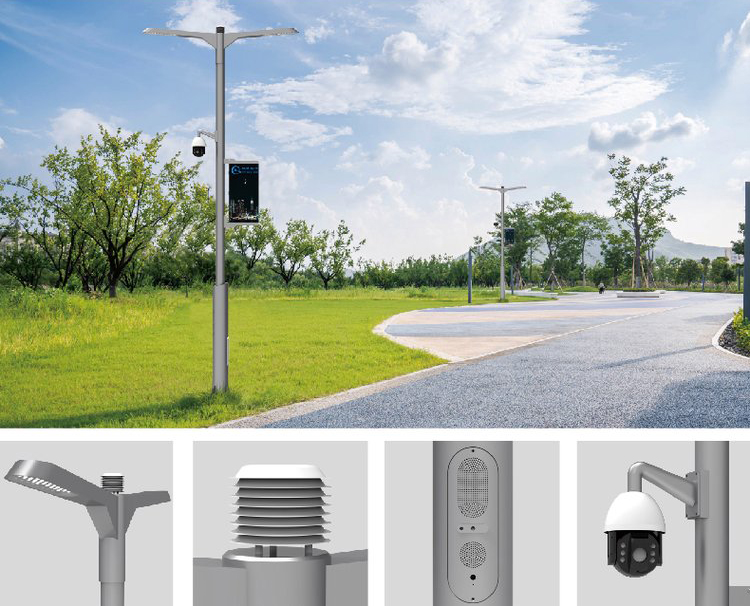
A sensor mounted within the luminaire's beam can observe light produced by the lamp it is controlling. Switching the lamp changes the input, which can create repeated switching if the logic and placement do not account for it. Reflections from nearby signs, glazing or pale surfaces can also affect the installed observation.
Inspect the sensing orientation and exposure with the lamp off and on, including nearby lamps where relevant. Distinguish a representative ambient-light task from a measurement of illumination at a particular surface. Do not move the instrument to a shaded recess solely to make a threshold work; that changes what it observes and may compromise other integrated channels.
Illuminance cannot establish Meteorological Optical Range. Daylight and lamp operation can change lux without indicating fog severity. A project needing a visibility distance requires an appropriate visibility instrument, not an indirect label applied to the light channel.
Solar irradiance at a pole likewise does not directly measure photovoltaic energy production. A nearby luminaire, tree or building may shade the sensing surface differently from the solar panel. Define the measurement plane and exposure required by the energy task; do not claim panel output or energy savings from one irradiance value.
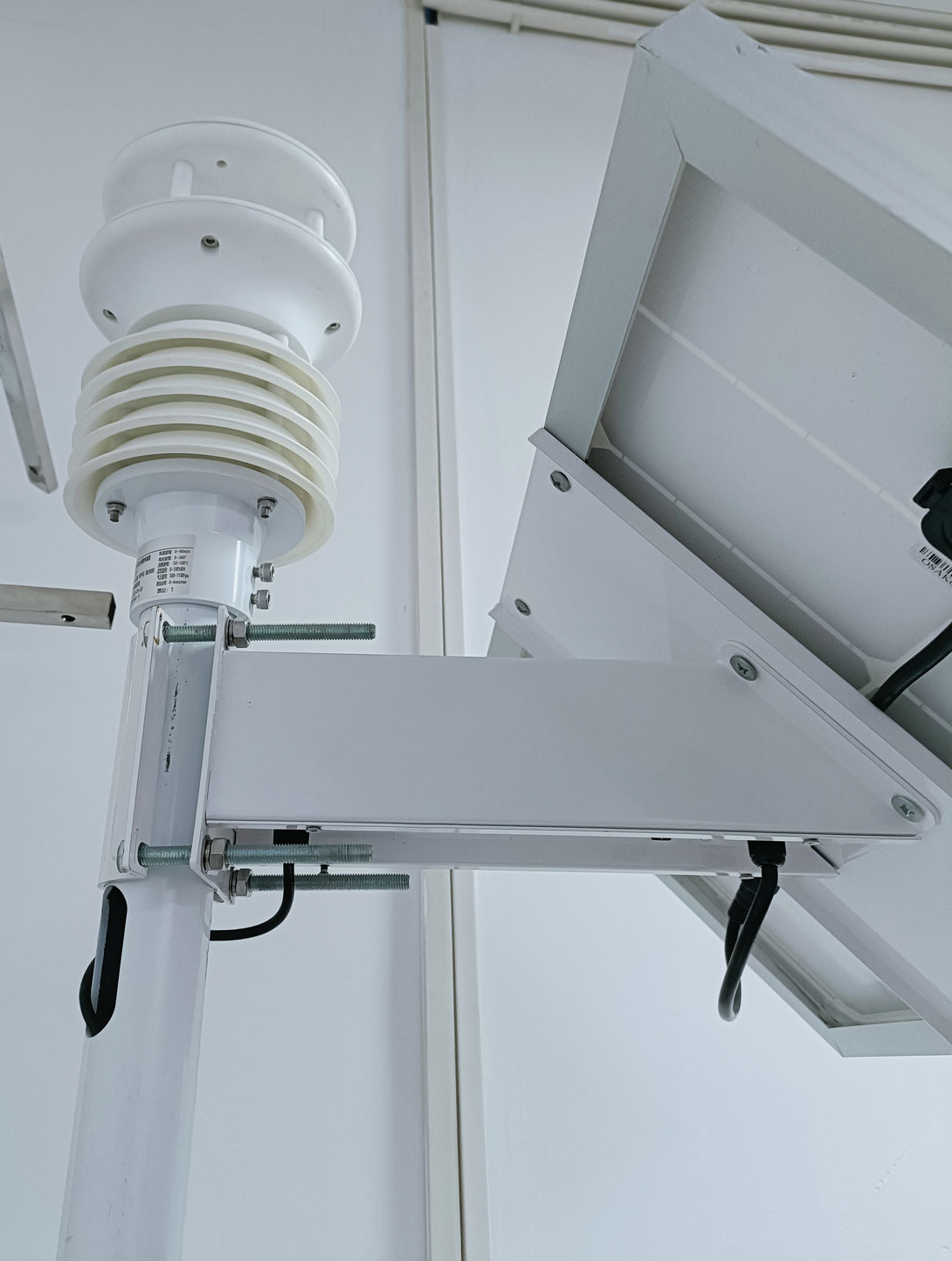
RS485 Modbus RTU allows a compatible data logger or controller to acquire the selected channel. It does not automatically supply a lighting relay, dimming command or connection to every street-light platform. Identify the receiving device, active register, unit conversion and treatment of unused optional channels.
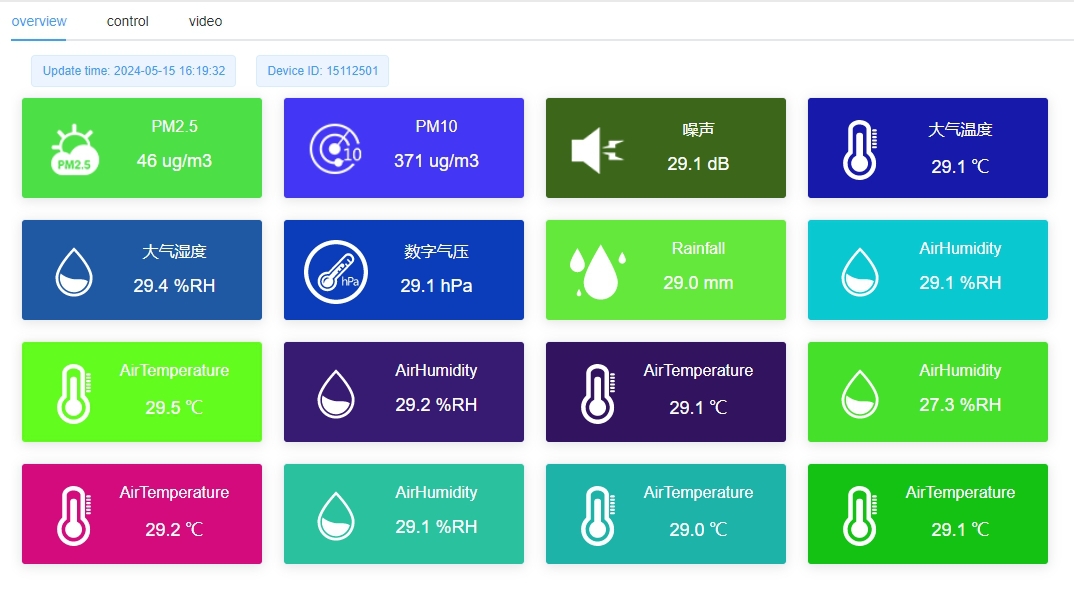
Verify that a missing light channel is not displayed as valid darkness. If lighting operation uses the observation, the responsible system designer must define unavailable-data behavior, switching delays and recovery. Keep that operating logic separate from the general weather display and test it through the actual interface.
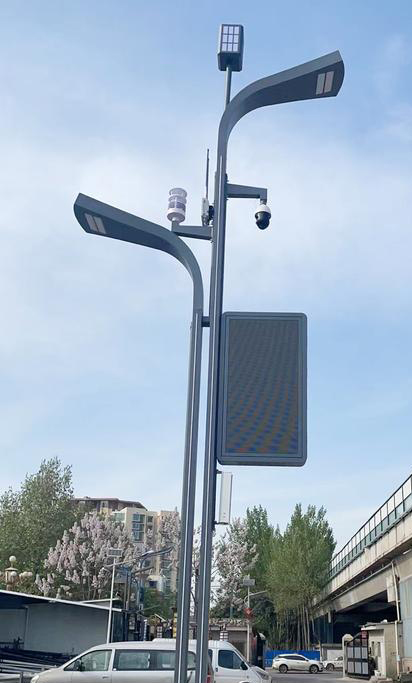
An integrated head may suit a project where wind, rain and light can share an acceptable exposure. A separate light instrument may be needed when the lighting task requires another position or orientation. The mounting convenience of one head should not decide a measurement requirement that its location cannot satisfy.
For a NiuBoL enquiry, provide the light quantity, intended controller decision, operating range, luminaire arrangement and proposed mounting photographs. Include whether radiation, particulate or noise channels are actually required. Compare the selected sensor and integration work with the task, rather than ordering the greatest parameter count on every pole.
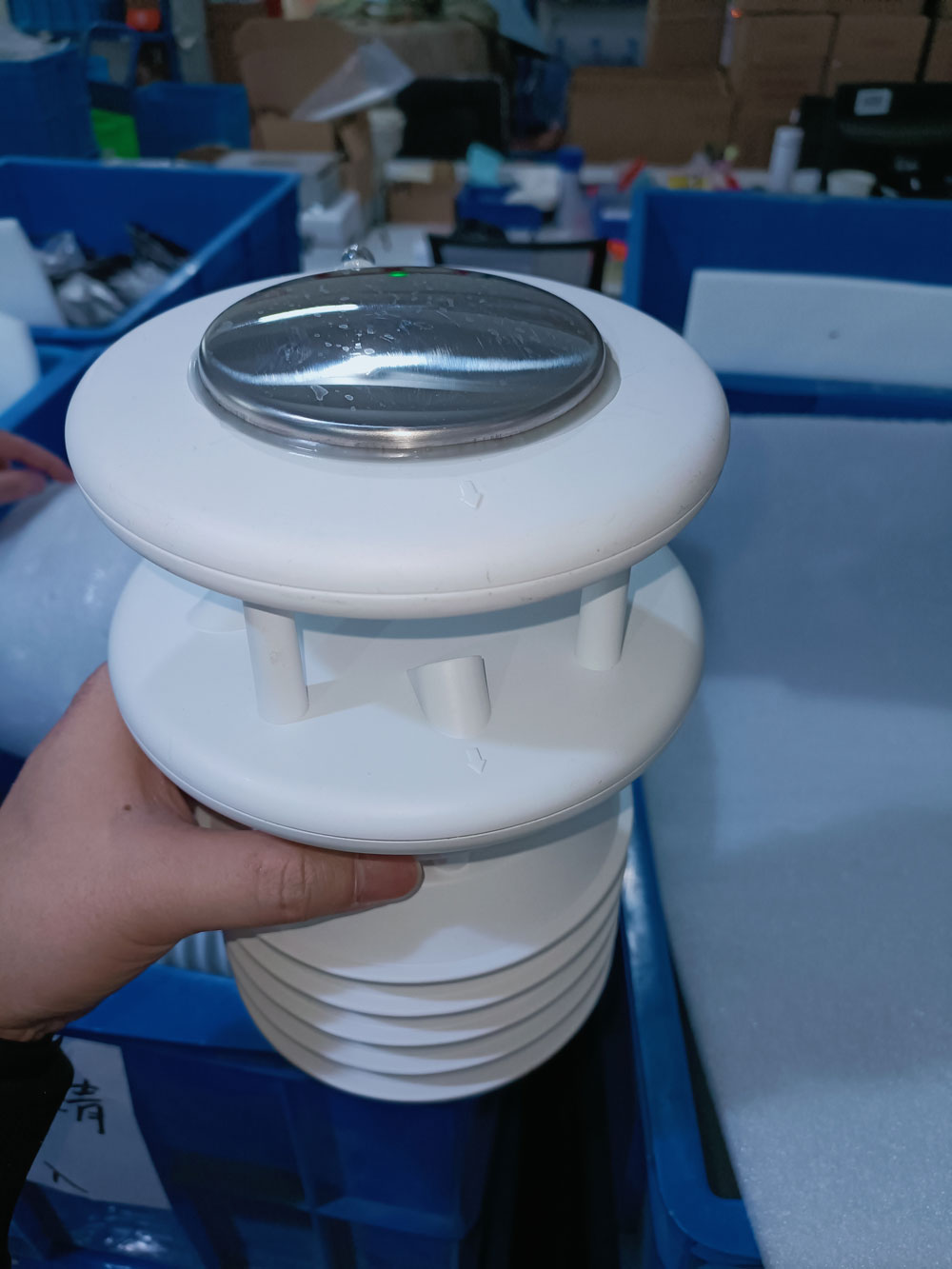
No. The NBL-W-71GUWS standard arrangement uses one of those light options. If both quantities are needed, request an explicitly identified additional instrument or suitable alternative configuration.
Not with a universal factor. The relationship depends on spectral content and instrument response. Select the quantity required by the project.
No. Check low-level resolution, uncertainty and switching behavior against the actual decision band. Test lamp-on feedback and nearby light sources before acceptance.
Its serial measurement output does not establish a lighting control function. Specify the controller and command interface separately and verify the complete operating path.
Only for a task that explicitly uses that quantity and location. A requirement for photosynthetic photon flux density needs an appropriate PAR instrument, not a relabelled lux or broad irradiance channel.
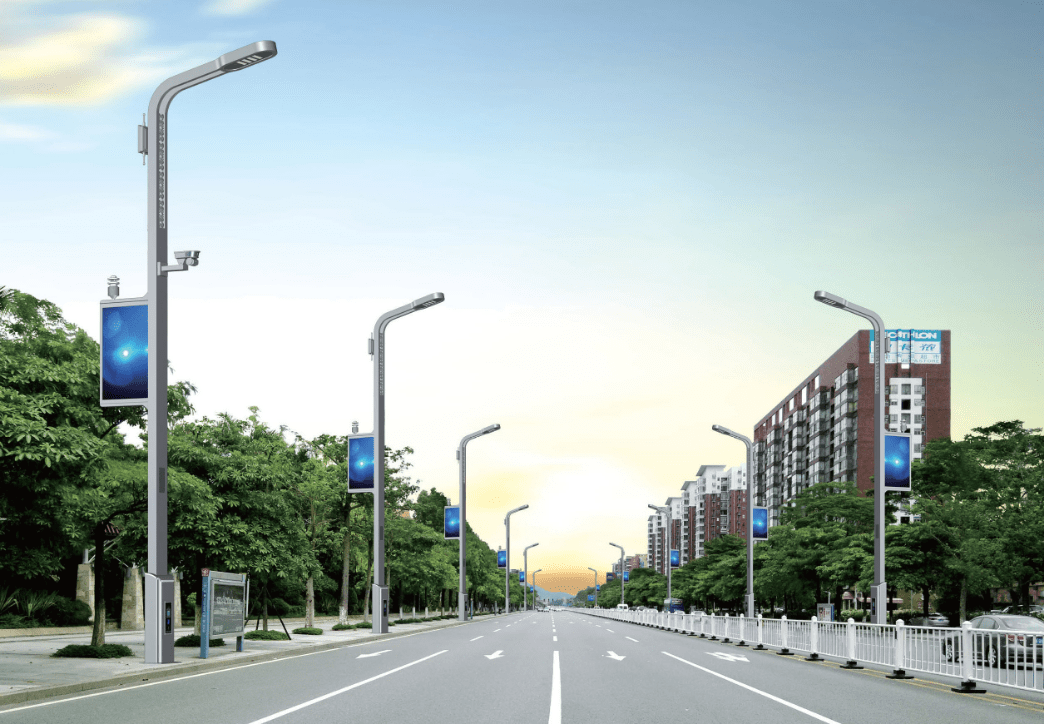
Smart pole light monitoring works when the selected light quantity, installed exposure and controller input agree. Specify the NiuBoL light option explicitly, inspect artificial-light feedback and test the required operating range. Neither a shared housing nor a common dashboard makes illuminance, solar irradiance and visibility interchangeable.
Prev:Micro Air Quality Station Validation: Compare More Than Correlation
Next:Campus Weather Station Display: Explain Current, Daily and Missing Values
Related recommendations
Sensors & Weather Stations Catalog
 Agriculture Sensors and Weather Stations Catalog-NiuBoL.pdf
Weather Stations Catalog-NiuBoL.pdf
Agriculture Sensors Catalog-NiuBoL.pdf
Water Quality Sensor Catalog-NiuBoL.pdf
Related products
 Combined air temperature and relative humidity sensor
 TDR Soil Moisture & Temperature Sensor for irrigation| RS485 |4-20mA| NBL-S-THR
 Soil pH sensor RS485 soil Testing instrument soil ph meter for agriculture |NBL-S-PH
 Wind Speed sensor Output Modbus/RS485/Analog/0-5V/4-20mA
 Tipping bucket rain gauge for weather monitoring auto rainfall sensor RS485/Outdoor/stainless steel
 Pyranometer Solar Radiation Sensor 4-20mA/RS485


Screenshot, WhatsApp to identify the QR code
WhatsApp number:+8615367865107
(Click on WhatsApp to copy and add friends)

