





— Blogs —
—Products—
 Consumer hotline +8618073152920
 WhatsApp:+8615367865107
Address:Room 102, District D, Houhu Industrial Park, Yuelu District, Changsha City, Hunan Province, China
Product knowledge
Time:2026-08-19 09:09:00 Popularity:209
IoT pest monitoring can connect with weather, crop stage and field maps. The value comes from combining evidence, not from adding connected devices without a decision workflow.
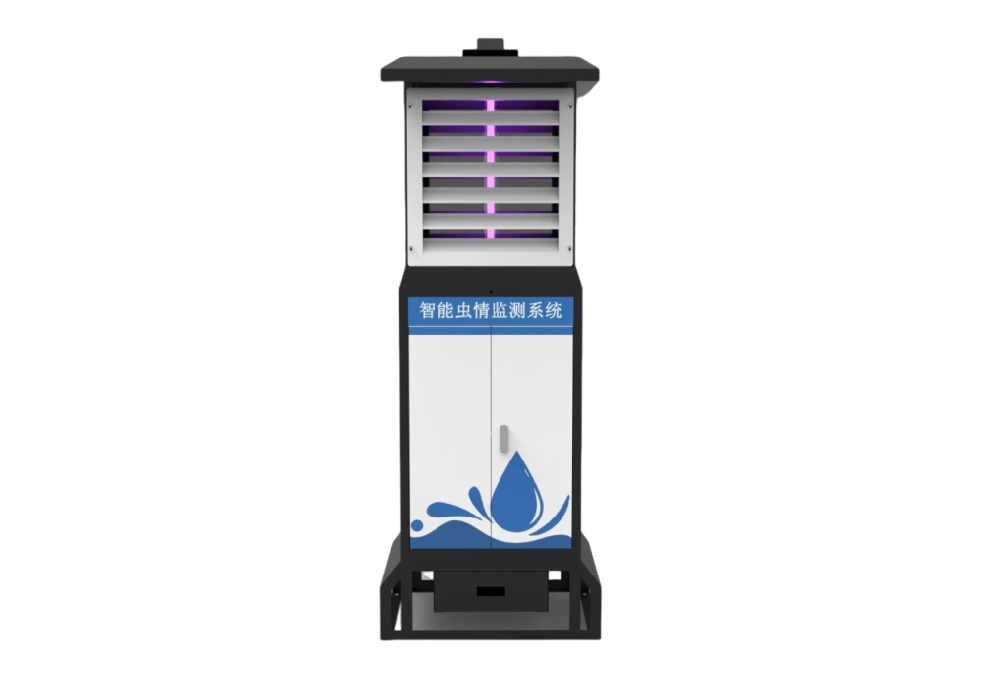
For NiuBoL buyers and system integrators, the practical question is whether real world impact with our pest monitoring system can be specified, installed, connected and accepted without creating hidden work after delivery.
The engineering review considers real world impact with our pest monitoring system as a project component, so the decision includes measurement purpose, site condition, installation, data interface, acceptance and later service.
Pest data becomes more useful when combined with weather, crop stage and field map. Integration should serve a decision, not create another isolated dashboard.
For larger farms, device naming and location consistency are important. Bad asset naming makes historical comparison difficult.
For real world impact with our pest monitoring system, pest records should be reviewed with crop stage, weather and scouting notes. The field integration objective decides whether a count becomes an action.
For real world impact with our pest monitoring system, camera cleaning, lure replacement, power check and report review should be written into the service plan for the field integration season.
For NiuBoL matching of real world impact with our pest monitoring system, provide crop type, target pest, field size, power condition, communication coverage and field integration reporting requirement.
| Item | Project Specification | Why It Matters |
|---|---|---|
| Monitoring target for real world impact with our pest monitoring system | Flying insects, trap counts, images, field trend or rodent inspection records | Defines whether the project needs detection, trend or response management. |
| Power supply for real world impact with our pest monitoring system | Solar power, battery or mains according to field condition | Determines maintenance interval and deployment location. |
| Communication for real world impact with our pest monitoring system | Cellular, WiFi, LoRa or local collection depending on coverage | Controls whether data can be reviewed remotely. |
| Installation for real world impact with our pest monitoring system | Trap height, crop boundary, field block or storage point | Affects whether counts represent real pest pressure. |
| Service item for real world impact with our pest monitoring system | Cleaning, lure replacement, image review and seasonal storage | Keeps the monitoring result useful. |
| Acceptance item for real world impact with our pest monitoring system | Location record, upload record, sample image and report output | Proves the system is operating before handover. |
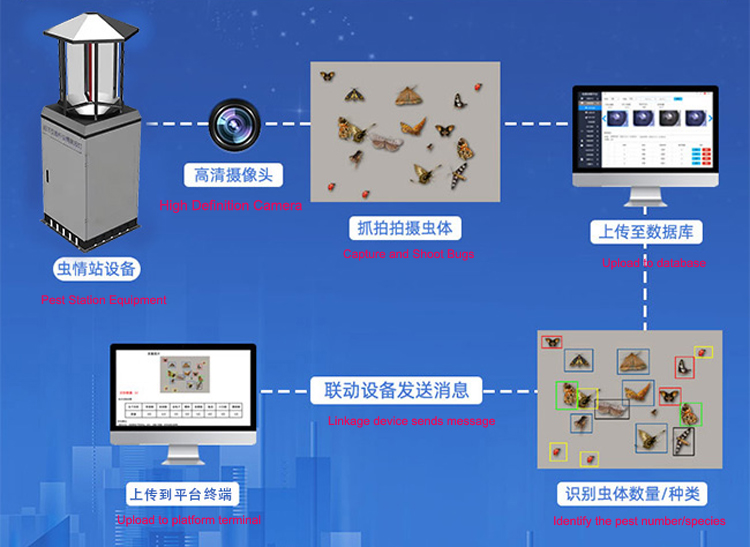
For real world impact with our pest monitoring system, the RFQ should be written around the project result rather than a short product name. Include these points so suppliers quote the same scope:
For real world impact with our pest monitoring system, the project boundary should be written as a scope list: measuring hardware, cable, mounting parts, power supply, enclosure, controller or gateway, data destination and service responsibility. The field map integration angle decides which of those items must be included in the first quotation.
For real world impact with our pest monitoring system, RS485 Modbus RTU should be specified with device address, baud rate, register map and wiring note. This is especially important when the project depends on field map integration and the data must enter a PLC, RTU, logger or gateway without manual transcription.
If real world impact with our pest monitoring system is supplied as a station rather than a single device, confirm whether 4G, WiFi, LoRa, Ethernet, local display or cloud upload is included.
| Item | Project Specification | Why It Matters |
|---|---|---|
| Manual scouting for real world impact with our pest monitoring system | Low equipment cost but irregular records | Still needed for verification |
| Single trap for real world impact with our pest monitoring system | Local count at one point | Useful for pilot testing |
| Connected monitoring network for real world impact with our pest monitoring system | Time, location and trend records | Better for block-level management |
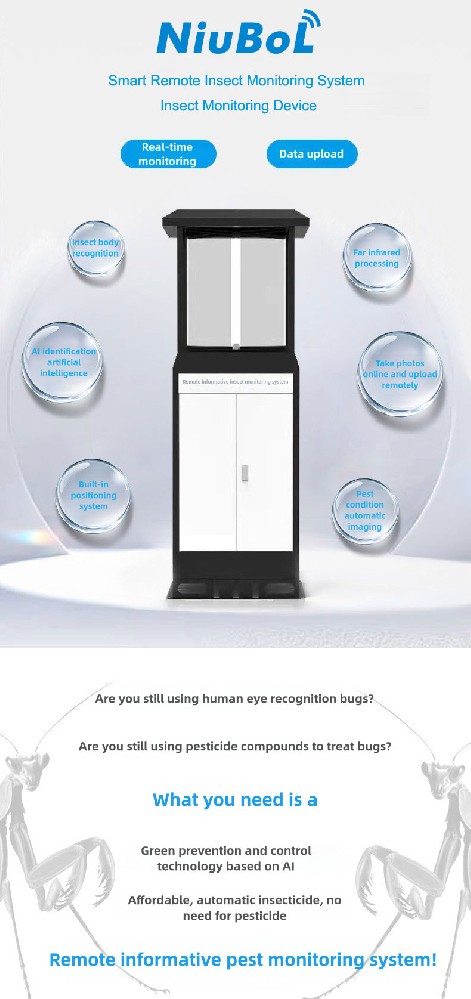
Field challenge: real world impact with our pest monitoring system must produce usable evidence under the field integration condition, where access, timing, fouling, exposure or reporting duty can change the result.
Integration plan: For real world impact with our pest monitoring system, choose mounting, power, communication and service access around the field integration objective, then record those choices for quotation and handover.
User value: For real world impact with our pest monitoring system, stable records help the site compare normal operation with abnormal events and support later quotation or maintenance review.
User value: For real world impact with our pest monitoring system, the buyer receives earlier evidence for field action instead of waiting for scattered manual notes.
User value: For real world impact with our pest monitoring system, acceptance becomes easier because installation, data and service conditions are recorded before handover.
User value: For real world impact with our pest monitoring system, operators can compare locations, time periods and service actions with less argument about where the data came from.
The main risk for real world impact with our pest monitoring system projects is buying a device without defining the field condition.
For real world impact with our pest monitoring system, quality should be judged against a written baseline for field integration.
Real world impact with our pest monitoring system fits projects where field integration changes a field decision, a maintenance visit or a handover record.
Real world impact with our pest monitoring system is not suitable when the site has no service access, no power plan, no data user or only occasional manual checking.
For real world impact with our pest monitoring system, start with a field map and mark field integration zones before deciding device count. The real world impact with our pest monitoring system report layout should make measurement points, alarms and required actions easy to trace.
For real world impact with our pest monitoring system, write who cleans the device, checks power, reviews uncertain records and confirms field action during the field integration period.
For real world impact with our pest monitoring system, a useful report should show location, time, trend and action threshold so the field integration result can be discussed by managers and field staff.
Handover for real world impact with our pest monitoring system should include photos, wiring notes, communication settings, baseline readings and a maintenance interval. The Real World Impact with Our Pest Monitoring System records help distinguish a site-condition change, delayed service, configuration error or unsuitable product selection during later diagnosis.
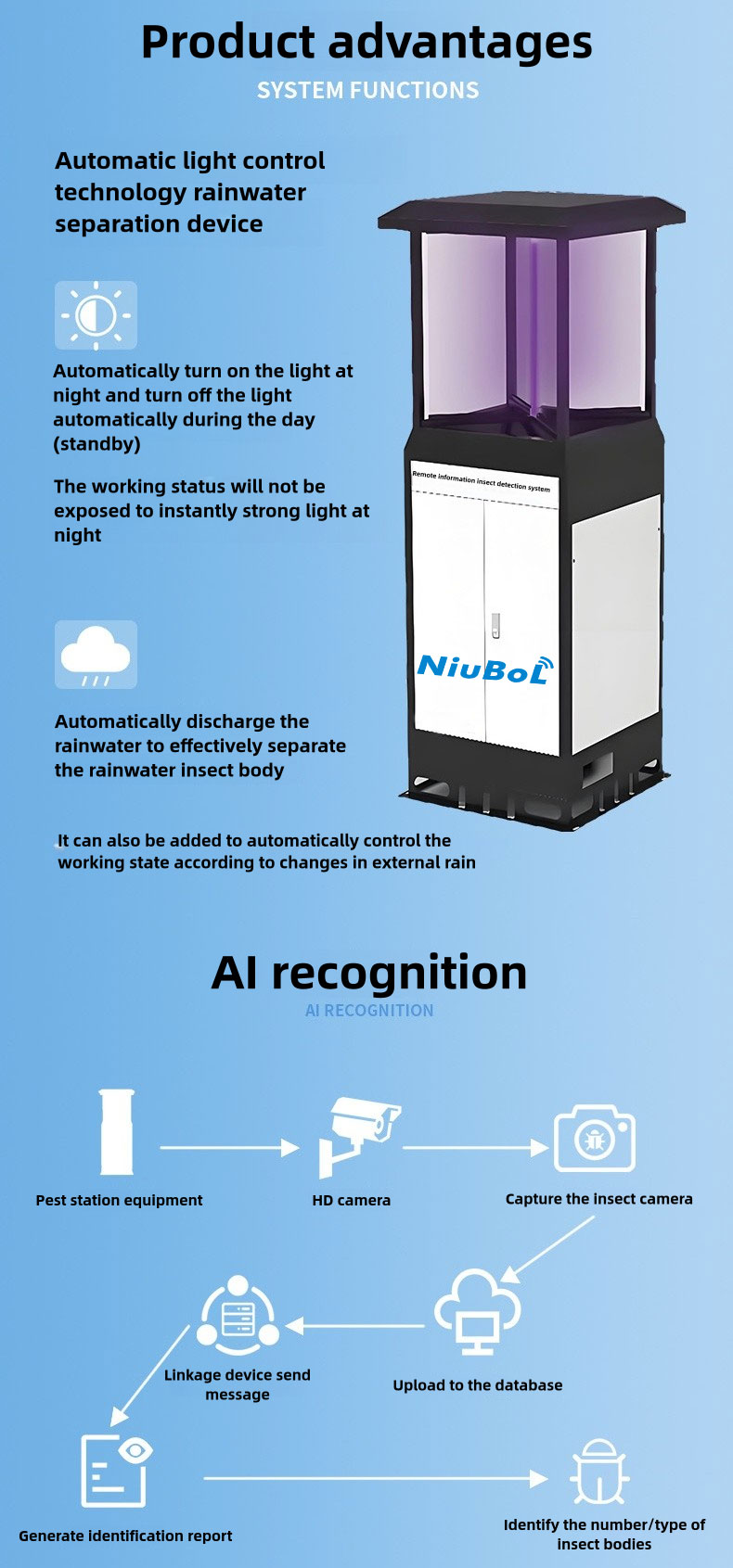
A1: Supply-scope check for environmental monitoring system: For real world impact with our pest monitoring system, the answer depends on crop type, target pest, field size, power, communication and who reviews the report.
A2: Project requirement for environmental monitoring system: For real world impact with our pest monitoring system, the answer depends on crop type, target pest, field size, power, communication and who reviews the report. Apply this check to the actual Real World Impact with Our Pest Monitoring System measuring point.
A3: Acceptance check for environmental monitoring system: For real world impact with our pest monitoring system, the answer depends on crop type, target pest, field size, power, communication and who reviews the report. Retain the result with the Real World Impact with Our Pest Monitoring System commissioning record.
A4: Measurement-point record for environmental monitoring system: For real world impact with our pest monitoring system, the answer depends on crop type, target pest, field size, power, communication and who reviews the report. Confirm responsibility for this Real World Impact with Our Pest Monitoring System item before handover.
A5: Integration note for environmental monitoring system: For real world impact with our pest monitoring system, the answer depends on crop type, target pest, field size, power, communication and who reviews the report. Apply this check to the actual Real World Impact with Our Pest Monitoring System measuring point.
A6: Site review for environmental monitoring system: For real world impact with our pest monitoring system, the answer depends on crop type, target pest, field size, power, communication and who reviews the report. Retain the result with the Real World Impact with Our Pest Monitoring System commissioning record.
A7: Supply-scope check for environmental monitoring system: For real world impact with our pest monitoring system, the answer depends on crop type, target pest, field size, power, communication and who reviews the report. Confirm responsibility for this Real World Impact with Our Pest Monitoring System item before handover.
A8: Project requirement for environmental monitoring system: For real world impact with our pest monitoring system, the answer depends on crop type, target pest, field size, power, communication and who reviews the report. Apply this check to the actual Real World Impact with Our Pest Monitoring System measuring point.

Real world impact with our pest monitoring system should be treated as a specification and project risk question, not a simple product label.
For model matching, send NiuBoL the field integration objective, site medium, mounting condition, output requirement, cable length, quantity and schedule.
Prev:In Line Dissolved Oxygen Meter: BOD Laboratory Support for Water Monitoring
Next:A Meteorological Station: Project Selection Guide for Weather and Environmental Monitoring
Related recommendations
Sensors & Weather Stations Catalog
 Agriculture Sensors and Weather Stations Catalog-NiuBoL.pdf
Weather Stations Catalog-NiuBoL.pdf
Agriculture Sensors Catalog-NiuBoL.pdf
Water Quality Sensor Catalog-NiuBoL.pdf
Related products
 Combined air temperature and relative humidity sensor
 TDR Soil Moisture & Temperature Sensor for irrigation| RS485 |4-20mA| NBL-S-THR
 Soil pH sensor RS485 soil Testing instrument soil ph meter for agriculture |NBL-S-PH
 Wind Speed sensor Output Modbus/RS485/Analog/0-5V/4-20mA
 Tipping bucket rain gauge for weather monitoring auto rainfall sensor RS485/Outdoor/stainless steel
 Pyranometer Solar Radiation Sensor 4-20mA/RS485

Screenshot, WhatsApp to identify the QR code
WhatsApp number:+8615367865107
(Click on WhatsApp to copy and add friends)

