





— Blogs —
—Products—
 Consumer hotline +8618073152920
 WhatsApp:+8615367865107
Address:Room 102, District D, Houhu Industrial Park, Yuelu District, Changsha City, Hunan Province, China
Product knowledge
Time:2024-01-07 15:19:25 Popularity:2150
Soil test sensor application status:
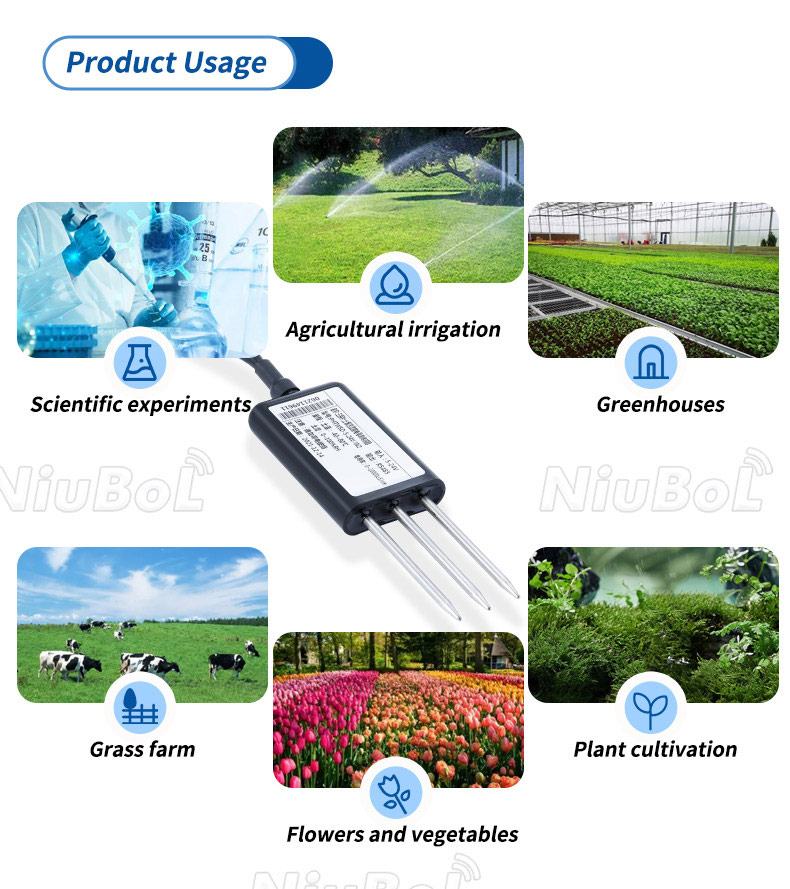
Currently, soil test sensors are widely used in various fields, especially in agriculture and environmental monitoring. In agricultural production, soil test sensors are used to monitor soil parameters such as nutrients, moisture, pH, etc., to help farmers develop reasonable fertiliser and irrigation plans to improve crop yield and quality. In the field of environmental monitoring, soil test sensors are used to monitor soil pollution conditions, timely detection and take appropriate measures to protect the health of soil and groundwater resources. In addition, in the field of urban greening, land improvement, hydrological monitoring, soil test sensors also have a wide range of applications.
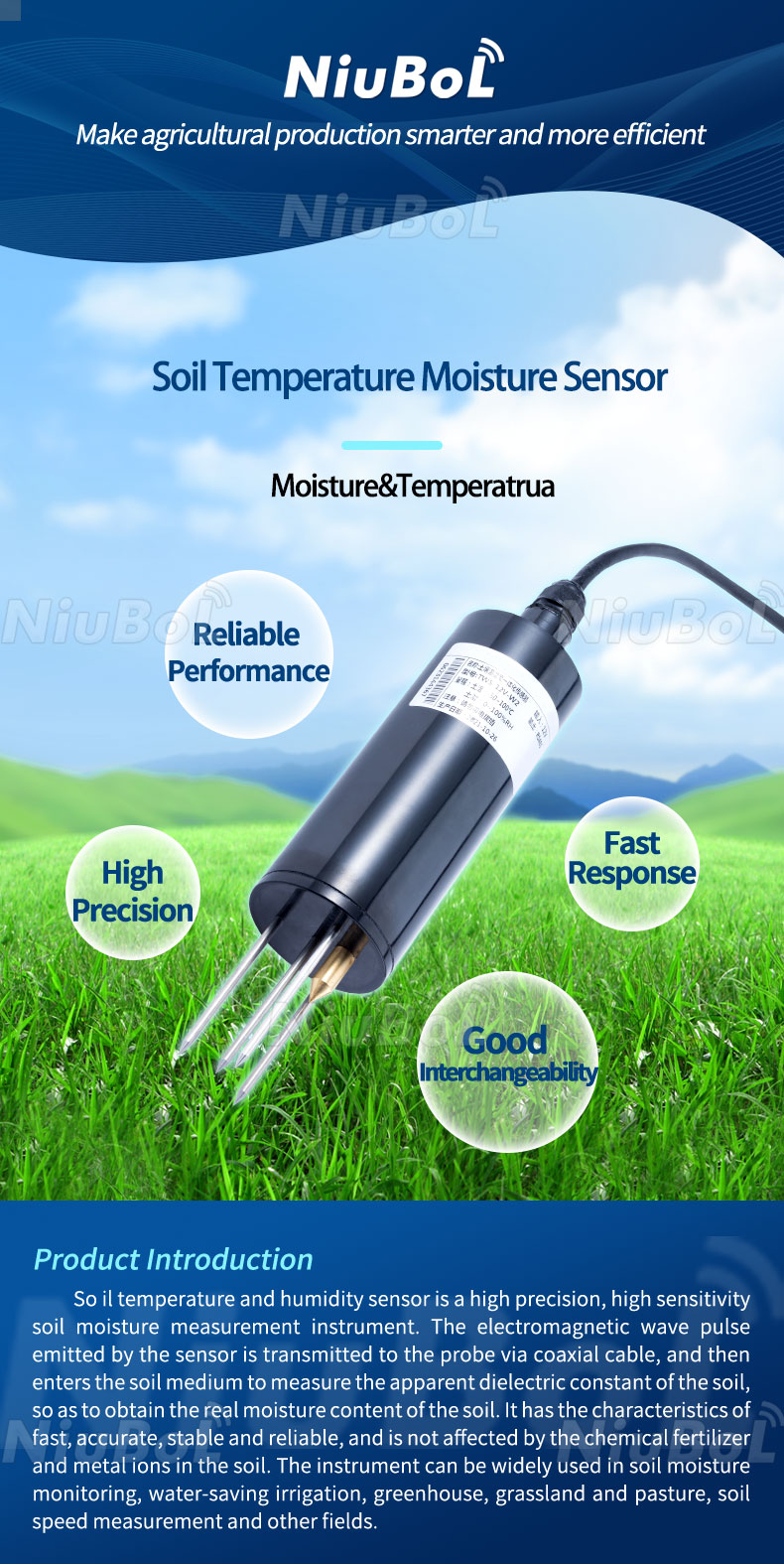
The future development direction of soil test sensors can be discussed in detail from the following aspects:
1. Intelligence and automation: with the development of artificial intelligence and IoT technology, soil test sensors will be more intelligent and automated. Future sensors may have the ability of autonomous learning and self-optimisation, and be able to make adaptive adjustments according to the soil environment and application scenarios. At the same time, the sensor will be able to automatically collect data, analyse data, and even provide decision support, greatly improving efficiency and accuracy.
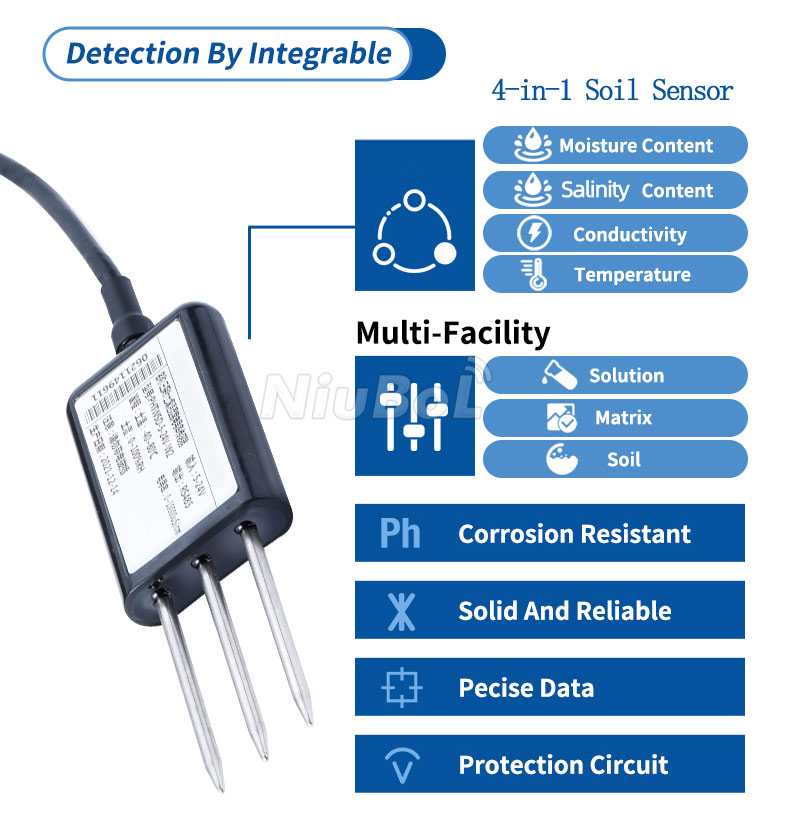
2. Multi-parameter monitoring: currently most soil test sensors can only monitor a single parameter, but future sensors may achieve multi-parameter monitoring, such as simultaneous measurement of soil pH, conductivity, organic matter content, nitrogen, phosphorus, potassium and other nutrients. This multi-parameter monitoring capability will enable the sensor to provide more comprehensive information on soil conditions, which will help to more accurately assess soil health and develop appropriate management measures.
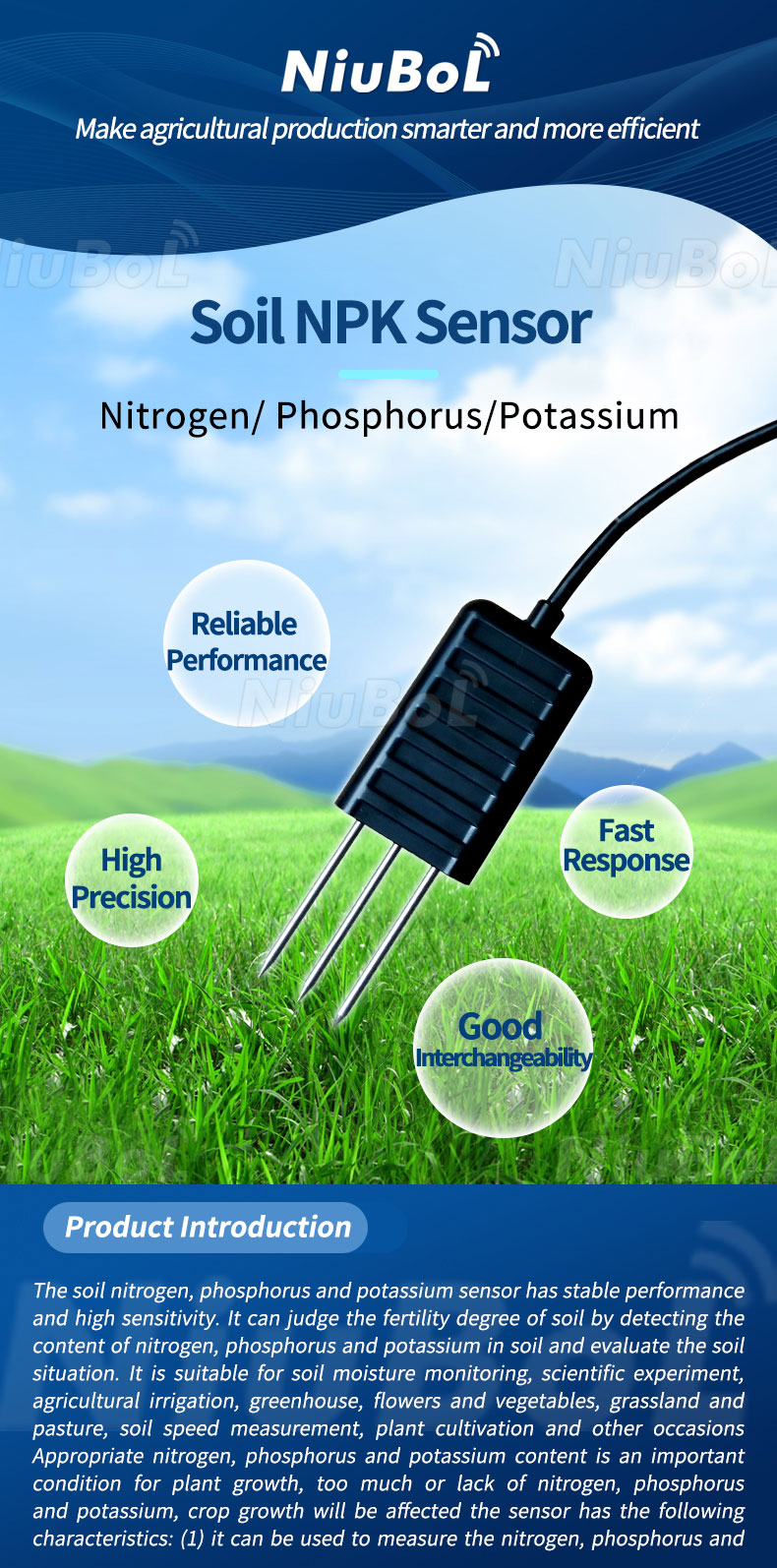
3. High accuracy and stability: with the continuous progress of sensor technology, future soil test sensors will have higher accuracy and stability. This will enable the sensor to more accurately reflect the actual condition of the soil, reducing errors and uncertainties. At the same time, high stability sensors can maintain the stability of performance in a variety of environmental conditions, improving the reliability and service life of the sensor.
4. Wireless and remote: with the development of wireless communication technology, the future of soil testing sensors will be more wireless and remote. The sensor can be easily connected with smart phones, tablet PCs and other mobile devices to achieve remote monitoring and management. At the same time, data transmission through wireless networks can greatly improve the efficiency and reliability of data transmission, making remote monitoring possible.
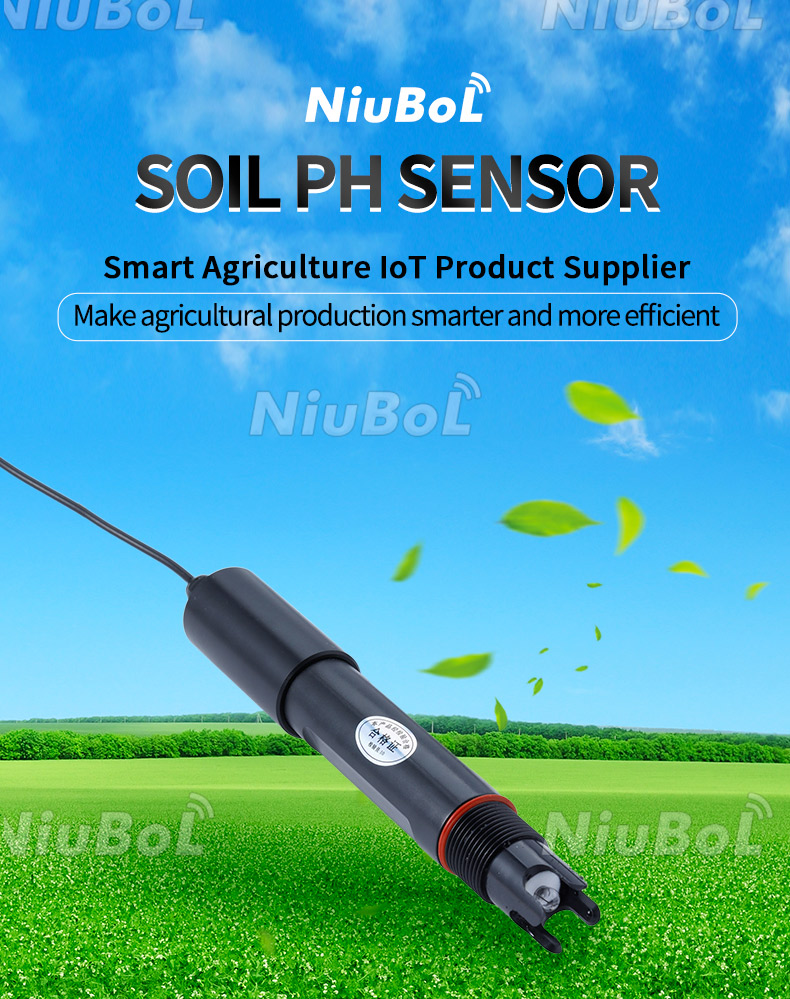
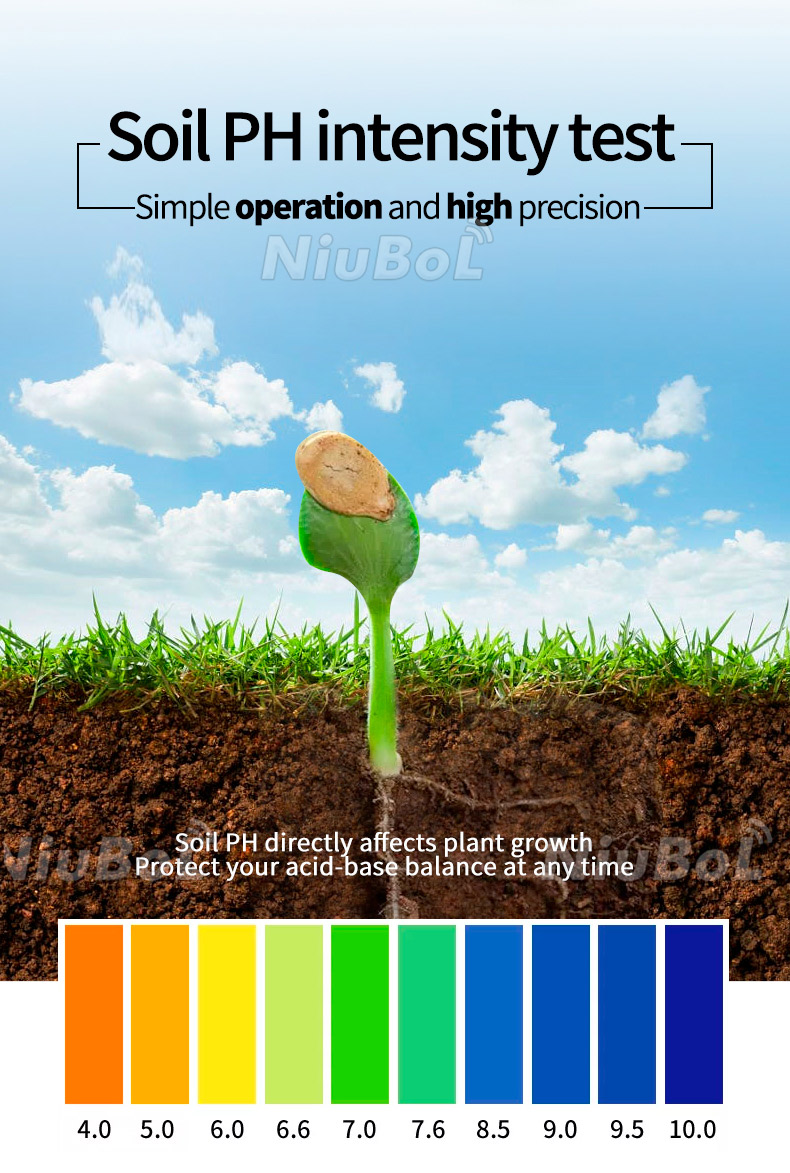
5. Integration and miniaturisation: future soil test sensors may be integrated and miniaturised, making the sensor more portable and easier to use. Sensors may use micro-electro-mechanical systems (MEMS) technology to achieve miniaturisation of the design, while integrating a variety of functions on a chip, improving the integration and reliability of the sensor.
6. Customisation and personalisation: future soil test sensors may be more customised and personalised. According to different application requirements, the sensor can be customised with different parameters, sizes, shapes, and so on. At the same time, through data analysis technology, personalised recommendations and solutions can be provided for each user to improve the efficiency of soil management and agricultural production.
The current state of application and future development of soil testing sensors is a complex and diverse topic, and the following are some relevant discussions:
Challenges and Opportunities:
Although the application of soil test sensors is promising, it also faces some challenges. For example, there is still a need to improve the accuracy and stability of sensors, the ability of data transmission and processing, cost and sustainability. Meanwhile, how to combine sensor technology with big data, artificial intelligence and other technologies to achieve smarter management and decision support is also an important direction for future development.
In short, the future application of soil testing sensors will be more extensive and in-depth, and will provide more accurate and reliable data support for the development of agriculture, environment, water resources and other fields. With the continuous progress of technology and the growing demand for applications, we expect more innovative application solutions to emerge, bringing greater convenience and benefits to human production and life.
Related recommendations
Sensors & Weather Stations Catalog
 Agriculture Sensors and Weather Stations Catalog-NiuBoL.pdf
Weather Stations Catalog-NiuBoL.pdf
Agriculture Sensors Catalog-NiuBoL.pdf
Water Quality Sensor Catalog-NiuBoL.pdf
Related products
 Combined air temperature and relative humidity sensor
 TDR Soil Moisture & Temperature Sensor for irrigation| RS485 |4-20mA| NBL-S-THR
 Soil pH sensor RS485 soil Testing instrument soil ph meter for agriculture |NBL-S-PH
 Wind Speed sensor Output Modbus/RS485/Analog/0-5V/4-20mA
 Tipping bucket rain gauge for weather monitoring auto rainfall sensor RS485/Outdoor/stainless steel
 Pyranometer Solar Radiation Sensor 4-20mA/RS485

Screenshot, WhatsApp to identify the QR code
WhatsApp number:+8615367865107
(Click on WhatsApp to copy and add friends)

