





— Blogs —
—Products—
 Consumer hotline +8618073152920
 WhatsApp:+8615367865107
Address:Room 102, District D, Houhu Industrial Park, Yuelu District, Changsha City, Hunan Province, China
Product knowledge
Time:2026-01-06 13:48:28 Popularity:733
In an era of increasingly scarce water resources, agricultural irrigation—the largest consumer of water—directly determines the sustainability of agriculture based on its efficiency. In China, approximately 70% of total water usage is allocated to farmland, yet significant waste occurs due to outdated technology. For many years, farmers have relied on experience for “flood irrigation,” resulting in irrigation efficiency of only about 40%, along with fertilizer loss and damage to soil structure.
NiuBoL believes that soil moisture is the “life scale” for crop growth. The emergence of soil moisture monitoring stations is designed to digitize and precisionize this scale. It serves not only as the foundation for water-saving irrigation but also as a digital bridge connecting the land to cloud platforms.
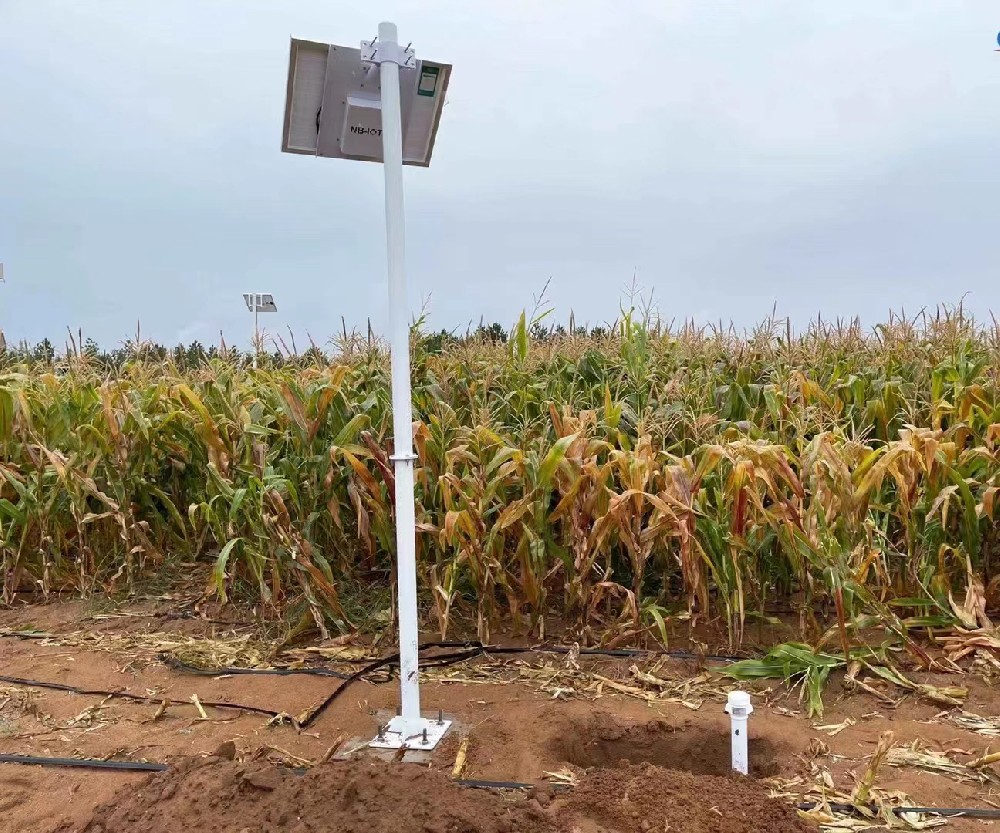
The development of soil moisture monitoring technology reflects humanity's continuous improvement in perceiving natural precision.
1.Initial Stage: Drying Method (Gravimetric Method)
The most primitive approach: calculating moisture by on-site soil sampling, drying, and weighing.
Pain Points: Long cycle (typically 24 hours), cumbersome operation, no real-time data, and destructive to the tillage layer with each sample.
2.Evolution Stage: Soil Moisture Thermometers and Tensiometers
Measuring soil suction or temperature via physical contact.
Pain Points: Highly affected by soil salinity; single-point measurement fails to reflect deep root zone distribution, often leading to misjudgments like “surface wet but deep dry.”
3.Smart Stage: NiuBoL Non-Contact Layered Monitoring Technology
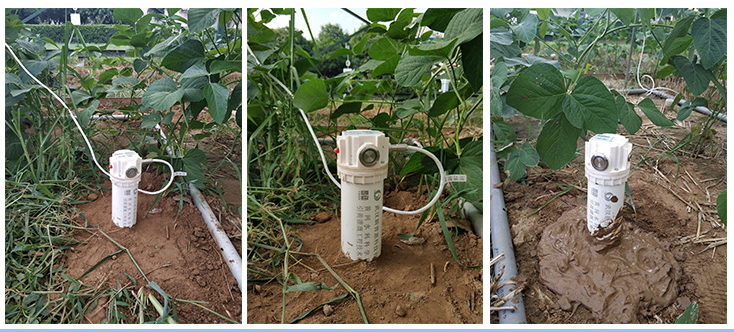
NiuBoL employs TDR (Time-Domain Reflectometry) principles, using near-1GHz high-frequency detection waves to penetrate the medium.
Innovation: No direct soil contact required; three-dimensional moisture models at various depths are obtained via pre-buried tubes, achieving true real-time, online, and non-destructive monitoring.
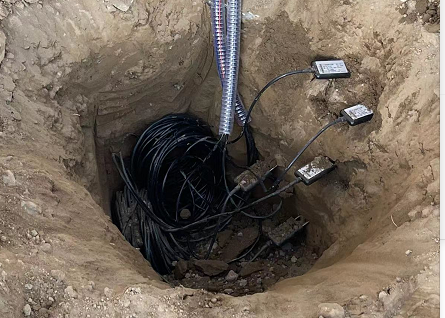
2.1Building a “Digital Brain” for Precise Irrigation
Different crops and growth stages have varying moisture needs. NiuBoL systems allow managers to set “irrigation upper and lower limit” alerts—triggering warnings when moisture drops below critical growth thresholds and stopping irrigation upon reaching saturation to avoid waste.
2.2Multi-Layer Depth Monitoring: Insight into Underground Dynamics
Crop roots span different soil layers. NiuBoL provides monitoring every 10cm:
Shallow layer (0-20cm): Reflects surface evaporation and rainfall infiltration.
Middle layer (20-40cm): Primary root absorption zone—core reference for irrigation decisions.
Deep layer (40cm+): Indicates moisture leakage, identifying potential over-irrigation.
2.3Disaster Prevention, Mitigation, and Crop Yield Forecasting
Drought accounts for 50% of agricultural losses in China. Long-term sequential moisture analysis enables early drought trend prediction, guiding variety selection or sowing adjustments. Stable moisture conditions directly impact final quality and yield.
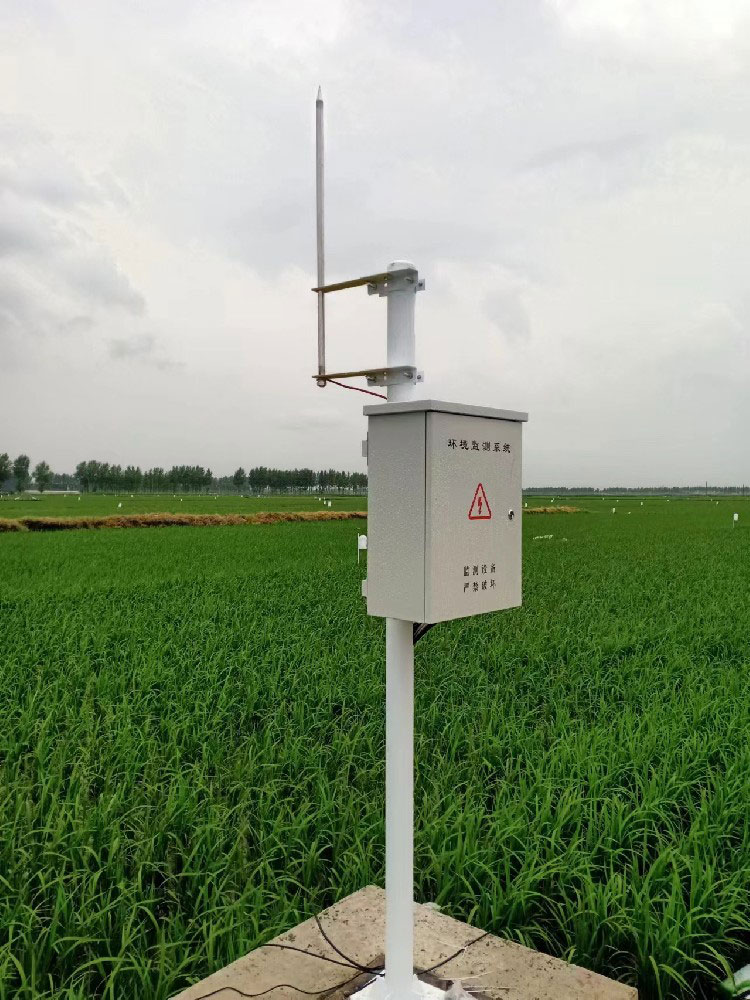
High-Frequency Pulse Technology: Emits near-1GHz waves that penetrate plastic tube walls to detect soil dielectric constant—with exceptional accuracy and complete immunity to interference from fertilizers, pesticides, or soil salts.
Environmentally Friendly Design: Sensor electrodes avoid soil contact, preventing electrical interference with microbial communities and protecting farmland micro-ecology.
Full-Scenario Networking: Supports 4G, 5G, WIFI, and low-power long-range wireless transmission options.
NiuBoL stations are specially reinforced for extreme field conditions:
Power System: Standard 30W/60W solar panels paired with high-capacity colloidal batteries, ensuring operation during 7-15 consecutive rainy days.
Data Logger: Power-loss protection preserves over 1 year of historical data locally even during outages.
Protection Rating: Sensors achieve IP68; host enclosure features metal anti-theft spray coating with superior waterproof and damage resistance.
Cloud Platform: Mobile App for real-time viewing, with LAN/internet multi-terminal synchronization for farms of all sizes.
| Question | Answer |
|---|---|
| Q1: Will gaps between the tube wall and soil during pre-buried tube installation affect data accuracy? | A: Yes. For NiuBoL stations, fine soil backfill with proper compaction or specialized slurry sealing is required to ensure tight contact. Air gaps interfere with electromagnetic waves, leading to underestimated readings. |
| Q2: Can the equipment integrate with automatic irrigation valves? | A: Yes. NiuBoL loggers support standard Modbus RTU protocol. Connect to PLCs or smart gateways to enable unmanned loops: “dry soil → auto-start pump → sufficient moisture → auto-stop pump.” |
| Q3: What is the sensor's approximate detection range? | A: Centered on the tube, effective radius ~10cm, covering ~3000cm³ of soil—offering better representativeness than single-point probes. |
| Q4: Will equipment be damaged in winter temperatures below -20℃? | A: No. NiuBoL sensors use low-temperature components, operating from -40℃ to +85℃. Frozen soil causes natural value shifts due to ice-water dielectric differences—this is normal physics. |
| Q5: Can ordinary PVC pipes replace the provided pre-buried tubes? | A: Not recommended. NiuBoL tubes are calibrated for dielectric properties (wall thickness/material). Standard thick PVC may attenuate signals, reducing accuracy. |
| Q6: Does installation require professional technicians? | A: NiuBoL emphasizes modularity and ease. Basic training enables self-installation of tubes and sensors. Maintenance involves only power checks and tube cleaning. |
| Q7: Can data sampling frequency be adjusted? | A: Yes. Adjustable from 1 minute (drought emergencies) to 24 hours (normal periods) to optimize power and data density. |
| Q8: What area can one station cover? | A: Depends on terrain/soil uniformity. In flat uniform fields, one point represents 30-50 acres; denser deployment needed in complex terrain. |
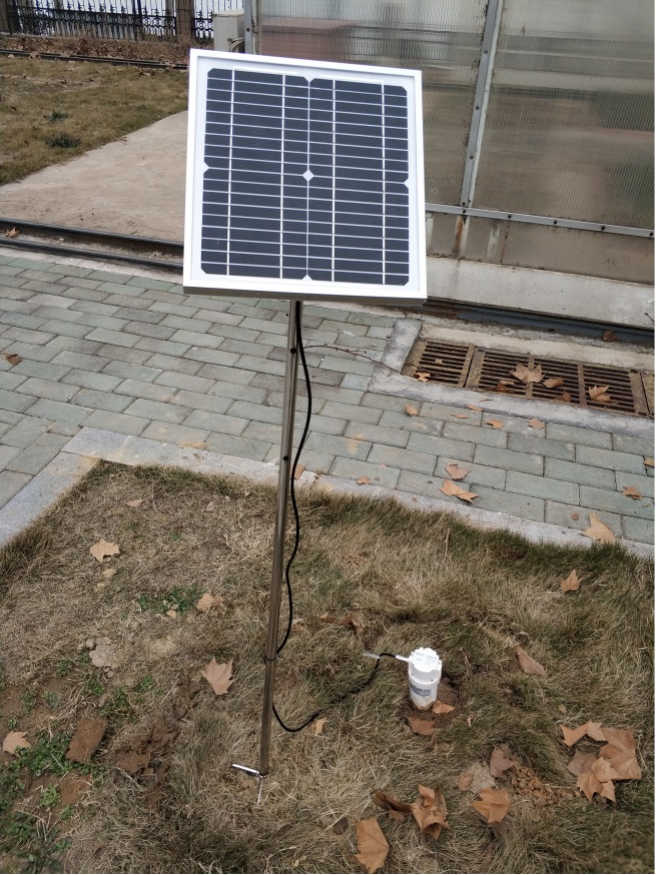
From primitive manual sampling to NiuBoL's centimeter-precision digital monitoring, the history of soil moisture stations is fundamentally the liberation of agricultural productivity. It resolves “when and how much to irrigate” while establishing a robust digital foundation through comprehensive soil temperature/moisture sensing.
Whether managing large farms or conducting research, NiuBoL offers customized solutions from individual sensors to full automated stations.
Contact NiuBoL for one-on-one technical consultation. Let your land “speak” and make agricultural management more responsive and accurate.
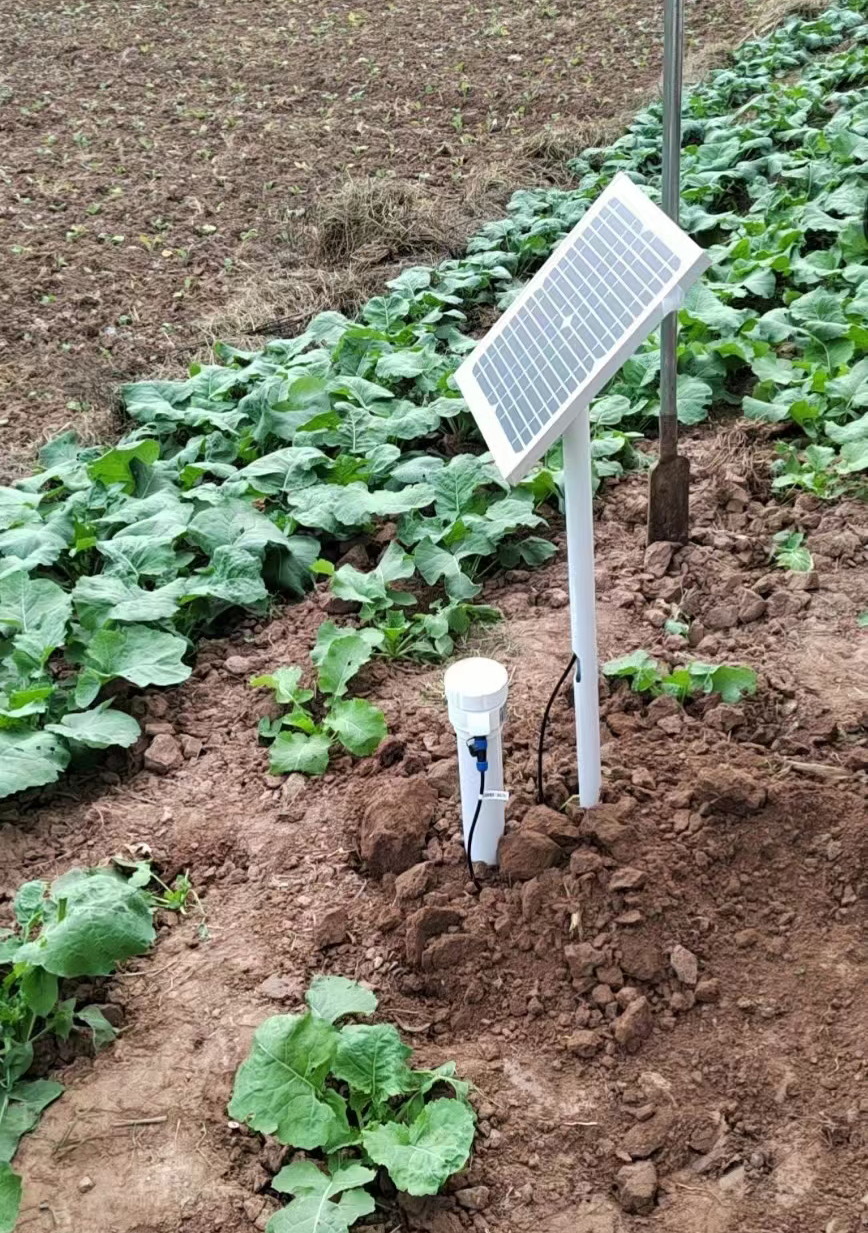
Technical Parameters Summary:
Measured Elements: Soil volumetric water content (VWC), soil temperature
Communication Protocol: Modbus RTU / RS485
Wireless Options: 4G / 5G / GPRS / LoRa
Installation Depth: Standard 0.5m-2m (customizable layers)
Sampling Frequency: Adjustable from 1 minute to 24 hours
Protection Rating: Sensor section IP68
Prev:Applications of Small Automatic Weather Stations in Agriculture, Power, Forestry, and Hydrology
Next:Monitoring Solution for Ammonia Nitrogen Sensors Using Ion-Selective Electrodes
Related recommendations
Sensors & Weather Stations Catalog
 Agriculture Sensors and Weather Stations Catalog-NiuBoL.pdf
Weather Stations Catalog-NiuBoL.pdf
Agriculture Sensors Catalog-NiuBoL.pdf
Water Quality Sensor Catalog-NiuBoL.pdf
Related products
 Combined air temperature and relative humidity sensor
 TDR Soil Moisture & Temperature Sensor for irrigation| RS485 |4-20mA| NBL-S-THR
 Soil pH sensor RS485 soil Testing instrument soil ph meter for agriculture |NBL-S-PH
 Wind Speed sensor Output Modbus/RS485/Analog/0-5V/4-20mA
 Tipping bucket rain gauge for weather monitoring auto rainfall sensor RS485/Outdoor/stainless steel
 Pyranometer Solar Radiation Sensor 4-20mA/RS485

Screenshot, WhatsApp to identify the QR code
WhatsApp number:+8615367865107
(Click on WhatsApp to copy and add friends)

