





— Blogs —
—Products—
 Consumer hotline +8618073152920
 WhatsApp:+8615367865107
Address:Room 102, District D, Houhu Industrial Park, Yuelu District, Changsha City, Hunan Province, China
Product knowledge
Time:2026-01-06 13:41:06 Popularity:665
In the process toward “everything interconnected,” precise acquisition of meteorological information has become a core link in the decision-making command chain. Whether for refined irrigation in agricultural production, disaster prevention scheduling in power grids, or real-time monitoring of forest fire risks, extremely high requirements are placed on the stability, timeliness, and intelligence of monitoring equipment.
As a leading brand in environmental sensing, the compact automatic weather station launched by NiuBoL integrates high-precision sensor technology with industrial-grade networking solutions, reshaping the traditional meteorological monitoring market with its modular, low-power, and easy-to-deploy characteristics.
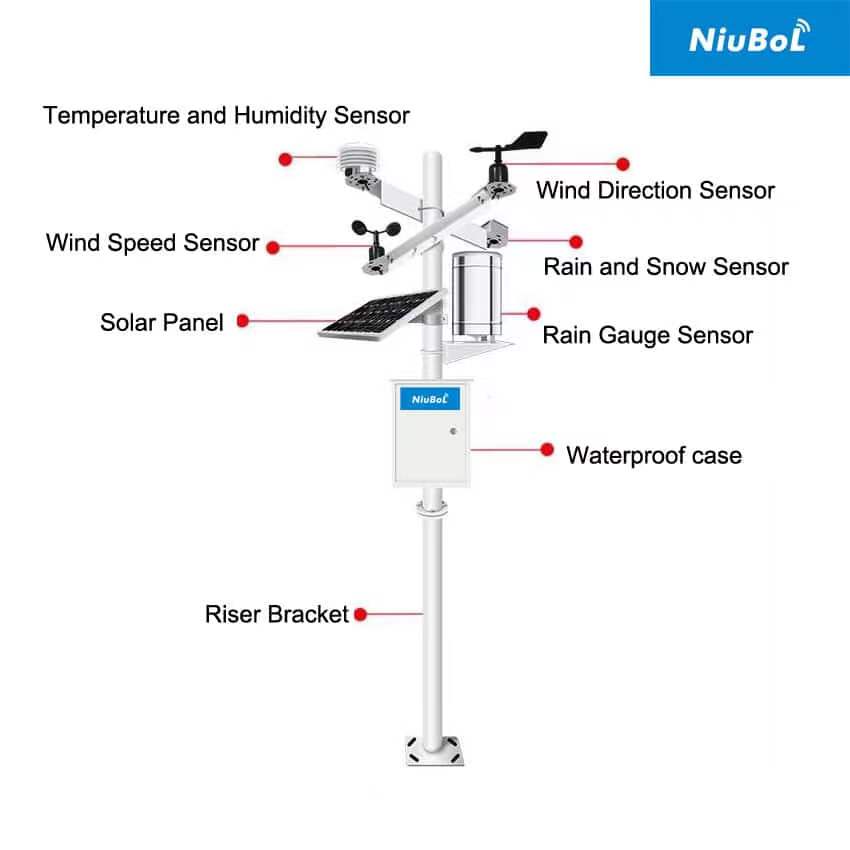
Compact automatic weather stations are not merely hardware stacks but integrated systems deeply optimized for complex outdoor conditions. The following are their distinctive features compared to traditional monitoring equipment:
1.Industrial-Grade Resilience Design: All-Weather Stable Operation
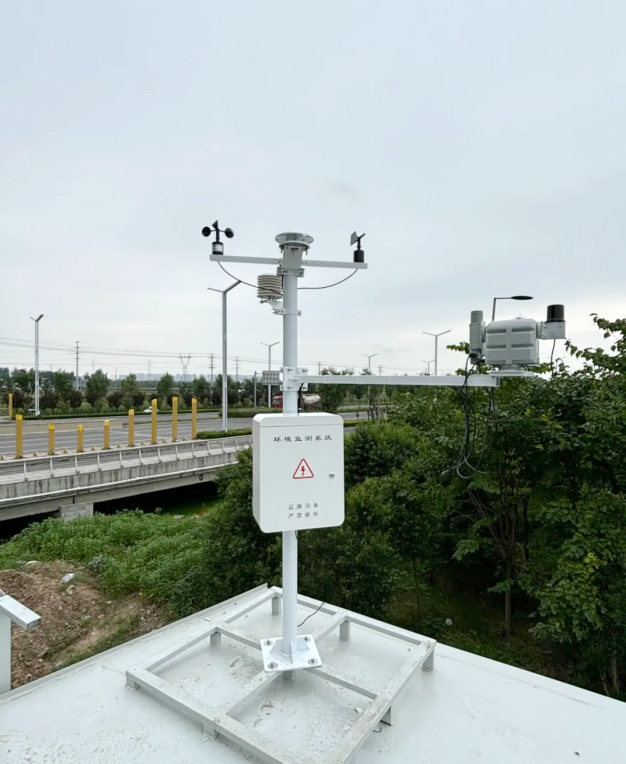
Weather stations are typically installed in open, exposed field environments. NiuBoL systems use full stainless steel brackets and integrated on-site protection boxes, passing rigorous salt spray and corrosion tests. The structural design balances mechanical stability and wind resistance, ensuring physical integrity and data continuity under level 12 strong winds or extreme rainstorms.
2.Intelligent Energy Management: Foundation for Unattended Operation
In power-scarce forest or desert areas, low-power technology is key to equipment survival. The system’s built-in microcomputer collector uses sleep-wake mechanisms to significantly reduce static power consumption. Paired with efficient solar panels and low-temperature-performance storage systems, it ensures 24-hour online operation even during continuous overcast and rainy weather, truly achieving “install once, maintain long-term.”
3.Comprehensive Electromagnetic and Physical Protection
Integrated three-level lightning protection effectively resists induced lightning impacts on main control chips.
Anti-electromagnetic interference: For high-voltage electromagnetic environments in power systems, sensors and signal cables use shielded designs, ensuring accurate measurements near transmission towers.
4.Open Modular Architecture: Flexible Adaptation to Needs
NiuBoL meteorological systems adopt an open “sensor + collector + communication module” design. Users can freely combine from dozens of elements such as wind speed, wind direction, temperature and humidity, rainfall, radiation, air pressure, and light according to actual budget and research needs. This “Lego-style” configuration greatly enhances project applicability and cost-effectiveness.
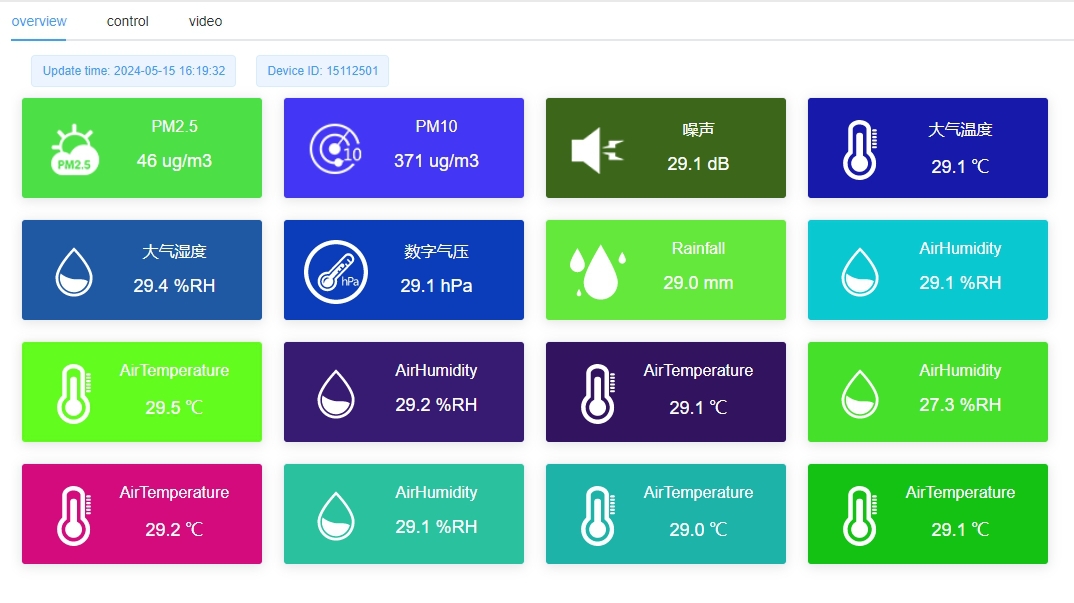
As automatic weather station technology reaches advanced IoT levels, it has become an indispensable monitoring hub across multiple industries:
1.Smart Agriculture: From “Depending on Weather” to “Precise Production Control”
Traditional agriculture is costly and inefficient. NiuBoL automatic weather stations convert meteorological factors into production instructions:
Intelligent Irrigation: Combining rainfall, light intensity, and soil moisture data, the system intelligently calculates crop transpiration and automatically issues irrigation commands.
Pest and Disease Warning: Many crop diseases are highly correlated with temperature and humidity curves. Through data analysis, farmers can apply pesticides early in outbreaks, reducing losses.
2.Hydrology and Climate: Building Comprehensive Disaster Warning Systems
China’s complex terrain leads to frequent flash floods and droughts. Automatic weather stations monitor rainfall and air pressure changes in real time:
Second-Level Warning: Once rainfall intensity exceeds set thresholds, the system transmits signals instantly via 4G/5G networks to command centers, buying time for evacuation.
Big Data Modeling: Provides long-term meteorological observation data for water conservancy and geology departments, aiding more scientific river management plans.
3.Forest Fire Prevention: Real-Time Monitoring of Meteorological Factors to Prevent Risks
Forest fire monitoring is difficult with poor communication. Weather stations continuously scan key fire-triggering factors (wind speed, direction, atmospheric temperature, dryness) 24 hours:
Dynamic Fire Risk Assessment: The system automatically generates fire risk level reports based on temperature, humidity, and wind data, helping fire prevention departments adjust patrol frequency timely.
4.Electricity and Energy: “Guardian” of Transmission Lines
Severe weather is the top threat to power facilities. Multi-function automatic weather stations monitor ice disasters (low temperature, high humidity), wind disasters (extreme wind speeds), etc.:
Proactive Protection: Real-time meteorological data transmitted to power operation platforms allows managers to foresee line icing or wrapping risks in advance, ensuring safe grid operation.
| Question | Answer |
|---|---|
| Q1: How to ensure data transmission stability in remote areas? | A: NiuBoL provides flexible networking solutions. In operator-covered areas, 4G/5G modules enable global access; in no-network areas, LoRaWAN technology enables long-distance wireless transmission, or even Beidou satellite forwarding, ensuring data connectivity even on monitoring islands. |
| Q2: How long does system installation typically take? | A: Thanks to modular design, a non-professional technician can usually complete full weather station physical assembly and commissioning in 1-2 hours—plug and play. |
| Q3: What is the maintenance frequency for the system? | A: Since sensors have no easily damaged mechanical parts (e.g., ultrasonic wind speed/direction instruments), main maintenance is periodic checks for solar panel shading and cleaning debris from rain gauge funnels. Quarterly visual inspections are generally recommended. |
| Q4: Can collected data be exported for professional research? | A: Yes. NiuBoL cloud platform supports one-click historical data export (Excel format), and collectors support standard Modbus RTU protocol for easy integration into third-party research models or GIS systems. |
| Q5: Can weather stations be customized for specific crops? | A: Absolutely. We can customize selection of specific sensors like photosynthetically active radiation, ultraviolet, or carbon dioxide concentration for different scenarios such as greenhouse planting, field crops, tea gardens, or orchards. |
| Q6: If a sensor fails, is the entire unit replaced? | A: No need. NiuBoL sensors connect to collectors via aviation plugs; if one sensor is damaged, simply unplug the old and plug in the new, greatly shortening repair time and reducing costs. |
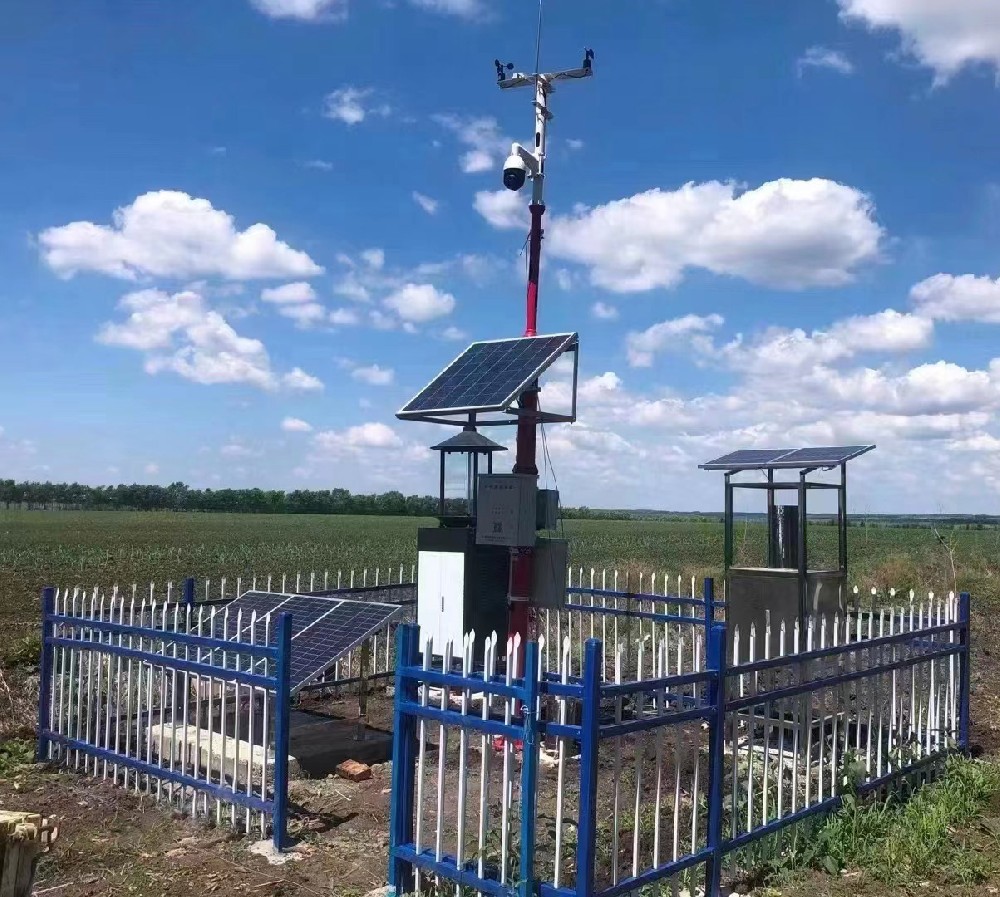
Compact automatic weather stations have evolved from single scientific tools into cross-industry infrastructure. Through NiuBoL's IoT technology, we not only achieve real-time monitoring of natural elements like wind, rain, temperature, and humidity but also endow production activities with predictability through deep big data mining.
Whether ensuring stable power and energy operation or promoting high-yield and efficient agriculture, precise meteorological data is the core support for intelligent management. Choosing NiuBoL means choosing professional, stable, and intelligent meteorological sensing future.
Want to learn more about customized configurations for compact automatic weather stations? Please contact NiuBoL; we will provide full technical support from hardware selection to cloud deployment.
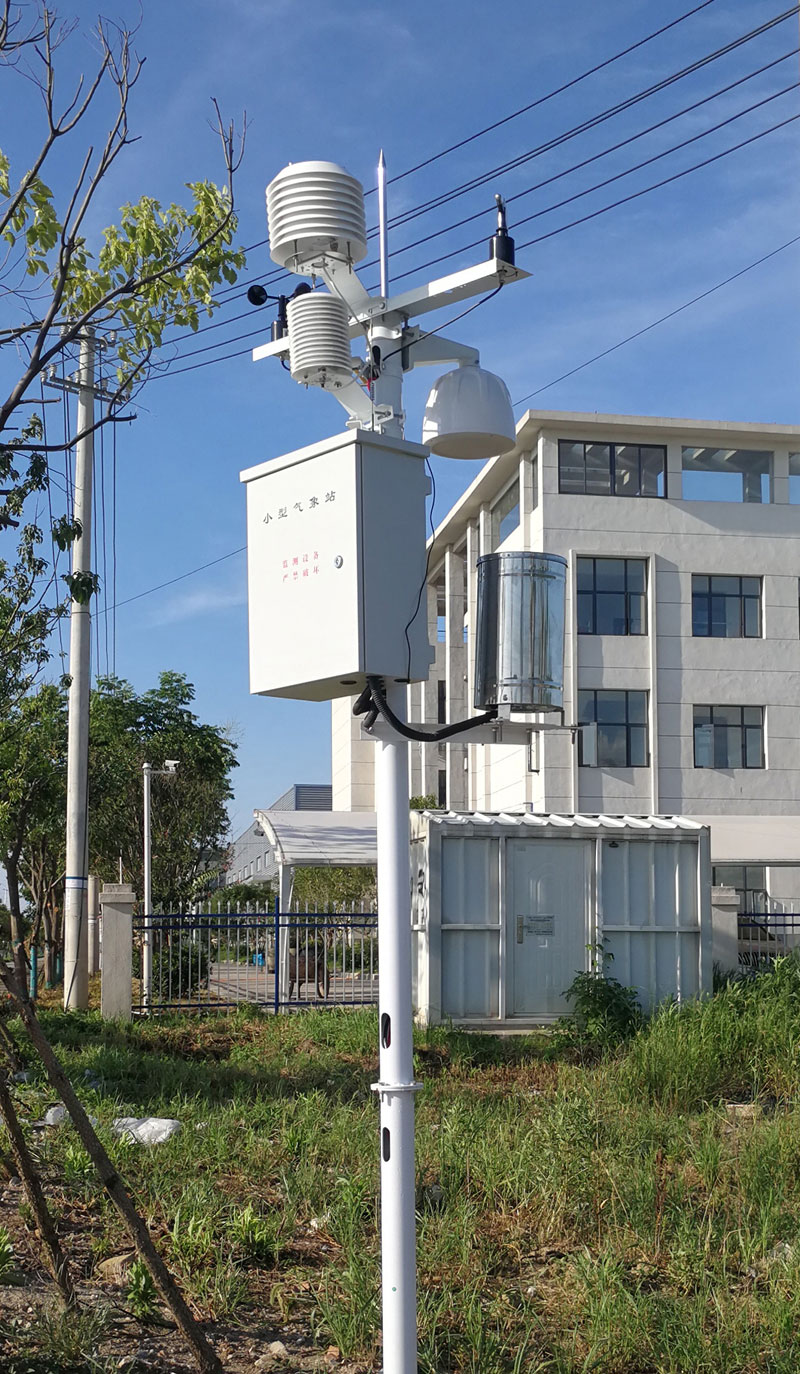
Technical Specifications Overview:
Collection Frequency: 1 minute (default, adjustable)
Storage Capacity: Local cyclic storage of over 12 months of data
Communication Protocol: Modbus RTU
Communication Links: RS485, 4G, LoRaWAN, WIFI
Power Redundancy: Solar + battery (supports 7-15 days operation without light)
Operating Temperature and Humidity: -40℃ ~ +85℃; 0% ~ 100%RH
Sensor Accuracy: Wind speed ±(0.3+0.03V)m/s; Temperature ±0.3℃; Humidity ±3%RH
Prev:Application of Automatic Weather Stations in Greenhouse Cultivation Management
Next:Value, Technological Evolution, and Applications of Soil Moisture Monitoring Stations
Related recommendations
Sensors & Weather Stations Catalog
 Agriculture Sensors and Weather Stations Catalog-NiuBoL.pdf
Weather Stations Catalog-NiuBoL.pdf
Agriculture Sensors Catalog-NiuBoL.pdf
Water Quality Sensor Catalog-NiuBoL.pdf
Related products
 Combined air temperature and relative humidity sensor
 TDR Soil Moisture & Temperature Sensor for irrigation| RS485 |4-20mA| NBL-S-THR
 Soil pH sensor RS485 soil Testing instrument soil ph meter for agriculture |NBL-S-PH
 Wind Speed sensor Output Modbus/RS485/Analog/0-5V/4-20mA
 Tipping bucket rain gauge for weather monitoring auto rainfall sensor RS485/Outdoor/stainless steel
 Pyranometer Solar Radiation Sensor 4-20mA/RS485

Screenshot, WhatsApp to identify the QR code
WhatsApp number:+8615367865107
(Click on WhatsApp to copy and add friends)

