





— Blogs —
—Products—
 Consumer hotline +8618073152920
 WhatsApp:+8615367865107
Address:Room 102, District D, Houhu Industrial Park, Yuelu District, Changsha City, Hunan Province, China
Product knowledge
Time:2026-01-06 13:58:28 Popularity:760
In natural water cycles and engineered water systems, ammonia nitrogen (NH₃-N) levels are always a key indicator of water body health. Whether in rivers, lakes, and reservoirs serving as drinking water sources or in aquaculture bases vital to the economy, excessive ammonia nitrogen can trigger chain reactions ranging from microscopic biochemical processes to macroscopic ecological collapse.
To address this challenge, NiuBoL has launched its ammonium nitrogen sensor for chemical indicator monitoring. Today, NiuBoL will thoroughly examine ammonia nitrogen monitoring from three dimensions: hazard mechanisms, technological innovations in monitoring, and practical applications.

1.1Indirect Harm to Human Health: Conversion to Nitrite
Ammonia nitrogen in water is easily converted to nitrite by microorganisms (such as Nitrosomonas).
Strong Carcinogenic Risk: Long-term consumption of nitrite-containing water leads to the formation of nitrosamines in the body through combination with protein metabolites—recognized as potent carcinogens.
Tissue Hypoxia Risk: Nitrite oxidizes normal hemoglobin to methemoglobin in blood, impairing oxygen-carrying capacity and causing tissue hypoxia, with particularly severe effects on pregnant women and children.
1.2Devastating Impact on Aquatic Ecosystems
Ammonia nitrogen toxicity to aquatic organisms is both “stealthy” and “cumulative.”
Extreme Toxicity of Free Ammonia (NH₃): Ammonia nitrogen exists in water as ammonium ions (NH₄⁺) and free ammonia (NH₃). The truly highly toxic form is free ammonia, which penetrates biological membranes easily and is dozens of times more toxic than ammonium salts.
Coupled Amplification by Physicochemical Environment: Toxicity is greatly influenced by pH and temperature. Higher pH (alkaline) and temperature increase the proportion of free ammonia, causing exponential toxicity growth. This explains frequent pond overturn accidents in aquaculture during summer midday.
1.3Acute and Chronic Poisoning in Aquaculture
Chronic Poisoning: Reduced feeding, difficult molting, gill tissue damage, weakened respiration. Even if fish and shrimp survive, lowered immunity leads to frequent disease outbreaks.
Acute Poisoning: Excitement, loss of balance in water, convulsions, and mass deaths in short time.
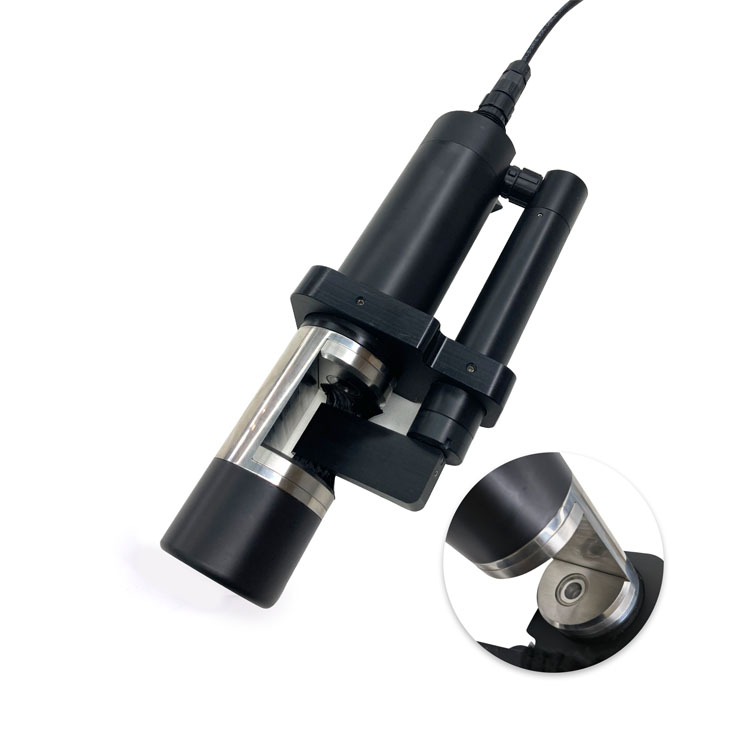
Traditional ammonia nitrogen analyzers require regular reagent replenishment and pipeline cleaning, making them inadequate for field distributed monitoring. NiuBoL's NBL-NHN-206 sensor adopts ISE (Ion-Selective Electrode) method, achieving a fundamental shift in monitoring logic.
2.1“Four-in-One” Compensation Algorithm: Ensuring Data Accuracy
Single ion electrodes are susceptible to environmental interference. NiuBoL sensors integrate:
Ammonium Ion Electrode: Core sensing element.
Potassium Ion Electrode: Subtracts interference from similar potassium ions.
pH Electrode: Real-time monitoring of acidity/alkalinity for automatic conversion between free ammonia and ammonium ions.
Pt1000 Temperature Sensor: Dynamically adjusts temperature slope compensation.
2.2Patented Exudation Technology and Long-Term Stability
NiuBoL employs a special internal reference solution exudation mechanism. Under at least 100KPa (1Bar) pressure, reference solution slowly exudes through microporous salt bridges. This design ensures ultra-high electrode potential stability, greatly extending calibration intervals and overall lifespan.
2.3Maintenance-Free Design: Intelligent Self-Cleaning Brush
Addressing biofouling (algae, bacterial films) common in aquaculture, NHN-206 optionally includes an automatic cleaning brush. Programmable cleaning frequency physically removes contaminants from sensor surfaces, keeping membranes or optics clean.
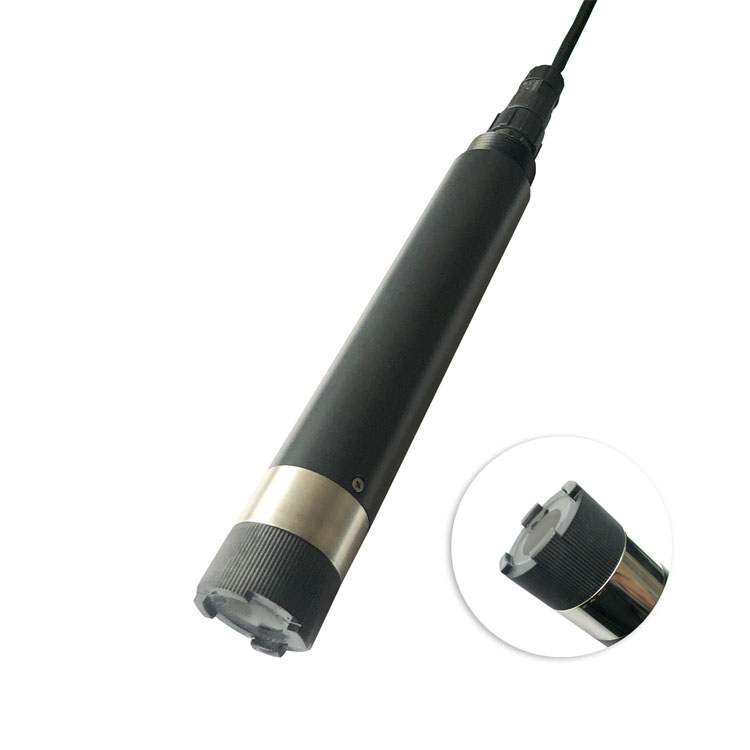
| Parameter Name | Specification Description (Model: NBL-NHN-206) |
|---|---|
| Measurement Principle | Ion-Selective Electrode Method (ISE) |
| Measurement Range | 0–10.00 / 100.00 / 1000.0 mg/L (optional) |
| Resolution | 0.01 mg/L / 0.1℃ |
| Response Time | T90 < 60s (rapid response, supports real-time collection) |
| Accuracy Level | ±10% of reading or ±1 mg/L |
| Communication Output | RS-485 (Modbus RTU protocol) |
| Protection Rating | IP68 (supports long-term submersion at 20 meters depth) |
| Operating Power Consumption | Only 0.2W@12V (compatible with solar power systems) |
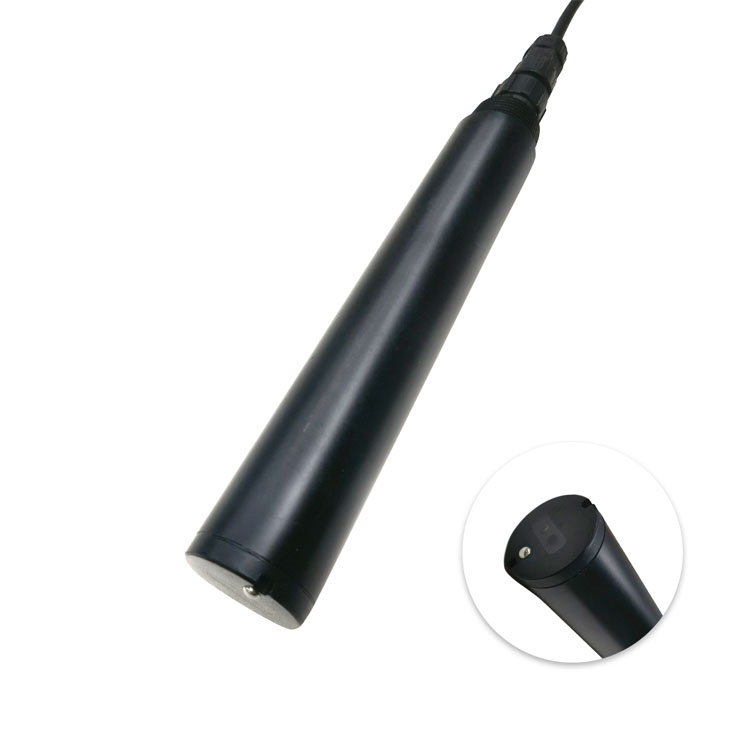
4.1 Modern Smart Aquaculture Farms
Using NiuBoL ammonia nitrogen sensors with wireless transmission modules, farmers can monitor water quality in real time.
Linked Control: When ammonia nitrogen exceeds safe thresholds (e.g., 0.2mg/L), the system automatically activates aerators or oxygen pumps to increase dissolved oxygen and promote nitrification, reducing ammonia levels.
4.2 Urban Sewage Treatment and Discharge Monitoring
In anaerobic/aerobic tanks of sewage treatment processes, ammonia nitrogen sensors provide real-time feedback on nitrification efficiency, helping engineers optimize aeration strategies to save electricity while ensuring compliant effluent.
To maintain peak sensor performance, the following details are essential:
Activation Treatment: Electrodes must be soaked in clean water for 2 hours before use—like warming up an athlete, directly affecting initial response sensitivity.
Avoid Organic Solvents: The PVC membrane is delicate; strictly prohibit contact with silicone oils or strong cleaners.
Dry Storage: If unused for over two weeks, store dry with protective cap containing solution.
Two-Point Calibration: Recommended monthly for zero and slope. NiuBoL protocol supports remote calibration value writing, facilitating remote maintenance.
| Question | Answer |
|---|---|
| Q1: Is data from ion-selective electrode (ISE) method consistent with Nessler's reagent method in water quality standards? | A: NiuBoL sensors, through multi-parameter compensation algorithms, show high correlation with laboratory methods in most conditions. ISE measures ion activity, offering unmatched speed advantages for online real-time trend judgment and process control. |
| Q2: Will high heavy metal content in water affect lifespan? | A: NHN-206 uses chemically inert housing materials (ABS/PVC/POM) with good tolerance to common heavy metals. In strong acid/alkaline environments (pH<4 or="">10), consult technical support for customized solutions. |
| Q3: What is the maximum RS-485 cable length? | A: Standard cable is 5 meters, but Modbus RTU supports up to 1200 meters theoretically. For longer distances, select NiuBoL 4G/5G transmission terminals. |
| Q4: Why monitor ammonia nitrogen while also measuring pH and potassium ions? | A: In ISE method, pH affects equilibrium between ammonium (NH₄⁺) and free ammonia (NH₃), while potassium ions (K⁺) interfere due to similar radius. NiuBoL uses multi-sensor fusion to automatically offset these, providing true ammonia nitrogen concentration. |
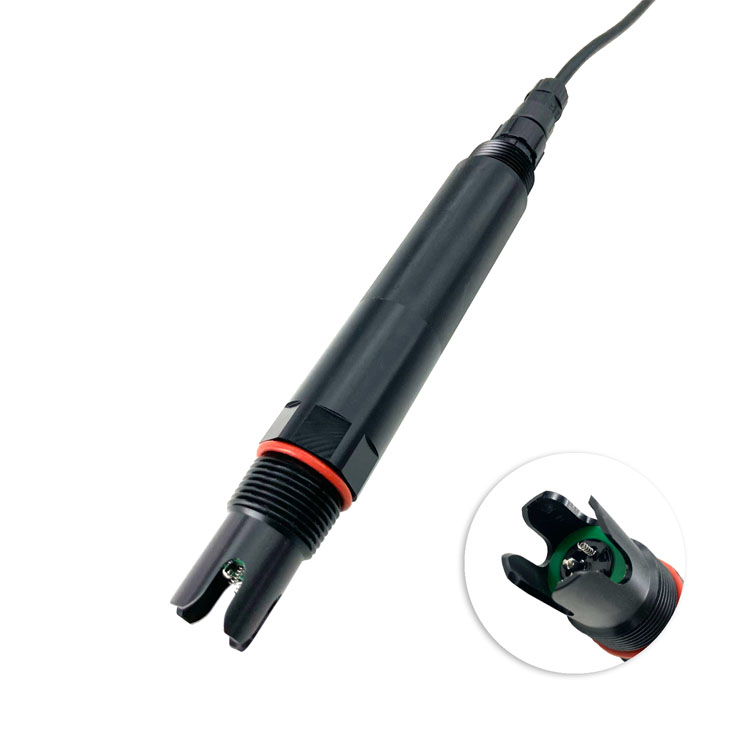
| Q5: Can the sensor be installed in flowing pipelines? | A: Yes. Features 3/4 NPT thread for pipeline or immersion installation. Ensure water pressure does not exceed 0.1 MPa. |
| Q6: How often does the sensor need calibration? | A: Depends on environment. In relatively clean water, calibrate every 1-3 months; in complex aquaculture or sewage settings, check monthly. |
NiuBoL is committed to environmental protection. Our NBL-NHN-206 integrated ammonia nitrogen sensor combines high-precision sensing technology with user-friendly industrial design, transforming complex laboratory measurements into simple, reliable, low-power online monitoring.
In the booming era of water conservancy and environmental informatization, NiuBoL looks forward to exploring more possibilities in water quality monitoring with you.
Want detailed Modbus communication protocol or customized solutions for your site conditions? Contact NiuBoL technical team immediately.
Copyright Notice: All technical parameters and installation guidelines in this article are sourced from NiuBoL official specifications. Professional terminology, units, and communication protocols comply with international standards.
 NBL-NHN-206 Online Water Quality Ammonia Nitrogen Sensor.pdf
Related recommendations
Sensors & Weather Stations Catalog
Agriculture Sensors and Weather Stations Catalog-NiuBoL.pdf
Weather Stations Catalog-NiuBoL.pdf
Agriculture Sensors Catalog-NiuBoL.pdf
Water Quality Sensor Catalog-NiuBoL.pdf
Related products
 Combined air temperature and relative humidity sensor
 Soil Moisture Temperature sensor for irrigation|NBL-S-THR
 Soil pH sensor RS485 soil Testing instrument soil ph meter for agriculture |NBL-S-PH
 Wind Speed sensor Output Modbus/RS485/Analog/0-5V/4-20mA
 Tipping bucket rain gauge for weather monitoring auto rainfall sensor RS485/Outdoor/stainless steel
 Pyranometer Solar Radiation Sensor 4-20mA/RS485

Screenshot, WhatsApp to identify the QR code
WhatsApp number:+8615367865107
(Click on WhatsApp to copy and add friends)

