





— Blogs —
—Products—
 Consumer hotline +8618073152920
 WhatsApp:+8615367865107
Address:Room 102, District D, Houhu Industrial Park, Yuelu District, Changsha City, Hunan Province, China
Product knowledge
Time:2026-04-28 10:41:52 Popularity:420
In surface water environmental monitoring projects such as rivers and lakes, the core challenge faced by system integrators and project contractors is how to achieve 24-hour uninterrupted and highly representative water sample collection, and ensure that the pretreated water samples meet the strict requirements of multi-parameter analyzers. As the key infrastructure of the sampling unit, the water quality automatic monitoring station water intake platform directly affects the stability and data accuracy of the entire monitoring system.
Based on engineering practice, NiuBoL has launched water intake platform design solutions suitable for fixed, simple and floating water stations, supporting submersible pump or self-priming pump sampling, dual-path redundancy configuration and reliable pretreatment process, providing stable water sample supply guarantee for environmental monitoring projects.

The water quality automatic monitoring system consists of sampling unit, pretreatment unit, analysis unit, control unit, data acquisition unit and data processing unit. Among them, the sampling unit takes water from the river surface or specified depth through a water intake pump and transports it to the pretreatment unit for sedimentation, filtration and other treatments, then enters the sample cup for use by analysis instruments. The water intake platform is the core carrier of the sampling unit and must meet engineering requirements such as low water flow impact, stable water intake depth, convenient equipment maintenance and impact resistance.
The typical process is: water intake pump extracts raw water → sedimentation tank settling → filtration → sample cup → analysis instruments (conventional five parameters, COD, ammonia nitrogen, total phosphorus, total nitrogen, etc.) → data acquisition module → PLC/industrial computer (configuration software) → data transmission to the central station. The reliability of the water intake platform directly determines whether the system can operate continuously and avoids missing or deviated monitoring data due to water intake failures.
NiuBoL water intake platform design fully considers the requirements of relevant technical specifications such as HJ 915, and is suitable for monitoring at provincial boundaries, regional junctions and key sections to ensure strong data representativeness and timely transmission.
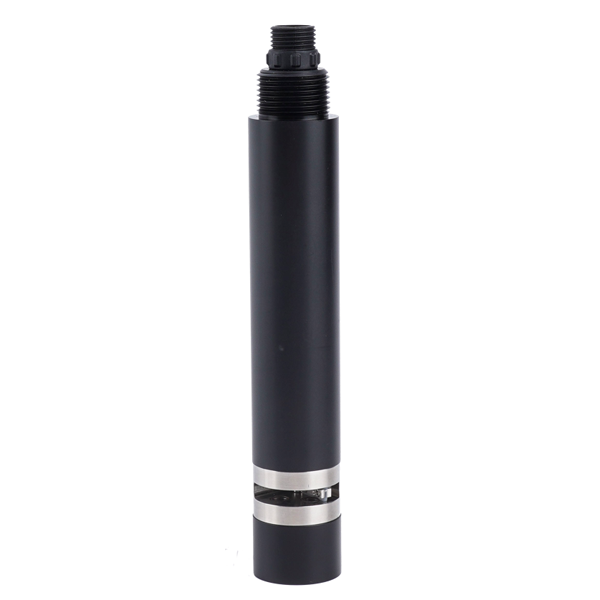
Site selection is the foundation of water quality automatic monitoring station construction and directly affects data quality and operation and maintenance costs. Engineering site selection needs to comprehensively evaluate the following factors:
Geographical location and representativeness: Prioritize straight river sections at provincial or regional boundaries where water quality is evenly distributed, with no obvious tributaries or sewage outlets. The water intake point should reflect the impact of upstream water on the downstream area. The water depth is generally not less than 1m, and the maximum flow velocity should be lower than 3m/s.
Water flow conditions: Consider water depth, flow velocity and seasonal flow interruption risks. During the dry season, ensure the water intake is not exposed; during the flood season, meet flood control standards.
Navigation and external interference: Avoid main navigation channels or install anti-collision facilities to prevent ship collisions. The water intake platform design should reduce water flow impact force.
Traffic and maintenance convenience: The station should have vehicle access conditions to facilitate instrument transportation, reagent replacement and regular maintenance.
Communication and power/water supply conditions: Support satellite, 4G/5G or wired transmission to ensure continuous data upload to the central station. At the same time, evaluate municipal power supply and tap water supply capacity, or adopt backup power and clean water source solutions.
Material conditions feasibility: The distance between the station house and the water intake point is generally controlled within 300m (not exceeding 350m during dry season) to shorten the pipeline length and reduce blockage risks.
The central station can be located in a position with convenient transportation and communication within the monitoring range, while the sub-station site selection needs to balance the monitoring range, pollution distribution and infrastructure conditions. NiuBoL solution recommends using GIS water system maps and historical hydrological data for multi-scheme comparison to ensure long-term operational stability.
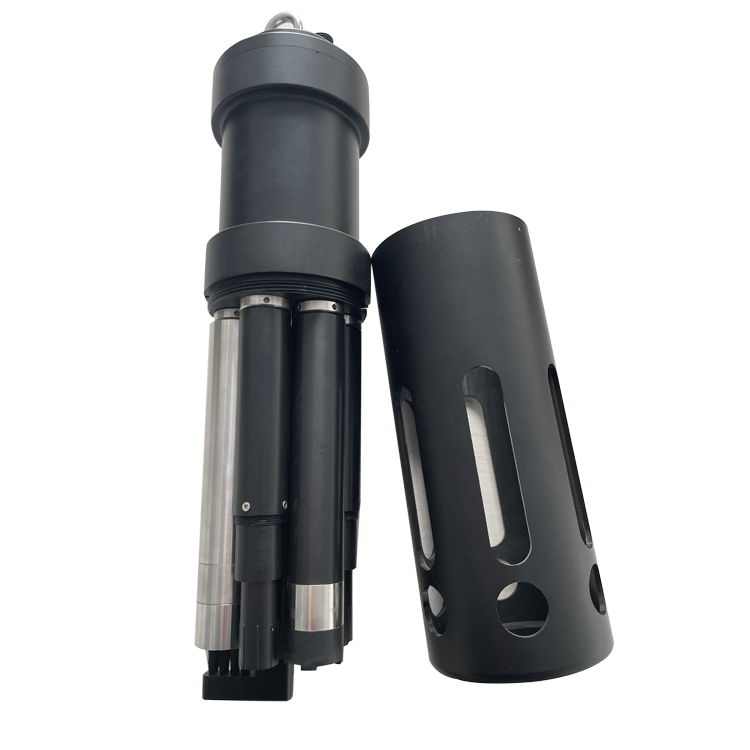
The sampling unit provides raw water samples for the system, and its performance directly determines the accuracy of subsequent analysis. Common water intake methods include submersible pumps and self-priming pumps.
Submersible pump sampling: The pump body is submerged in water, and the water intake depth is easy to control. It is suitable for rivers with large water level changes. NiuBoL recommends dual-pump dual-pipe configuration (one for operation, one for backup) to achieve automatic switching and ensure uninterrupted monitoring.
Self-priming pump sampling: The pump is installed inside the station house, with a suction height generally not exceeding 8m. It is suitable for scenarios with small height difference between the station house and the water surface, and is more convenient for maintenance.
In engineering, the pump type should be selected according to the on-site head (water intake point to station house distance + height difference), and the pipeline valve should be used to adjust the flow to match the water demand of the analysis instrument. The water intake should be set at the convex bank of the river (scouring bank), avoiding dead water zones, backflow zones and floodplains.
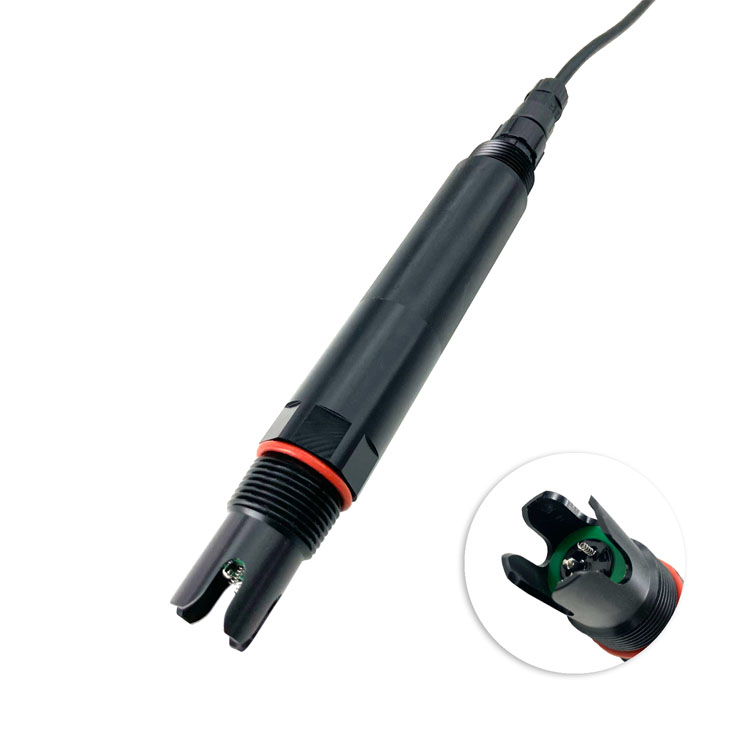
The pretreatment unit performs sedimentation, filtration, sterilization and other treatments on raw water to ensure that the water sample cleanliness meets the requirements of analysis instruments. Water for five-parameter instruments (such as water temperature, pH, dissolved oxygen, turbidity, conductivity) can be simplified, while instruments such as COD, ammonia nitrogen, and total phosphorus require strict sedimentation and filtration.
Typical process:
Raw water enters the sedimentation tank and settles for about 30 minutes;
After filtration, it is transported to the sample cup;
Some solutions use cylinder-driven switching valves to achieve automatic switching between the sedimentation tank and the sample cup (upper part allows air but not water, lower part allows water but not air).
The key to pretreatment is to prevent pipeline blockage and biological attachment. NiuBoL solution supports automatic cleaning function, combined with flow monitoring and status self-check to reduce maintenance frequency.
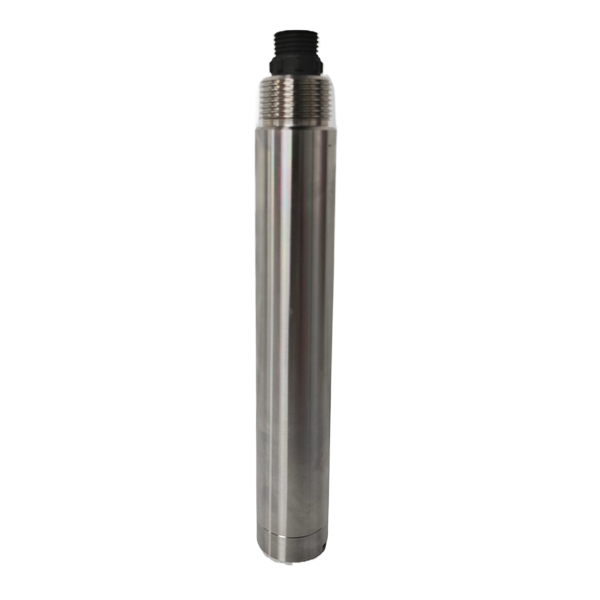
NiuBoL water intake platform is optimized for surface water automatic monitoring stations. It uses lightweight and high-strength materials, taking into account buoyancy, stability and maintenance convenience.
Material and Size: The main body of the platform is made of engineering plastic, with dimensions of 2.5m × 2.5m. In addition to meeting the installation of its own equipment, it can additionally bear at least 50kg weight to ensure structural safety when installing analysis instruments or auxiliary equipment.
Shape Design: Square shape, compact volume, which can effectively reduce water flow impact force. The upper part of the platform is a lightweight floating body structure to ensure the whole platform floats on the water surface and adapts to seasonal water level changes.
Structure and Equipment Configuration:
Stainless steel filter screens are installed on both sides, designed as detachable for easy regular cleaning of submersible pumps and grilles to prevent floating debris and sediment from blocking.
The water intake depth is controlled at 0.5~1 meter below the water surface to ensure sampling representativeness while avoiding surface floating debris and bottom sediment.
One submersible pump is placed in each of the dual-side filter screens to form a dual-pump dual-pipe redundancy system. When one path is running, the other is on standby; automatic switching occurs in case of failure to ensure system continuity.
The relative position design of the platform ensures stable water intake points and avoids tilting caused by unilateral force.
Submersible Pump Selection and Pipeline Design: Head selection is determined based on the horizontal distance and vertical height difference from the water intake point to the station house. The working point can be optimized by adjusting the pipeline valve opening on site. It is recommended to equip coarse grilles to prevent foreign objects from entering, and combine with pressure sensors to achieve dry-run protection and blockage alarms.
This platform is suitable for shore-fixed, water-fixed platform and buoy-type water stations, complies with relevant infrastructure construction technical requirements, and supports seamless integration with PLC control units.
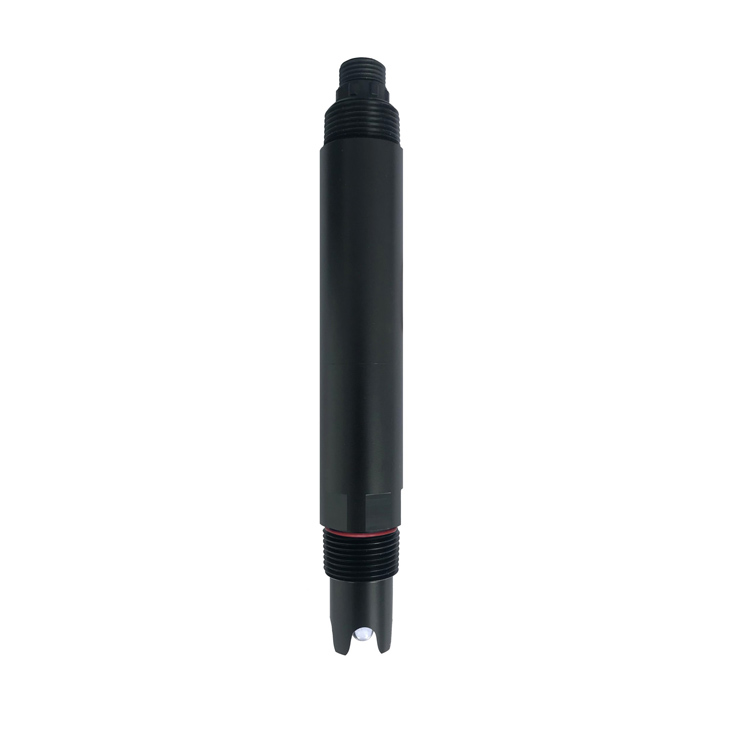
The water intake platform is linked with the pretreatment unit through the sampling pump, and the entire process is automatically controlled by PLC, including timed water intake, sedimentation time, filtration switching, automatic cleaning and fault switching. The data acquisition module converts the analysis results via A/D and uploads them to the industrial computer (commonly processed by configuration software), and finally sends them to the environmental monitoring center via wired or wireless methods.
NiuBoL solution supports status self-check, data locking (during cleaning), automatic calibration and alarm functions (such as leakage, blockage, reagent exhaustion, power failure). The automatic recovery design after power restoration further improves system reliability.
Selection Key Points:
Select platform type (floating or fixed) according to water body type (river/lake), water level variation and flow velocity.
Submersible pump head should have margin; dual-pump configuration is preferred to improve redundancy.
Pretreatment complexity is determined by monitoring parameters: conventional five parameters can be simplified, while nutrient salts and organic matter parameters require enhanced sedimentation and filtration.
Platform load-bearing and wind-wave resistance should match local hydrological conditions.
Integration Precautions:
Water intake pipeline laying should use trenches or protective pipes, with length controlled within specification range to reduce head loss and blockage risks.
Platform installation position must meet flood control requirements and install warning and anti-collision facilities.
Electrical and communication systems should be well grounded and lightning protected; power supply should use stable power with UPS configuration.
Regular maintenance includes filter screen cleaning, pump body inspection and pipeline flushing. It is recommended to combine with remote monitoring for predictive maintenance.
Data transmission protocol is recommended to support standard interfaces for easy access to existing environmental monitoring networks.
Following these points can significantly shorten the debugging cycle and reduce long-term operation and maintenance costs.
Q1. What is the main function of the water quality automatic monitoring station water intake platform?
The water intake platform provides a stable carrier for the sampling unit, ensuring consistent water intake depth and strong water sample representativeness, and reduces blockage and interruption risks through filter screens and dual-pump design.
Q2. How to determine the size and load-bearing requirements of the water intake platform?
Typical size is 2.5m × 2.5m, which needs to additionally bear at least 50kg weight in addition to its own equipment. Actual selection should calculate buoyancy and stability based on the weight of instruments to be installed and local hydrological conditions.
Q3. Why is dual-pump dual-pipe configuration recommended?
The dual-path redundancy design realizes one for operation and one for backup. When one path fails, it automatically switches to ensure 24-hour continuous monitoring, meeting the environmental protection supervision requirements for data integrity.
Q4. How long is the sedimentation time generally controlled in the pretreatment unit?
After raw water enters the sedimentation tank, it usually settles for about 30 minutes before filtration. The specific time can be optimized through testing according to the on-site suspended solids content.
Q5. How is the water intake depth controlled to ensure data representativeness?
It is recommended that the water intake is located 0.5~1 meter below the water surface, avoiding extreme surface and bottom areas. Under dynamic water level conditions, the floating platform can adapt automatically.
Q6. Why is communication condition important during site selection?
Automatic monitoring data needs to be uploaded to the central station in real time or at regular intervals. Good communication conditions (satellite, 4G/5G or wired) are the prerequisite for ensuring continuous data transmission and remote monitoring.
Q7. What types of monitoring stations is NiuBoL water intake platform suitable for?
It is suitable for fixed station house type, simple type, small type and water-fixed platform, and supports automatic monitoring projects with conventional five parameters and extended parameters such as COD, ammonia nitrogen and total phosphorus.
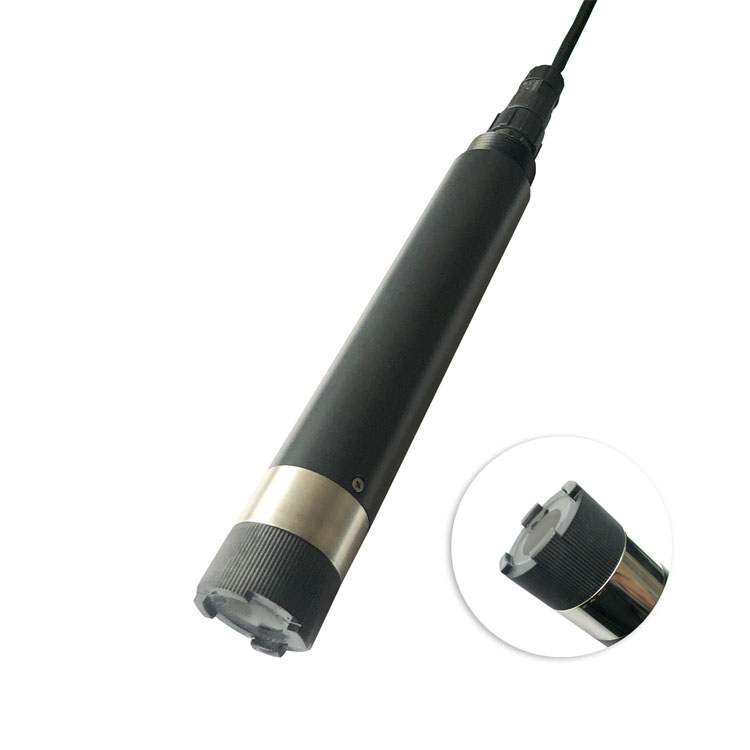
NiuBoL water quality automatic monitoring station water intake platform design solution takes engineering reliability as the core, integrates key technologies of sampling unit, pretreatment unit and control system, and provides stable water sample guarantee for surface water continuous online monitoring. Through scientific site selection, dual-pump redundancy configuration, optimized pretreatment process and standardized integration interfaces, this solution helps system integrators and engineering companies efficiently build 24-hour monitoring systems that meet regulatory requirements, realizing dynamic mastery of river section water quality and centralized data management.
Under the background of continuously strengthening environmental protection supervision, a reliable water intake platform and sampling system have become the key to the success of water quality automatic monitoring projects. NiuBoL solution focuses on long-term stable operation and maintenance convenience, and can provide customized adjustments according to specific project hydrological conditions.
 NBL-WQ-CL Water Quality Sensor Online Residual Chlorine Sensor.pdf
NBL-WQ-DO Online Fluorescence Dissolved Oxygen Sensor.pdf
NBL-WQ-NHN Ammonia Nitrogen Water Quality Sensor.pdf
NBL-WQ-COD Online Water Quality COD Sensor.pdf
NBL-WQ-PH Online pH Water Quality Sensor.pdf
Prev:Water Quality Online Monitor Functional Features and Engineering Application Solutions
Next:Surface Water Quality Automatic Monitoring Station Electrical Protection System Construction Guide
Related recommendations
Sensors & Weather Stations Catalog
Agriculture Sensors and Weather Stations Catalog-NiuBoL.pdf
Weather Stations Catalog-NiuBoL.pdf
Agriculture Sensors Catalog-NiuBoL.pdf
Water Quality Sensor Catalog-NiuBoL.pdf
Related products
 Combined air temperature and relative humidity sensor
 Soil Moisture Temperature sensor for irrigation|NBL-S-THR
 Soil pH sensor RS485 soil Testing instrument soil ph meter for agriculture |NBL-S-PH
 Wind Speed sensor Output Modbus/RS485/Analog/0-5V/4-20mA
 Tipping bucket rain gauge for weather monitoring auto rainfall sensor RS485/Outdoor/stainless steel
 Pyranometer Solar Radiation Sensor 4-20mA/RS485

Screenshot, WhatsApp to identify the QR code
WhatsApp number:+8615367865107
(Click on WhatsApp to copy and add friends)

