





— Blogs —
—Products—
 Consumer hotline +8618073152920
 WhatsApp:+8615367865107
Address:Room 102, District D, Houhu Industrial Park, Yuelu District, Changsha City, Hunan Province, China
Product knowledge
Time:2023-11-11 16:36:25 Popularity:2007
A snow depth sensor is a device designed to measure the depth of snow accumulation. Its main function is to accurately measure and record the depth of snow accumulation. This device is very important for meteorological observations, road snow clearing, ski resort management, traffic management, agricultural and environmental monitoring, mountain disaster prevention, and other fields.
Snow depth sensors work on a variety of principles, one of the most common of which is the ultrasonic reflection principle. Specifically, the sensor emits ultrasonic waves, which are reflected back on the snow surface and then received by the sensor. Since the speed of propagation of the ultrasound waves is known, the depth of the snow can be determined by calculating the time difference between when the ultrasound waves are emitted and when they are reflected back.
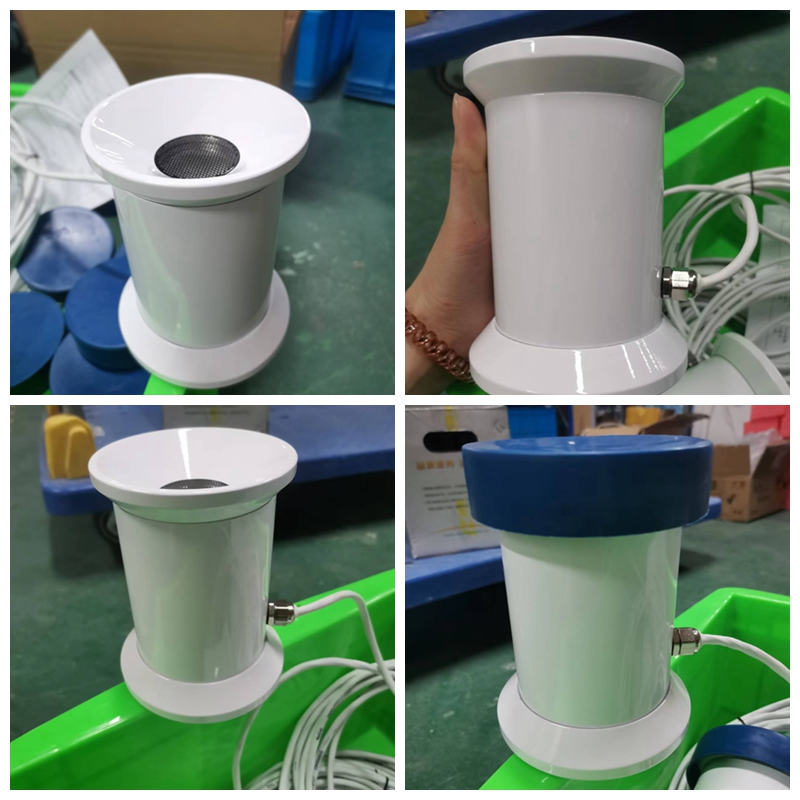
In addition to ultrasonic snow depth sensors, there are a number of other types of snow depth sensors, such as optical snow depth sensors and laser snow depth sensors.
Laser snow depth sensor is a kind of sensor that applies advanced laser technology to measure snow depth. It has the characteristics of large measuring range, high precision, rich output interface, strong anti-interference ability and so on. Compared with traditional snow depth measurement methods, such as manual measurement, the laser snow depth sensor has the advantages of high measurement accuracy, easy operation and high automation. It has a large coverage area and can measure and analyse the snow depth and distribution in a wide range of areas with high precision.
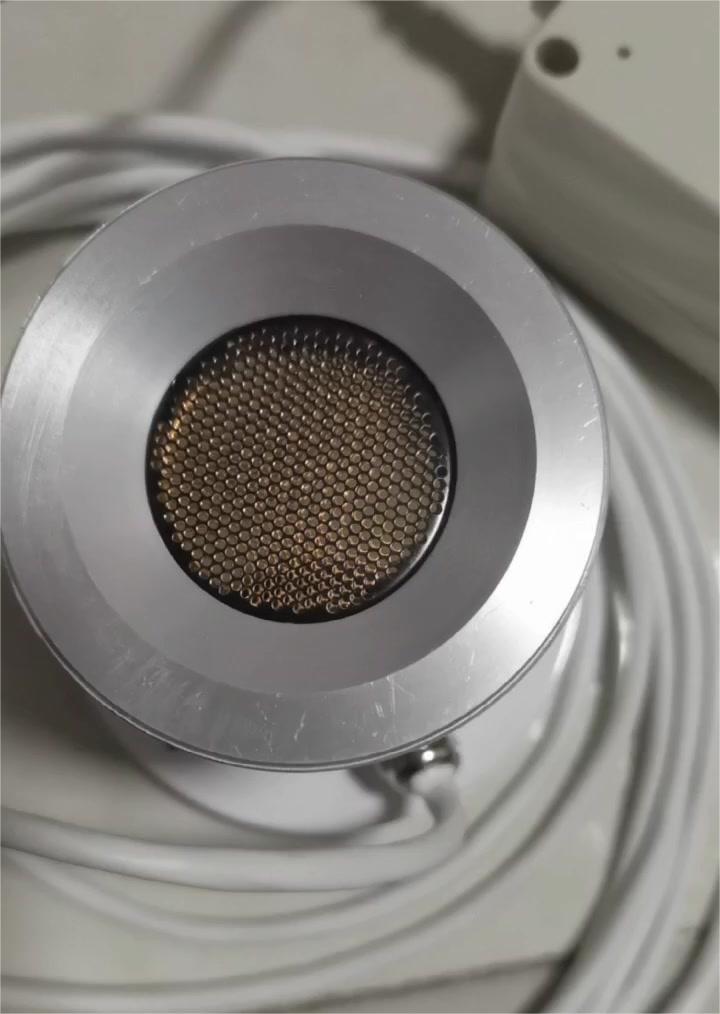
Typically, the operating range of the laser snow depth sensor is within a few metres, allowing it to be flexibly applied to snow depth monitoring in areas such as high mountains, forests, rural areas and cities.
Snow depth sensors usually need to be installed in a fixed location and require regular maintenance and calibration to ensure the accuracy of their measurements.
Overall, snow depth sensors are a very useful meteorological observation device that can provide us with accurate snow depth data, helping us to better cope with and utilise snow as a natural resource.
Related recommendations
Sensors & Weather Stations Catalog
 Agriculture Sensors and Weather Stations Catalog-NiuBoL.pdf
Weather Stations Catalog-NiuBoL.pdf
Agriculture Sensors Catalog-NiuBoL.pdf
Water Quality Sensor Catalog-NiuBoL.pdf
Related products
 Combined air temperature and relative humidity sensor
 TDR Soil Moisture & Temperature Sensor for irrigation| RS485 |4-20mA| NBL-S-THR
 Soil pH sensor RS485 soil Testing instrument soil ph meter for agriculture |NBL-S-PH
 Wind Speed sensor Output Modbus/RS485/Analog/0-5V/4-20mA
 Tipping bucket rain gauge for weather monitoring auto rainfall sensor RS485/Outdoor/stainless steel
 Pyranometer Solar Radiation Sensor 4-20mA/RS485

Screenshot, WhatsApp to identify the QR code
WhatsApp number:+8615367865107
(Click on WhatsApp to copy and add friends)

