





— Blogs —
—Products—
 Consumer hotline +8618073152920
 WhatsApp:+8615367865107
Address:Room 102, District D, Houhu Industrial Park, Yuelu District, Changsha City, Hunan Province, China
Product knowledge
Time:2025-12-31 15:30:04 Popularity:861
In the ever-changing climate environment, wind is not only part of the natural cycle but also a key variable that cannot be ignored in agricultural and forestry production. Excessive wind speeds can cause crop lodging, fruit drop, or even damage to greenhouses; while specific wind directions directly affect the spread paths of pests and diseases as well as the effectiveness of plant protection operations. The NiuBoL wind speed and direction recorder, as a core tool for monitoring wind dynamics, has become a standard configuration in smart agriculture and forestry with its high precision, long service life, and ease of operation.
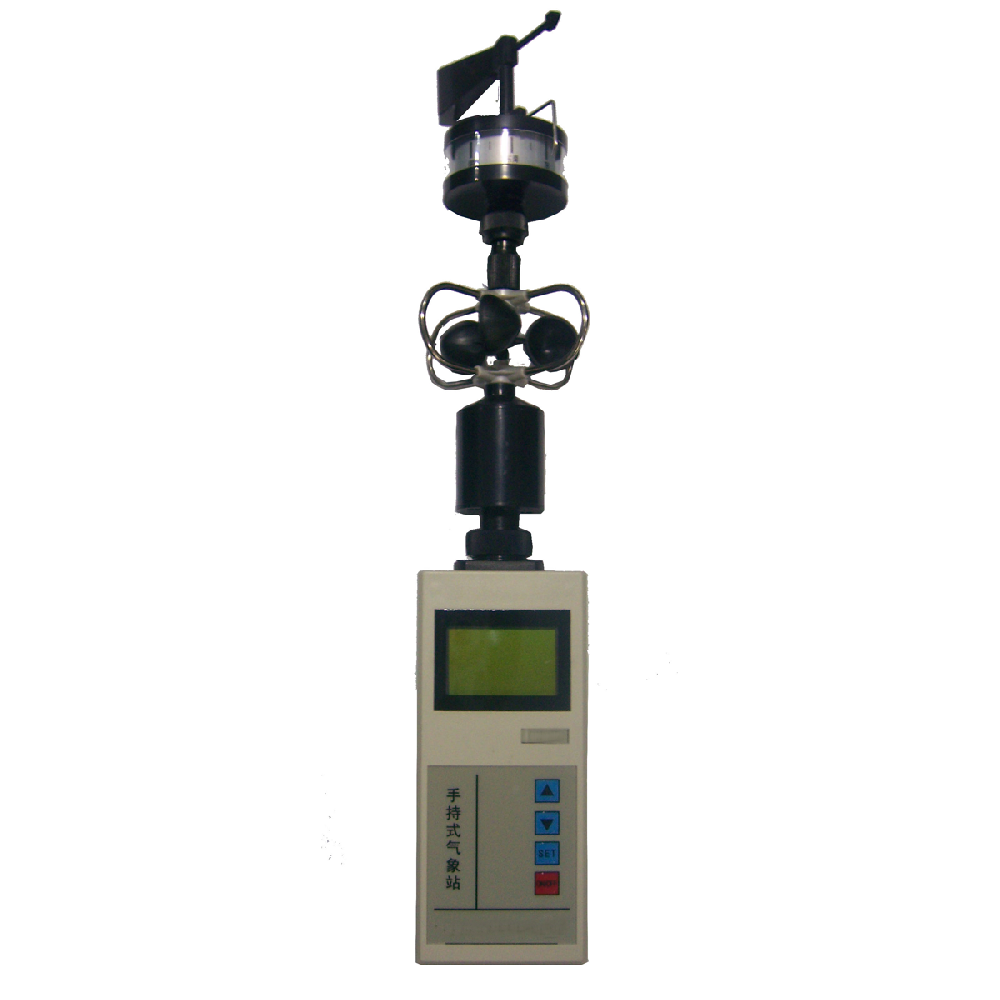
A wind speed and direction recorder is an intelligent meteorological instrument that integrates sensor monitoring, data storage, and LCD display. It not only displays real-time instantaneous wind speed and direction but also records long-term historical data through an internal storage module, providing a reliable basis for meteorological analysis.
Wind speed section: Typically adopts a three-cup sensor structure. When wind passes over the sensor, the wind cups rotate, and the rotation speed is linearly proportional to the wind speed. The internal photoelectric pulse or magnetic-sensitive elements convert the rotation into electrical signals, which are calculated by the central processor (MCU) to obtain precise wind speed values (usually in m/s or km/h).
Wind direction section: Utilizes the balance principle of a wind vane. The wind vane rotates with the wind, driving an internal absolute encoder or potentiometer to identify the wind's origin direction by measuring the rotation angle (usually divided into sixteen directions, such as north, northeast, east, etc.).
Recording system: After processing, the data is not only displayed on NiuBoL's large-screen dot matrix LCD but also stored in the memory at preset time intervals (such as every 5 minutes), supporting export to a computer for secondary development and analysis.
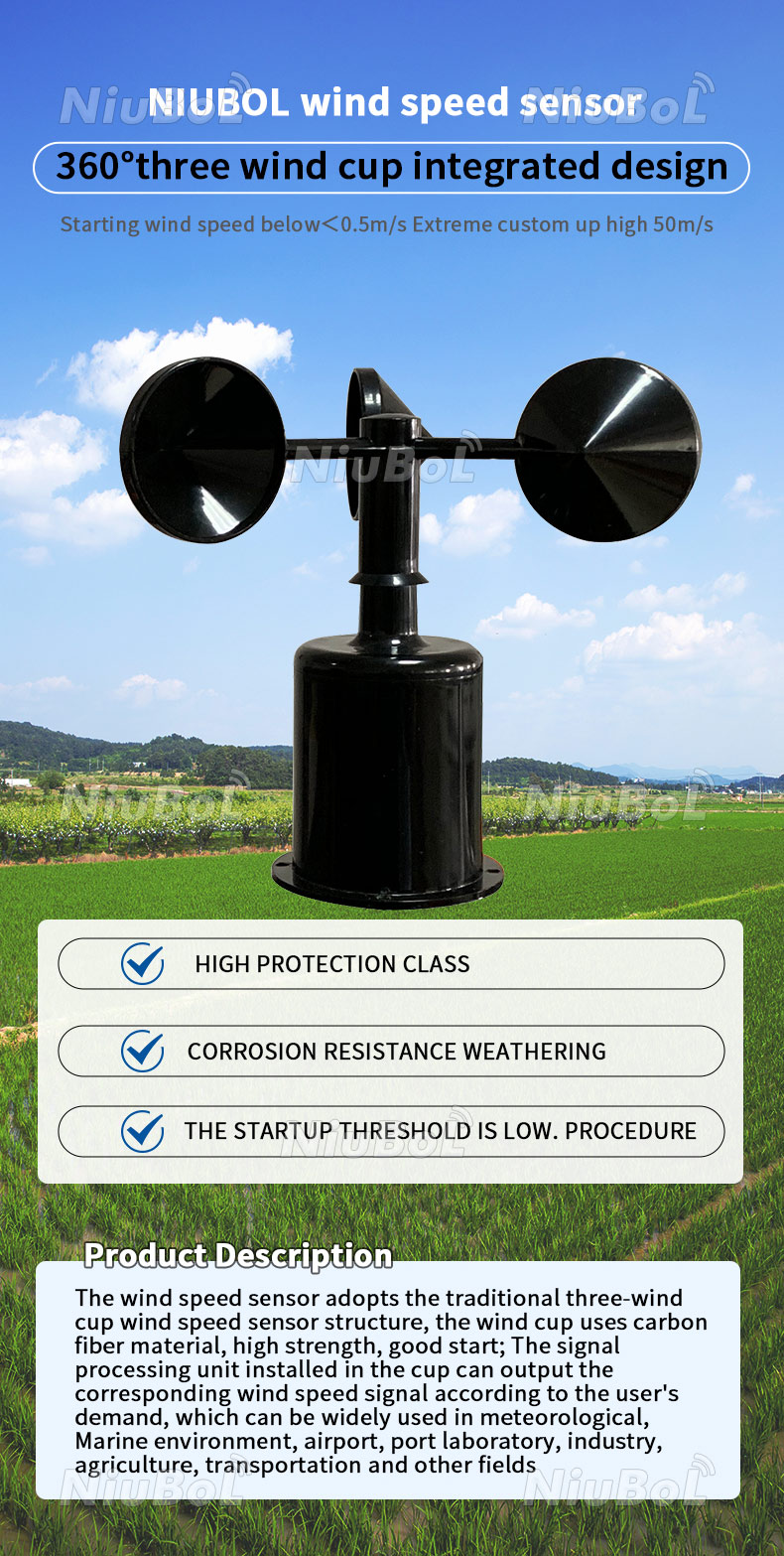
Through long-term wind monitoring, managers can grasp the patterns of prevailing winds and the distribution of strong wind seasons in the area. Before extreme weather (such as typhoons or severe convective weather) arrives, the NiuBoL recorder can provide critical early warning data, helping farmers reinforce greenhouses in advance and physically protect tall crops, minimizing economic losses.
During pesticide spraying or drone operations, wind speed directly determines the drift degree of chemicals. Excessive wind speed not only wastes chemicals but may also cause damage to crops in adjacent areas. Real-time observation with the recorder allows precise grasping of the application window period, improving operational efficiency.
In forestry, wind direction is an important parameter for forest fire prevention. Once a fire occurs, wind direction determines the spread direction of the fire. Meanwhile, monitoring wind speed helps study the impact of forest microclimate on tree growth and pollination.
NiuBoL equipment is compact, portable, and features simple touch-button operation, making it very suitable for field experiments in universities and research departments. Its highly reliable data output provides strong underlying support for ecological research.
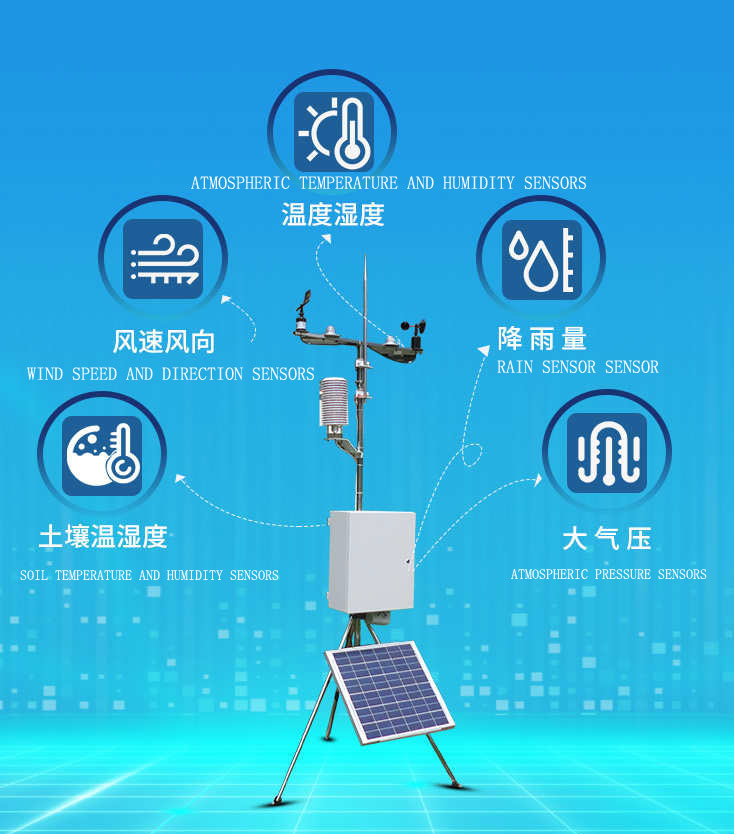
Since this instrument performs monitoring tasks in the field for long periods, facing harsh tests such as intense sun, strong winds, dust, and even rain. To ensure the accuracy of measurement results and extend equipment life, NiuBoL has summarized the following eight major care rules for you:
The wind speed and direction recorder is strictly prohibited from use in environments containing flammable gases. Since the instrument contains electronic components internally, weak sparks may be generated during opening or operation, easily causing fire or even explosion in flammable and explosive environments.
The sensing elements inside the probe are very precise and must not be exposed to flammable or corrosive gases. Corrosive gases may damage internal coatings or circuits, leading to measurement deviations or complete damage.
NiuBoL equipment is precisely calibrated before leaving the factory. Users must not disassemble or modify the host or sensors privately. Unprofessional disassembly not only reduces sealing performance (losing waterproof capability) but may also cause circuit short circuits or even electric shock risks.
The durability of any high-precision instrument is based on correct use. Before use, please read the manual in detail, especially regarding power supply voltage, communication protocols, and sensor connection wiring instructions.
Although the external sensors have a certain industrial protection level, the recorder host body (especially the charging port and data interface) should avoid direct exposure to rain or water accumulation. Internal circuit dampness is the main cause of performance instability and electric shock accidents.
The probe of the wind speed instrument contains miniature bearings or thermal elements (for hot-wire anemometers). It is strictly forbidden to touch with hands or insert foreign objects. Oil from sweat or physical pressure can damage the dynamic balance of the sensor, leading to inaccurate measurements.
When not using the instrument, store it in a dry, cool place. Avoid prolonged exposure to high temperature, high humidity, dusty, or direct sunlight environments. Long-term high-temperature exposure can cause shell aging and shorten the life of internal electrolytic capacitors.
When wiping the recorder shell, strictly avoid using alcohol, thinners, gasoline, or other volatile liquids, as these chemicals can deform or fade the plastic shell. It is recommended to use a soft knitted cloth dipped in a small amount of neutral detergent to gently wipe the surface.
| Question | Answer |
|---|---|
| Q1: Why do the values displayed by the recorder differ from those of the local meteorological station? | A: First, wind speed has obvious locality. Due to terrain, buildings, or vegetation blockage, wind speeds vary greatly at different locations. Second, please check the installation height of the NiuBoL sensor. The standard wind measurement height is usually 10 meters; if the installation height differs, the values will show significant differences. |
| Q2: The wind cups are rotating, but the host displays zero value. What should I do? | A: Please focus on checking the connection cable between the sensor and the recorder. Due to field wind swaying, the connector may become loose or broken. If the wiring is normal, the internal photoelectric sensing element may be damaged; please contact after-sales service for inspection. |
| Q3: The wind vane rotation is not smooth, with a jamming sensation? | A: This is usually due to dust entering the sensor bearing. You can try using dry compressed air to clean the gaps. Strictly avoid injecting ordinary lubricating oil into the bearing, as oil will adhere more dust, eventually causing the bearing to lock completely. |
| Q4: Will the recorder's data storage automatically overwrite when full? | A: NiuBoL equipment supports both cyclic storage and full-load warning modes. It is recommended to regularly export data and clear storage space using the supporting software to ensure important historical records are not lost. |
| Q5: How long can the device battery last? | A: This depends on your data acquisition frequency. In typical configuration, the built-in large-capacity lithium battery can support several weeks of continuous monitoring. When used with solar panels, it can theoretically achieve year-round unattended operation. |
| Q6: How to calibrate my wind speed and direction recorder? | A: It is recommended to perform factory calibration every 12-24 months. In a laboratory wind tunnel environment, we will perform multi-point corrections on your equipment against a standard instrument to ensure its accuracy always meets industrial-grade standards. |
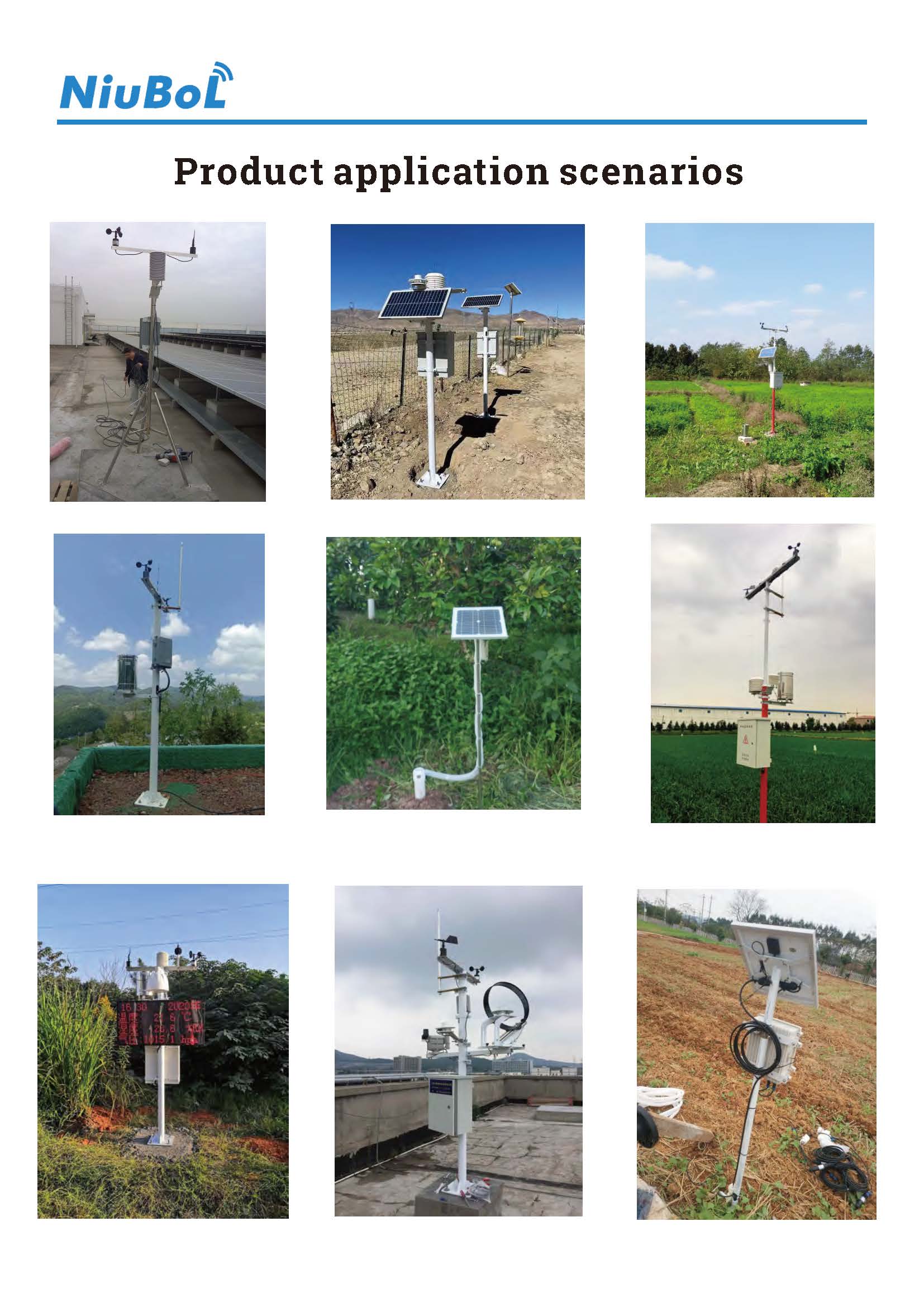
The NiuBoL wind speed and direction recorder is not only a data carrier but also a safety baseline in agricultural production. By quantifying the invisible force of wind, it makes agricultural and forestry management evidence-based. High-quality equipment requires scientific maintenance. Following the “eight major care measures” not only protects your investment costs but also ensures that in critical moments, the equipment can output that crucial data sufficient to save yields.
Prev:Applications and Core Technical Advantages of Small Weather Stations in Agriculture
Next:Functions and advantages of soil moisture monitoring systems and sensors
Related recommendations
Sensors & Weather Stations Catalog
 Agriculture Sensors and Weather Stations Catalog-NiuBoL.pdf
Weather Stations Catalog-NiuBoL.pdf
Agriculture Sensors Catalog-NiuBoL.pdf
Water Quality Sensor Catalog-NiuBoL.pdf
Related products
 Combined air temperature and relative humidity sensor
 TDR Soil Moisture & Temperature Sensor for irrigation| RS485 |4-20mA| NBL-S-THR
 Soil pH sensor RS485 soil Testing instrument soil ph meter for agriculture |NBL-S-PH
 Wind Speed sensor Output Modbus/RS485/Analog/0-5V/4-20mA
 Tipping bucket rain gauge for weather monitoring auto rainfall sensor RS485/Outdoor/stainless steel
 Pyranometer Solar Radiation Sensor 4-20mA/RS485

Screenshot, WhatsApp to identify the QR code
WhatsApp number:+8615367865107
(Click on WhatsApp to copy and add friends)

