





— Blogs —
—Products—
 Consumer hotline +8618073152920
 WhatsApp:+8615367865107
Address:Room 102, District D, Houhu Industrial Park, Yuelu District, Changsha City, Hunan Province, China
Product knowledge
Time:2025-12-31 15:45:38 Popularity:725
In the evolution of modern agriculture, the mastery of “soil fertility” has moved beyond sensory experience into the era of precise data monitoring. Soil water content, commonly referred to as “soil moisture,” is a key factor influencing crop growth, development, and yield. With the increasing frequency of extreme droughts brought by global warming, utilizing the NiuBoL soil moisture monitoring system for scientific soil measurement is not only the prerequisite for achieving precision irrigation and improving water resource utilization but also the core means for drought prevention, resistance, and economic loss recovery.
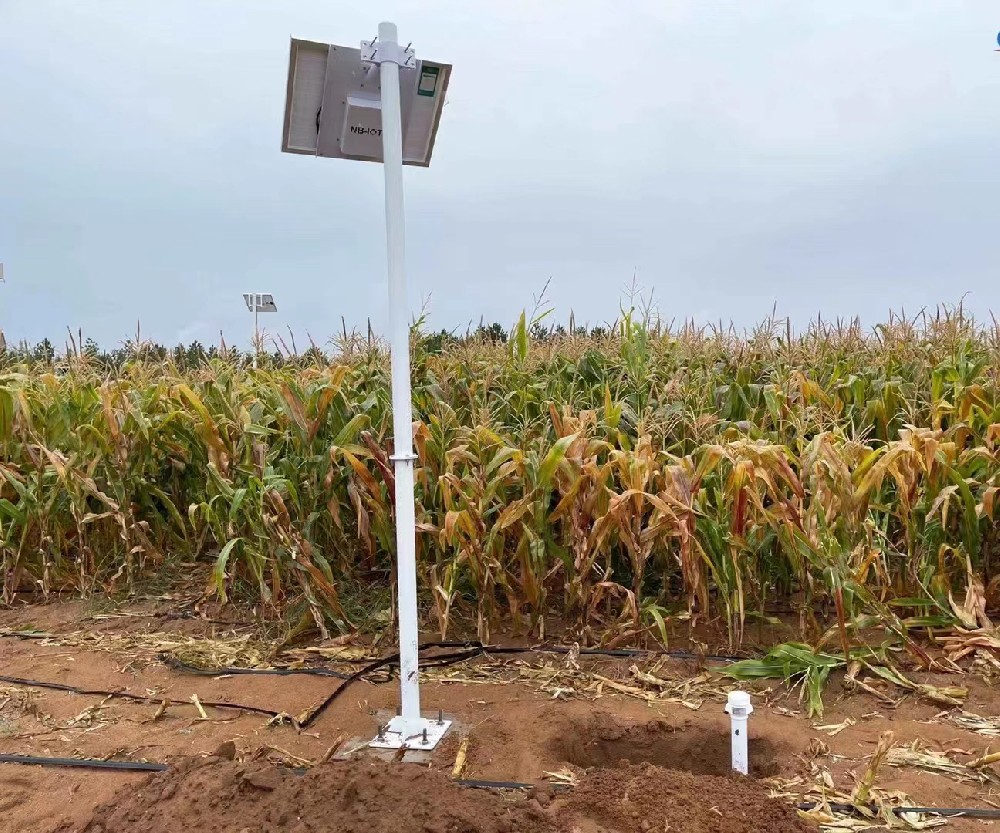
The importance of measuring soil water content is reflected at multiple levels, from microscopic plant physiology to macroscopic regional water resource allocation.
The promotion of precision irrigation (Precision Irrigation) centers on solving the issues of “when to irrigate” and “how much to irrigate.” Through the NiuBoL soil moisture monitoring system, farmers and technicians can grasp the soil moisture deficit status in real time. This irrigation plan based on measured data effectively avoids ineffective irrigation and deep seepage, ensuring every drop of water precisely targets the crop root zone, significantly improving water resource efficiency.
In large-scale farmland or watershed management, real-time monitoring of soil moisture at different points within a certain range allows the creation of a regional water resource distribution map. This provides a scientific basis for government drought relief departments to formulate regional water transfer and allocation plans, ensuring limited water resources are prioritized for the most critical areas.
The evolution of drought disasters is a gradual process. By measuring dynamic changes in soil moisture, the degree of drought at that time can be accurately determined, and combined with meteorological forecasts, the next trend in moisture evolution can be predicted. This shift from “post-disaster relief” to “pre-disaster warning” is key to recovering agricultural and industrial economic losses.
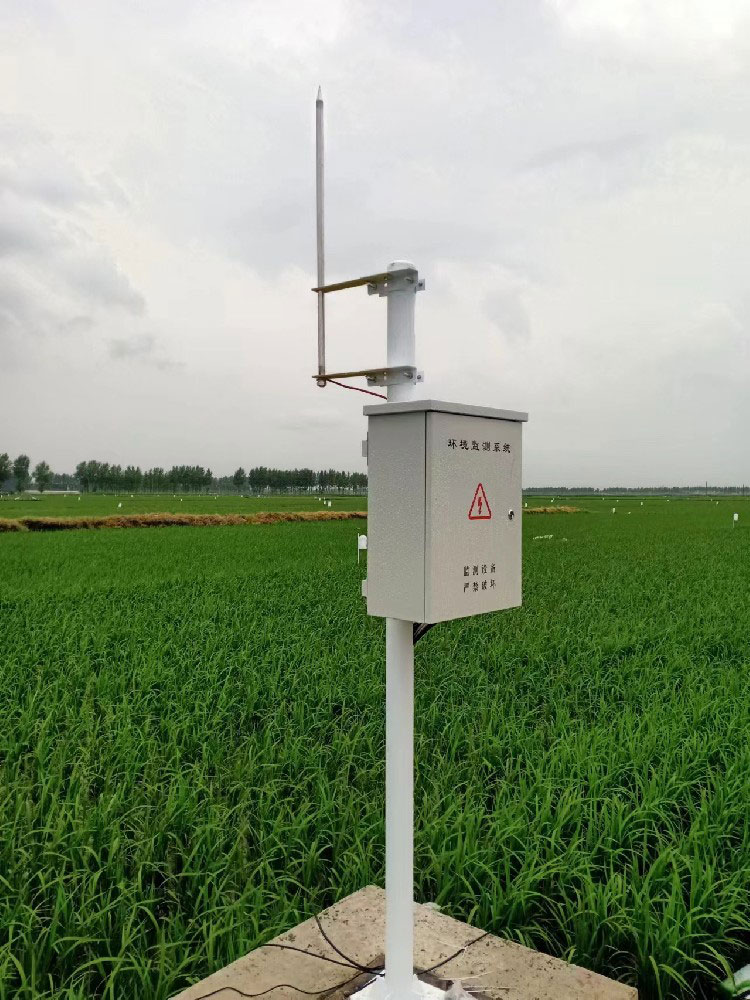
To achieve high-precision measurement of soil moisture (volumetric water content), high-performance sensors are indispensable. NiuBoL integrates multiple industrial-grade sensors into the system to meet the needs of different research and production scenarios.
This is one of the most mainstream technologies in soil moisture monitoring today.
Working principle: The sensor emits high-frequency electromagnetic waves and uses the linear relationship between soil dielectric constant and water content to precisely measure the volumetric water content of the soil.
Technical advantages: Fast response speed (usually at millisecond level) and minimal influence from soil salinity. The FDR sensors adopted by NiuBoL feature special encapsulation, with probes having extremely strong corrosion resistance, allowing long-term burial underground without maintenance.
To provide more comprehensive data support, NiuBoL has developed integrated sensors that can simultaneously measure multiple dimensions:
Moisture + Temperature: Soil temperature affects root respiration and water absorption. Integrated temperature and moisture monitoring enables more scientific analysis of moisture changes.
Moisture + Electrical Conductivity (EC Value): Soil salinity content (electrical conductivity) directly relates to crop growth health. Monitoring EC values effectively prevents salinization, especially when used with integrated water and fertilizer systems to monitor fertilizer distribution in real time.
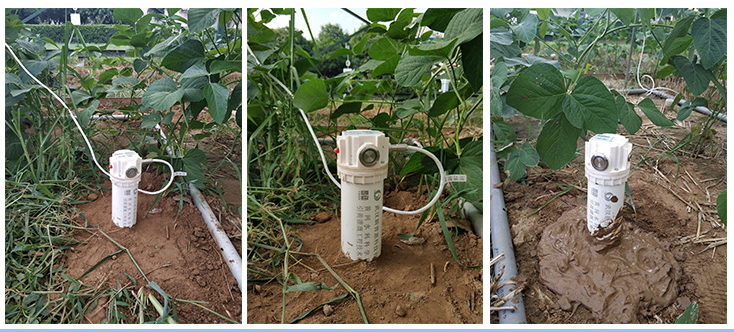
For projects requiring layered monitoring of deep soil (e.g., 10cm, 20cm, 40cm, 60cm, 100cm, etc.), NiuBoL has launched tube-type sensors.
Structural features: Adopts non-contact measurement, with the sensor sealed inside a specially designed PVC tube.
Installation advantages: No need for large-scale profile excavation; simply use a dedicated soil auger to drill holes for installation. This method causes minimal disturbance to soil structure and obtains raw moisture data closest to natural conditions.
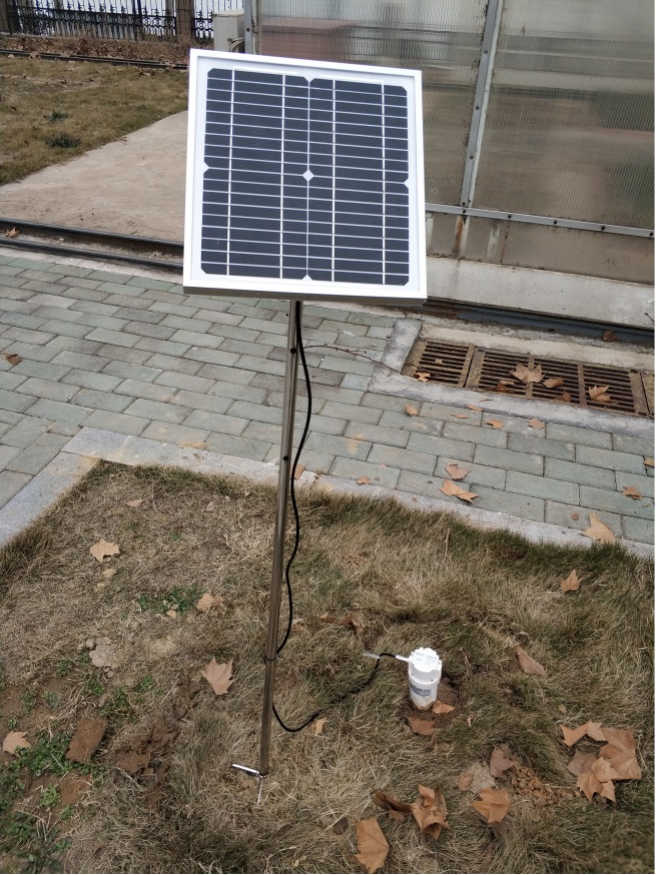
In response to complex field monitoring environments, NiuBoL is committed to providing high-performance, intelligent soil moisture monitoring solutions:
The system continuously collects soil moisture data and transmits information to the cloud via telemetry equipment. During stable moisture change phases, the system automatically adjusts power consumption to extend observation time; during intense drought-flood alternation periods, it automatically increases sampling frequency to provide timely decision support for drought resistance operations.
The NiuBoL system supports simultaneous monitoring of multiple soil layers (e.g., 10cm, 20cm, 40cm, 60cm, etc.). This profile monitoring capability helps users understand water infiltration rates and deep storage in soil, which is crucial for developing long-term drought resistance strategies.
To ensure absolute data accuracy, NiuBoL supports comparison and analysis of telemetry data with manual sampling (oven-drying method). This dual verification leverages the advanced and real-time nature of telemetry equipment to provide double assurance for scientific decision-making.
The system integrates an early warning module that automatically pushes alerts to managers when moisture falls to a preset drought trigger point, ensuring remedial measures are taken before drought causes irreversible crop damage.
| Question | Answer |
|---|---|
| Q1: Why should soil moisture monitoring be conducted in layers? | A: Different crops have varying root distribution depths, and vertical water distribution in soil is influenced by evaporation, infiltration, and capillary action. The 10cm layer reflects surface evaporation, while the 20-40cm layer is typically the main active zone for crop water absorption. Layered monitoring provides more precise irrigation recommendations. |
| Q2: How is data from the NiuBoL monitoring system transmitted to my phone or computer? | A: The system supports uploading data to the cloud platform via wireless communication modules. Users simply log in to their dedicated account to view real-time data curves and statistical reports via App or webpage anywhere with internet access. |
| Q3: Will environmental factors (such as soil salinity or temperature) affect monitoring accuracy? | A: NiuBoL sensors use Frequency Domain Reflectometry (FDR) or Time Domain Reflectometry (TDR) principles with excellent compensation technology. Our sensor design incorporates temperature compensation to effectively filter out the influence of soil salinity on electrical conductivity, ensuring pure water content data. |
| Q4: Does the equipment require frequent maintenance during intense drought periods? | A: The equipment itself is designed for harsh environments and requires no frequent maintenance. However, during intense moisture change periods, it is recommended to remotely increase collection frequency and monitor battery levels. NiuBoL's high-frequency telemetry function is specifically designed for this purpose. |
| Q5: Can the system directly link with irrigation equipment? | A: Yes. The NiuBoL soil moisture monitoring system can seamlessly integrate with our intelligent water and fertilizer machines. When soil water content falls below the set value, it can automatically trigger irrigation commands. |
| Q6: Do different soil types (such as sandy soil and clay) require different sensors? | A: No need. NiuBoL sensors have built-in universal soil calibration models suitable for most cultivated soils. For special soils (such as pure organic substrates or high-salinity alkali land), service life may be shortened. |
| Q7: Will the sensor probes be damaged if they encounter rocks? | A: NiuBoL sensor probes are mostly made of high-quality 316L stainless steel or special polymer materials, offering certain flexibility and extremely high strength. However, during installation, we still recommend using pilot hole tools to avoid direct impact from hard objects, ensuring sensor longevity. |
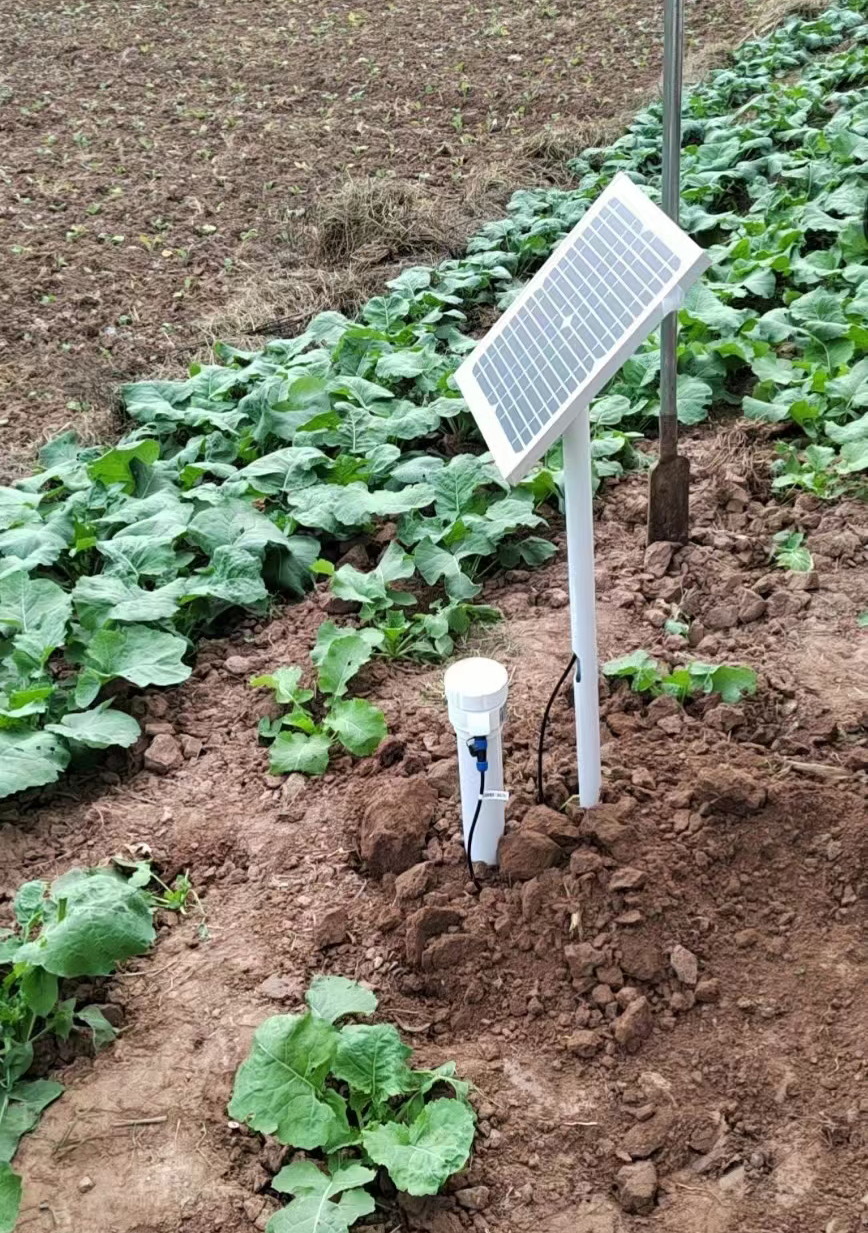
The soil moisture monitoring system is not just a set of measuring instruments but a tool for modern agriculture in drought prevention, resistance, and scientific water use. Through in-depth analysis of soil moisture, NiuBoL transforms invisible underground water into quantifiable and forecastable scientific data.
In today's increasingly severe drought challenges, using the NiuBoL soil moisture monitoring system to grasp moisture change patterns is an important guarantee for reducing disaster losses and ensuring stable and high agricultural yields. Scientific moisture measurement and precise irrigation—let us jointly safeguard the vitality of the land.
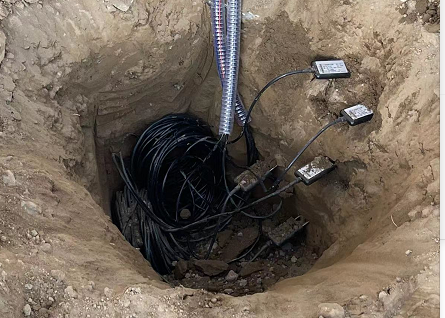
Monitoring parameters: Volumetric Water Content (VWC), soil temperature, soil electrical conductivity.
Measurement accuracy: Water content error typically within ±3%.
Communication protocols: Supports RS485, Modbus-RTU protocols, and GPRS/4G wireless remote transmission.
Core sensors: FDR frequency domain reflectometry sensor, multi-parameter integrated sensor (moisture/temperature/electrical conductivity).
Response time: Less than 1s.
Measurement range: 0-100% (volumetric water content).
Probe material: 316L stainless steel (anti-corrosion).
Application fields: Drought mitigation assessment, irrigation district water allocation, scientific experimental observation, standardized good field construction.
Do you need a customized soil moisture monitoring solution based on your local soil layer structure? Contact us, NiuBoL will provide full-process support from equipment selection, allowing digital moisture monitoring to help you achieve efficient production.
Prev:Wind Speed and Direction Recorder: Working Principle, Functions, Applications, and Maintenance Guide
Related recommendations
Sensors & Weather Stations Catalog
 Agriculture Sensors and Weather Stations Catalog-NiuBoL.pdf
Weather Stations Catalog-NiuBoL.pdf
Agriculture Sensors Catalog-NiuBoL.pdf
Water Quality Sensor Catalog-NiuBoL.pdf
Related products
 Combined air temperature and relative humidity sensor
 TDR Soil Moisture & Temperature Sensor for irrigation| RS485 |4-20mA| NBL-S-THR
 Soil pH sensor RS485 soil Testing instrument soil ph meter for agriculture |NBL-S-PH
 Wind Speed sensor Output Modbus/RS485/Analog/0-5V/4-20mA
 Tipping bucket rain gauge for weather monitoring auto rainfall sensor RS485/Outdoor/stainless steel
 Pyranometer Solar Radiation Sensor 4-20mA/RS485

Screenshot, WhatsApp to identify the QR code
WhatsApp number:+8615367865107
(Click on WhatsApp to copy and add friends)

