





— Blogs —
—Products—
 Consumer hotline +8618073152920
 WhatsApp:+8615367865107
Address:Room 102, District D, Houhu Industrial Park, Yuelu District, Changsha City, Hunan Province, China
Product knowledge
Time:2026-02-14 16:15:22 Popularity:471
In modern IoT engineering projects, the precise acquisition of rainfall data is no longer limited to traditional weather station reporting but is deeply embedded in vertical fields such as mountainous disaster prevention, island development, precision agriculture, and mine safety. For system integrators, selecting a rainfall automatic weather station with high reliability, open protocol, and easy maintenance is the core to ensuring stable delivery of the entire monitoring system.
NiuBoL has developed two major technical solutions—mechanical tipping bucket type and piezoelectric kinetic induction—tailored to special industrial application scenarios, dedicated to safeguarding “rainwater safety” in various fields.
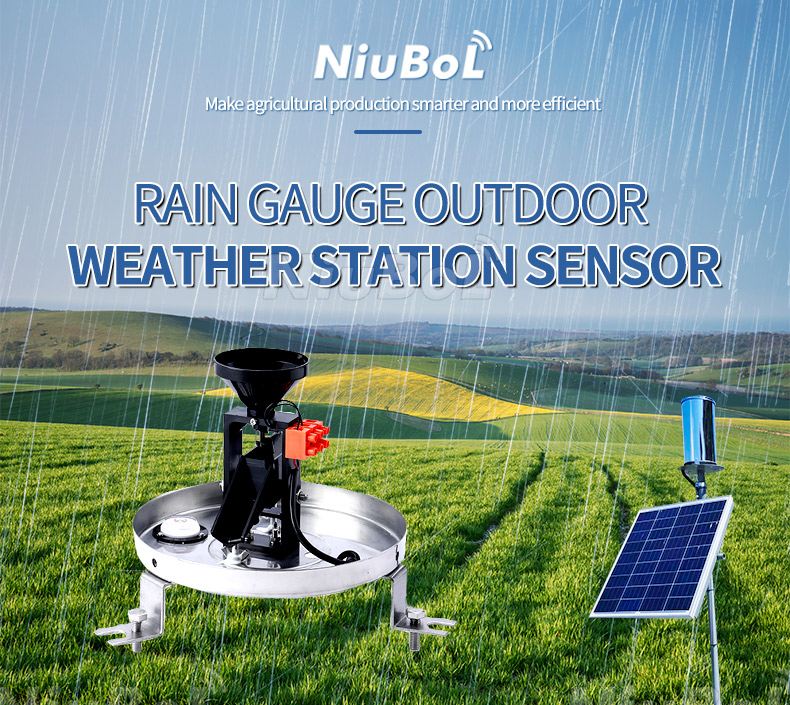
When building “rainwater safety” monitoring systems, integrators typically adopt a three-layer architecture. NiuBoL sensors integrate perfectly into this ecosystem through standardized interfaces:
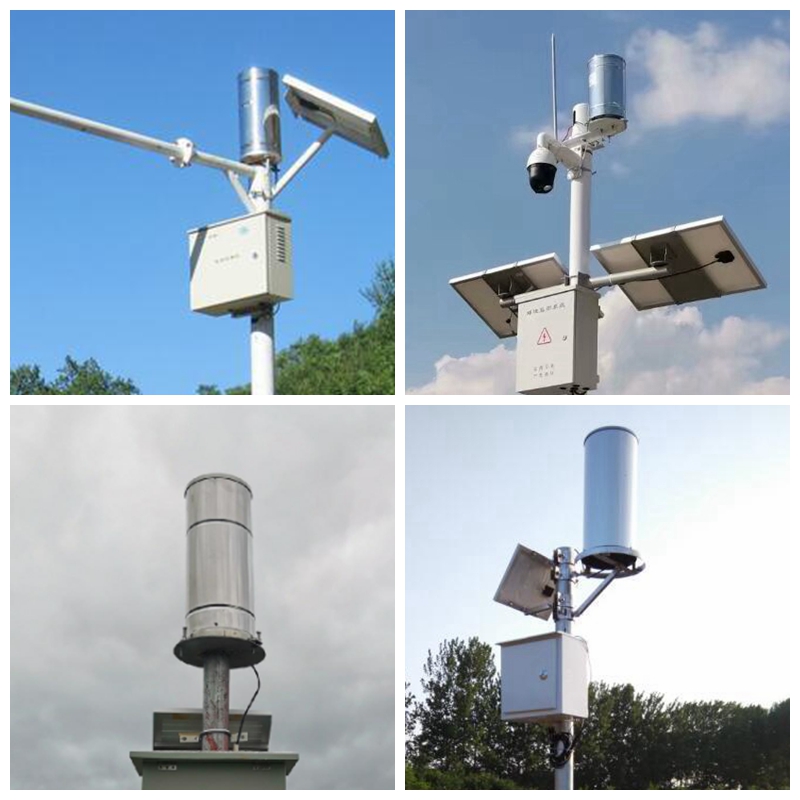
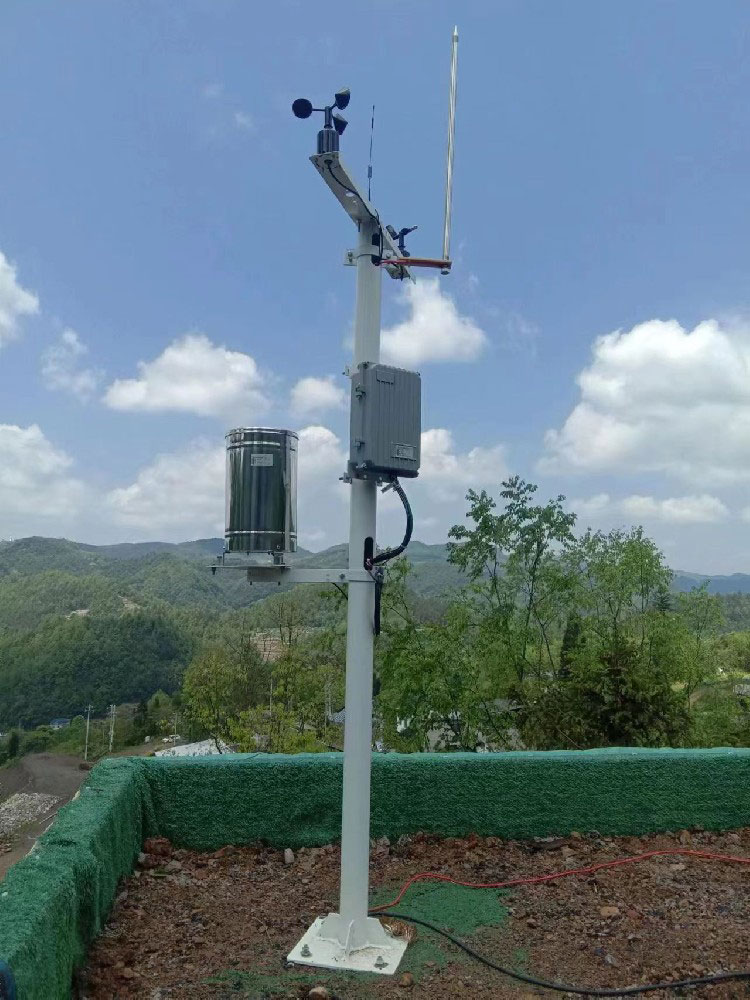
Perception Layer (Sensing): Deploy NiuBoL tipping bucket or piezoelectric rainfall sensors to achieve real-time capture of rainfall start/stop time, instantaneous rainfall intensity, and cumulative rainfall.
Transmission Layer (Transmission): Sensors connect via RS485 bus (Modbus-RTU protocol) to industrial gateways, RTUs, or DTUs. NiuBoL devices feature low-power design, highly compatible with solar power systems and 4G/5G/NB-IoT wireless transmission modules.
Application Layer (Application): Data aggregates to cloud platforms. Using the register address mapping table provided by NiuBoL, integrators can easily develop visualization dashboards, rainfall threshold alarms, and automated linkage logic.
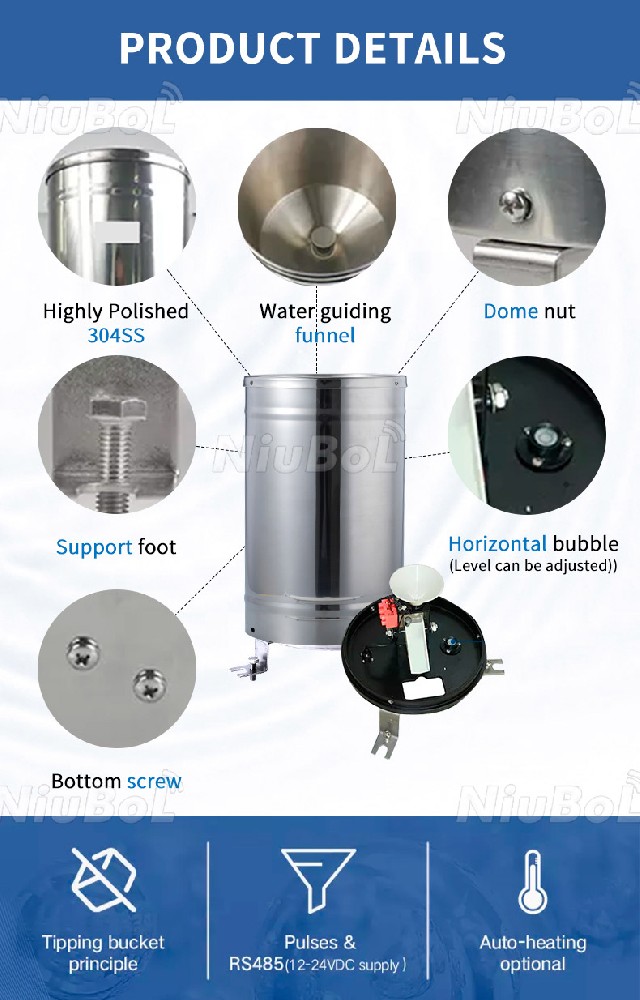
When facing different project environments, integrators need to select the most suitable sensing technology based on scenario pain points. NiuBoL’s customized solutions have demonstrated excellent performance in multiple key areas.
Mountainous terrain is complex, and short-duration heavy rainfall can easily trigger landslides. Capturing rainfall start time and monitoring sudden changes in rainfall intensity are critical here.
Pain Points: Traditional manual monitoring is difficult to cover; conventional sensors are prone to failure in lightning strikes and low-temperature environments.
NiuBoL Integration Solution: Recommend NBL-W-PRS piezoelectric rain gauge with extremely high 0.01 mm resolution to capture minimal precipitation.
System Linkage: When hourly rainfall exceeds 30 mm, trigger RTU via RS485 bus to immediately activate mountain sound-light alarm stations.
Islands lack freshwater, with rainwater as a core supplement, but high-salt fog environments are highly corrosive to precision instruments.
Pain Points: Metal structures are prone to oxidation; salt fog accumulation affects mechanical tipping bucket flexibility.
NiuBoL Integration Solution: Adopt island-specific observation stations with corrosion-resistant shells. Classify data by rainfall intensity to provide decision-making for freshwater collection systems (daily rainfall >100 mm triggers storage) and assist flood control departments in reinforcing seawalls during typhoon seasons.
Pain Points: Debris (fallen leaves, soil) easily clogs traditional water collection ports.
NiuBoL Integration Solution: Piezoelectric rain gauge features arc-shaped structure for self-cleaning.
Integration Logic: Closed-loop linkage with irrigation systems via Modbus protocol. When daily rainfall exceeds 80 mm, activate drainage pumps to prevent crop root rot.
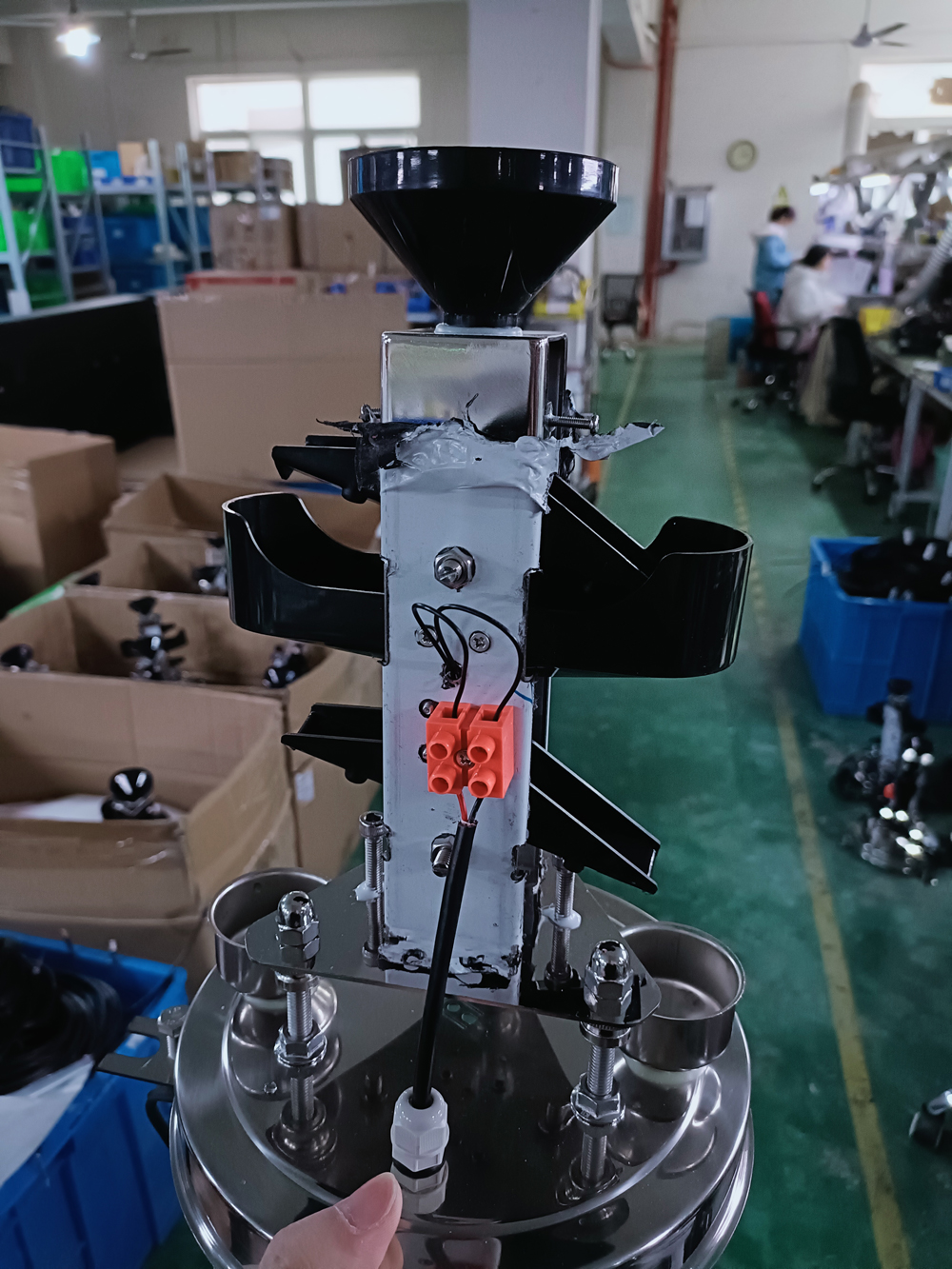
Integrators can refer to the technical parameters in the table below for precise configuration during tender preparation and equipment selection.
| Technical Indicator | NBL-W-RS Tipping Bucket Rain Gauge | NBL-W-PRS Piezoelectric Rain Gauge |
|---|---|---|
| Measurement Principle | Tipping Bucket Rain Gauge" align="center" valign="middle">Double-bucket mechanical conversion (signal on/off) | Piezoelectric ceramic kinetic induction (P = mv) |
| Water Inlet Diameter / Structure | Tipping Bucket Rain Gauge" align="center" valign="middle">Φ200 ± 0.6 mm (standard caliber) | Integrated, no exposed mechanical parts, arc-shaped anti-fouling |
| Measurement Range | 0 - 4 mm/min (rainfall intensity) | 0 - 8 mm/min (rainfall intensity) |
| Resolution | 0.2 mm | 0.01 mm |
| Accuracy | ±4% (2 mm/min rain intensity) | ±4% (daily cumulative rainfall) |
| Signal Output | RS485 (Modbus) / Pulse / Voltage | RS485 (Modbus-RTU protocol) |
| Power Supply | DC 5V / 12-24V | DC 12-24V |
| Protection Rating | IP65 | IP66 (dustproof, high-pressure water jet resistant) |
| Application Advantages | Complies with SL61-2003 hydrological specification, favorable for acceptance | Maintenance-free, anti-vibration interference, microsecond-level response |
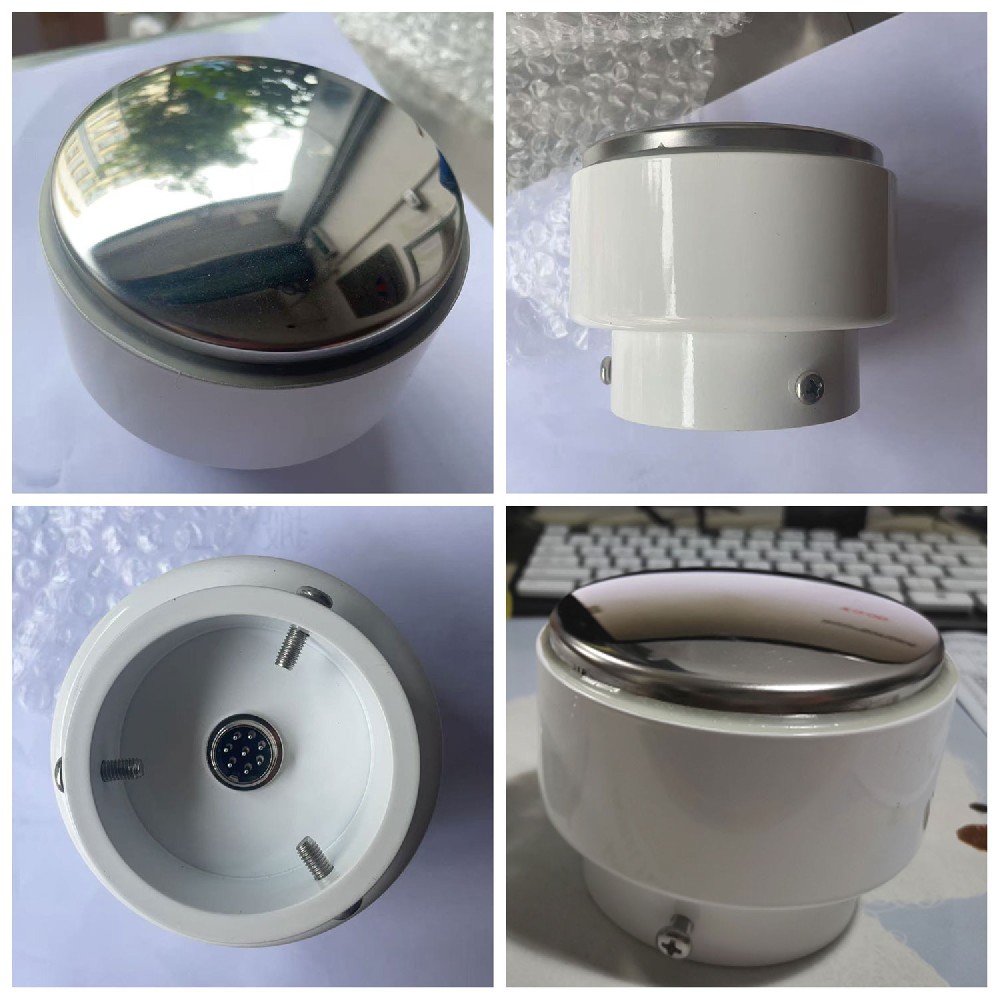
To reduce after-sales maintenance costs for system integrators, NiuBoL has deeply optimized product details:
Self-cleaning Structure: Piezoelectric device shell adopts arc-shaped design and anti-fouling coating; rainwater naturally flushes away dust and debris, eliminating the need for manual on-site maintenance.
Anti-interference Algorithm: For environments with vibration interference such as construction sites and mines, the built-in industrial-grade processor accurately distinguishes raindrop impact frequency from environmental vibration noise.
RS485 Standardized Wiring and Installation: Red: Power positive; Black: Power ground; Yellow: 485+; Blue: 485-. Supports pole mounting, integrated base installation, and poured foundation, adapting to various engineering sites.
1. How do NiuBoL sensors adapt to third-party PLCs or gateways?
Our devices natively support standard Modbus-RTU protocol with RS485 physical layer, seamlessly connecting to any third-party acquisition system that supports serial protocols. They can directly interface with any PLC, DTU, or data acquisition gateway supporting this protocol.
2. How does the device perform in terms of power consumption in remote mountainous areas without mains power?
NiuBoL sensors are specifically designed for low-power applications. For example, NBL-W-PRS has an average current<5 mA, making it very suitable for “solar + battery” power modes and supporting long-term unattended operation.
3. What special requirements are there for installing tipping bucket rain sensors?
To ensure measurement accuracy, installation must be on a stable horizontal bracket (recommended >500 mm above ground), and level calibration should be performed using the built-in bubble level.
4. Can piezoelectric rain gauges identify rainfall start/stop times?
Yes. With its 0.01 mm high resolution and kinetic recognition mechanism, it captures rainfall onset earlier than traditional mechanical tipping buckets and sends signals to the system.
5. Will sea salt environments corrode the sensor?
NiuBoL provides special corrosion-resistant shell versions for island scenarios; key components undergo salt spray testing to ensure long-term stability in coastal and high-salt fog areas.
6. Does the piezoelectric rain gauge require periodic calibration like mechanical types?
Piezoelectric type is field calibration-free design with no mechanical wear; under normal use, frequent calibration is not required.
7. Does NiuBoL provide a supporting software cloud platform?
We offer optional cloud platform support. Integrators can also directly integrate data into their own IoT management platforms using our detailed protocol documentation.
8. Are there output signal options besides RS485?
For different RTU interfaces, we provide pulse (reed switch), 0-5V voltage, or 4-20mA current signals to ensure compatibility with legacy systems.
9. Can cable length be customized?
Standard configuration is 5 m shielded cable. For long-distance transmission needs in engineering projects, we offer cable customization services or recommend using RS485 repeaters to extend transmission distance.
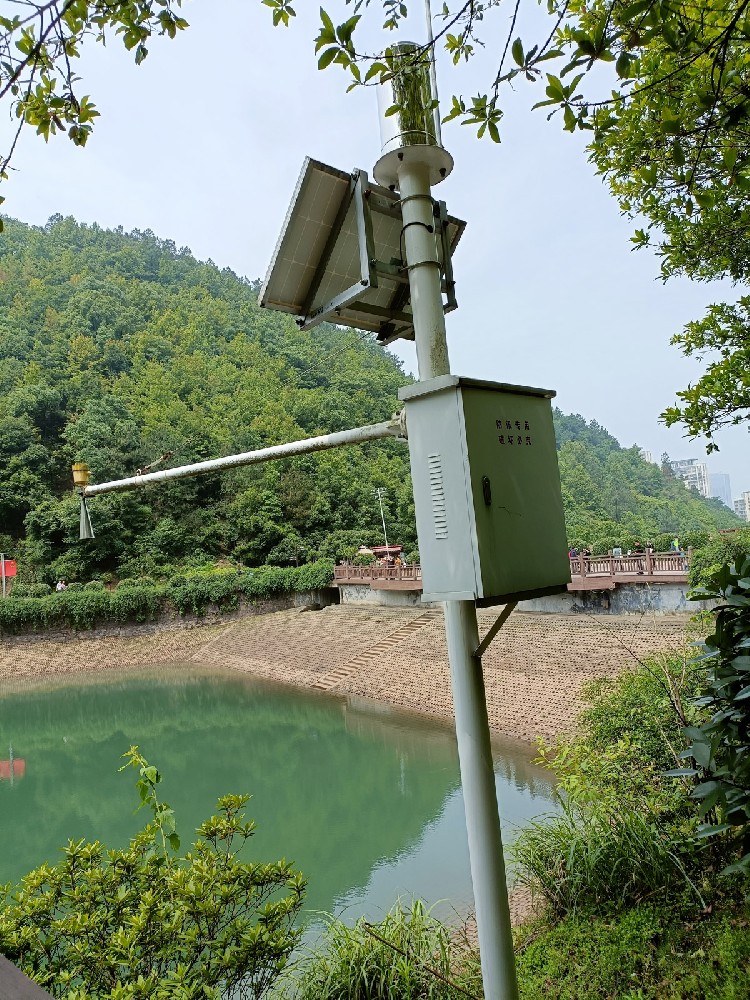
From mountainous geological monitoring to smart farmland irrigation, NiuBoL rainfall automatic weather stations not only provide precise data perception but also greatly simplify system integration complexity through excellent industrial design and standardized communication.
We are committed to growing together with our integrator partners by continuously optimizing sensor technology, taking root in more special fields, and providing rock-solid “rainwater safety” data foundations for various industries.
If you are preparing for project bidding or need deeper technical protocols, installation models, and bulk procurement support, please feel free to contact NiuBoL. As a manufacturer, we will provide you with the most direct expert-level technical services.
 NBL-W-ARS-Tipping-bucket-rain-gauge-instruction-manual.pdf
Related recommendations
Sensors & Weather Stations Catalog
Agriculture Sensors and Weather Stations Catalog-NiuBoL.pdf
Weather Stations Catalog-NiuBoL.pdf
Agriculture Sensors Catalog-NiuBoL.pdf
Water Quality Sensor Catalog-NiuBoL.pdf
Related products
 Combined air temperature and relative humidity sensor
 TDR Soil Moisture & Temperature Sensor for irrigation| RS485 |4-20mA| NBL-S-THR
 Soil pH sensor RS485 soil Testing instrument soil ph meter for agriculture |NBL-S-PH
 Wind Speed sensor Output Modbus/RS485/Analog/0-5V/4-20mA
 Tipping bucket rain gauge for weather monitoring auto rainfall sensor RS485/Outdoor/stainless steel
 Pyranometer Solar Radiation Sensor 4-20mA/RS485

Screenshot, WhatsApp to identify the QR code
WhatsApp number:+8615367865107
(Click on WhatsApp to copy and add friends)

