





— Blogs —
—Products—
 Consumer hotline +8618073152920
 WhatsApp:+8615367865107
Address:Room 102, District D, Houhu Industrial Park, Yuelu District, Changsha City, Hunan Province, China
Product knowledge
Time:2026-02-14 16:50:12 Popularity:489
In the industrial environment driven by IoT and digital transformation, all-in-one weather monitoring stations have become a core component for system integrators, IoT solution providers, and project contractors. These devices provide real-time, high-precision monitoring of environmental parameters, supporting RS485 communication protocol and MODBUS standard for seamless integration into SCADA systems or cloud platforms. NiuBoL, as a professional manufacturer, focuses on delivering high-precision, multi-parameter sensors such as the NBL-W-10GUWS ultrasonic wind speed and direction sensor to help optimize smart city meteorological monitoring, precision agriculture environmental data collection, and operational efficiency of critical infrastructure. By integrating functions such as PM2.5, PM10, and noise monitoring, the all-in-one weather monitoring instrument improves data reliability and is suitable for long-term deployment under harsh conditions.
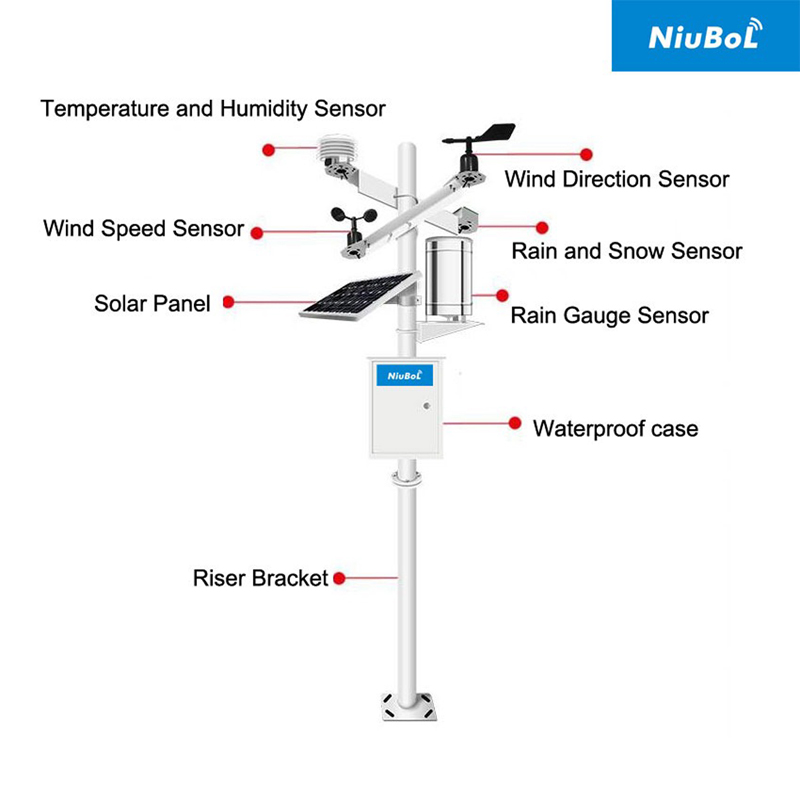
The all-in-one weather monitoring station is designed to synchronously capture multiple environmental variables, including wind speed, wind direction, atmospheric temperature, humidity, barometric pressure, precipitation, and optional air quality indicators. The integrated architecture allows system integrators to easily embed it into existing automation control systems, utilizing standard communication interfaces for real-time data transmission and analysis.
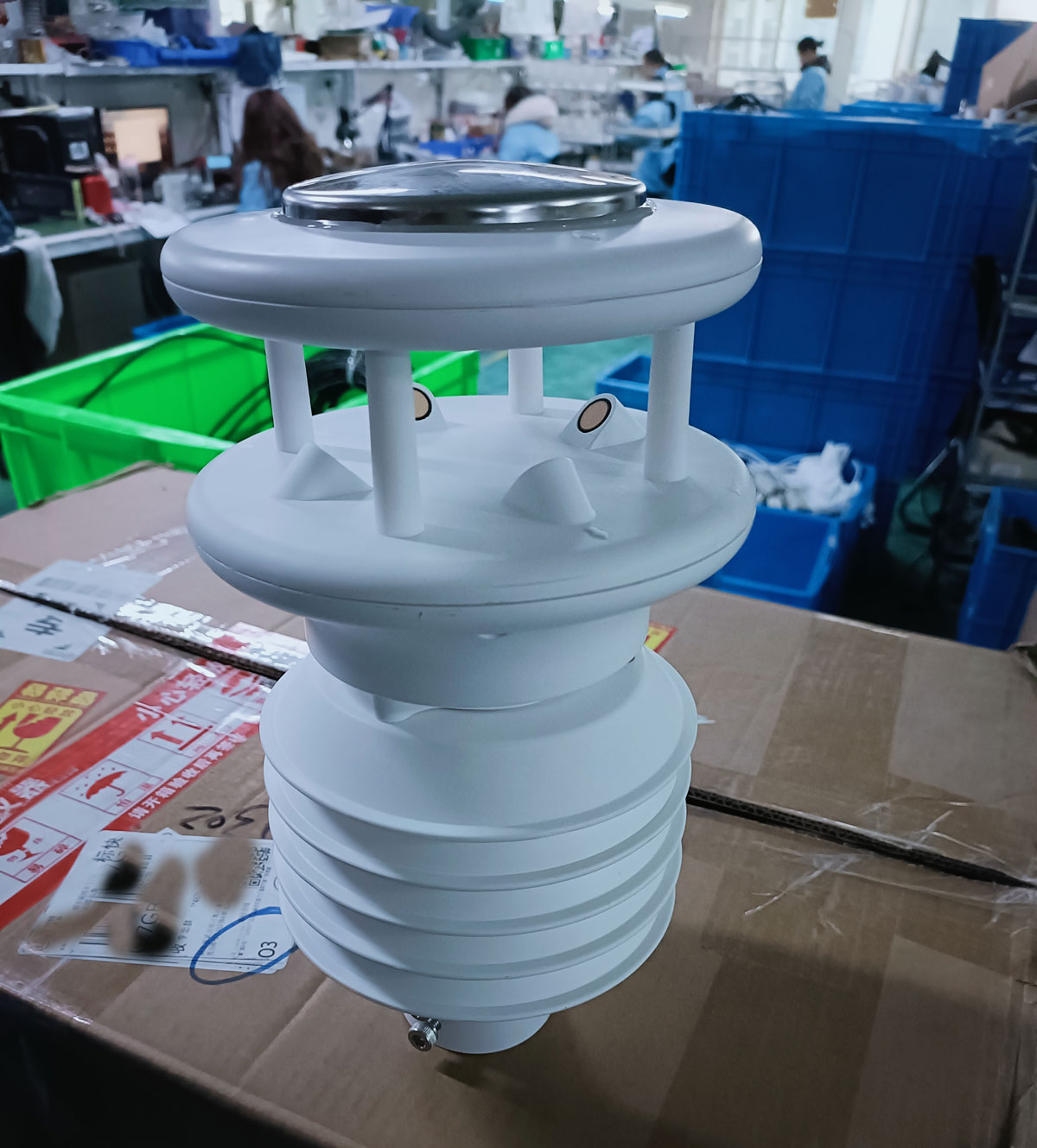
NiuBoL’s NBL-W-10GUWS ultrasonic wind speed and direction multi-parameter sensor adopts fully digital detection technology to ensure high-precision output. The sensor calculates wind speed and direction based on the ultrasonic time-difference principle, avoiding wear issues of traditional mechanical sensors. Meanwhile, the rainfall monitoring module uses piezoelectric ceramic kinetic method, quantifying rainfall intensity by measuring raindrop impact force, providing excellent response across various precipitation forms from drizzle to heavy rain.
The sensor supports DC 9–24 V power supply with average power consumption as low as 0.4 W (excluding dust sensor), suitable for remote or solar-powered deployment scenarios. Its IP65 protection rating ensures reliable operation in the temperature range of -40℃ to 80℃, making it ideal for outdoor environments such as ports, airports, and highways. The high-strength structural design of NBL-W-10GUWS further enhances durability in salt fog or dusty environments, ensuring data continuity.
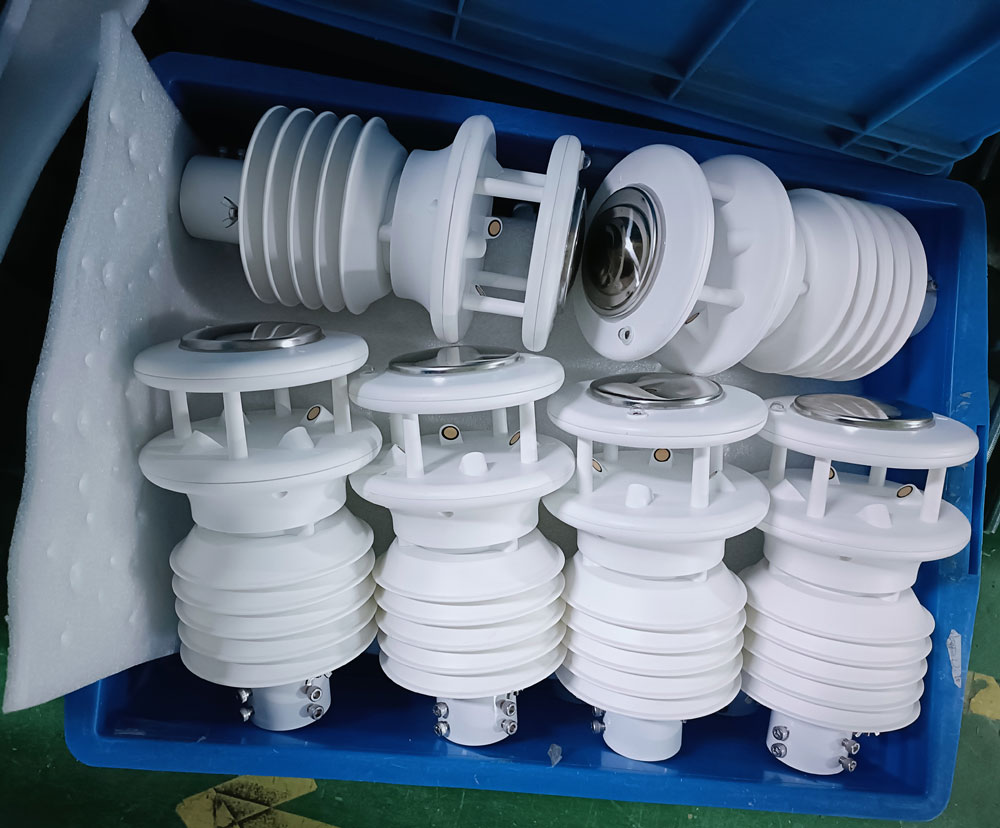
The following table summarizes the key technical specifications of the NBL-W-10GUWS sensor:
| Parameter | Range | Accuracy | Resolution |
|---|---|---|---|
| Wind Speed | 0~60 m/s | ±0.3 + 3% FS | 0.01 m/s |
| Wind Direction | 0~359° | ±3° | 1° |
| Temperature | -40~80℃ | ±0.5℃ | 0.1℃ |
| Humidity | 0~100% RH | ±5% RH | 0.1% RH |
| Barometric Pressure | 10~1100 hPa | ±1.5 hPa | 0.1 hPa |
| PM2.5 | 0~1000 μg/m³ | ±10% | 1 μg/m³ |
| PM10 | 0~2000 μg/m³ | ±10% | 1 μg/m³ |
| Noise | 30~130 dB | ±5 dB | 0.1 dB |
| Illuminance | 0~200,000 Lux | ±7% | 10 Lux |
| Rainfall | 0~8 mm/min | ±10% | 0.01 mm |
| Radiation | 0~1500 W/m² | ±10% | 1 W/m² |
These parameters ensure the sensor provides traceable data in industrial-grade applications, supporting data logging and remote calibration. System integrators can utilize the built-in signal processing unit to customize output formats, compatible with various PLCs and edge computing devices.
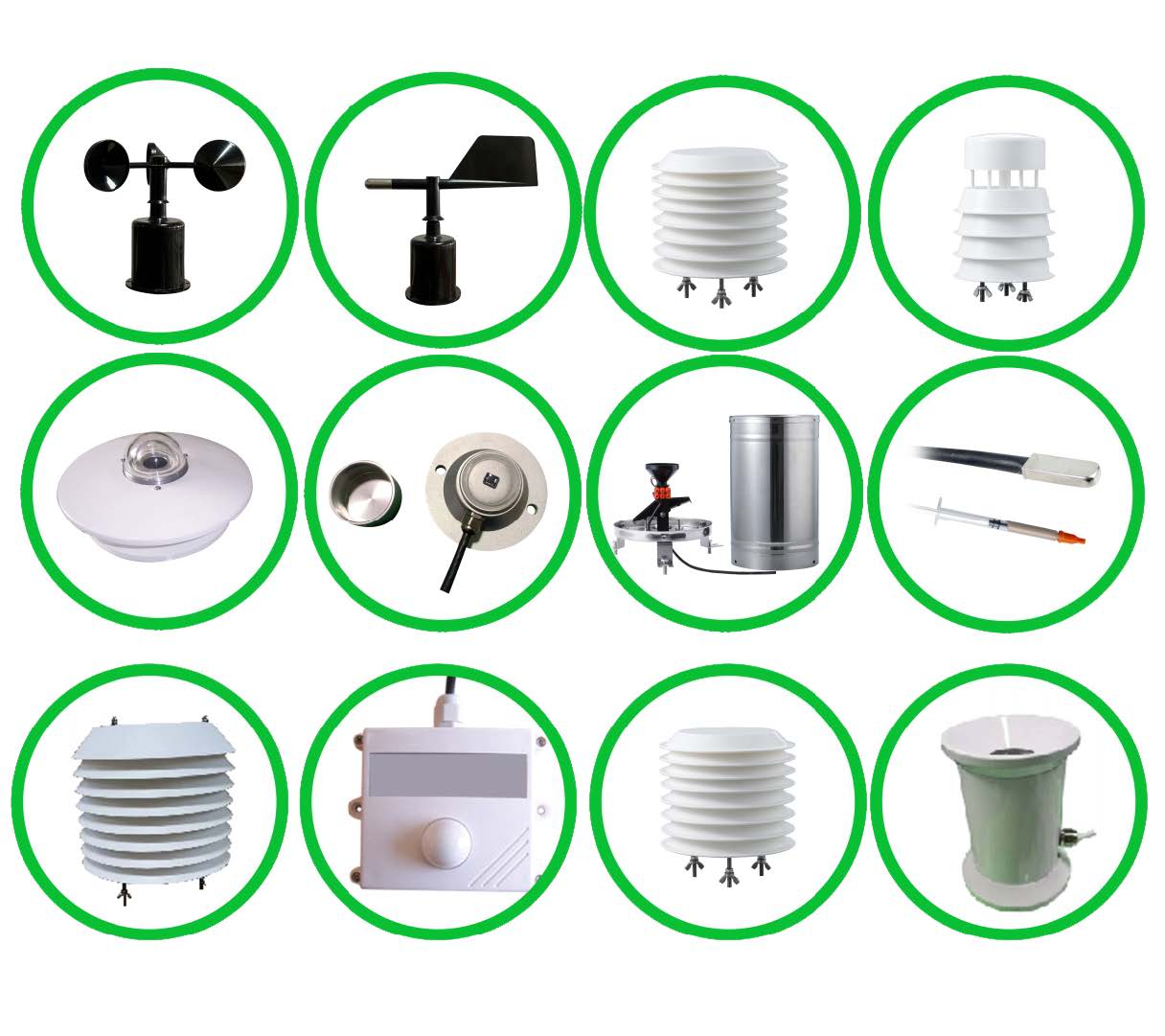
When building smart city infrastructure, system integrators require a reliable environmental perception layer to support upper-level decision systems. The all-in-one weather monitoring station serves as the data acquisition front-end, seamlessly interfacing with IoT gateways and edge computing devices to provide micro-environmental meteorological data for optimizing urban traffic management and public safety.
For example, in urban traffic systems, integrators can deploy NiuBoL NBL-W-10GUWS monitoring stations along highways. By monitoring wind speed and direction in real time, combined with barometric pressure and humidity data, the system can predict road icing risks or reduced visibility due to dense fog. Sensor output is transmitted via MODBUS protocol to the central control platform, triggering automatic alerts or adjusting traffic signals.
In wind field effect analysis for high-rise building clusters, NBL-W-10GUWS provides wind direction and speed data. Integrators can import this data into BIM (Building Information Modeling) platforms for dynamic environmental assessment, avoiding structural vibration or pedestrian safety hazards. Project contractors can emphasize in bids that this multi-parameter integration reduces on-site wiring complexity and improves system redundancy. In actual deployments, the sensor’s high resolution (wind speed 0.01 m/s) ensures data precision, suitable for wind corridor optimization in urban planning.
Additionally, for environmental monitoring networks, system integrators can extend sensors to include PM2.5 and PM10 modules. Combined with GIS (Geographic Information System), these data help trace pollutant diffusion paths and support decision-making by urban planning departments. NiuBoL’s solution emphasizes modular design, allowing integrators to customize sensor configurations based on project needs, such as adding noise monitoring to comply with EU noise directive standards. This compatibility makes NBL-W-10GUWS a preferred component for smart city meteorological monitoring.
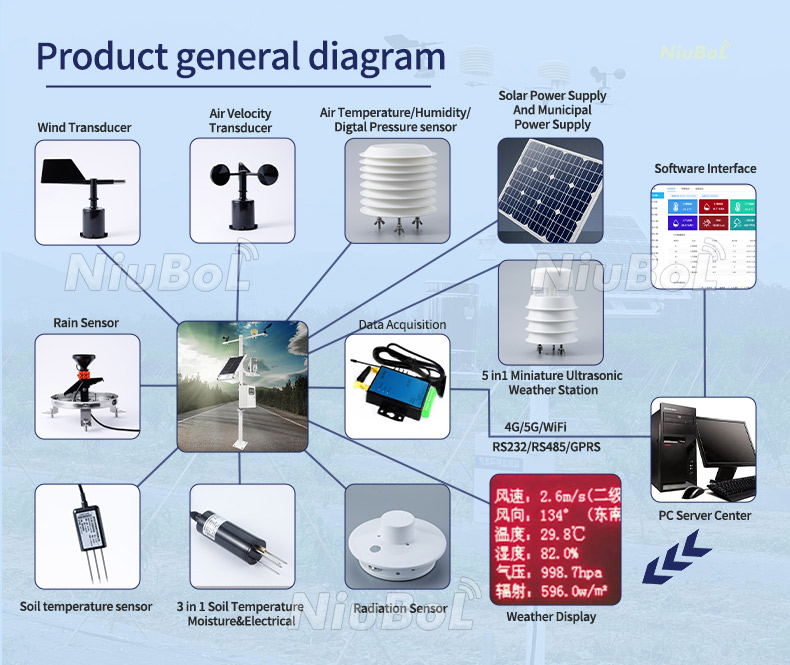
Precision agriculture relies on real-time field environmental data collection, and all-in-one weather monitoring instruments provide an efficient tool for IoT solution providers. From the perspective of system integrators, these instruments integrate into farmland IoT networks to support crop growth models and automated irrigation systems.
The NiuBoL NBL-W-10GUWS monitoring instrument synchronously collects temperature, humidity, precipitation, and solar radiation data, which can be input into DSS (Decision Support Systems) for pest and disease early warning or evapotranspiration calculation.
Wind speed and direction data are particularly useful for drone plant protection operations integration. When designing solutions, system integrators can combine these data with flight control algorithms to prevent pesticide drift and ensure environmental compliance. The precision of NBL-W-10GUWS (wind direction ±3°) helps with accurate path planning. Project applications include a medium-sized orchard project where NiuBoL monitoring instruments integrated into a cloud platform achieved 20% water resource savings and 15% reduction in chemical usage.
In greenhouse control systems, the instrument’s humidity and barometric pressure data support HVAC (Heating, Ventilation, and Air Conditioning) optimization. Integrators can use RS485 interfaces to import data into Modbus TCP gateways for closed-loop control. Engineering companies in such projects can highlight the rugged durability of NiuBoL equipment, suitable for long-term deployment in high-humidity environments. The overall solution emphasizes data fusion, elevating precision agriculture environmental data collection to industrial-grade standards.
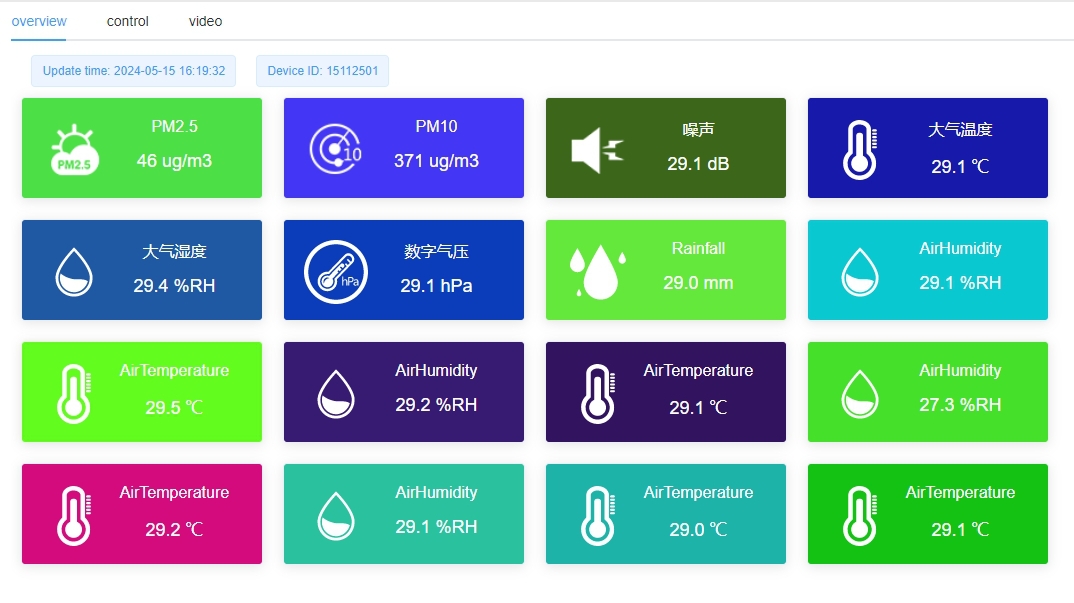
NiuBoL all-in-one weather monitoring stations have proven their value in multiple engineering projects. In an airport runway monitoring project, system integrators deployed a multi-node network including NBL-W-10GUWS ultrasonic sensors for real-time detection of strong winds and precipitation. Data was transmitted via MODBUS protocol to the ATC (Air Traffic Control) system, triggering runway closure alerts and improving operational safety. The project achieved system compatibility with seamless integration into existing radar systems, reducing downtime by 25% and elevating early warning response speed to real-time levels.
Another case is coastal port environmental monitoring. Project contractors integrated NBL-W-10GUWS into the SCADA framework to monitor PM10 and noise levels in compliance with IMO (International Maritime Organization) emission standards. The sensor’s high-strength structural design ensured reliability in salt fog environments, with data supporting predictive maintenance and extending equipment lifespan. In this project, PM10 exceedance warning response time was reduced from an average of 45 minutes to 12 minutes, significantly lowering environmental compliance risks.
In a highway bridge project, integrators utilized NBL-W-10GUWS temperature and humidity data to predict icing risks. Combined with vibration sensors, the solution formed a comprehensive monitoring system supporting remote diagnostics. IoT solution providers reported that this integration reduced maintenance costs by 15% and improved traffic flow efficiency by 10%.
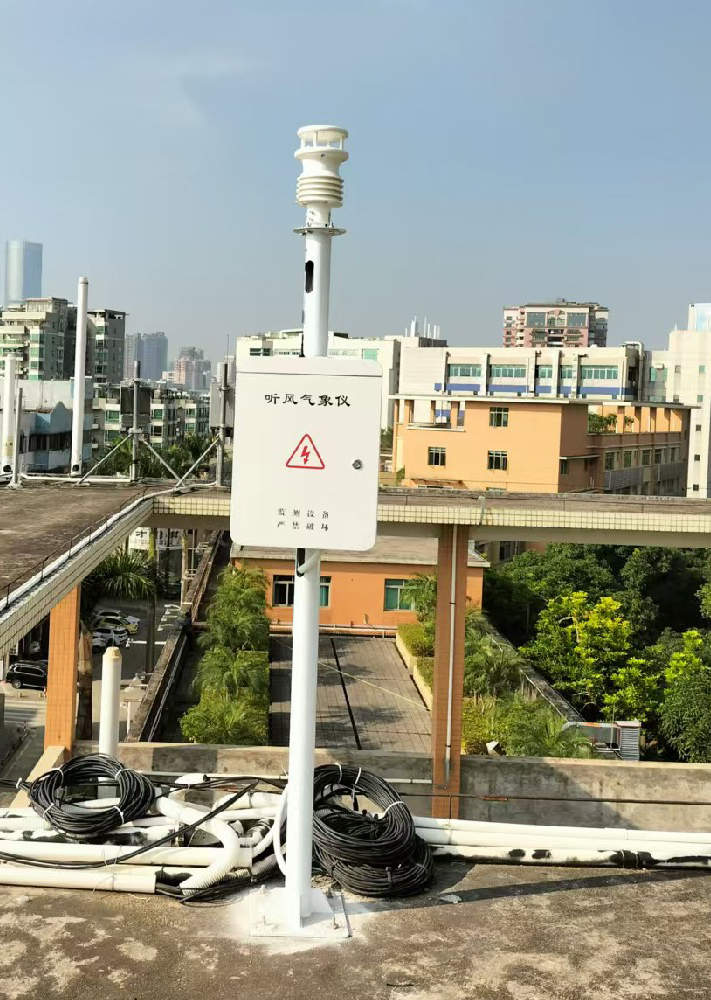
When selecting equipment, system integrators should consider project-specific requirements. First, evaluate environmental conditions: For extreme weather areas, choose models with IP65 protection rating and wide temperature range (-40℃ to 80℃), such as the NBL-W-10GUWS ultrasonic wind speed and direction sensor.
Second, review required parameter combinations. If the project involves air quality, prioritize models integrating PM2.5/PM10 modules; for agriculture, emphasize precipitation and radiation sensors. Communication protocol compatibility is crucial: Ensure support for MODBUS and RS485 to match existing infrastructure.
Power consumption is another key factor. For remote deployment, select devices with average power consumption below 1 W, supporting solar power. Resolution and accuracy requirements vary by application; for example, wind speed accuracy ±0.3 + 3% FS suits precision control systems.
Finally, consider scalability. NiuBoL offers modular options for future upgrades, such as adding noise or illuminance sensors. Recommend on-site testing to verify integration compatibility with IoT platforms.
When integrating all-in-one weather monitoring stations, system integrators should note the following:
Power Supply Stability: Use DC 9–24 V isolated power to avoid electromagnetic interference.
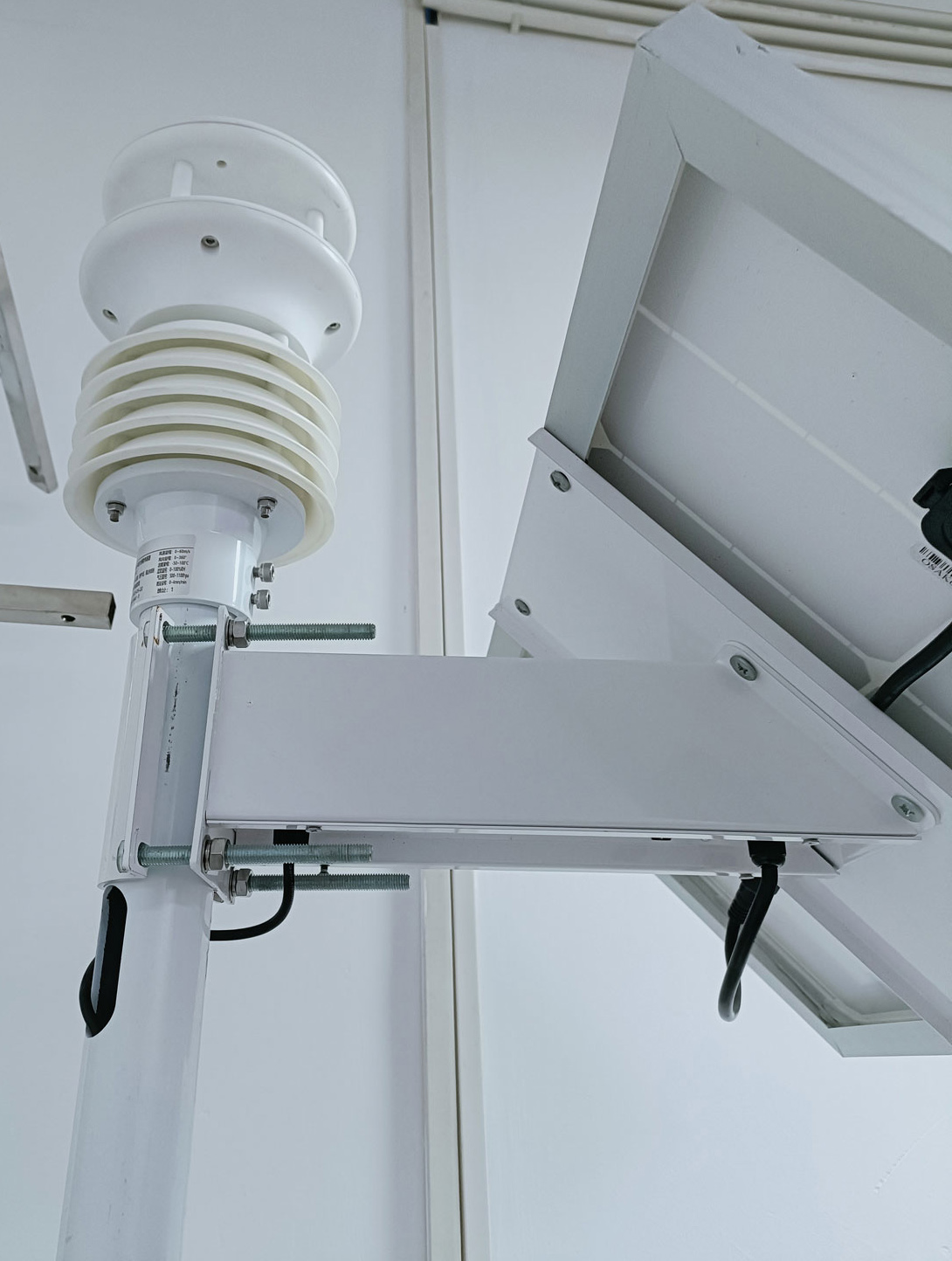
Installation Location: Avoid obstacles to ensure clear ultrasonic paths; rainfall sensors must be installed horizontally.
Data Calibration: Perform zero-point and full-scale calibration after initial deployment using the built-in signal processing unit to adjust output.
Network Security: Implement encrypted transmission, especially in cloud integration, using TLS protocol to protect MODBUS data.
Maintenance Plan: Regularly clean sensor surfaces and check protective covers. In harsh environments, verify accuracy deviation does not exceed specification every quarter. Compatibility testing should cover interfaces with PLC or edge devices, ensuring baud rate (9600 bps) matching.
1. How does the all-in-one weather monitoring station integrate with existing SCADA systems?
NiuBoL devices support standard MODBUS protocol and RS485 interfaces for direct connection to SCADA hosts. By configuring register mapping, real-time data reading and control command issuance can be achieved.
2. How reliable is the sensor in extreme weather?
Designed with IP65 protection rating and operating temperature -40℃ to 80℃, tested with high-strength structure, it operates stably in strong wind, rain, snow, and other harsh environments.
3. Does it support custom parameter configuration?
Yes, NiuBoL offers modular options, allowing optional integration of PM2.5, noise, or radiation sensors based on project needs.
4. Which data transmission protocols are compatible with platforms?
Mainly supports MODBUS RTU, compatible with IoT cloud platforms such as AWS IoT or Azure.
5. What preparations are needed for installation and deployment?
Ensure stable power supply and unobstructed location; recommend professional bracket fixing and initial calibration.
6. What is the Mean Time Between Failures (MTBF)?
NBL-W-10GUWS MTBF exceeds 50,000 hours, based on component reliability and environmental testing data.
7. Which industry projects is it suitable for?
Widely used in smart cities, precision agriculture, airports, ports, and environmental monitoring, targeting system integration and engineering contracting.
8. How does power consumption affect remote deployment?
Average 0.4 W low power consumption supports solar power, suitable for IoT projects in remote areas.
9. What is the warranty period and after-sales response mechanism?
Standard 12-month warranty, after-sales response within 48 hours, with remote diagnostics.
NiuBoL all-in-one weather monitoring stations and NBL-W-10GUWS sensors provide system integrators with reliable, compatible solutions supporting the full chain from data acquisition to intelligent decision-making. By highlighting integration solutions, system compatibility, and real project cases, these devices assist engineering companies in achieving digital transformation. Whether for smart city safety assurance or precision agriculture resource optimization, NiuBoL is committed to delivering precise environmental data to drive industry efficiency improvement. Welcome to submit project requirements via email (sales@niubol.com) or online form; we will provide preliminary selection advice and technical solutions within 24 hours.
 NBL-W-21GUWS-Ultrasonic-Wind-speed-and-direction-Sensor.pdf
NBL-W-61MUWS-Ultrasonic-Weather-Station-Instruction-Manual.pdf
NBL-W-71MUWS-Micrometeorological-Sensor-Operating-Instructions.pdf
Related recommendations
Sensors & Weather Stations Catalog
Agriculture Sensors and Weather Stations Catalog-NiuBoL.pdf
Weather Stations Catalog-NiuBoL.pdf
Agriculture Sensors Catalog-NiuBoL.pdf
Water Quality Sensor Catalog-NiuBoL.pdf
Related products
 Combined air temperature and relative humidity sensor
 TDR Soil Moisture & Temperature Sensor for irrigation| RS485 |4-20mA| NBL-S-THR
 Soil pH sensor RS485 soil Testing instrument soil ph meter for agriculture |NBL-S-PH
 Wind Speed sensor Output Modbus/RS485/Analog/0-5V/4-20mA
 Tipping bucket rain gauge for weather monitoring auto rainfall sensor RS485/Outdoor/stainless steel
 Pyranometer Solar Radiation Sensor 4-20mA/RS485

Screenshot, WhatsApp to identify the QR code
WhatsApp number:+8615367865107
(Click on WhatsApp to copy and add friends)

