





— Blogs —
—Products—
 Consumer hotline +8618073152920
 WhatsApp:+8615367865107
Address:Room 102, District D, Houhu Industrial Park, Yuelu District, Changsha City, Hunan Province, China
Product knowledge
Time:2026-02-14 16:41:34 Popularity:579
In modern water conservancy engineering and agricultural IoT projects, rainfall automatic monitoring systems have become one of the core components. They not only provide real-time rainfall data but also support seamless integration into SCADA systems, IoT platforms, and water resource management systems. As a system integrator, IoT solution provider, or project contractor, you may be seeking highly compatible, reliable data transmission rainfall monitoring solutions to optimize reservoir scheduling, agricultural irrigation, and flood control decision-making.
NiuBoL rainfall automatic monitoring systems ensure data continuity and timeliness through wireless transmission protocols such as LoRaWAN and 4G modules, suitable for large-scale water conservancy projects and regional hydrological networks. This article explores their key roles in agriculture and water conservancy, integration solutions, system compatibility, and real-world project cases to help you evaluate and implement efficient monitoring architectures.
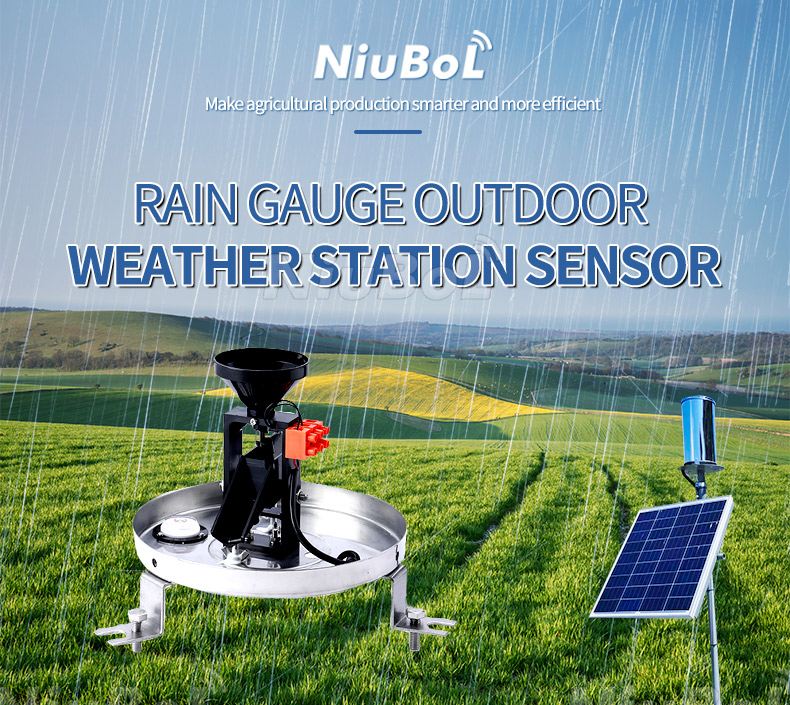
Accurate rainfall data forms the foundation for water conservancy engineering design and agricultural production optimization. Traditional manual measurement methods are limited by manpower and response time, failing to meet real-time decision-making needs. Rainfall automatic monitoring systems transform into data-driven solutions through automated collection and cloud-based analysis. In water conservancy, they support hydrological model construction and flood forecasting models; in agriculture, they link with soil moisture sensors to form closed-loop irrigation control systems.
From the perspective of system integrators, rainfall automatic monitoring systems are not merely standalone devices but key nodes in the IoT ecosystem. They are compatible with Modbus RTU, MQTT, and TCP/IP protocols, facilitating integration into existing PLC controllers or edge computing devices. This integration capability allows project contractors to rapidly expand network coverage during deployment, encompassing the complete chain from field sensors to central control rooms. For example, in regional water resource planning projects, the system can interface with GIS platforms to achieve spatial rainfall distribution analysis, supporting real-time updates to Decision Support Systems (DSS). This multi-source heterogeneous data fusion not only improves the accuracy of inflow forecasting models but also enables dynamic adjustment of flood limit water levels, reducing flood risks.
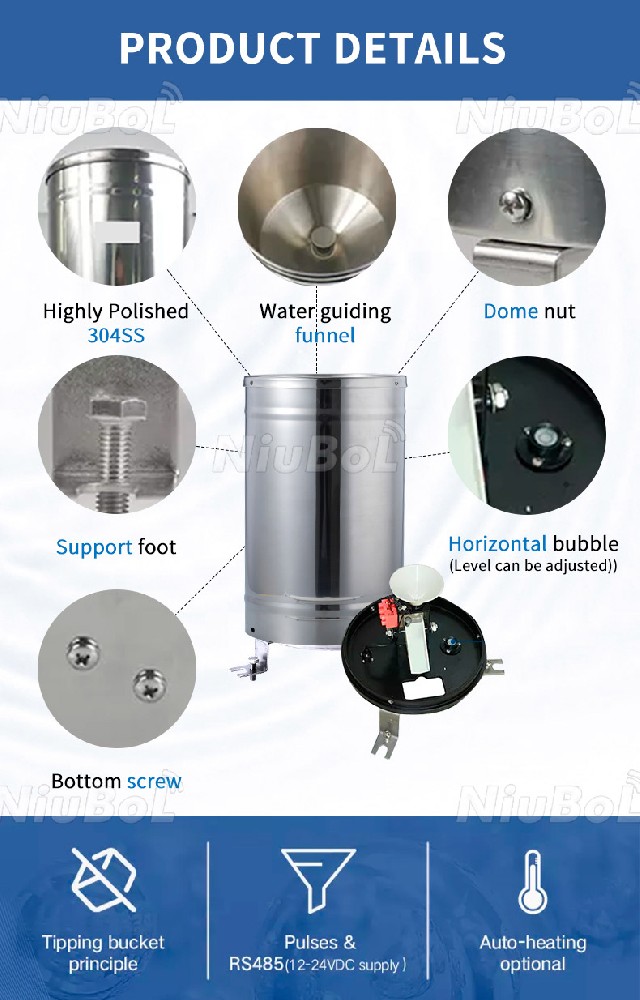
NiuBoL rainfall automatic monitoring systems are designed with a focus on engineering-grade reliability and scalability. The system includes rainfall sensors, data collectors, wireless transmission modules, and cloud platforms, supporting IP67 or IP68 protection ratings for harsh outdoor environments. Sensors adopt tipping bucket or weighing principles, ensuring measurement accuracy within ±3%.
| Parameter Category | Specific Parameter | Description / Typical Value (NiuBoL Main Models) |
|---|---|---|
| Sensor Type | Tipping bucket / Double tipping bucket / Weighing type | Tipping bucket (0.2 mm resolution), double tipping bucket stainless steel (0.1 mm high precision), weighing type supports solid precipitation measurement |
| Measurement Range | 0–800 mm/h or higher | Covers light rain to heavy storm scenarios, compliant with national water conservancy standards |
| Accuracy | ≤±3% (or ≤±2% high-end) | Error controlled within engineering requirements |
| Output Method | RS485 / 4–20 mA / LoRaWAN / 4G | Modbus RTU, MQTT compatible with mainstream PLCs and cloud platforms |
| Power Supply | Solar (≥60 W) + lithium battery (≥30 Ah) | Continuous operation ≥7–15 days in cloudy/rainy conditions, suitable for remote deployment |
| Protection Rating | IP67 / IP68 | Stainless steel material, corrosion-resistant, dustproof and waterproof |
| Operating Environment | -40°C ~ +80°C | Suitable for rainy southern and cold northern scenarios |
| Data Storage | Local ≥8–32 GB + cloud | Supports breakpoint resume transmission |
| Material | Stainless steel funnel | Anti-clogging, corrosion-resistant, suitable for long-term outdoor exposure |
These features minimize compatibility issues during integration. For example, MQTT protocol enables seamless connection with cloud services such as Alibaba Cloud or Azure for data subscription and push.
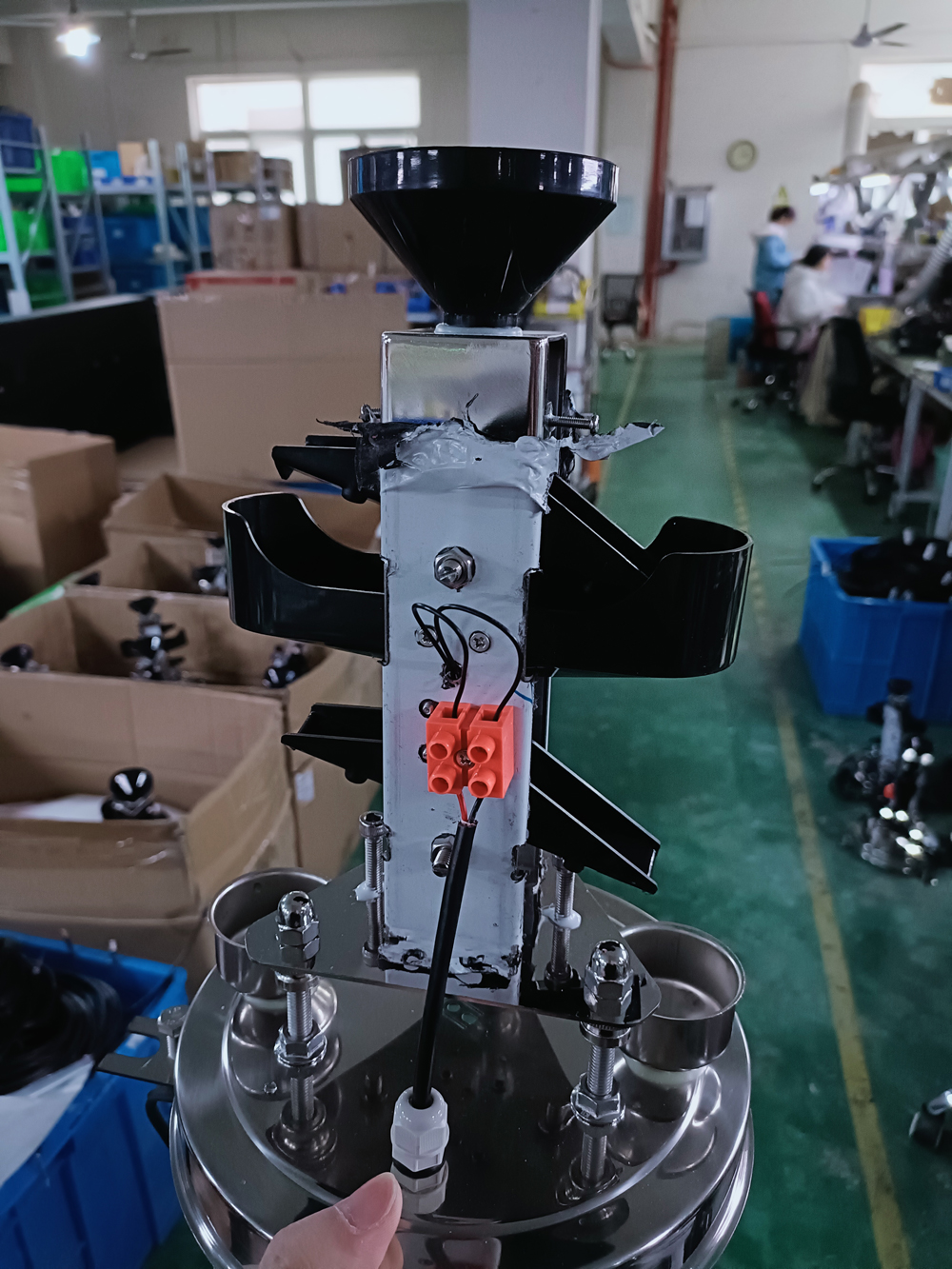
As a system integrator, you often face multi-source data fusion challenges in agricultural and water conservancy projects. NiuBoL rainfall automatic monitoring systems provide modular integration solutions from this perspective, helping you build end-to-end monitoring networks.
In precision agricultural irrigation scenarios, system integrators can integrate rainfall data with soil moisture sensors and valve controllers. Through API interfaces, rainfall monitoring stations transmit real-time rainfall data to central management systems. If rainfall exceeds 50 mm within 3 hours, the system can trigger automated logic to pause sprinkler equipment, avoiding water waste. This integration not only improves irrigation efficiency but also supports big data analysis to predict crop water requirements. In a typical large-scale farm project, integrators deployed 50 monitoring nodes to form grid coverage, with data aggregated via LoRaWAN gateways to edge servers for local decision-making combined with cloud backup. Edge computing nodes perform preliminary data filtering to reduce cloud load, ensuring response latency below 10 seconds.
In water conservancy engineering, particularly reservoir scheduling and detention basin management, system integrators need to handle the correlation between real-time rainfall and water level data. NiuBoL systems support linkage with water level sensors and flow meters to form comprehensive monitoring platforms. For example, during flood seasons, rainfall data can be input into flood simulation models to help optimize gate operations. Project contractors can leverage the system's wireless transmission to cover remote mountainous areas, avoiding cabling costs. In a 2024 Guangdong mountainous water conservancy project, integrators deployed 20 meteorological rainfall monitoring stations. One station captured 100 mm/3 h heavy rain and pushed data in real time to the flood control command center, triggering Level I emergency response and reducing potential economic losses.
Additionally, in regional water resource planning, system integrators can extend rainfall monitoring networks into IoT solutions. Fusing with satellite remote sensing data provides spatiotemporal continuous rainfall sequences, supporting climate change assessment and engineering design, such as dam height calculation and drainage channel layout. This integration perspective ensures full lifecycle optimization from planning to operation and maintenance. Through RS485 interfaces, the system can directly connect to industrial-grade gateways for multi-protocol conversion.
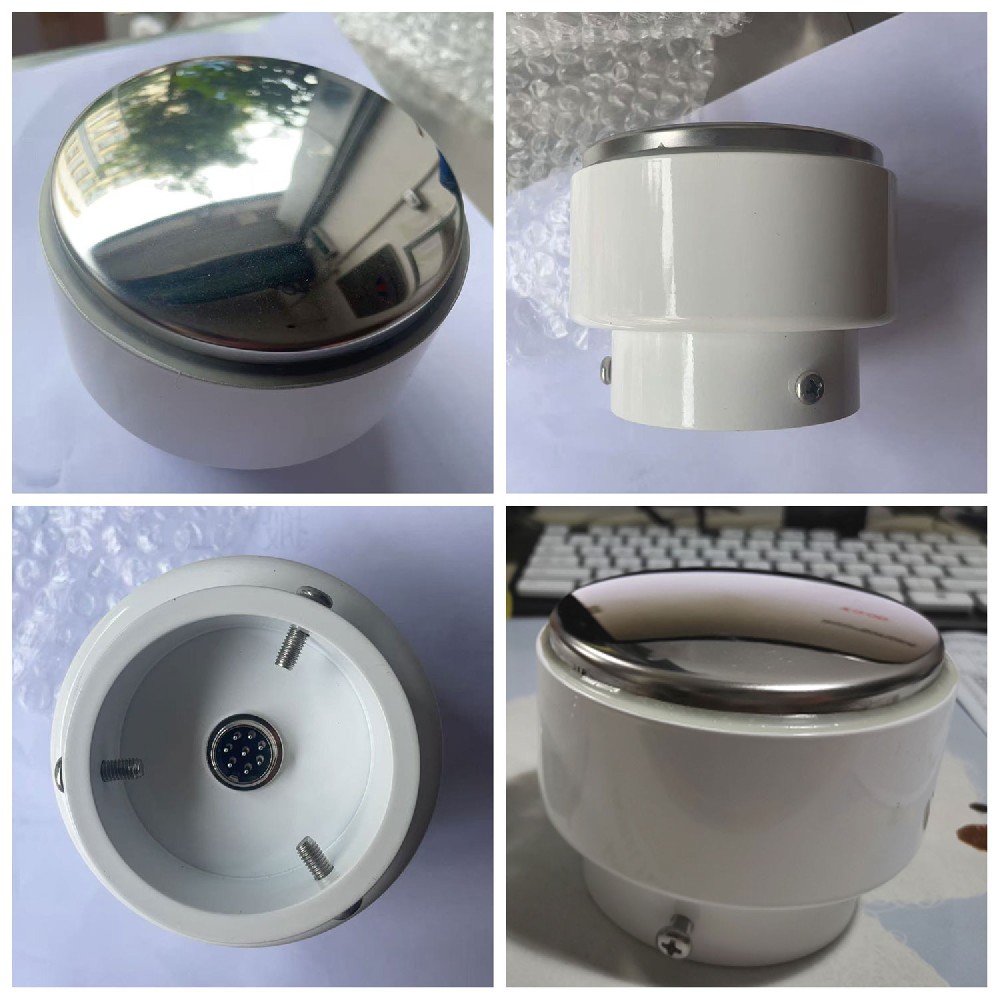
Selection is a critical step to ensure the performance of rainfall automatic monitoring systems. As an integrator, you need to evaluate based on project scale, environmental conditions, and accuracy requirements.
First, evaluate sensor type: For conventional water conservancy monitoring, choose tipping bucket sensors with 0.2 mm resolution, suitable for cost-sensitive projects; for high-precision needs such as scientific hydrological analysis, prioritize weighing type capable of measuring trace and solid precipitation; for real-time warning scenarios, select piezoelectric type with 1-minute refresh rate. Double tipping bucket stainless steel models are particularly suitable for easily clogged environments.
Second, consider transmission protocol: LoRaWAN for remote areas with low power and wide coverage; 4G for data-intensive projects requiring real-time performance. Storage capacity at least 16 GB, supporting local caching in case of network interruption.
Power configuration is crucial: Adjust solar panel tilt angle (±15°) according to local latitude, with battery backup ≥7 days. Protection rating IP65 is essential for mountainous or flood-prone areas.
Finally, compatibility check: Ensure interfaces support Modbus RTU and MQTT to match existing IoT platforms. Consider total cost of ownership, including operation, maintenance, and upgrades. NiuBoL supports OEM customization, with price gradients available for bulk purchases starting from 10 units.
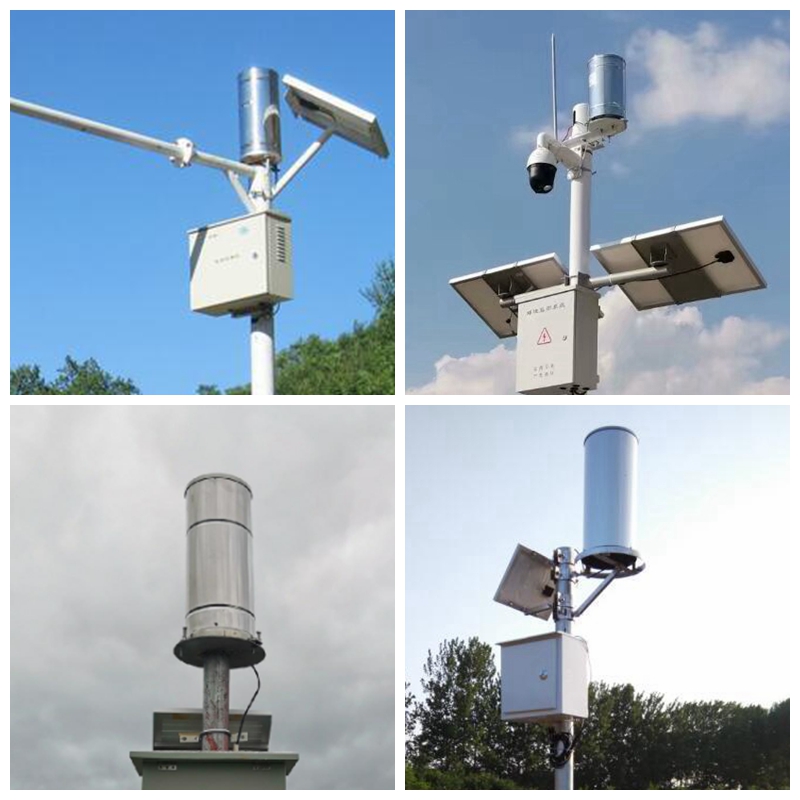
NiuBoL rainfall automatic monitoring systems have passed multiple compatibility verifications, supporting integration with mainstream IoT and industrial platforms, including Alibaba Cloud IoT, Huawei Cloud, ThingsBoard, and akenza. For example, in Alibaba Cloud IoT platform testing, the system achieved device online status and data push via MQTT protocol with latency<3 seconds. Similarly, when interfacing with domestic hydrological monitoring platforms, RS485 interfaces ensured seamless data format conversion.
A typical rainfall monitoring network architecture includes: sensor layer (tipping bucket or weighing rain gauge), acquisition layer (data collector with local storage and preliminary filtering), transmission layer (LoRaWAN gateway or 4G module, relay coverage 5–10 km), cloud layer (NiuBoL cloud platform for data aggregation and API exposure), and application layer (SCADA/DSS systems for decision-making).
When integrating rainfall automatic monitoring systems, pay attention to the following engineering practices to avoid common issues.
Site Selection Optimization: Choose open areas with slope ≤15°, away from buildings. Ensure 4G signal strength ≥-90 dBm; foundation uses 0.5 m × 0.5 m × 0.8 m concrete pour with reserved maintenance access.
Installation Specifications: Sensor level error ≤1°, funnel 1.2 m above ground. Solar panels face south, grounding resistance ≤4 Ω; install lightning rods in lightning-prone areas.
Data Integration: Use API keys for cloud access, ensure data encryption. Test breakpoint resume function to prevent data loss.
Operation & Maintenance Strategy: Establish three-level system—daily APP monitoring, monthly cleaning, annual calibration (using standard rain gauge generator). Automatically trigger re-verification when hourly rainfall ≥80 mm.
These considerations help integrators achieve zero-failure deployment and improve project reliability.
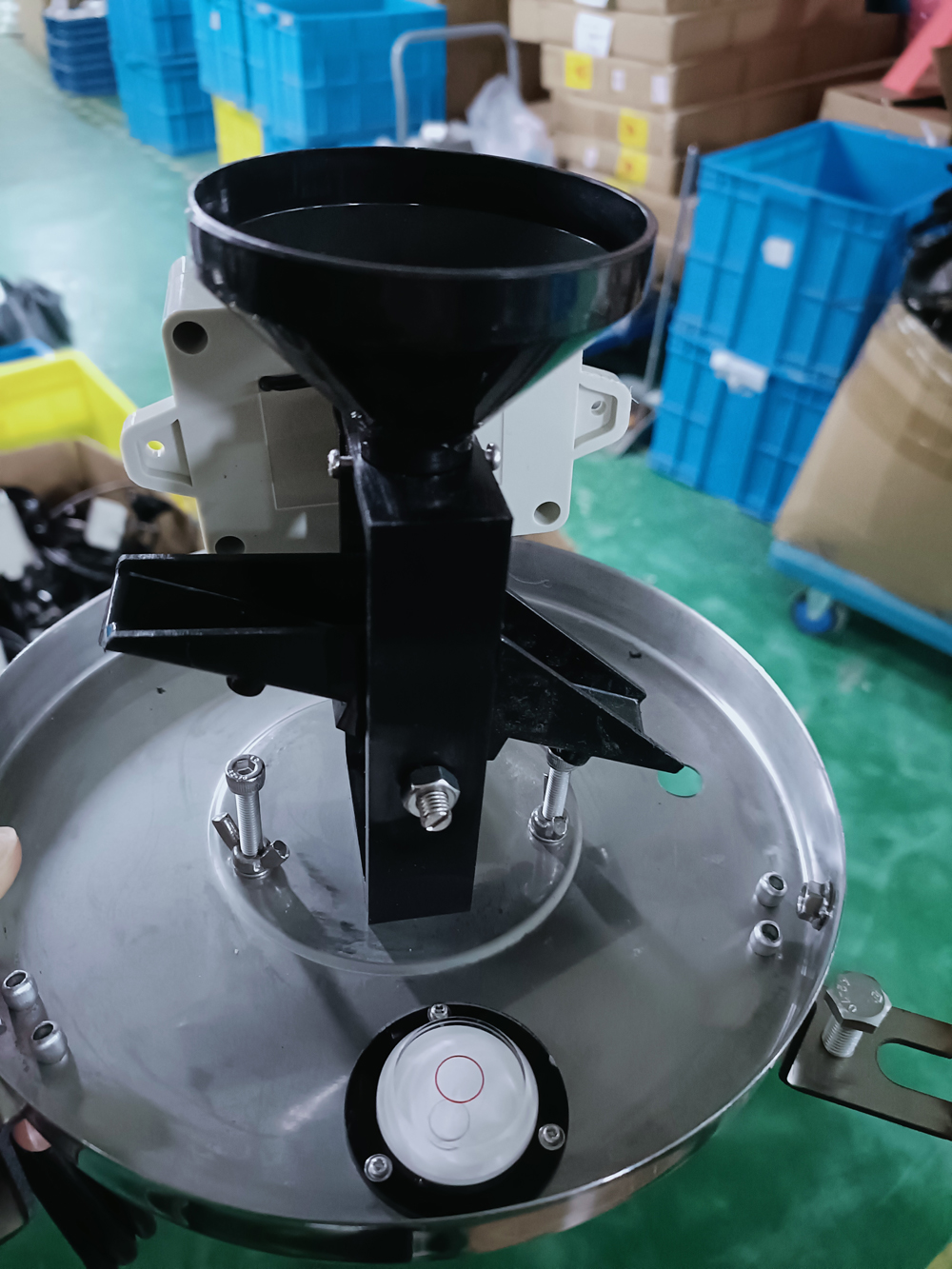
Looking ahead, rainfall automatic monitoring systems will incorporate edge AI and 5G technology for more intelligent forecasting. For example, integrated AI algorithms can predict flood peaks based on historical rainfall sequences, combined with 5G high bandwidth to support video surveillance linkage. This provides new opportunities for system integrators, such as developing customized warning modules.
1. How does the rainfall automatic monitoring system integrate with existing SCADA systems?
NiuBoL systems support Modbus RTU and MQTT protocols, directly accessing SCADA software such as WinCC or Ignition via API interfaces. Integrators can configure data mapping for real-time push and historical query of rainfall data.
2. How to ensure data transmission reliability in remote mountainous deployments?
Adopt LoRaWAN modules combined with solar power and local caching. Add repeaters in weak signal areas to ensure coverage radius ≥5 km with data loss rate<0.1%.
3. How is system accuracy calibrated?
Annual on-site calibration using standard rain gauge generator, controlling error within ±3%. Integrators can remotely monitor calibration status via cloud platform.
4. What environmental conditions does the system support?
Operating temperature -40°C to +80°C, IP65 protection, suitable for high-humidity, dusty, or extreme weather water conservancy projects.
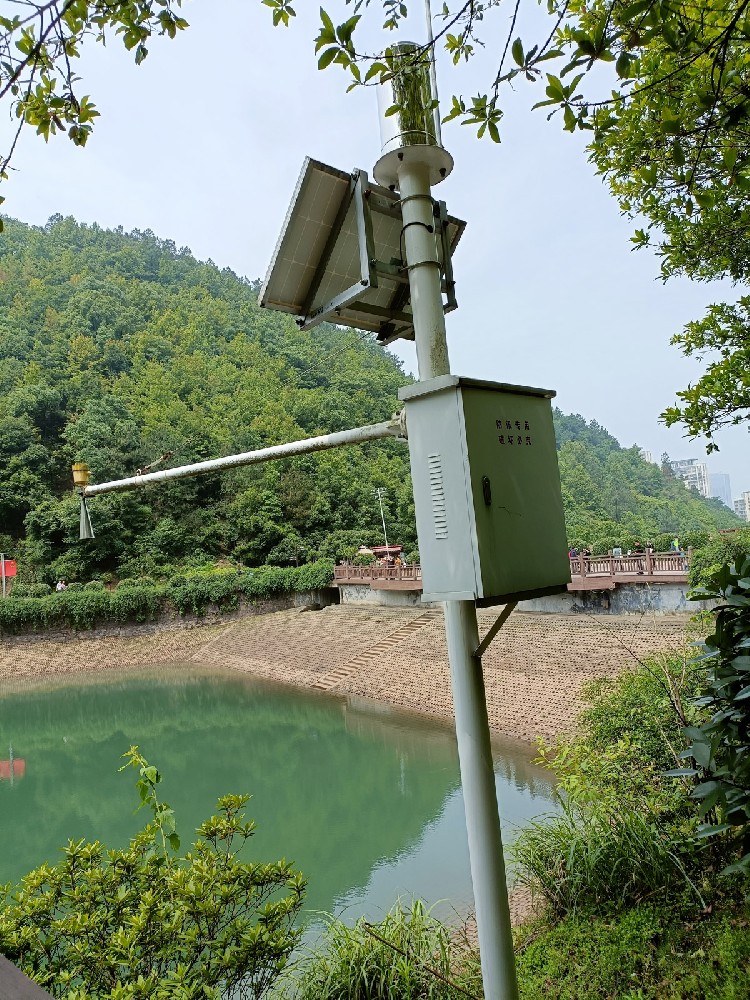
5. How to handle multi-site data fusion?
Cloud platform supports GIS integration, overlaying rainfall data from multiple stations onto spatial models for regional analysis and flood simulation.
6. How to evaluate integration costs?
Includes hardware, installation, and O&M expenses. Typical project single-site cost ≈5000–10000 CNY, ROI recovered in 1–2 years through water-saving benefits, with quantifiable savings up to 20–25%.
7. Does the system support custom warning thresholds?
Yes, configurable via cloud, such as 100 mm/3 h heavy rain threshold, triggering SMS or API alerts and linking with flood control systems.
8. Does NiuBoL rainfall sensor support solid precipitation (e.g., snow) measurement?
Standard tipping bucket unsuitable for solid; recommend optional weighing rain-snow sensor.
9. What about bulk procurement and custom development support?
Supports OEM/ODM, price gradients available starting from 10 units.
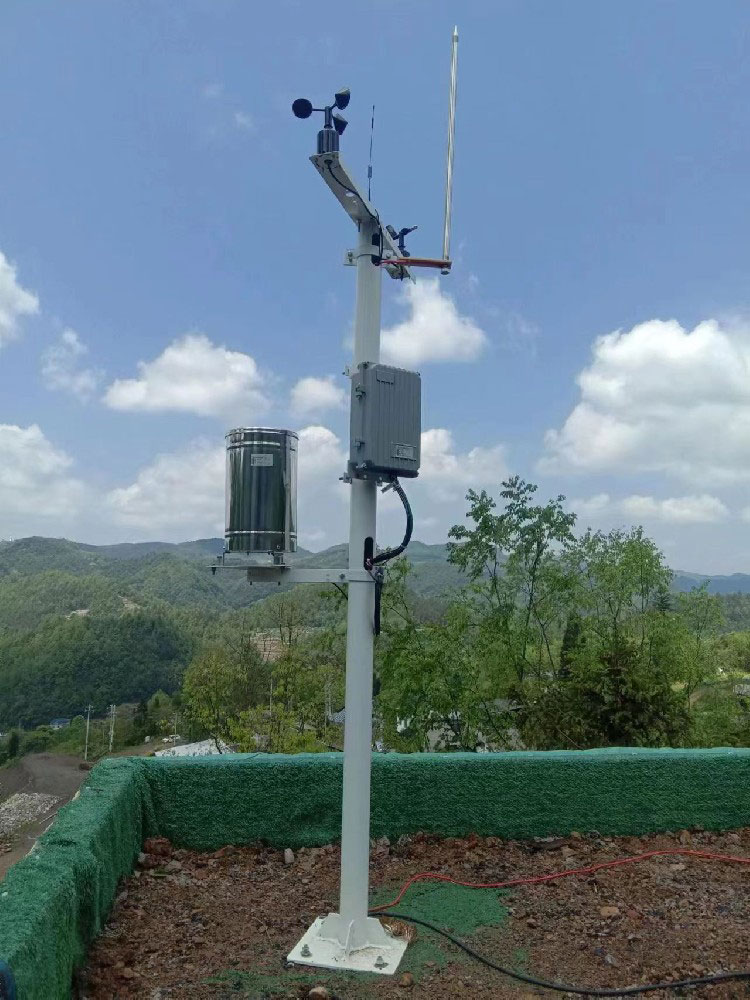
Rainfall automatic monitoring systems are indispensable tools in agriculture and water conservancy engineering. From real-time data acquisition to integrated decision support, they provide efficient solutions for system integrators and project contractors. NiuBoL products focus on compatibility and reliability to help you address complex project challenges and achieve sustainable water resource management. Through this article's exploration, you can see their practical value in application scenarios, selection, and integration. If you are planning your next IoT or water conservancy project, consider NiuBoL as a partner to turn data into action advantages. Welcome to contact NiuBoL for the latest product manuals, solution quotes, and on-site survey support. We look forward to collaborating with your integration projects to jointly promote the implementation of smart water conservancy and precision agriculture.
 NBL-W-ARS-Tipping-bucket-rain-gauge-instruction-manual.pdf
Next:All-in-One Weather Monitoring Station: Reliable Environmental Data Solution for System Integrators
Related recommendations
Sensors & Weather Stations Catalog
Agriculture Sensors and Weather Stations Catalog-NiuBoL.pdf
Weather Stations Catalog-NiuBoL.pdf
Agriculture Sensors Catalog-NiuBoL.pdf
Water Quality Sensor Catalog-NiuBoL.pdf
Related products
 Combined air temperature and relative humidity sensor
 TDR Soil Moisture & Temperature Sensor for irrigation| RS485 |4-20mA| NBL-S-THR
 Soil pH sensor RS485 soil Testing instrument soil ph meter for agriculture |NBL-S-PH
 Wind Speed sensor Output Modbus/RS485/Analog/0-5V/4-20mA
 Tipping bucket rain gauge for weather monitoring auto rainfall sensor RS485/Outdoor/stainless steel
 Pyranometer Solar Radiation Sensor 4-20mA/RS485

Screenshot, WhatsApp to identify the QR code
WhatsApp number:+8615367865107
(Click on WhatsApp to copy and add friends)

