





— Blogs —
—Products—
 Consumer hotline +8618073152920
 WhatsApp:+8615367865107
Address:Room 102, District D, Houhu Industrial Park, Yuelu District, Changsha City, Hunan Province, China
Product knowledge
Time:2026-08-14 09:09:00 Popularity:158
Z Wave Soil Moisture Sensor: Irrigation and Smart Agriculture Procurement Guide is written for project buyers who need a reliable monitoring point rather than a simple product name. The useful decision is whether the selected NiuBoL sensor or system can survive the site, connect to the controller and produce data that operators can trust after commissioning.
The keyword z wave soil moisture sensor often hides several different needs: spot checking, continuous monitoring, automation control, remote data upload or quotation comparison. This guide turns that search into engineering requirements so distributors, contractors, system integrators and purchasing teams can define a complete package before asking for price.
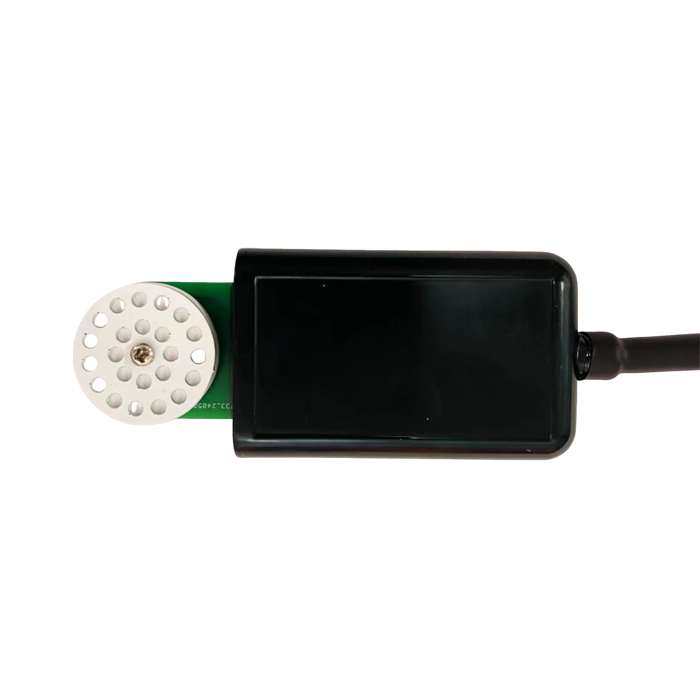
For z wave soil moisture sensor, the buyer should write the use case in one sentence before comparing suppliers. Example: whether the device is for alarm, dosing control, weather reference, irrigation scheduling or field warning. This one sentence changes the required range, output, accessories and acceptance test.
Buyers normally search z wave soil moisture sensor after seeing a field problem: unstable readings, manual sampling cost, unclear supplier quotes or an installation that cannot connect to the existing system. A good article should therefore help the buyer write a better specification.
For z wave soil moisture sensor, irrigation zone comparison should be written into the purchase file. The supplier can then quote the sensor body, output signal, cable, accessory package and commissioning support according to the real operating condition instead of a generic keyword.
A supplier comparison for z wave soil moisture sensor should separate the sensor, accessories, controller interface, mounting hardware, documentation and after-sales support. This prevents two very different packages from being compared as if they were the same item.
For z wave soil moisture sensor, fertigation and salinity control should be written into the purchase file. The supplier can then quote the sensor body, output signal, cable, accessory package and commissioning support according to the real operating condition instead of a generic keyword.
For z wave soil moisture sensor, RS485 Modbus RTU is useful when several soil points report to one irrigation controller or RTU. The buyer should confirm address planning, burial cable length and whether the controller stores trend data or only switches valves.
For Z Wave Soil Moisture Sensor, reliability depends on probe position as much as protocol. Mark buried points, protect cable exits and avoid spots where irrigation water collects unnaturally.
For Z Wave Soil Moisture Sensor, the useful reading is the root-zone condition, not a surface wetting event. The sensor helps the operator check whether irrigation water reaches the intended depth and whether the next cycle should be delayed.
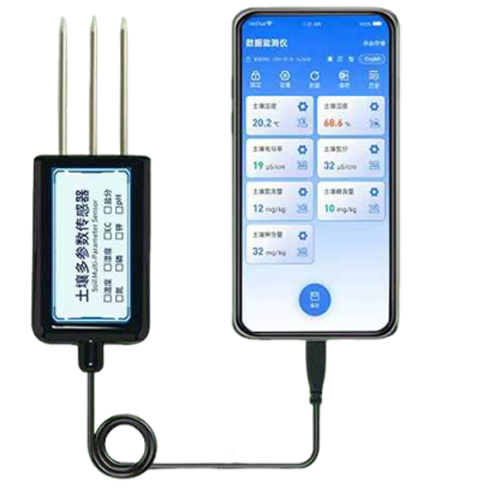
| Parameter | Typical project value | Procurement meaning |
|---|---|---|
| Measurement range | 0-100% VWC moisture, temperature by model | Covers greenhouse, field and irrigation control zones |
| Accuracy | Moisture typically +/-3% VWC, temperature typically +/-0.5 deg C | Supports irrigation threshold and zone comparison |
| Power supply | DC 12-24 V | Compatible with RTU and irrigation controller cabinets |
| Output | RS485 Modbus RTU or analog by model | Defines controller wiring and data logging method |
| Protection | IP68 buried probe body | Required for wet soil and fertigation areas |
| Cable | PVC or PUR shielded cable, customized length | Important for burial durability and noise resistance |
Field challenge: Beds dry unevenly because crop load and substrate depth vary.
Integration plan: Install soil sensors by representative irrigation zone and connect to controller or RTU.
User value: Watering decisions become based on root-zone data.
Field challenge: Long cables and machinery increase failure risk.
Integration plan: Use buried IP68 probes, shielded cables and marked installation positions.
User value: The project reduces water waste and makes maintenance easier.
Field challenge: The owner needs records, not only valve switching.
Integration plan: Log soil moisture with weather and irrigation events.
User value: The farm can explain results to customers and improve scheduling.
For Z Wave Soil Moisture Sensor, commissioning should record power voltage, output signal, live data, alarm threshold, cable labels and installation position. Keep the record with the project file for later maintenance.
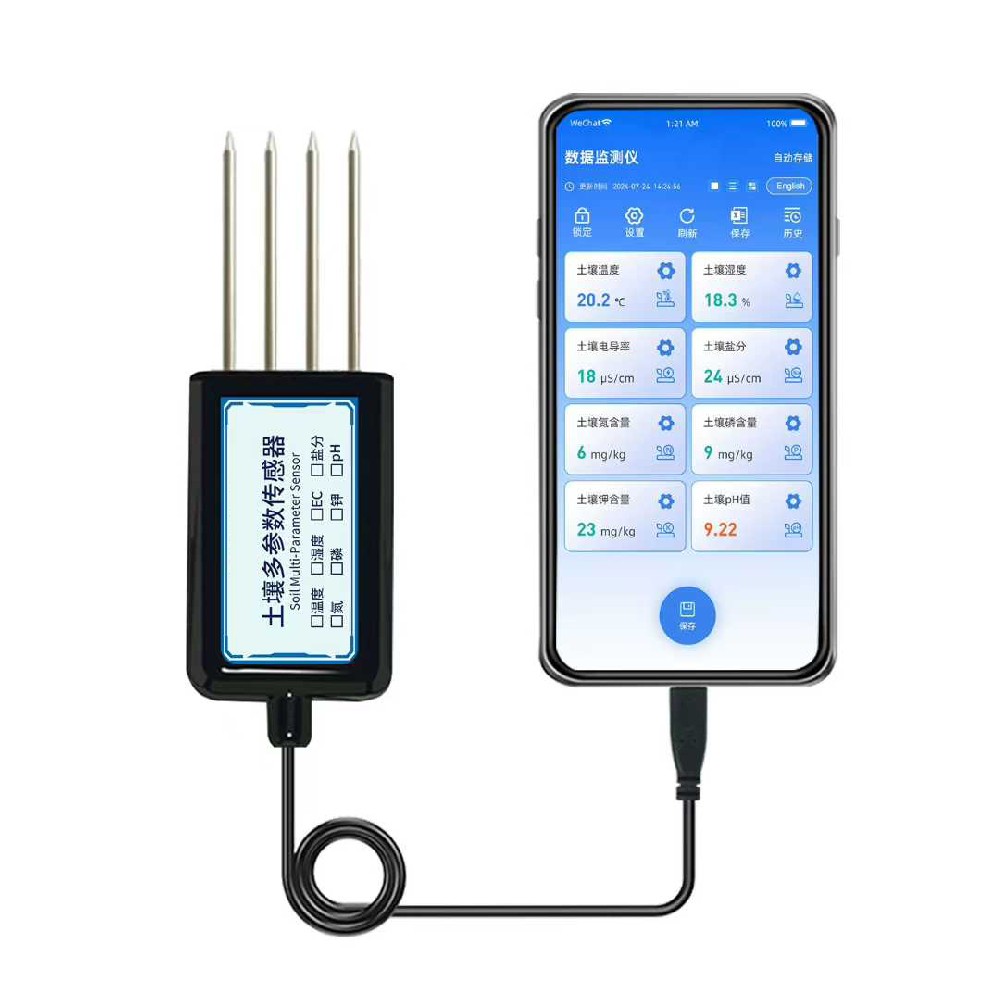
The practical acceptance test for z wave soil moisture sensor is not only powering on the device. The buyer should check a live reading, one communication record, one alarm condition and one maintenance action that site staff can repeat.
For long-term operation, z wave soil moisture sensor should be purchased with a spare-parts view. Cables, brackets, cleaning tools, calibration supplies or communication modules may be small line items, but they control downtime after installation.
If the project includes several monitoring points, create a small point list for z wave soil moisture sensor: ID, location, cable length, Modbus address, parameter unit and maintenance note. This list is useful for both commissioning and later expansion.
For z wave soil moisture sensor, the specification should name the operating decision first. If the data will drive an alarm, the alarm threshold and response owner matter more than a generic feature list. If the data is only for reports, stability and record format become the main concerns.
Before requesting a quotation for z wave soil moisture sensor, provide the application site, expected measuring range, installation method, power supply, required output, cable length, quantity, destination country, accessories and whether local display or remote platform upload is required.
A supplier comparison for z wave soil moisture sensor should separate the sensor, accessories, controller interface, mounting hardware, documentation and after-sales support. This prevents two very different packages from being compared as if they were the same item.
The practical acceptance test for z wave soil moisture sensor is not only powering on the device. The buyer should check a live reading, one communication record, one alarm condition and one maintenance action that site staff can repeat.
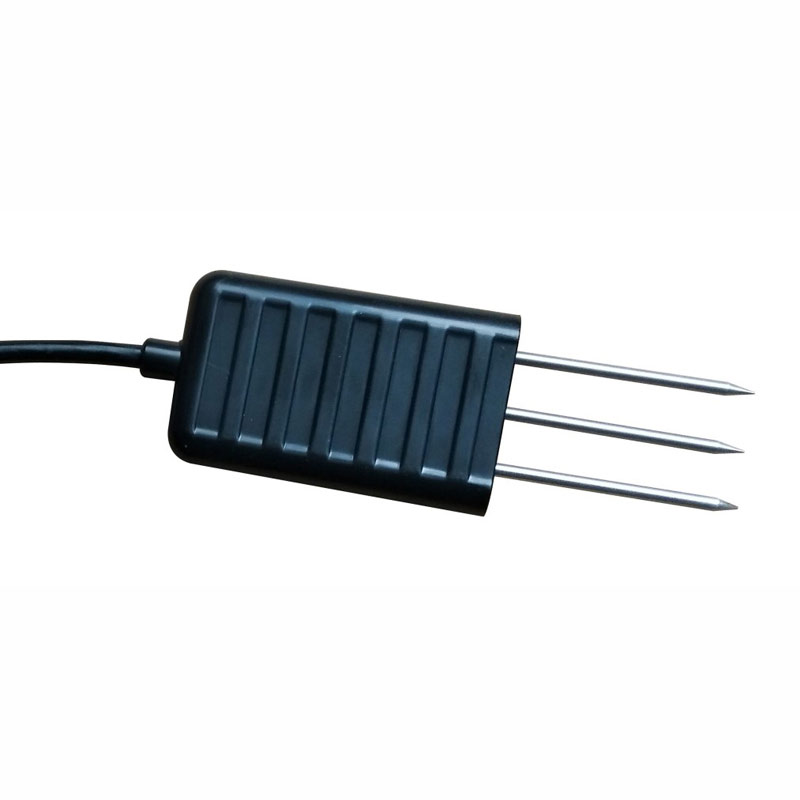
For long-term operation, z wave soil moisture sensor should be purchased with a spare-parts view. Cables, brackets, cleaning tools, calibration supplies or communication modules may be small line items, but they control downtime after installation.
Wireless soil monitoring projects should separate the field measurement requirement from the home-automation network requirement. Soil texture, burial depth, repeater distance and enclosure protection affect reliability more than the radio label alone.
For Z Wave Soil Moisture Sensor, the alarm rule should name the receiver, response time and irrigation action. A sensor value has limited value if nobody knows what to do after the threshold is crossed.
If the project includes several monitoring points, create a small point list for z wave soil moisture sensor: ID, location, cable length, Modbus address, parameter unit and maintenance note. This list is useful for both commissioning and later expansion.
For z wave soil moisture sensor, the specification should name the operating decision first. If the data will drive an alarm, the alarm threshold and response owner matter more than a generic feature list. If the data is only for reports, stability and record format become the main concerns.
A supplier comparison for z wave soil moisture sensor should separate the sensor, accessories, controller interface, mounting hardware, documentation and after-sales support. This prevents two very different packages from being compared as if they were the same item.
The practical acceptance test for z wave soil moisture sensor is not only powering on the device. The buyer should check a live reading, one communication record, one alarm condition and one maintenance action that site staff can repeat.
For long-term operation, z wave soil moisture sensor should be purchased with a spare-parts view. Cables, brackets, cleaning tools, calibration supplies or communication modules may be small line items, but they control downtime after installation.
For z wave soil moisture sensor, NiuBoL can help match the device body, accessories and data interface when the buyer provides site conditions. This reduces the risk of ordering a sensor that looks correct in a table but needs extra parts during installation.
For z wave soil moisture sensor, root-zone placement should be written into the purchase file. The supplier can then quote the sensor body, output signal, cable, accessory package and commissioning support according to the real operating condition instead of a generic keyword.
This article treats z wave soil moisture sensor mainly from the angle of seasonal spare probe planning. That matters because a buyer who is solving seasonal spare probe planning will ask different questions from a buyer comparing only catalog range or unit price.
For Z Wave Soil Moisture Sensor, the RFQ should make fertigation and salinity control visible before supplier comparison. If this point is missing, the quotation may look cheaper but still require extra accessories, rework or a second purchase during commissioning.
The acceptance check should include multi-depth moisture trend. This gives the project owner evidence that the delivered device works in the intended workflow, not only that the sensor can produce a number on a desk test.
Q1: What site information is needed for z wave soil moisture sensor?
A: Provide crop type, root depth, soil texture, irrigation method, number of zones, controller input, cable distance and whether EC or temperature is also required.
Q2: Where should z wave soil moisture sensor be installed?
A: Install it in the active root zone, away from local emitter saturation, compacted soil and machinery damage. One representative location is more useful than several poorly placed probes.
Q3: Can z wave soil moisture sensor connect to an Arduino-style controller?
A: It can if the controller uses a proper RS485 interface, stable DC power, grounding and correct Modbus polling. Prototype wiring should be upgraded before field use.
Q4: When is multi-depth soil monitoring needed? A: Use multiple depths when wireless nodes are installed in beds or plots with uneven infiltration. One shallow probe may report wet soil while lower roots remain dry.
Q5: What documents help project acceptance for z wave soil moisture sensor?
A: Useful documents include wiring definition, register map or signal output, installation photos, calibration or comparison record, alarm setting and maintenance instruction.
Q6: When should z wave soil moisture sensor be bought as a complete package?
A: Choose a package when the site also needs enclosure, data logger, gateway, solar power, mounting accessories or several parameters in one monitoring point.
Q7: What is the common procurement mistake for z wave soil moisture sensor?
A: The common mistake is asking only for price before defining site conditions. Range, installation and data output usually decide whether the device is useful.
Q8: What should be sent to NiuBoL for z wave soil moisture sensor model matching?
A: Send application, measuring range, site medium or field condition, required output, cable length, quantity, destination country and project schedule.

Z Wave Soil Moisture Sensor: Irrigation and Smart Agriculture Procurement Guide should help buyers turn a search term into a project-ready specification. The important decisions are range, output, installation, power, data workflow, maintenance and acceptance. NiuBoL can match the sensor or monitoring package when those site details are provided.
For z wave soil moisture sensor, seasonal spare probe planning should be written into the purchase file. The supplier can then quote the sensor body, output signal, cable, accessory package and commissioning support according to the real operating condition instead of a generic keyword.
Prev:Rain Gauge Price: Price Factors, Specification Checklist and RFQ Guide
Next:Ambient Air Temperature Sensor: Project Selection Guide for Weather and Environmental Monitoring
Related recommendations
Sensors & Weather Stations Catalog
 Agriculture Sensors and Weather Stations Catalog-NiuBoL.pdf
Weather Stations Catalog-NiuBoL.pdf
Agriculture Sensors Catalog-NiuBoL.pdf
Water Quality Sensor Catalog-NiuBoL.pdf
Related products
 Combined air temperature and relative humidity sensor TDR Soil Moisture & Temperature Sensor for irrigation| RS485 |4-20mA| NBL-S-THR
 Soil pH sensor RS485 soil Testing instrument soil ph meter for agriculture |NBL-S-PH
 Wind Speed sensor Output Modbus/RS485/Analog/0-5V/4-20mA
 Tipping bucket rain gauge for weather monitoring auto rainfall sensor RS485/Outdoor/stainless steel
 Pyranometer Solar Radiation Sensor 4-20mA/RS485

Screenshot, WhatsApp to identify the QR code
WhatsApp number:+8615367865107
(Click on WhatsApp to copy and add friends)

