

— Blogs —
—Products—
 Consumer hotline +8618073152920
WhatsApp:+8615367865107
Address:Room 102, District D, Houhu Industrial Park, Yuelu District, Changsha City, Hunan Province, China
Product knowledge
Time:2026-01-17 10:55:40 Popularity:699
Wireless level meter battery life depends on what the terminal does between service visits. Measuring level, storing records, searching for a network and uploading data consume different amounts of energy. For a NiuBoL remote tank or well project, define the sampling and reporting service first, then evaluate the battery and outage behaviour for that configuration. A general low-power claim cannot establish several years of operation or guarantee recovery of every missing record.

The sampling interval determines when the level is observed. The storage interval determines which observations are retained locally. The upload interval determines when data becomes available remotely. These can differ only where the ordered device supports that arrangement. A terminal uploading hourly may store minute-by-minute measurements, or it may observe level only at the upload time; the two datasets answer different questions.
Specify the fastest event that matters. A slowly changing inventory tank may tolerate a long reporting interval, while a small sump can rise materially between reports. Increasing upload frequency is not the only possible response: a supported local event trigger may transmit early. Its sensing, persistence and radio behaviour need to be tested, not assumed from a cloud alarm menu.
Define what happens after a configuration change. If the operator shortens reporting from hourly to every five minutes, the battery estimate must be reviewed. Preserve the previous and new settings with their effective times. Otherwise a reduced service interval may be mistaken for a defective battery when the operating duty has changed.
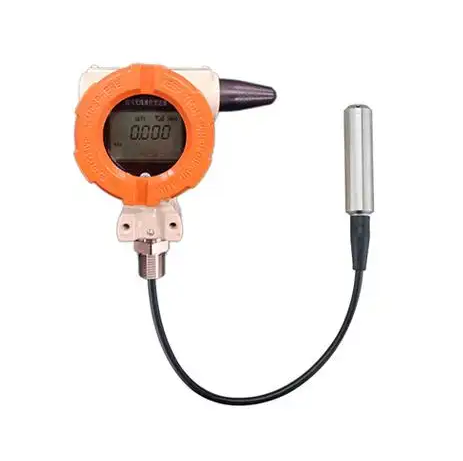
| Operating state | Input needed | Reason it matters |
|---|---|---|
| Sleep or standby | Measured current at the selected supply voltage and enabled features. | Small continuous demand accumulates over a long deployment. |
| Sensor acquisition | Wake, stabilization and measurement duration. | A short display update does not prove the sensor can be powered only briefly. |
| Network connection and upload | Energy per successful connection, active time and typical payload. | Shorter reporting intervals increase the number of events. |
| Failed connection | Search time, retry limits and backoff behaviour. | Poor coverage can increase consumption while delivering no new records. |
| Recovery and service | Replay traffic, configuration access and local display use. | Recovery from an outage is part of the workload, not free activity. |
Use the supplied battery chemistry, voltage, usable capacity and temperature limits. A nameplate amp-hour value needs voltage and service conditions before it becomes an energy estimate. Ageing, self-discharge and peak-current delivery can further constrain the practical replacement interval. Do not transfer a battery estimate from a different modem, probe or network schedule.
As an illustrative event calculation, assume a terminal uses 4 joules for one successful upload. Reporting every hour requires 24 uploads, or 96 J/day, approximately 0.027 Wh/day. Every five minutes requires 288 uploads, or 1,152 J/day, approximately 0.32 Wh/day. The 4 J assumption is not a NiuBoL specification, and these figures exclude sleep, sensing, retries and other loads.
Measure consumption using the proposed operator and the final installation conditions where practical. A modem tested beside a strong signal can behave differently inside a below-ground enclosure. Record failed attempts and reconnection time alongside successful uploads. An apparently long battery life obtained by rarely delivering data is not evidence that the required monitoring service has been achieved.
For an NB-IoT option, power-saving behaviour also depends on supported terminal and network features. Sleeping devices need not be immediately reachable for backend commands. Agree how configuration updates are queued and when they take effect. Do not promise that an operator can change thresholds instantly at any time while simultaneously assuming the radio is unavailable for most of the day to save energy.
If a service requirement includes rapid high-level warning during loss of normal backhaul, state how that warning is produced and delivered. A local alarm or control path needs suitable hardware and a tested procedure. Reducing radio availability or delaying retries can be a reasonable energy decision, but its effect on operational response must remain visible.
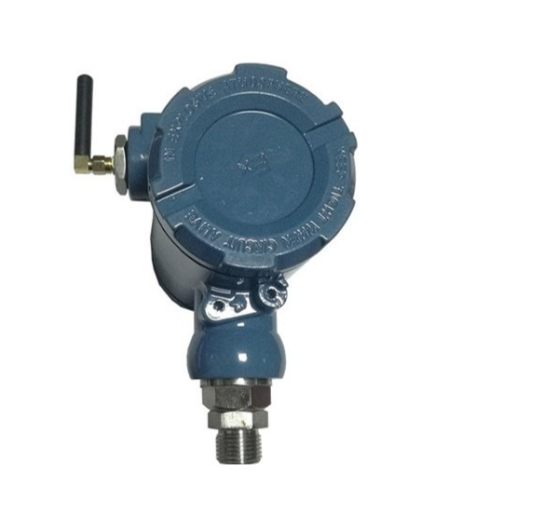
Ask what one stored record contains: one channel, several measurements, a timestamp, device status or a complete event. A record count without that definition cannot establish retention time. Also determine whether normal reporting deletes records, whether alarm events have priority and what happens when storage fills.
For illustration, a buffer of 10,000 complete records holds about 6.9 days at one record per minute, or about 104 days at one record every fifteen minutes. This is arithmetic for a hypothetical buffer, not a declaration of the device's capacity. Required retention must also allow for maintenance periods and the time needed to recover a backlog.
Keep the measurement timestamp separate from server arrival time. If an hour of records is uploaded after reconnection, they should not all appear as water levels measured at the moment of recovery. Confirm clock retention after low battery or replacement and how the platform handles duplicated records. An unqualified no-data-loss claim is not an adequate specification.
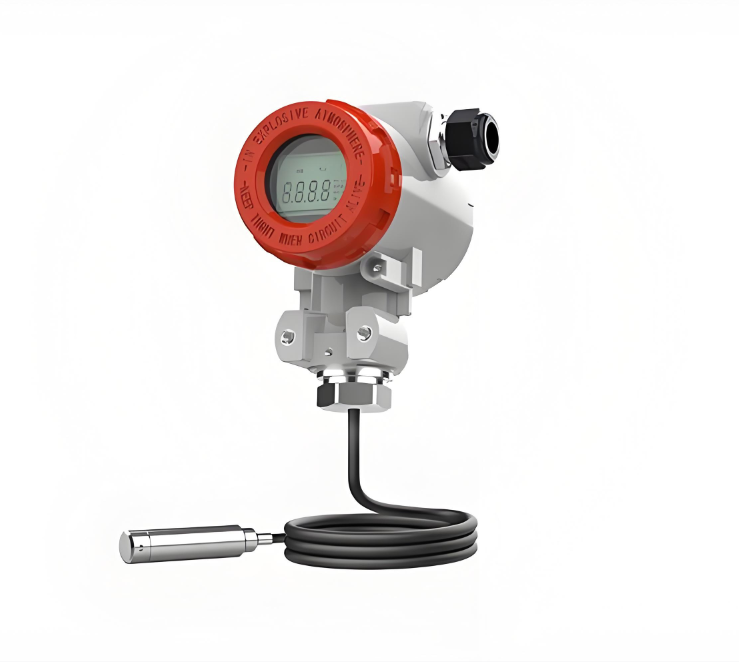
During a controlled radio outage, verify that local acquisition continues if required by the order. Restore service and compare the recovered sequence with local records. Check whether live data takes priority over the historical backlog and whether a long replay prevents new alarms from being delivered. Record any missing or rejected intervals rather than filling them silently with zero level.
A depleted battery is different: an unpowered device may take no measurements at all. Storage cannot recover observations that were never made. Confirm the low-battery indication, shutdown behaviour and restart process using the supplied equipment. Battery replacement should retain or restore the correct identity, clock, span and reporting schedule through the supported procedure.
Do not assume the enclosure can be opened anywhere or that any similarly sized battery is an acceptable replacement. Confirm the approved pack, connector, polarity and sealing procedure. Where a hazardous-location approval is required, the entire assembly and servicing method must suit the installation; a general product photograph does not establish that scope.
A self-contained battery terminal can reduce dependence on external power, but servicing many dispersed points still requires access planning. Identify who can reach each station, how low battery is escalated and how spares are managed. A nominal multiyear estimate is of limited use if the replacement process is unknown or the data plan expires first.
Where mains or solar power is practical, a separate sensor and logger may support a different reporting service. The NiuBoL NBL-L-SMP4601 is a wired 4-20 mA split-type option, not evidence of built-in cellular storage. Match its receiver and power arrangement separately if it forms part of a remote station.
For wireless alternatives within a NiuBoL level monitoring project, obtain the exact terminal schedule rather than copying the wired probe's supply, housing or output specifications. Compare the required observation frequency, network service, battery visits and recoverable history as a complete operating arrangement.
For a quotation, provide the site count, access interval, required sample and upload rates, alarm latency, no-network retention and available power. Include measured coverage and environmental conditions. Request an estimate stating successful and failed-connection assumptions, battery usable capacity, replacement procedure and the actual retention/replay test to be delivered.
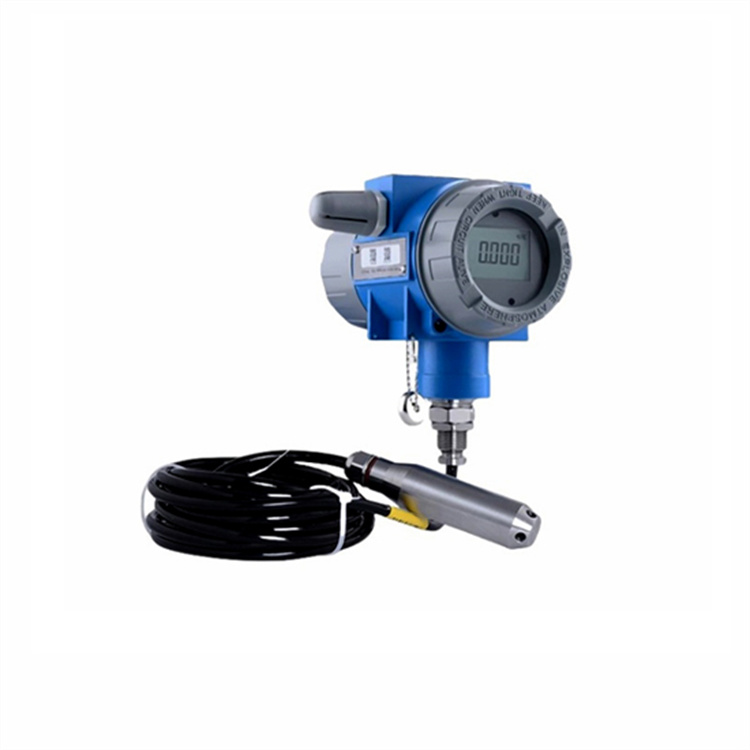
Not necessarily. The device may sample and retain more frequently, but only if the ordered configuration supports it. Specify all three intervals: sampling, storage and upload.
Yes, depending on connection energy and other loads. Recalculate the duty cycle and test the actual terminal rather than assuming the original estimate still applies after a reporting change.
No. Retention is finite and measurements may stop when power fails. Verify buffer capacity, overwrite rules, timestamp preservation and recovery; identify intervals where no observation was made.
It is one indicator, not the whole plan. Consider chemistry, load, temperature, ageing, peak demand and the manufacturer's replacement guidance, then use field history to refine service intervals.
Do not assume immediate reachability. Confirm the supported wake and communication behaviour and demonstrate how pending commands are delivered and acknowledged.
A complete, correctly timed sequence within the specified buffer period, without duplicate insertion or loss of current alarms. Test network interruption and battery shutdown separately because their consequences differ.
Wireless level meter battery life should be evaluated against a defined observation and reporting service. State the NiuBoL terminal, battery, radio schedule and retention behaviour, then verify both energy use and data recovery under the intended conditions. Keep absent measurements distinct from delayed uploads so a long operating interval does not come at the cost of an unusable record.
Prev:Wireless Level Meter Selection: Coverage and Platform Acceptance
Next:Wireless Level Transmitter Commissioning: Probe to Server Checks
Related recommendations
Sensors & Weather Stations Catalog
 Agriculture Sensors and Weather Stations Catalog-NiuBoL.pdf
Weather Stations Catalog-NiuBoL.pdf
Agriculture Sensors Catalog-NiuBoL.pdf
Water Quality Sensor Catalog-NiuBoL.pdf
Related products
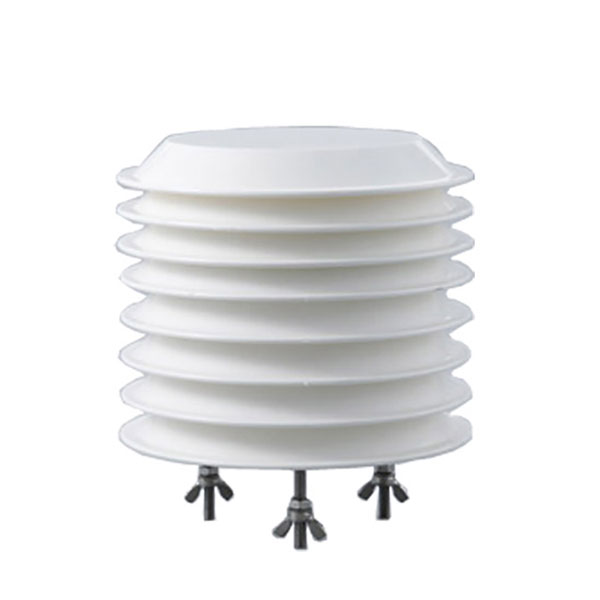 Combined air temperature and relative humidity sensor
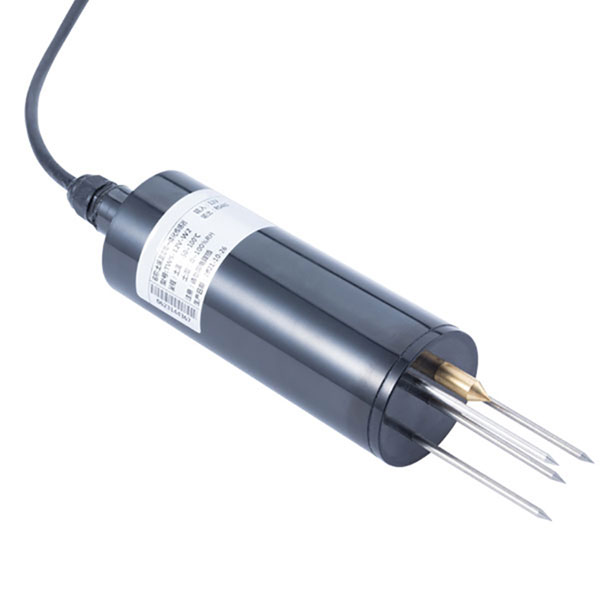 TDR Soil Moisture & Temperature Sensor for irrigation| RS485 |4-20mA| NBL-S-THR
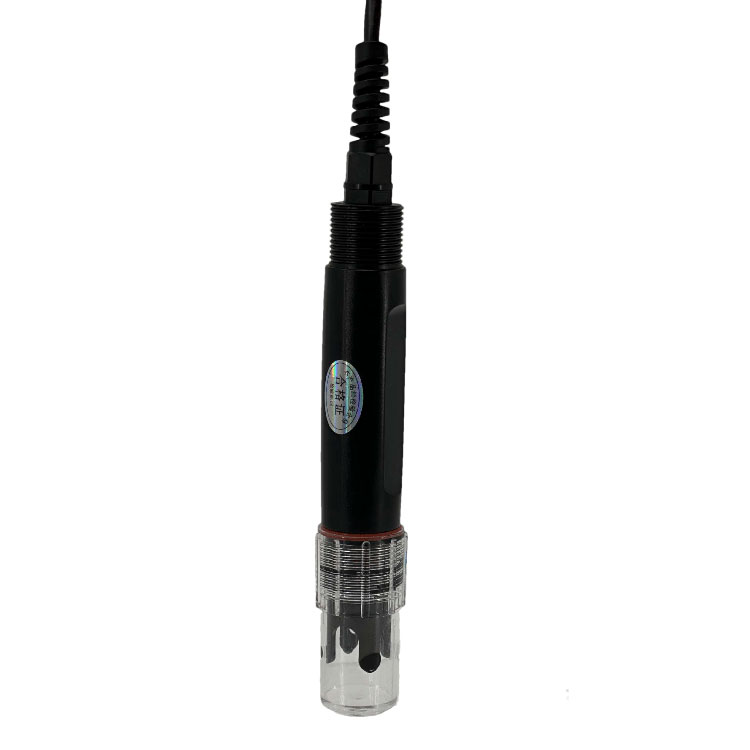 Soil pH sensor RS485 soil Testing instrument soil ph meter for agriculture |NBL-S-PH
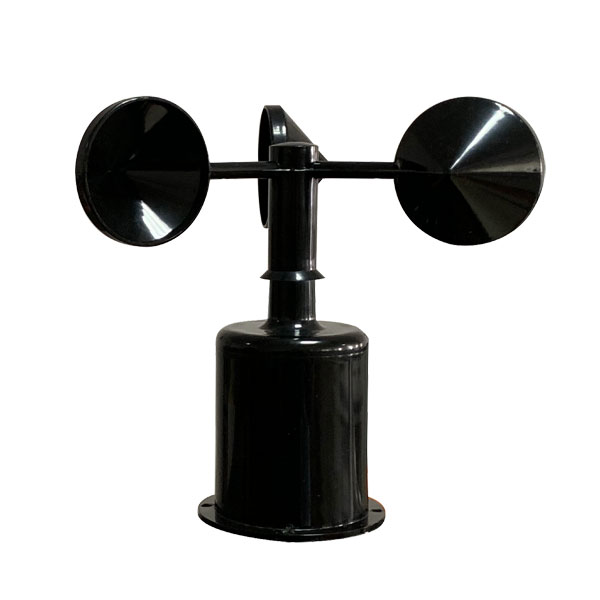 Wind Speed sensor Output Modbus/RS485/Analog/0-5V/4-20mA
 Tipping bucket rain gauge for weather monitoring auto rainfall sensor RS485/Outdoor/stainless steel
 Pyranometer Solar Radiation Sensor 4-20mA/RS485


Screenshot, WhatsApp to identify the QR code
WhatsApp number:+8615367865107
(Click on WhatsApp to copy and add friends)