





— Blogs —
—Products—
 Consumer hotline +8618073152920
 WhatsApp:+8615367865107
Address:Room 102, District D, Houhu Industrial Park, Yuelu District, Changsha City, Hunan Province, China
Product knowledge
Time:2025-11-08 11:33:30 Popularity:1051
In a tropical plantation in Southeast Asia, the Niubol Smart Weather Station automatically uploads temperature, humidity, wind speed, and rainfall data daily, helping farmers plan irrigation schedules accurately, achieving over 20% annual water savings.
In a photovoltaic power plant in the Middle East, the weather monitoring system tracks solar radiation and wind speed in real time, helping project managers predict power generation and protect equipment safety.
In agriculture and energy sectors, weather information is no longer just a "weather forecast," but a core basis for production decisions. The Niubol Smart IoT Weather Station bridges environmental data with smart management, providing crucial insights.
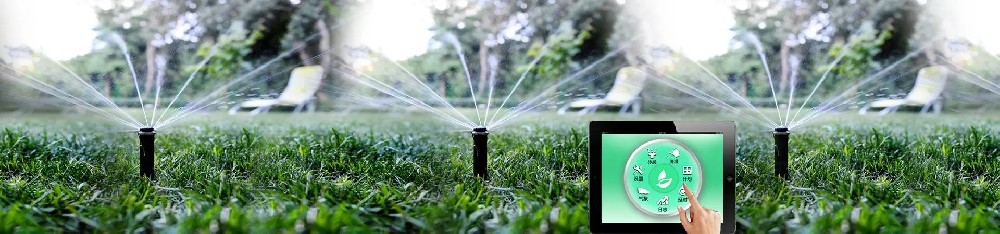
A Smart IoT Weather Station (IoT Weather Station) is an integrated monitoring system that combines weather sensors, data communication, and cloud platforms.
It can monitor temperature, humidity, wind speed, wind direction, air pressure, rainfall, solar radiation, UV levels, and more in real-time, transmitting data to the cloud through wireless networks (LoRa, 4G, NB-IoT, etc.).
Users can log in to the platform on their phone or computer to view real-time data, historical trends, receive alerts, and manage remotely.
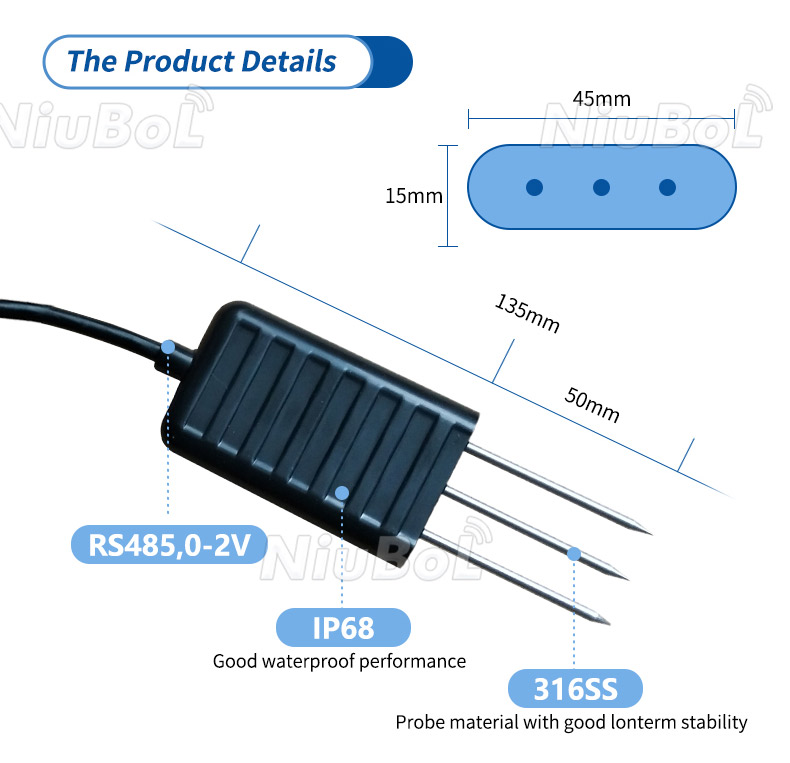
Niubol Smart Weather Stations are designed with a modular approach, flexible for different project environments:
- Weather Sensors: Measure temperature, humidity, wind speed/direction, rainfall, solar radiation, and air pressure.
- Data Collection Module: Responsible for signal collection and data integration.
- Communication System: Supports RS485, LoRa, 4G, Wi-Fi, and more.
- Power System: Solar panel + battery design, suitable for long-term outdoor operation.
- Cloud Platform: Provides data visualization, trend analysis, weather alerts, and remote control management.
This architecture allows the weather station to operate autonomously in an unmanned environment, offering stable and reliable data support.
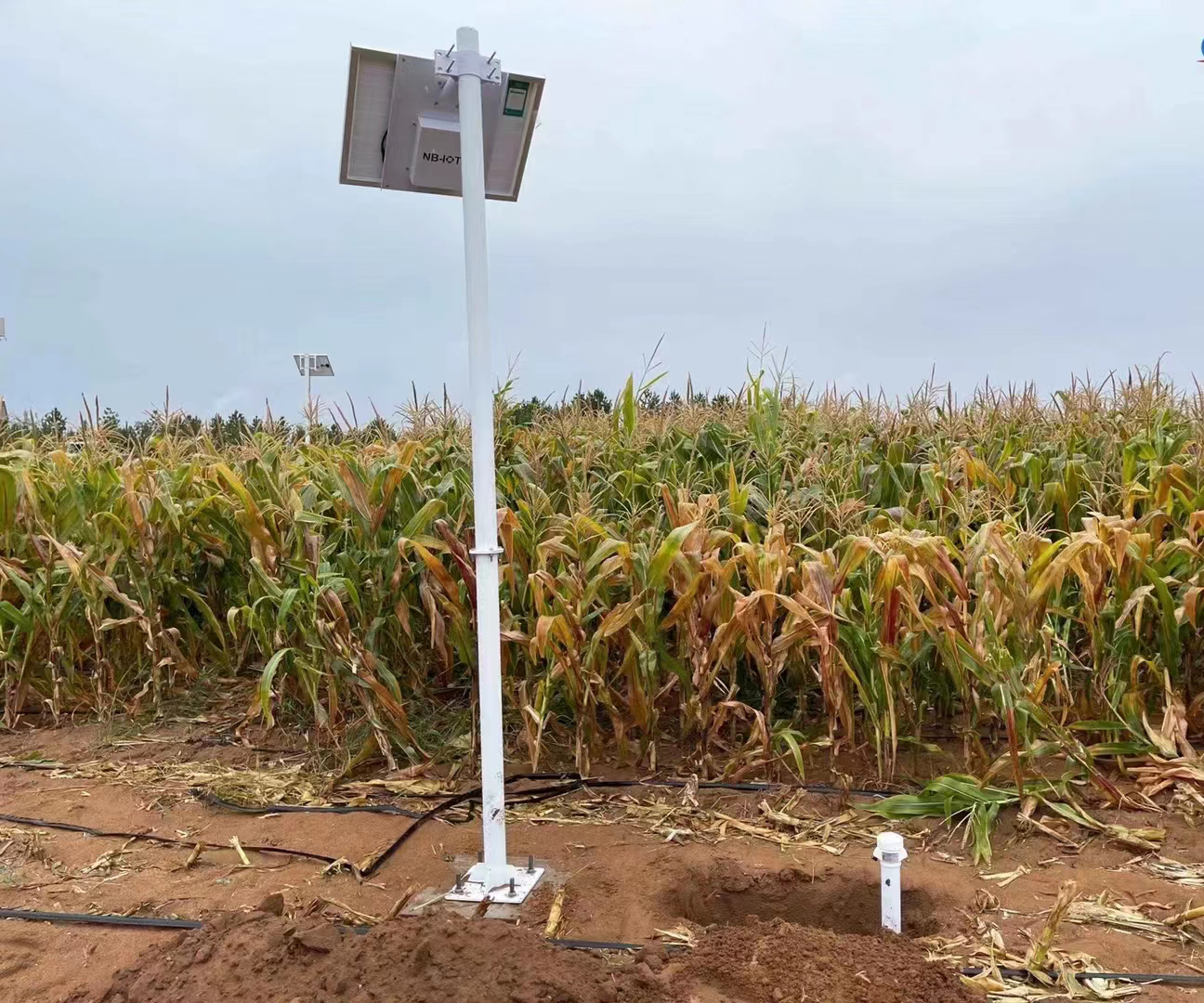
Agriculture is the industry most dependent on weather. With a smart weather station, farmers can monitor climate and soil changes in real-time, enabling precise irrigation, fertilization, and pest control.
When the weather station detects impending drought or heavy rainfall, the system can send alerts, allowing farmers to adjust their plans and minimize losses.
Based on weather and soil data, an intelligent irrigation system can automatically control valve switches, saving 15–40% of water while keeping crops in optimal growth conditions.
Smart weather data helps farmers determine planting dates, fertilization timings, and harvest schedules.
By continuously monitoring light, humidity, and temperature fluctuations, crop growth patterns become more predictable, increasing overall yield by 10–25%.
The smart weather station can predict frost, heavy rain, strong winds, hail, and other extreme weather events. The system automatically generates alerts and sends them via SMS or an app, helping farmers take preventive measures to reduce risks from natural disasters.
The power generation capacity of solar power plants heavily depends on weather conditions. Niubol Smart Weather Stations monitor solar radiation, wind speed, temperature, and humidity in real-time, providing accurate input to energy management systems.
With this data, project managers can assess solar panel performance, predict power generation trends, and optimize maintenance schedules.
For example, when high temperatures or strong winds are detected, the system can automatically adjust operating modes to prevent overloading or damage to components.
Accurate weather data not only optimizes real-time power generation but also enhances energy forecasting models, helping projects achieve more stable grid output.
Additionally, through the remote monitoring platform, maintenance personnel can monitor the operation status of each site at any time, reducing inspection costs.
Smart weather stations are especially crucial in desert, snow, or storm-prone regions. Real-time monitoring of wind speed and precipitation can trigger protective measures, preventing equipment damage and extending system lifespan.
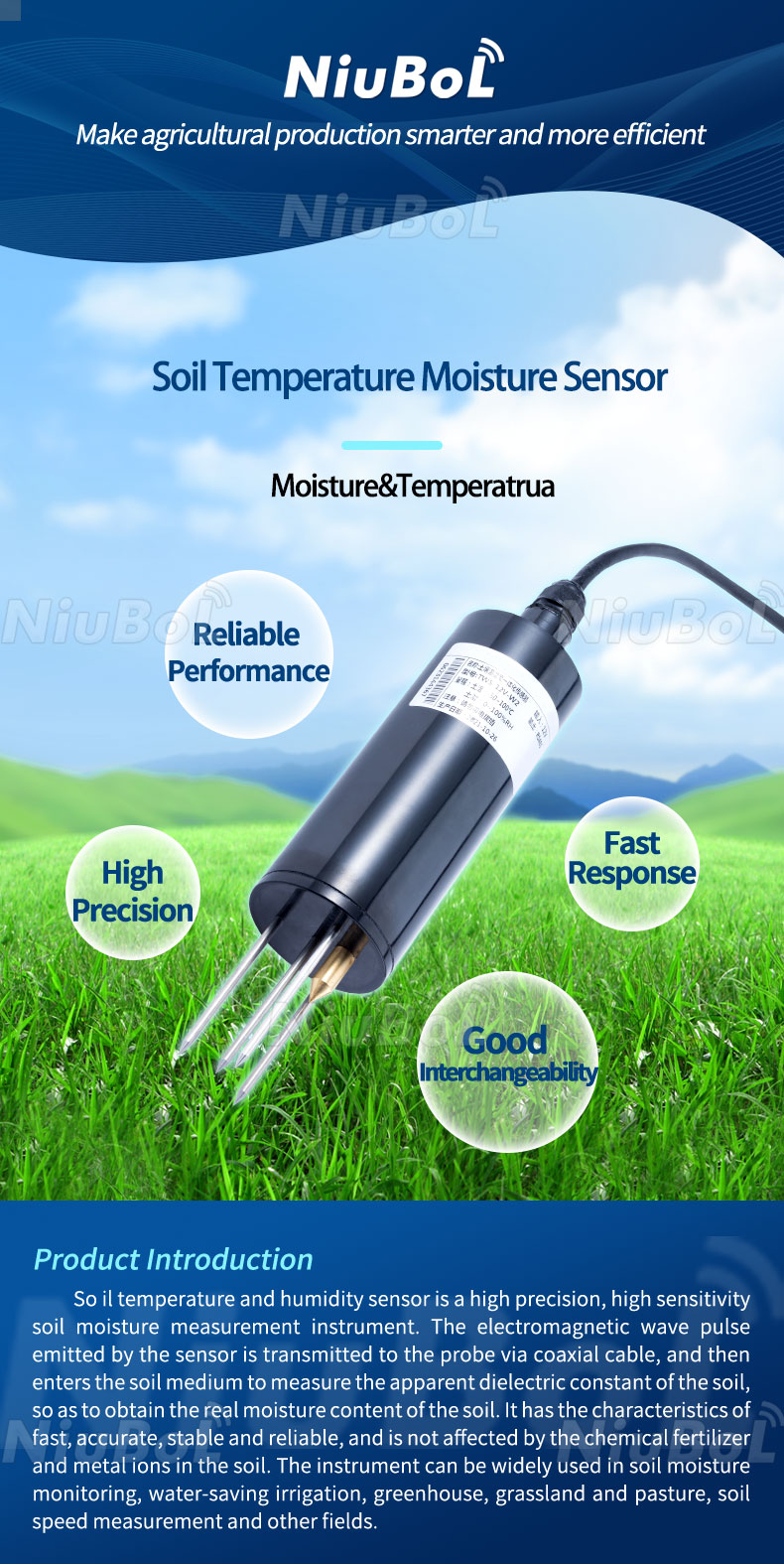
Niubol has over ten years of experience in developing meteorological and environmental monitoring equipment, with products exported to over 60 countries in Asia, Africa, Europe, and the Middle East.
- Smart Agriculture and Precision Irrigation
- Photovoltaic and Wind Energy Environmental Monitoring
- Research and Academic Projects
- Government Meteorological and Hydrological Monitoring Projects
Each device is rigorously calibrated to ensure long-term stability and high-precision operation. Niubol provides full-process support, including solution design, equipment supply, installation, debugging, and cloud data services.
- Africa Agricultural Research Station: Deploying Niubol weather and soil monitoring systems to create localized climate models and guide efficient irrigation strategies.
- Middle East Photovoltaic Power Plant: Real-time monitoring of solar radiation and wind speed for remote maintenance and fault alerts, improving power generation efficiency by 12%.
- Southeast Asia Thailand Plantation: Integrating with intelligent irrigation systems to automatically adjust irrigation frequency.
These projects demonstrate Niubol's professional adaptability in diverse climates and geographical environments.
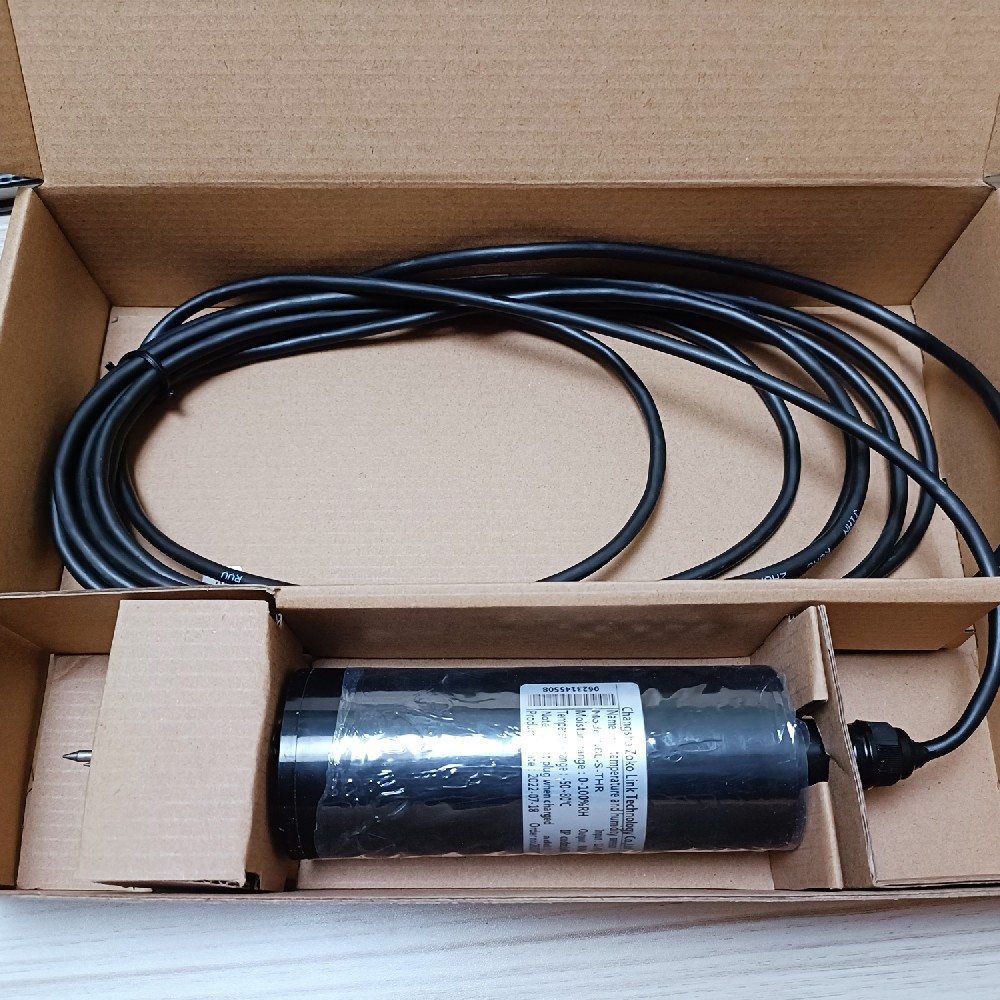
- Real-time Data Collection: 24/7 monitoring with cloud updates, ensuring accurate and traceable data.
- Automation Control: Can be integrated with irrigation, energy, or alarm systems for automated management.
- Multiple Communication Methods: LoRa, 4G, 5G, Wi-Fi, flexible to suit global network environments.
- High Reliability: Industrial-grade design, waterproof, dustproof, and anti-interference, suitable for harsh environments.
- One-stop Support: Installation guidance, remote debugging, data platform integration, and maintenance services. 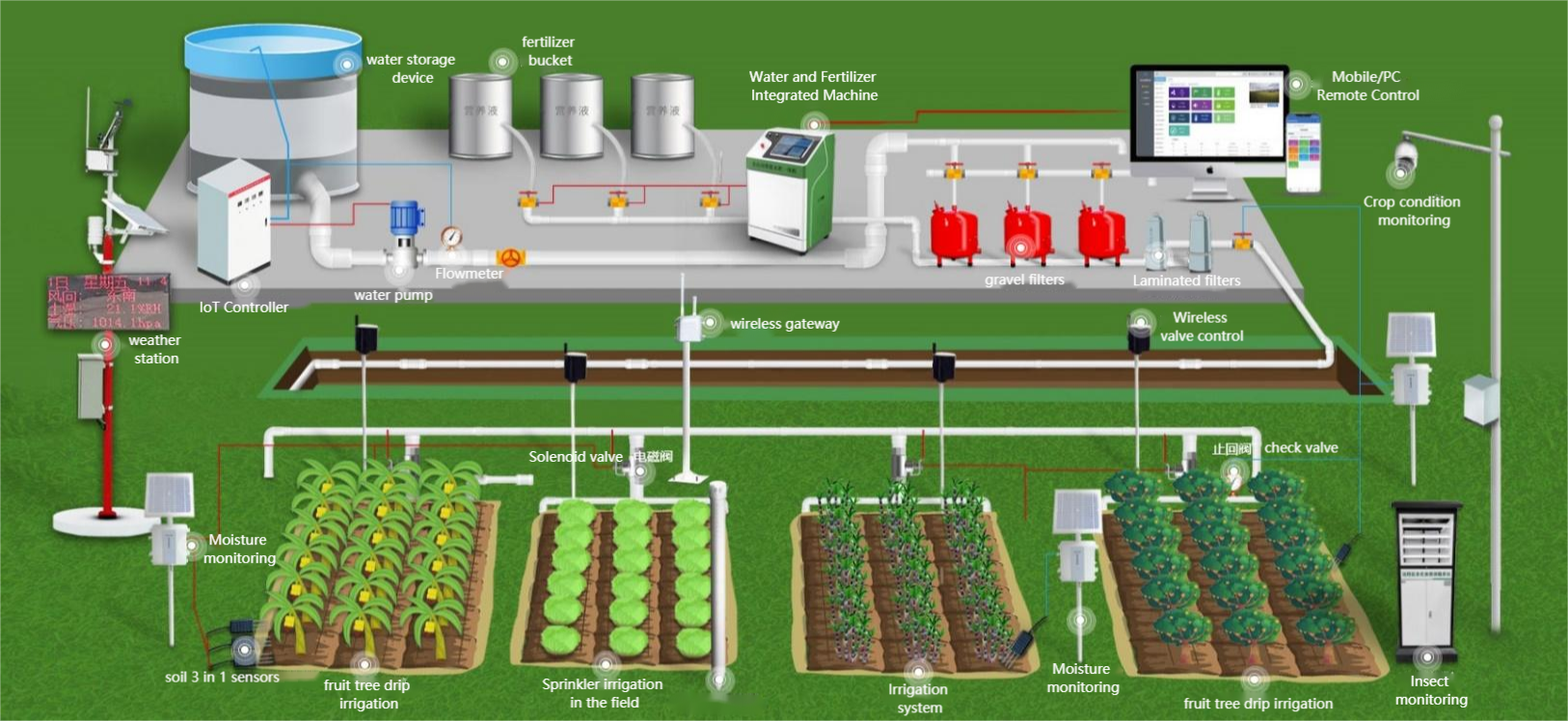
Typically, 3–6 hours for installation and debugging, after which the system starts collecting data.
Niubol sensors are rigorously calibrated with accuracy up to ±0.2°C, ±2%RH. The system also features automatic calibration and self-checking.
Yes. Users can access data from multiple stations in real-time through the web or app and manage permissions at different levels.
Yes. It is compatible with mainstream protocols (Modbus RTU, MQTT, HTTP API) for easy integration into farm or energy management systems.
Supports solar, DC, or hybrid power supply, ensuring continuous operation in remote areas.
Yes. It supports multi-node data collection, suitable for large-scale farms or distributed photovoltaic projects.
Yes. Niubol offers various sensor combinations and communication protocols to meet different project needs.
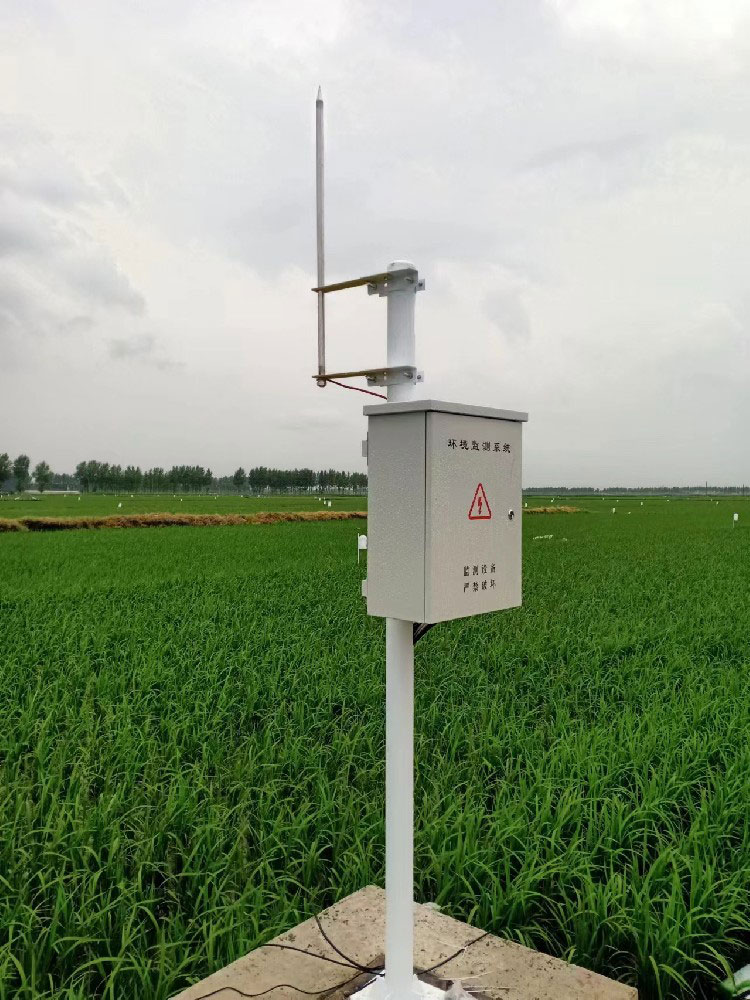
The Smart IoT Weather Station is not just a data collection device; it is the "smart core" of agriculture and energy projects. It enables data-driven decision-making, ensures operational security, and optimizes management through intelligence. Niubol will continue to drive the development of smart weather monitoring technology to help global agriculture and renewable energy projects achieve digital transformation.
Whether you are in agriculture, research institutions, or the energy industry, we provide stable, professional, and customized solutions.
Contact Niubol now for a free consultation and system solution:
sales@niubol.com | www.niubol.com
1.NBL-S-THR Soil Temperature Moisture Sensor datasheet
 NBL-S-THR-Soil-temperature-and-moisture-sensors-Instruction-Manual-V4.0.pdf
2. NBL-S-TMC Soil Temperature Moisture EC Sensor datasheet
NBL-S-TMC-Soil-temperature-and-moisture-conductivity-sensor.pdf
3. NBL-S-TM Soil Temperature Moisture Sensor datasheet
NBL-S-TM-Soil-temperature-and-moisture-sensor-Instruction-Manual-4.0.pdf
4. NBL-S-TMCS Soil Temperature, Moisture, Conductivity and Salinity Integrated Sensor
NBL-S-TMCS-Soil-Temperature-Humidity-Conductivity-and-Salinity-Sensor.pdf
Prev:Smart IoT Weather Stations for Farms and Solar Projects
Next:Best Wireless Soil Moisture Sensors — Key Technology for Precision Irrigation and High Crop Yields
Related recommendations
Sensors & Weather Stations Catalog
Agriculture Sensors and Weather Stations Catalog-NiuBoL.pdf
Weather Stations Catalog-NiuBoL.pdf
Agriculture Sensors Catalog-NiuBoL.pdf
Water Quality Sensor Catalog-NiuBoL.pdf
Related products
 Combined air temperature and relative humidity sensor
 TDR Soil Moisture & Temperature Sensor for irrigation| RS485 |4-20mA| NBL-S-THR
 Soil pH sensor RS485 soil Testing instrument soil ph meter for agriculture |NBL-S-PH
 Wind Speed sensor Output Modbus/RS485/Analog/0-5V/4-20mA
 Tipping bucket rain gauge for weather monitoring auto rainfall sensor RS485/Outdoor/stainless steel
 Pyranometer Solar Radiation Sensor 4-20mA/RS485

Screenshot, WhatsApp to identify the QR code
WhatsApp number:+8615367865107
(Click on WhatsApp to copy and add friends)

