— Blogs —
—Products—
 Consumer hotline +8618073152920
 WhatsApp:+8615367865107
Address:Room 102, District D, Houhu Industrial Park, Yuelu District, Changsha City, Hunan Province, China
Product knowledge
Time:2026-06-19 17:04:06 Popularity:213
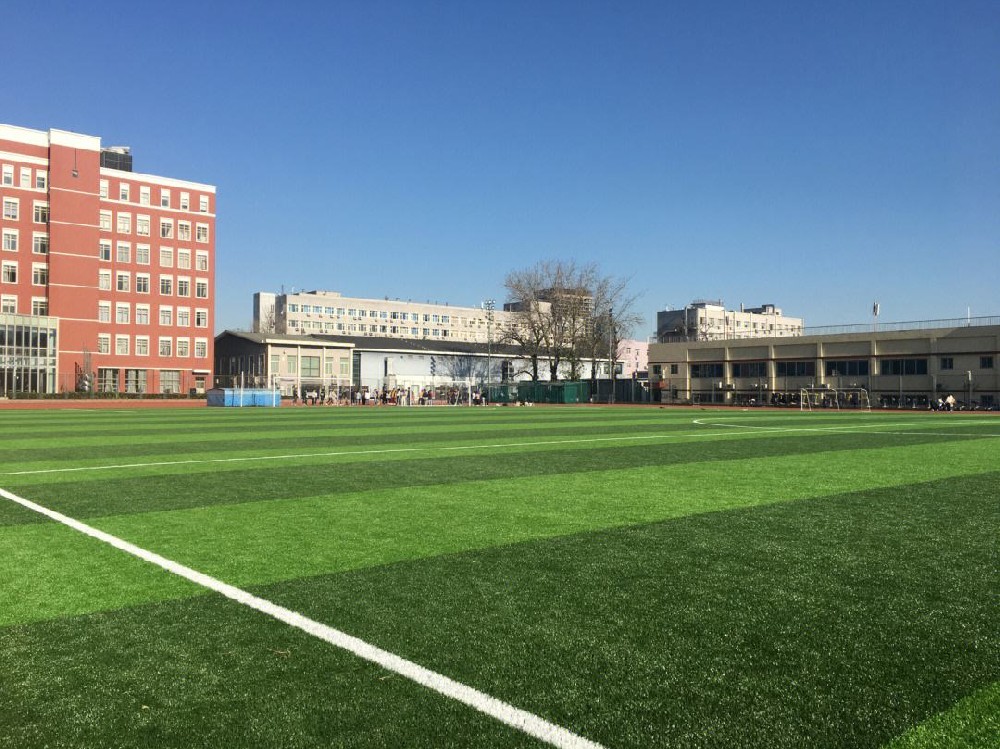
A campus weather station is both an environmental monitoring system and an educational platform. It can provide weather data for school management, science education, environmental activities, and student research. For project contractors, the system should be reliable, easy to maintain, safe for campus use, and clear enough for teachers and students to understand.
A campus station normally includes sensors, data collector, transmission module, power supply, support structure, display terminal, and software platform. Each component should be selected according to school environment, teaching goals, and maintenance capacity.
The sensor layer may measure wind speed, wind direction, rainfall, temperature, humidity, pressure, solar radiation, air quality, or other parameters. The collector stores and transmits data, while the platform displays real-time and historical information.
Basic campus stations usually measure temperature, humidity, wind speed, wind direction, rainfall, and pressure. More advanced projects may add solar radiation, UV index, illuminance, PM2.5, PM10, CO2, or soil sensors for science education.
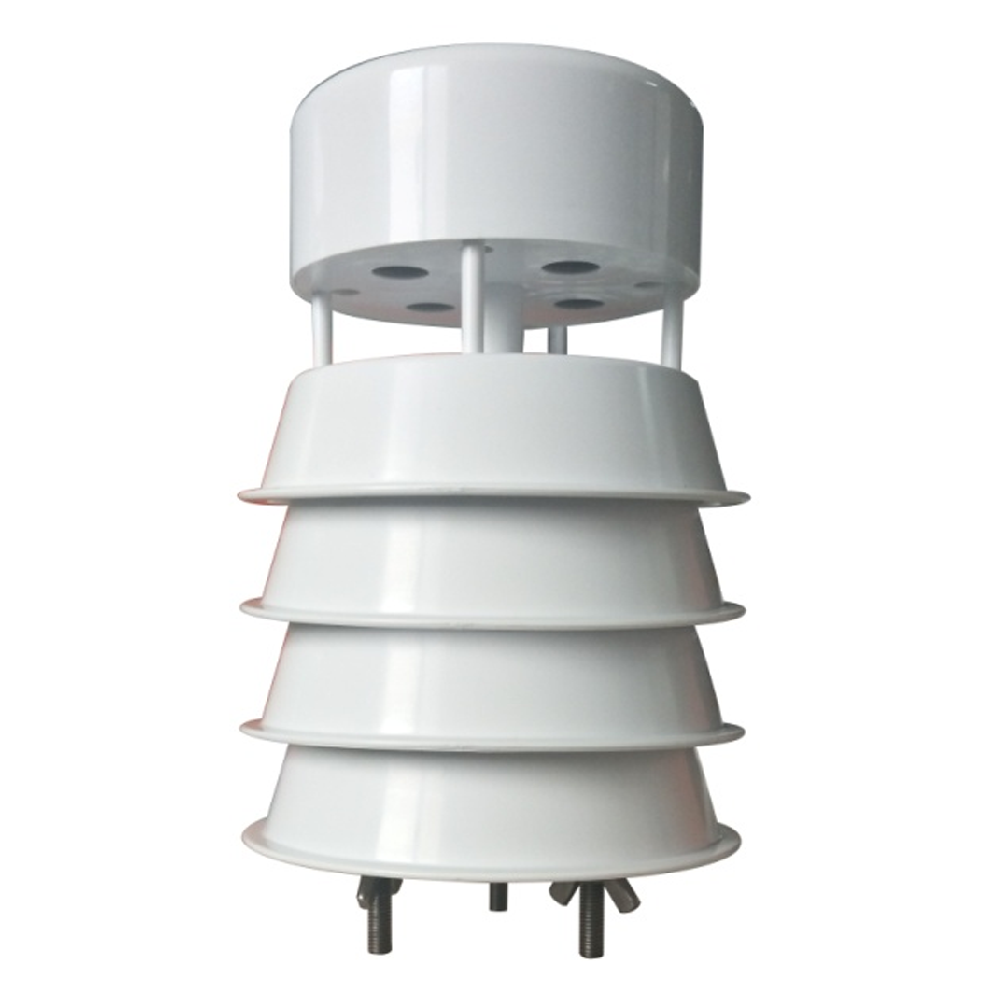
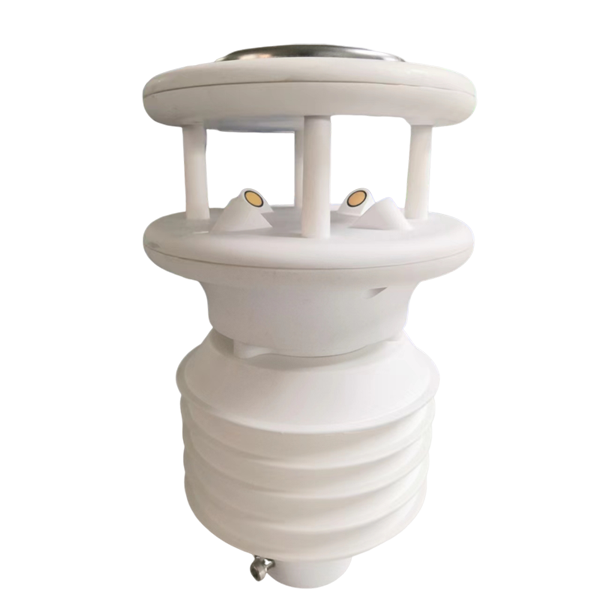
NiuBoL automatic weather station sensors can be configured according to project needs. A compact ultrasonic station can reduce moving parts and make the station easier to maintain on campus.
Outdoor equipment can use solar power, DC power, or a combined power design. The system should power the field station, but the computer or display terminal may require separate power.
Communication can be wired or wireless depending on campus layout. The contractor should confirm whether the school wants local display, web access, campus website integration, or mobile viewing.
A campus weather station should display data in a way that supports learning. Charts, historical records, weather indices, and comparisons between days or seasons can help students understand weather processes.
The station can support science classes, environmental clubs, student research, and public information displays. Data can also be used for campus activity planning and environmental awareness projects.
Campus installations should consider student safety, equipment protection, wind exposure, lightning protection, and maintenance access. The station should be placed where sensors are representative but not easily damaged.
Poles, cables, solar panels, and cabinets should be installed securely. If LED displays or screens are used, the location should be visible without interfering with daily school operations.
Acceptance should include sensor list, installation photos, live data display, platform login, historical curve check, data export, power test, and communication verification.
Teachers or facility managers should receive simple operation guidance so the station can continue supporting education after handover.
A campus weather station can support science classes, student clubs, school environmental activities, and local weather observation. Teachers can use real campus data to explain temperature, humidity, rainfall, wind, pressure, solar radiation, and air quality.
For contractors, the station should be designed as both an outdoor monitoring system and a teaching tool. The platform should make data easy to understand, export, and compare across days, weeks, and seasons.
Campus installations should prioritize safety. Poles, solar panels, cabinets, cables, and displays should be installed where students can observe the system without damaging it or being exposed to electrical or structural risks.
Maintenance access should also be considered. A station that is difficult to inspect may be neglected after handover. The school should receive simple guidance for checking power, communication, sensor condition, and platform access.
The platform should provide live data, historical curves, weather event records, and simple export functions. If the school has a website or display screen, selected weather data can be shared with students and visitors.
For inquiry-based learning, teachers can assign students to compare weather changes, observe rainfall events, calculate daily temperature range, or relate wind and humidity to outdoor activity planning.
A primary school may need a simple station with clear display and basic weather parameters, while a middle school or university may require more parameters, historical export, and research-oriented data access.
The contractor should clarify whether the station is mainly for science education, campus information display, environmental monitoring, or student research. This determines the sensor list and platform functions.
Teachers can use campus weather data to design lessons around daily temperature range, rainfall events, wind direction, humidity changes, solar radiation, and air quality. Students can compare live data with forecasts or historical records.
The platform should support simple charts and exports so students can use the data in reports, experiments, or inquiry-based learning activities.
After installation, the school should know how to check whether the station is online, how to view historical data, how to export records, and who to contact for service. A simple operation guide is more useful than a complex technical manual for daily school use.
Routine inspection can be assigned to facility staff or a science teacher. The inspection should include power status, sensor condition, communication status, and display function.
Before installation, confirm teaching goals, required parameters, display method, power supply, communication method, installation location, and safety requirements. A campus station should be designed for both reliable monitoring and educational use.
During commissioning, verify sensor data, platform display, historical curves, data export, power system, and communication stability. Teachers or facility managers should be shown how to view data and identify basic system status.
After handover, provide a simple operation guide and maintenance checklist. The guide should explain how to access the platform, export data, check whether the station is online, and report service issues.
A campus weather station should be planned with both education and operation in mind. The contractor should ask whether the school wants classroom data, outdoor display, science club research, campus website integration, or environmental awareness activities.
This discussion affects sensor selection. A simple school station may need only basic weather data, while a research-oriented campus may require radiation, air quality, soil, or greenhouse-related sensors.
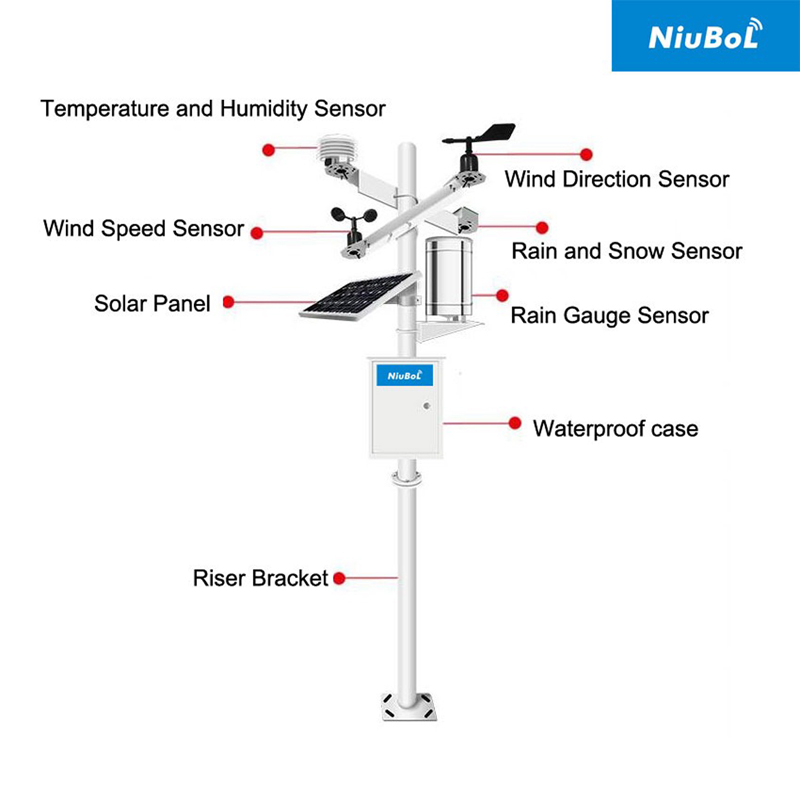
The value of a campus weather station increases when teachers can use the data repeatedly. Historical curves can support lessons on seasonal change, rainfall events, heat stress, humidity, wind direction, and local microclimate differences.
For student projects, the platform should allow data export in a simple format. Students can compare daily averages, build charts, and connect weather changes with campus activities or environmental observations.
After handover, the school should assign basic responsibility for checking the station. The responsible person does not need to be a sensor expert, but should know how to confirm power, communication, display, and visible equipment condition.
A yearly inspection plan can keep the station useful. The plan may include cleaning the solar panel, checking cable protection, verifying platform access, reviewing sensor readings, and updating contact information for service support.
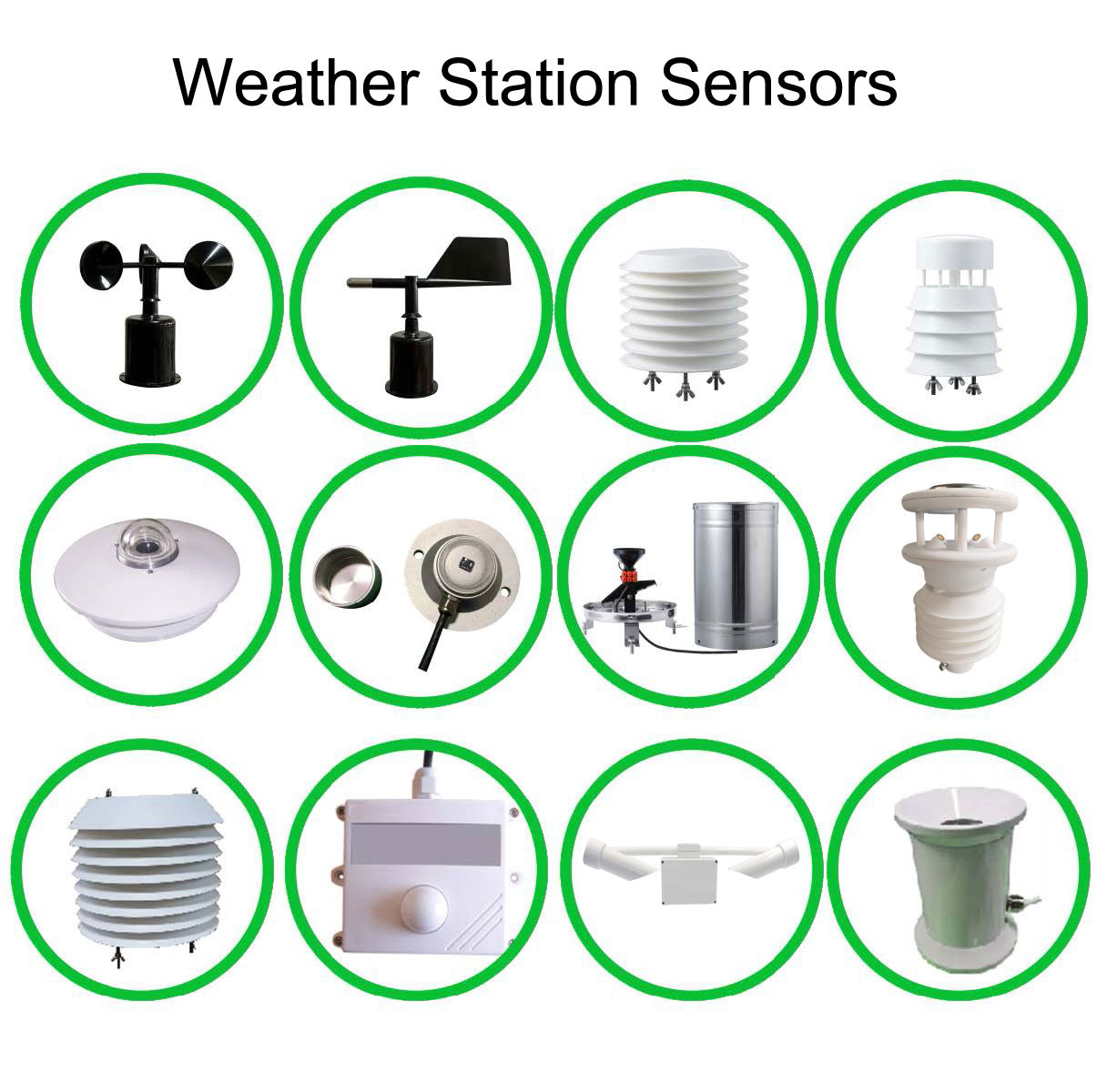
School projects should balance teaching value, safety, maintenance, and budget. A station with too few parameters may not support long-term teaching activities, while an overly complex station may be difficult for teachers to use. The configuration should match the school’s actual education plan.
The procurement request should include sensor parameters, display method, software access, power supply, communication mode, installation location, and training needs. This helps the supplier prepare a complete campus weather station package rather than only individual sensors.
If the school plans to use the station for student projects, data export and historical charts should be included. These functions allow students to work with real measurements instead of only viewing live values.
For outdoor campus equipment, durability and safety should be reviewed carefully. The station should withstand weather exposure while remaining safe around students and maintenance staff.
A short teacher training session can improve actual use. When teachers know where to find data and how to interpret the main parameters, the station is more likely to become part of regular science activities.
The school can also use the station for long-term local climate records. Even simple daily data can become valuable when students compare seasons, rainfall patterns, or heat events across several years.
For contractors, this means the system should be easy to keep online and simple to explain. A campus weather station succeeds when it is used regularly, not only when it is installed neatly.
A simple maintenance calendar can keep the station active through school vacations, exam periods, and seasonal weather changes.
This protects the teaching value of the investment.
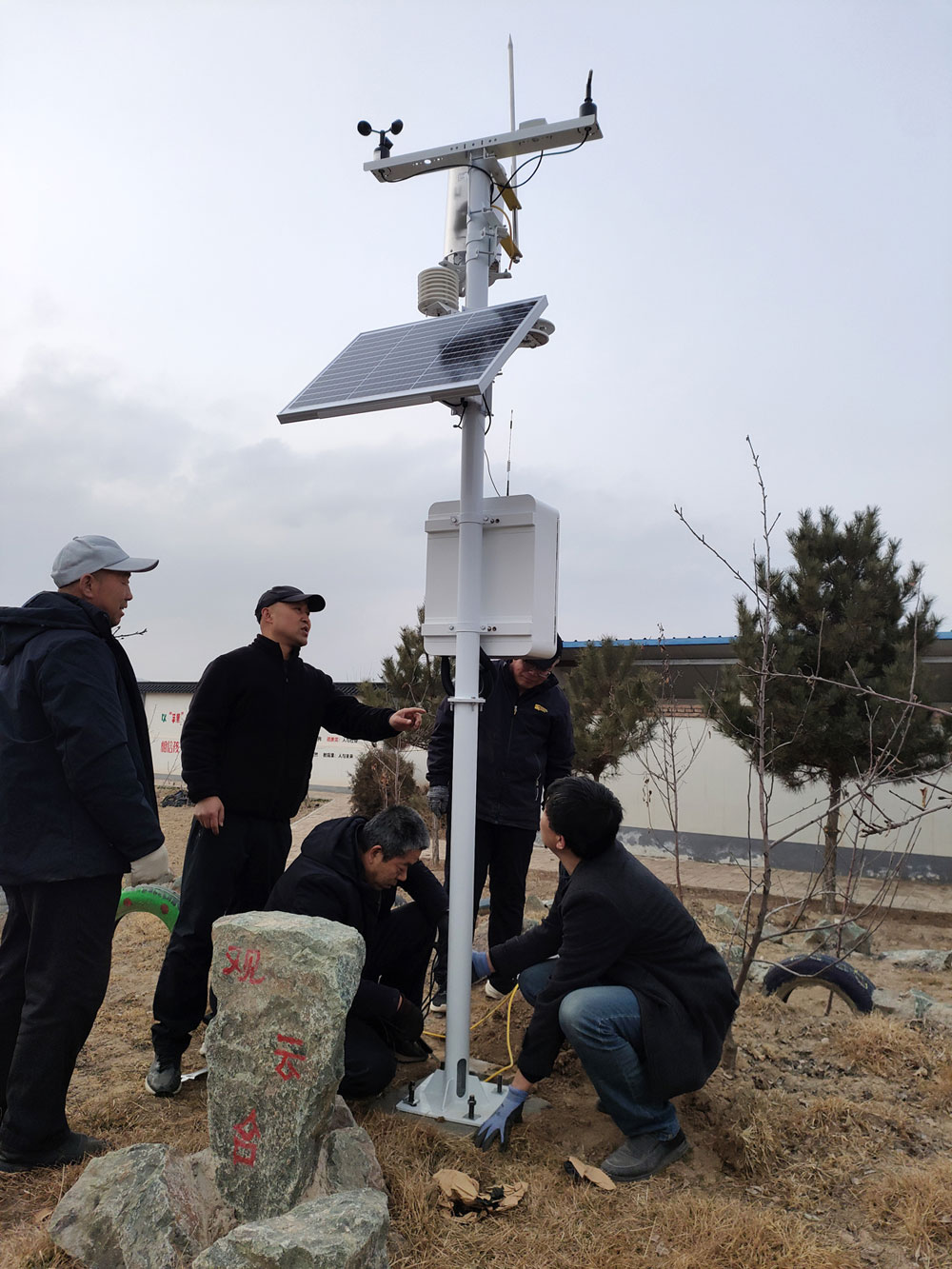
A campus weather station includes sensors, data collector, transmission module, power supply, support structure, display terminal, and software platform. Some projects also include LED screens or website integration.
Common sensors include temperature, humidity, wind speed, wind direction, rainfall, pressure, solar radiation, and air quality sensors. The configuration should match teaching goals and budget.
Yes. It provides real local data for science classes, student research, environmental clubs, and weather observation activities. Historical data helps students compare seasons and weather events.
Data can be transmitted by wired communication, wireless module, 4G, Ethernet, or gateway depending on campus layout. The platform can show live data, historical curves, and exported records.
Yes. Sensor parameters, display method, communication mode, power design, and mounting structure can be configured according to the school environment and teaching requirements.
Install it in an open and safe area with representative airflow and minimal obstruction. Avoid locations where students may damage equipment or where buildings and trees strongly affect readings.
Maintenance includes checking sensor condition, cable protection, solar panel cleanliness, battery status, communication, and platform data continuity.
Handover should include sensor list, model information, platform access, operation guide, installation photos, data export method, and maintenance advice.
A campus weather station combines weather monitoring, science education, and environmental awareness. With configurable NiuBoL sensors, data acquisition, power supply, communication, and display options, schools and contractors can build a practical station for teaching and long-term observation.
Prev:Construction Site Dust and Noise Monitoring System Functions for Environmental Supervision
Next:Agricultural Observation Station System Integration Guide for Crop Environment Monitoring
Related recommendations
Sensors & Weather Stations Catalog
 Agriculture Sensors and Weather Stations Catalog-NiuBoL.pdf
Weather Stations Catalog-NiuBoL.pdf
Agriculture Sensors Catalog-NiuBoL.pdf
Water Quality Sensor Catalog-NiuBoL.pdf
Related products
 Combined air temperature and relative humidity sensor
 TDR Soil Moisture & Temperature Sensor for irrigation| RS485 |4-20mA| NBL-S-THR
 Soil pH sensor RS485 soil Testing instrument soil ph meter for agriculture |NBL-S-PH
 Wind Speed sensor Output Modbus/RS485/Analog/0-5V/4-20mA
 Tipping bucket rain gauge for weather monitoring auto rainfall sensor RS485/Outdoor/stainless steel
 Pyranometer Solar Radiation Sensor 4-20mA/RS485

Screenshot, WhatsApp to identify the QR code
WhatsApp number:+8615367865107
(Click on WhatsApp to copy and add friends)